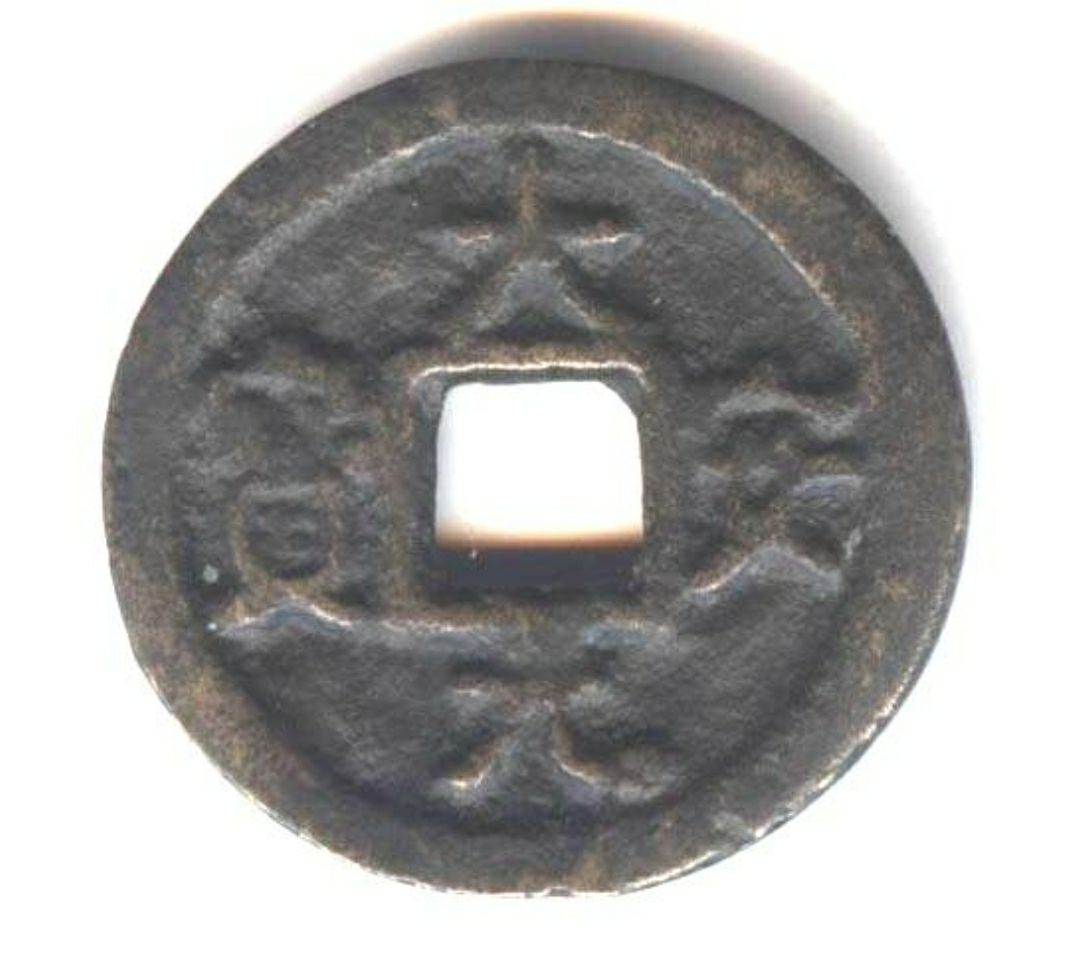
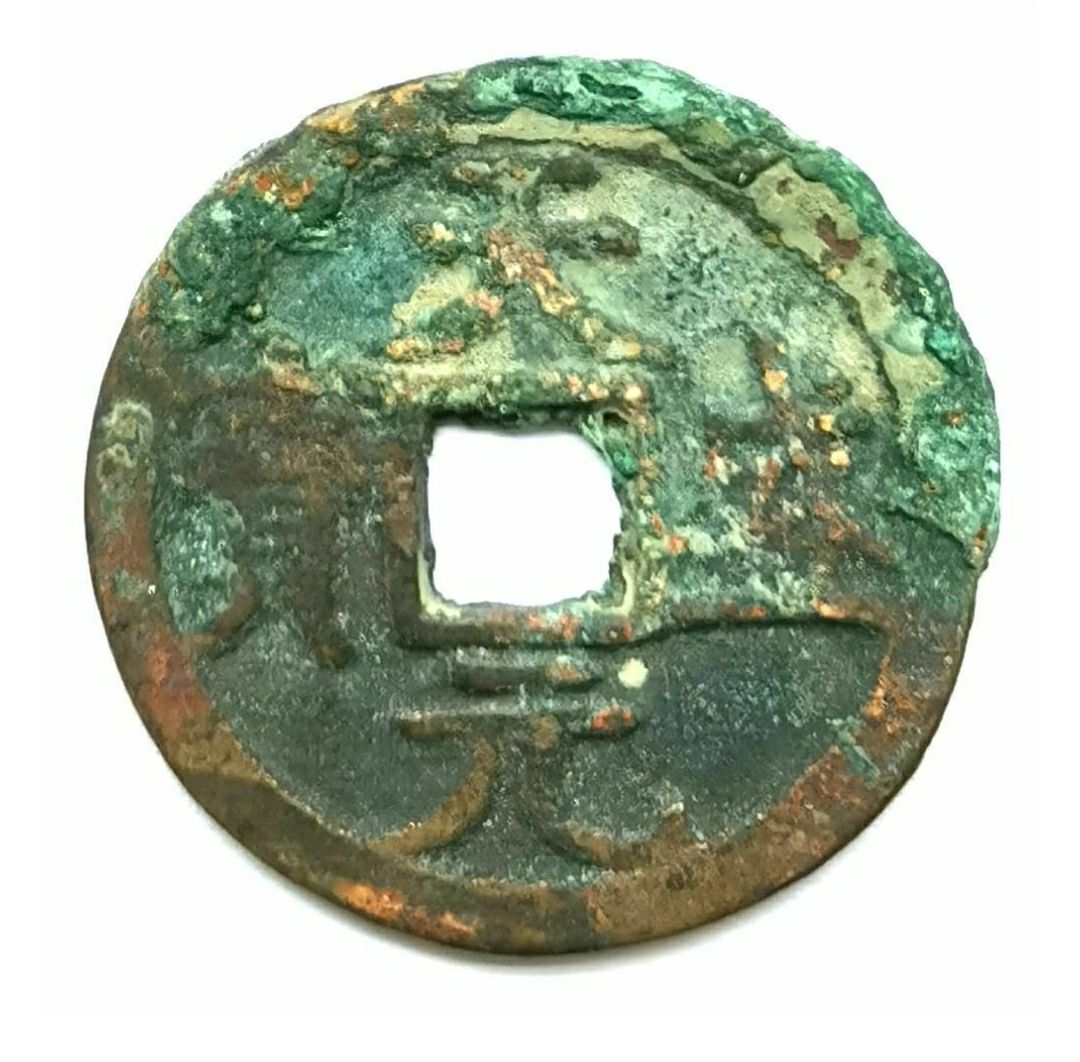
Tartarian coins have holes in them. For convenience, people may have put a string or chain through their coins, wearing them as a necklace or bracelet.
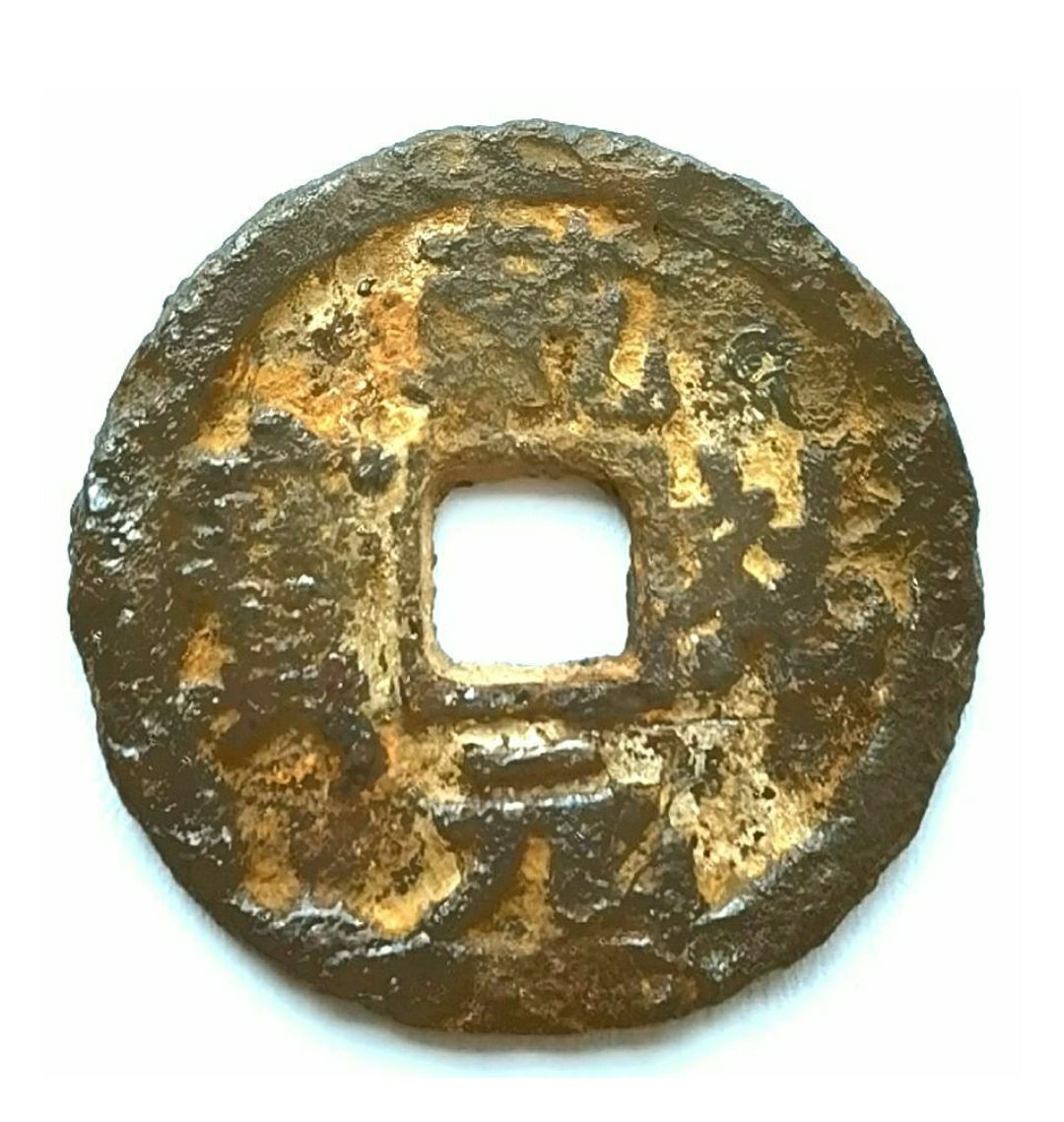
China has "flower holes" in their money too. 🤔
And there are Chinese characters on these "tartarian" pieces too. 🤔
I was expecting to find Russian writing instead of Chinese. 🤔🤔
What do you think about these findings?
Does it fit with what you originally thought, or does it give you more questions?
• • •
Missing some Tweet in this thread? You can try to
force a refresh

Until the end of the 19th century, there was no such thing as a so-called "Mongol Empire" or "Golden Horde" in the history books, this myth was invented very recently by the court "historians"(sci-fi writers)of the disgustingly corrupt Romanov
dynasty in order to validate the Scalergian Chronology (the false historical timeline that we are taught today).
In reality, that what we know of as the Mongol Empire,was in fact a country named Great Tartaria which existed for thousands of years until Summer 7284 (1775) when it
was almost completely eradicated following a nuclear winter. Ethnic cleansing of inhabitants who remained took place thereafter up until WW1. Numerous military campaigns were led in order to destroy Tartaria for centuries. The "French Invasion of Russia" - was really infact a
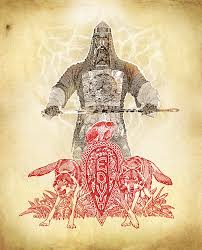
TARTARIA was founded by the two children of Perun; Tarh and Tara.
Perun is the most high God in the Slavic pantheon, in other Aryan pantheons he shared similarly high status under different names (different languages will have different names for the same being,
like how Allah = Yahweh = Jehovah = "God").
The most apparent names for this being; Perun, Perkunas, Piran, Perkele, Parun, Perkunija, Perendi, Perkon, Pirkuna.
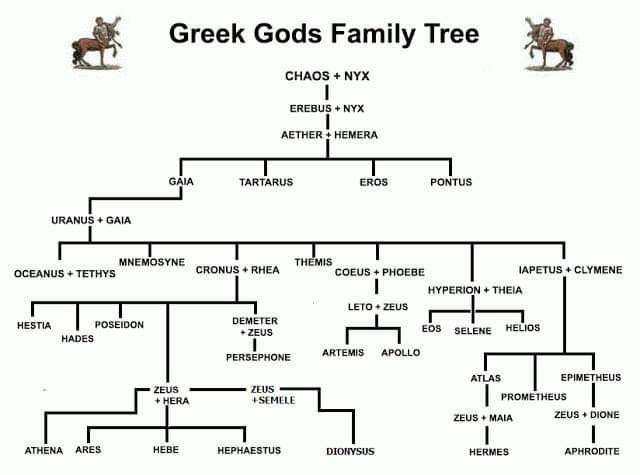
Less apparently, the deities Zeus, Thor, Jupiter, Indra, who are all the same deity as Perun,
however their names derive from different root words, as a deity can have countless names but most cultures tend to favour one for common use.
This deity was worshipped throughout all of Eurasia all the way to South America.
For example....Peru, Perugia etc.
Hair is so much more than just protein and melanin. Each strand is a tiny chronicle of every emotional, hormonal and nutritional experience.
In modern Western culture, while we may not have the conscious understanding of the spiritual impact of how and who we
choose to do our hair nevertheless it’s a big energy exchange. In shamanic practice, there is a ceremony called a cutting of cords, a release of old energies, patterns, beliefs, and connections.After certain events in our life we do have that feeling of wanting to cut our hair.
You might think of regular trips to the salon as trend-chasing or vanity, but that’s not always the case, say the shamans.
During the Vietnam War the United States military recruited Native American trackers and scouts. It is said an amazing thing happened.
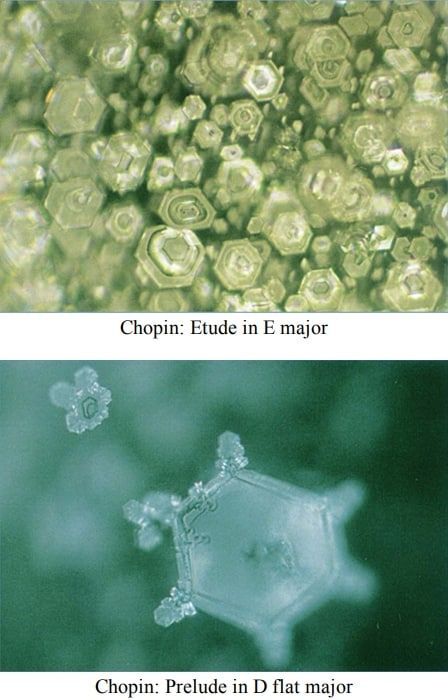
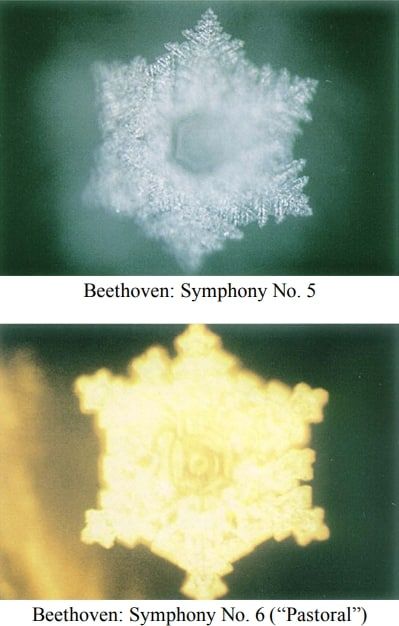
Here we see that pleasant music is reflected in water with pleasant patterns, exactly how pleasant words are reflected in water with pleasant patterns.
This means that it isn't just spoken word that affects our health and performance in this manner,
it is ALL SOUNDS around us that come into contact with our bodies (which again, are 70% water).
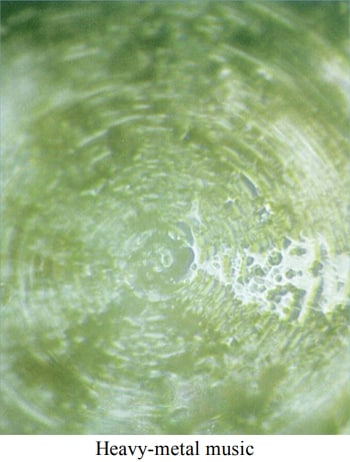
Conversely, negative music impacts our performance negatively:
This is the result of loud music full of angry and vulgar lyrics. The result is similar to that created by “You fool:”
indicating that water responds more to words than to music.
— Emoto
Men, do not refrain from angry music just yet. I will explain its usefulness later. For females, I'd recommend not listening to angry music at all.
The Importance of Sophistication - The Real Origin of Religious Customs
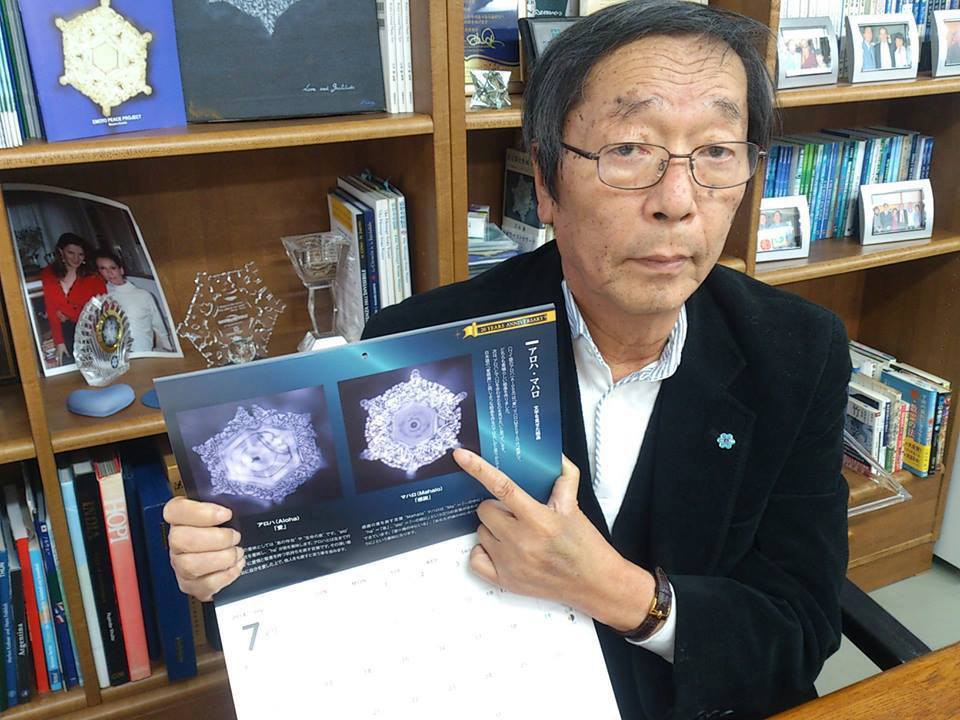
A businessman, author, and scientist named Dr. Masaru Emoto, whom the mainstream has been given the "pseudoscience" medal of honor, discovered something that changes everything.
I'll explain his experiment as simply as possible: He said nice things to water, froze the water, then observed the crystal patterns in the ice. No, really.
This is what the frozen water looked like when he said pleasant things to it:
Conversely, he said insulting and negative words to water, and it resulted in this: