Listening to this nice piece on the film "Living" and how the author, British novelist Kazuo Ishiguro was inspired by the Akira Kurosawa film "Ikiru," an internationally beloved classic whose title means "To Live." npr.org/2023/03/06/116…
The piece drops the ball at the end tho, when the narrator says that the film "is not just a remake" and they have a Brit critic that goes "'Ikiru,' by Kurosawa, seems to be a film about Japan, 'Living,' by Ishiguro and his colleagues. seems to me a film about humanity"
Like WTF
What does that mean? Ikiru has been widely regarded as one of the "great films" internationally for decades. It's obviously very universal in its appeal. How is it that "Ikiru" being set in Japan makes it "about Japan" but "Living", being set in the UK, makes it "about humanity"?
This may seem like a little thing to you, but I catch these weirdly xenophobic biases in progressive identifying media all the time. It always gives me whiplash. It's not the end of the world, not a hill to die on, I just want people to be aware of their biases is all. Do better!
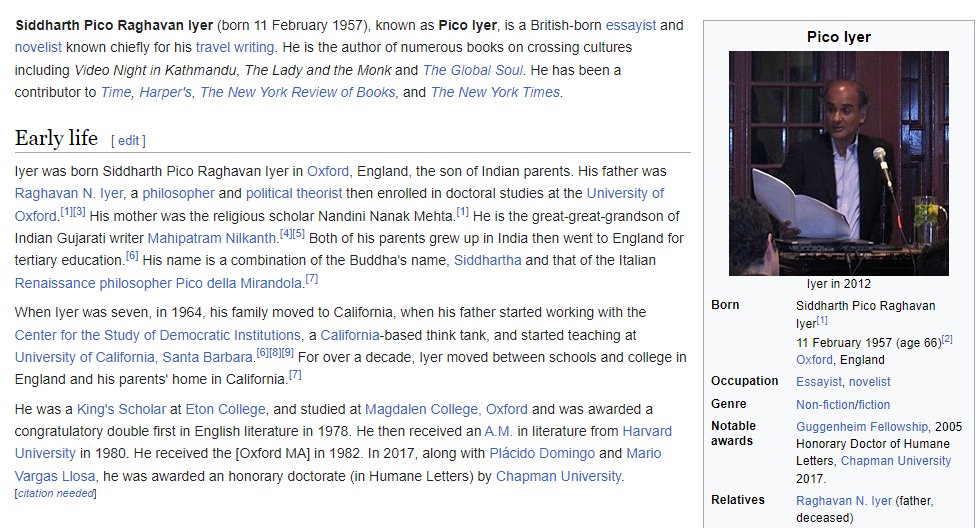
It's especially weird cos this assertion that "Living" is more human than "Ikiru" was made by British essayist Pico Iyer, who is famous for writing about multiculturalism, albeit from a very Anglophone (US/UK) perspective--which is what I'm criticizing right now haha.
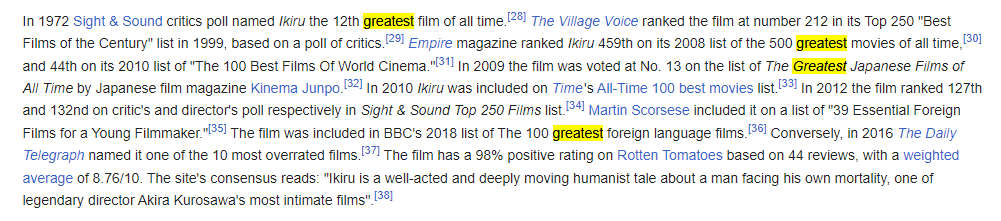
For context, "Ikiru" has been frequently included on "Greatest Films of All Time" lists for decades. Up there with "Citizen Kane" and "The Seventh Seal" and other pillars of cinema. It's SO STRANGE to hear someone say it's "about Japan" and not about ya know "Life"
And outside of all that critical acclaim, Ikiru is just clearly a wonderful movie. It's beautiful. So very humanistic. Totally holds up today.
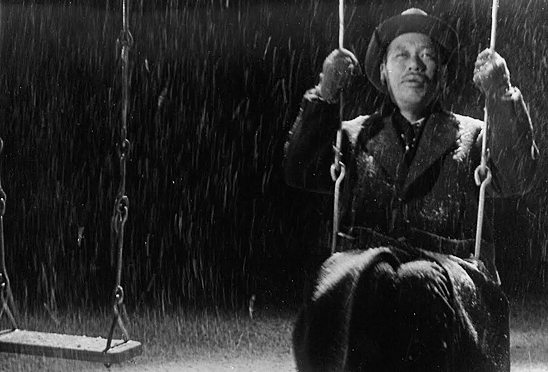
Yes Ikiru is very "Japanese" insofar as any good movie is a product of its time and culture. But its story about the drudgery of soul crushing work and the desire to do something meaningful is pretty universal. That's why it's still a classic today!
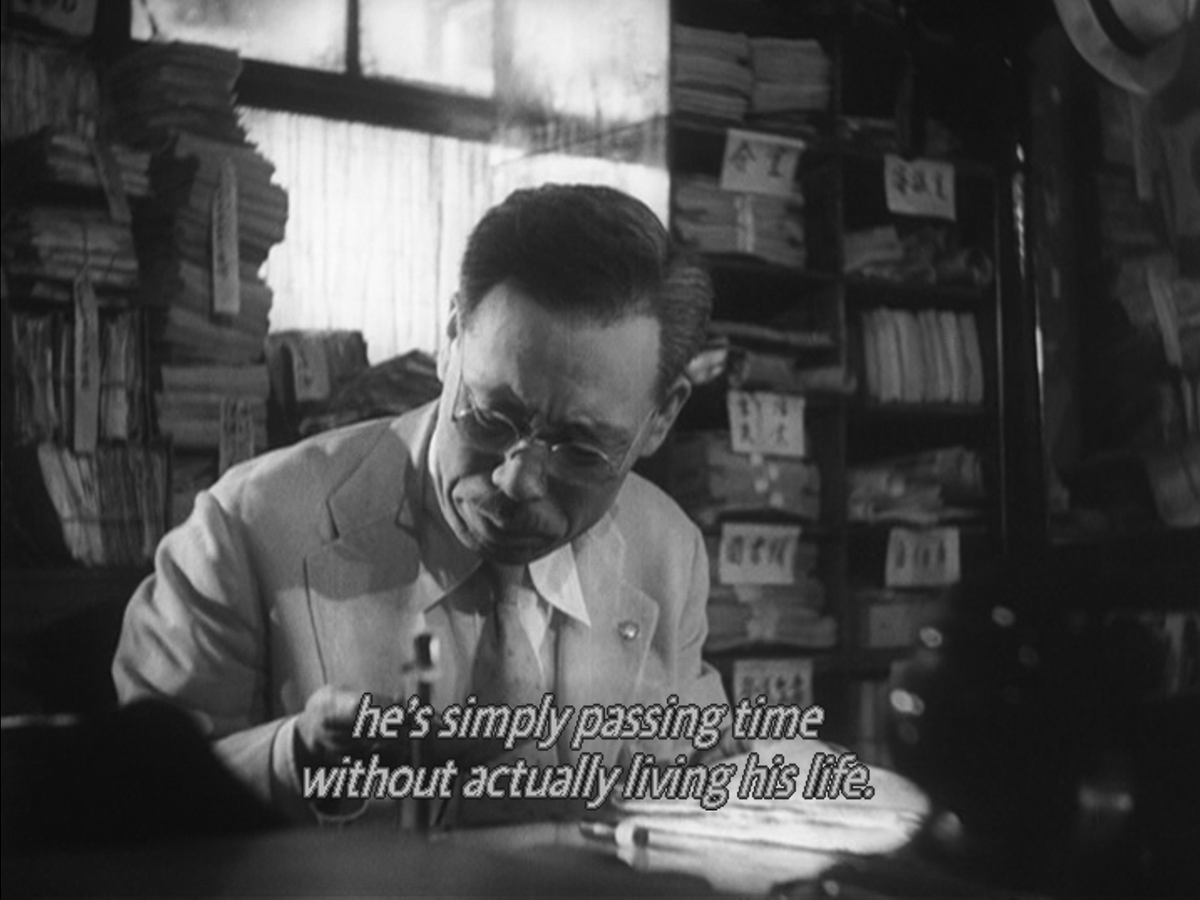
Anyway, I really wanna see "Living" as well. It sounds lovely (I was a big fan of the film "The Remains of the Day" which was adopted from his novel). Kazuo Ishiguro himself only had good things to say about Ikiru and Kurosawa. Don't mean to throw shade oh him or his work at all.
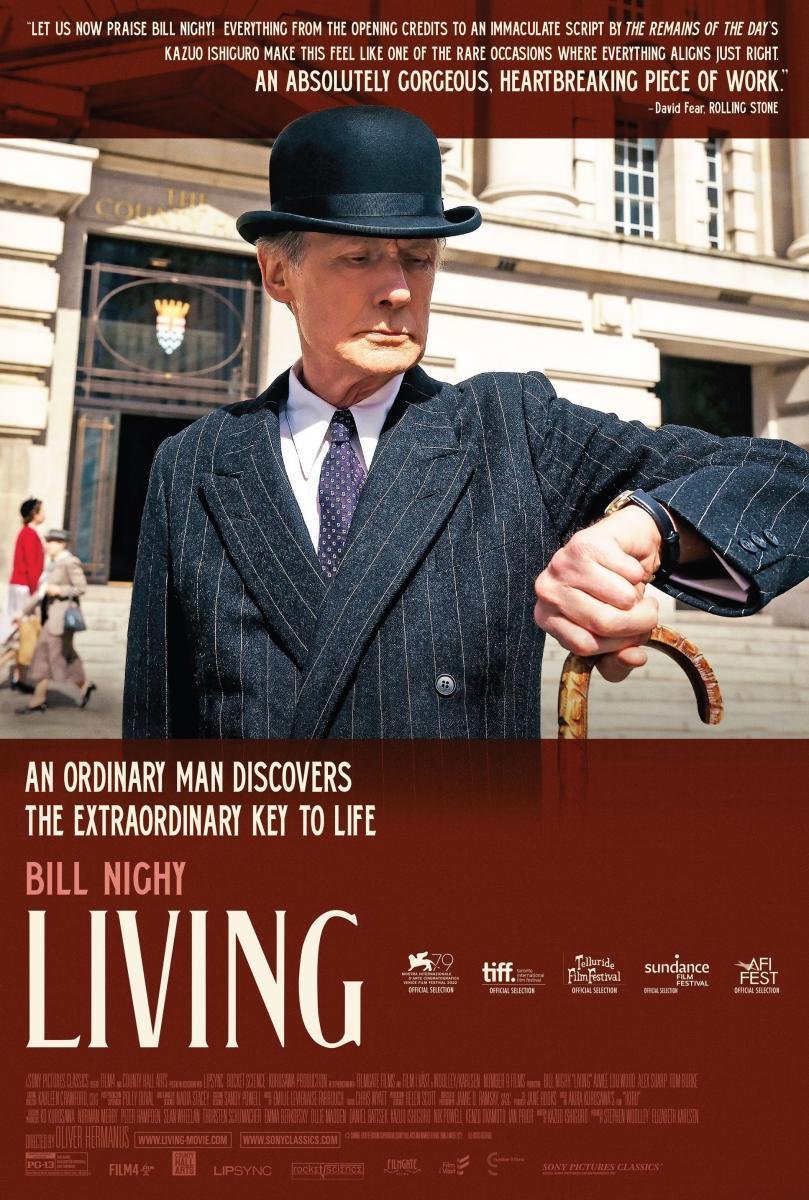
Also I did not know that "Bill Nighy" was pronounced "Bill Nai." I kept wondering, "Bill Nye? He's in this movie??"
• • •
Missing some Tweet in this thread? You can try to
force a refresh

Anime & manga should be accessible to everyone. Everyone should be able to enjoy it. But there's an ethnic/national/cultural component to anime and manga that people love to erase so they can discuss it purely through an Anglophone lens and declare their naive conclusions gospel.
This isn't to say that you must be Asian or Japanese to "get" anime. Anyone anywhere can potentially relate to it and have insights into it. But if you are only capable of filtering themes through the lens of American Left vs Right politics, you are VERY SHORT SIGHTED.
It's impossible to ignore the USA empire on the world stage. But the American mindset, so obsessed with punditry and local groupthink is NOT global. It's absolutely not the framework that anime and manga are produced from. There's a bigger world out there. America ISNT the world!
There's no music during the firebombing scene in Grave of the Fireflies. There's no cinematic contrivances to make the scene more exciting or heart rending. It's eerily silent. Because that's what Takahata remembers from living through it as a child. The silence.
It's not unusual for people to get defensive after watching Grave of the Fireflies. They feel taken advantage of emotionally, because the film hits so hard. I tell them "watch it again. See how little it does to manipulate your feelings." They always come back impressed.
Grave of the Fireflies already knows the subject matter is sad. So it doesn't rub your nose in it. Instead it presents the story with as much straightforward humanity as possible. Warts and all. It's not just simply "war is bad." It's also about how the brother fucks up SO BADLY.
It's interesting how Nujabes ended up being unquestionably one of the most beloved and influential musicians of the 21st century. He wasn't necessarily revolutionary at any particular thing, but he hit on the PERFECT VIBE that everyone has been chasing.
Let's say that Samurai Champloo was where he was launched to international fame. It's been 2 decades since then. And every year since then, new music only sounds more and more like Nujabes.
You know the "Thing Japan" meme? How people often say "you only like that cos it's Japanese!" I'm so glad that basically NO ONE says that about Nujabes. Everyone I know that loves hip hop (and I mean REAL TRUE LOVE) loves Nujabes.
🧵The Western take on Yoshitoshi is that he was a tragic figure waging a lone war against industrialization and modernization. A war that he lost and thus the traditions he championed died with him. It's a romantic notion that also satisfies tons of biases.
🧵But it's so far from the truth. Yes Ukyo-e fell out of favor for more modern methods of reproduction like photography. But it never died out. For instance there was the Shin-hanga (新版画) movement of the early 20th Century, whose purpose was to keep Ukyo-e alive and evolve it.
1. Manga has been more popular than Marvel or DC comics in the west for decades now
2. Marvel & DC =/= All American comics. Dog Man is one of the best selling books (not just comics) in the US. Americans definitely still enjoy reading American comics!
In fact, there have been times where Dog Man has been the #1 best selling book in the US overall!
Dog-Man is the most popular comic in America, outselling any manga. But for some reason it's not really considered a comic by most, i guess cos it's for kids? Where are the articles about how Dav Pilkey is a threat to Superhero comics lol