
“Lol people back then were so dumb, war was just a mob rush like Game of Thrones”
Absolutely wrong.
People in the past were much smarter than we give them credit for.
1/
Absolutely wrong.
People in the past were much smarter than we give them credit for.
1/
https://twitter.com/shaun_vids/status/1632074632571355139
These types of characterizations are just… blatantly wrong.
It comes from historical illiteracy and a desire to look down on the past — to view oneself as smarter than those who came before.
It comes from historical illiteracy and a desire to look down on the past — to view oneself as smarter than those who came before.
https://twitter.com/WFlotsam/status/1632267841960562688
Historical study used to focus heavily on battle and battle tactics, from Alexander to Waterloo.
It doesn’t anymore, and as a result people get their info from Hollywood.
And you get these sorts of takes.
It doesn’t anymore, and as a result people get their info from Hollywood.
And you get these sorts of takes.
To prove this point, let’s examine some ancient armies and their tactics.
First, far before the age of radio… Roman battle tactics.
First, far before the age of radio… Roman battle tactics.
https://twitter.com/0xalaric/status/1558928735008686081
The basic unit of Roman infantry after ~300 BC was the maniple, a group of 120 soldiers divided into contuberniums — essentially squads of 8.
The maniple would typically be arranged in three rows, and constantly rotate men at the front.
The maniple would typically be arranged in three rows, and constantly rotate men at the front.
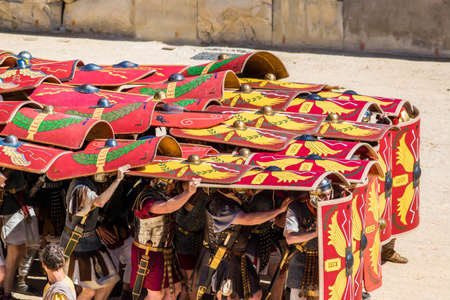
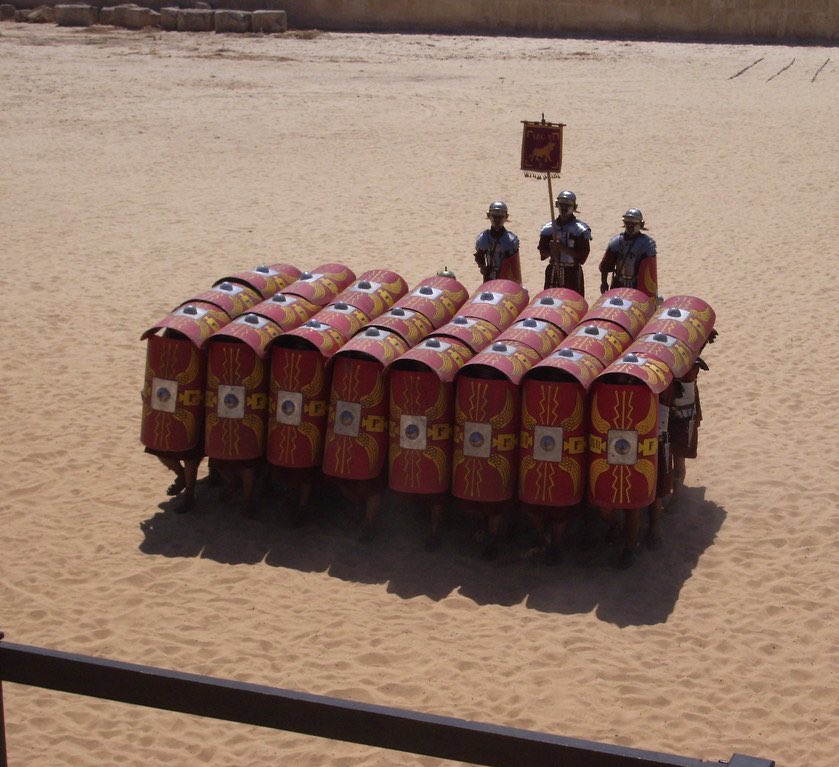
This prevented fatigue, and kept the front line fresh. The back rows would often hold their shields above in a turtle formation to protect from arrows or other missiles.
Legionnaires advanced at a slow, standardized marching pace — not a mad rush.
Legionnaires advanced at a slow, standardized marching pace — not a mad rush.
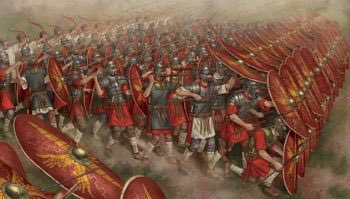
There was also the cavalry, who engaged in initial skirmishes to antagonize the enemy into disarray, and to break their formations
Also, behind the maniple formations, there were well-equipped missile troops: archers, slingers, javelin-throwers, and ballista/catapult operators.
Also, behind the maniple formations, there were well-equipped missile troops: archers, slingers, javelin-throwers, and ballista/catapult operators.

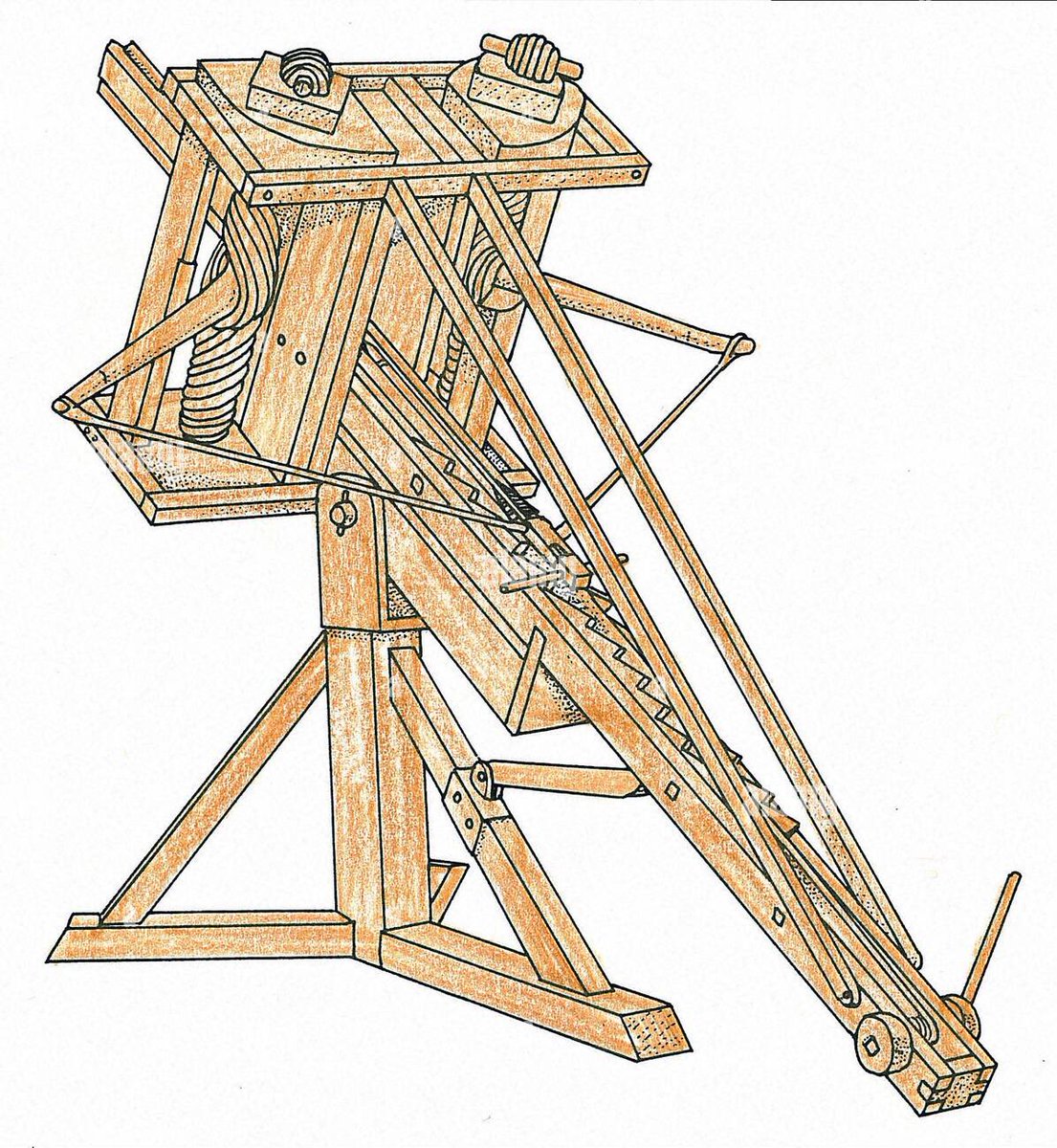
This was all made possible by standardized equipment — notably the scutum shield, gladius, and javelins…
…as well as extensive, organized training akin to modern boot camp (and constantly reinforced with training exercises and mock battles).
…as well as extensive, organized training akin to modern boot camp (and constantly reinforced with training exercises and mock battles).
https://twitter.com/0xalaric/status/1558928790394441729
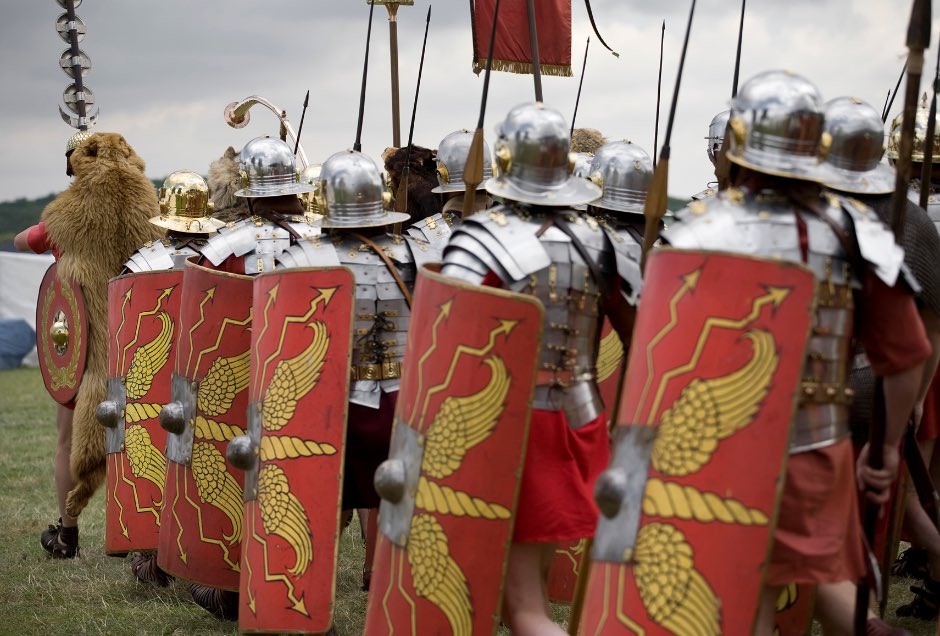
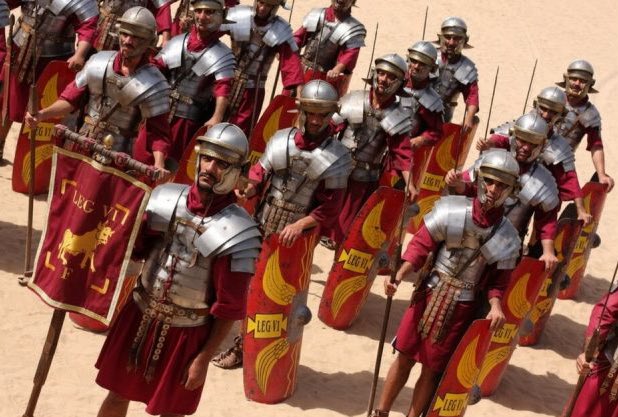
Of course, this doesn’t even mention the Roman legions’ ability to build fortifications.
During the siege of Alesia, Caesar had his men build a wall around the city — and then, when he learned that an army was coming to break the siege, built another wall around his forces.
During the siege of Alesia, Caesar had his men build a wall around the city — and then, when he learned that an army was coming to break the siege, built another wall around his forces.
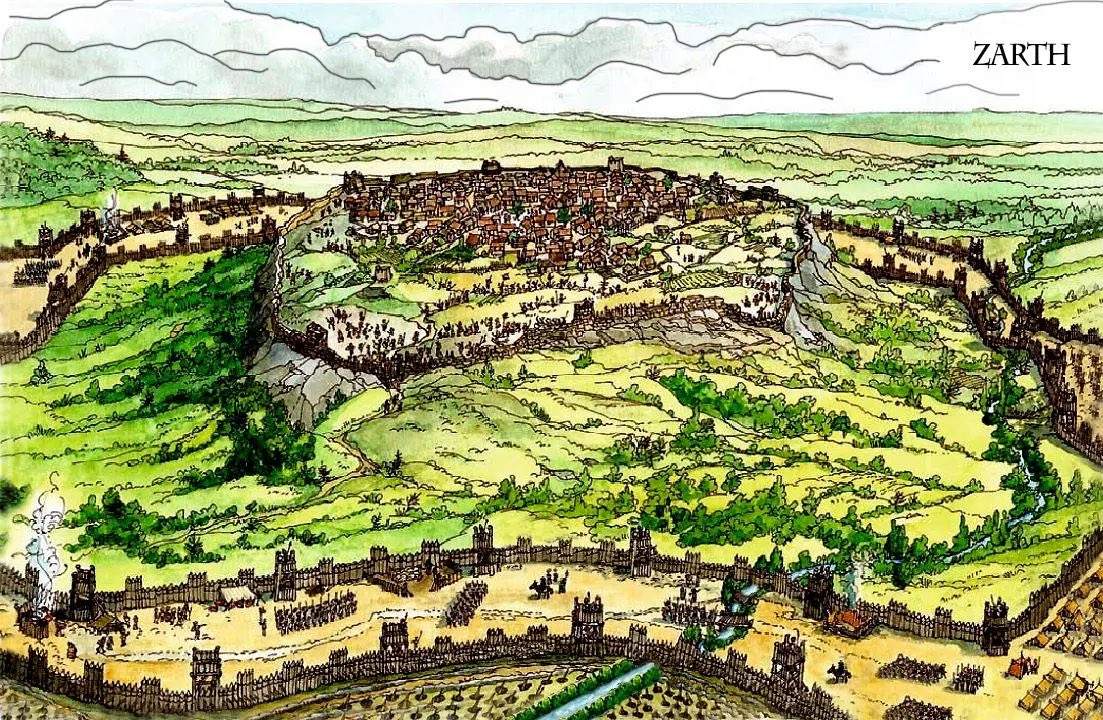
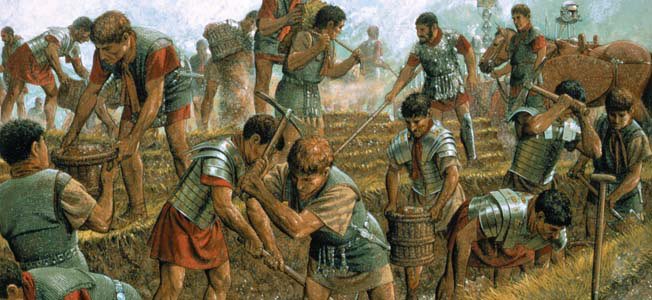
These fortifications were complex, solid structures, erected rapidly with available materials.
@HardcoreHistory called the legionnaires “half soldier, half construction worker” for a reason.
Again — intelligent, complex tactics.
@HardcoreHistory called the legionnaires “half soldier, half construction worker” for a reason.
Again — intelligent, complex tactics.
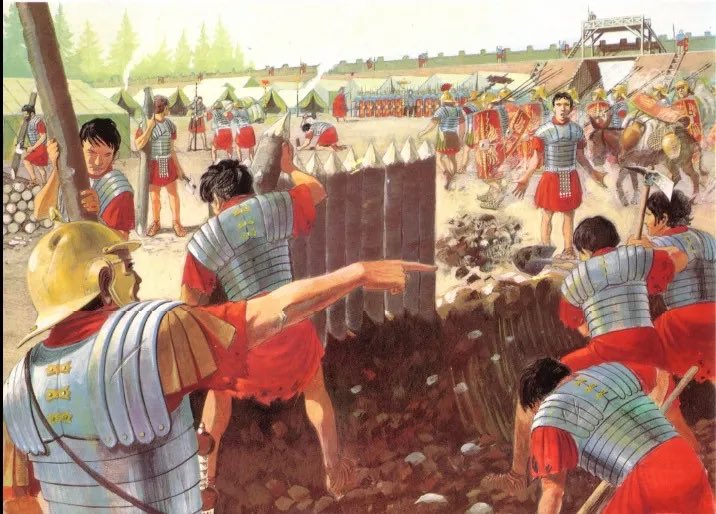
But maybe the Roman example verges too much into the realm of technology rather than tactics.
So, let’s examine some battles.
So, let’s examine some battles.
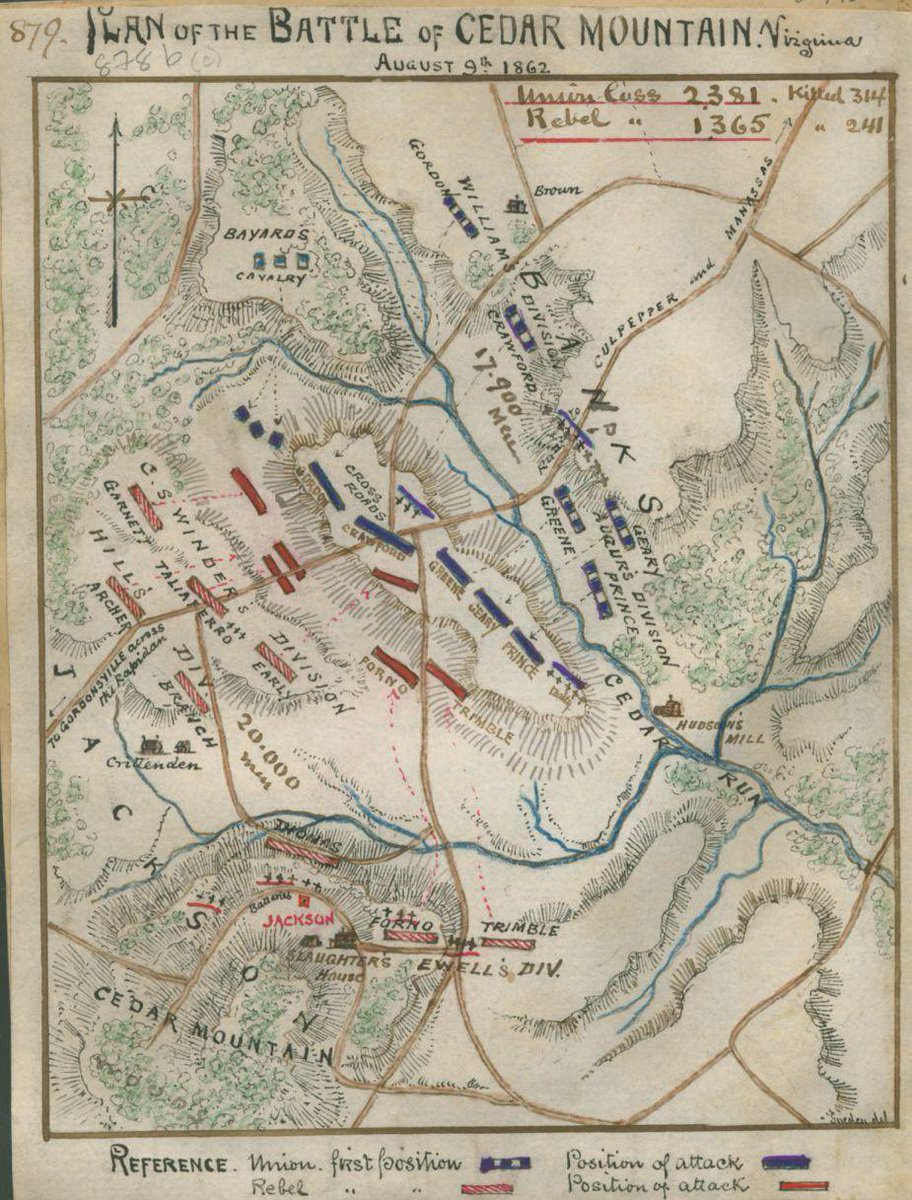
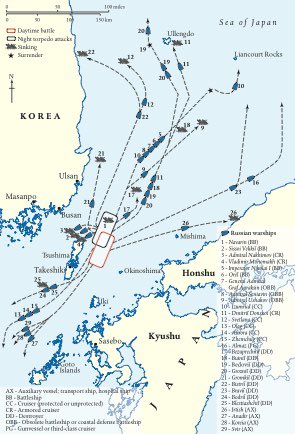
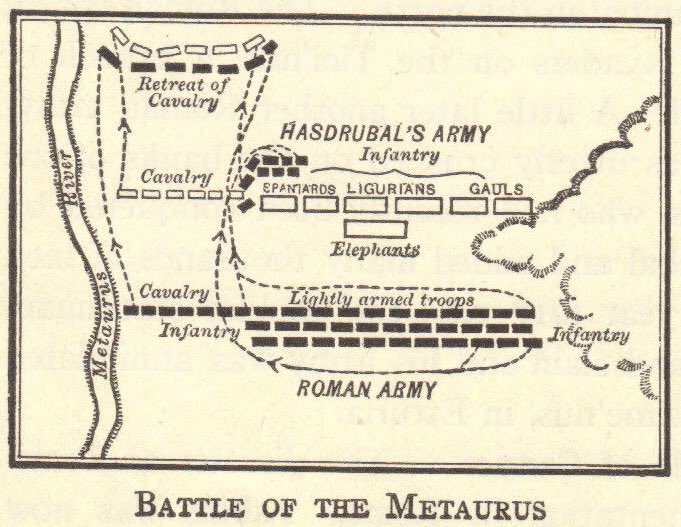
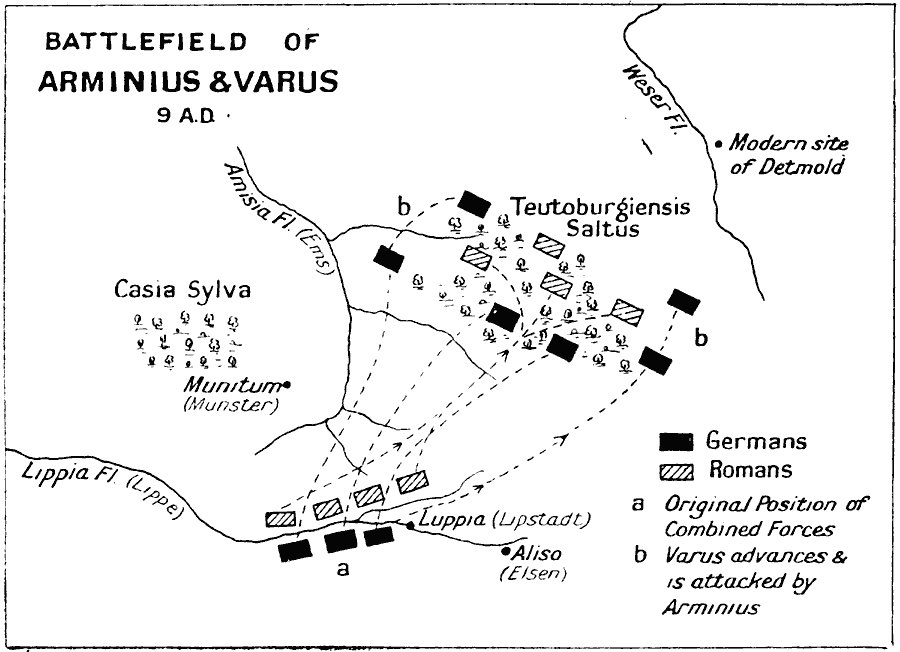
First of all, here are some charts of older battles.
Note the complex, organized movements — flanking, fake retreats, routs, advances, splitting forces, combined arms elements… all of these took a high degree of organization and intelligent strategy.
Note the complex, organized movements — flanking, fake retreats, routs, advances, splitting forces, combined arms elements… all of these took a high degree of organization and intelligent strategy.
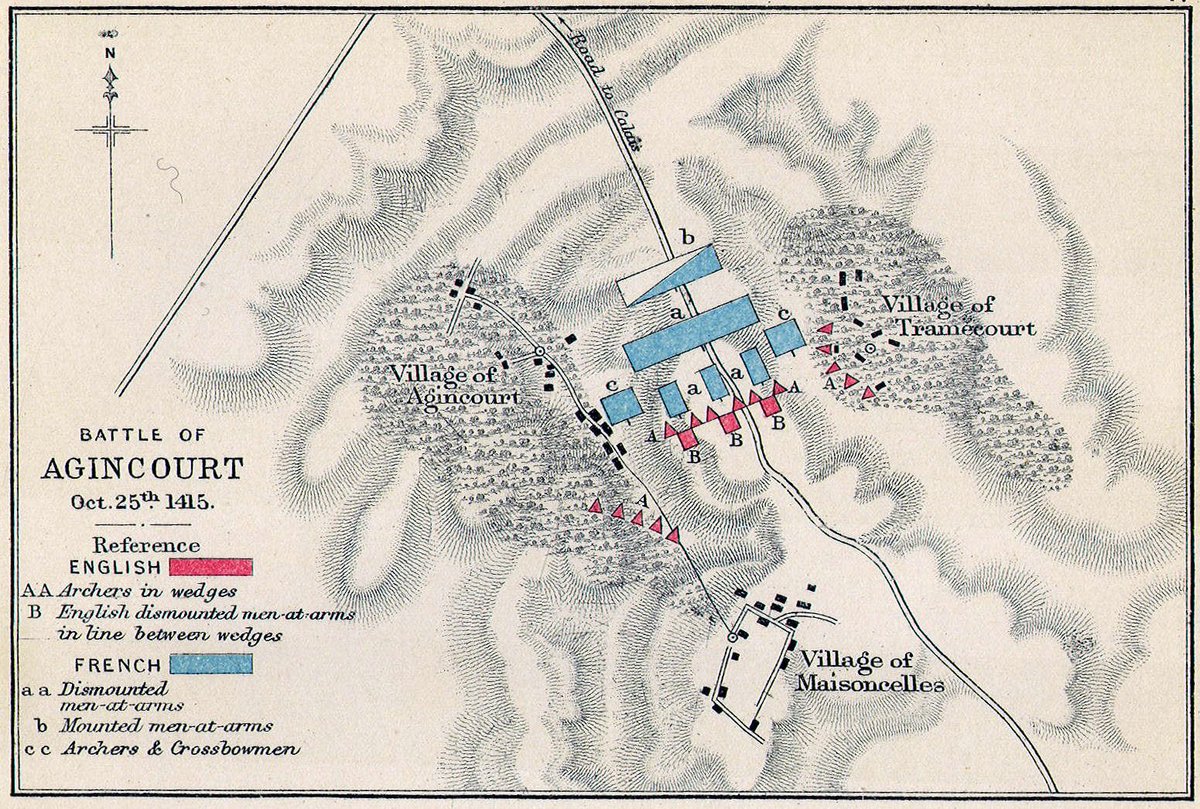
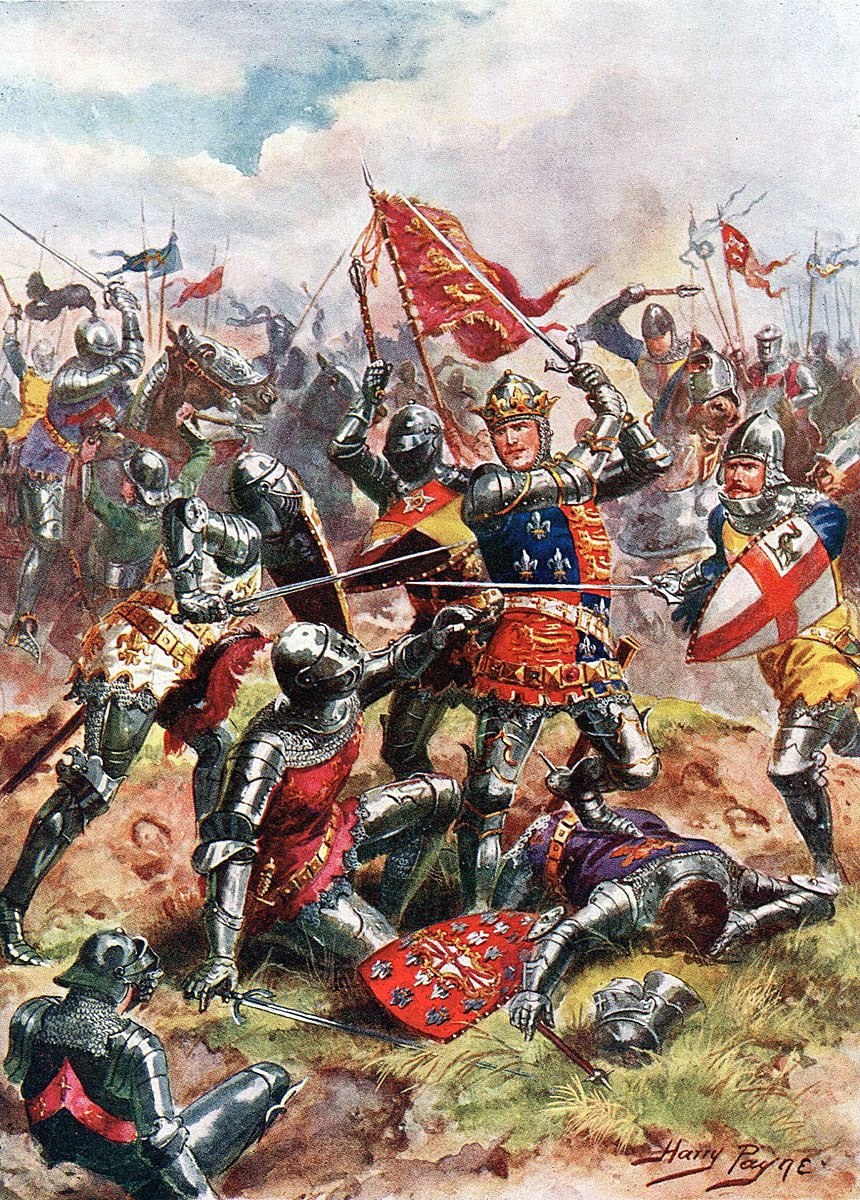
One example in particular is illustrative: the Battle of Agincourt in 1415.
The English used a narrowing, muddy field to funnel the larger French force into a turkey shoot for their longbowmen, bogging down the French cavalry in mud and winning against a numerically superior foe
The English used a narrowing, muddy field to funnel the larger French force into a turkey shoot for their longbowmen, bogging down the French cavalry in mud and winning against a numerically superior foe
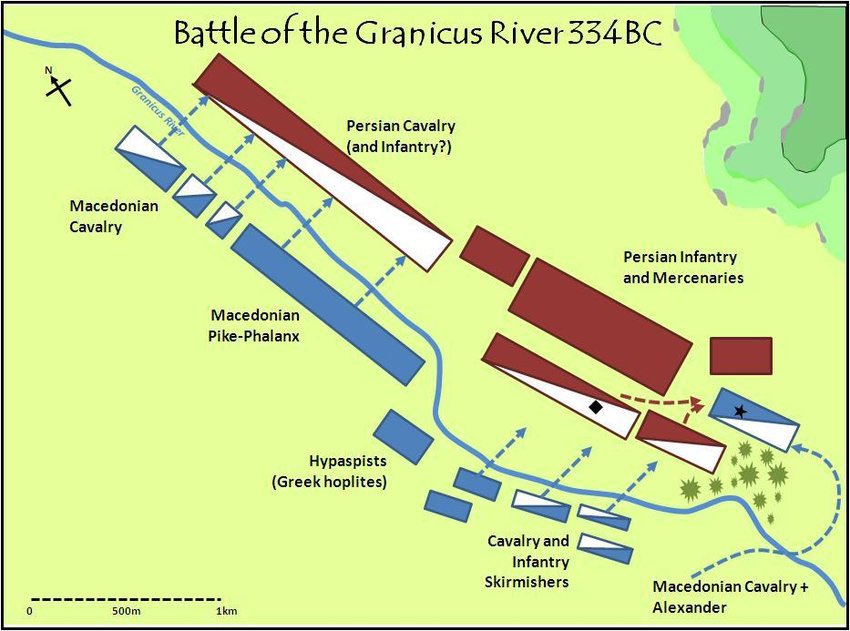
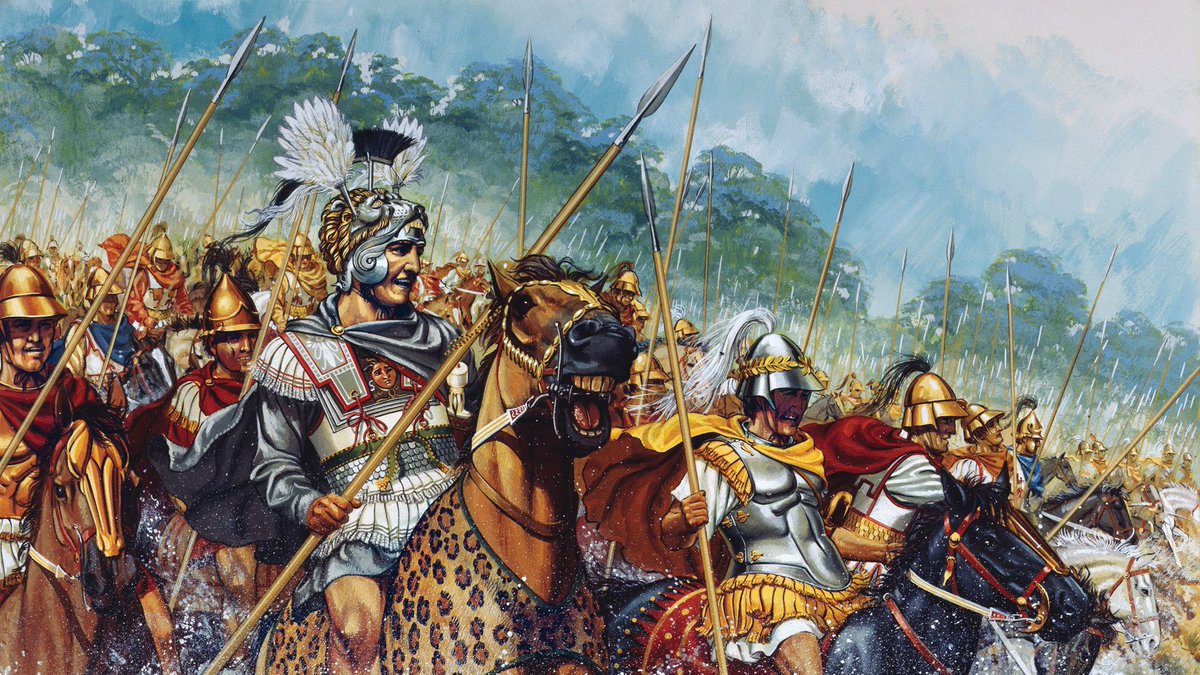
Alexander the Great’s tactics, centuries earlier, were similarly complex.
At the Battle of the Granicus in 334 BC, Alexander secured an advantage by moving early in the season. During the battle, he then split the enemy force with cavalry, which brought victory.
At the Battle of the Granicus in 334 BC, Alexander secured an advantage by moving early in the season. During the battle, he then split the enemy force with cavalry, which brought victory.
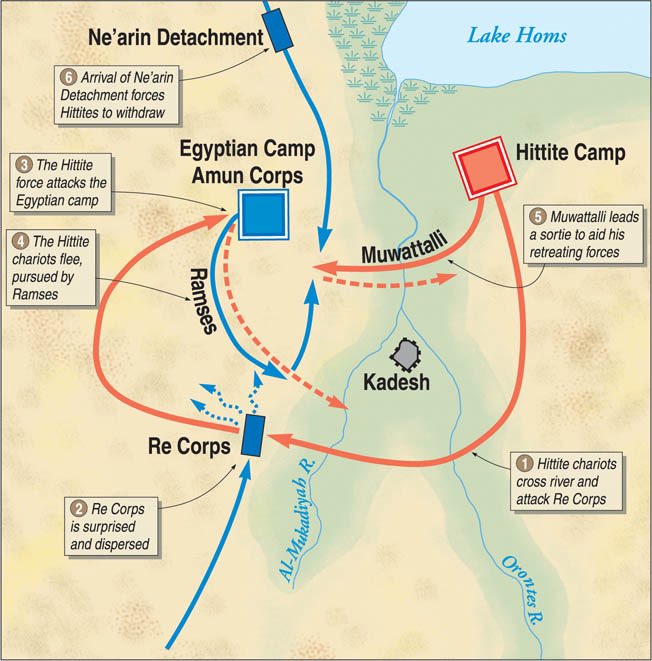
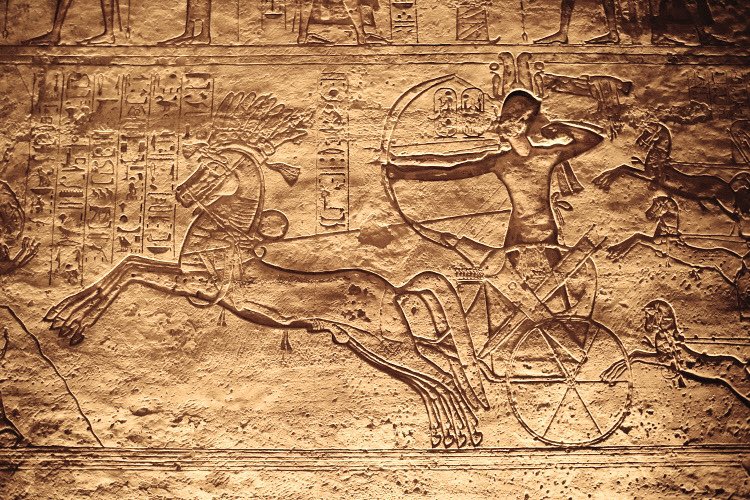
Even before that, all the way back in 1275 BC, we can see complex tactics in the Battle of Kadesh
Ramses divided his forces, the opposing Hittite army used counterintelligence to set up an ambush, and eventually the battle was decided by a nick-of-time troop movement.
Strategy.
Ramses divided his forces, the opposing Hittite army used counterintelligence to set up an ambush, and eventually the battle was decided by a nick-of-time troop movement.
Strategy.
Endless examples demonstrate the importance and prevalence of good strategy
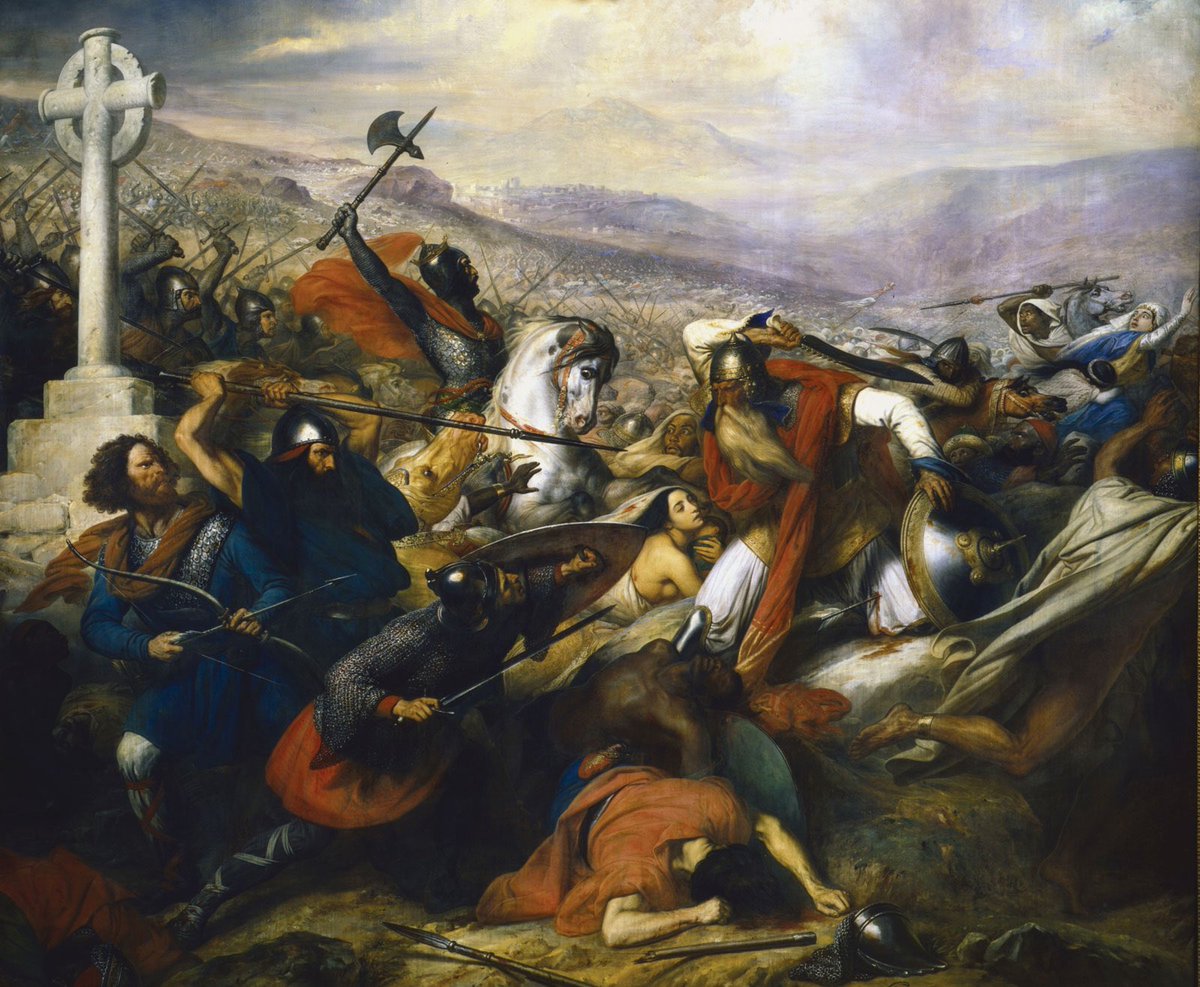
At the Battle of Tours, the Umayyads actually did “just run at them” — on horses, too!
With a massive army and a feared reputation, this force had blitzed through unorganized resistance for two decades.
At the Battle of Tours, the Umayyads actually did “just run at them” — on horses, too!
With a massive army and a feared reputation, this force had blitzed through unorganized resistance for two decades.
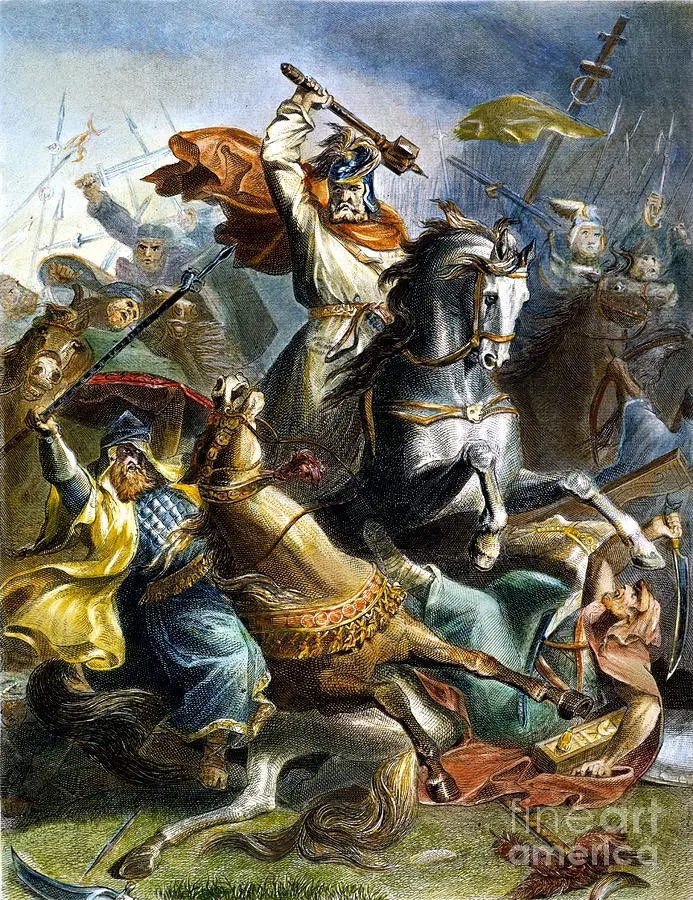
But when they met the Franks at Tours in 732, their hapless cavalry charges were decimated by superior armor, strict discipline, and a good choice of location by Charles Martel.
The Umayyad riders were unhorsed by spears, unable to penetrate the Franks’ shield wall.
The Umayyad riders were unhorsed by spears, unable to penetrate the Franks’ shield wall.
Finally, just to demonstrate that high-level strategic thought was the *norm*, not the exception, let’s examine one of the most famous naval battles of all time:
Trafalgar.
The 1805 battle that would help define strategic naval thought for 150 years.
Trafalgar.
The 1805 battle that would help define strategic naval thought for 150 years.
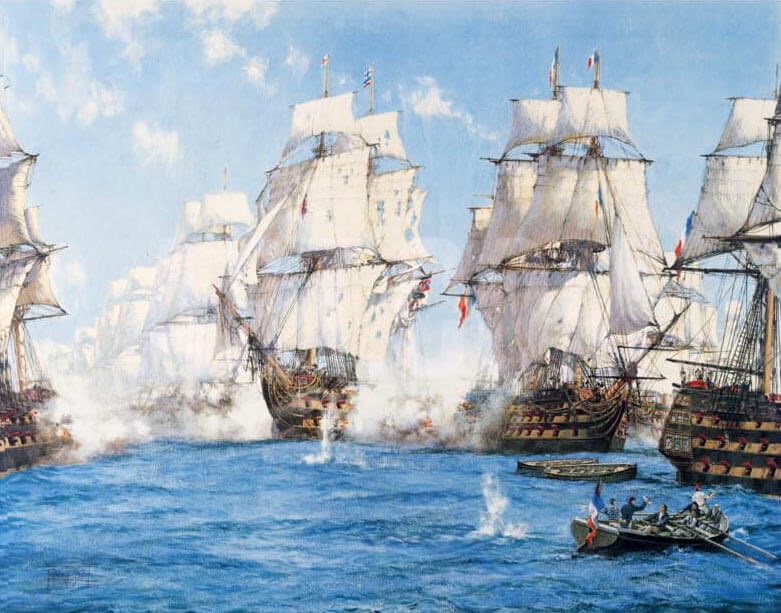
Facing a much larger Franco-Spanish fleet, the British force under Horatio Nelson adopted a radical strategy:
Sailing straight into the enemy lines, abandoning all typical naval strategy, and electing to fight close and chaotic with a direct attack.
Sailing straight into the enemy lines, abandoning all typical naval strategy, and electing to fight close and chaotic with a direct attack.
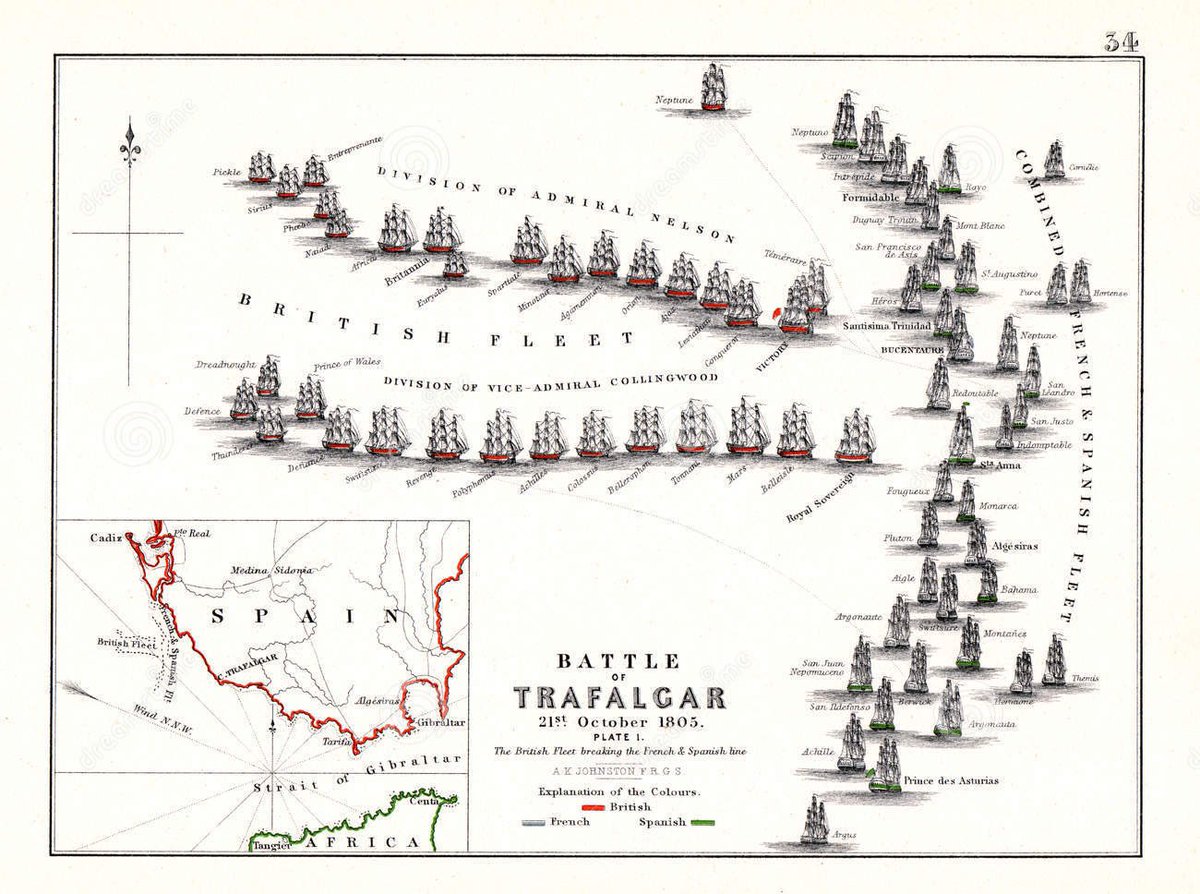
Why is this significant?
Because it absolutely confounded the Spanish, who expected a typical high-seas battle with a much more organized strategy of exchanging broadsides.
Nelson *broke the norm* of more advanced strategy, and changed history.
A quote:
commonplaceapp.com/post/7aeca488-…
Because it absolutely confounded the Spanish, who expected a typical high-seas battle with a much more organized strategy of exchanging broadsides.
Nelson *broke the norm* of more advanced strategy, and changed history.
A quote:
commonplaceapp.com/post/7aeca488-…
These examples are scattered across history, and aren’t even the best examples of intelligent tactics — they’re just illustrative of the fact that there *was* strategy, for just about all of recorded history.
Not just limited to famous generals — across the board.
Not just limited to famous generals — across the board.
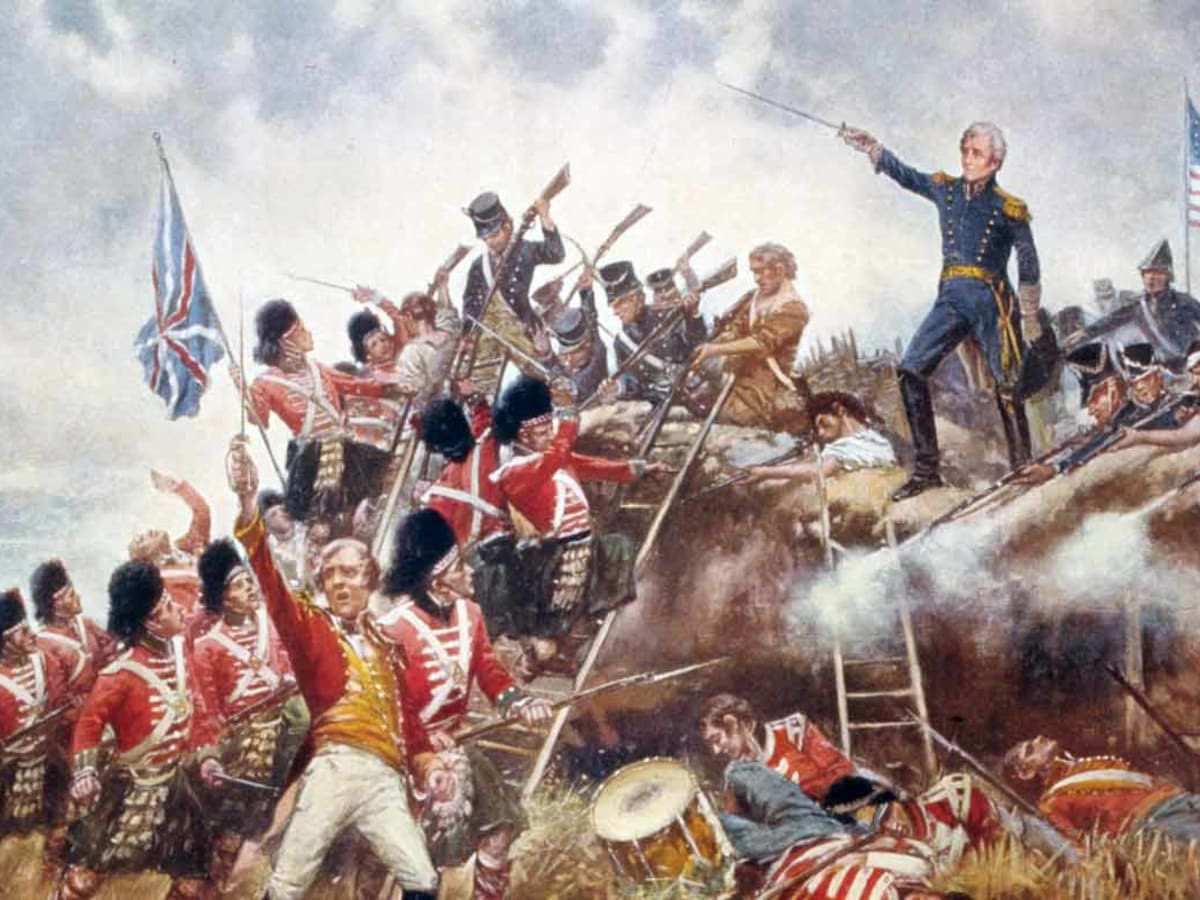
Generally, it’s important to remember that the people who lived and died in centuries past were no less intelligent than we are, and no less capable of higher thought.
Even without modern technology, warfare was a realm defined by immense thought and well-developed tactics.
Even without modern technology, warfare was a realm defined by immense thought and well-developed tactics.
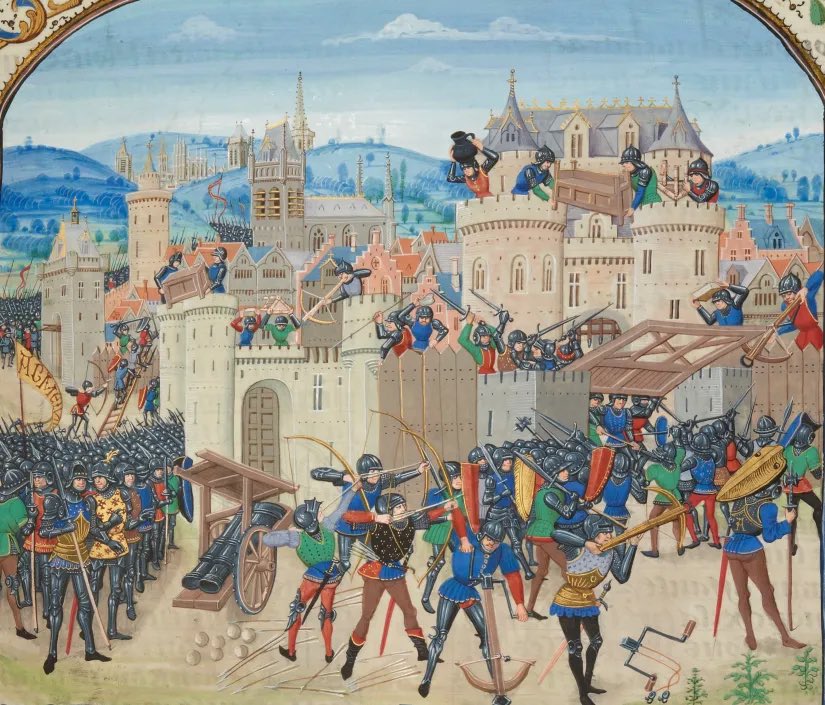
Down to the individual soldier, every major society invested heavily in technology, planning, logistics… and of course, educating strong leaders.
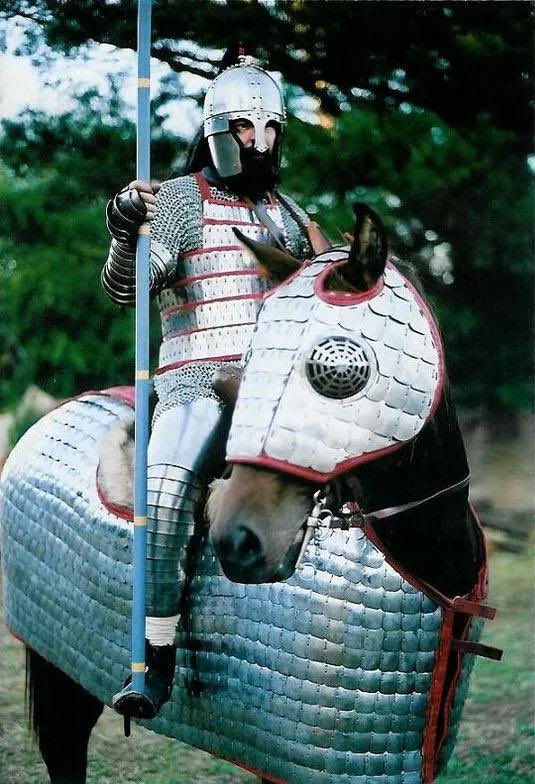
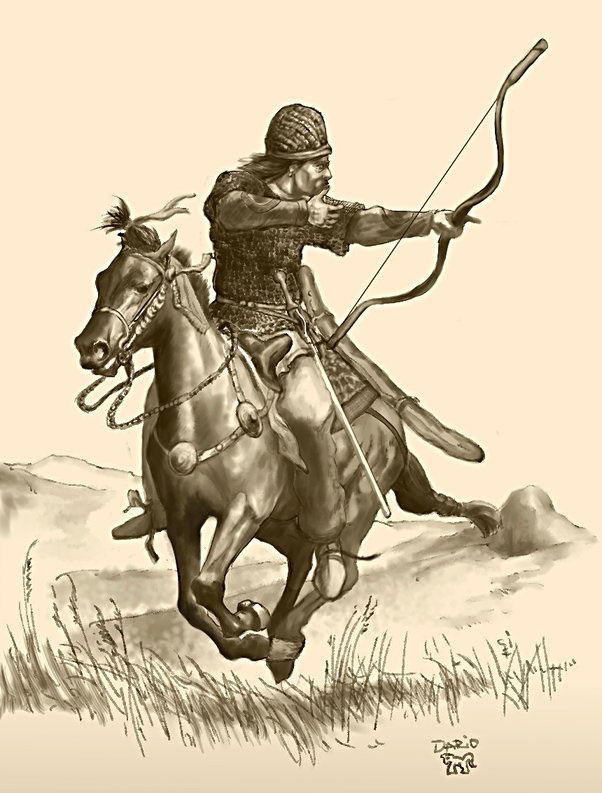
The modern trend is to disparage the past, to downplay the achievements of historically great figures.
It’s the result of massive oversimplification of the past, to the point that it becomes a caricature of the truth.
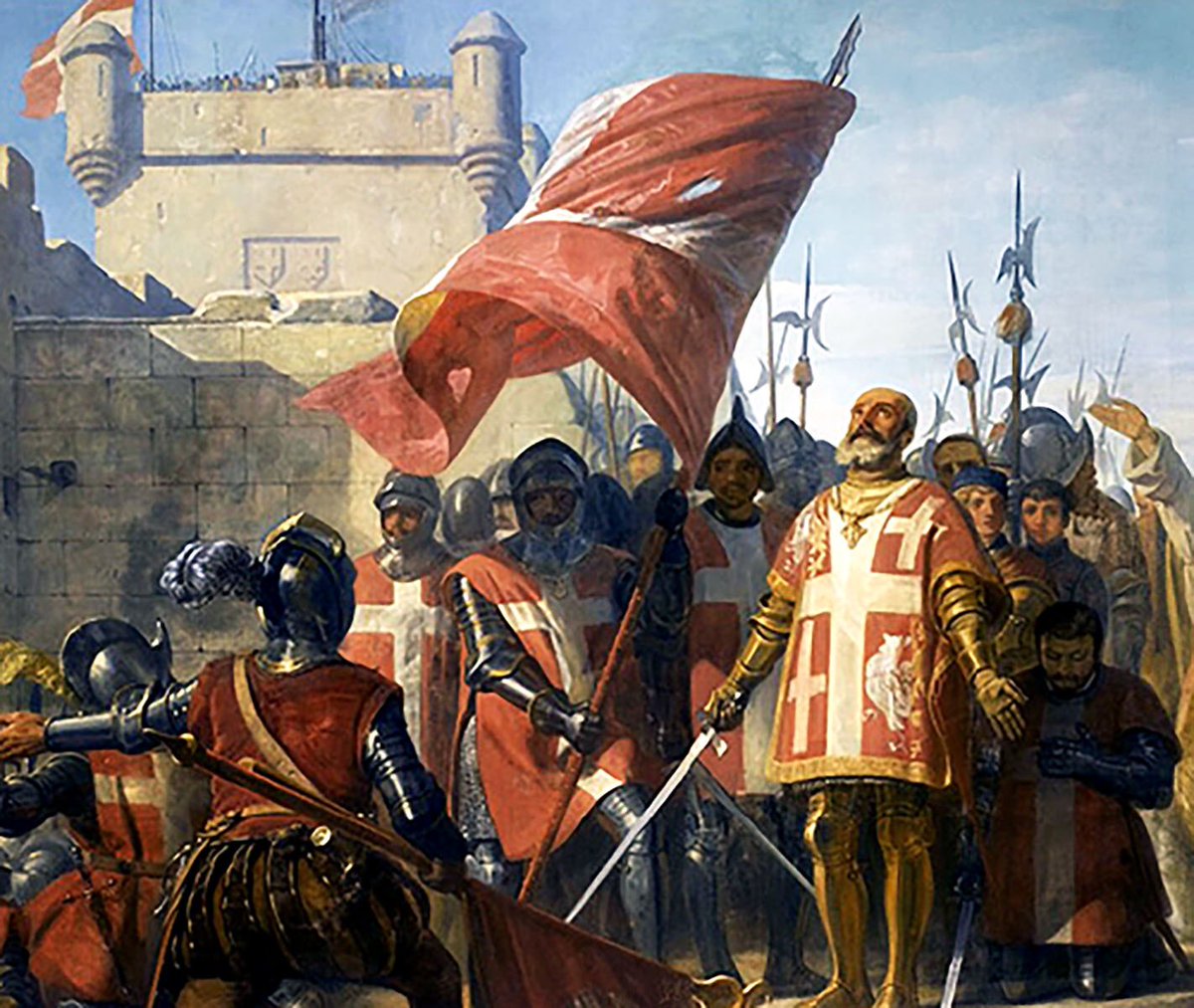
Don’t fall into that trap — investigate deeper.
It’s the result of massive oversimplification of the past, to the point that it becomes a caricature of the truth.
Don’t fall into that trap — investigate deeper.
• • •
Missing some Tweet in this thread? You can try to
force a refresh






