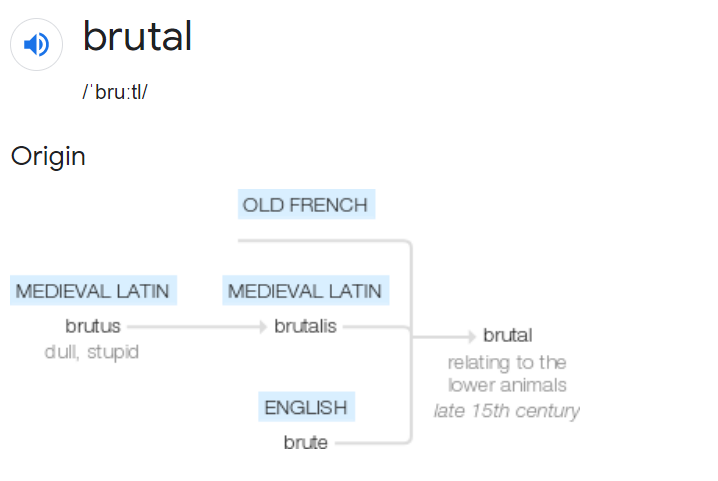
Julius Evola wrote that we are living through a "destructive spiritual process" and one of its symptoms is a corruption of traditional symbols. In his essay "The Inversion Of Symbols," Evola shows that when communism won, it FLIPPED upside down the meaning of 3 vital symbols👇🏻 

1/ Evola writes that modern revolutionary movements take "the principles, the forms, and the traditional symbols" of healthier societies from the past and give them a new spin
He digs into 3 symbols
• The color red
• The word revolution
• The symbol of the pentagrammic star
He digs into 3 symbols
• The color red
• The word revolution
• The symbol of the pentagrammic star
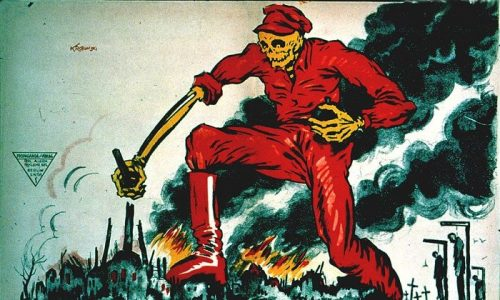
2/ Evola on RED
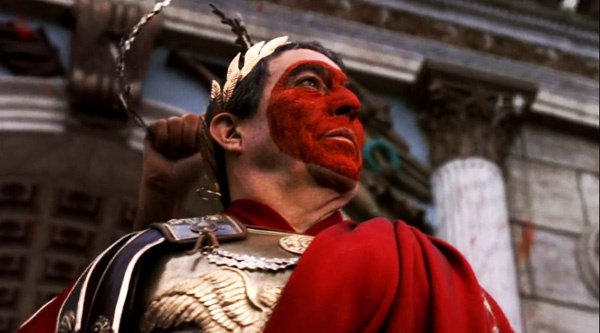
In Ancient Rome, the Emperor was dressed and dyed in purplish Red to "represent Jove, the King of the Gods"
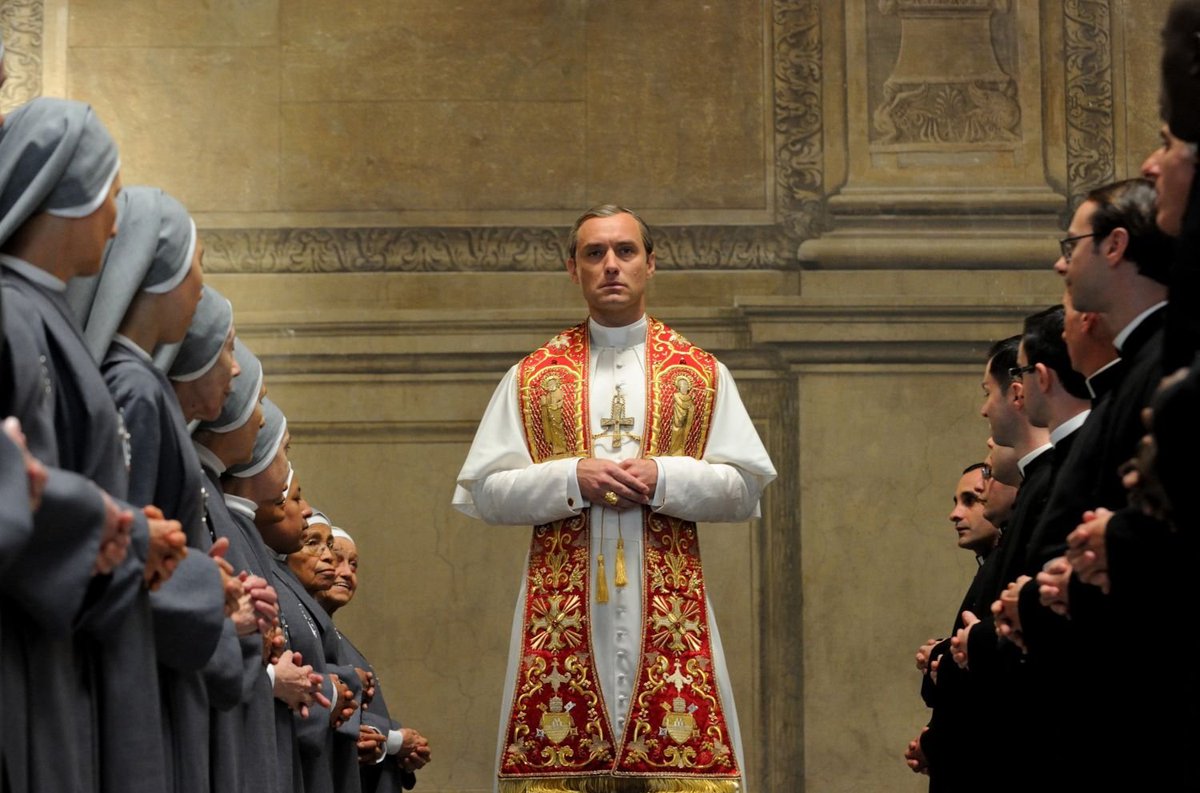
In Catholicism, the "Princes of the Church,” the cardinals, wear a scarlet red robe
Traditionally, red has been linked with hierarchy, order, and power
In Ancient Rome, the Emperor was dressed and dyed in purplish Red to "represent Jove, the King of the Gods"
In Catholicism, the "Princes of the Church,” the cardinals, wear a scarlet red robe
Traditionally, red has been linked with hierarchy, order, and power
3/ In "classical antiquity," fire was linked with the color red
The "heaven above heaven" was composed of pure fire
Red stood for authority and hierarchy
But in the 20th century it was co-opted by Marxists and made to represent the opposite:
Equality, masses, and democracy
The "heaven above heaven" was composed of pure fire
Red stood for authority and hierarchy
But in the 20th century it was co-opted by Marxists and made to represent the opposite:
Equality, masses, and democracy

4/ The word Revolution
Evola: “Revolution in the primary sense doesn't mean subversion & revolt, but really even the opposite: return to a point of departure & ordinary motion around a center”
In physics this holds true: a planet's revolution means "gravitating around a center"
Evola: “Revolution in the primary sense doesn't mean subversion & revolt, but really even the opposite: return to a point of departure & ordinary motion around a center”
In physics this holds true: a planet's revolution means "gravitating around a center"
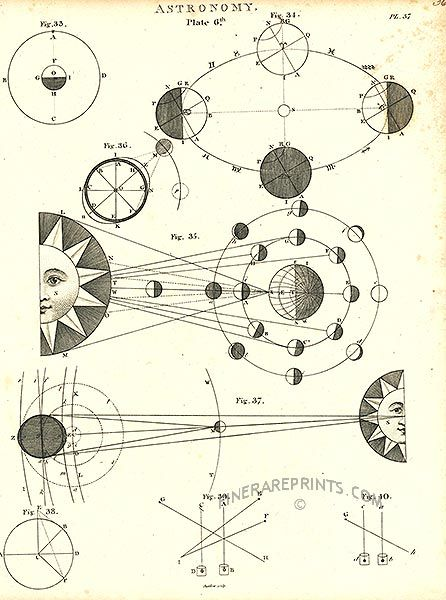
5/ Revolutions keep planets in a stable orbit
Traditional societies imagined a revolution to be a movement that keeps the moral universe spinning in harmony
But Evola notes that revolutions now mean:
• Moving AWAY from stable centers
• Churn
• Destruction of regularity
Traditional societies imagined a revolution to be a movement that keeps the moral universe spinning in harmony
But Evola notes that revolutions now mean:
• Moving AWAY from stable centers
• Churn
• Destruction of regularity


6/ Evola: “Modern Revolution is like the unhinging of the door, the opposite of the traditional meaning of the term: the social & political forces loosen from their natural orbit, decline, know no longer a center nor any order, other than a badly & temporarily stemmed disorder"

7/ Evola on the Pentagram
The pentagram, a star, traditionally stood for man’s destiny as the microcosm that contained the macrocosm
It represented man as “the image of the world and of God, dominator of all the elements thanks to his dignity and his supernatural destination”
The pentagram, a star, traditionally stood for man’s destiny as the microcosm that contained the macrocosm
It represented man as “the image of the world and of God, dominator of all the elements thanks to his dignity and his supernatural destination”

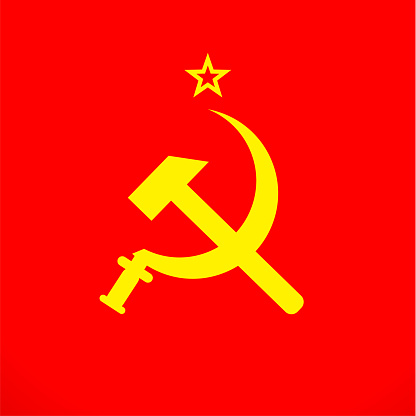
8/ The star represented man as “spiritually integrated & supernaturally sovereign”
But Marxists took this symbol and changed its meaning
They “terrestrialized and collectivized” it
It went on the flags of USSR and Communist China, becoming “destructive of every higher value”
But Marxists took this symbol and changed its meaning
They “terrestrialized and collectivized” it
It went on the flags of USSR and Communist China, becoming “destructive of every higher value”

9/ Evola: “This degradation of symbols is an extremely significant and eloquent sign of the times”
Symbols are the universal visual language
This radical transformation of their meaning is not accidental
They're intentionally retooled for "inversion, subversion, & degradation"
Symbols are the universal visual language
This radical transformation of their meaning is not accidental
They're intentionally retooled for "inversion, subversion, & degradation"

Evola is a profound writer
Over the past year, I've been reading his obscure essays and collecting insights here: memod.com/jashdholani/bo…
Find inside:
• Democracy - The New God?
• Why we need great leaders
• Our revolt against the modern world
And much more!
Over the past year, I've been reading his obscure essays and collecting insights here: memod.com/jashdholani/bo…
Find inside:
• Democracy - The New God?
• Why we need great leaders
• Our revolt against the modern world
And much more!
Thank you for reading fren
Appreciate your time 🙏🏻
Do RT
Evola needs to be more widely read
Symbolism-pill your timeline👇🏻
Appreciate your time 🙏🏻
Do RT
Evola needs to be more widely read
Symbolism-pill your timeline👇🏻
https://twitter.com/oldbooksguy/status/1638245458450477058?s=20

• • •
Missing some Tweet in this thread? You can try to
force a refresh