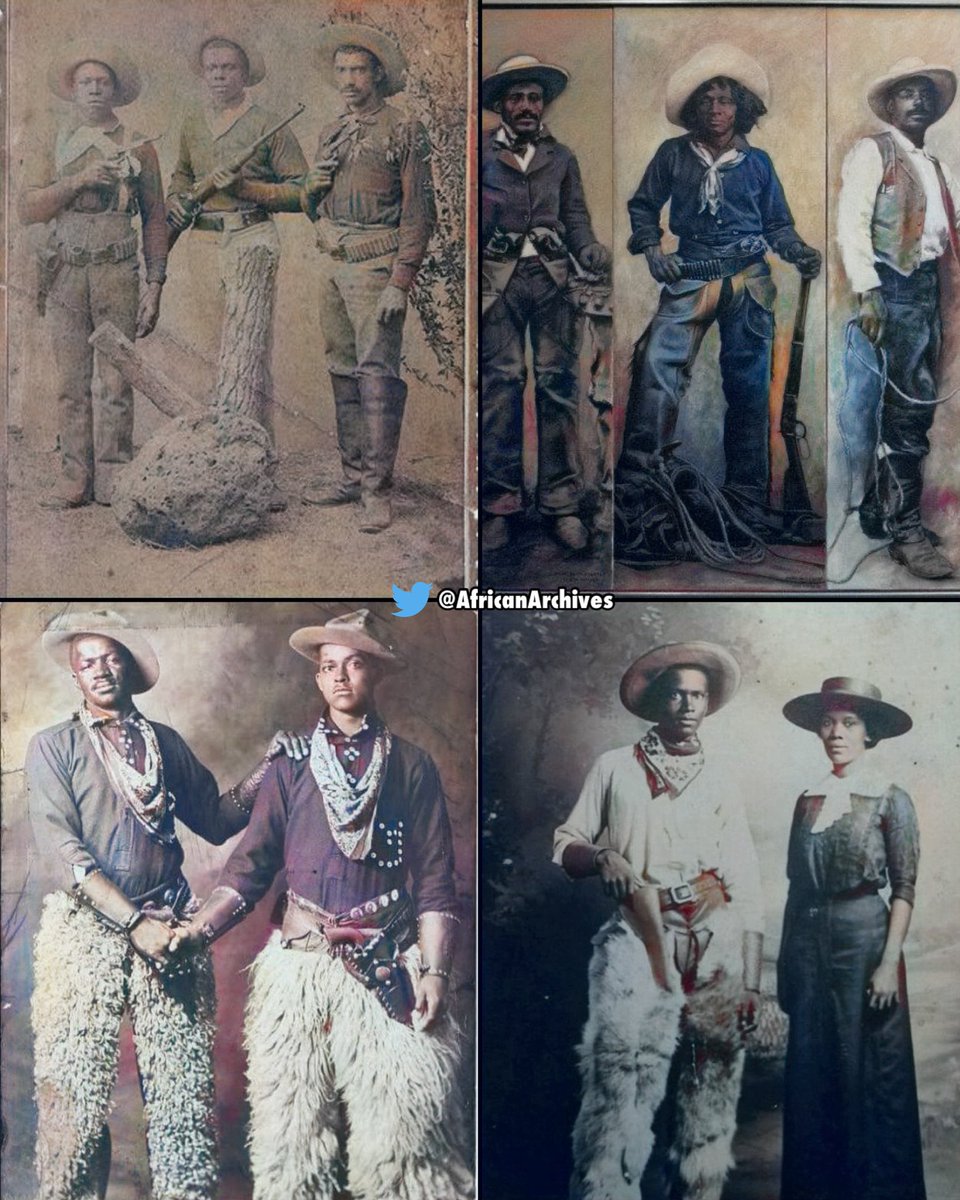
One in every four cowboys was believed to be a Black man released from slavery despite the stories told in popular books and movies although the most famous cowboys of the old west were white.

THREAD
Many of the enslaved african men were familiar with cattle herding from Africa.

a highlight of some famous black cowboys:
Bill Pickett (1871-1932), rodeo performer.

World famous black cowboy Bill Pickett "Dusky Demon" invented the rodeo sport, bulldogging (steer wrestling). In 1989 was inducted into the ProRodeo Hall of Fame.
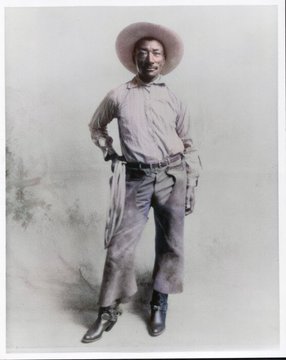
This is the actual man on which the movie D'Jango Unchained is loosely based.

His name is Dangerfield Newby, and he was a member of the John Brown raiders. He joined the gang to save his wife, Harriet and children from slavery.
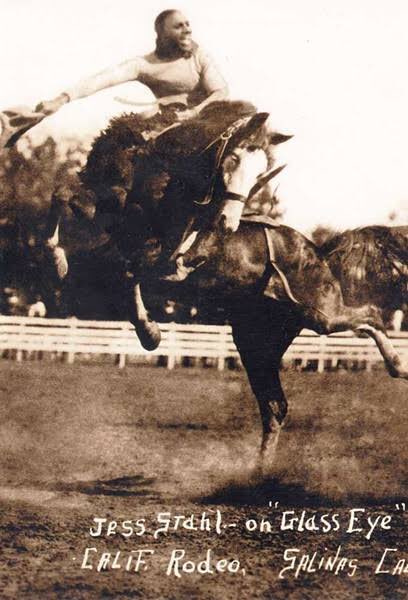
Jesse Stahl was a cowboy and rodeo star. He is considered the greatest bronco rider.

In a time when a bronco rider rode a horse until it stood still, Jesse became a legend and set the bar for bronco-riding during the 1912 Salinas Rodeo.
Isom Dart, originally known as Ned Huddleston, gained a reputation as a late 19th Century Wyoming Territory outlaw. He had many aliases including "Black Fox," "Tan Mex," and "Calico Cowboy".
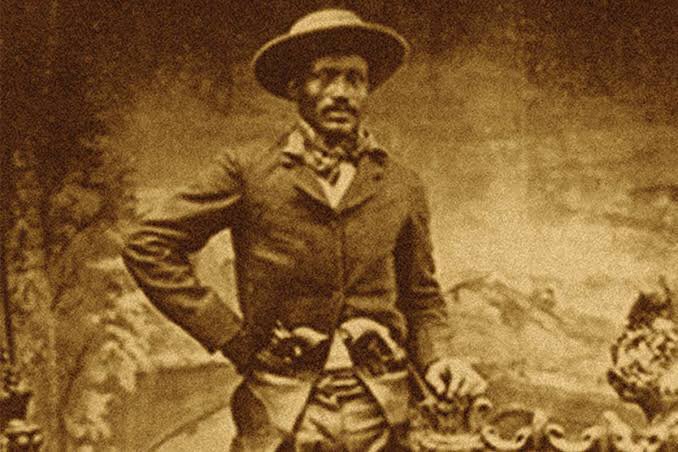
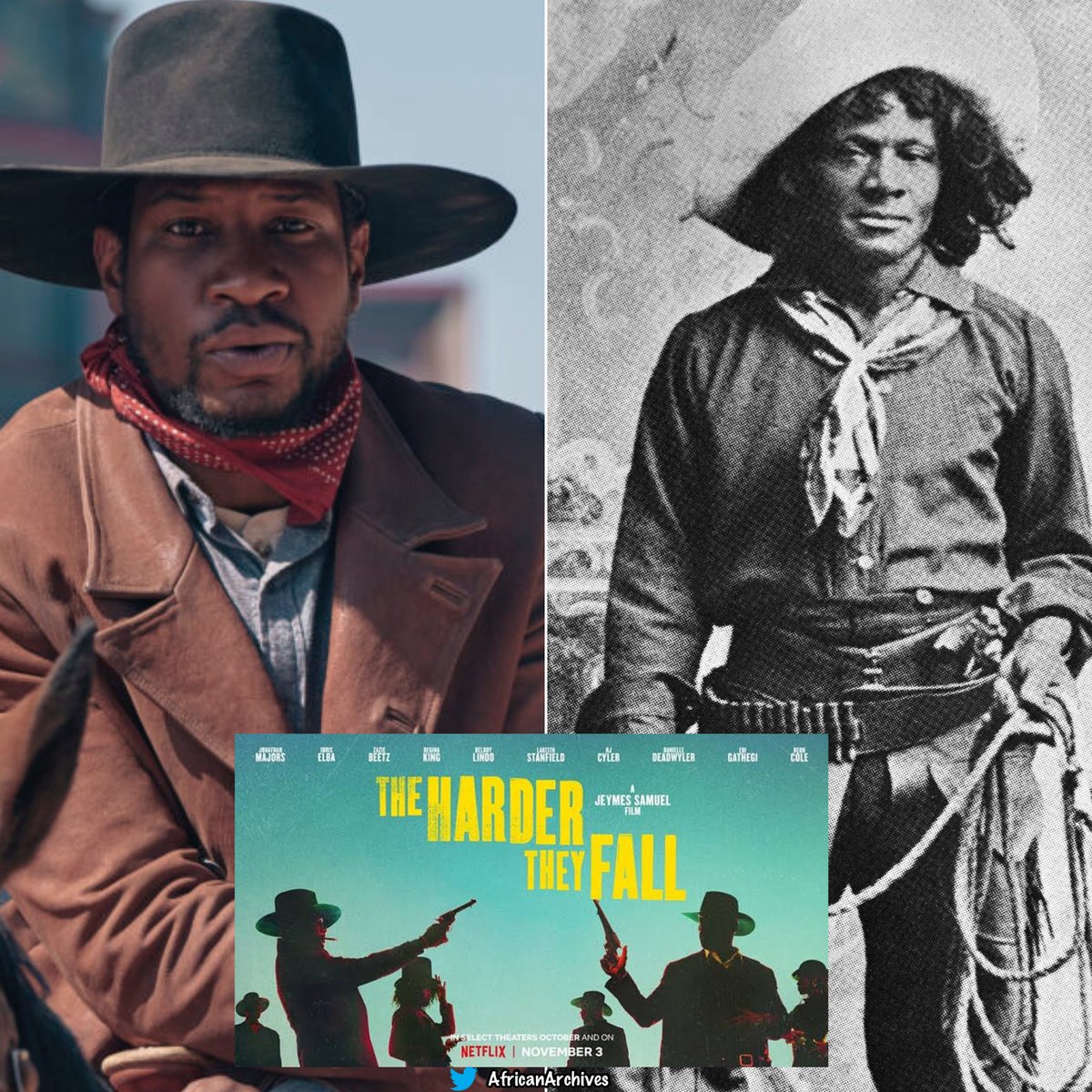
Nat Love, aka Deadwood Dick (1854-1921), cowboy and saddler

Nate earned the nickname "Deadwood Dick" after winning a rodeo in South Dakota. As he tells it, he could hit anything within range of his Colt .45 revolvers or Winchester Model rifle, but killed only out of self-defense
Bass Reeves (1838-1910), lawman and deputy U.S. marshal.

Bass Reeves was the first African American commissioned to serve as a deputy marshal west of the Mississippi River. He brought to justice over 3,000 criminals and killed fourteen outlaws during his years as a marshal.
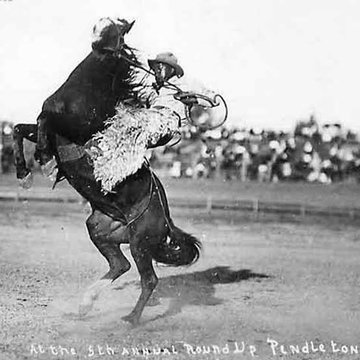
George Fletcher (1890-1973), rodeo star and cowboy.

George Fletcher was the first Black cowboy to compete for a world championship in bronco riding at the 1911 Pendleton Round-Up, Oregon's largest rodeo.
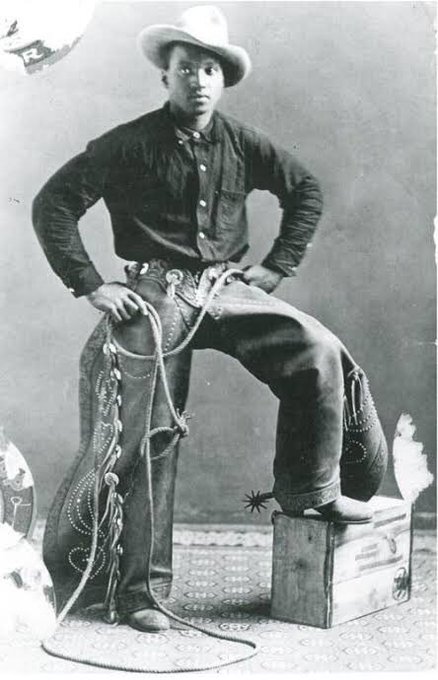
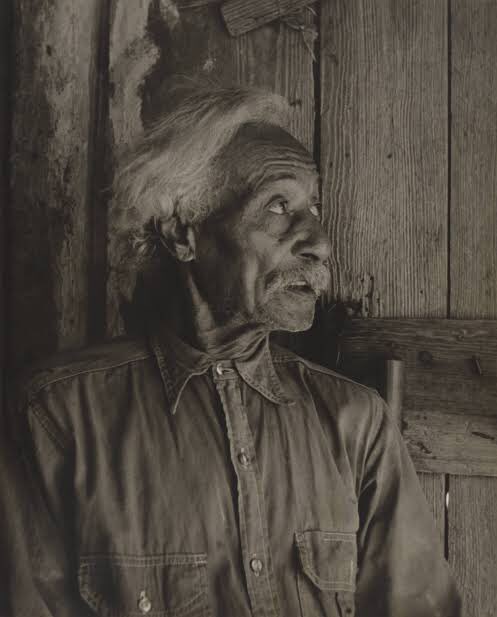
Texas cowboy Robert Lemmons was one of the greatest mustangers of all time. He became a legend in his day by perfecting his unique method of catching wild mustang horses.
If you love my content, You can support my history page/project here through donations/tips to keep up on: ko-fi.com/africanarchives

• • •

Missing some Tweet in this thread? You can try to force a refresh

 

Keep Current with AFRICAN & BLACK HISTORY

AFRICAN & BLACK HISTORY Profile picture

Stay in touch and get notified when new unrolls are available from this author!

Read all threads

This Thread may be Removed Anytime!

PDF

Twitter may remove this content at anytime! Save it as PDF for later use!

Try unrolling a thread yourself!

how to unroll video
  1. Follow @ThreadReaderApp to mention us!

  2. From a Twitter thread mention us with a keyword "unroll"
@threadreaderapp unroll

Practice here first or read more on our help page!

More from @AfricanArchives

Mar 26
Harder They Fall cast real life figures.

A Thread!

Jonathan Majors as Nat Love

Majors leads the cast as the heroic Nat Love, who was a real cowboy born in Tennessee in 1854. Known as "Deadwood Dick"

Nate earned that nickname after winning a rodeo in South Dakota. Image
He moved to the West when he was 16 to herd cattle. He released an autobiography in 1907 called, Life and Adventures of Nat Love, Better Known in the Cattle Country as 'Deadwood Dick,' by Himself. Image
The book recounts events in his life, including how he became an expert marksman and crossed paths with other famous cowboys like Pat Garrett, Billy the Kid and more.
Read 24 tweets
Mar 22
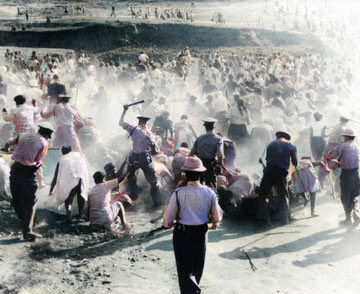
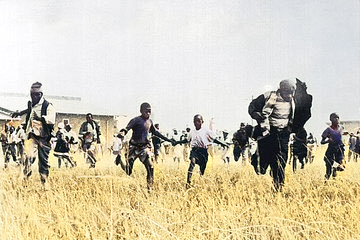
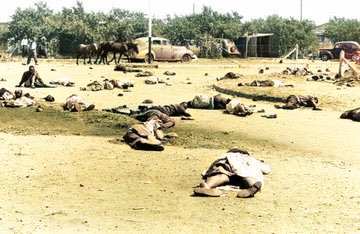
Today we honour the memories of all the lives lost on this day in 1960, when white police in apartheid South Africa killed over 80 black people and wounded 186 on what is known as the Sharpville Massacre.

-thread-
The Sharpeville Massacre occurred on 21st March, 1960, in the township of Sharpeville, South Africa. It resulted in the largest number of South African deaths(up to that point) in a protest against apartheid.
Sharpeville, a black suburb outside of Vereeniging (about 50 miles south of Johannesburg), was untouched by anti-apartheid demonstrations that occurred in surrounding towns throughout the 1950s. By 1960, however, anti-apartheid activism reached the town.
Read 14 tweets
Mar 20
On this day in 1916, Ota Benga, an African native who suffered inhumane treatment by being kept in a zoo, committed suicide.

He had been kidnapped in 1904 from Congo, and taken to America and exhibited at the Bronx Zoo with monkeys.

A THREAD!
He was born around 1883, part of the Mbuti tribe who lived in the Republic of Congo. Theirs was a hunter-gatherer society, and they lived deep in the forest.
When Ota became a man, his teeth were chipped into sharp points, part of his tribal customs. He married and had two children, supporting them with hunting. Like most of his tribe, Ota was small in stature, under five feet tall and just a little over one hundred pounds in weight.
Read 19 tweets
Mar 18
A sundown or sunset town was a town, city, or neighborhood in the US that excluded non-whites after dark.

The term sundown came from the signs that were posted stating that people of color had to leave the town by sundown.

A THREAD!
In most cases, signs were placed at the town's borders which read: “Stranger/Negro, Don't Let the Sun Set On You Here." The exclusion was official town policy or through restrictive covenants agreed to by the real estate agents of the community.
The policy was usually enforced through intimidation. This intimidation could occur in a number of ways, including harassment by police officers or neighbors and in some circumstances violence.
Read 6 tweets
Mar 16
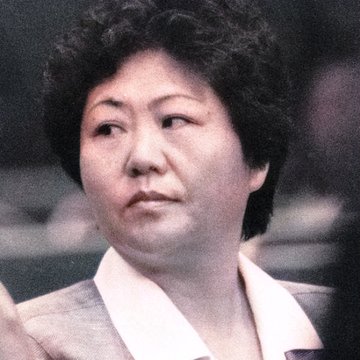
32 years ago today, Latasha Harlins,15, was fatally shot by a Korean shop owner, Soon Ja Du, over a bottle of orange juice, it became a major spark for the 1992 Los Angeles Riots.

thread
On March 16, 1991 Latasha Harlin’s short life came to a violent end in the midst of racial tensions in Los Angeles, California, and became a major spark for the 1992 Los Angeles Riots.
By the late 1980s, racial tensions were high in South Los Angeles, and especially between Korean storeowners and African American residents of the city.
Read 11 tweets
Mar 12
Did you know Sesame Street was originally created for black and brown inner city kids?

A THREAD Image
Children usually spend a lot of time watching a lot tv and technically it was sort of a babysitter. It was even worse for inner city children whose parents spent endless hours at work, thus their kids were usually exposed to long hours of mindless programs.
Lloyd Morrisett, regarded as the father of Sesame Street and vice-president of the Carnegie Corporation with a Ph.D. in experimental psychology from Yale University developed
a special interest in children's education. Image
Read 13 tweets

Did Thread Reader help you today?

Support us! We are indie developers!


This site is made by just two indie developers on a laptop doing marketing, support and development! Read more about the story.

Become a Premium Member ($3/month or $30/year) and get exclusive features!

Become Premium

Don't want to be a Premium member but still want to support us?

Make a small donation by buying us coffee ($5) or help with server cost ($10)

Donate via Paypal

Or Donate anonymously using crypto!

Ethereum

0xfe58350B80634f60Fa6Dc149a72b4DFbc17D341E copy

Bitcoin

3ATGMxNzCUFzxpMCHL5sWSt4DVtS8UqXpi copy

Thank you for your support!

Follow Us on Twitter!

:(