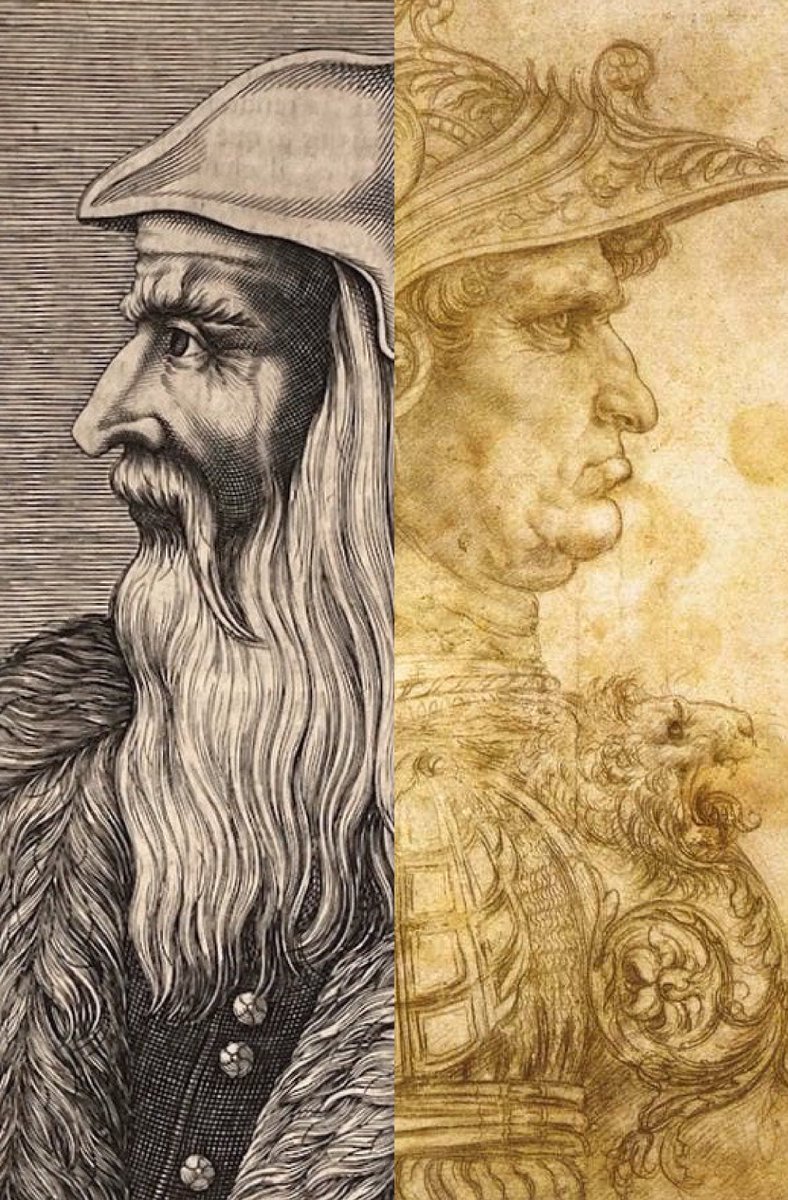
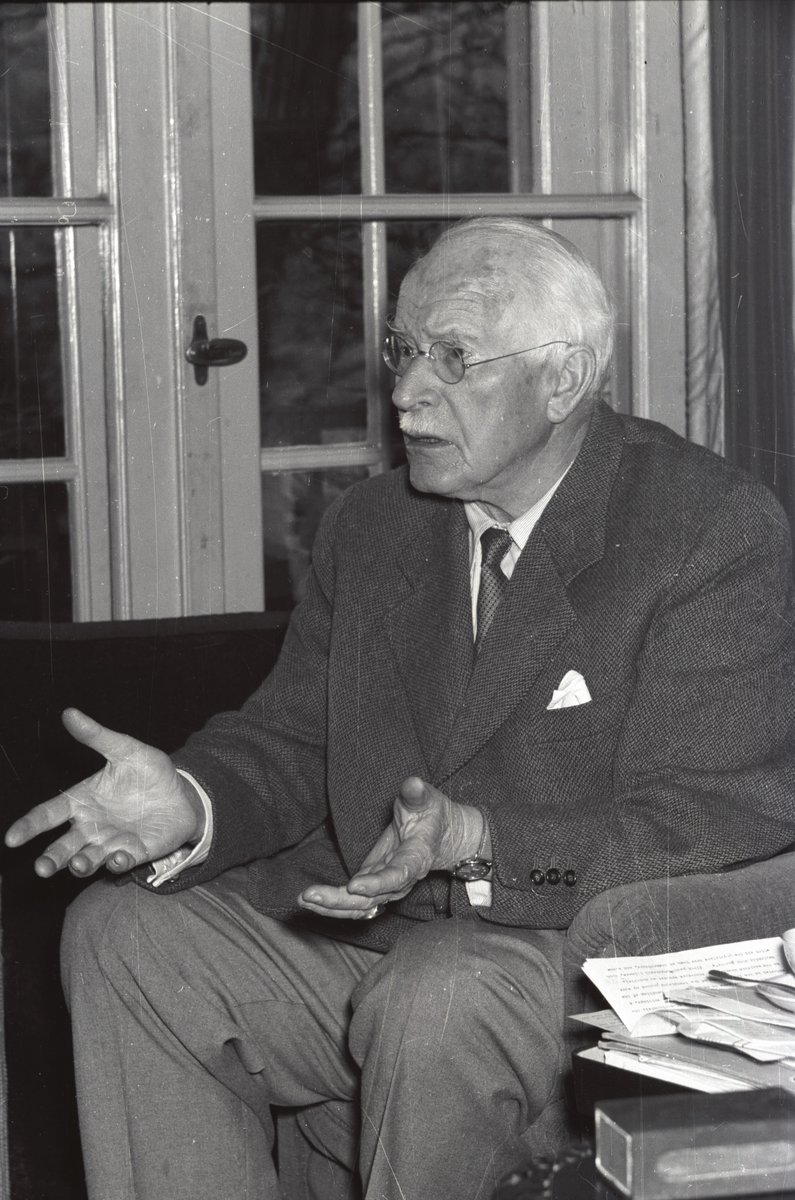
This is the most famous painting of Aristotle.
He is talking with Plato but what else is he doing?
Hint: it's something you do every day...
He is talking with Plato but what else is he doing?
Hint: it's something you do every day...

After Plato's death in 348 BC, Aristotle did some traveling.
He had been studying under Plato for 20 years...
He had been studying under Plato for 20 years...
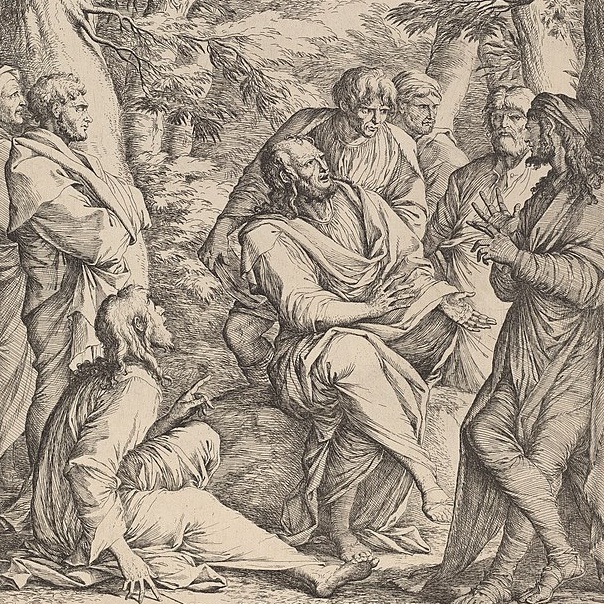
Plato's nephew, Speusippus, had become the head of the Academy (the school Plato founded)
So, Aristotle headed off to Turkey.
So, Aristotle headed off to Turkey.

Aristotle went to Assus, which was a city ruled by Hermias, a past graduate of the Academy.
For the next few years, he would reside in Assus and also in Mytilene, a city on the island of Lesbos.
For the next few years, he would reside in Assus and also in Mytilene, a city on the island of Lesbos.

It was during this period that Aristotle dove into studying nature, specifically animals.
This part of Aristotle's life is often overlooked, but it's actually a big deal...
This part of Aristotle's life is often overlooked, but it's actually a big deal...
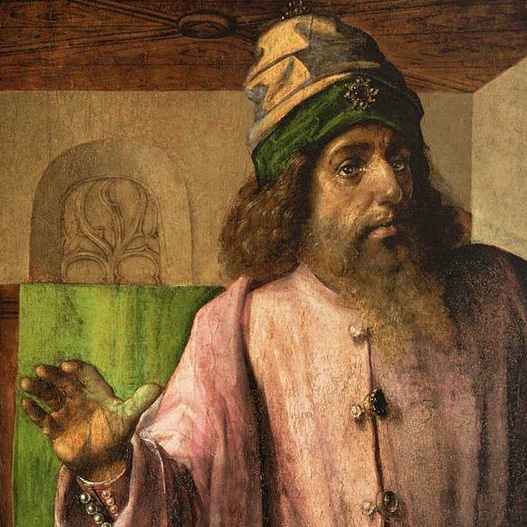
Aristotle performed extensive scientific research on animals.
He worked on the classification of 500 species.
Most species were described in great detail and he wrote a book called "The History of Animals."
He even ate bugs!
He worked on the classification of 500 species.
Most species were described in great detail and he wrote a book called "The History of Animals."
He even ate bugs!

Just kidding.
There's no evidence of Artistotle consuming his specimens.
Back to the story...
There's no evidence of Artistotle consuming his specimens.
Back to the story...
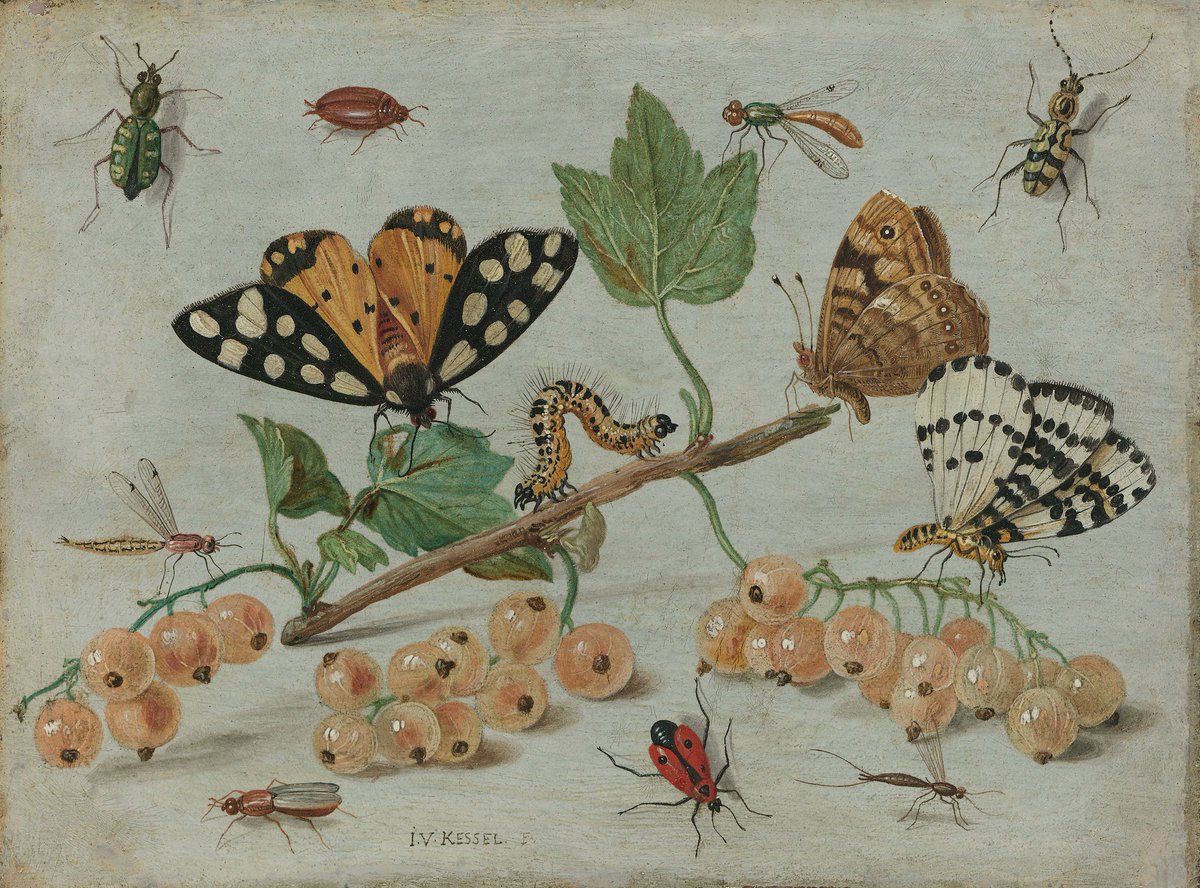
Aristotle would make observations on insect features that were not again observed until the invention of the microscope in the 17th century.
Pretty wild...
Although Aristotle didn't claim it, he essentially invented the science of zoology.
Pretty wild...
Although Aristotle didn't claim it, he essentially invented the science of zoology.

Eventually, around 343 BC, Aristotle was called on by Phillip II of Macedon.
The king requested that Aristotle tutor his young boy, Alexander.
My in-depth thread on this incredible mentorship:
The king requested that Aristotle tutor his young boy, Alexander.
My in-depth thread on this incredible mentorship:
https://twitter.com/KnowledgeArchiv/status/1638224753248071682?s=20
While Alexander the Great was conquering half of the known world... Aristotle turned 50.
It was at this time that Aristotle finally founded his own school; the Lyceum.
It was at this time that Aristotle finally founded his own school; the Lyceum.

Aristotle built the Lyceum in Athens.
They had a substantial library and the brightest research students joined.
These pupils were called "peripatetics."
They had a substantial library and the brightest research students joined.
These pupils were called "peripatetics."
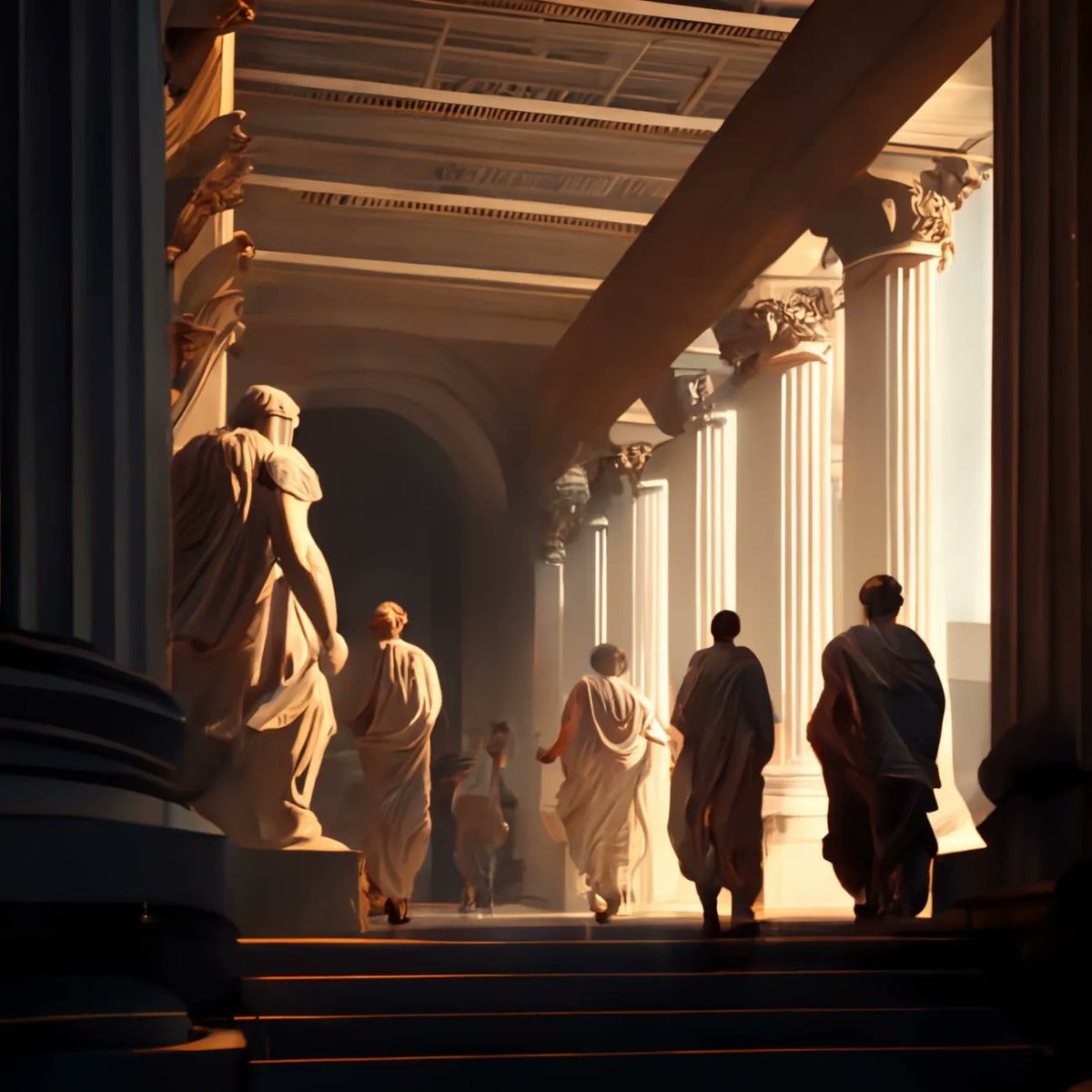
Peripatetic technically means: traveling from place to place, but it's often associated with Aristotle.
Aristotle, along with his students, would walk around during lectures.
According to legend, walking was incredibly important to Aristotle, he believed it helped him think.
Aristotle, along with his students, would walk around during lectures.
According to legend, walking was incredibly important to Aristotle, he believed it helped him think.
Was it a coincidence that Aristotle produced his most famous works during these years at the Lycuem while pacing about?
Walking certainly wasn't the sole reason for the production of Aristotle's impactful works, but it's also not a non-factor.
Walking certainly wasn't the sole reason for the production of Aristotle's impactful works, but it's also not a non-factor.

So, how does this anecdote apply to you?

First off, it's essential to point out the evolutionary aspect of this.
The longer that something is done by an organism, the more ingrained it will be in that organism.
@jordanbpeterson's lectures, specifically those on lobsters, dive into this idea.
The longer that something is done by an organism, the more ingrained it will be in that organism.
@jordanbpeterson's lectures, specifically those on lobsters, dive into this idea.

What I mean by that is if our ancestors have been moving and walking throughout millions of years of evolution, our system is set up to do the same thing today.
Other examples: fasting, Circadian rhythm, etc.
Other examples: fasting, Circadian rhythm, etc.

So, if we as modern humans transgress this evolutionary law, by sitting in an office chair all day, for example, things are definitely not going to be optimal...

But why is walking so helpful for thinking?
When you are moving your heart rate increases.
As your heart rate increases, blood, carrying all sorts of necessary contents like oxygen, reaches muscles and organs more efficiently.
When you are moving your heart rate increases.
As your heart rate increases, blood, carrying all sorts of necessary contents like oxygen, reaches muscles and organs more efficiently.

When the brain is properly supplied with what it needs to function healthily, you obviously are going to be able to think better!
Picture our ancestors hunting or migrating, it's pretty easy to imagine them being alert and "tuned" in while doing so.
Picture our ancestors hunting or migrating, it's pretty easy to imagine them being alert and "tuned" in while doing so.

Aristotle wasn't alone in his love for walking:
Plato
Socrates
Steve Jobs
Virginia Woolf
Albert Einstein
Immanuel Kant
Charles Darwin
Pyotr Tchaikovsky
Soren Kierkegaard
Friedrich Nietzsche
Henry David Thoreau
William Wordsworth
Ludwig Van Beethoven
Is this a coincidence?
Plato
Socrates
Steve Jobs
Virginia Woolf
Albert Einstein
Immanuel Kant
Charles Darwin
Pyotr Tchaikovsky
Soren Kierkegaard
Friedrich Nietzsche
Henry David Thoreau
William Wordsworth
Ludwig Van Beethoven
Is this a coincidence?

To circle back to the first tweet... Plato was a fan of walking too.
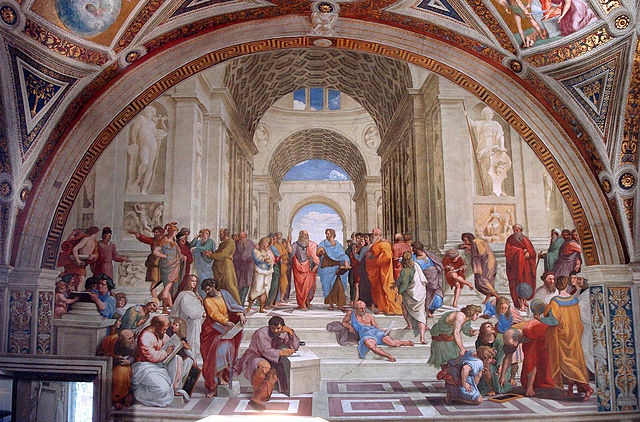
In Raphael's painting "The School of Athens," both Plato and Aristotle are showcased walking while at the same time discussing enlightening matters for a reason!
In Raphael's painting "The School of Athens," both Plato and Aristotle are showcased walking while at the same time discussing enlightening matters for a reason!
So, the lesson here is to find time to walk.
Ideally, you will go outside to get some fresh air and sunlight while walking around.
Try abstaining from music and podcasts too, just let your mind think.
@hubermanlab is a good resource for this stuff.
Ideally, you will go outside to get some fresh air and sunlight while walking around.
Try abstaining from music and podcasts too, just let your mind think.
@hubermanlab is a good resource for this stuff.

KNOWLEDGE:
- Walk. It's quite simple, but not that many people actually do it, so try taking it seriously and see how it changes your thinking/life.
NOTE: Personally, I love walking. I feel that my mind is sharper when doing so. Usually, I'll take a walk after many long hours… twitter.com/i/web/status/1…
- Walk. It's quite simple, but not that many people actually do it, so try taking it seriously and see how it changes your thinking/life.
NOTE: Personally, I love walking. I feel that my mind is sharper when doing so. Usually, I'll take a walk after many long hours… twitter.com/i/web/status/1…

• • •
Missing some Tweet in this thread? You can try to
force a refresh