𝐒𝐓𝐀𝐕𝐊𝐀 Profile picture
Apr 16, 2023 9 tweets 3 min read Read on X
Paratroopers in Goa 1961

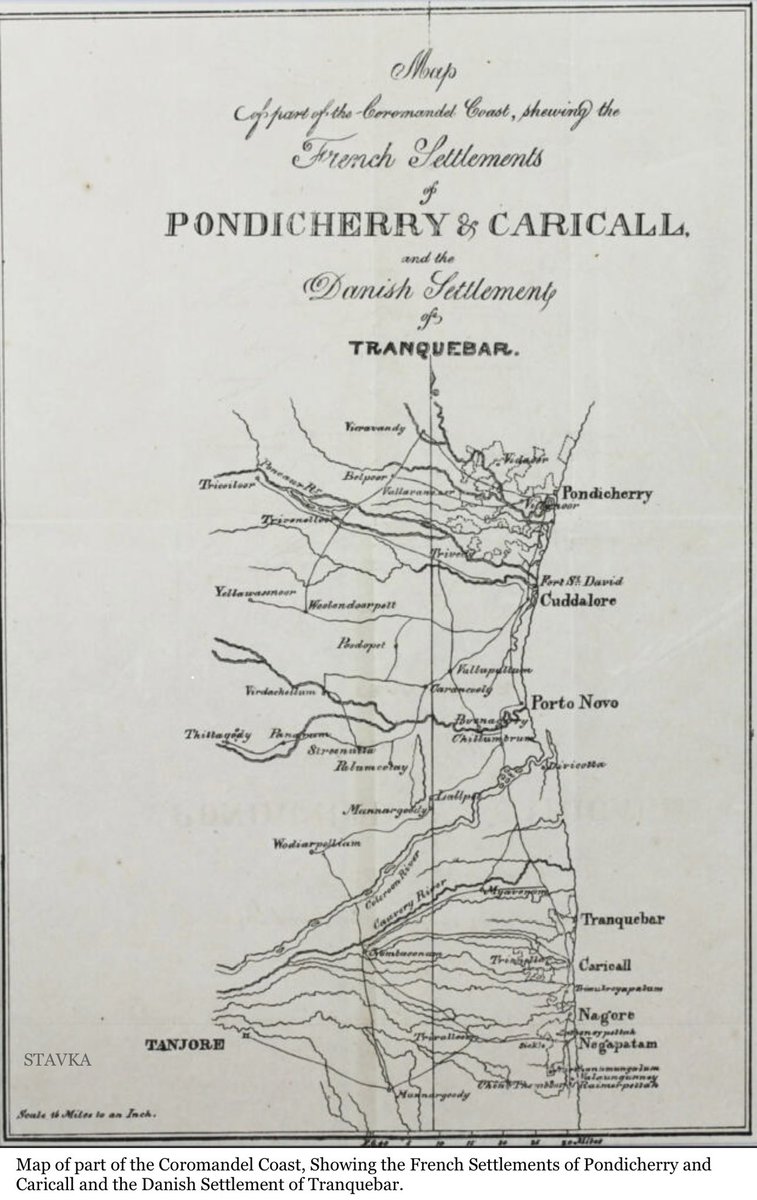
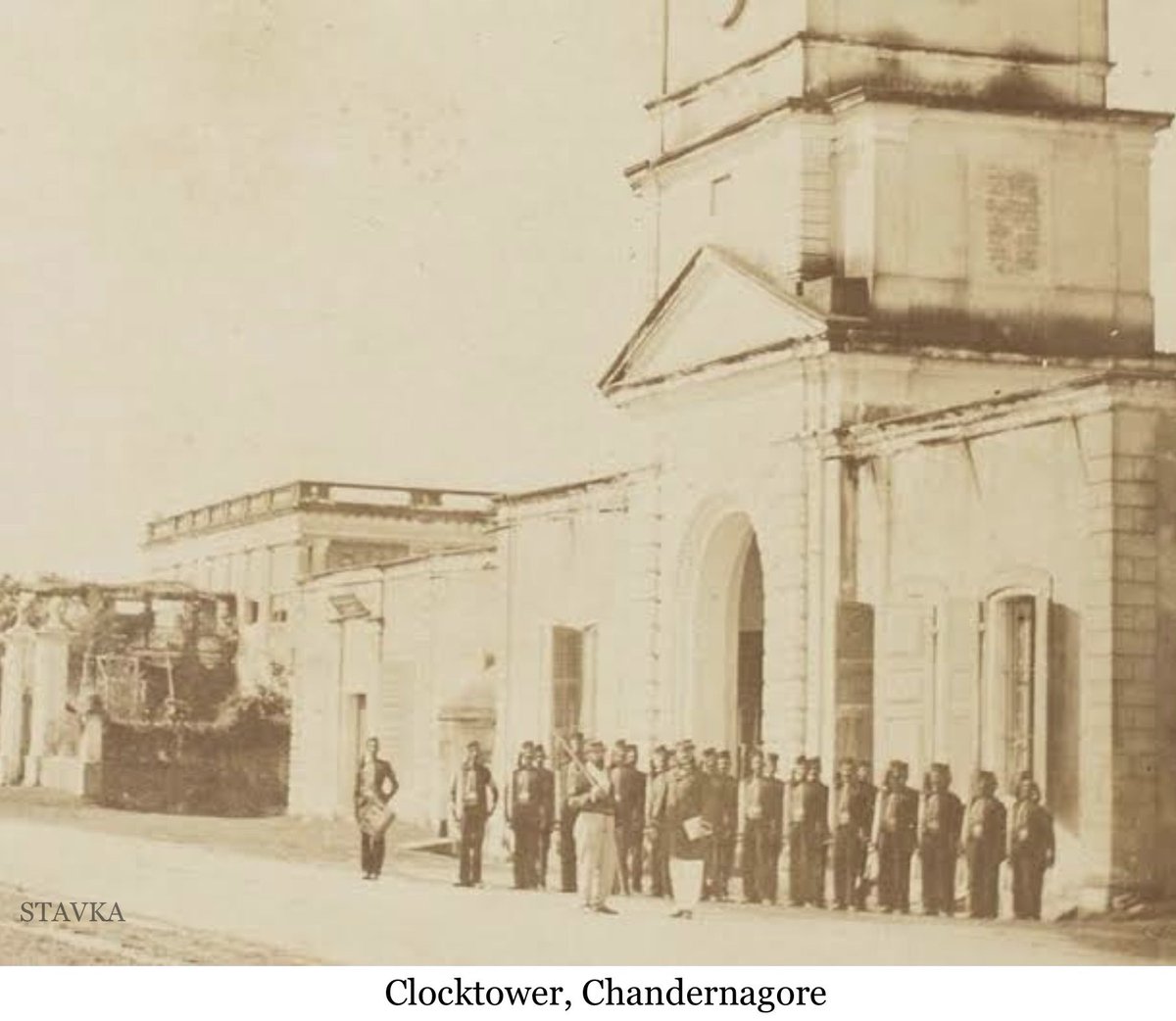
Even after the last British soldier had left India in 1947, the country was not entirely free from foreign rule. The French and the Portuguese still clung to their possessions. These were small bits of land— Pondicherry and Chandernagore in the case+
of France; Goa, Daman and Diu in the case of Portugal— but it was repugnant to Indian sentiment that foreign flags should fly over them. The French later decided to quit (Chandernagore in 1949 and Pondicherry in 1954), but not Portuguese.+ ImageImage
They were not even prepared to discuss the issue.

The people of Goa were keen to join free India. There was a good deal of agitation by them in form of satyagraha and civil disobedience. The Portuguese put it down with a heavy hand. Naturally, the rest of India could not remain+ Image
a passive spectator of such happenings for long.

There were persistent rumours in 1961 regarding negotiations between Pakistan and Portugal for the establishment of a joint base in Goa. The fact that Pakistan was a military dictatorship in close alliance with certain members of+ Image
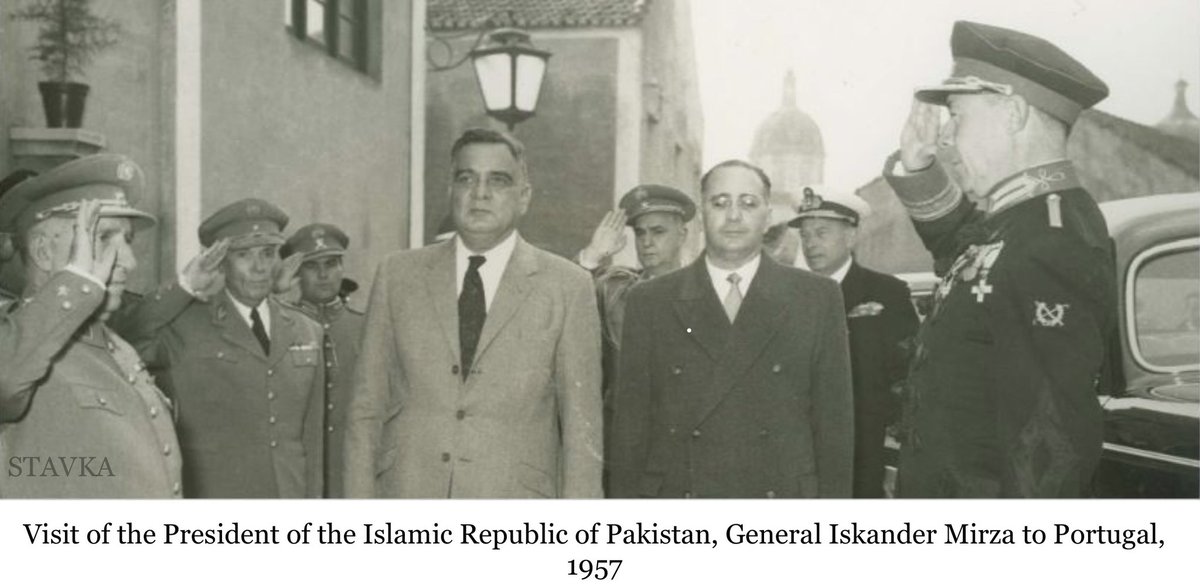
the North Atlantic Treaty Organization (N.A.T.O) gave credence to the idea. India’s relations with China being already strained, there was the danger that the country may have to fight more than one front if Goa remained a trouble spot.+
(Portugal was a member of N.A.T.O while Pakistan had joined similar alliances viz. S.E.A.T.O. and C.E.N.T.O. The U.S.A. and the U.K. were important members of all three organizations.)+
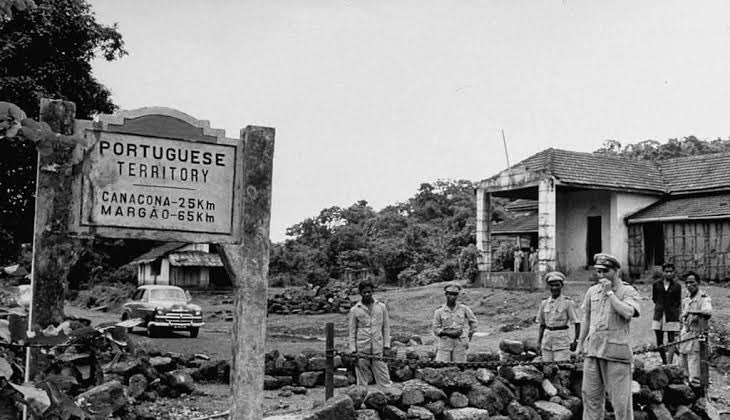
The situation deteriorated rapidly when in November 1961 the Portuguese became aggressive. Their troops stationed on Anjidiv Island fired on an Indian merchant ship on November 18, wounding an officer. A few days later, a fishing m boat was fired upon.+
At the same time, there were reports of Pakistani troops moving forward along our border in the Punjab. These developments forced the hands of the Indian government, and plans were made to meet the situation.+
Goa was reported to have about 4,500 Portuguese and Goan troops, supported by armoured cars and some artillery. The Indian plan, code-named 'Vijay', was for a force consisting of two brigades of 17th Infantry Division and 50th Independent Para Brigade to enter Goa on D-day in a+ Image
• • •

Missing some Tweet in this thread? You can try to force a refresh

 

Keep Current with 𝐒𝐓𝐀𝐕𝐊𝐀

𝐒𝐓𝐀𝐕𝐊𝐀 Profile picture

Stay in touch and get notified when new unrolls are available from this author!

Read all threads

This Thread may be Removed Anytime!

PDF

Twitter may remove this content at anytime! Save it as PDF for later use!

Try unrolling a thread yourself!

how to unroll video
  1. Follow @ThreadReaderApp to mention us!

  2. From a Twitter thread mention us with a keyword "unroll"
@threadreaderapp unroll

Practice here first or read more on our help page!

More from @Maverickmusafir

Jun 2, 2025
In a lecture at Defence Services Staff College, Wellington on Leadership and Discipline; 11th November, 1998, Field Marshal Sam Manekshaw speaks on his role in 1962 war and was he in a position to do something about the situation?+
“In the 1962 war, I was in disgrace. I was a Commandant of this Institution. Mr. Krishna Menon, the Defence Minister, disliked me intensely. General Kaul, who was Chief of General Staff at the time, and the budding man for the next higher appointment, disliked me intensely.+
So, I was in disgrace at the Staff College. There were charges against me I will enumerate some of them-all engineered by Mr. Krishna Menon. I do not know if you remember that in 1961 or 1960, General Thimayya was the Army Chief.+ Image
Read 13 tweets
May 2, 2024
In 1972, there were talks that the Army Chief, General S.H.F.J. Manekshaw, was in line for a promotion to the rank of Field Marshal in recognition of his remarkable contribution in Indo-Pak War of 1971. However, it was also in common knowledge that the Defence Minister Jagjivan Ram was against this proposal and had previously stated to the Press that the Indian Army would never have a Field Marshal or a Five-Star General. The wait stretched for months. It seemed like Manekshaw was paying the price for bypassing the Minister when the latter had once asked the reason for not implementing “Caste-based Reservations” in the Armed Forces.+
The book, A Soldier Recalls, by Lt Gen S.K. Sinha (he was the Deputy Adjutant General at the time) gives interesting insight, he writes:

“Relations between Jagjivan Ram and Manekshaw had not been too good. They had a confrontation on the issue of reservations in the Army for Scheduled Castes and Tribes. The Army was and still is, the only department of Government, where there is no reservation for any caste, though members of Scheduled Castes are recruited as soldiers in fairly large numbers. Class composition of regiments do amount to reservation for certain communities. However, this is more in the nature of preserving old traditions by continuing with the recruitment of certain traditional classes with a long military background.”+
“The bulk of the Army, however, is not affected by class composition and recruitment quotas are allotted to States on the basis of their population, for eligible candidates, without any caste or other consideration.

Jagjivan Ram wanted reservation for Scheduled Castes in the officer cadre. Manekshaw felt that by doing so we would be compromising on efficiency and with India facing constant threats to her national security, it would be inadvisable to take such a step. He mentioned that recruitment to the officer cadre should be solely on the basis of merit. Candidates from Scheduled Castes should be given special coaching and other facilities to enable them to compete”.+Image
Read 27 tweets
Apr 21, 2024
In a lecture at Defence Services Staff College, Wellington on Leadership and Discipline; 11th November, 1998, Field Marshal Manekshaw speaks on his role in 1962 war and was he in a position to do something about the situation?

“In the 1962 war, I was in disgrace. I was a Commandant of this Institution. Mr. Krishna Menon, the Defence Minister, disliked me intensely. General Kaul, who was Chief of General Staff at the time, and the budding man for the next higher appointment, disliked me intensely.+
So, I was in disgrace at the Staff College. There were charges against me I will enumerate some of them-all engineered by Mr. Krishna Menon. I do not know if you remember that in 1961 or 1960, General Thimayya was the Army Chief.+ Image
He had fallen out with Mr. Krishna Menon and had sent him his resignation. The Prime Minister, Mr. Nehru, persuaded General Thimayya to withdraw his resignation. The members of Parliament also disliked Mr. Krishna Menon, and they went hammer and tongs for the Prime Minister in Parliament.+Image
Read 8 tweets
Apr 19, 2024
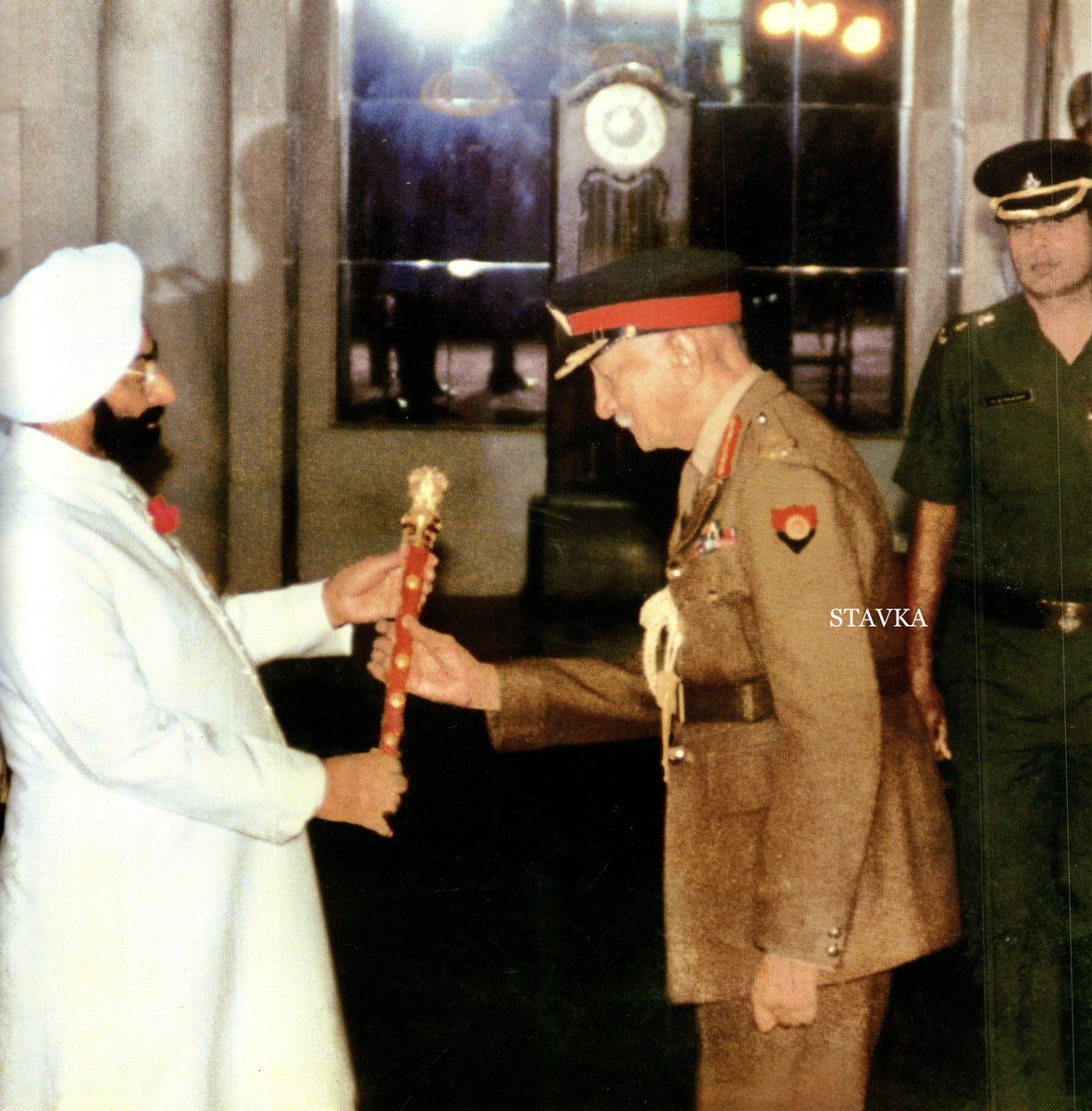
On 28 April 1986, in the Ashoka Hall of Rashtrapati Bhavan, the 87-year-old General Kodandera Madappa Cariappa was invested with the rank of Field Marshal and presented the baton by President Giani Zail Singh.

The book titled Field Marshal K.M. Cariappa written by his son, Air Marshal K.C. Cariappa (Retd), gives a detailed account of the event. He writes:

It was a particularly memorable event for us in the family. His two surviving brothers Nanjappa and Bopaiah had arrived from Kodagu to be present at the Investiture Ceremony. The Ashoka Hall was filled to capacity by the high and the mighty of the land. Father was in his dress uniform, something he had not worn for many, many years. He wore, as always, narrow pointed shoes.+Image
At that time he was being treated for a particularly painful toe on his right foot. In fact at home he would always wear a shoe on the left foot, but allowed himself to wear a slipper on the right. He would often be in excruciating pain, but always maintained a stiff upper lip. For the investiture he would not hear of not wearing a shoe on his swollen foot.+
He arrived at Rashtrapati Bhavan where he was received with due ceremony, and ushered to the special chair where he was to sit alone till after the investiture. He refused to use a walking stick though he limped heavily, nor did he accept the arm proffered by an ADC. The arrival of the President was heralded by the traditional fanfare when we all stood up; the National Anthem followed.+Image
Read 7 tweets
Apr 3, 2024
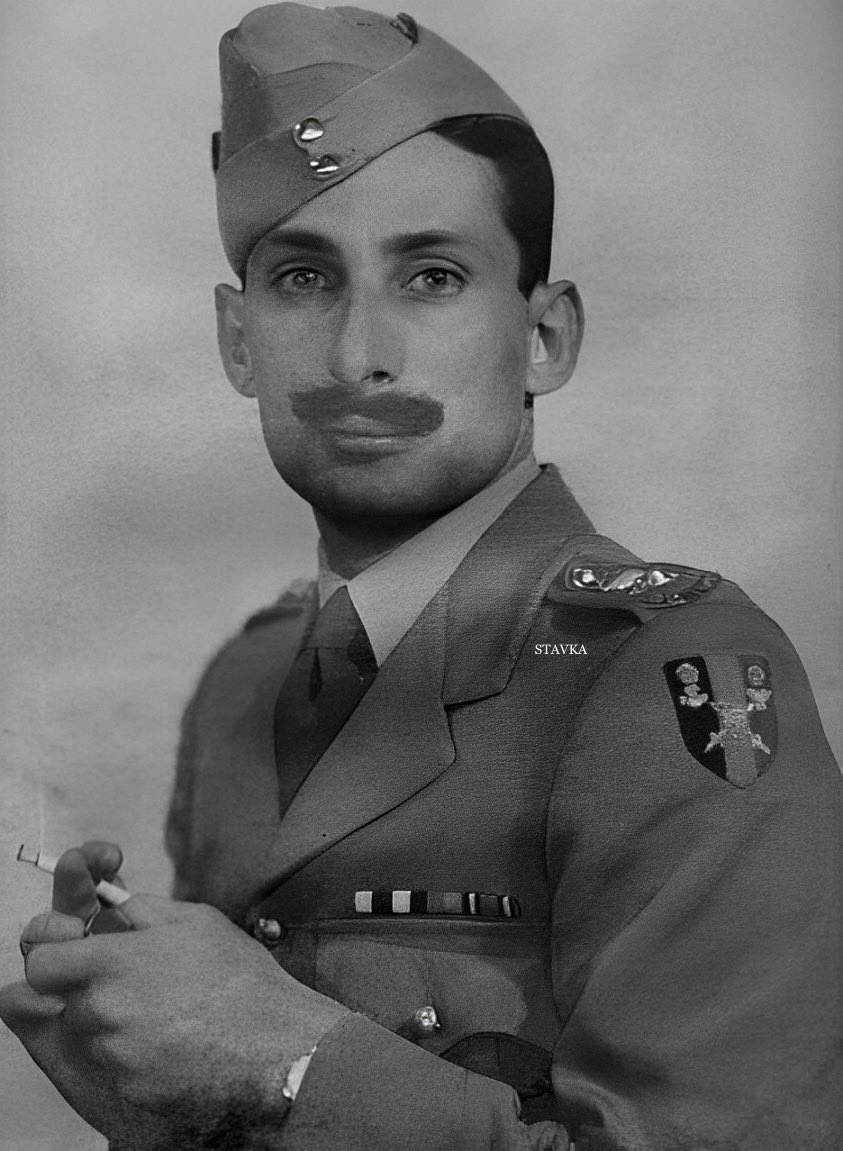
Today, let us remember Field Marshal SHFJ ‘Sam’ Manekshaw on his 110th birth anniversary.

Born into a Parsi family in Amritsar, the community had migrated from Persia to India to avoid religious persecution, first landed as refugees in Gujarat. Sam’s grandfather, Framji, was a teacher in Valsad; Morarji Desai, a freedom fighter who later would go on to become Prime Minister of India being one of his students.+Image
Sam’s father, Hormusji, born and raised in Valsad went on to study medicine at Grant Medical College, Bombay where he met and fell in love with Hilla Mehta. After a long courtship the young Hormusji dashed off his savings to propose to Hilla and they got married in 1899. His medical practice did not fare him well and the couple strived to make ends meet.+Image
His friends suggested he move to Lahore since there was a shortage of medical practitioners. With their firstborn, they boarded the Frontier Mail at Bombay Central Railway Station and after 2 days arrived in Amritsar. Sam describes, his mother who lived all her life in Bombay was distressed at sight of tall, well-built Sikhs standing on the platform.+
Read 27 tweets
Sep 16, 2023
India-Pakistan delineation teams headed by Lt Gen Premindra Singh Bhagat, PVSM, VC and Lt Gen Abdul Hameed Khan, SPK, SQA, met at Wagah and Suchetgarh to demarcate the Line of Control of J&K along the entire length on the map, in accordance to the Shimla Agreement.

Pakistani troops laid down their arms and surrendered to India for secession of East Pakistan as the new nation of Bangladesh. Indira Gandhi and Z.A. Bhutto met in Shimla to wrap up outstanding issues and after a prolonged negotiation, Shimla Agreement was signed in July 1972.+
The Agreement called for the disengagement of troops on either side of the international border to be completed within 30 days of its coming into force. In the case of J&K, Cease Fire Line would henceforth be known as the Line of Control (LOC). The troops would remain on the LOC resulting from the cease fire of 17 December 1971. This being the case, the LOC had actually to be delineated on the ground, detailed maps had to be prepared, conflicting claims resolved.

Despite having an upper hand, India failed in getting a formal sign-off by Bhutto to recognise this as an international border. Nor did we seek a permanent solution to the Kashmir issue.+
A high-powered team was appointed by both sides. Lt Gen P.S. Bhagat, PVSM, VC, was named as the representative of the Chief of Army Staff, India. On the team also were Maj Gen M.R. Rajwade, VSM, MC, his Chief of Staff; Maj Gen I.S. Gill, PVSM,MC, Director of Military Operations, Army Headquarters. All three were veterans of World War II, highly decorated soldiers. The other members were Col C.M. Sahni, Lt Col M.S. Chehal, VSM and Lt Col B.M. Tewari.

The Pakistani team was led by Lt Gen Abdul Hameed Khan, SPK, SQA with Brig S.M. Abbasi, Col Mahmud Shaukat, Col Syed Refaqat, TQA; Lt Col M.M. Afsal Khan and Lt Col Ahmad Saeed.+
Image
Read 28 tweets

Did Thread Reader help you today?

Support us! We are indie developers!


This site is made by just two indie developers on a laptop doing marketing, support and development! Read more about the story.

Become a Premium Member ($3/month or $30/year) and get exclusive features!

Become Premium

Don't want to be a Premium member but still want to support us?

Make a small donation by buying us coffee ($5) or help with server cost ($10)

Donate via Paypal

Or Donate anonymously using crypto!

Ethereum

0xfe58350B80634f60Fa6Dc149a72b4DFbc17D341E copy

Bitcoin

3ATGMxNzCUFzxpMCHL5sWSt4DVtS8UqXpi copy

Thank you for your support!

Follow Us!

:(