Today in pulp I'm looking back at one of the best loved albums of the '70s.
What are the chances...
What are the chances...

By 1976 Jeff Wayne was already a successful composer and musician, as well as a producer for David Essex. His next plan was to compose a concept album.

War Of The Worlds was already a well known story, notorious due to the Orson Wells radio play production. For Wayne it seemed like a great choice for a rock opera.

In January 1976 - working closely with his musical parents - Wayne completed the score and script for his concept work. Like an opera it would have a leitmotif - the chilling 'Ulla' sound of the Martians!
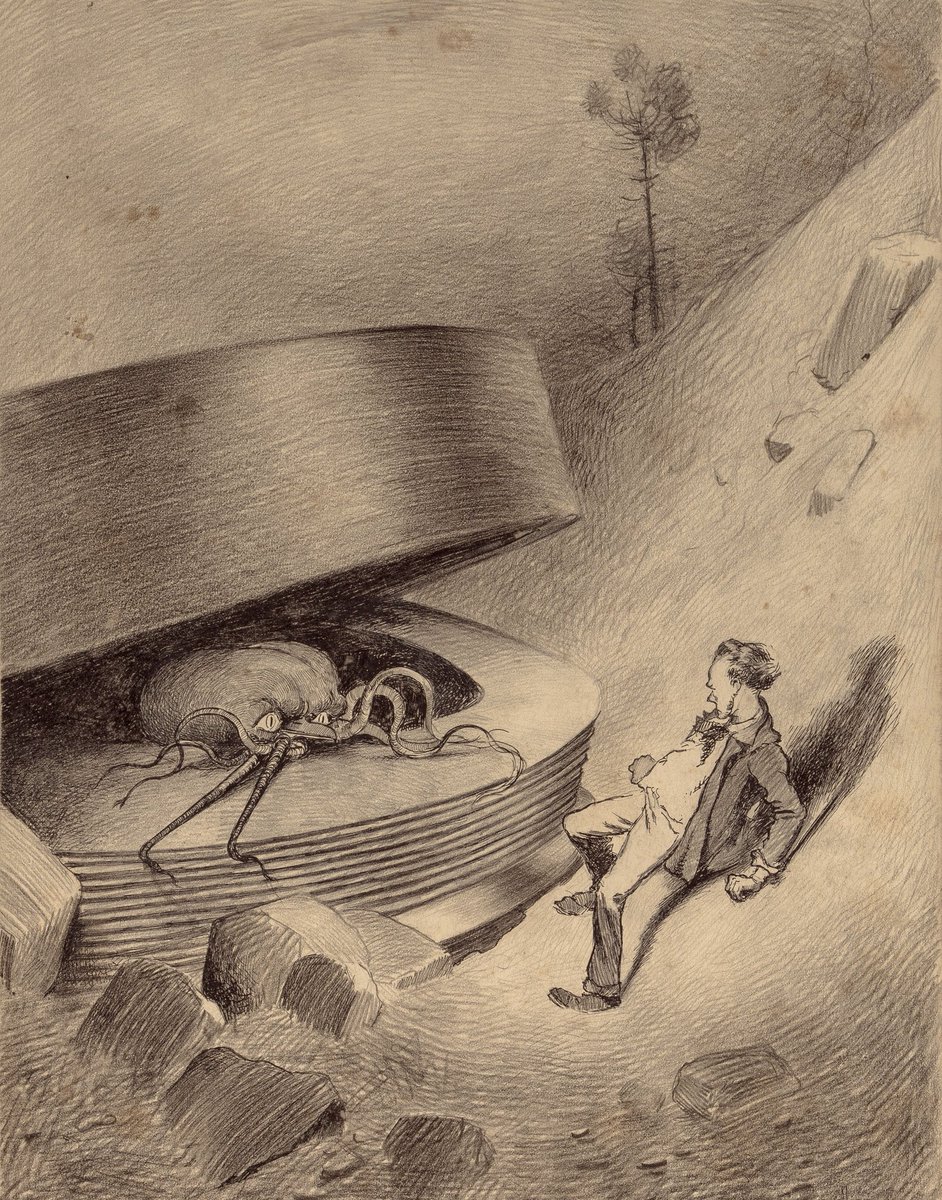
Wayne wanted a voice 'like an instrument' for the part of the journalist narrator, so he wrote to Richard Burton in New York asking if he was interested. A few weeks later Wayne and Essex flew over to record Burton's part.
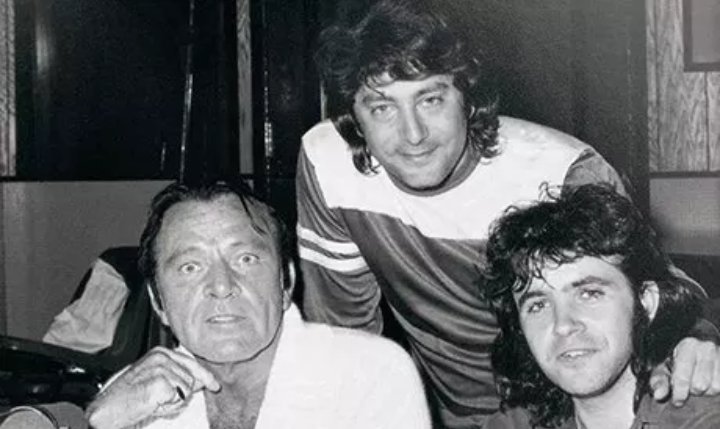
Amazingly Richard Burton refused to listen to the music while he recorded his words, believing it would put him off. Instead Wayne had to trust that Burton's timing and phrasing would fit with the music - which it did!
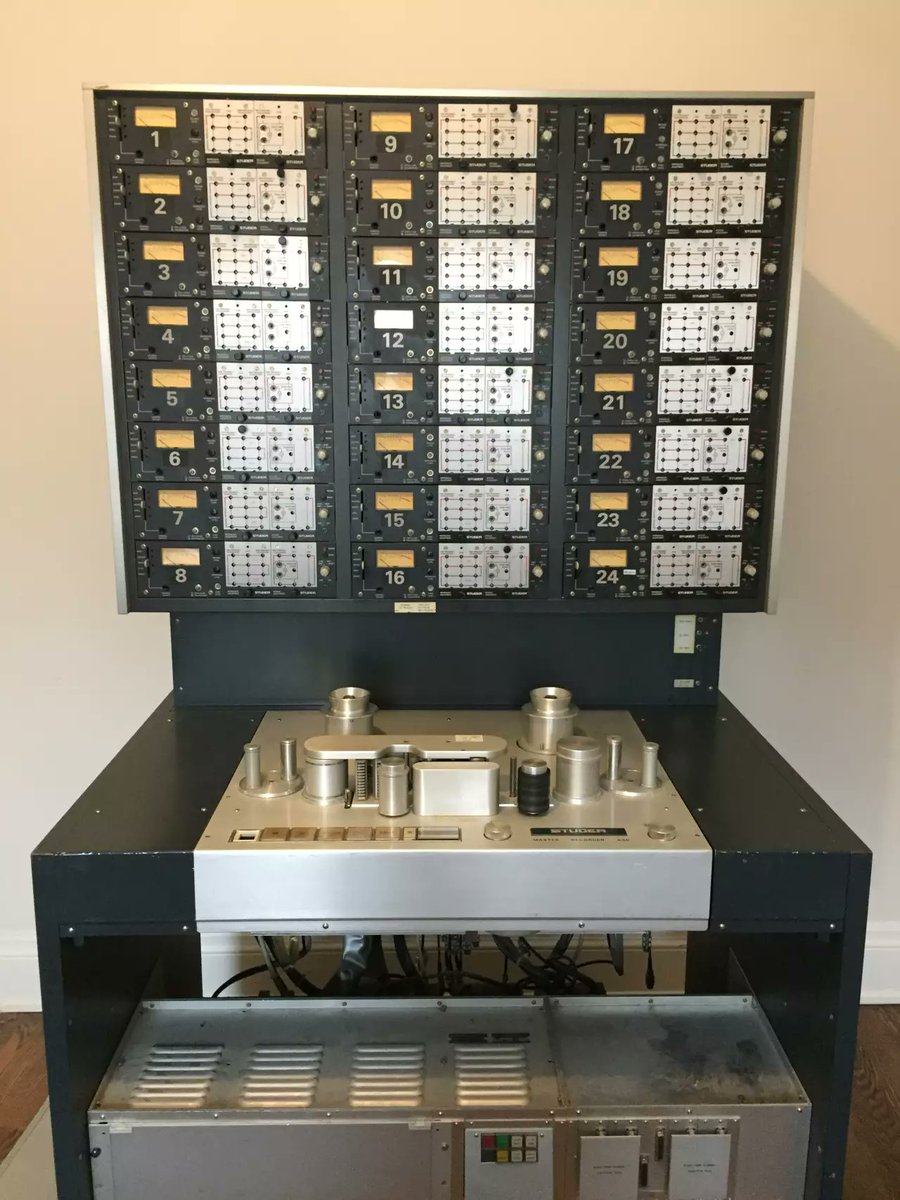
War Of The Worlds was one of the first albums recorded on 48 tracks, using two synced Studer A80 recorders at the Advision Studios in Gosfield St, central London.
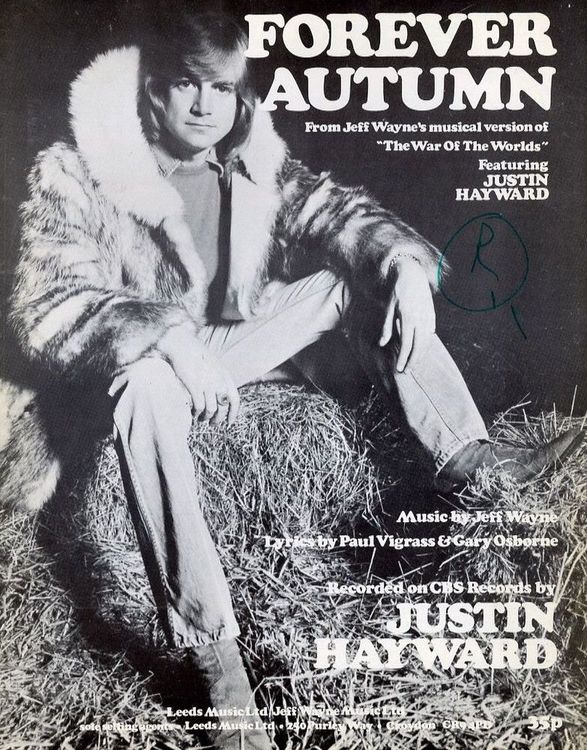
A number of musicians contributed to War Of The Worlds, including David Essex, Phil Lynott, Julie Covington, Chris Thompson and Justin Hayward - his song 'Forever Autumn' actually started out as a jingle for a LEGO commercial.
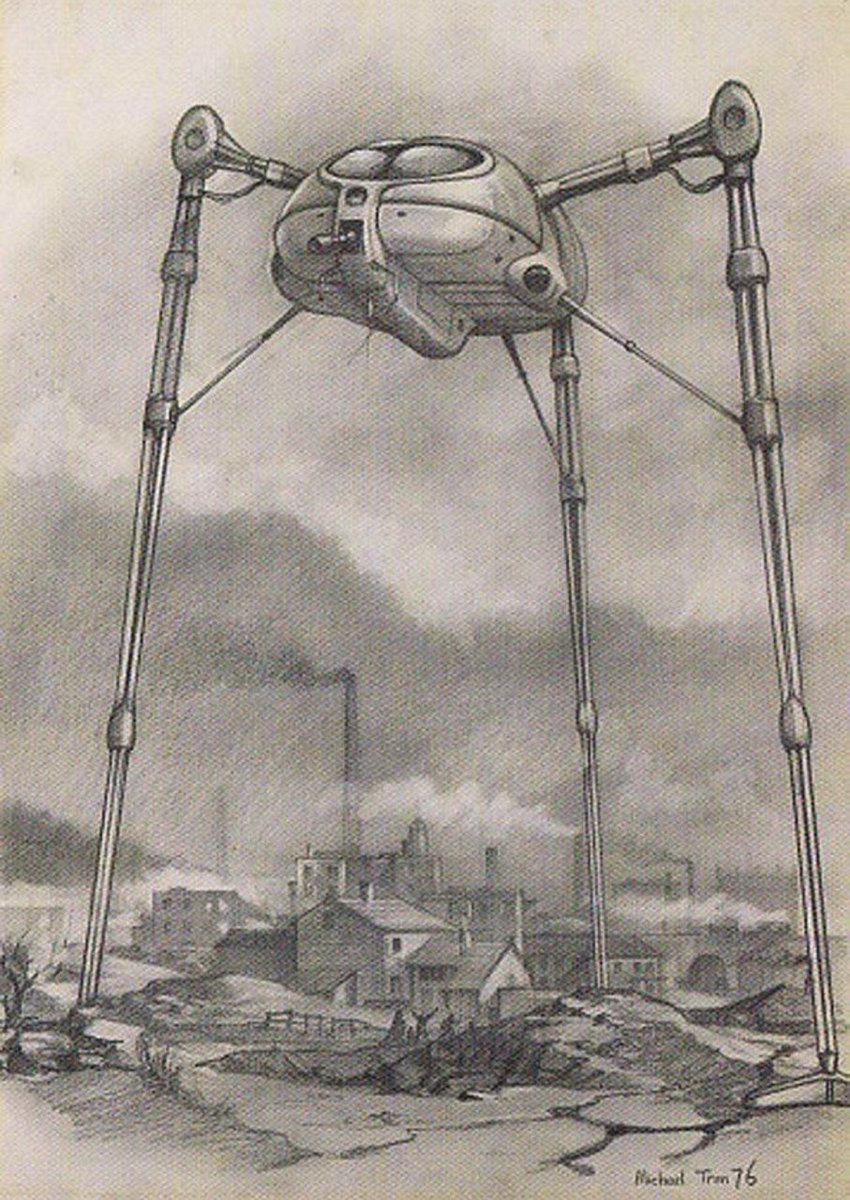
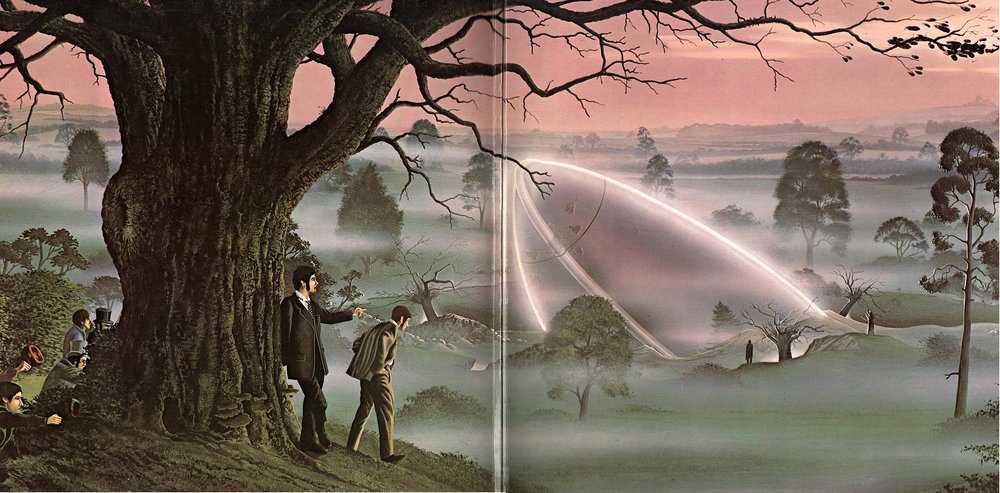
Special effects artist Michael Trim was asked to help with album artwork, and his drawings of the Martian war machines would become the iconic image of the album.

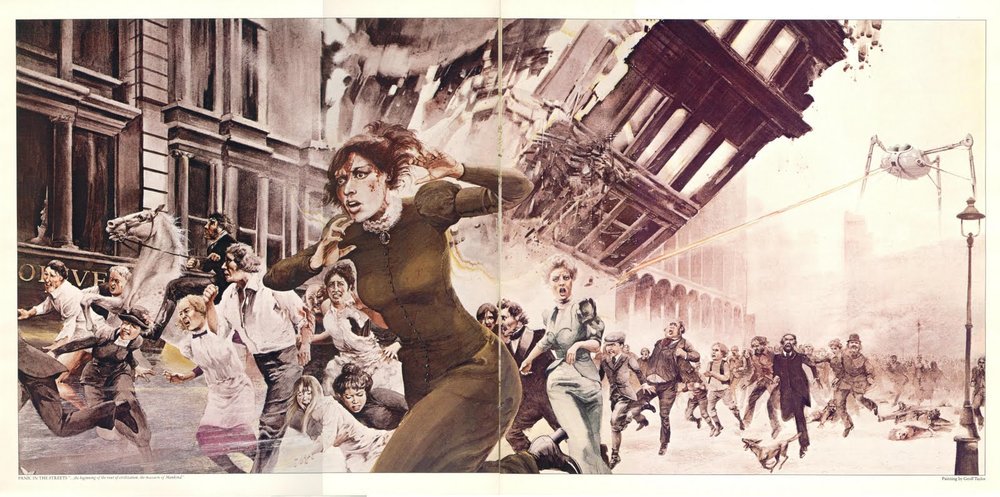
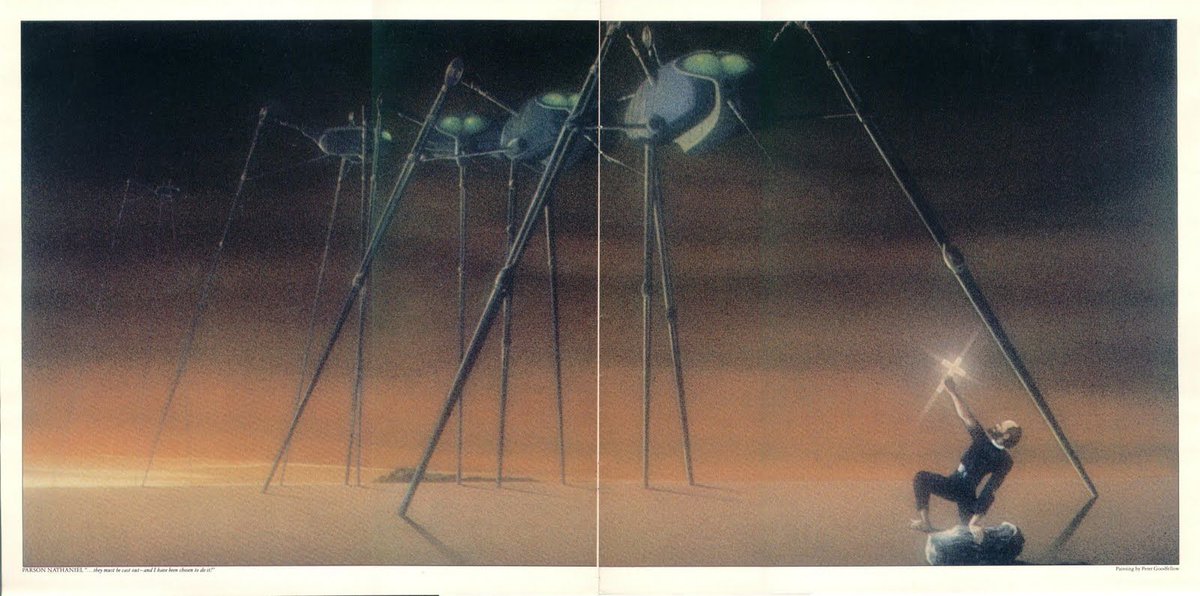
As well as Trim, Geoff Taylor and Peter Goodfellow also provided artwork for the album, making it a genuinely captivating package.
When Wayne approached CBS Records with his War Of The Worlds album they didn't know how to market it. It was a continuous recording, but fortunately Wayne had already recorded radio edits of a number of key songs.

War Of The Worlds was released on 9 June 1978 to epic reviews and is one of the top 40 best-selling albums in the UK to this date.

A number of international versions were also released. Anthony Quinn played the part of the journalist narrator on the Spanish edition of War Of The Worlds.

A live stage show of War Of The Worlds is still touring, so do try an get tickets if you can - with a live orchestra and animatronic war machines it looks unmissable!
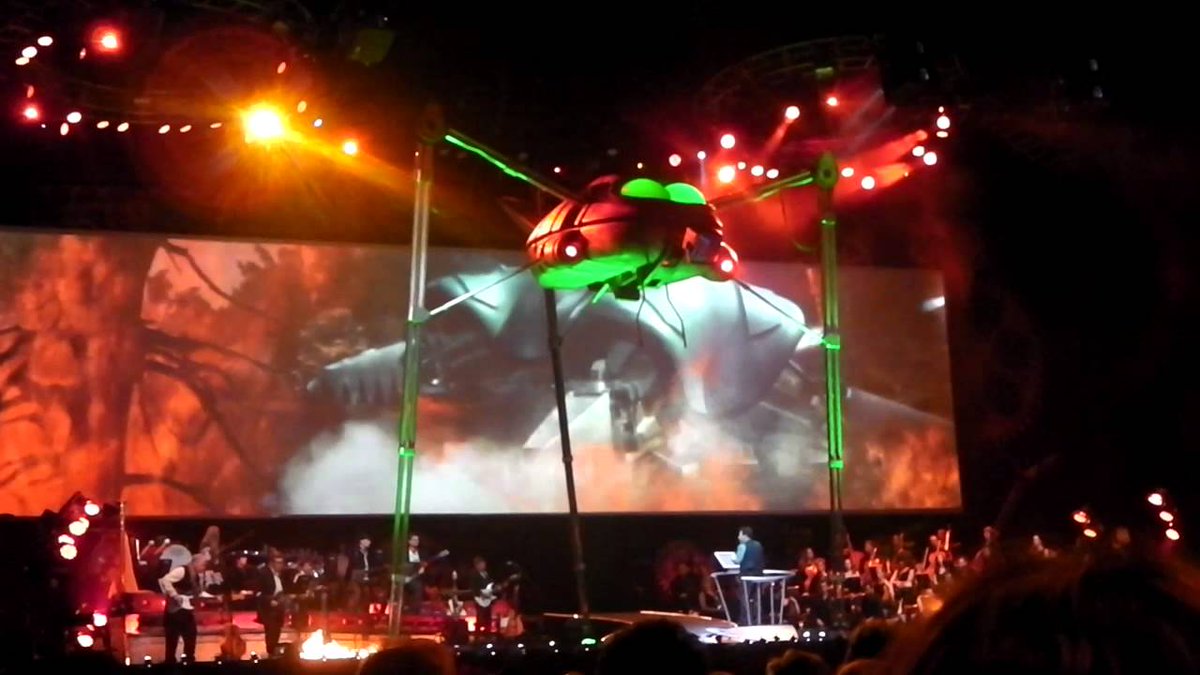
Otherwise turn off the TV, put down your phone, pour yourself a drink and listen again to War Of The Worlds this evening. I guarantee it will be time well spent.
More stories another time...
More stories another time...
• • •
Missing some Tweet in this thread? You can try to
force a refresh