Read on Twitter
LSD is the best-known lysergamide, but did you know there are dozens of others? These compounds vary in effects, potency, and legality, and are quickly growing in popularity.
A thread: Beyond LSD-25, The World of Lysergamides
A thread: Beyond LSD-25, The World of Lysergamides

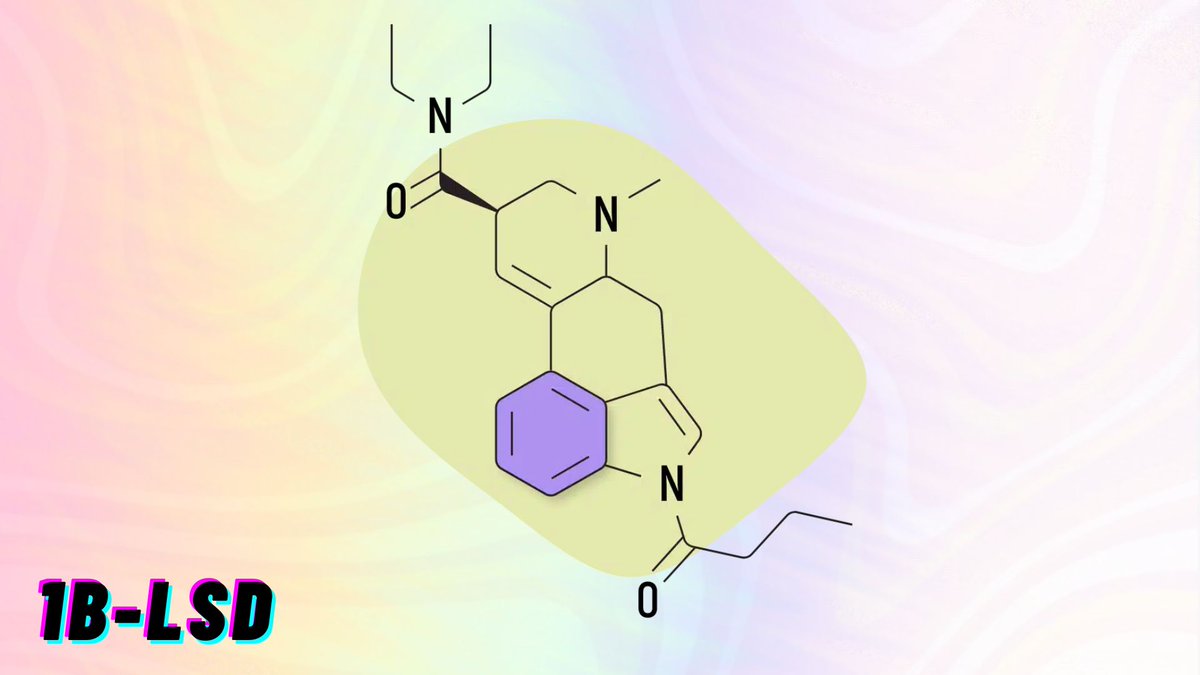
1B-LSD is around 15% of the strength of LSD. Other than being less potent, the effects are nearly indistinguishable from both LSD and 1P-LSD. 1B-LSD was popular in Europe and Canada for a while as a “legal acid,” but new laws have since been imposed to ban this research chemical.
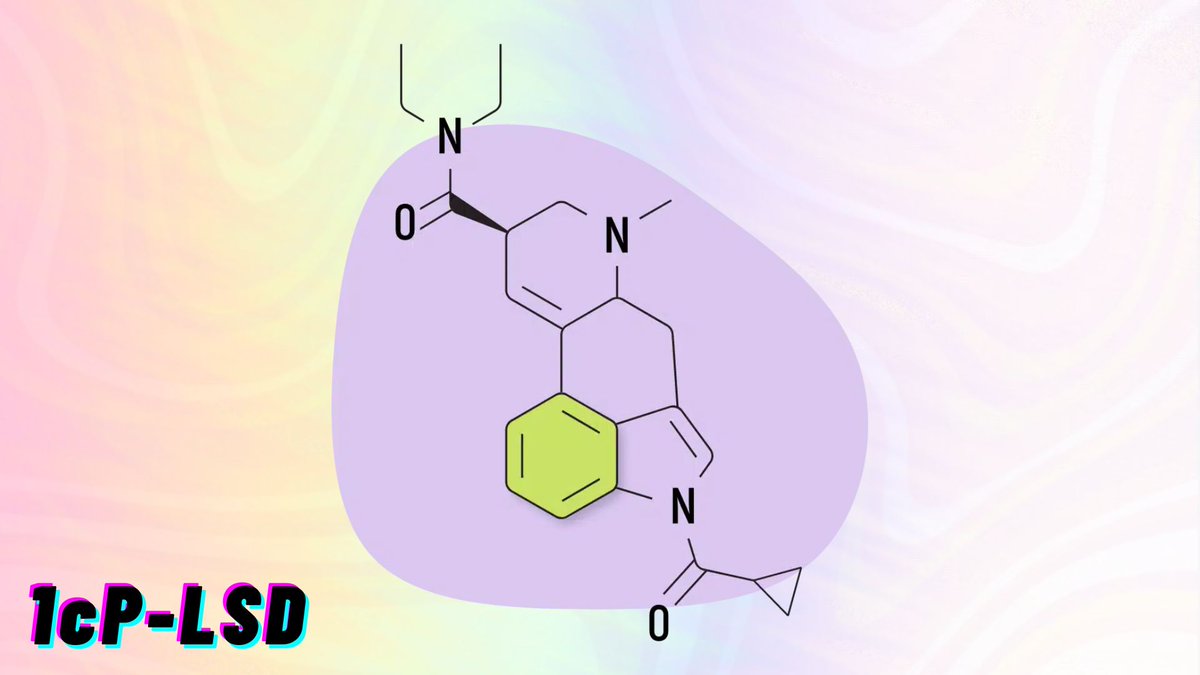
1cP-LSD is believed to be a prodrug for LSD. This compound first entered the market in Germany and the Netherlands in 2019, shortly after the government banned 1P-LSD. It remains legal in some countries such as Italy.
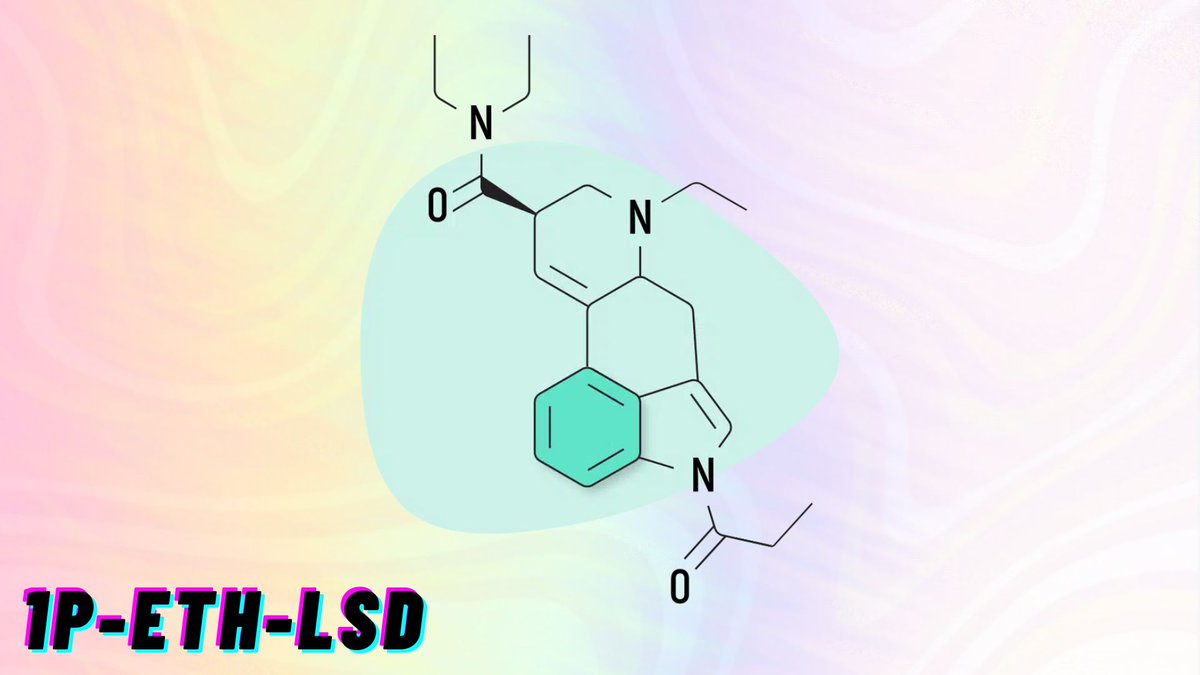
1P-ETH-LAD is believed to serve as a prodrug for ETH-LAD. The experience is considered more visual than LSD and has less of an impact on emotion and mood (headspace). This compound has been banned in most European countries, Canada, the US, and Australia.
1P-LSD is a prodrug to LSD with subjective effects that are on par. This was one of the first research chemicals developed to provide “legal LSD” to the market sometime around 2012. Most countries have since banned the substance except for Canada.
tripsitter.com/1p-lsd/
tripsitter.com/1p-lsd/

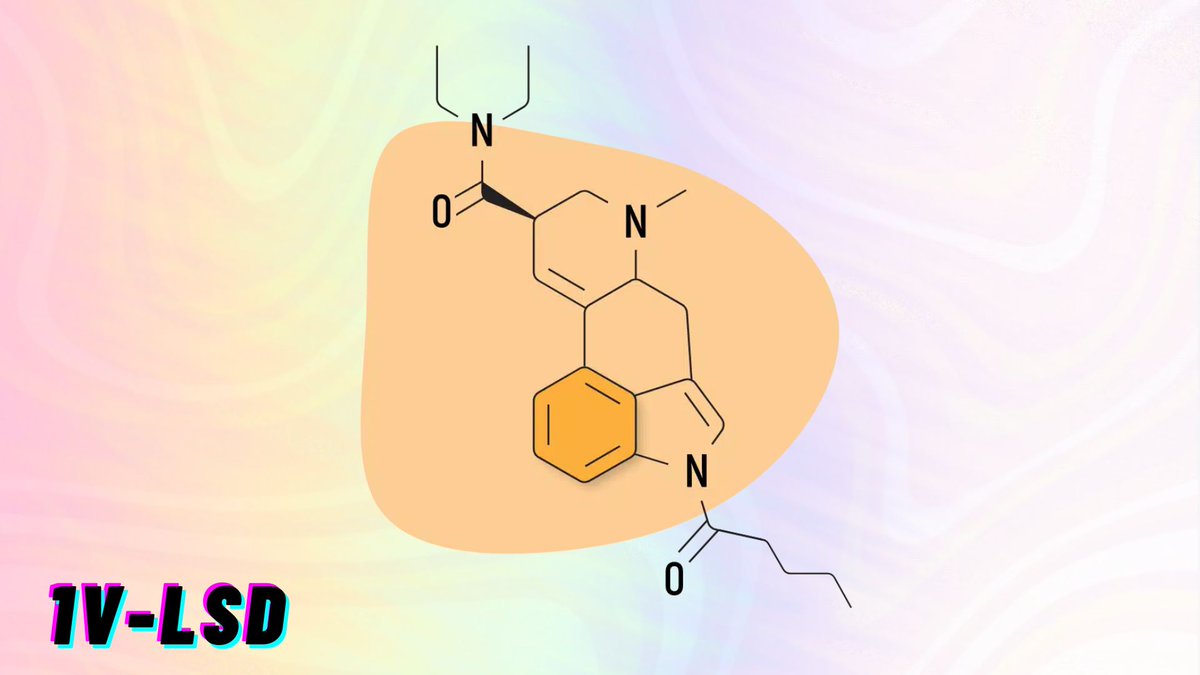
1V-LSD, or Valerie, is a modified version of 1P-LSD. It’s believed to act as a prodrug for LSD. This compound is the latest invention in response to various bans in Europe. The molecule remains in a legal grey area throughout most of Europe, Canada, and Australia today.
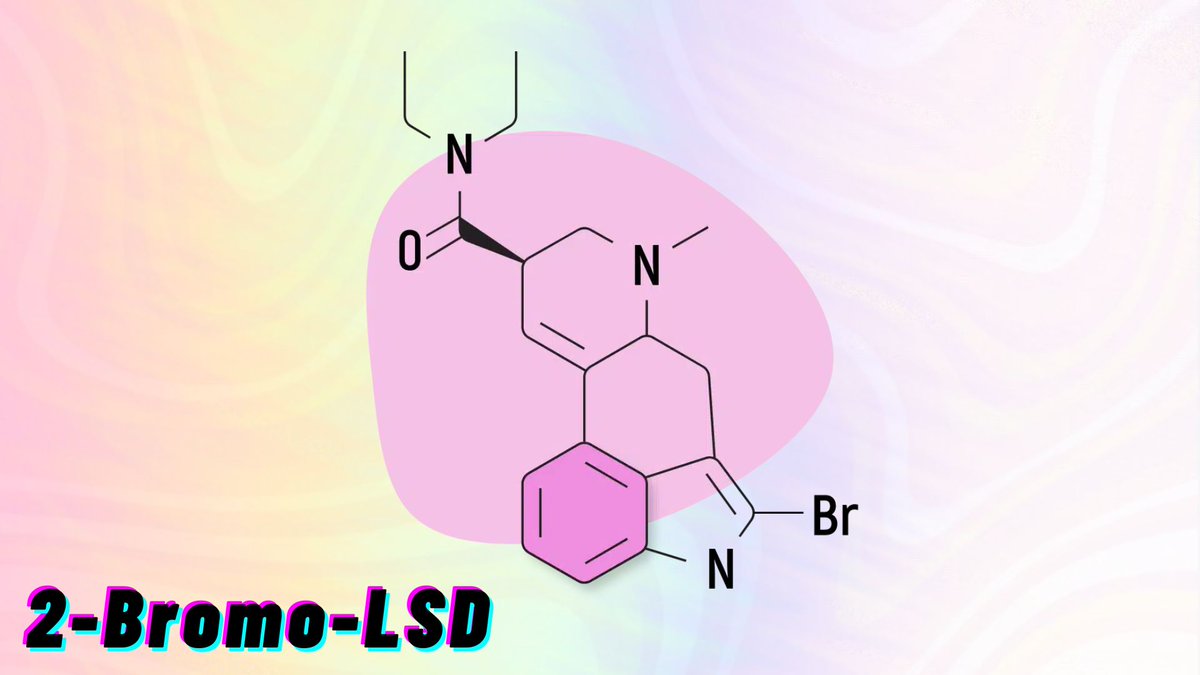
2-Bromo-LSD is believed to block the effects of LSD. It binds to the same receptors but does not exert any psychedelic activity. This compound was one of many ergotamine derivatives invented by Albert Hofmann and his team in the late 1950s with the goal of treating migraines.
AL-LAD is favored for its slightly milder but more visual effects. It also tends to be less introspective and more “recreational” than LSD. It’s been around since the 70s and has been formally studied several times already.
tripsitter.com/al-lad/
tripsitter.com/al-lad/
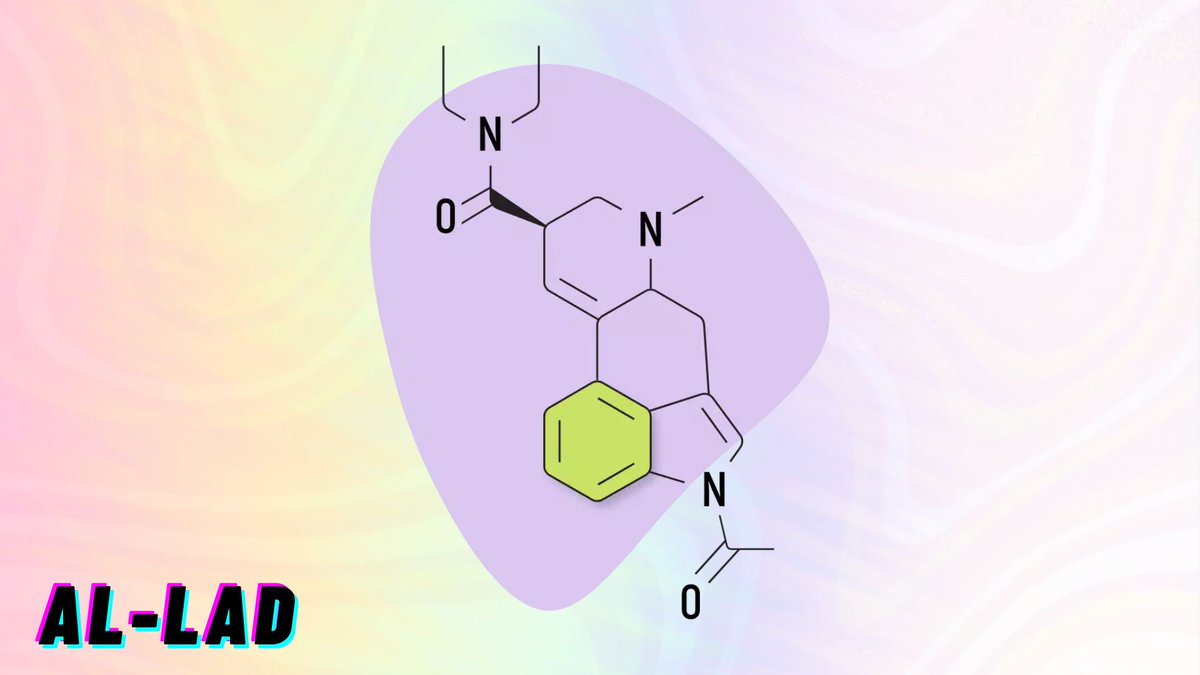
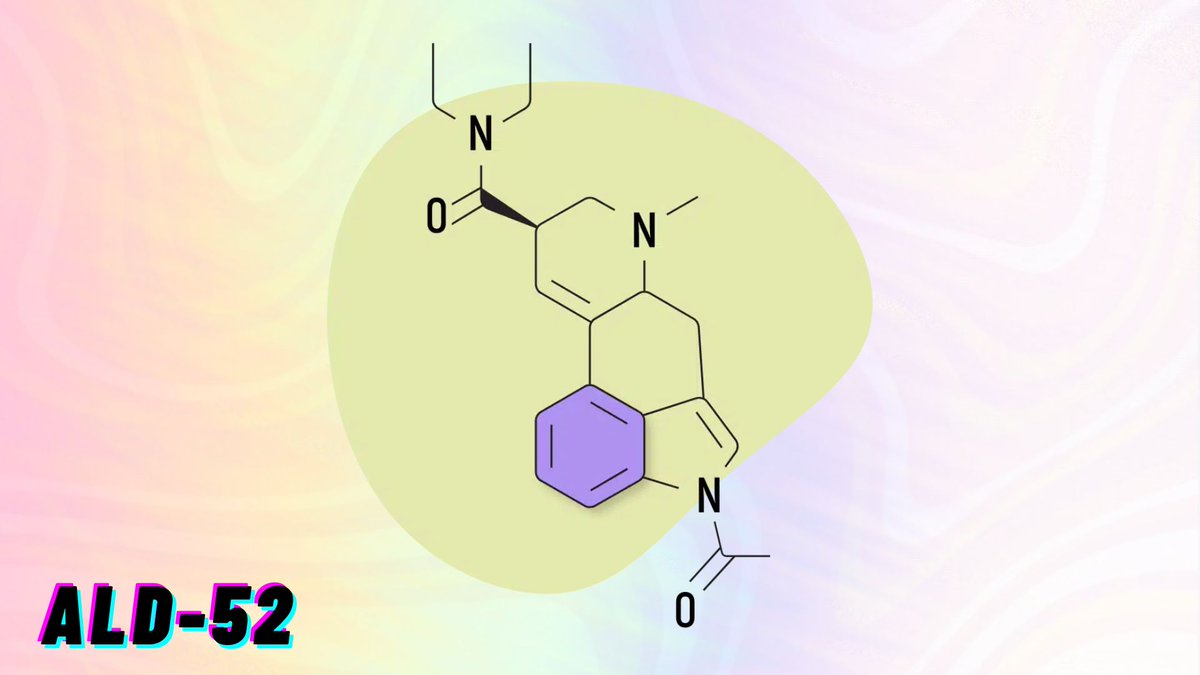
ALD-52 serves as a prodrug for LSD, only becoming active after it’s processed by the liver, delaying effects by up to an hour. ALD-52 was first synthesized in Hofmann’s lab in the 1950s, with effects considered equivalent, if not slightly weaker than LSD.
tripsitter.com/ald-52/
tripsitter.com/ald-52/
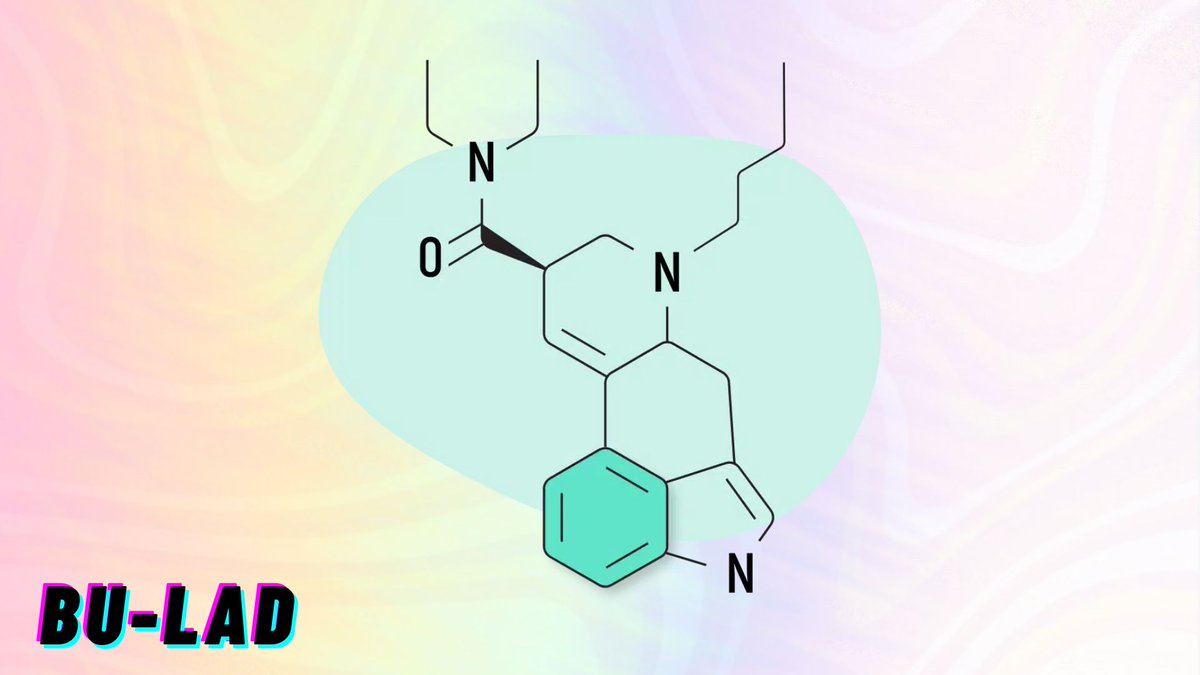
BU-LAD was one of several lysergamide compounds invented by Alexander Shulgin, but never received much attention. Shulgin reportedly consumed a dose of 500 micrograms of BU-LAD and reported only mild psychoactive effects.
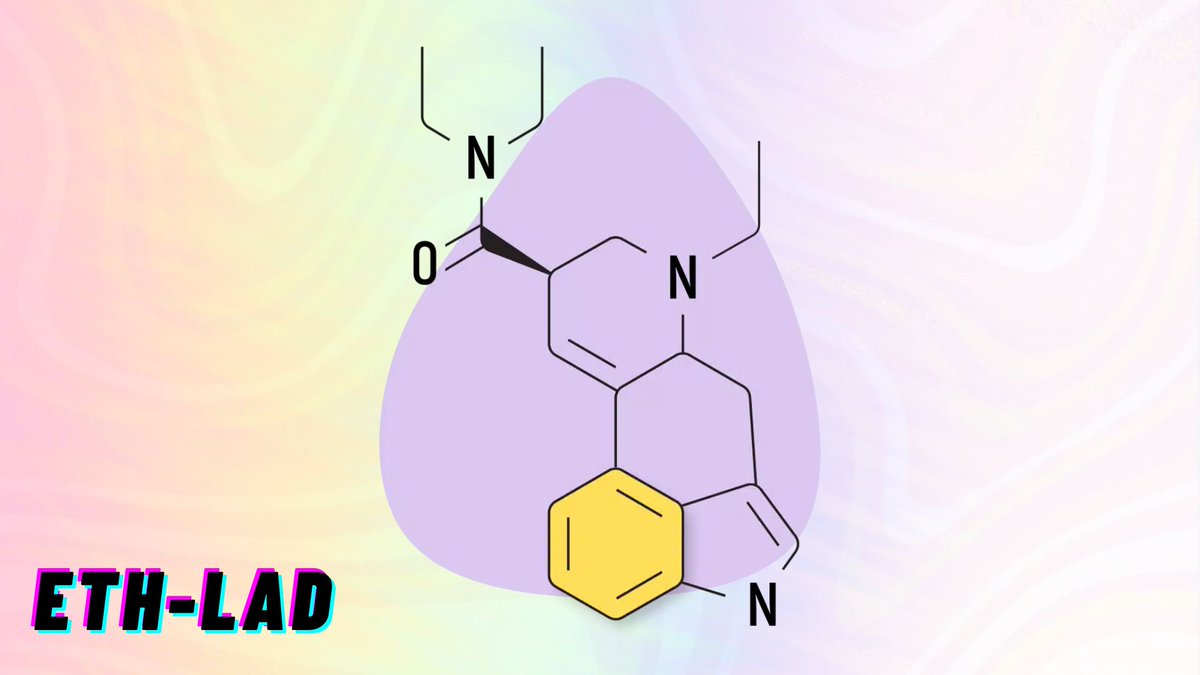
ETH-LAD is one of the most popular lysergamides, likely the result of its slightly stronger effect profile. ETH-LAD produces strong visual effects but is less likely to produce unwanted physical sensations compared to other tryptamine psychedelics.
tripsitter.com/eth-lad/
tripsitter.com/eth-lad/
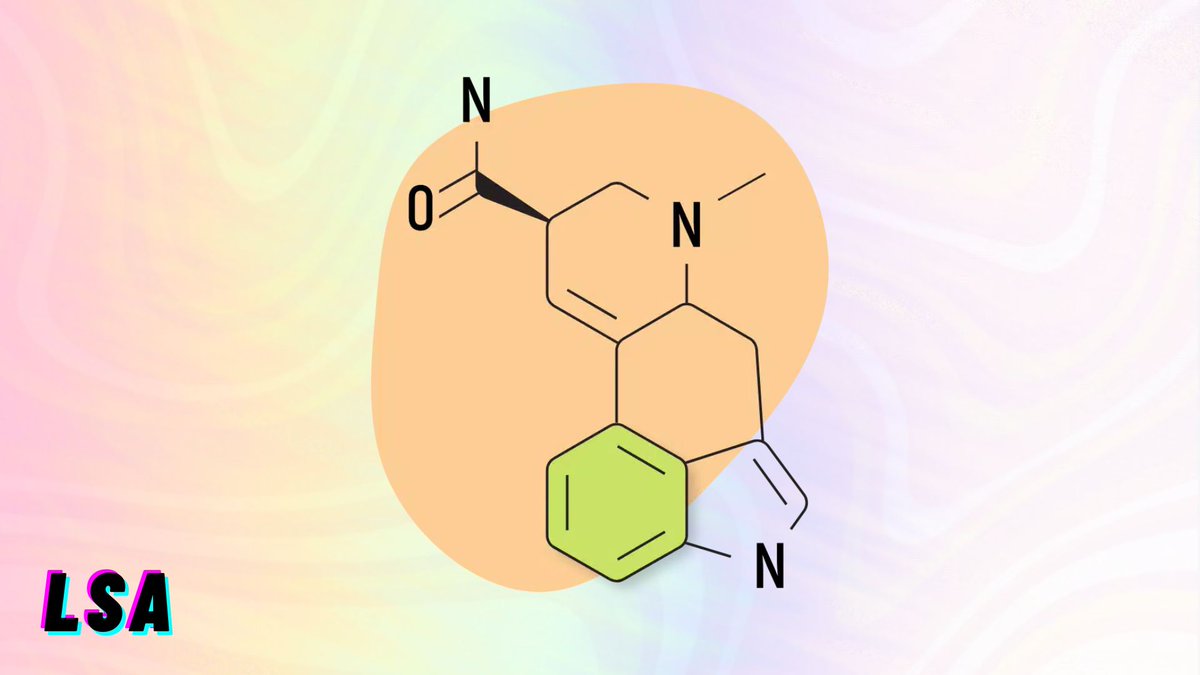
LSA was discovered in 1932, classified under the name “ergine”. It’s naturally occurring- found in the ergot fungus & in the seeds of morning glory. LSA is much less potent(~10%) than LSD and has a distinct sedative action compared to other lysergamides.
tripsitter.com/lsa/
tripsitter.com/lsa/
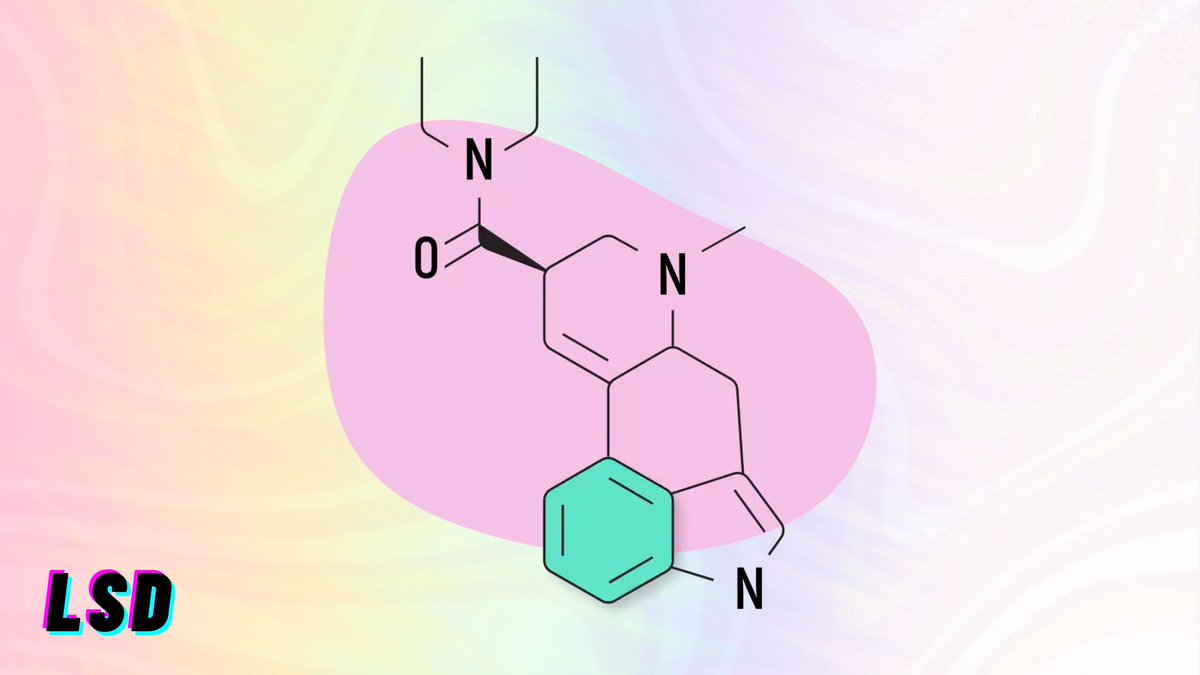
LSD provides long-lasting & profound effects while lacking any major safety risks. It is the most popular lysergamide thanks to its previous status as a research chemical & countercultural use. LSD was placed on the DEA’s Scheduled Substances list in 1970.
tripsitter.com/lsd/
tripsitter.com/lsd/
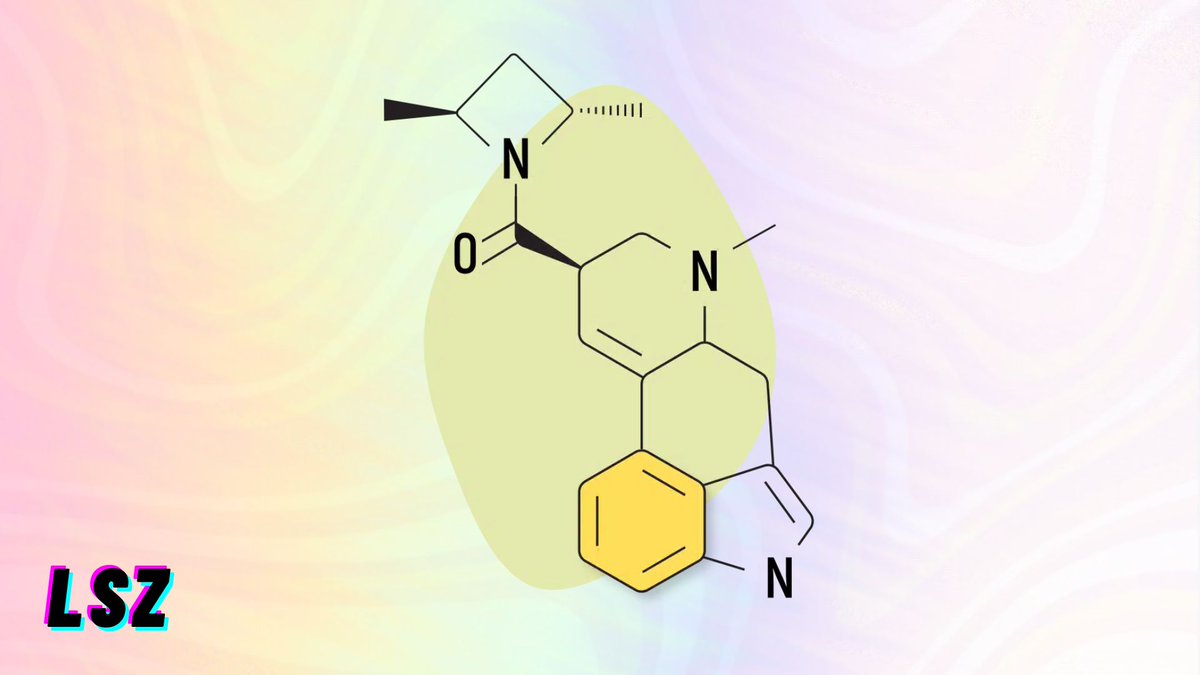
LSZ was first discovered by David E. Nichols in the 1980s. The effects are virtually identical to LSD but with slightly higher potency and longer-lasting, more emotional effects. This compound has less visual intensity & a sedative nature in higher doses.
tripsitter.com/lsz/
tripsitter.com/lsz/
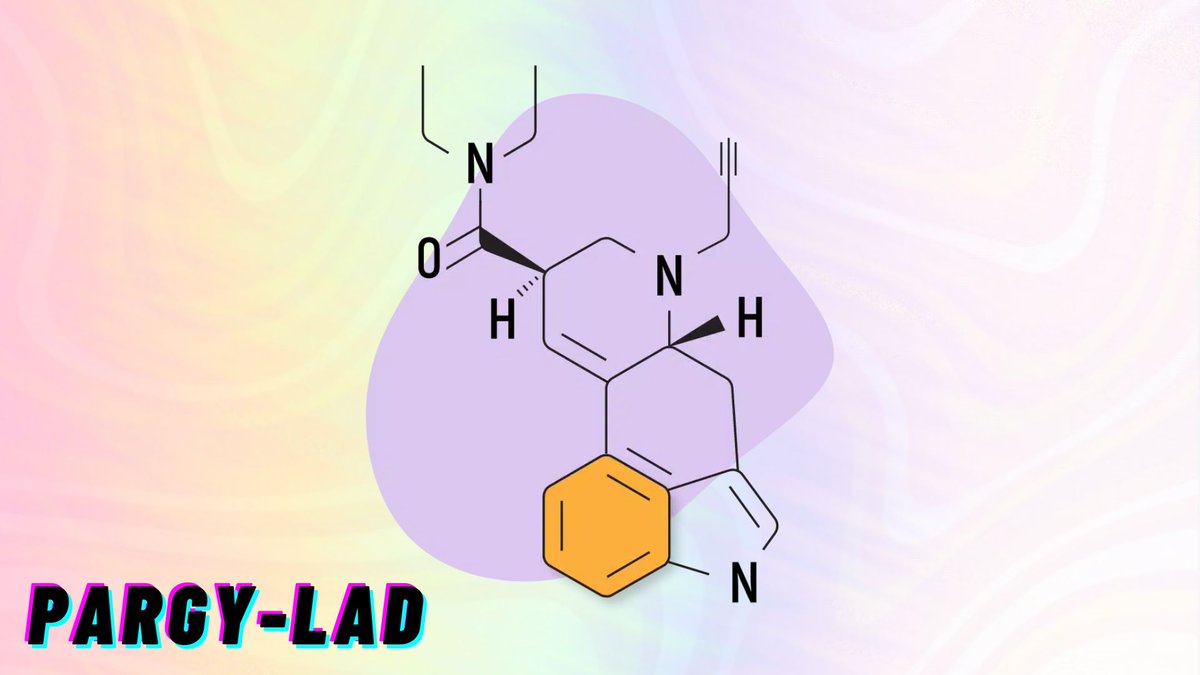
PARGY-LAD is much less potent than LSD, with a threshold dose of ~160 micrograms. According to Shulgin, the psychoactive dose for this compound is about 500 micrograms — making this compound roughly 40% as strong as LSD and much less popular.
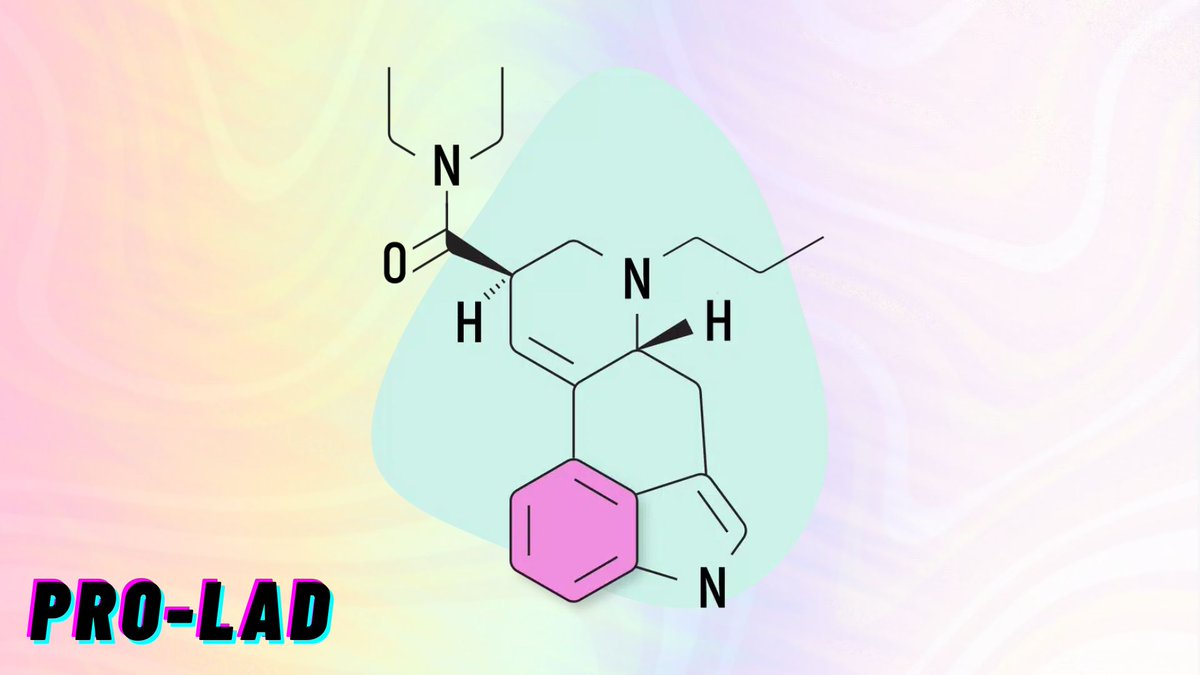
PRO-LAD is another creation of David Nichols in the 1980s. Some users suggest PRO-LAD has a stronger body load than LSD — producing sensations like tingling in the fingers and toes, a sensation of sinking into the ground, and increased awareness of other bodily sensations.
The lysergamides above were listed because they have been tested in some way for effects, potency, and safety. There are many more that exist and are waiting to be discovered. To find out more about these compounds, check out this article by @JuzzieCooke
tripsitter.com/psychedelics/l…
tripsitter.com/psychedelics/l…
• • •
Missing some Tweet in this thread? You can try to
force a refresh