Here are 10 Best Books on Scientific Philosophy.
A Thread 👇
A Thread 👇

1/ 📘"The Structure of Scientific Revolutions" by Thomas S. Kuhn
A cornerstone of scientific philosophy, Kuhn's groundbreaking work discusses how science progresses through a series of paradigm shifts. A must-read for understanding scientific progress.
amzn.to/3mXaJjk
A cornerstone of scientific philosophy, Kuhn's groundbreaking work discusses how science progresses through a series of paradigm shifts. A must-read for understanding scientific progress.
amzn.to/3mXaJjk
2/ 📘 "Philosophy of Science" by Samir Okasha
New to scientific philosophy? Okasha's concise and accessible book is the perfect starting point. It covers key topics like scientific reasoning, theories, and the nature of scientific progress.
amzn.to/3oxWAcM
New to scientific philosophy? Okasha's concise and accessible book is the perfect starting point. It covers key topics like scientific reasoning, theories, and the nature of scientific progress.
amzn.to/3oxWAcM

3/ 📘 "The Logic of Scientific Discovery" by Karl Popper
A seminal work that explores scientific discovery and knowledge. Popper's concept of falsification, which argues that scientific theories should be testable and open to refutation.
amzn.to/3LjQrd4
A seminal work that explores scientific discovery and knowledge. Popper's concept of falsification, which argues that scientific theories should be testable and open to refutation.
amzn.to/3LjQrd4
4/ 📘 "Against Method" by Paul Feyerabend
In this thought-provoking work, Feyerabend challenges the idea of a single, universal method for conducting scientific research. A must-read for understanding the complexities and nuances of scientific practice.
amzn.to/3UZvgAm
In this thought-provoking work, Feyerabend challenges the idea of a single, universal method for conducting scientific research. A must-read for understanding the complexities and nuances of scientific practice.
amzn.to/3UZvgAm
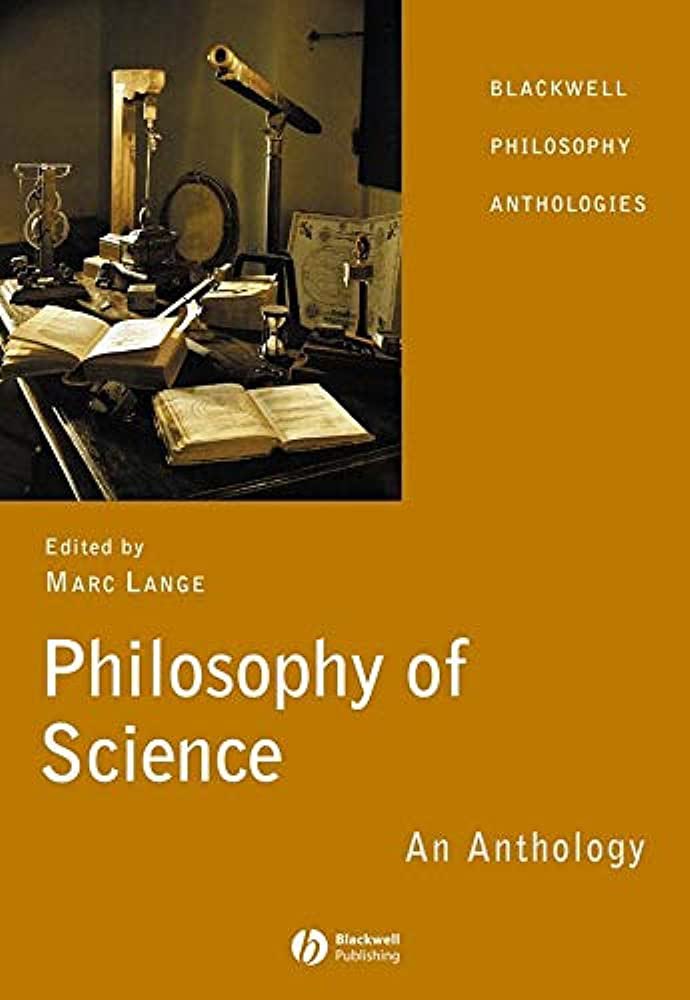
5/ 📘 "The Philosophy of Science: An Anthology" edited by Marc Lange
This comprehensive anthology features writings from influential thinkers like Popper, Kuhn, and Lakatos. It covers a wide range of topics and is perfect for delving deeper into the philosophy of science.
This comprehensive anthology features writings from influential thinkers like Popper, Kuhn, and Lakatos. It covers a wide range of topics and is perfect for delving deeper into the philosophy of science.
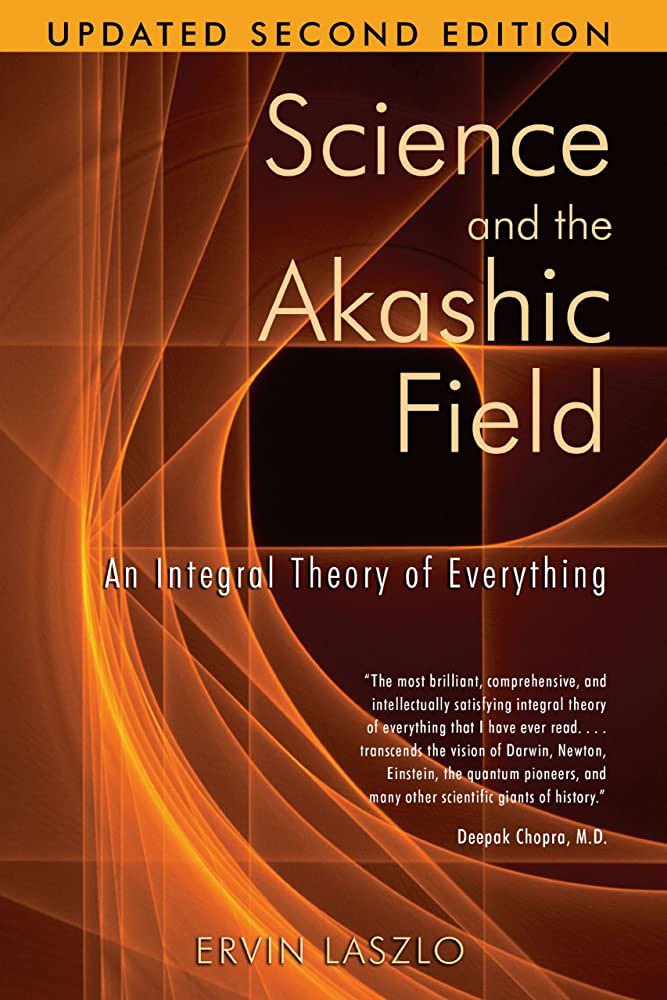
6/ 📘 "Science and the Akashic Field: An Integral Theory of Everything" by Ervin Laszlo
Laszlo's book offers fascinating insights into the interconnectedness of all things, drawing on discoveries in quantum physics, cosmology, and consciousness research.
amzn.to/40w8ili
Laszlo's book offers fascinating insights into the interconnectedness of all things, drawing on discoveries in quantum physics, cosmology, and consciousness research.
amzn.to/40w8ili
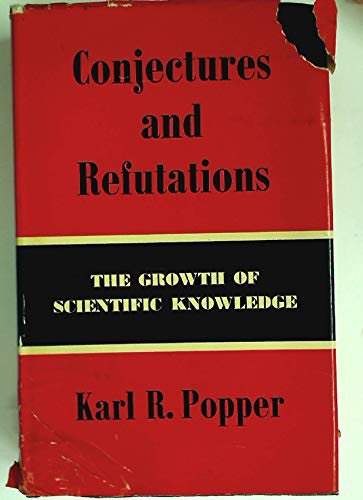
7/ 📘 "Conjectures and Refutations" by Karl Popper
Another influential work by Popper, this book tackles the growth of scientific knowledge through conjectures and refutations. An essential read for understanding the dynamics of scientific progress.
amzn.to/3KYSke3
Another influential work by Popper, this book tackles the growth of scientific knowledge through conjectures and refutations. An essential read for understanding the dynamics of scientific progress.
amzn.to/3KYSke3
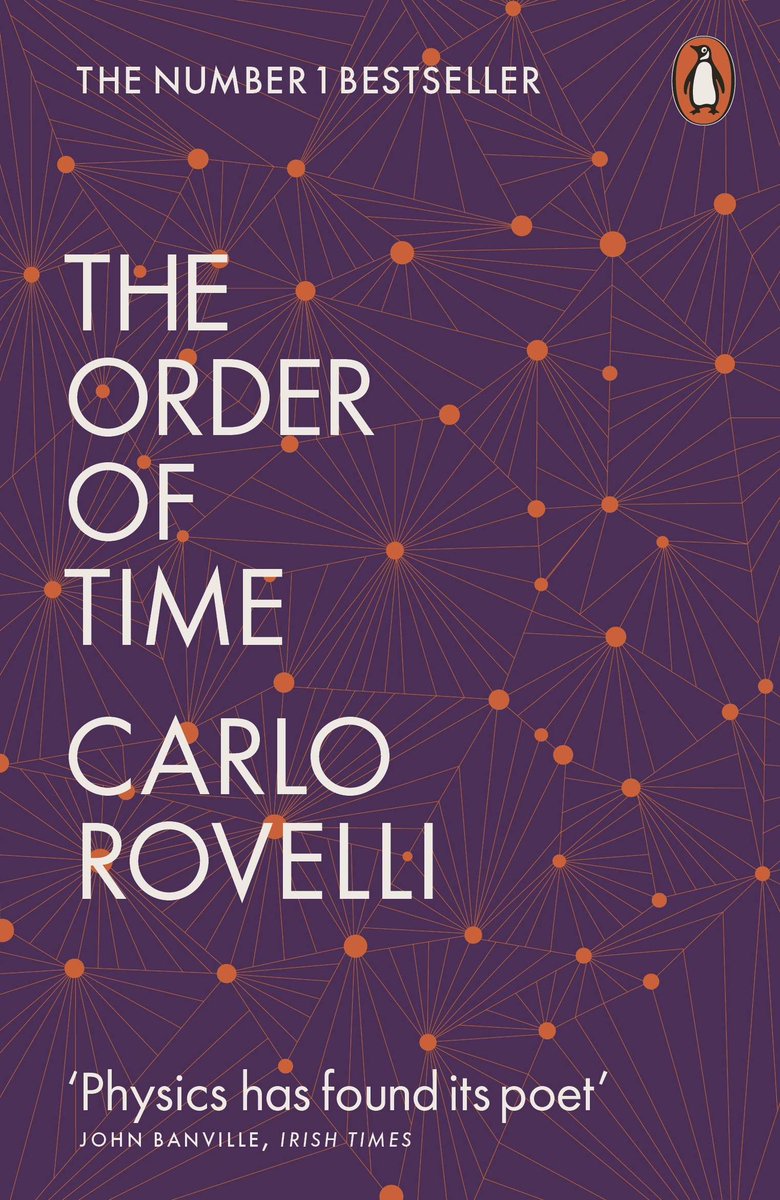
8/ 📘 "The Order of Time" by Carlo Rovelli
Physicist Carlo Rovelli explores the nature of time and our understanding of its passage. Blending physics, philosophy, and art, this book offers a fresh perspective on the concept of time in science.
amzn.to/40uZL2f
Physicist Carlo Rovelli explores the nature of time and our understanding of its passage. Blending physics, philosophy, and art, this book offers a fresh perspective on the concept of time in science.
amzn.to/40uZL2f
9/ 📘 "What Is This Thing Called Science?" by Alan F. Chalmers
From inductivism to falsificationism, it examines various approaches to scientific inquiry and knowledge. A great read for a well-rounded understanding.
amzn.to/3AlurrX
From inductivism to falsificationism, it examines various approaches to scientific inquiry and knowledge. A great read for a well-rounded understanding.
amzn.to/3AlurrX

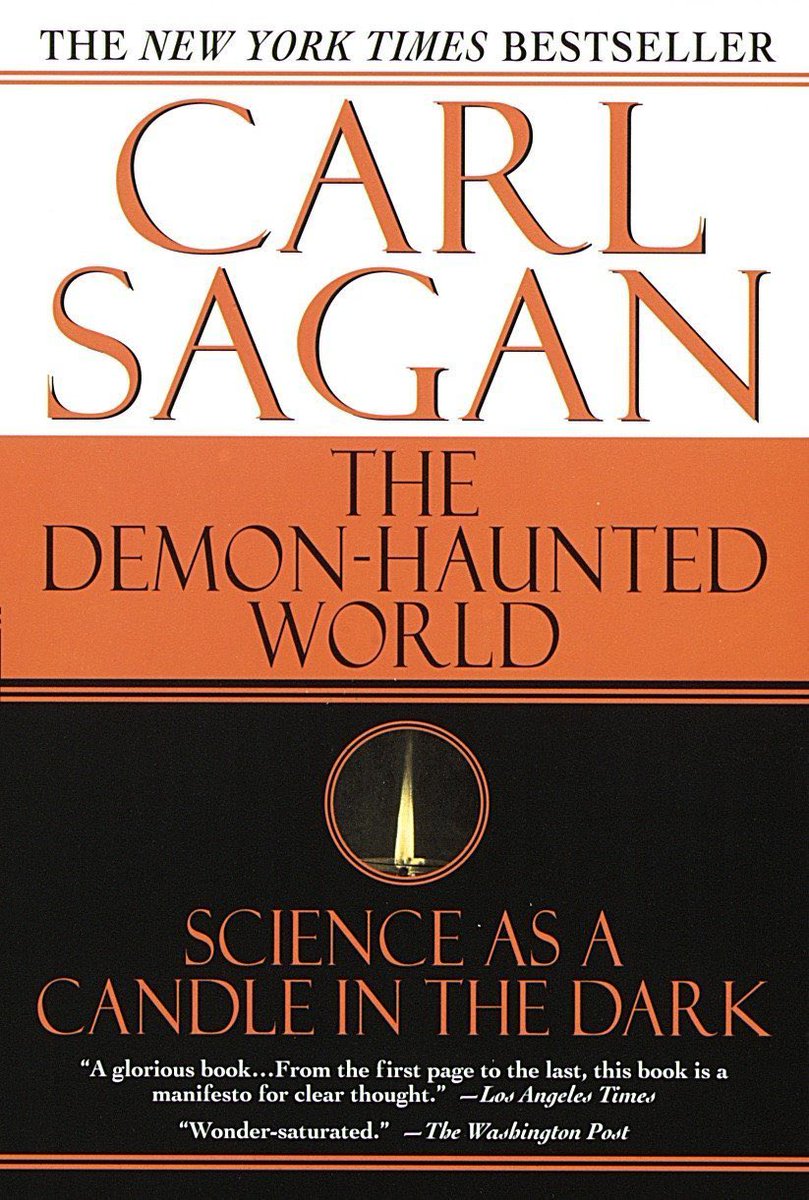
10/ 📘 "The Demon-Haunted World" by Carl Sagan
Renowned astrophysicist Carl Sagan discusses the importance of scientific thinking and skepticism in a world filled with misinformation. A must-read for understanding the role of science in society.
amzn.to/3oyhton
Renowned astrophysicist Carl Sagan discusses the importance of scientific thinking and skepticism in a world filled with misinformation. A must-read for understanding the role of science in society.
amzn.to/3oyhton
Thank you going through this thread. If you like it, you can check out my other pieces on medium:
medium.com/@piggsboson
medium.com/@piggsboson
Check out my other threads on science and mathematics resources:
https://twitter.com/thepiggsboson/status/1444718251762585606
• • •
Missing some Tweet in this thread? You can try to
force a refresh