Read on Twitter
The Story of Sultan Muhammed Bello
The second Sultan of Sokoto
A thread
Retweet to educate someone
The second Sultan of Sokoto
A thread
Retweet to educate someone
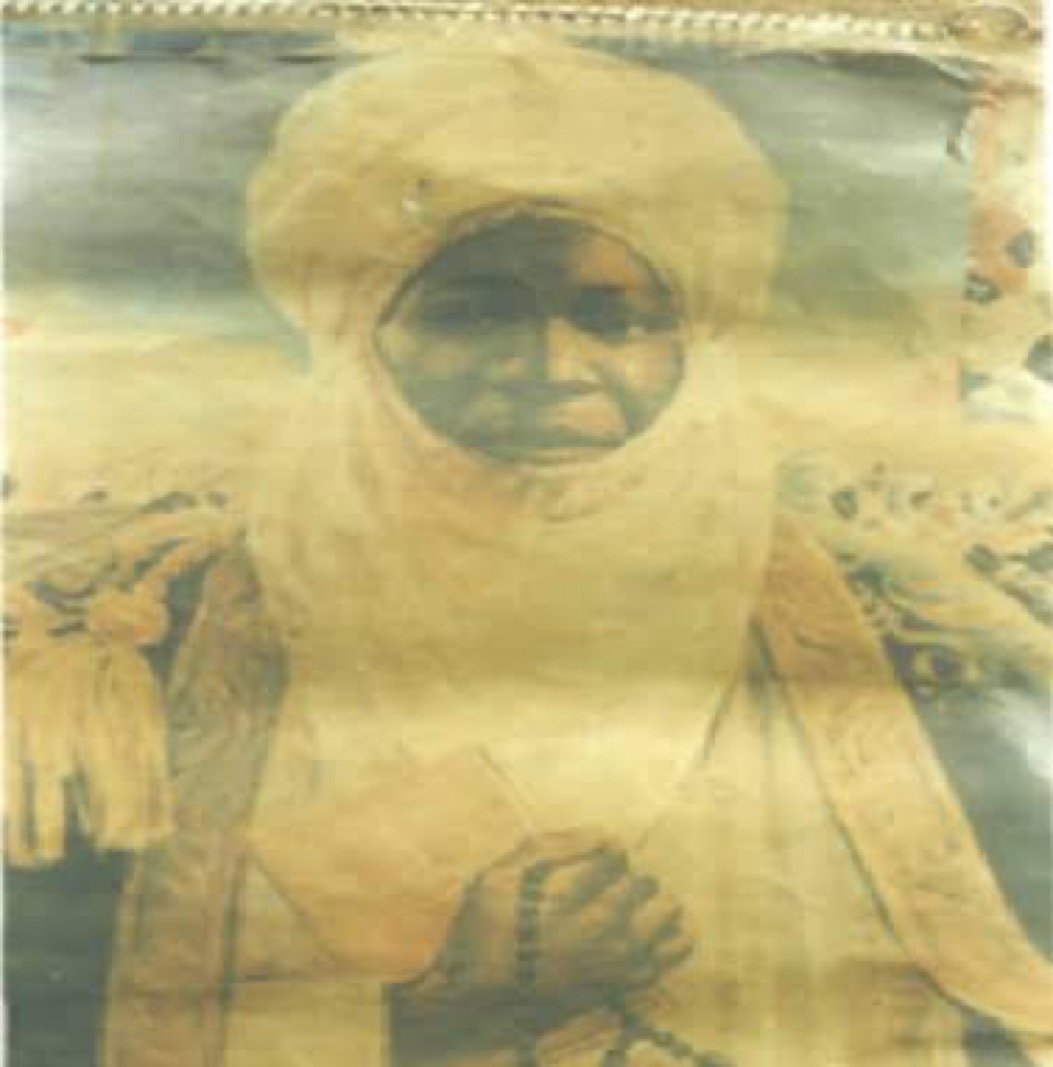
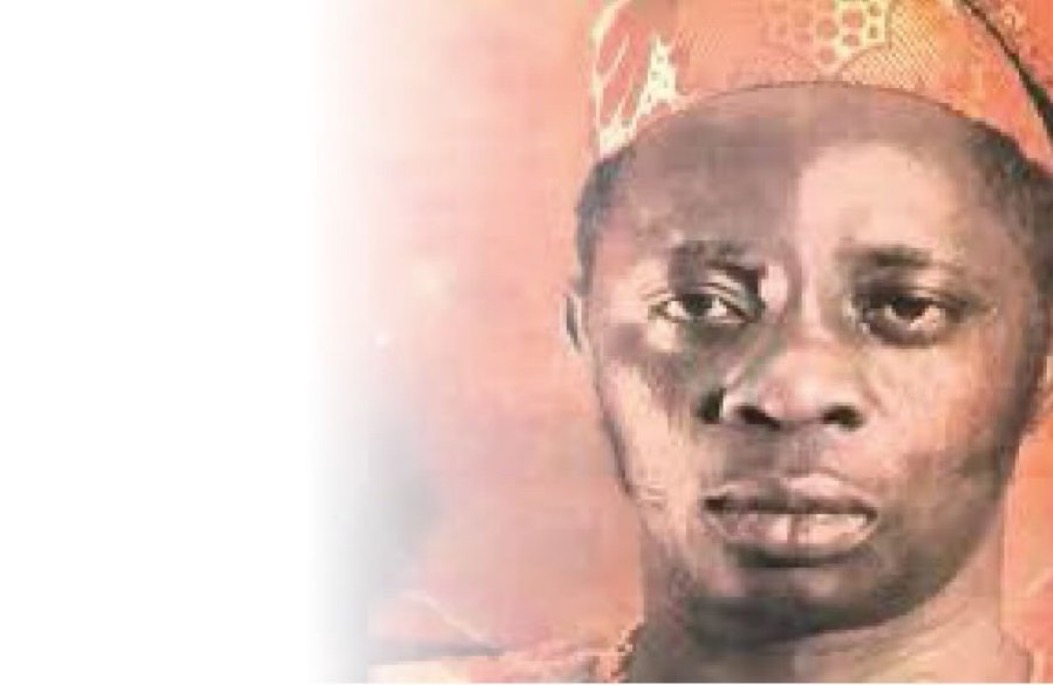
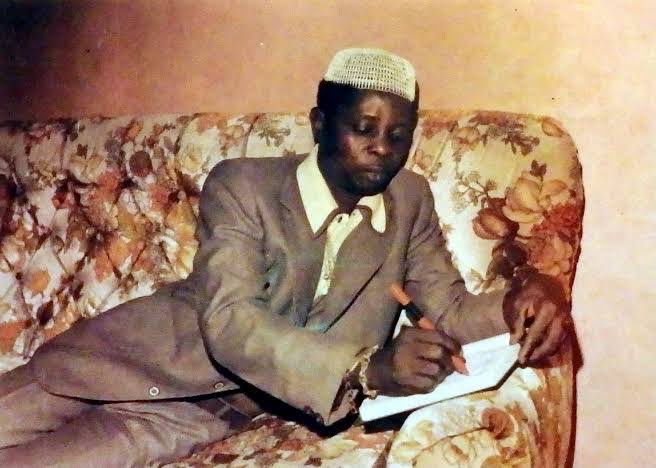
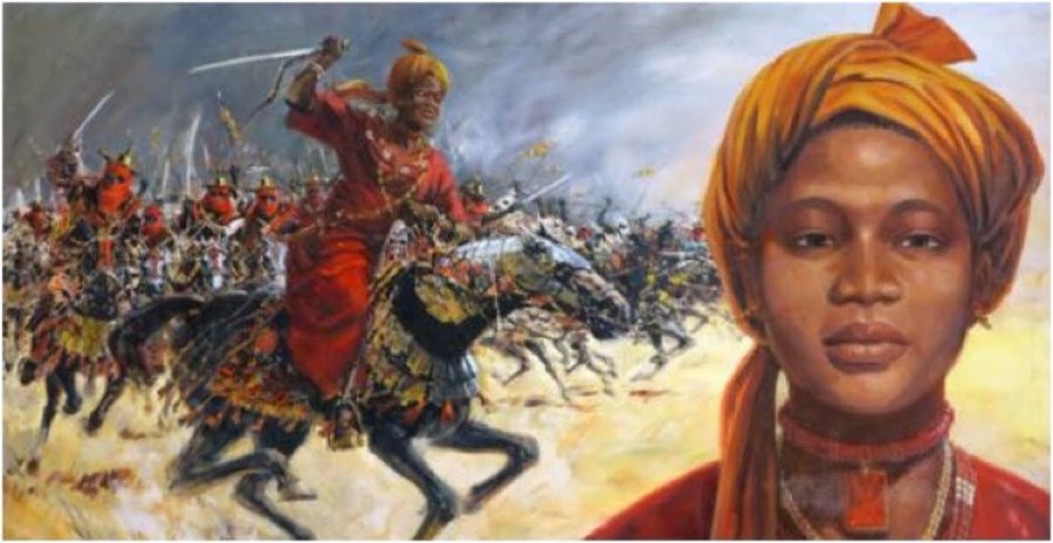
Muhammadu Bello was the second Sultan of Sokoto and reigned from 1817 until 1837. He was also an active writer of history, poetry, and Islamic studies.
He was the son and primary aide to Usman dan Fodio, the founder of the Sokoto Caliphate and the first Sultan.During his reign, he encouraged the spread of Islam throughout the region, increasing education for both men and women, and the establishment of Islamic courts.
He died on October 25, 1837, and was succeeded by his brother Abu Bakr Atiku and then his son, Aliyu Babba.
Following the Fulani War, the Sokoto Caliphate was one of the largest states in Africa and included large populations of both Fulani and Hausa.
Usman dan Fodio tried to largely suppress Hausa systems, including traditional leadership, education, and language.Usman retired from administration of the state in 1815 and put Muhammed Bello in charge of some of the western Emirates of the Caliphate.
Bello Presided over this Emirates from the city of Wurno close to Sokoto.
Upon the Death of Dan-Fodio, the Caliphate was thrown into disarray when the supporters of Bello encircled and sealed the gates of Sokoto,
Upon the Death of Dan-Fodio, the Caliphate was thrown into disarray when the supporters of Bello encircled and sealed the gates of Sokoto,
preventing other notable contenders to the office of Caliph ( including Bello's uncle Abdullahi Ibn Fodio ) from entering the city.
The Caliphate eventually fractured into four Self-governing parts of which only the parts ruled by Bello's uncle; Abdullahi Ibn Fodio were to recognize and pay allegiance to Bello.
Sultan Bello faced early challenges from dissident leaders and the aristocracy of both Fulani and Hausa populations. In contrast with his father, his administration was more permissive of many Hausa systems that had existed prior to the caliphate.
For Fulani populations, who had been largely pastoral prior to this point, Bello encourages permanent settlement around designed ribats with schools, mosques, fortifications, and other buildings.
Although these moves ended much opposition, some dissident leaders such as 'Abd al-Salam and Dan Tunku continued to cause early resistance to his rule. Dan Tunku remained a significant dissident leader as the head of the Emirate of Kazaure.
Although Dan Tunku had fought on the side of his father in the Fulani War, when Bello named Ibrahim Dado the Emir of Kano in 1819, Dan Tunku organized oppositional forces in revolution.
Bello assisted Ibrahim Dado in defeating the forces of Dan Tunku and building significant fortresses throughout the region where Dan Tunku had drawn his power.
After ending some early opposition, the Sultan focused on consolidating his administration throughout the empire with significant construction, settlement, and uniform systems of justice.
One significant aspect that he expanded from his father was greatly expanded education of both men and women. His sister, Nana Asma’u, became a crucial part of expanding education to women becoming an important teacher and liaison to rural women to encourage education.
During Muhammad Bello's rule, El Hadj Umar Tall, future founder of the Toucouleur empire, settled in Sokoto on his return from Mecca in 1822.
Umar dogo (Tall) was greatly influenced by Sultan Muhammad Bello as evidenced by the praise Tall lavished upon the Sultan in his own writings. To affirm a permanent alliance, Sultan Bello married one of his daughters to Hajj Umar
who remained in Sokoto as a judge (qadi), and as a commanding officer in the Sultan's infantry until Bello's death.
Hugh Clapperton visited the court of Bello in 1824 and wrote a lot about the generosity and intelligence of the Sultan. Clapperton was very impressed at the writing works by Bello and his exhaustive knowledge regarding British exploration in India.
In 1826, Clapperton returned for a second visit, but Bello would not let him cross the border because of warfare with the Bornu Empire and Clapperton became ill and died.
In 1836, the kingdom of Gobir revolted against Sokoto rule. Sultan Muhammed Bello gathered his forces and crushed the rebellion on 9 March 1836 at the Battle of Gawakuke.
While ruling, he continued with significant educational pursuits, mainly history and poetry. His Infaku'l Maisuri (The Wages of the Fortunate) is often considered a definitive history of the Fulani Wars and his father's empire.
He wrote hundreds of texts on history, Islamic studies, and poetry during his lifetime.
He died of natural causes, at the age of 58, on October 25, 1837, in Wurno and was succeeded by his brother Abu Bakr Atiku as Sultan.
He died of natural causes, at the age of 58, on October 25, 1837, in Wurno and was succeeded by his brother Abu Bakr Atiku as Sultan.
Thanks for your time. Don’t forget to follow us @NigeriaStories
Our ebook is out with more amazing stories you have not read before !!
Get here
👇🏾
paystack.com/buy/nigeria-st…
Our ebook is out with more amazing stories you have not read before !!
Get here
👇🏾
paystack.com/buy/nigeria-st…
• • •
Missing some Tweet in this thread? You can try to
force a refresh