Read on Twitter
The world has lost a true icon with the passing of Harry Belafonte. His music touched the hearts of millions, but one particular phrase from his hit song "Jamaica Farewell" has left us pondering and exploring a fascinating rabbit hole of information. A thread. 1/15 
Belafonte's contribution to breaking down racial barriers are immeasurable, and his music will forever live on in the hearts and minds of his fans. Along with countless other songs, his timeless hit, "Jamaica Farewell," left an indelible mark on popular culture. 2/15
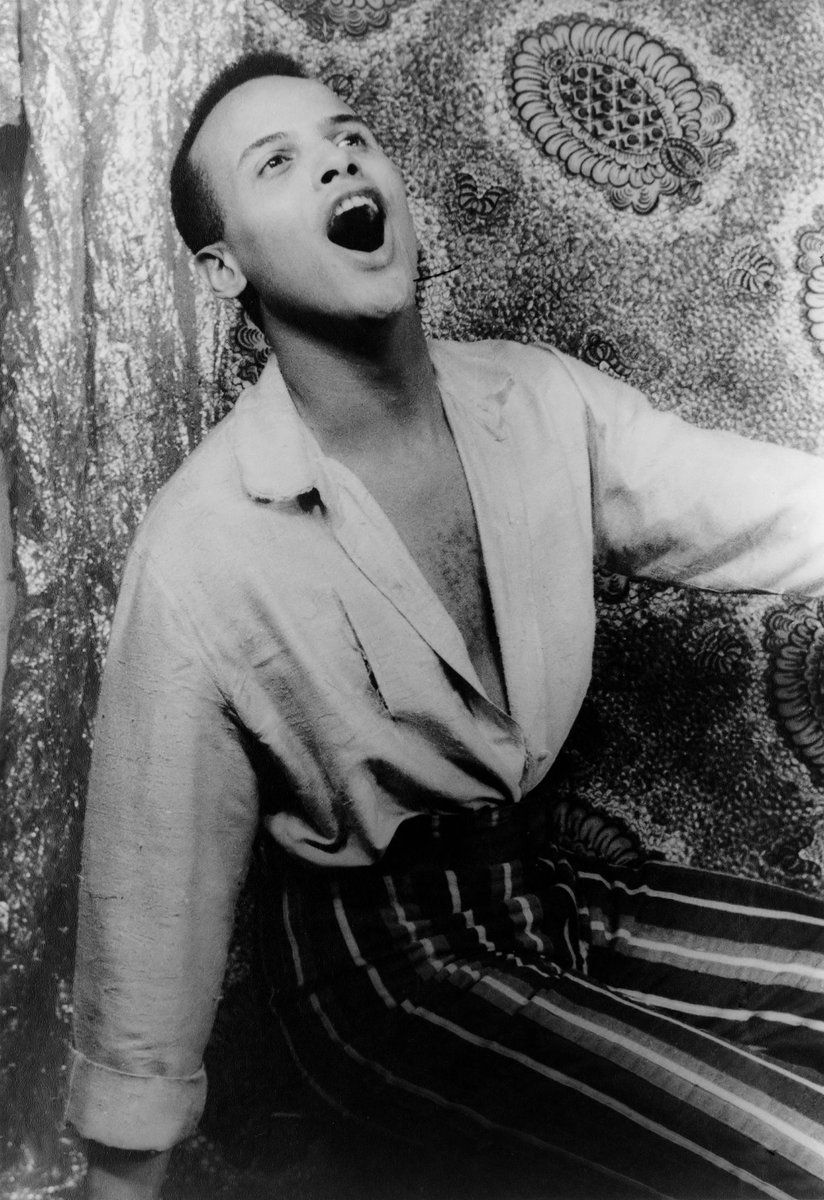
With "Jamaica Farewell," Harry Belafonte created a masterpiece that continues to resonate with audiences even today. The song echoes the universal theme of saying goodbye to a place or person that we love, and the bittersweet emotions that come with it. 3/15
"Down the way
Where the nights are gay
And the sun shines daily on the mountaintop
I took a trip on a sailing ship
And when I reached Jamaica I made a stop"
It's a song that reminds us of the beauty of life, even in the midst of goodbyes and farewells. 4/15
Where the nights are gay
And the sun shines daily on the mountaintop
I took a trip on a sailing ship
And when I reached Jamaica I made a stop"
It's a song that reminds us of the beauty of life, even in the midst of goodbyes and farewells. 4/15
As we keep humming the lyrics of the song, one line in particular piques our curiosity:
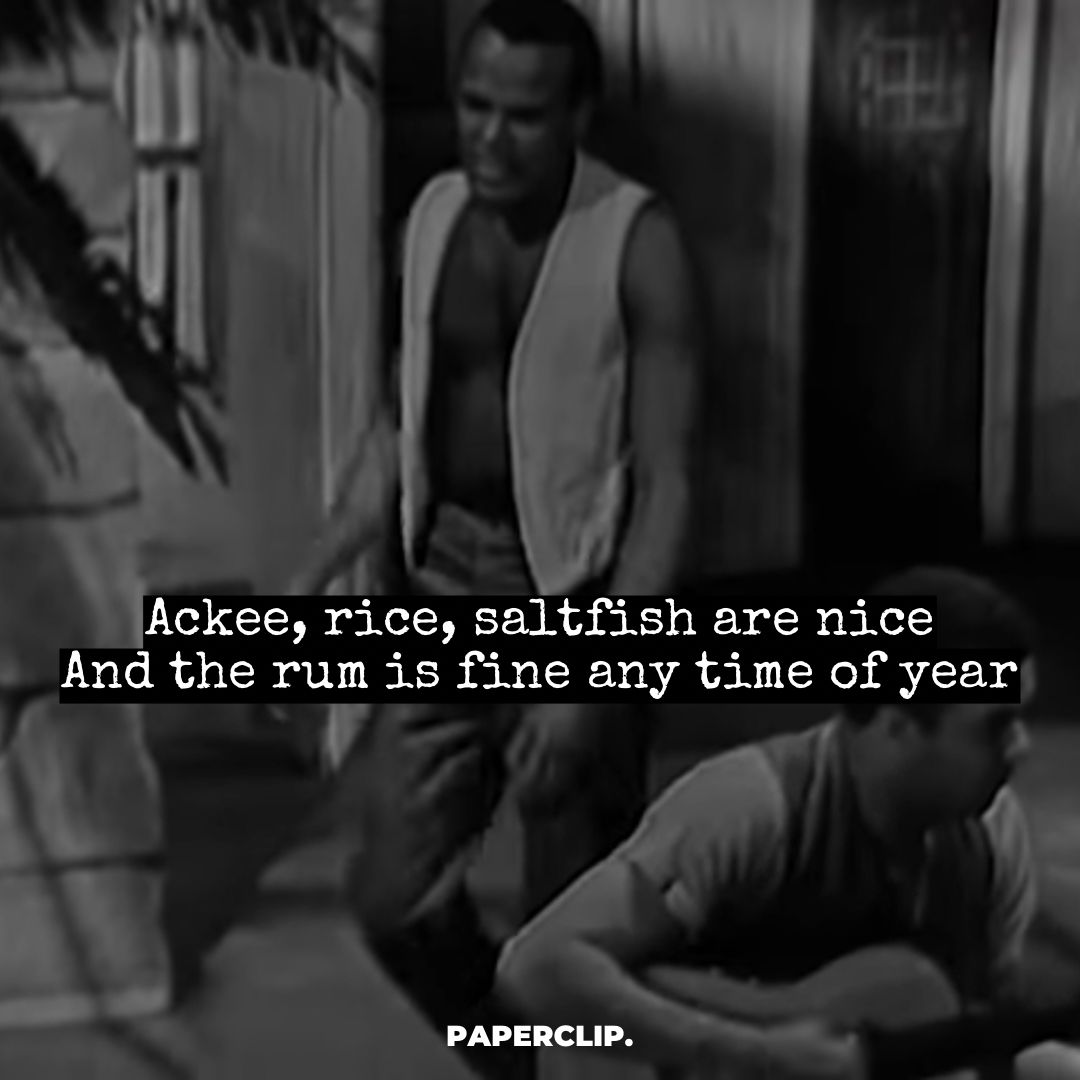
“Ackee, rice, saltfish are nice
And the rum is fine any time of year”
It's a catchy phrase, but what exactly is Ackee? 5/15
“Ackee, rice, saltfish are nice
And the rum is fine any time of year”
It's a catchy phrase, but what exactly is Ackee? 5/15
When it comes to Jamaican cuisine, few dishes are as beloved as ‘ackee and saltfish’. This traditional dish, which is often considered the national dish of Jamaica, combines the nutty and creamy flavour of ackee fruit with the savoury taste of salted cod. 6/15
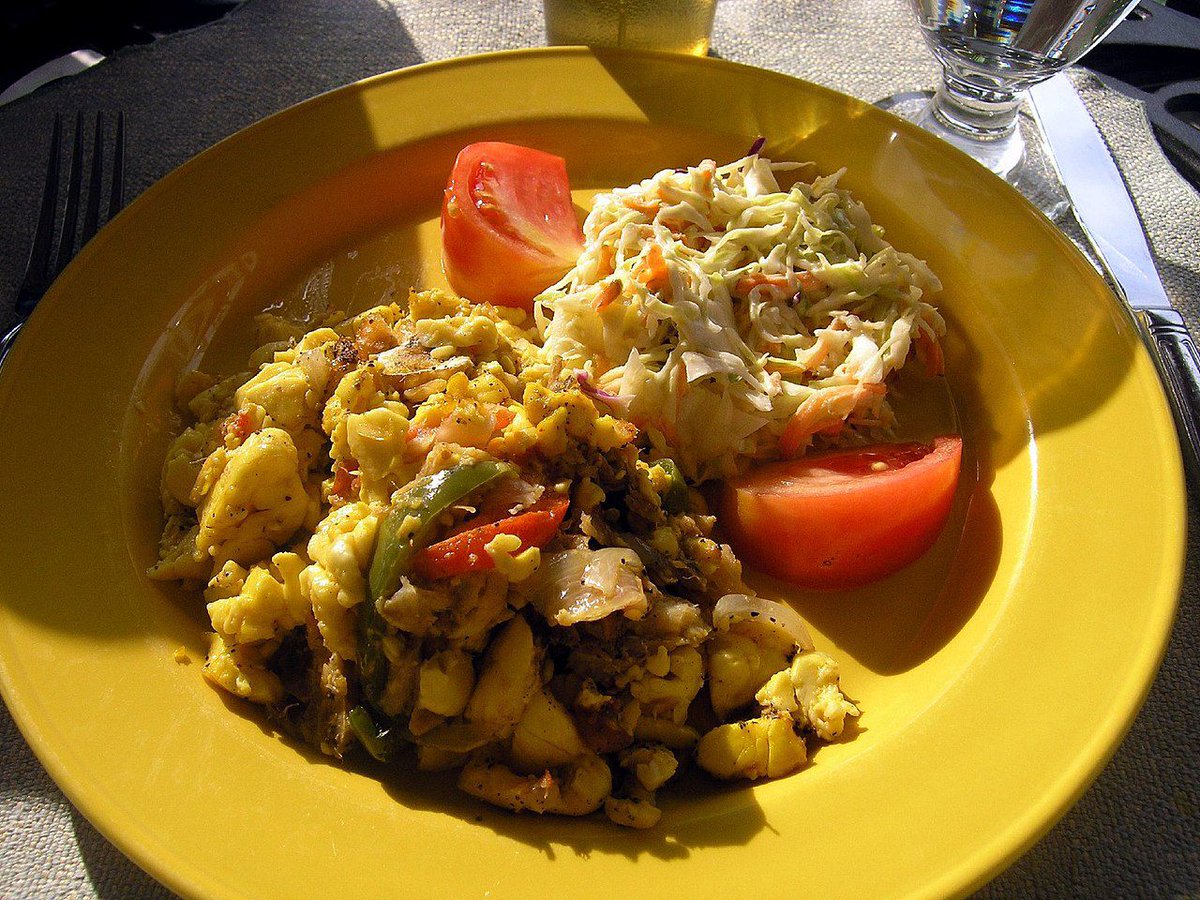
Ackee is a fruit that is native to West Africa, and was brought over to Jamaica during the slave trade. It's a staple in Jamaican cooking and is typically eaten with saltfish as a breakfast dish. It is the scientific name of the fruit that grabbed our attention though. 7/15
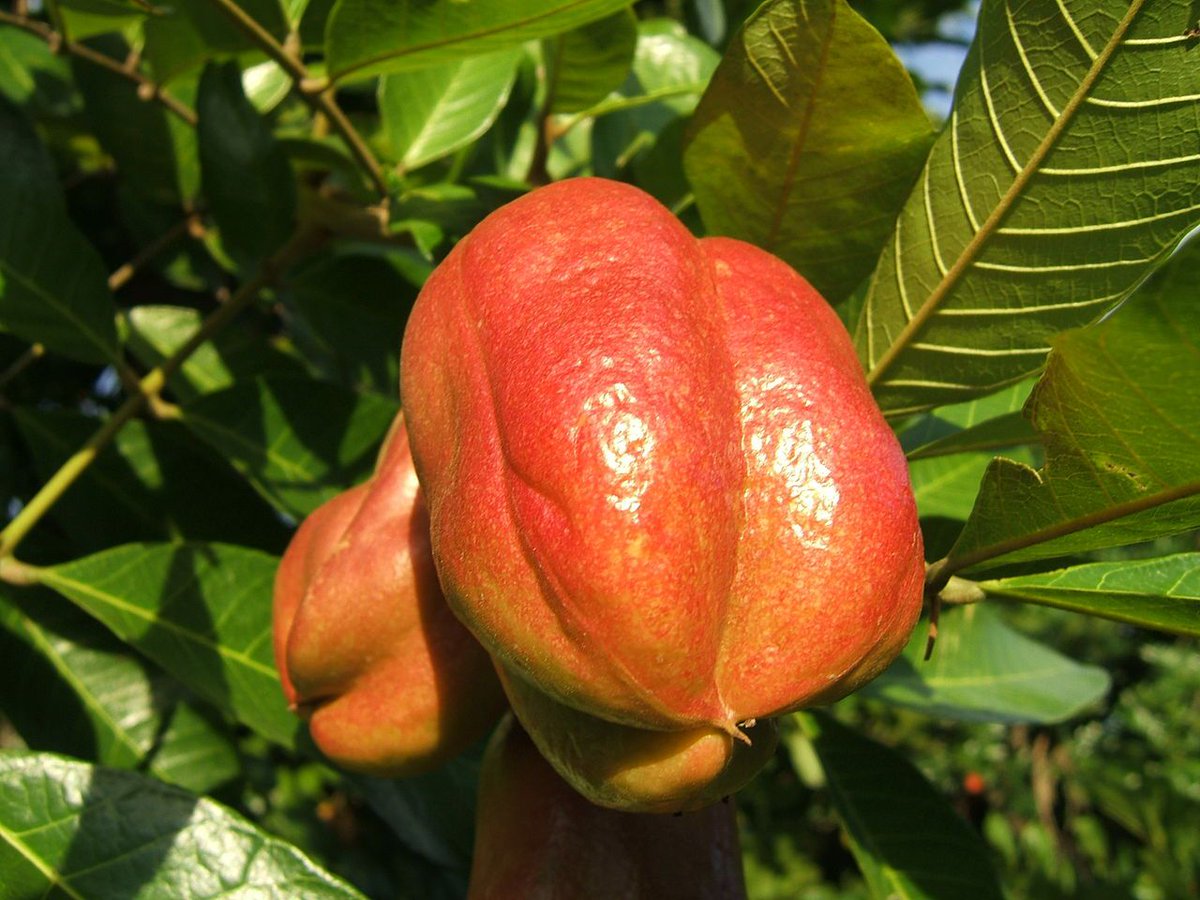
Its scientific name, Blighia Sapida, is actually a nod to an interesting character from history - William Bligh, an 18th century British Royal Navy officer. Bligh's life was anything but ordinary. Ready to take the plunge and discover the many layers to this story? 8/15
William Bligh is synonymous with the mutiny on the HMS Bounty. But his story didn't end there. In 1806, he was appointed Governor of New South Wales in Australia. While in office, he made a number of significant economic reforms to improve the colony's financial stability. 9/15
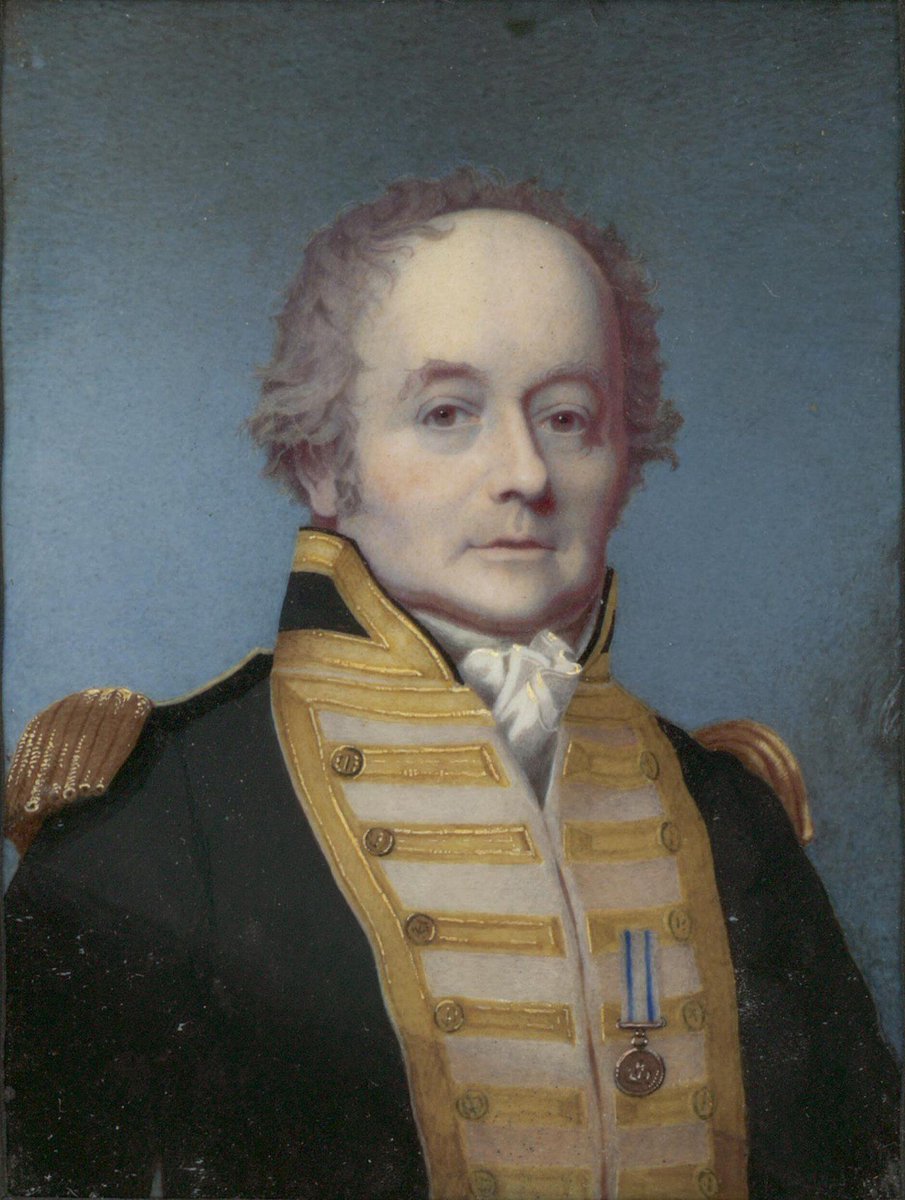
One issue that Bligh noticed during his time as Governor was the prevalence of imported rum in Australia and how the alcoholic beverage had become a favoured form of currency among the colonists, which led to a number of problems. 10/15
To combat this, Bligh took the bold step of prohibiting the use of rum as payment for other commodities and ended up creating a lot of enemies within the Marine Corps. This eventually resulted in a military coup that overthrew him, famously known as the "Rum Rebellion." 11/15
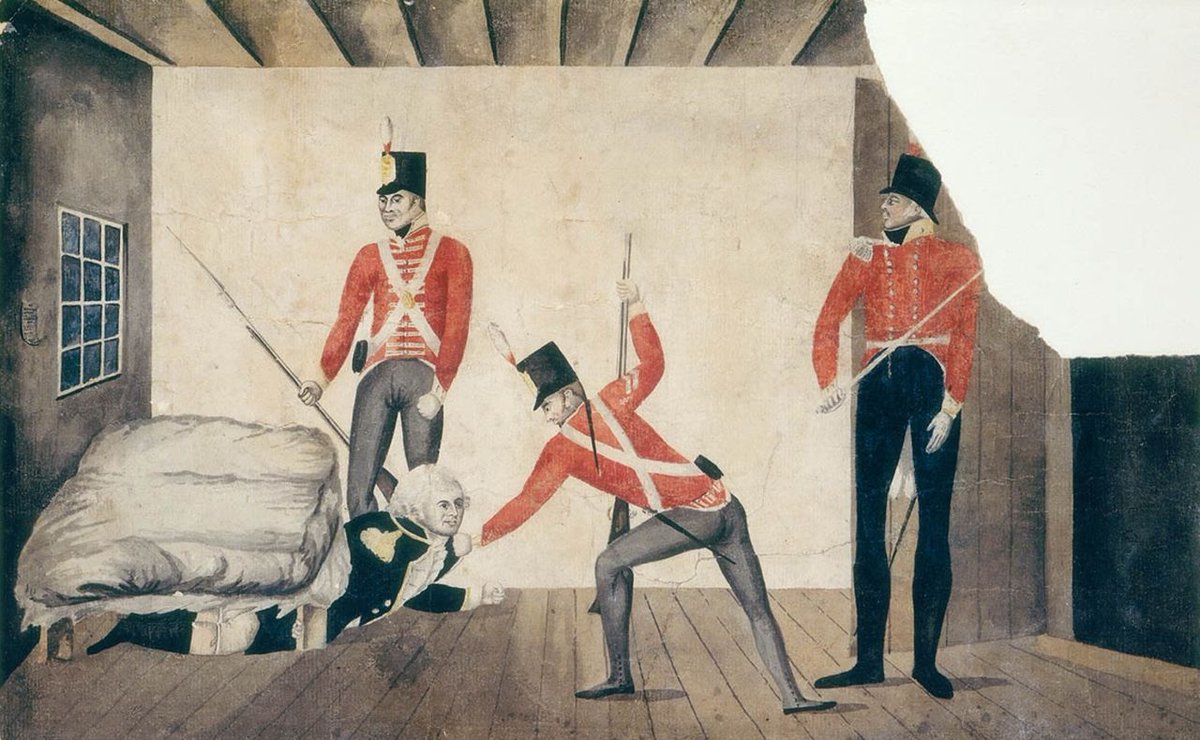
But, where did the rum come from, and how did it become Australia’s national drink? It's just one more example of how the most unexpected connections can lead us on a journey of discovery. The history of the beverage takes us back to Bengal. 12/15
Believe it or not, there was a time when Bengal Rum - made of palm sugar, was the kingpin of Australia's economy. This unlikely scenario came about because of the establishment of Australia as a penal colony in 1788. 13/15
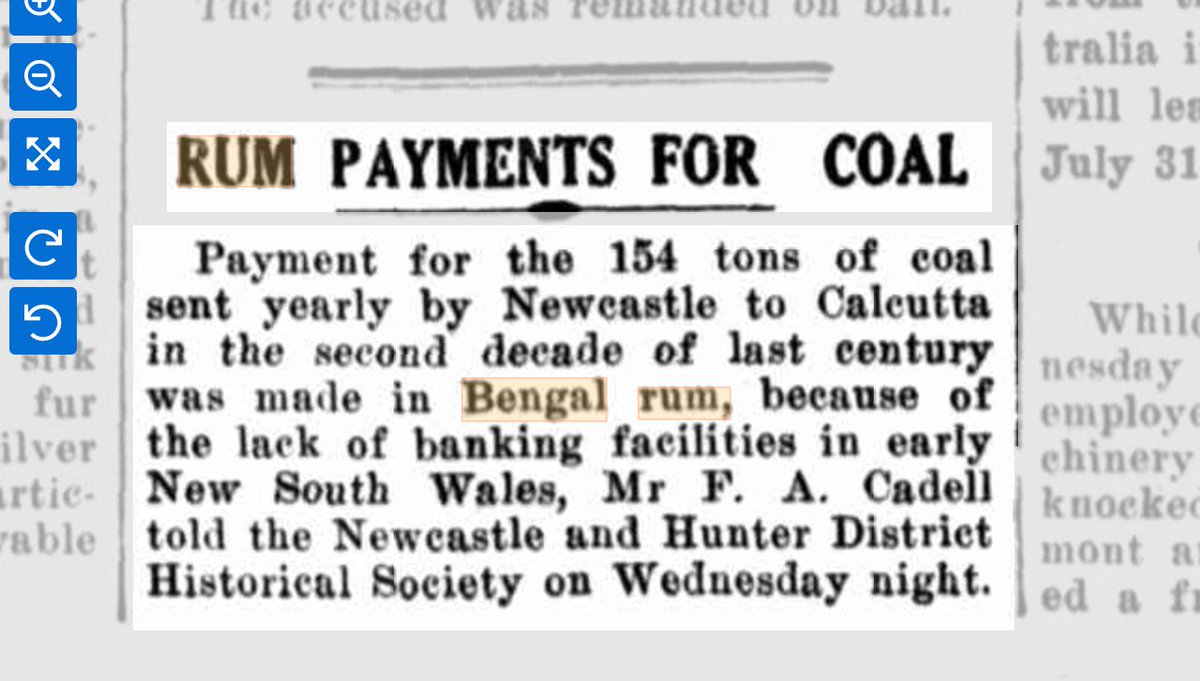
With a huge demand for rum but no local suppliers, the colony had to look further afield, and Bengal's proximity made it a natural choice over Caribbean rum. The rest, as they say, is history. It's no coincidence that rum continues to be a beloved drink in Bengal. 14/15
It's amazing how a simple line from “Jamaica Farewell” about a local dish can lead us down a labyrinth to Bengal Rum. And that's the beauty of learning - there's always more to discover, and the journey is often just as interesting as the destination. 15/15
Rest in music, Harry.
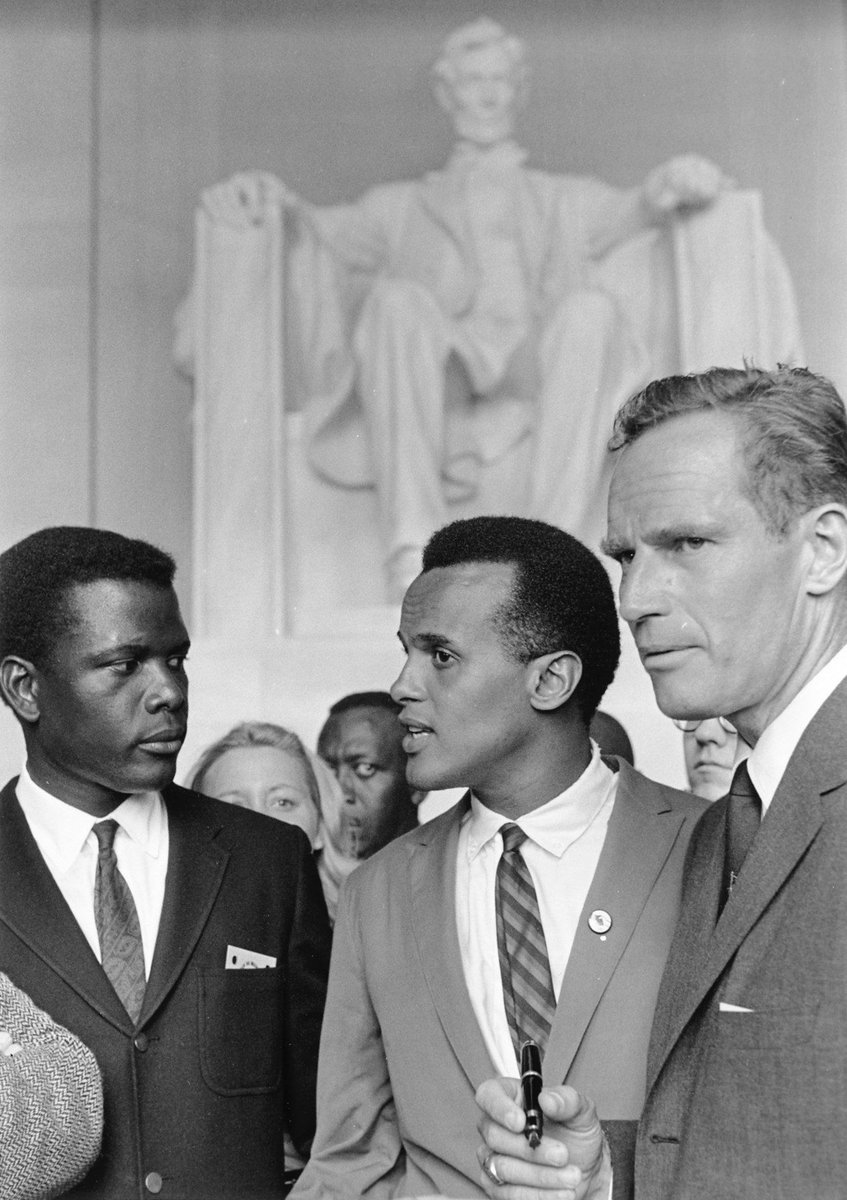
Source: VIKRAM DOCTOR, Bengal rum and India's forgotten spirits history, Class, classbarmag.com/news/fullstory…
Governor William Bligh is deposed in the Rum Rebellion, National Museum Australia, nma.gov.au/defining-momen…
Governor William Bligh is deposed in the Rum Rebellion, National Museum Australia, nma.gov.au/defining-momen…
Image Attributes:
Harry Belafonte, public domain, from Wikimedia Commons
Ackee and Saltfish by gailf548, CC BY 2.0 from Wikimedia Commons
Ackee, by Jerome Walker, CC BY 3.0 from Wikimedia Commons
Harry Belafonte, public domain, from Wikimedia Commons
Ackee and Saltfish by gailf548, CC BY 2.0 from Wikimedia Commons
Ackee, by Jerome Walker, CC BY 3.0 from Wikimedia Commons
Portrait of Rear Admiral William Bligh by Alexander Huey, public domain from Wikimedia Commons
Singleton Argus, 11 January, 1937,The Trove, trove.nla.gov.au/newspaper/arti…
Lead image courtesy: Ed Sullivan Show YouTube channel,
Singleton Argus, 11 January, 1937,The Trove, trove.nla.gov.au/newspaper/arti…
Lead image courtesy: Ed Sullivan Show YouTube channel,
• • •
Missing some Tweet in this thread? You can try to
force a refresh