Primary Knowledge Curriculum Profile picture
Apr 26, 2023 10 tweets 4 min read Read on X
How can we scaffold and adapt to support pupils in accessing the curriculum?

Read time: 1 min 30 secs

We need to consider a few things:

- Types of scaffold
- Knowing when to select which type of scaffold
- Reflecting on our current practice
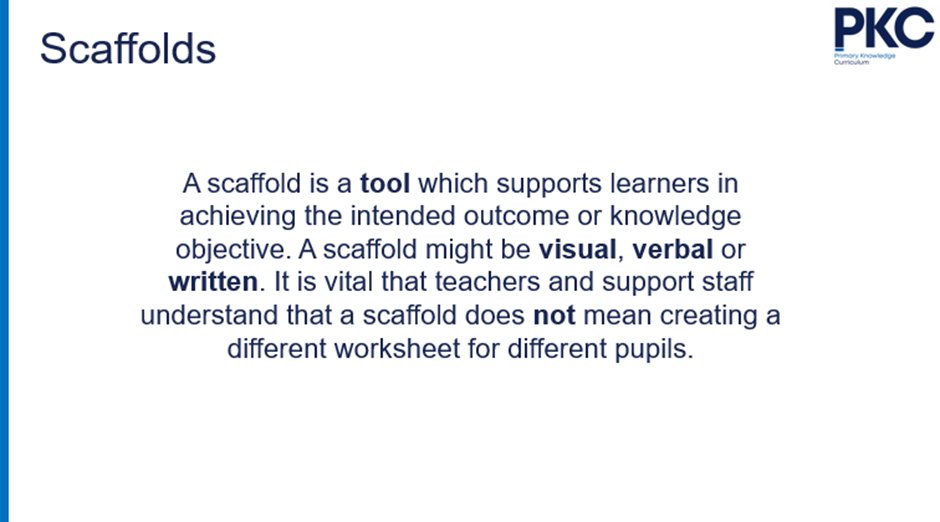
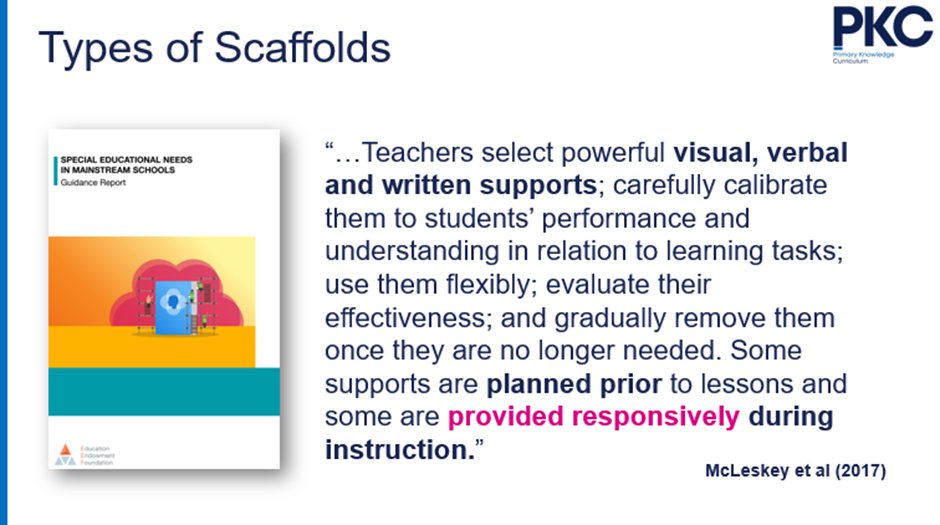
At the heart of our practice, we consider how to ensure *all children* can access the curriculum. In order to do that, we need to know the types of scaffolds available to us. ImageImage
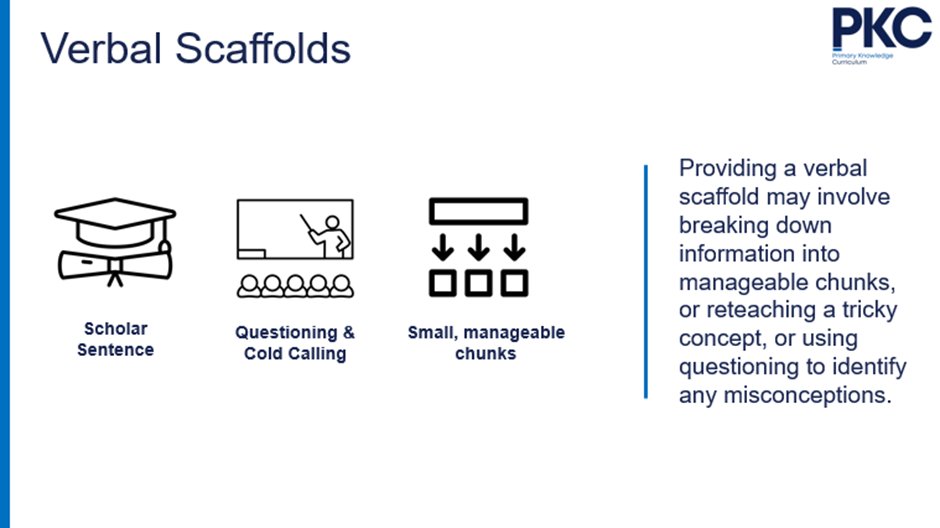
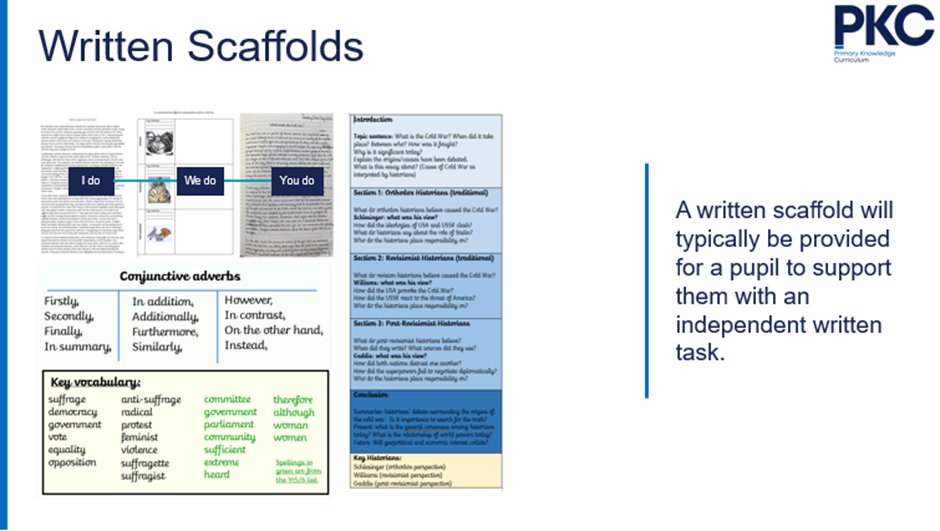
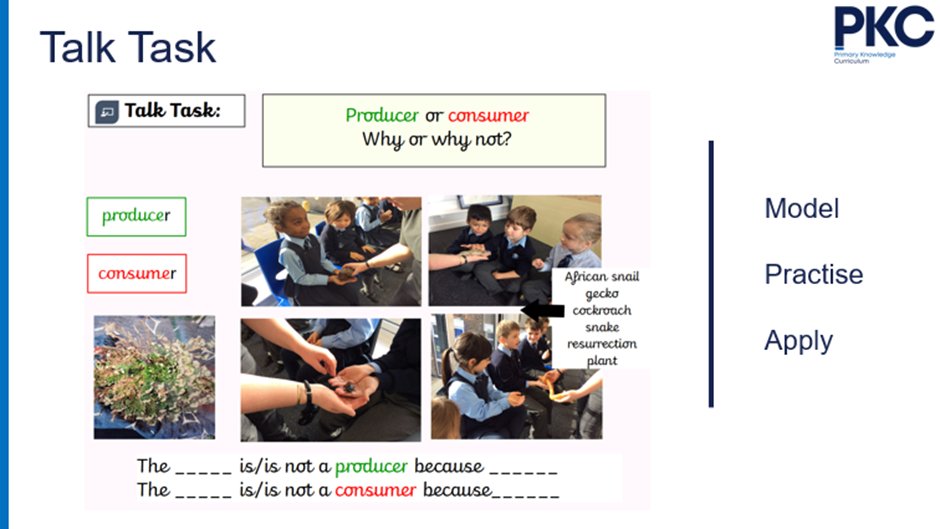
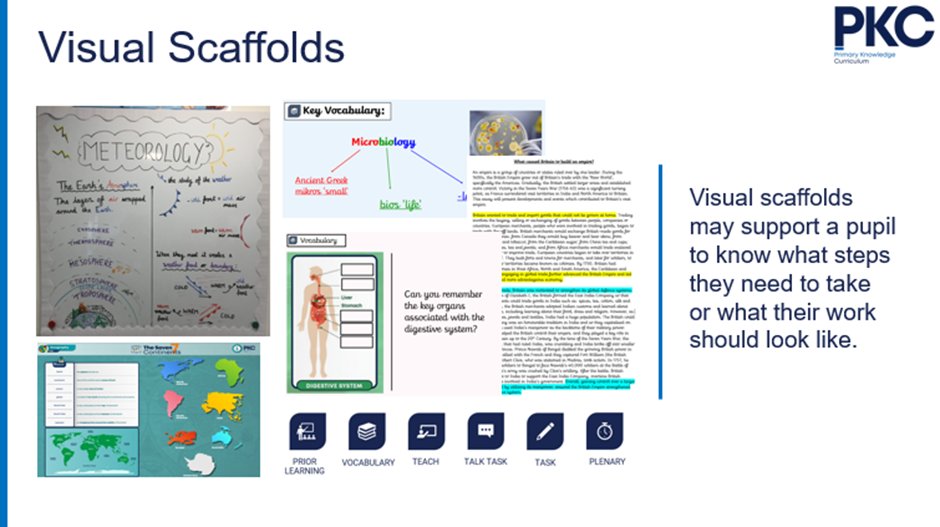
Let’s look deeper at each of the three types of scaffold: visual, verbal and written. ImageImageImage
Take a moment to reflect:

Which scaffolds are you most confident with?

Which would like to enhance your practice further with?
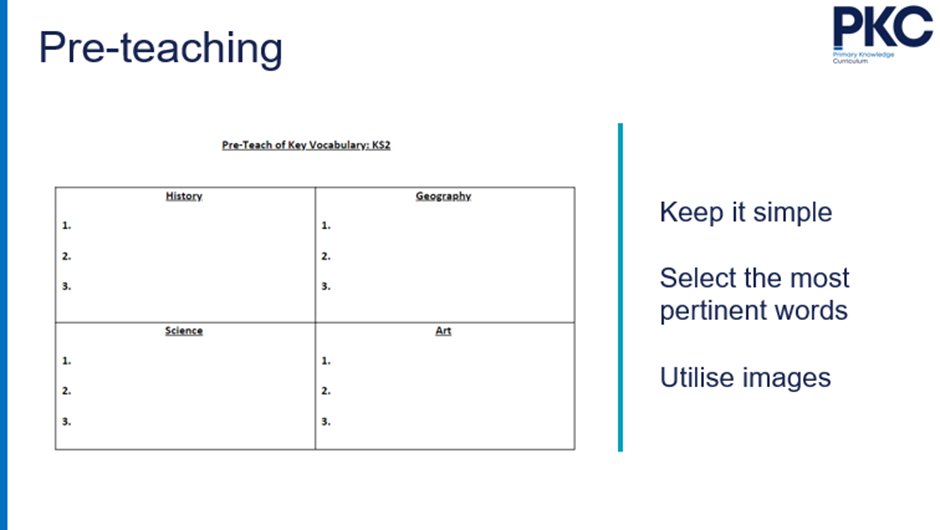
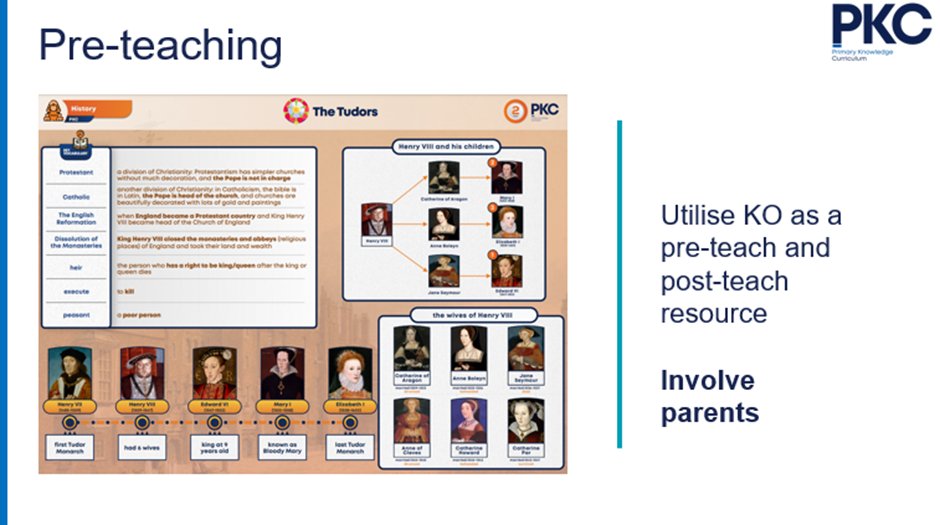
In our trust, we utilise pre-teaching as a scaffold to support learners in accessing the curriculum. Teachers discuss the most important pieces of knowledge and vocabulary that pupils need to grasp to understand the lesson content. ImageImage
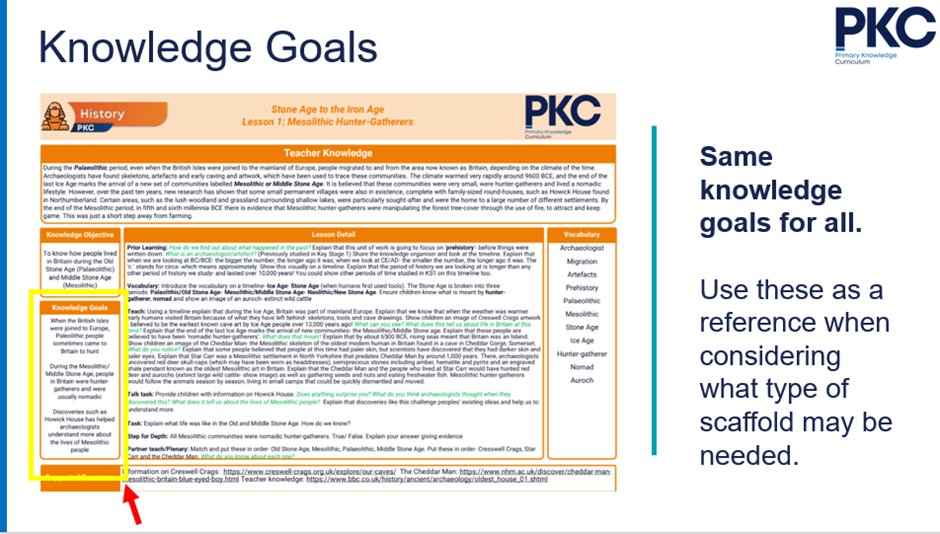
The knowledge goals in PKC units help us identify which scaffolds to use within a lesson. We passionately believe all pupils should access the same learning. The knowledge goals should not be differentiated for pupils - scaffolding is about adapting support. Image
At every point within the lesson structure, adaptations can and should be made to enable all pupils to access the lesson. Image
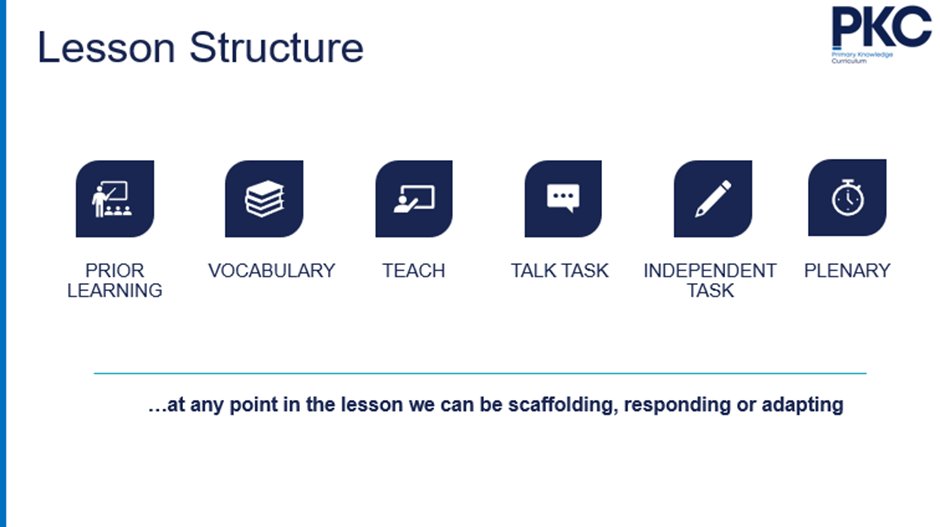
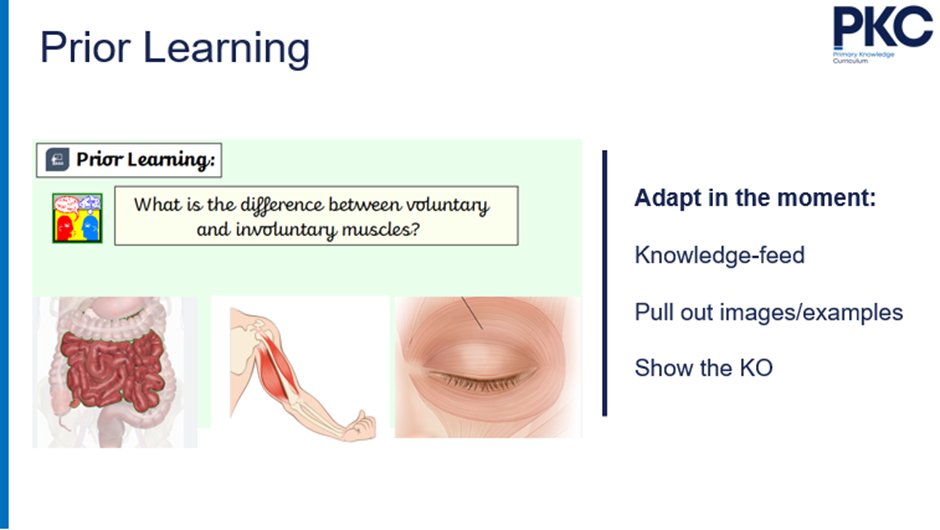
Let’s have a look at some examples of this across different parts of the lesson:

- Prior learning
- Vocabulary
- Teach
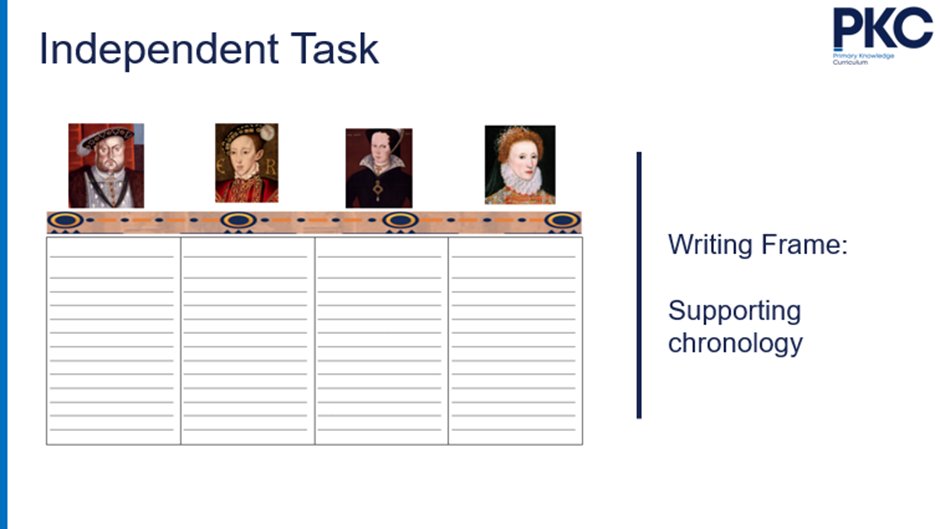
- Independent task ImageImageImageImage
Interested in thorough, well-planned CPD?

Find out more here - primaryknowledgecurriculum.org/cpd/

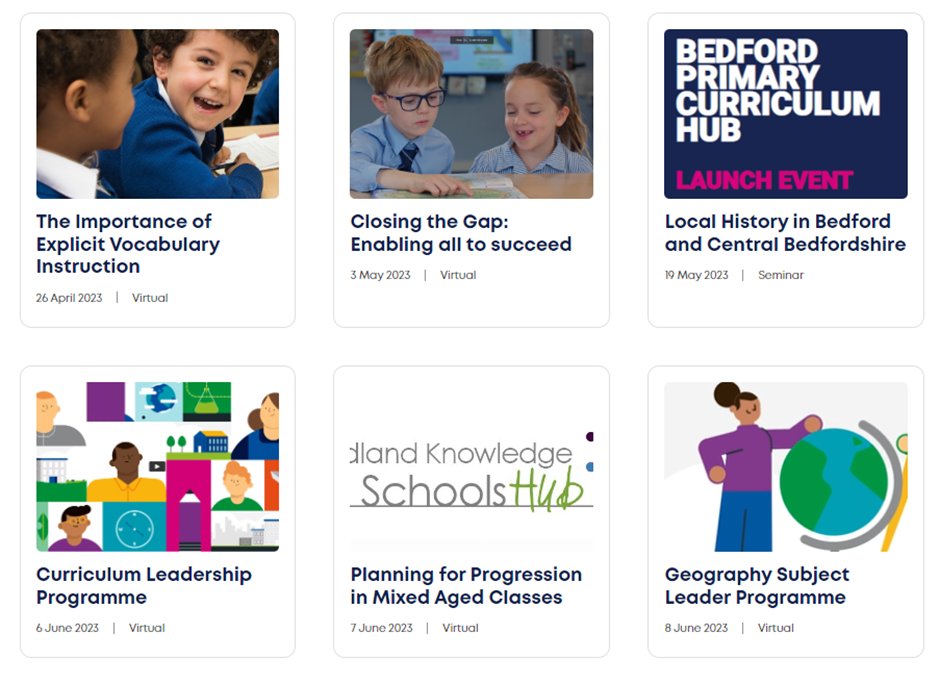
Here is our upcoming CPD: Image
• • •

Missing some Tweet in this thread? You can try to force a refresh

 

Keep Current with Primary Knowledge Curriculum

Primary Knowledge Curriculum Profile picture

Stay in touch and get notified when new unrolls are available from this author!

Read all threads

This Thread may be Removed Anytime!

PDF

Twitter may remove this content at anytime! Save it as PDF for later use!

Try unrolling a thread yourself!

how to unroll video
  1. Follow @ThreadReaderApp to mention us!

  2. From a Twitter thread mention us with a keyword "unroll"
@threadreaderapp unroll

Practice here first or read more on our help page!

More from @PKCKST

Mar 13, 2024
Tasks in Primary Art!

Convergent/divergent tasks and how to implement them effectively

Read time: 1 minute

Let’s dive in!

In the context of art, convergent and divergent tasks refer to different approaches or methods artists use to create their work.

Convergent: tasks with a specific, clear endpoint or solution

Divergent: open-ended tasks with multiple solutions and interpretations
An easy way to think of the difference between the two types of task is laid out in the Ofsted Research Review:

Convergent = more prescribed

Divergent = less prescribed
Read 14 tweets
Aug 14, 2023
What does progression in geography look like?

Let’s look at the use of ‘mapwork’.

Read time: 1 min 20 seconds

Interpreting maps is fundamental to geographical literacy.

Mapwork is woven throughout the PKC in many different contexts, but it is explicitly taught in the Spatial Sense units at the start of each year.

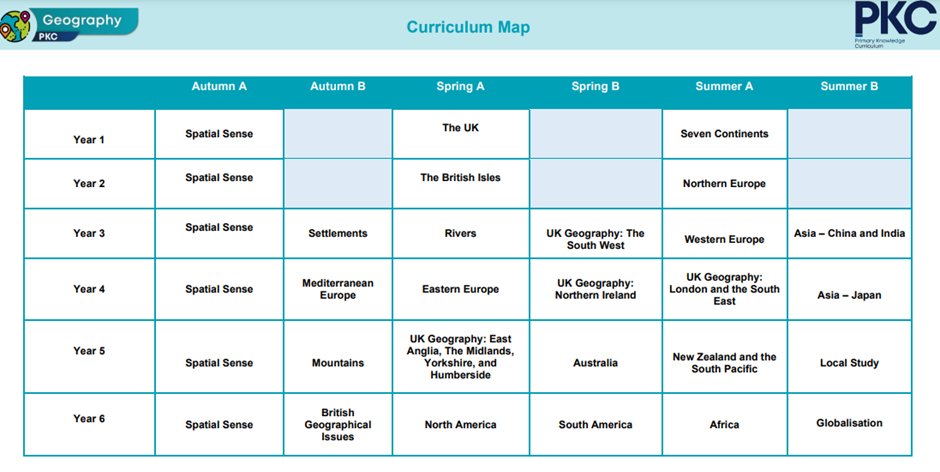
The skills learnt in these units are applied later on in other units. Image
Let’s take a look at how these Spatial Sense units build geographical understanding through mapwork over time.

Read 12 tweets
Aug 3, 2023
What does progression in history look like?

Let’s look at the concept of ‘power’.

Read time = 1 min 30 secs

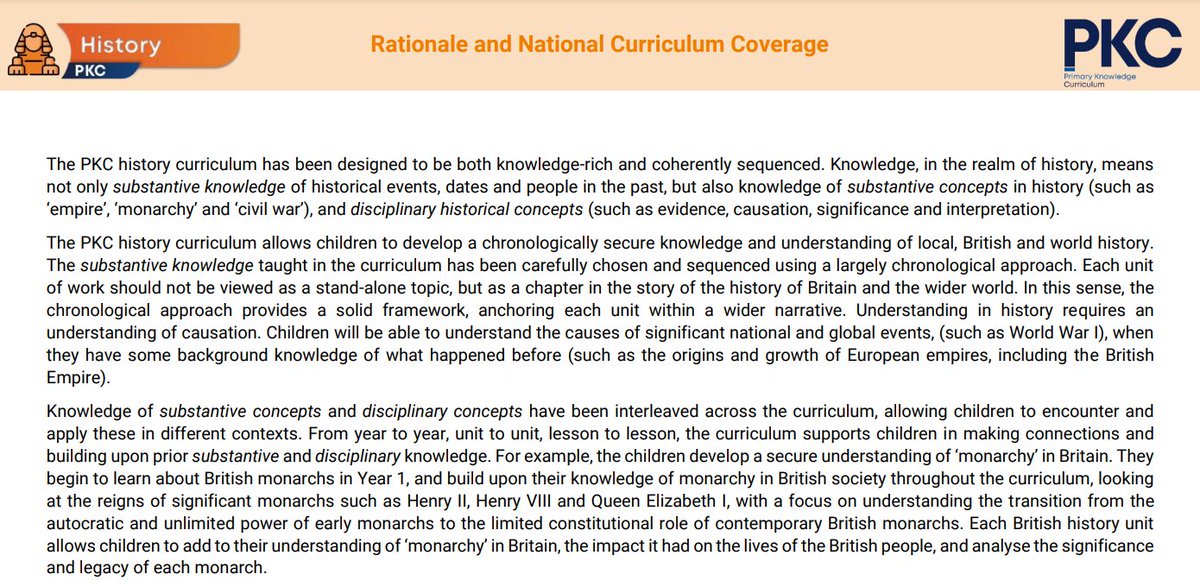
Pupils make progress in history by developing both their substantive and disciplinary knowledge.

Knowledge in the PKC history curriculum has been carefully chosen and sequenced to enable this progression, as shown in our subject rationale below: Image
Substantive concepts, such as ‘monarchy’, ‘empire’ and ‘power’, are learned through repeated encounters in meaningful contexts.

They are generative, which means that they support pupils to learn more in the future.

Let’s look at the highly generative concept of ‘power’.
Read 11 tweets
Mar 28, 2023
How can we check for understanding during lessons?

Read time = 1 min 30 secs

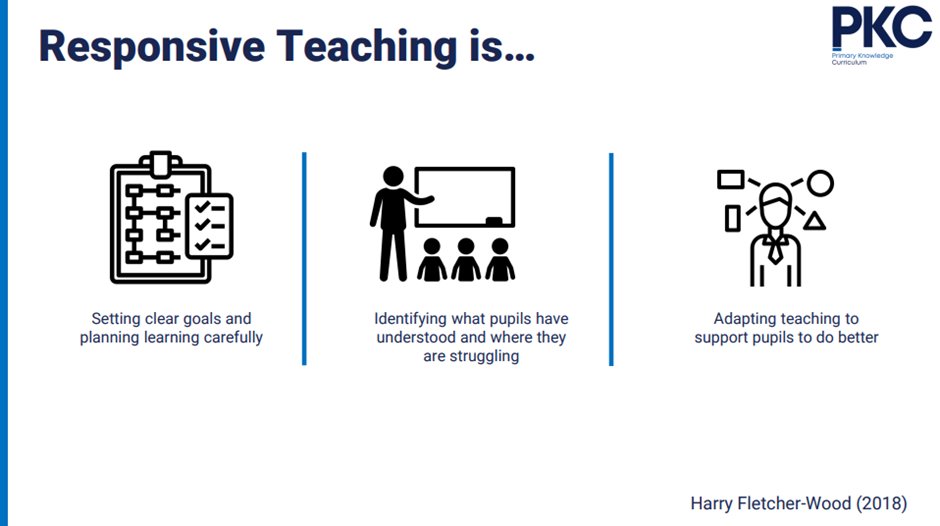
Eliciting understanding is essential to responsive teaching. It is important that we track student thinking so that we can adapt our teaching in the moment. This will enable us to provide students with better feedback to support their learning.
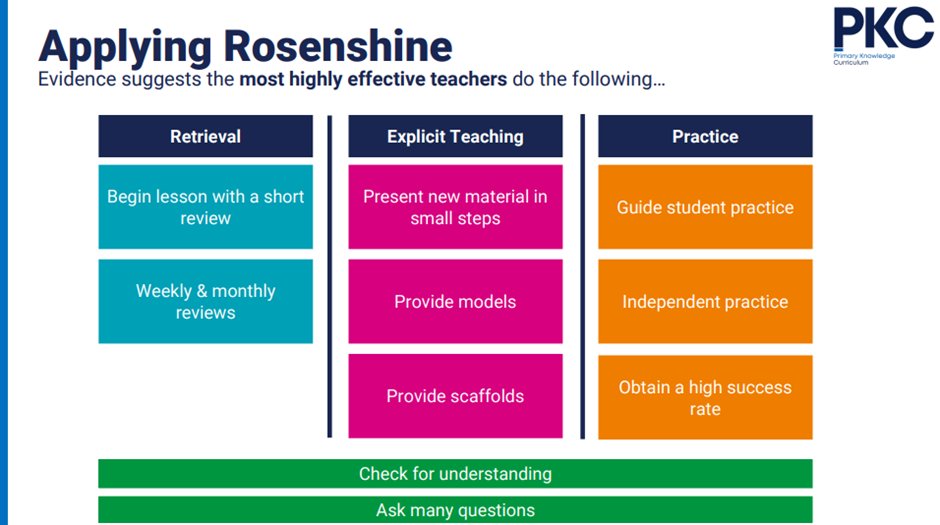
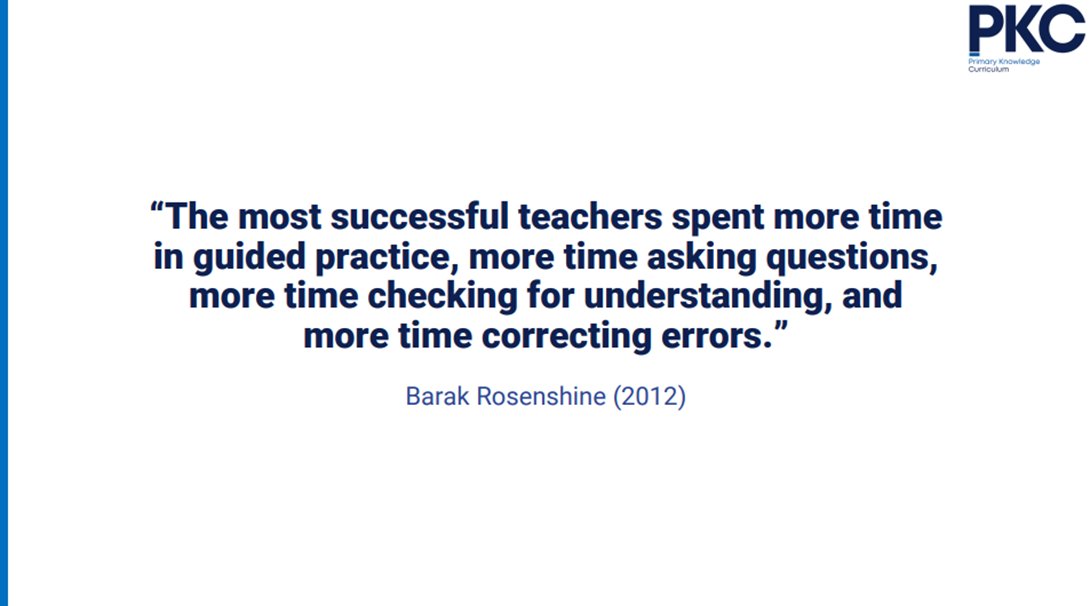
When applying Rosenshine’s Principles, checking for understanding and asking many questions are the threads that feed through every other principle. We know that expert teachers not only ask more questions, but they check for understanding on more occasions too.
Read 10 tweets
Mar 16, 2023
How can we get better written outcomes in primary geography?

Read time = 1 min 40 secs

Includes scaffolds, examples of writing and structure strips!

The National Curriculum requires children to, ‘communicate geographical information in a variety of ways, including through maps, numerical and quantitative skills and writing at length’.
When considering how to improve writing in geography, we have questions to ask:

•What is writing like in geography now?
•For what purposes are children writing in geography?
•What do children need to know and be able to do in order to write successfully in geography?
Read 11 tweets
Feb 20, 2023
What are the benefits of using a consistent lesson structure?

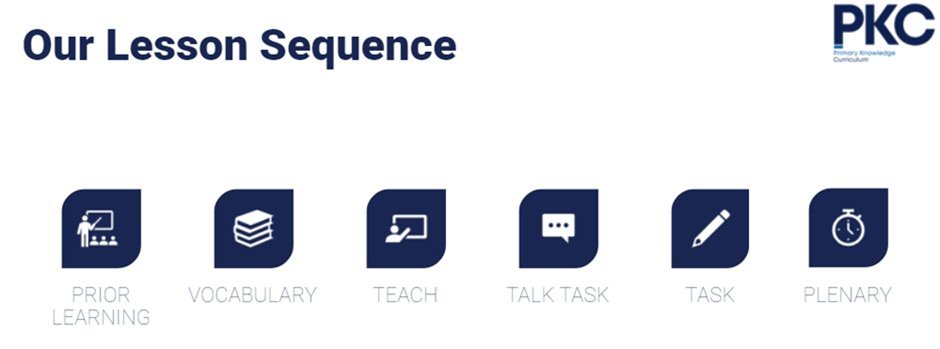
Here is an example of a lesson structure we use in the PKC curriculum for some subjects:
Our sequence is a guide to support teachers; it is not a strictly-timed lesson structure or a script. It is up to teachers to use their professional judgement to decide how to enact this for their pupils.
Read 15 tweets

Did Thread Reader help you today?

Support us! We are indie developers!


This site is made by just two indie developers on a laptop doing marketing, support and development! Read more about the story.

Become a Premium Member ($3/month or $30/year) and get exclusive features!

Become Premium

Don't want to be a Premium member but still want to support us?

Make a small donation by buying us coffee ($5) or help with server cost ($10)

Donate via Paypal

Or Donate anonymously using crypto!

Ethereum

0xfe58350B80634f60Fa6Dc149a72b4DFbc17D341E copy

Bitcoin

3ATGMxNzCUFzxpMCHL5sWSt4DVtS8UqXpi copy

Thank you for your support!

Follow Us!

:(