
 Read on Twitter
It is difficult to overstate how much everything since 1945 is shaped by the spectre of the Holocaust.
The period since is the story of the religious underpinning of the West shifting from Christianity to a new foundation built on a single commandment: "never again":
1/25 🧵
The period since is the story of the religious underpinning of the West shifting from Christianity to a new foundation built on a single commandment: "never again":
1/25 🧵

2/25 Take Karl Popper, the intellectual godfather of neoliberalism:
Popper was compelled to write The Open Society and Its Enemies during WW2, motivated by rebuilding Western civilization as an open society to ensure those horrors would not be seen again
Popper was compelled to write The Open Society and Its Enemies during WW2, motivated by rebuilding Western civilization as an open society to ensure those horrors would not be seen again
https://twitter.com/KeithWoodsYT/status/1657049909860741121
3/25 George Soros was Popper's student at the London School of Economics, and named his Open Society Institute after Popper's book.
Soros' entire project is devoted to using civil society networks to enshrine pluralism and wither away the intolerant forces of "populism"
Soros' entire project is devoted to using civil society networks to enshrine pluralism and wither away the intolerant forces of "populism"


4/25 Post-war liberalism moved in the direction Popper desired.
A liberalism based on natural rights shifted to one focused on empiricism, consensus, progressive social engineering, and a distrust of "the strong gods" or any metaphysical input in the political.
A liberalism based on natural rights shifted to one focused on empiricism, consensus, progressive social engineering, and a distrust of "the strong gods" or any metaphysical input in the political.
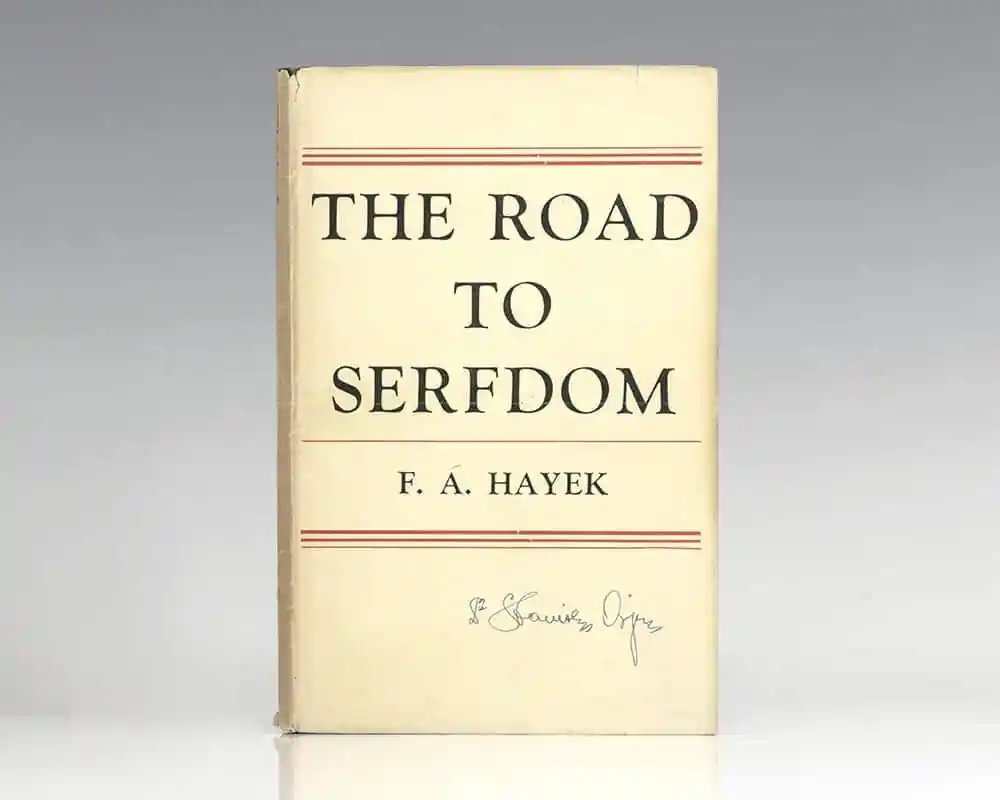
5/25 Another influential book in forming the post-war liberal consensus was Friedrich Hayek's The Road to Serfdom.
It was Hayek who got Popper a publisher for his book, seeing him as a useful ally in his own libertarian, anti-ideological approach to politics.
It was Hayek who got Popper a publisher for his book, seeing him as a useful ally in his own libertarian, anti-ideological approach to politics.
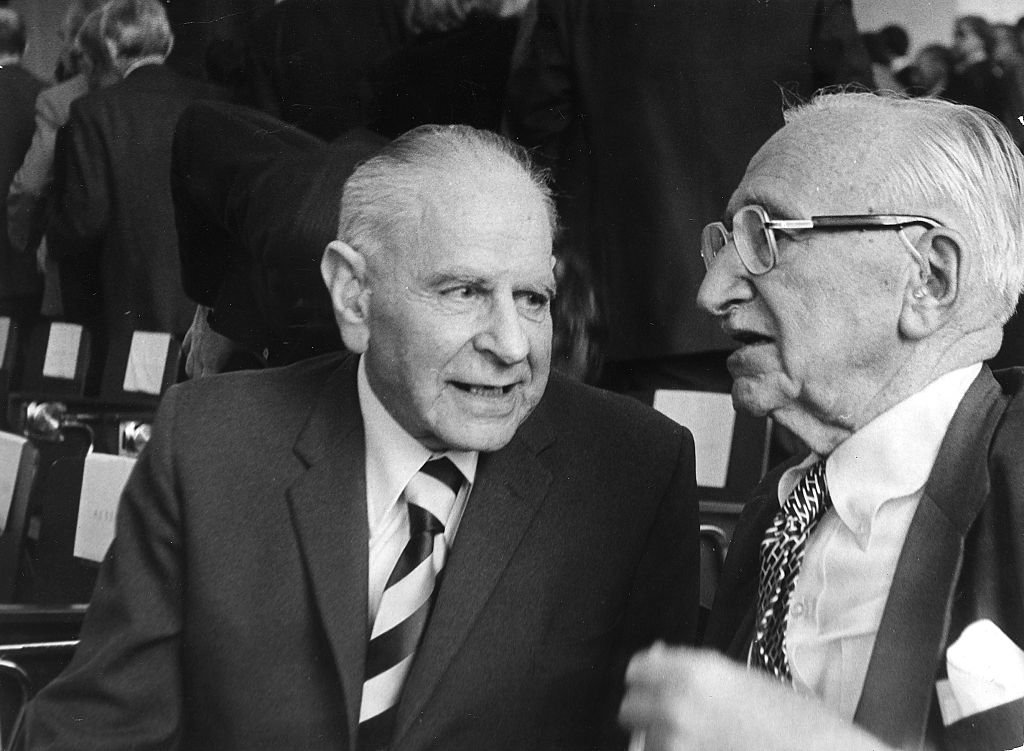
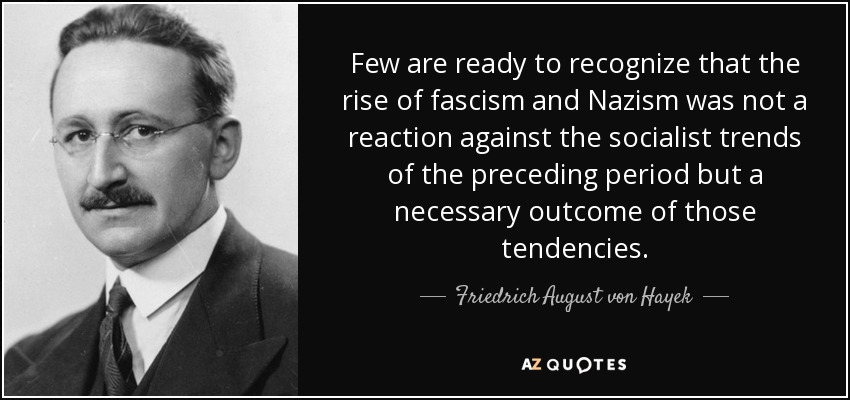
6/25 Hayek was also motivated by identifying the roots of fascism, but rather than attacking the roots of Western philosophy, his focus is on collectivism.
It is the socialists, national or international, with their lie of a "common good" who are responsible for totalitarianism
It is the socialists, national or international, with their lie of a "common good" who are responsible for totalitarianism
7/25 The social planners of the post-war world would set about removing once and for all the roots of the closed society which had led to the horrors of the war.
First to go had to be the biological basis for race which was central to Nazism. See thread:
First to go had to be the biological basis for race which was central to Nazism. See thread:
https://twitter.com/KeithWoodsYT/status/1656281353011310592
8/25 A related strong God - Nationalism - also had to be dismantled.
Whereas Nationalism had once been seen as a natural phenomenon, and "nation" was identified with a distinct ethnic group or race, academic studies of Nationalism now began to deconstruct it along Marxist lines.
Whereas Nationalism had once been seen as a natural phenomenon, and "nation" was identified with a distinct ethnic group or race, academic studies of Nationalism now began to deconstruct it along Marxist lines.
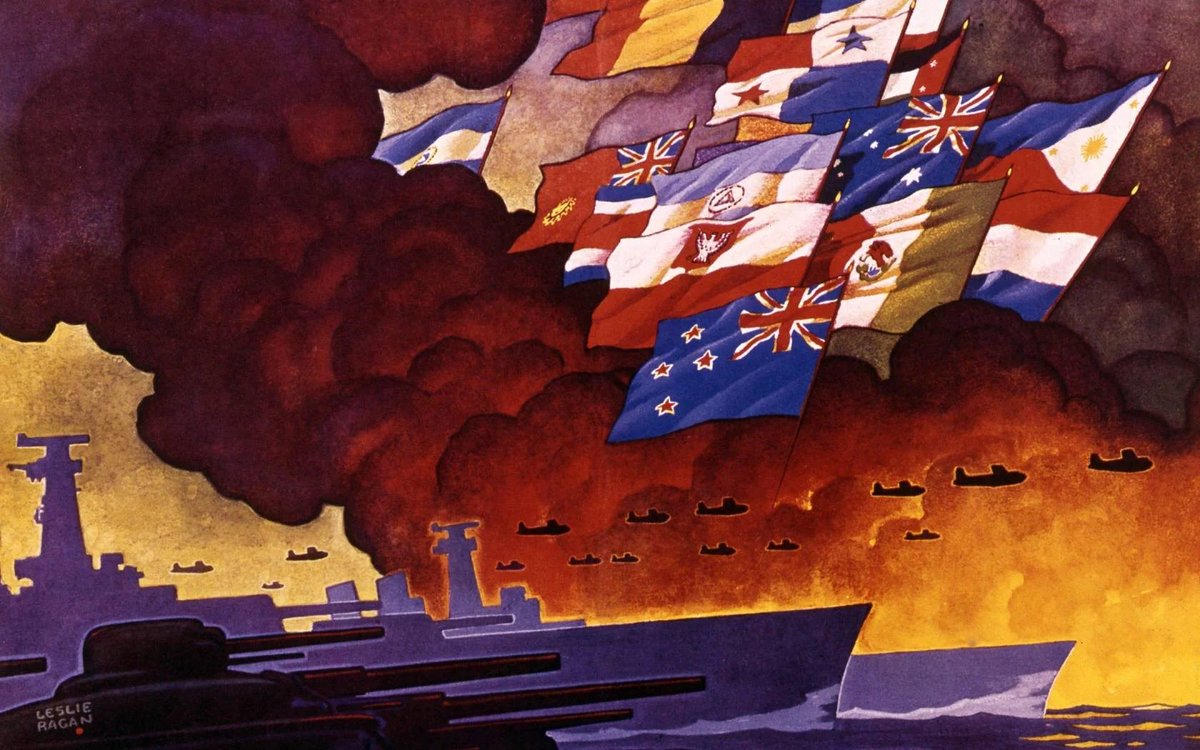
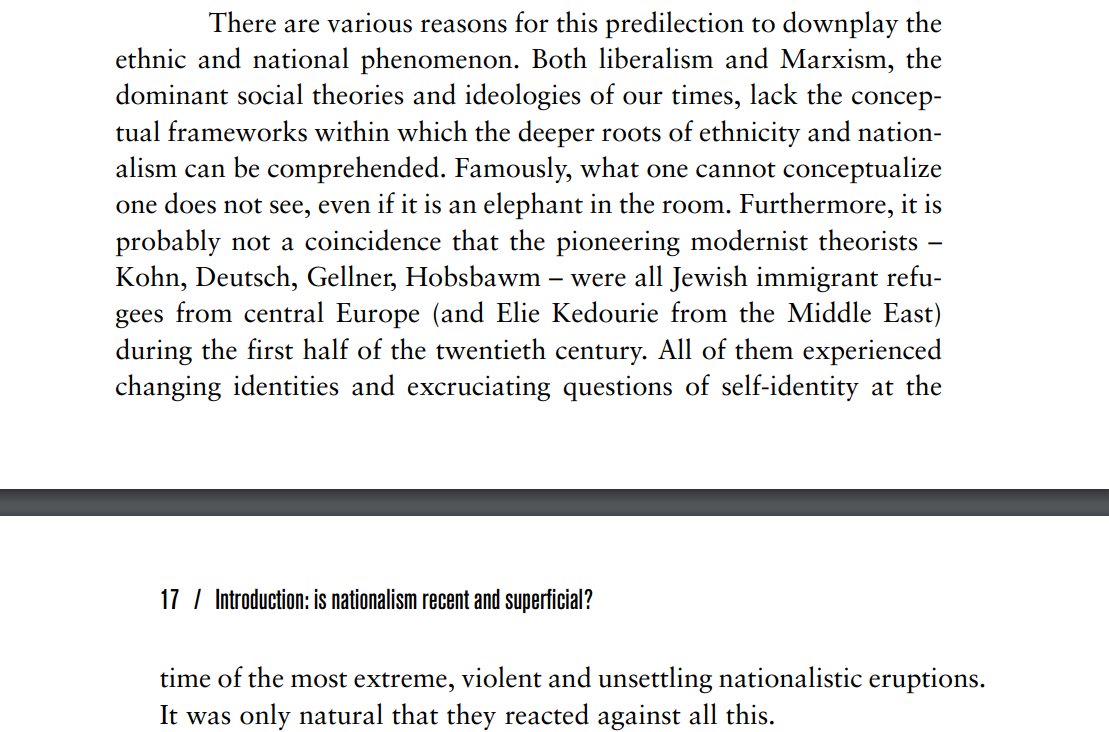
9/25 Many of the most influential theorists of "modernism", which deconstructs Nationalism as a modern kind of false consciousness created by elites, had a deep distrust of Nationalism motivated by the events of the war.
The Israeli historian Azar Gat writes the following:
The Israeli historian Azar Gat writes the following:
10/25 But while the vision outlined by Hayek and Popper was more negative and moderate: piecemeal liberal social engineering or a night watchman state, academics from the left stepped in to provide a more radical anti-fascist critique which would shape generations of radicals.
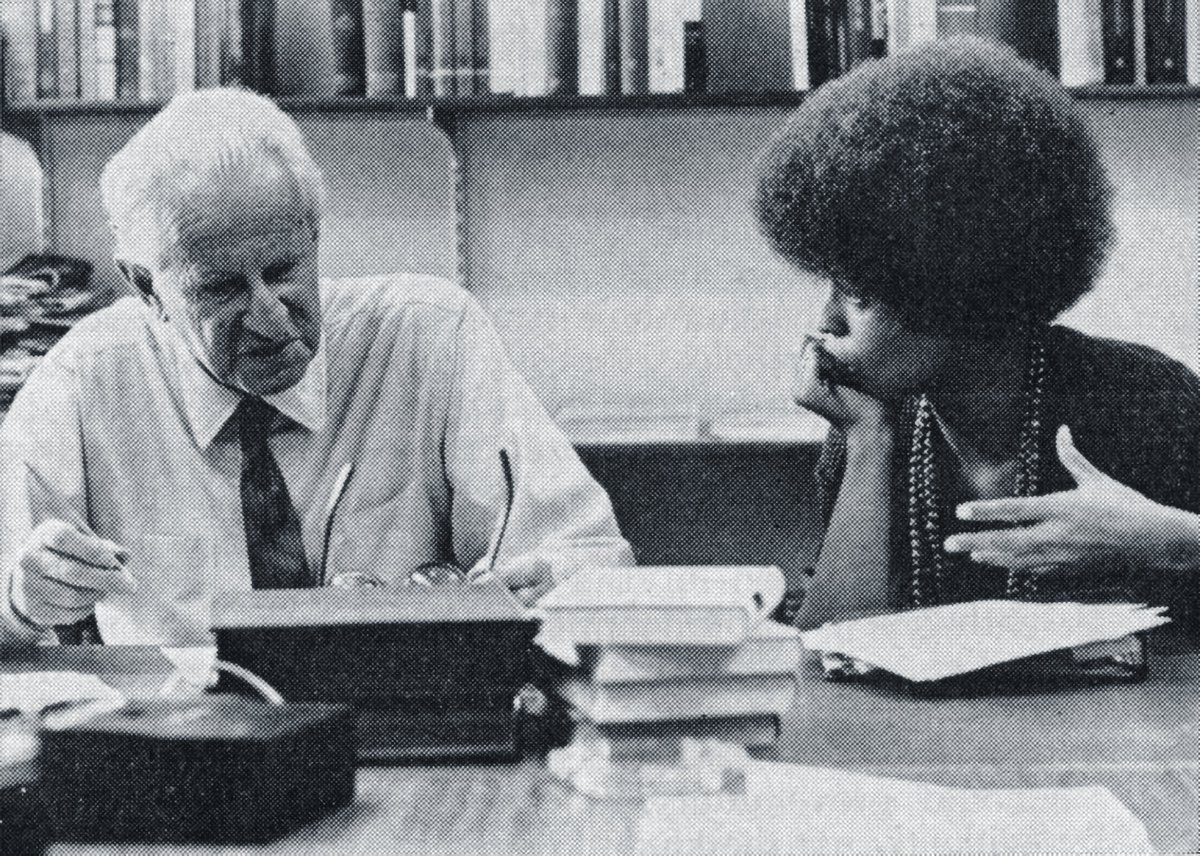
11/25 Most influential in this regard is the Frankfurt School. A school of Jewish social theorists, they fled Hitler's Germany for the United States and set about reworking social theory, motivated by preventing the kind of reactionary totalitarianism they had observed in Europe.
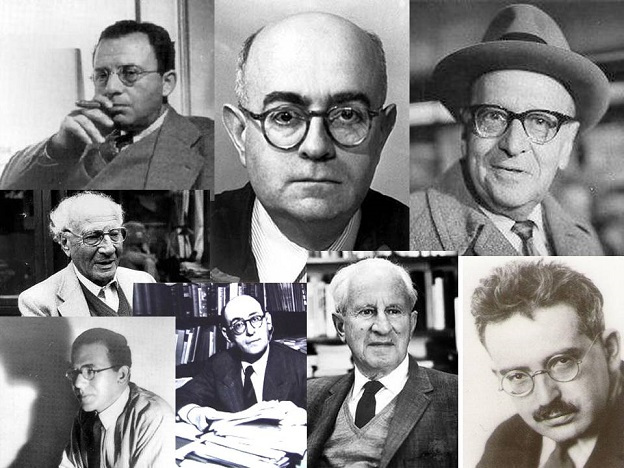
12/25 The theories of the Frankfurt School, subsidised by American oligarchy with grants from the Rockefeller Foundation, would become the basis for the New Left of the 1960s.
Under the direction of Theodor Adorno, they published The Authoritarian Personality.
Under the direction of Theodor Adorno, they published The Authoritarian Personality.

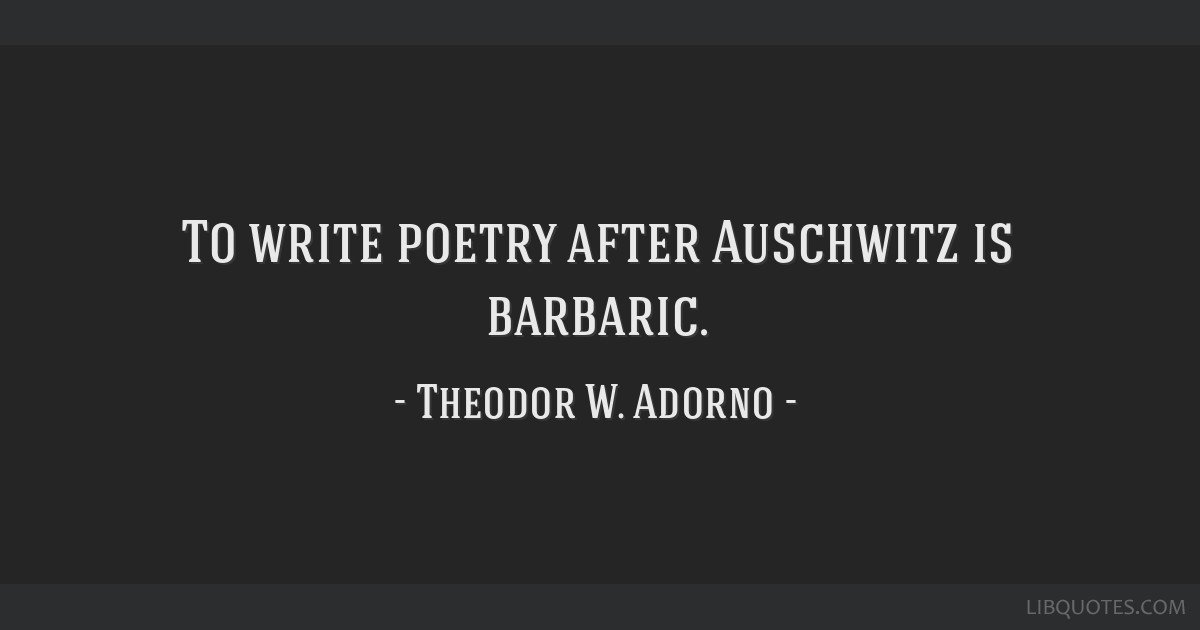
13/25 This study purported to show that those who believed in traditional values were mentally ill, and this had it's roots in the family, especially belief in parental authority. An open society is not enough, what's required is deconstruction of these roots of authoritarianism.

14/25 The work influenced liberal policymakers bent on directing society away from reactionary attitudes.
The difficulty of this task was seen to reflect the dangerous force of traditional religion and faulty child-rearing. Now the family itself came under attack as a strong god
The difficulty of this task was seen to reflect the dangerous force of traditional religion and faulty child-rearing. Now the family itself came under attack as a strong god
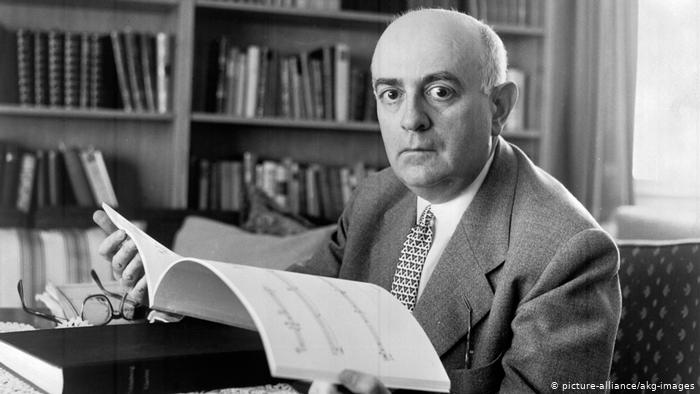
15/25 But it was the work of another Frankfurt School theorist Herbert Marcuse's which became the ideological basis for 60s counter-culture. The bestseller Eros and Civilization.
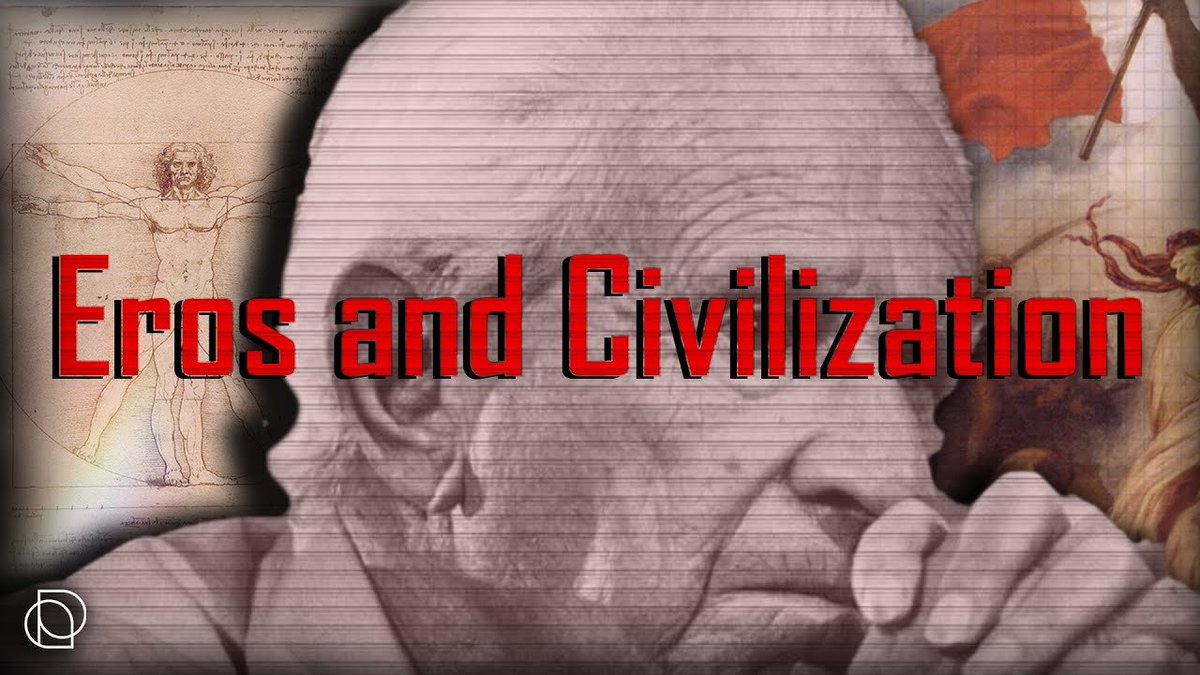
16/25 Marcuse argued that traditional societies were built on the repression of healthy human instincts and desires, particularly sexual, leading to alienation and unhappiness.
The answer was a revolutionary freeing up of sexual instinct, "polymorphous perversity".
The answer was a revolutionary freeing up of sexual instinct, "polymorphous perversity".
17/25 During WW2, Marcuse had been employed by the OSS, the precursor to the CIA.
Marcuse drew up a list of 1800 businessmen and industrialists who should be considered key Nazis alongside military leadership.
Marcuse drew up a list of 1800 businessmen and industrialists who should be considered key Nazis alongside military leadership.
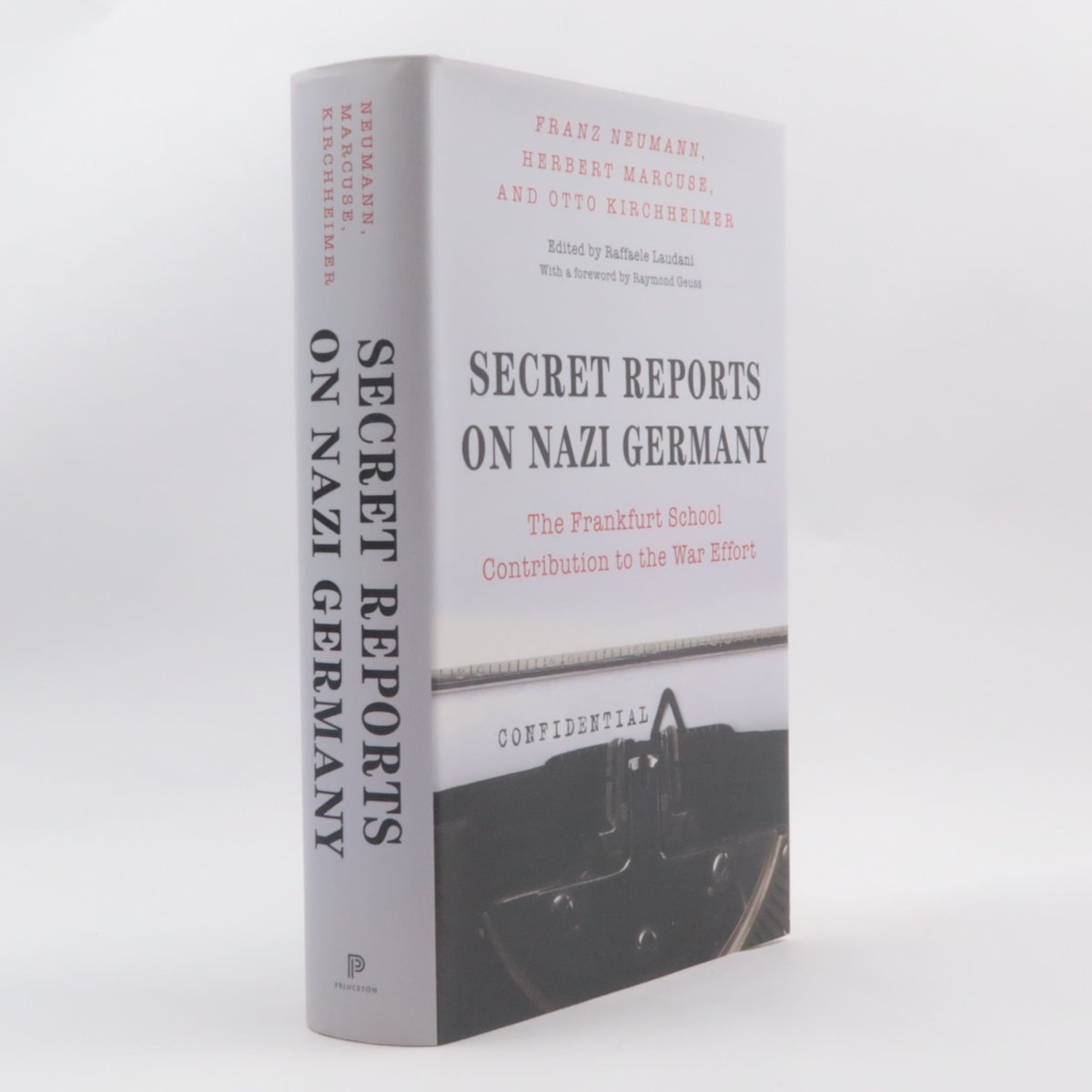
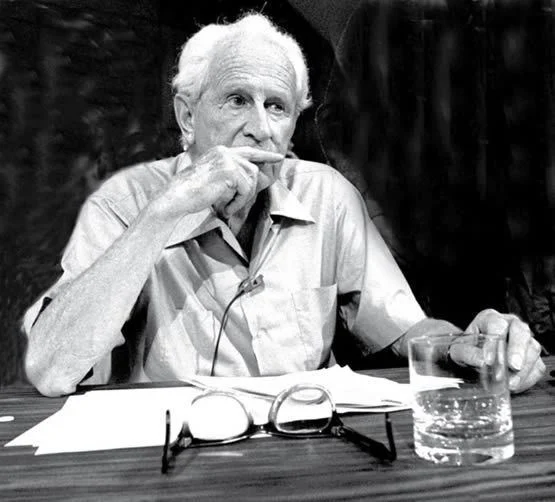
18/25 Marcuse and his colleagues argued dealing with these men was more important to De-Nazification of Germany than dealing with Prussian Militarism.
This was the basis for Frankfurt School theorising:
This was the basis for Frankfurt School theorising:
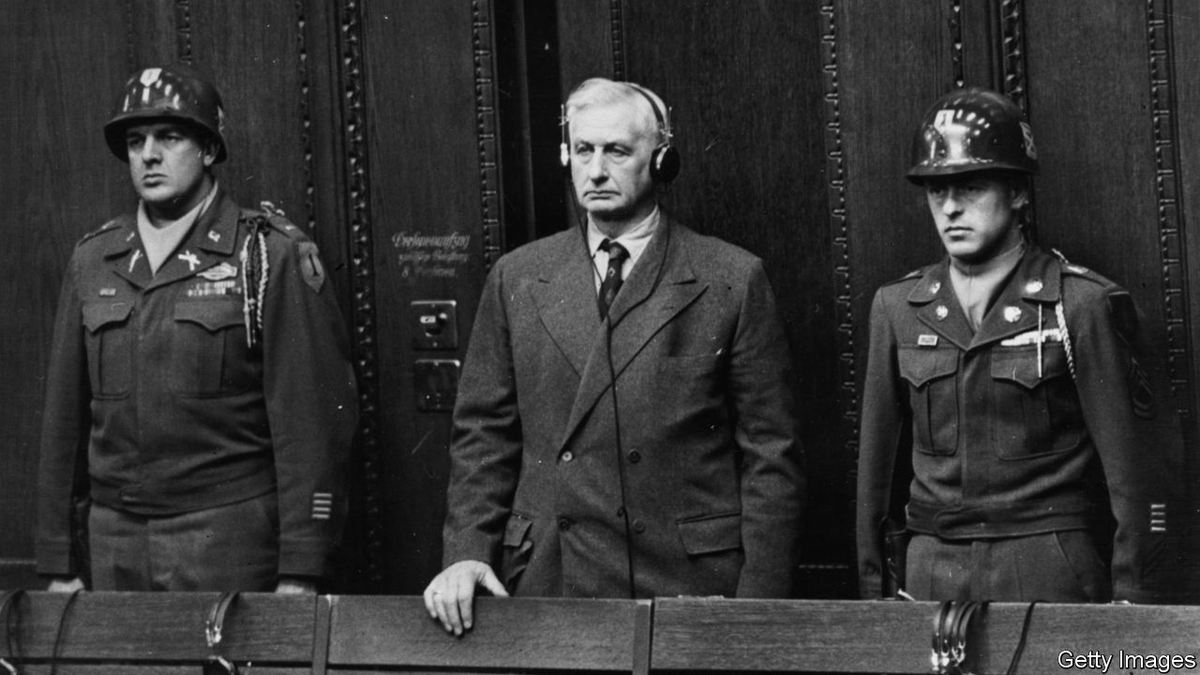
19/25 Members of the school all believed that Nazism was one expression of a ‘single paradigm of domination’, which also included Soviet Communism and liberal democracy.
All their major works can be read through this motive of identifying a deeper basis for de-Nazification.
All their major works can be read through this motive of identifying a deeper basis for de-Nazification.
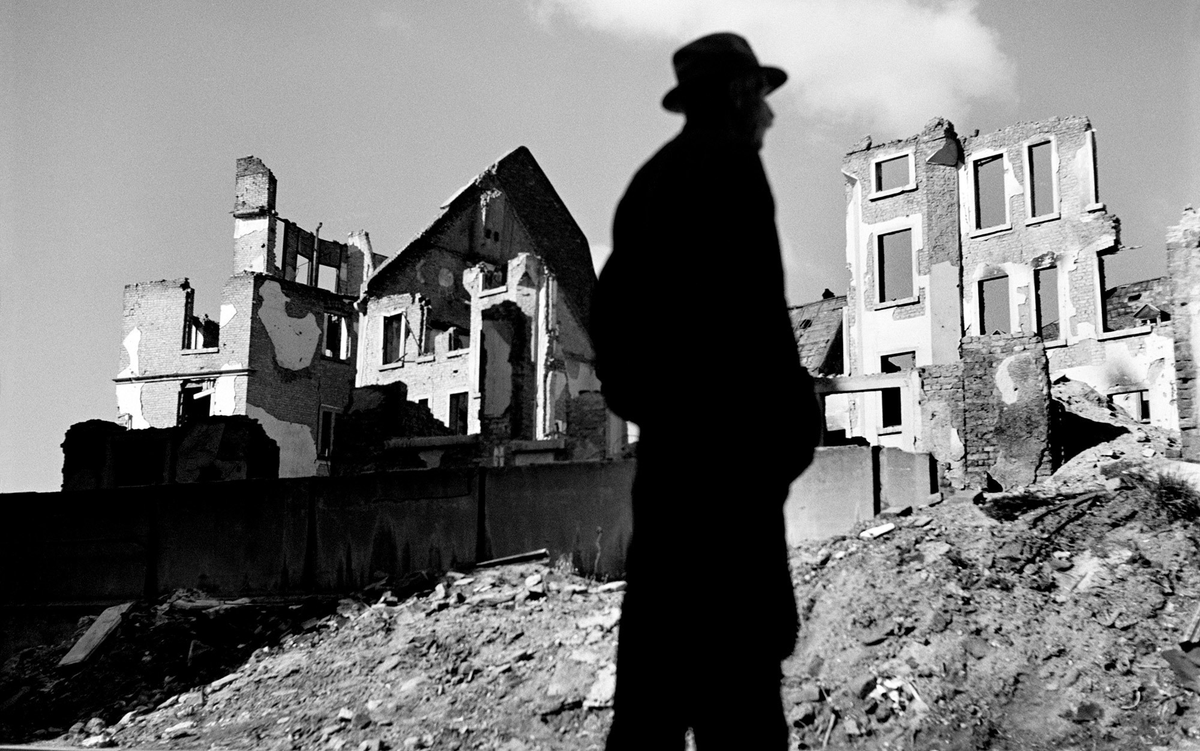
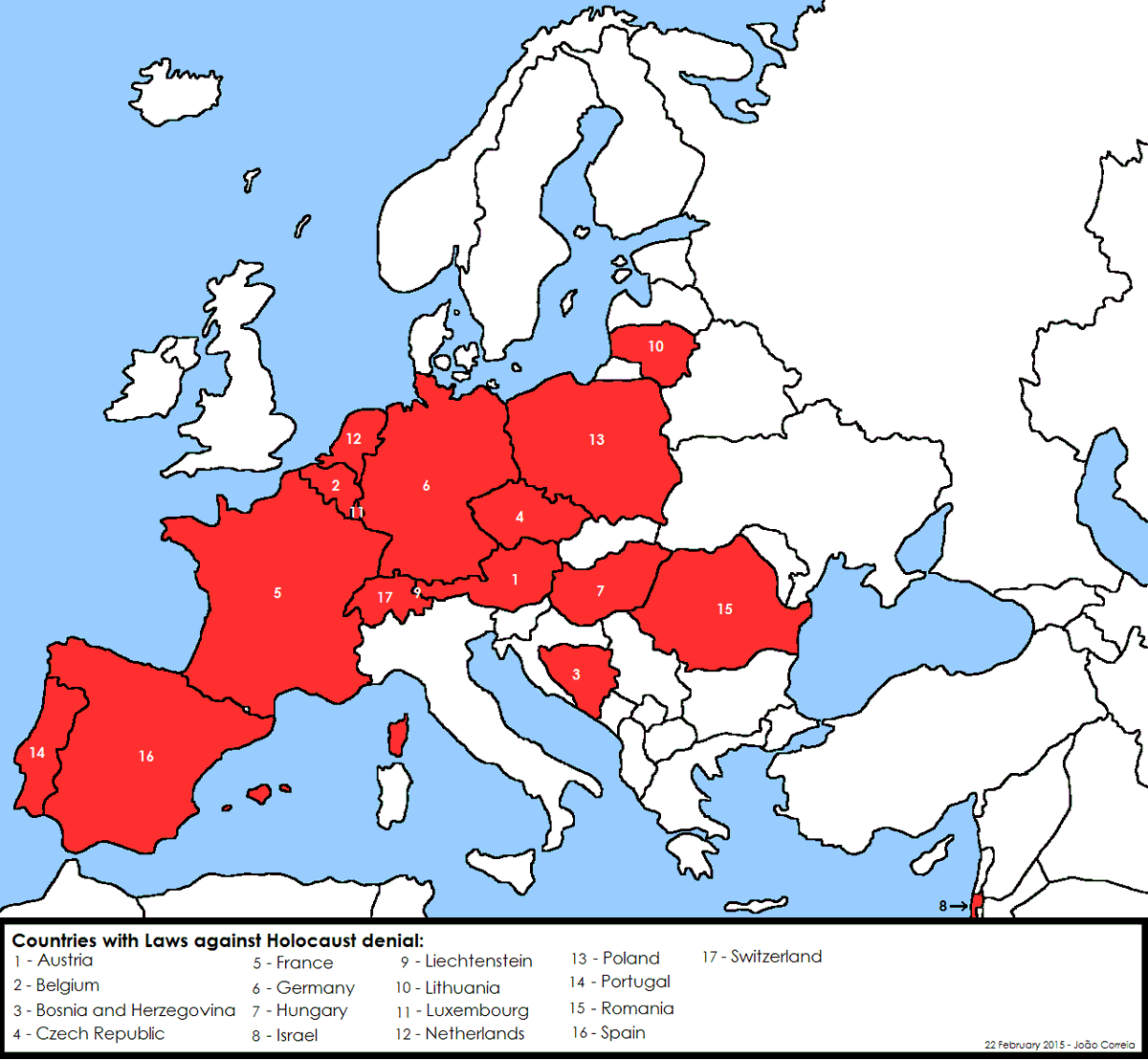
20/25 Most national hate speech laws have their precursors in their countries Holocaust denial laws, which normalised the idea of enshrining "group libel" in law.
This was a significant shift in what was viewed as acceptable political speech.
This was a significant shift in what was viewed as acceptable political speech.
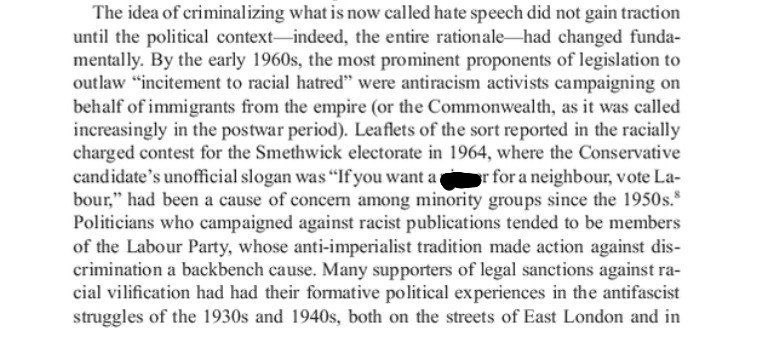
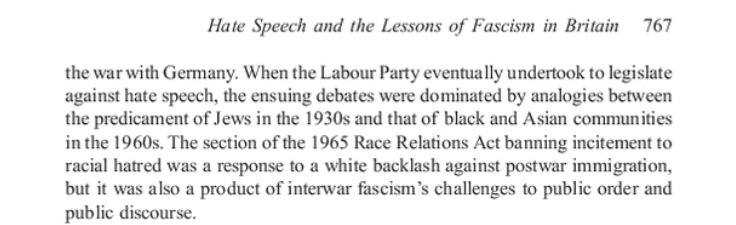
21/25 Though Britain did not have Holocaust denial laws, its first laws on hate speech were contained in the 1965 Race Relations Act.
The early advocates were inspired by their anti-fascist activities in London, and much of the debate centered on the German mistreatment of Jews.
The early advocates were inspired by their anti-fascist activities in London, and much of the debate centered on the German mistreatment of Jews.
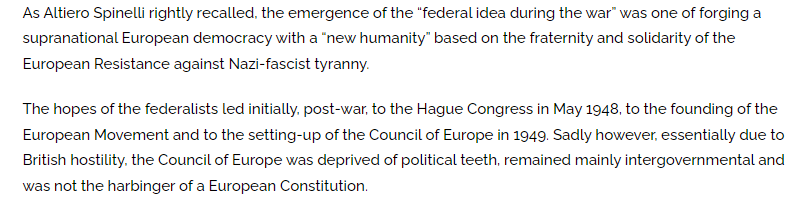
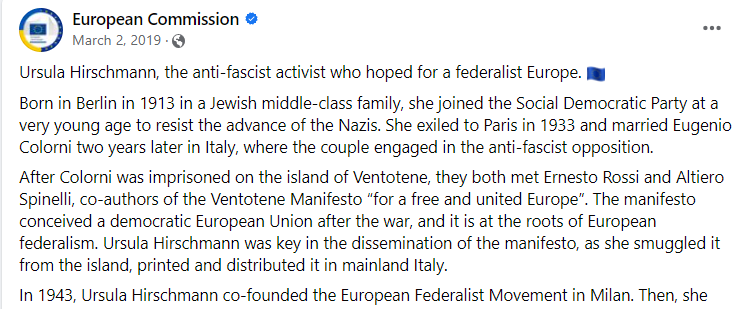
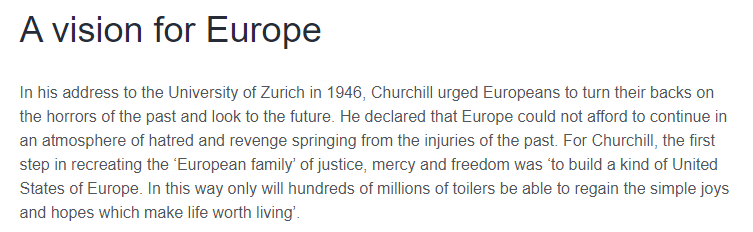
22/25 This is not to mention the entire ideological underpinning of the "rules based international order" established at the end of the war.
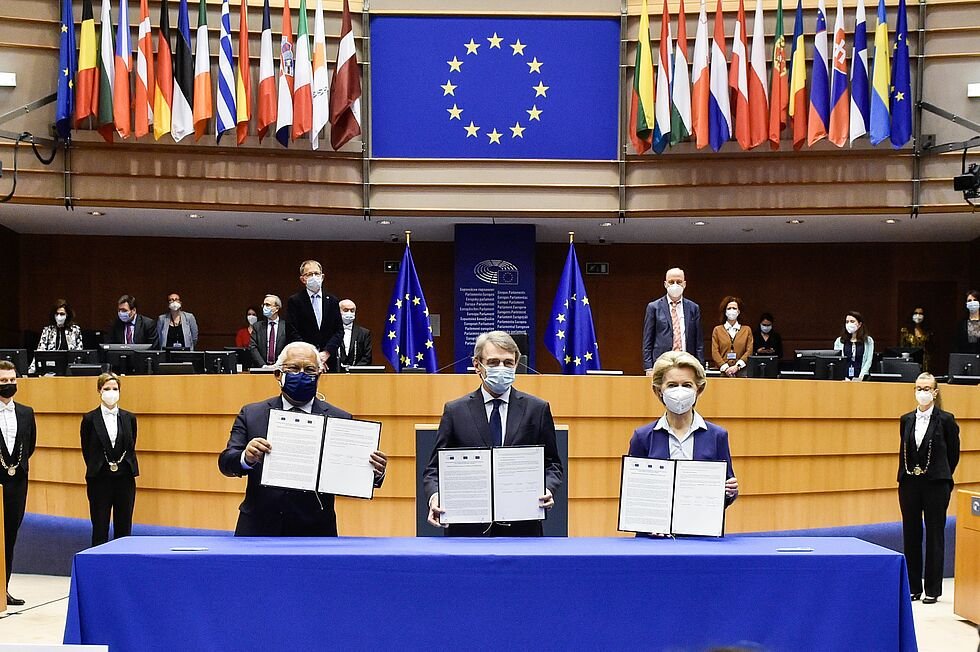
Many of the founding fathers of the European formulated their ideal as an anti-fascist alternative to German rule.
Many of the founding fathers of the European formulated their ideal as an anti-fascist alternative to German rule.

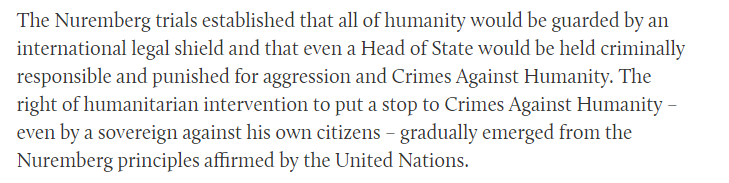
23/25 Out of the war also came the basis for our conceptions of international law, war crimes, and the just war.
With the myth of the perfectly moral act of war of intervening to stop the Holocaust, liberals can justify any use of force against regimes violating "human rights"
With the myth of the perfectly moral act of war of intervening to stop the Holocaust, liberals can justify any use of force against regimes violating "human rights"
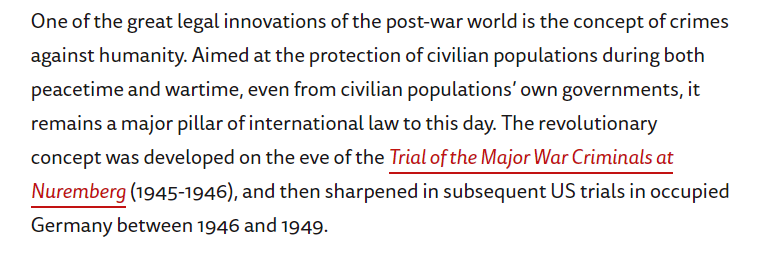
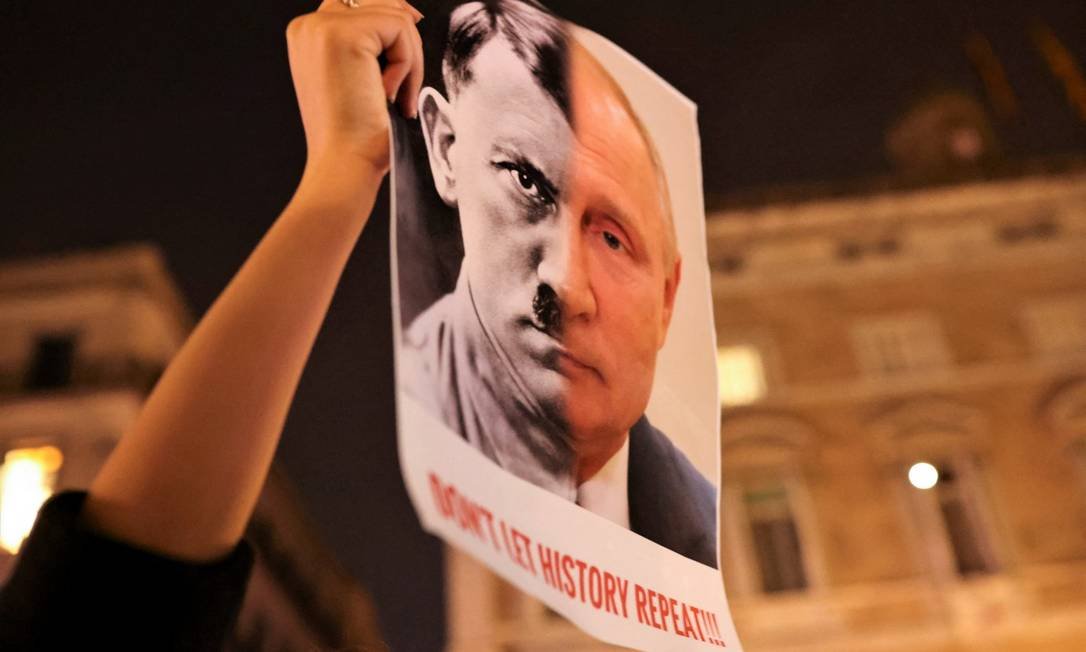
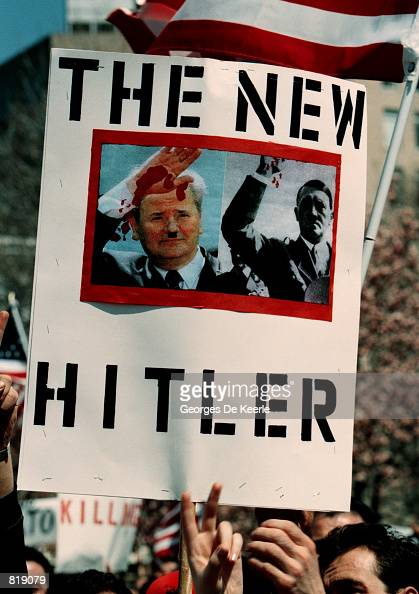
24/25 While the mood of post-war social theorists was moderate, the anti-fascist moral axiom contained a Manichean divide between the defenders of the open society and forces of fascism, which, with the input of Marxo-Freudians, included everything from science to parental roles.
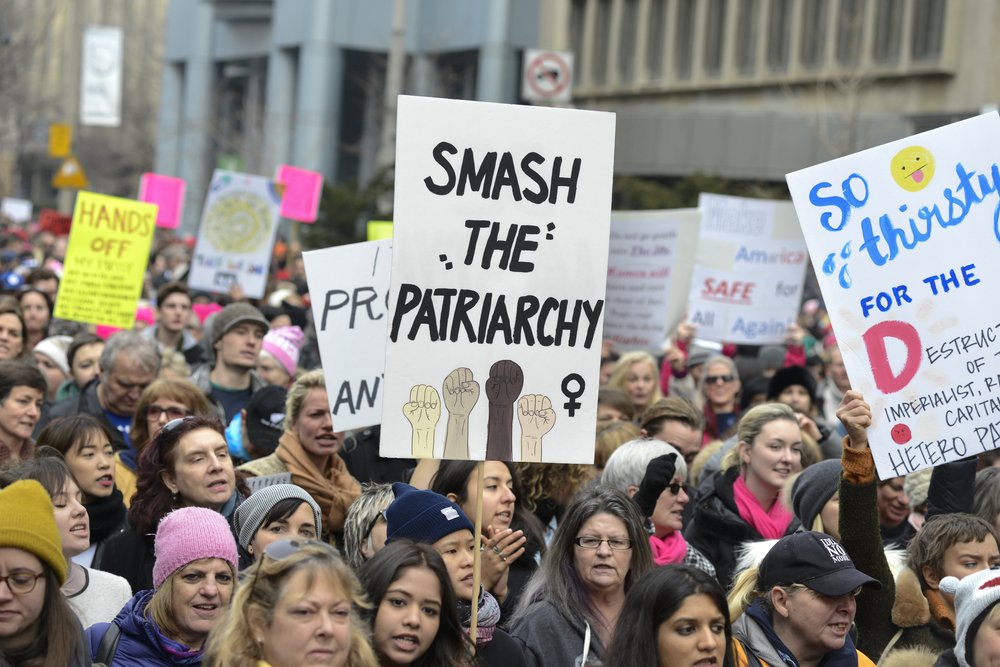

25/25 In an age apparently stripped of metaphysics and grand narratives, the only thing that fills the gap of meaning is the one moral absolute, the absolute evil of Auschwitz.
Everything is bad insofar as it is fascist, and everything is good insofar as it prevents fascism.
Everything is bad insofar as it is fascist, and everything is good insofar as it prevents fascism.
• • •
Missing some Tweet in this thread? You can try to
force a refresh






