
25 localities in and around Chennai, and what are they named after – an etymology thread.
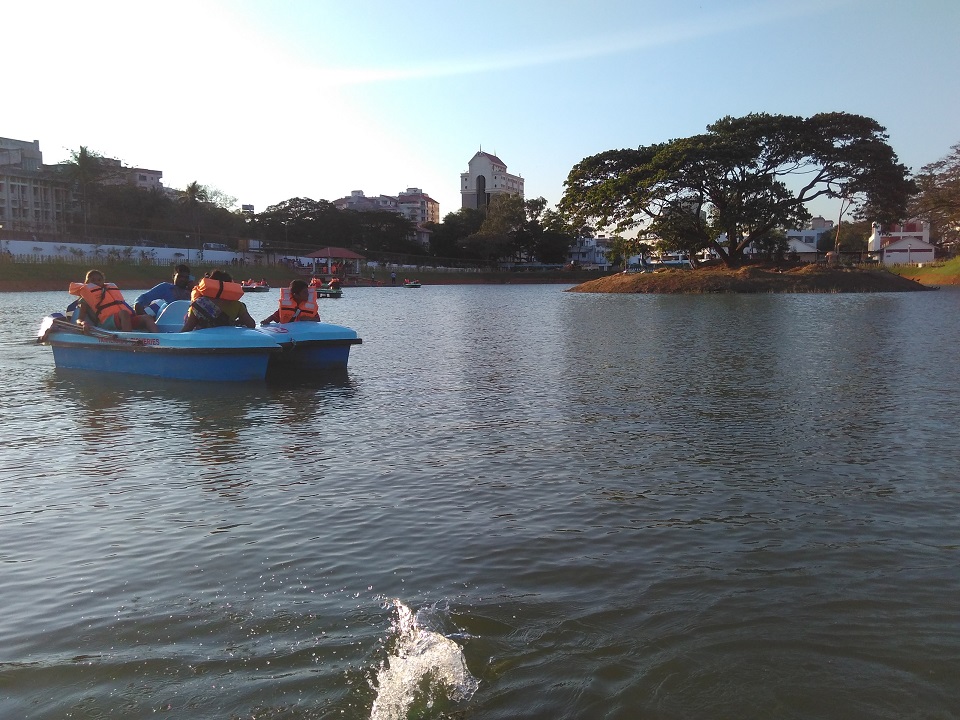
1. Triplecane: Anglicized version of Thiru-Alli-Keni (Thiruvallikeni), meaning a ‘sacred lily (alli) pond” – a reference to the Parthasarathy Temple Tank in the neighborhood.
1. Triplecane: Anglicized version of Thiru-Alli-Keni (Thiruvallikeni), meaning a ‘sacred lily (alli) pond” – a reference to the Parthasarathy Temple Tank in the neighborhood.


2. Anna Nagar: After C N Annadurai, who was fondly called Anna (meaning ‘elder brother’) by Tamilians. An acclaimed writer, a great orator and a former CM of Tamil Nadu, he was one of the most charismatic leaders of modern India.

3. Ashok Nagar: Named after the famous Ashoka Pillar which stands in the area. The pillar resembles the one erected by emperor Ashoka at Sanchi.

4. Besant Nagar: After Annie Besant - a British socialist, theosophist, educationist, and women's rights activist.

5. Chetpet: After Namberumal Chetty, a master building contractor in the 19th century. As he owned so many houses in the area, it was referred as Chetti Petti/Chetti Peta, which got shortened to Chetpet in the course of time.
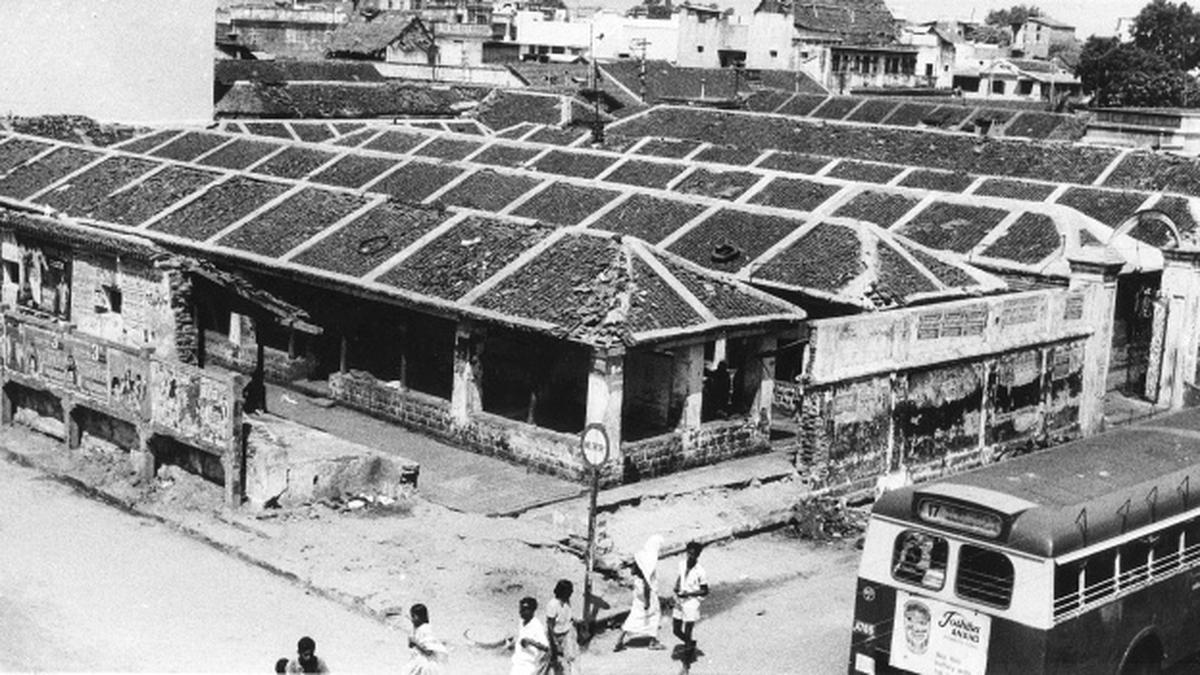
6. Choolai: After Tamil ‘choolai’ meaning 'brick kilns’ that were present in the area.

7. Chintadripet: From Chinna Thari Pettai, meaning ‘village of small looms’ as it was a village developed for the weavers.
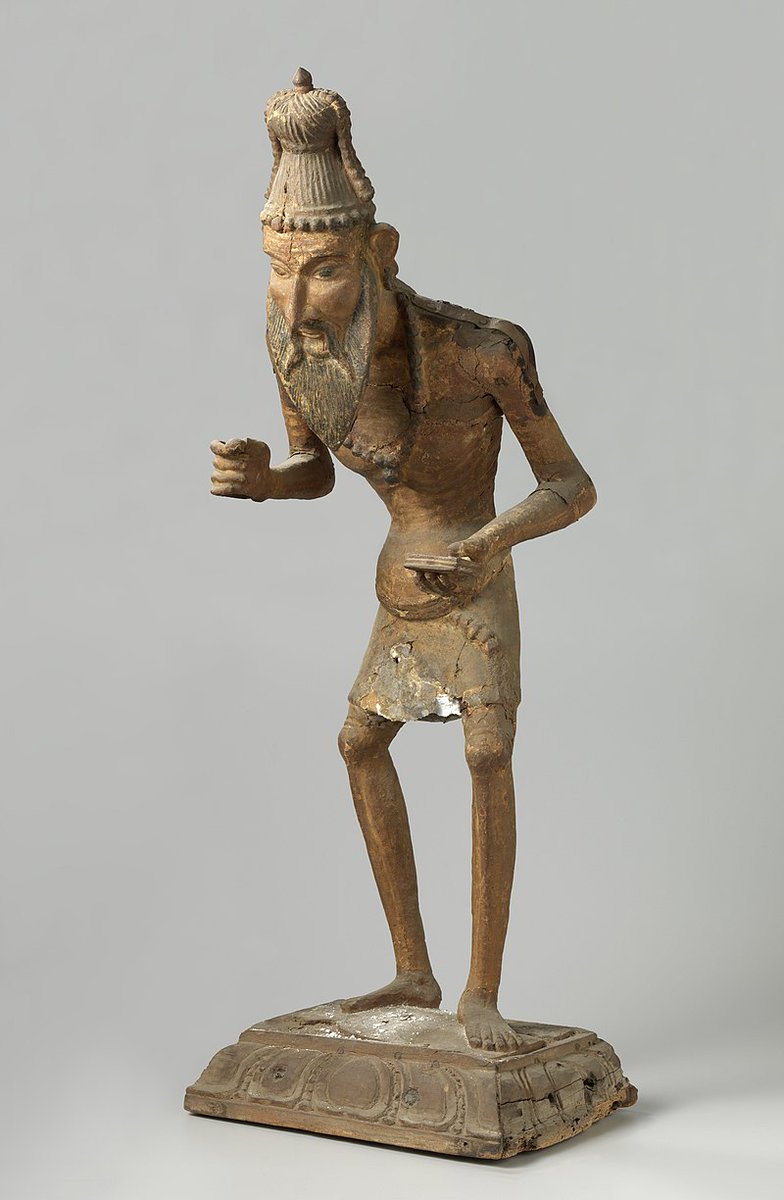
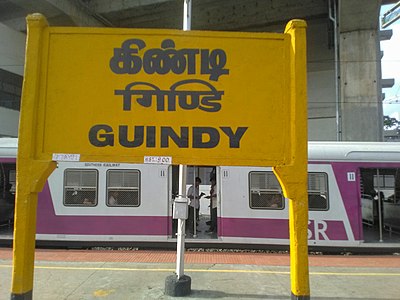
8. Guindy: From Tamil ‘kindi’ meaning ‘vessel.’ According to legend, Bhringi—an ancient sage and an ardent devotee of Shiva—who lived in this region left his kindi here. Kindi got anglicized to Guindy.
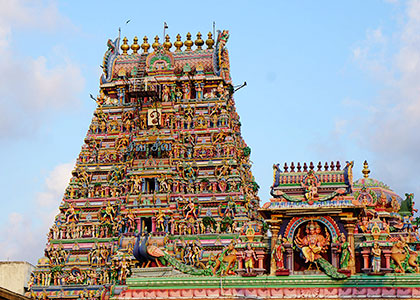
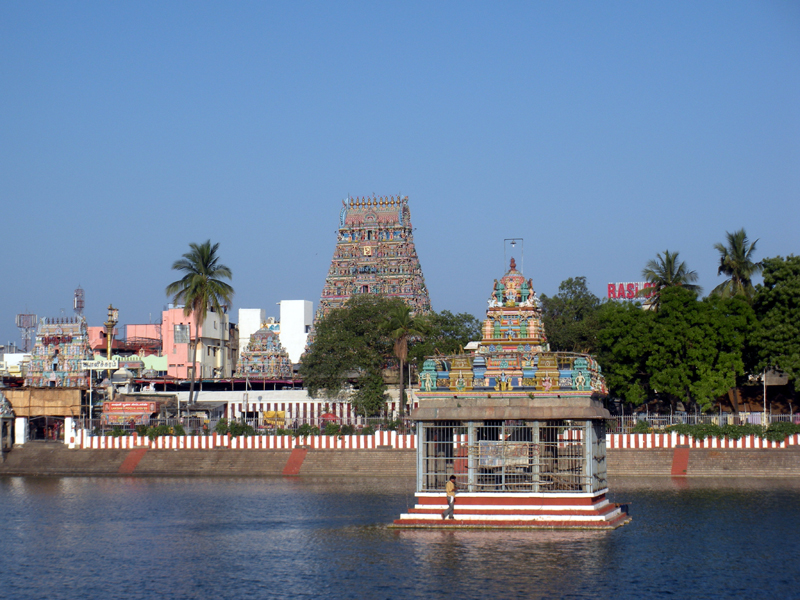
9. Mylapore: Said to have derived the name from the legend that Goddess Karpagambal [Uma] worshipped Kapaleeswarar (Lord Shiva) in the form of a peahen (Mayil in Tamil).
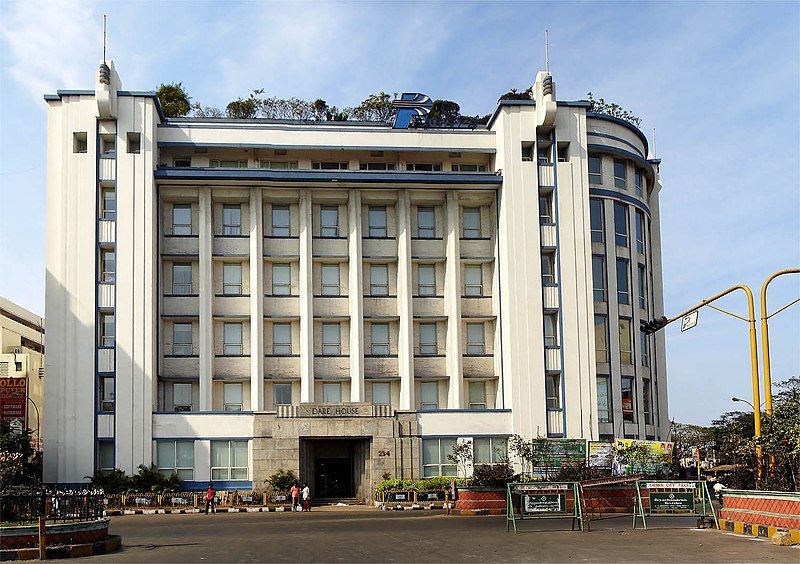
10. Parry’s: After Thomas Parry, a merchant from Wales who set up the company EID Parry in 1788. The company’s corporate headquarters, known as Dare House, is a major landmark in Parry’s. The bldg is named after William Dare, a partner of Thomas Parry.

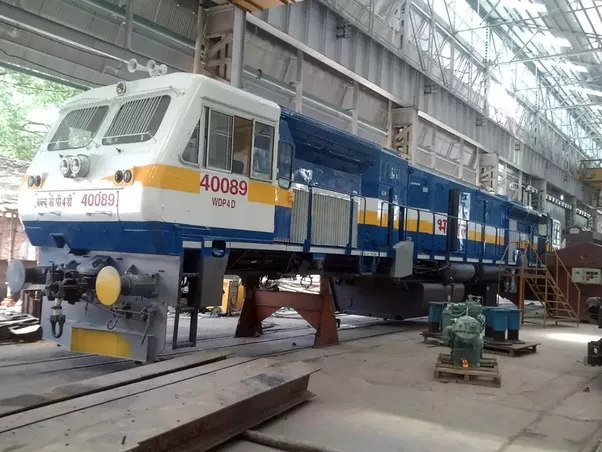
11. Perambur: From Tamil ‘Perambu’ and ‘Ur’ meaning ‘bamboo place / village.’ So named because there used to be a bamboo forest in this area.

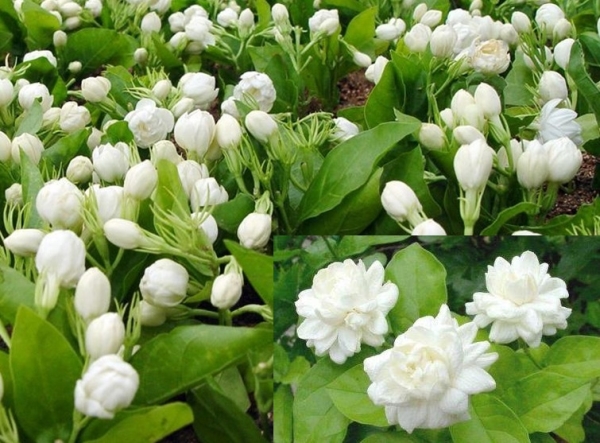
12. Poonamallee: A corruption of the Tamil Poovirundavalli, meaning ‘a place where jasmine was grown.’ Legend has it that Goddess Lakshmi rose from a jasmine flower and gave darshan to Thirukachi Nambi Alwar here.

13. Porur: From “por” meaning “war” as it’s believed to be a battle ground in ancient times.
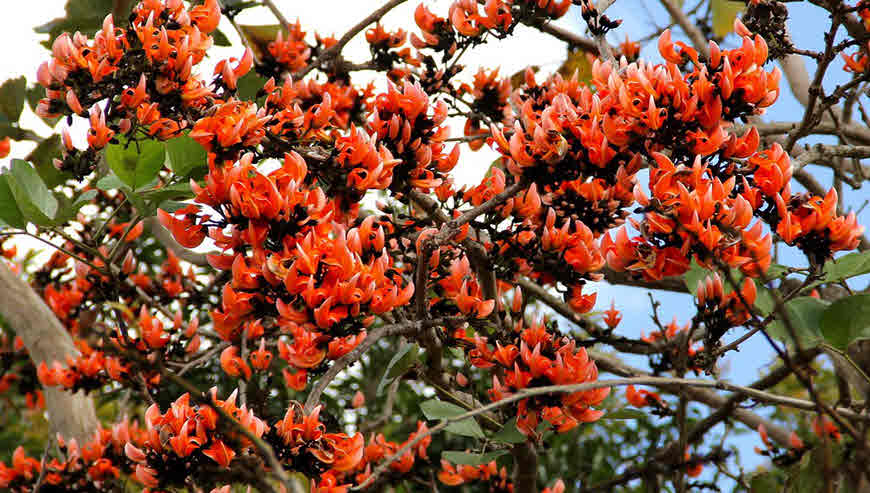
14. Purasawalkam: From Tamil Purasi, meaning “Palash.” The area used to be abundant with palash trees.
15. Royapettah: After the Nawabs of Arcot who were the Rayars (rulers) of the Pettai (district).
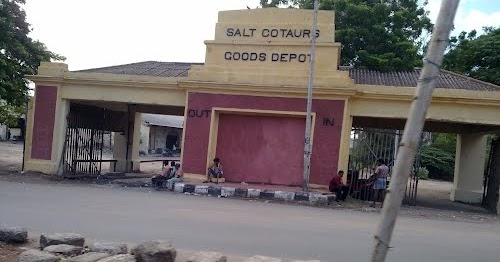
16. Salt Cotaurs: From Cotaurs, the anglicized version of the Telugu word ‘Kotaru or Kotaram’ meaning ‘godown.” The area once had godowns for storing salt bags to be loaded in goods trains.
17. Sowcarpet: after the sowcars (sahukars) who settled in the area. Sahukar are wealthy merchants ngaged in the business of lending money. According to another version, the area takes its name from a chowk – an open market area in a junction.

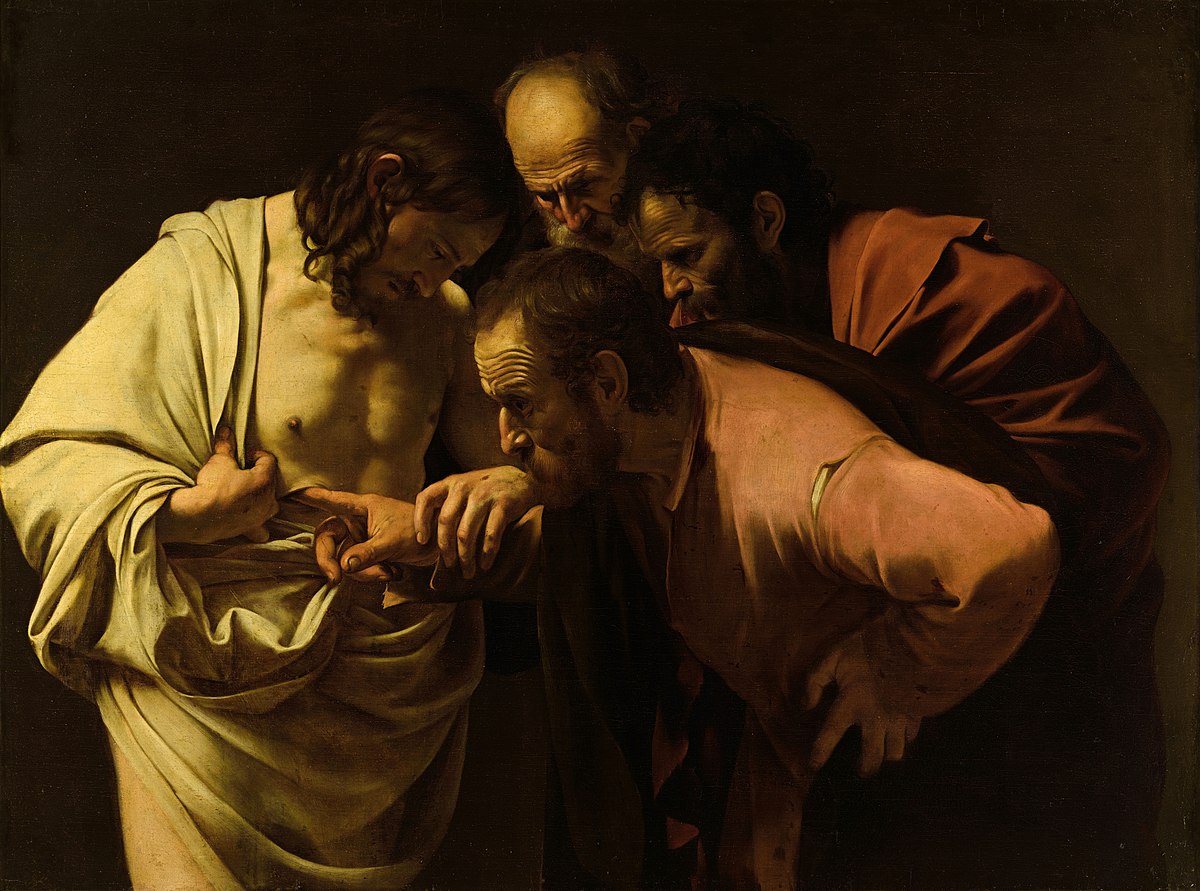
18. St Thomas Mount: After Saint Thomas, an apostle of Jesus Christ, who lived and preached on this eponymous mountain. He lived in a cave under the church.
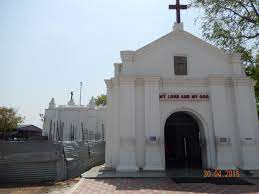

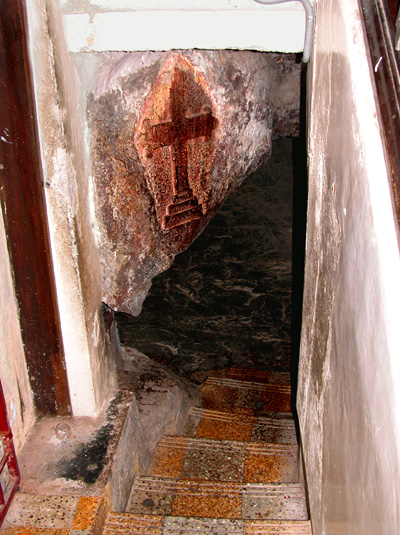
Thomas is the only apostle who refused to believe that the resurrected Jesus had been seen by the other apostles until he could actually see and feel the wounds Jesus received during his crucifixion, thus giving rise to the expression Doubting Thomas.
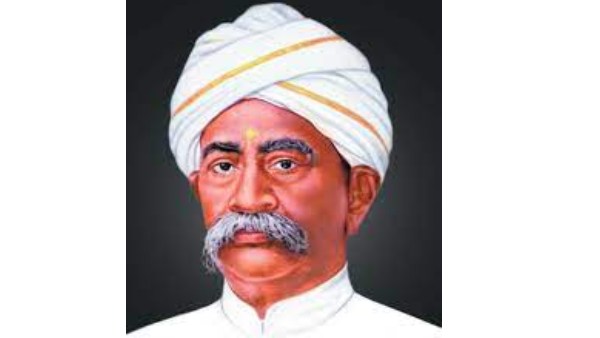
19. T Nagar: After Sir P. Theagaraya Chetty, one of the founders of Justice Party in 1916.
20. Tambaram: From Tamapuram, an ancient town mentioned in inscriptions.

21. Teynampet: From Tamil Thennam and Pettai, “place of coconut trees” due to the coconut grooves that once existed there.
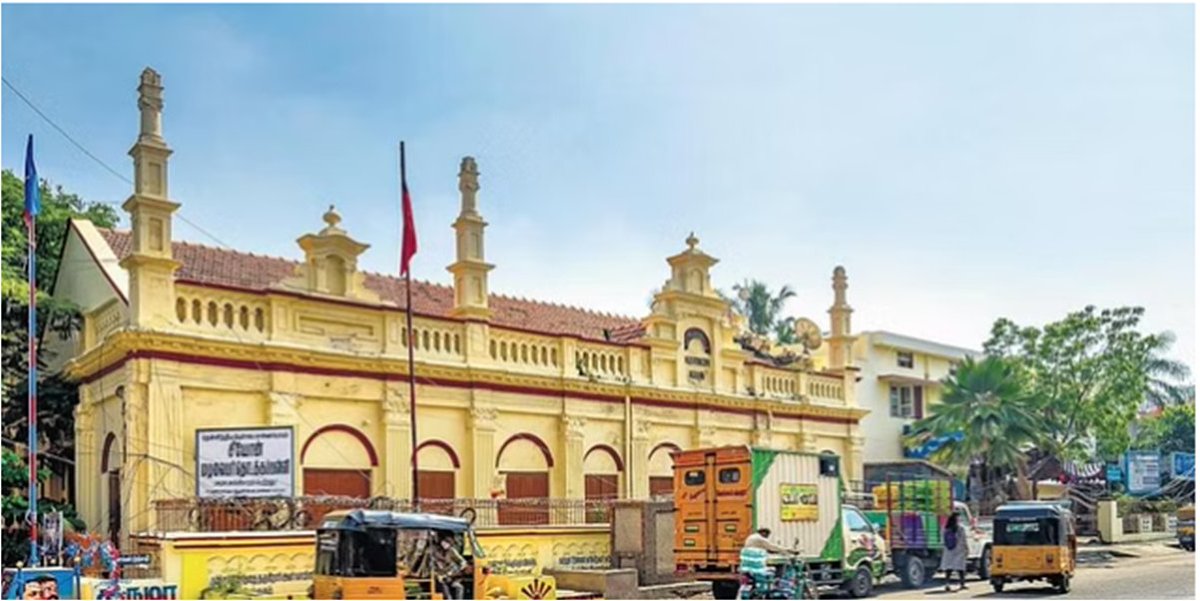
22. Thousand Lights: From the thousands lights that were lit when an Annual Session of Indian National Congress was held for the first time in Madras.
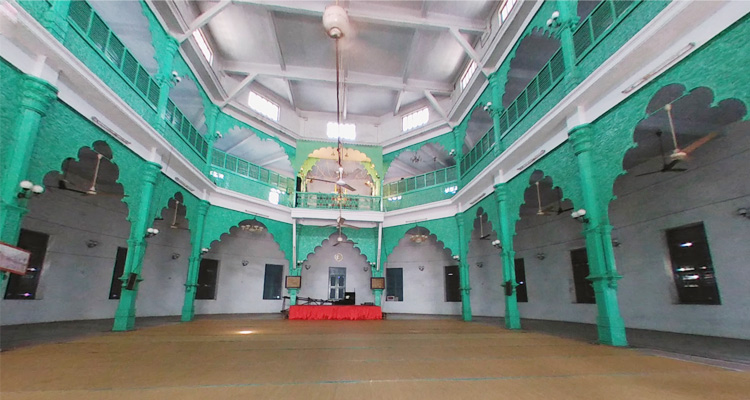
Other versions say it’s so named for the abundance of street lights. There’s also a Thought Lights Mosque in Chennai where 1,000 oil lamps were lit back in the days to illuminate the prayer hall.
23. Villivakkam: Originally known as Vilva Aranyam because a lot of vilva (bilva) trees were found here. With time, Vilva Aaranya became Villivakkam. An old Shiva temple, known as Agastheeswarar Temple, built by sage Agastya is located here.


24. Valmiki Nagar: After sage Valmiki who is said to have come here to take rest upon completion of The Ramayana.

25. Washermanpet: Because of the many dhobi ghats that used to be here.
Thank You! All picture credits belong to the rightful owners.
• • •
Missing some Tweet in this thread? You can try to
force a refresh






