THE SHINING was released 43 years ago today. Not a huge success on its release, it has gone down as one of Stanley Kubrick’s most popular films and most influential horror movies ever made. The behind the scenes story is as outrageous as you might expect…
A THREAD
1/34
A THREAD
1/34



In the early 70s, Stanley Kubrick felt he’d been left behind in certain genres. The Exorcist was a huge success in 1973 so Kubrick was keen on horror. He said he wanted to make, “the world’s scariest movie that would play upon nightmare fears of the audience.”
2/34
2/34


Stephen King’s novel The Shining was published in 1977 and was a best-seller. Kubrick read it and loved it, calling the book, “one of the most ingenious and exciting stories of the genre I had read.”
3/34
3/34


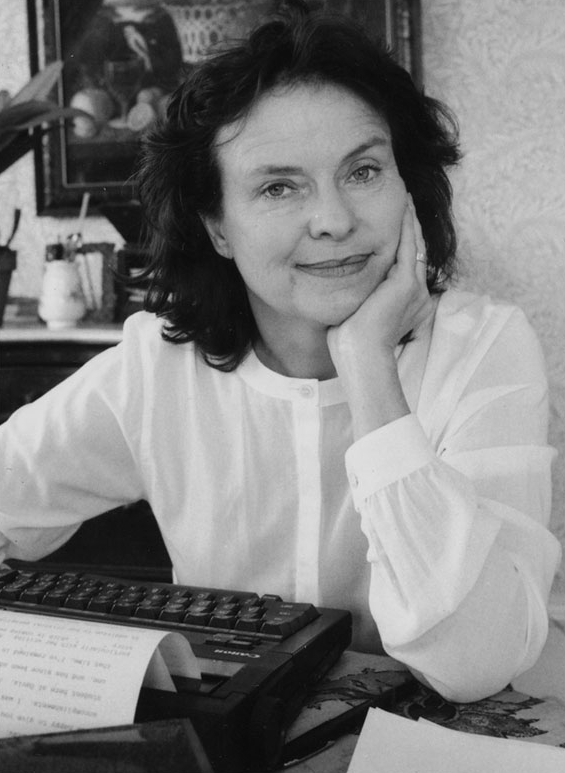
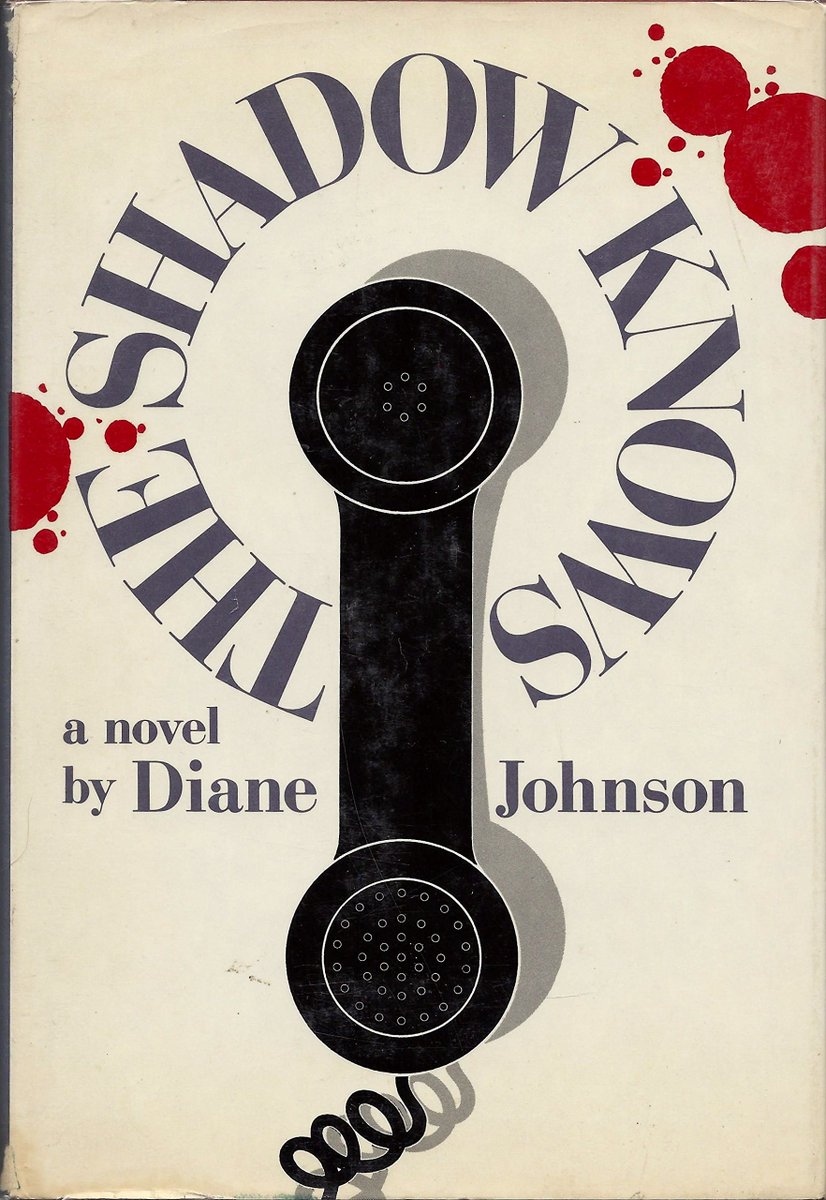
King wrote a screenplay draft for the film. Kubrick completely ignored it, though and called King’s screenwriting, “weak”. Instead, Kubrick decided to adapt the book himself with novelist Diane Johnson, writer of The Shadow Knows.
4/34
4/34
Kubrick would film lots of takes:
- Jack and Grady in the bathroom was 80+ takes
- The bedroom shot of Halloran was 60 takes. Actor Scatman Crothers eventually broke down in tears.
- The baseball bat scene (below) went into the Guinness World Records with 127 takes.
5/34
- Jack and Grady in the bathroom was 80+ takes
- The bedroom shot of Halloran was 60 takes. Actor Scatman Crothers eventually broke down in tears.
- The baseball bat scene (below) went into the Guinness World Records with 127 takes.
5/34
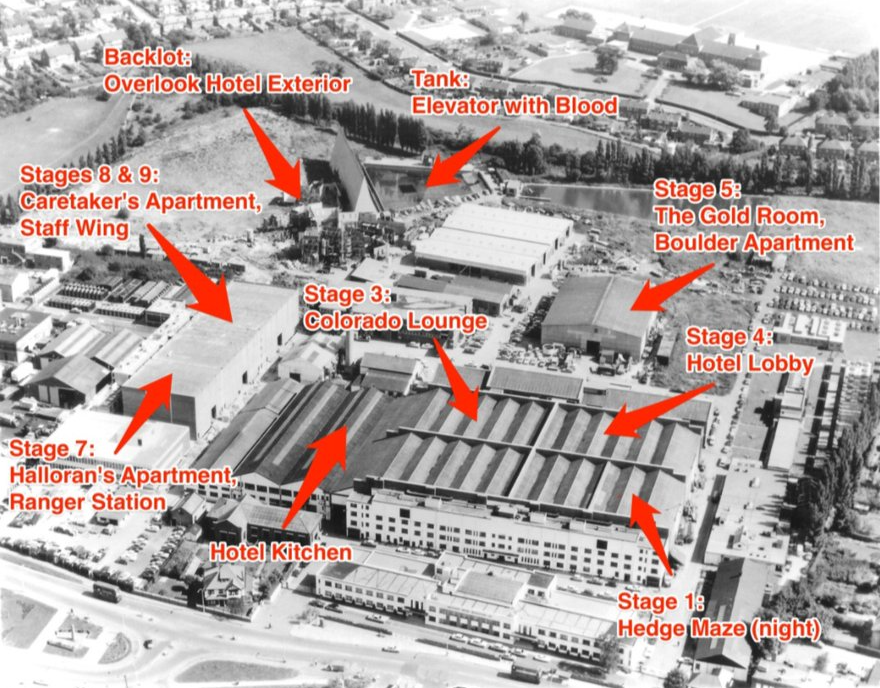
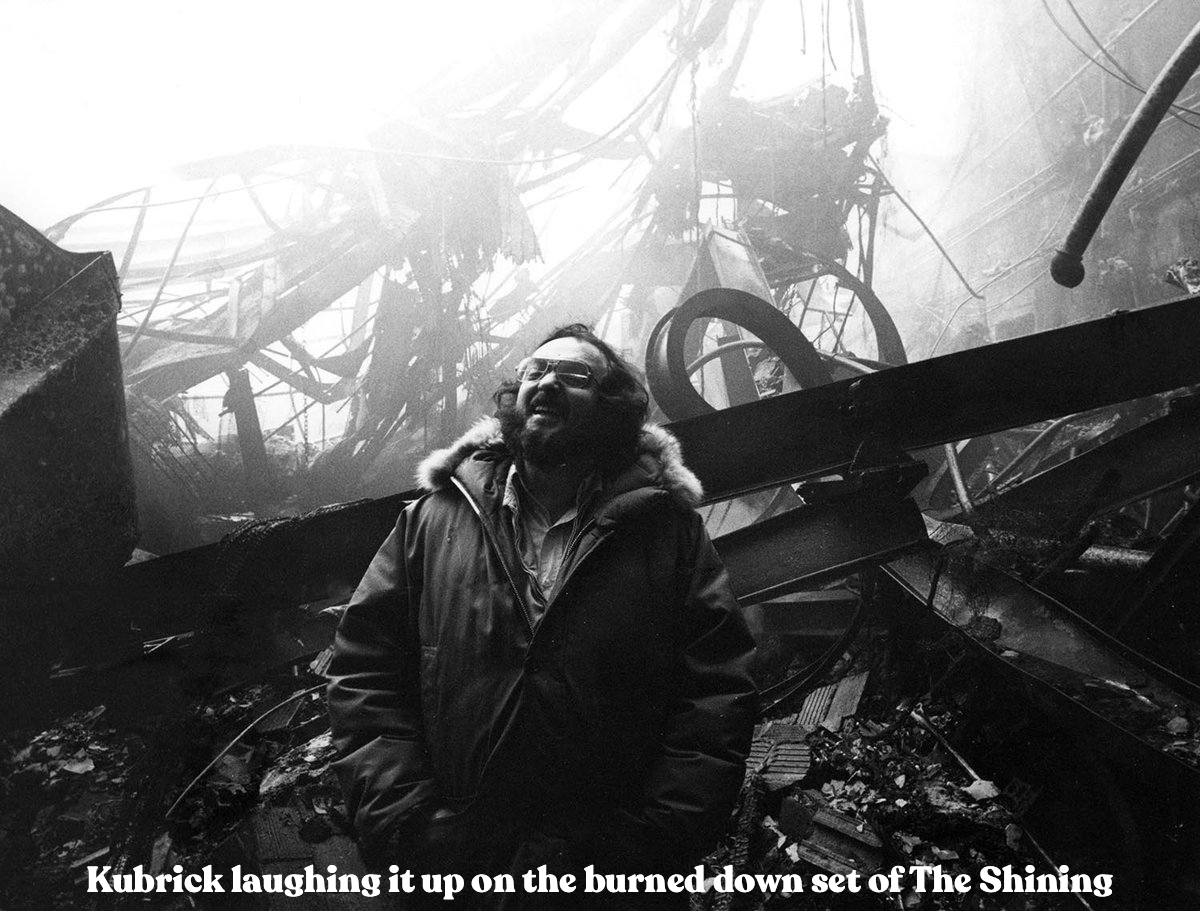
The set was built at Elstree Studios in England, including the Colorado Lounge, the Gold Room, and the hedge maze. During filming, a fire broke out and destroyed the set for The Shining. It cost $2.5m to rebuild.
6/34
6/34
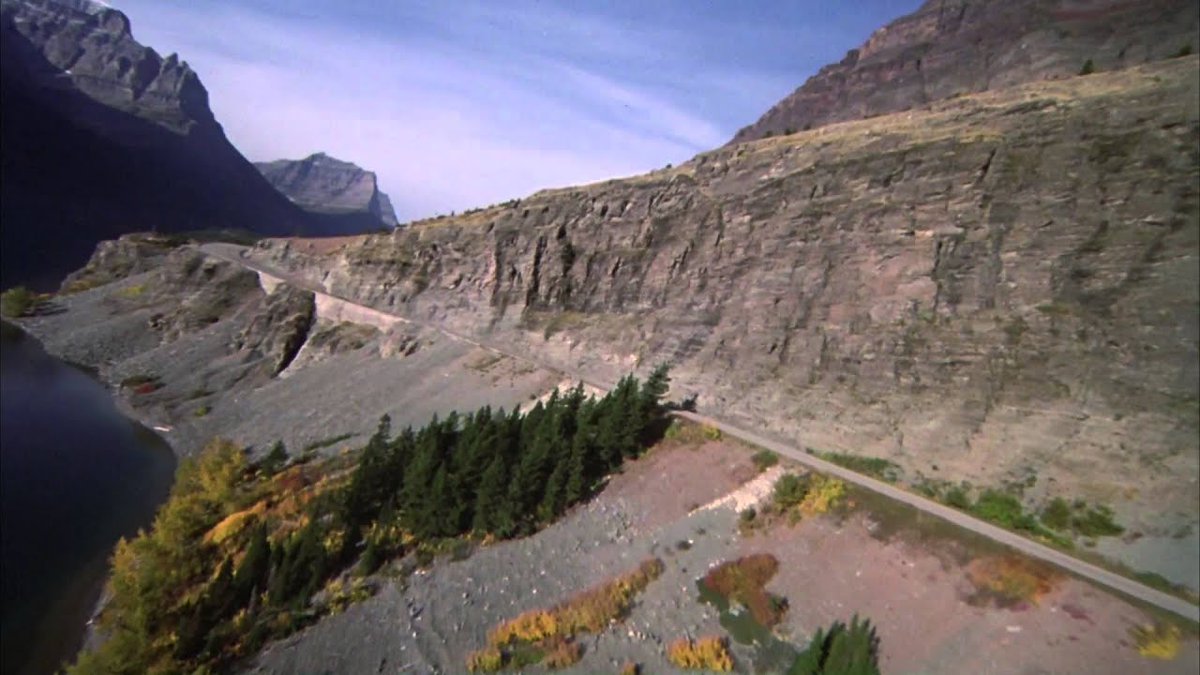
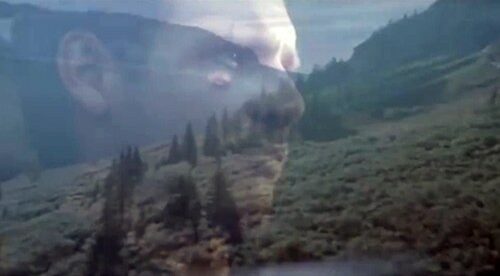
Kubrick sent a camera team over to Colorado to shoot the film’s opening helicopter shots. So much footage was shot that most of it ended up on the cutting room floor, and some of it ended up being used by Ridley Scott in Blade Runner.
7/34
7/34
To create unease, Kubrick added inconsistency:
- We see Jack at his typewriter with furniture behind. Then the furniture disappears.
- When we see Danny playing, the carpet pattern changes direction.
- The office where Jack is interviewed has windows which is impossible.
8/34
- We see Jack at his typewriter with furniture behind. Then the furniture disappears.
- When we see Danny playing, the carpet pattern changes direction.
- The office where Jack is interviewed has windows which is impossible.
8/34
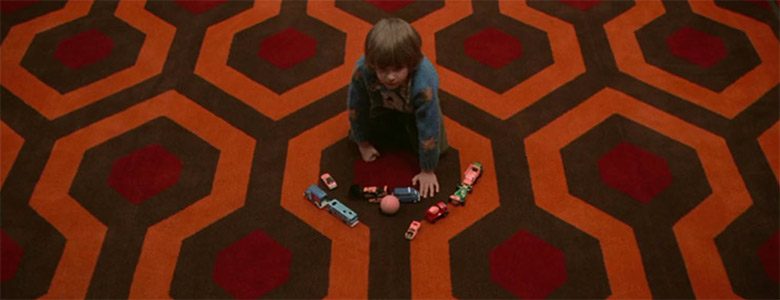
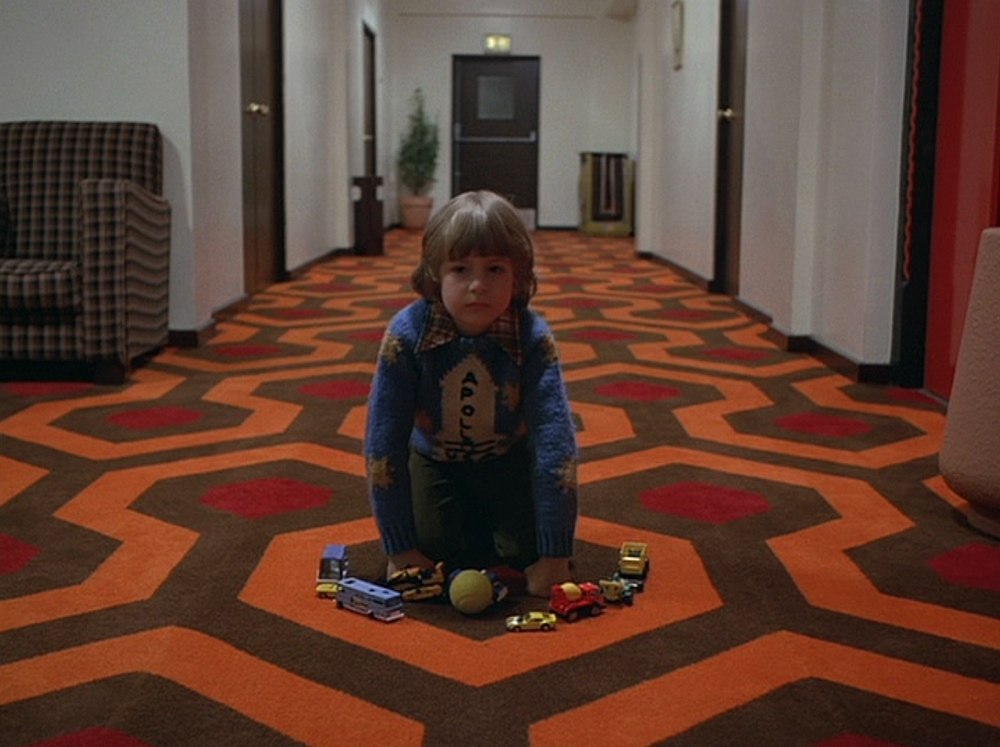
The DP was John Alcott and Kubrick also brought in Garrett Brown who had recently ended the Steadicam. Together, the three of them created some of horror’s most stunning visuals, as showcased in our SnapShot video…
9/34
9/34
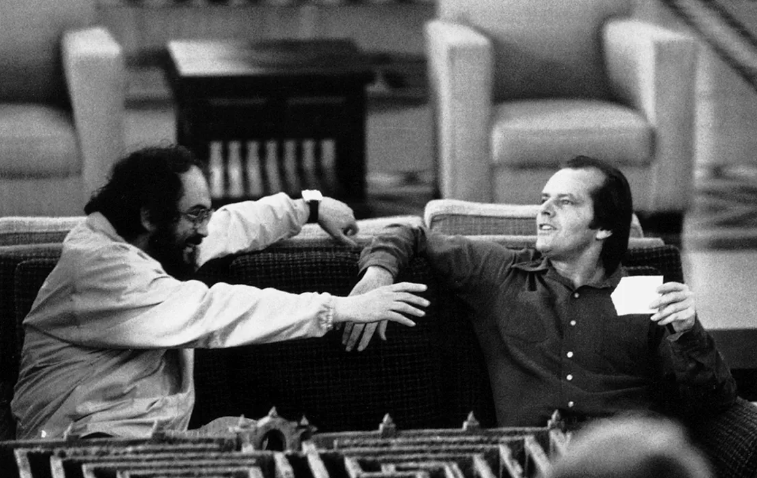
In casting Jack Torrance, Kubrick considered Robert De Niro, Robin Williams, Harrison Ford and Christopher Reeve. He cast Jack Nicholson and said he’s “perhaps on a par with the greatest stars of the past like Spencer Tracy and Jimmy Cagney.”
10/34
10/34
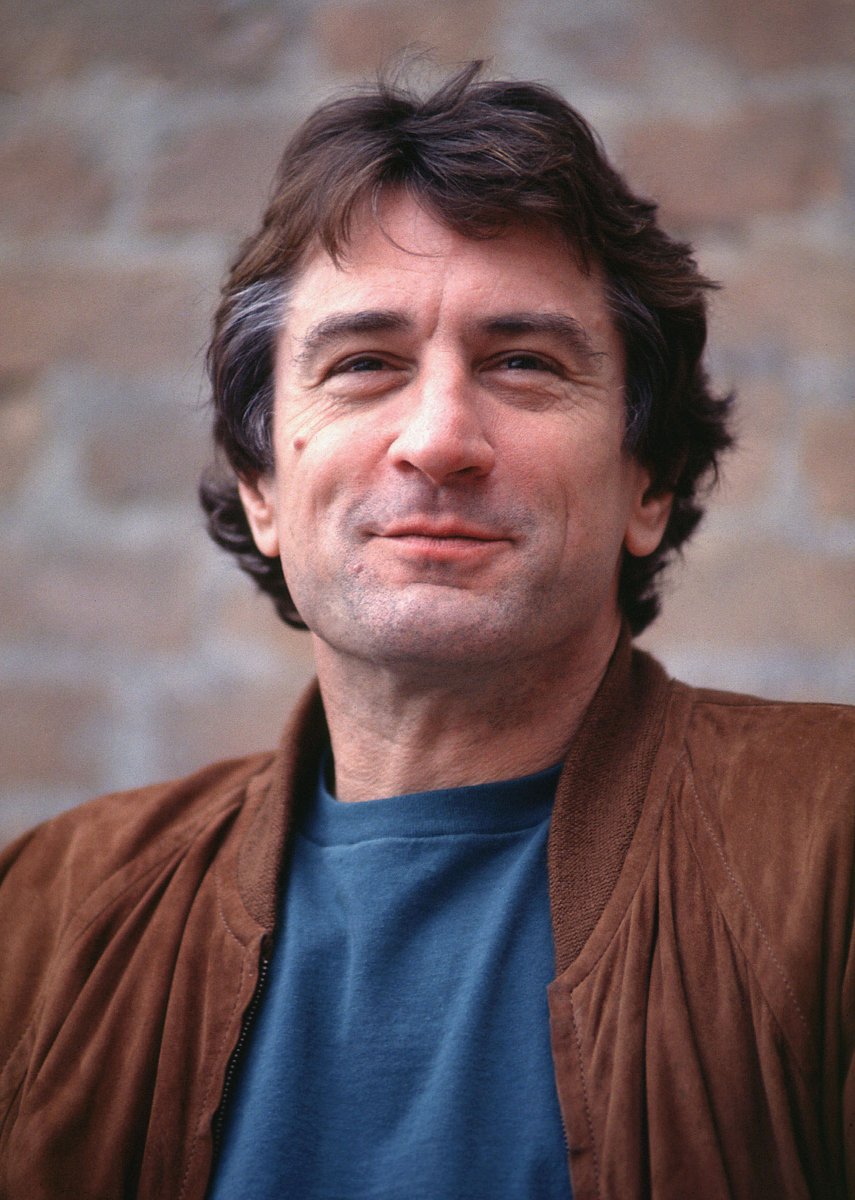
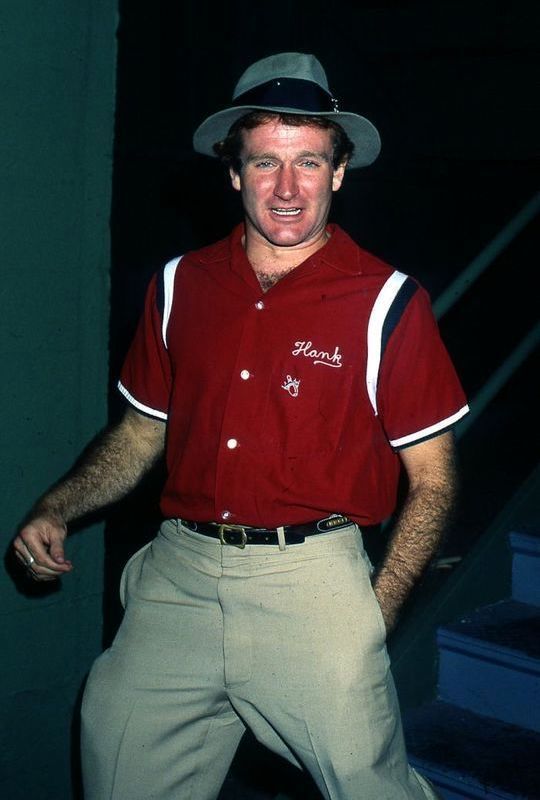
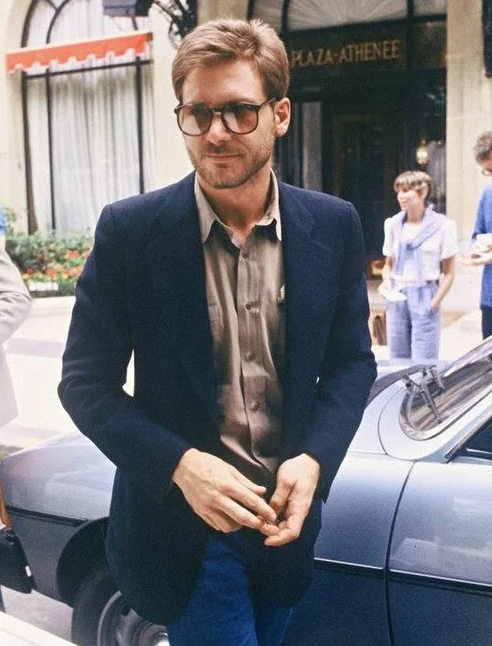
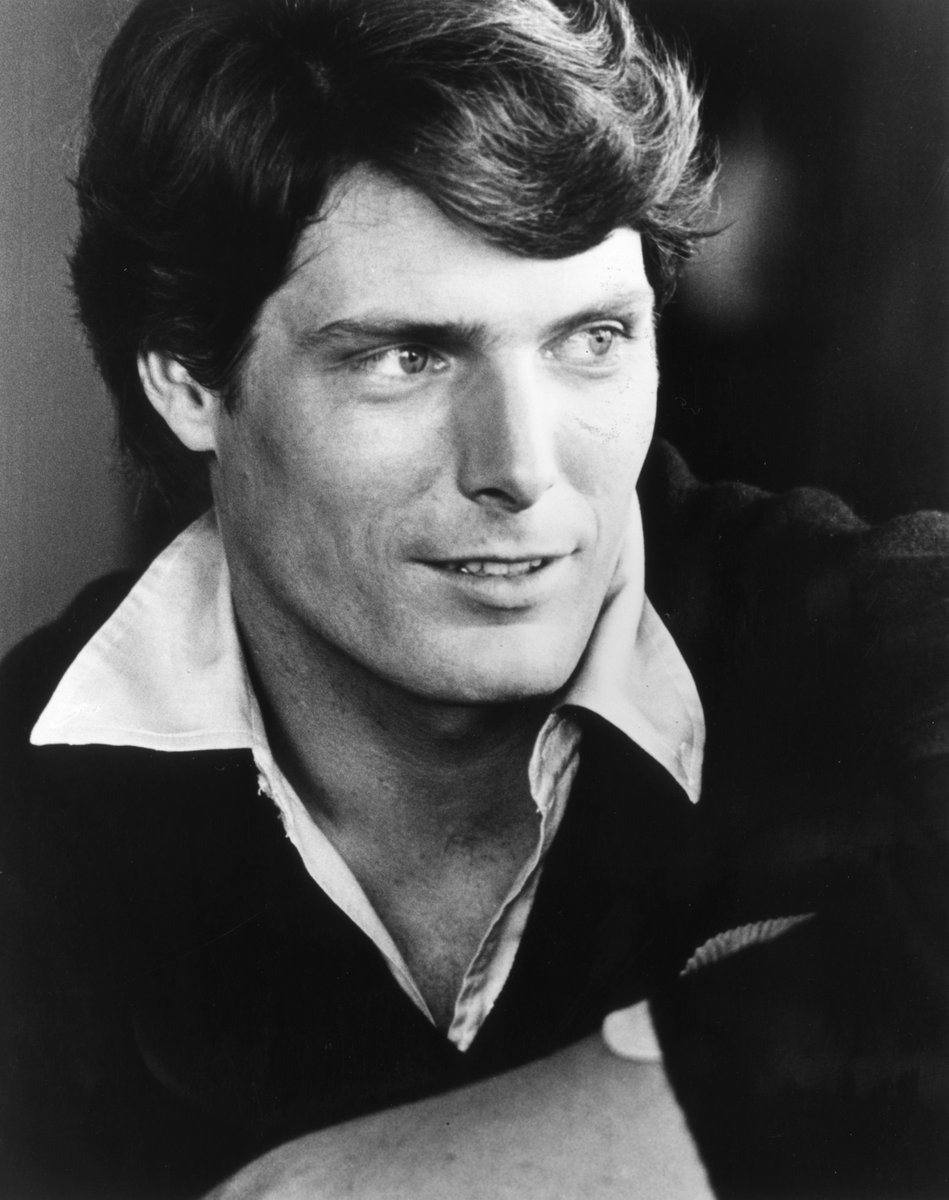
Nicholson went method:
- He ate only cheese sandwiches for 2 weeks before filming because he “f***ing hates cheese sandwiches.”
- In the scene below, Jack snaps at Wendy. Nicholson said “That’s what I was like when I got divorced. I told Stanley and he wrote it in.”
11/34
- He ate only cheese sandwiches for 2 weeks before filming because he “f***ing hates cheese sandwiches.”
- In the scene below, Jack snaps at Wendy. Nicholson said “That’s what I was like when I got divorced. I told Stanley and he wrote it in.”
11/34
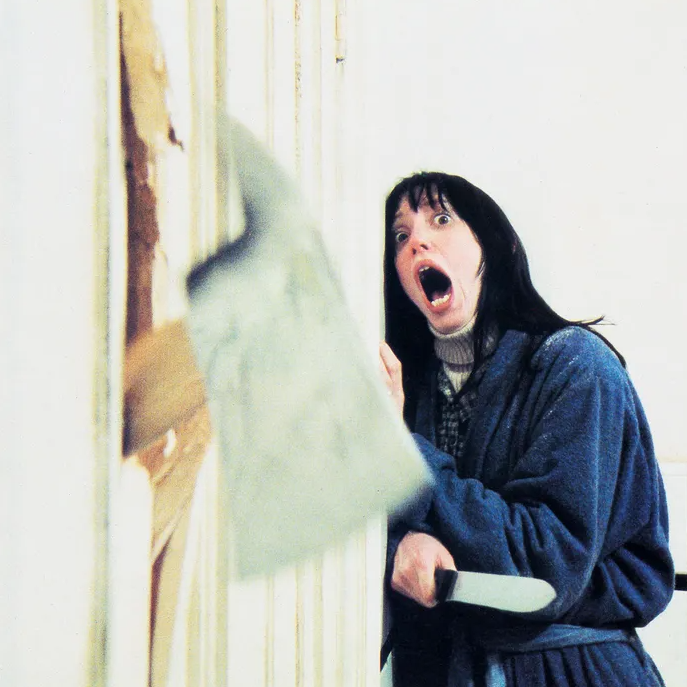
Kubrick cast Shelley Duvall as Wendy because he thought she had an, “eccentric quality,” and would be able to play the type of character that would put up with Jack’s tantrums. Kubrick’s on-set treatment of Duvall has become Hollywood legend.
12/34
12/34
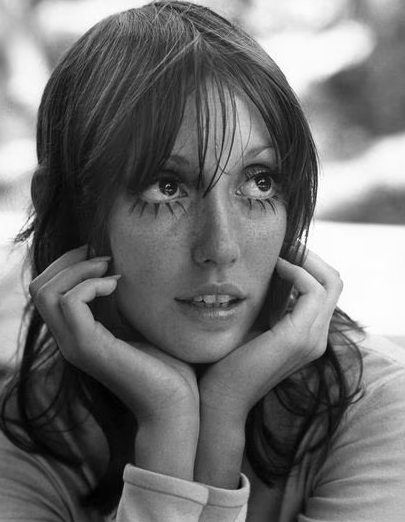
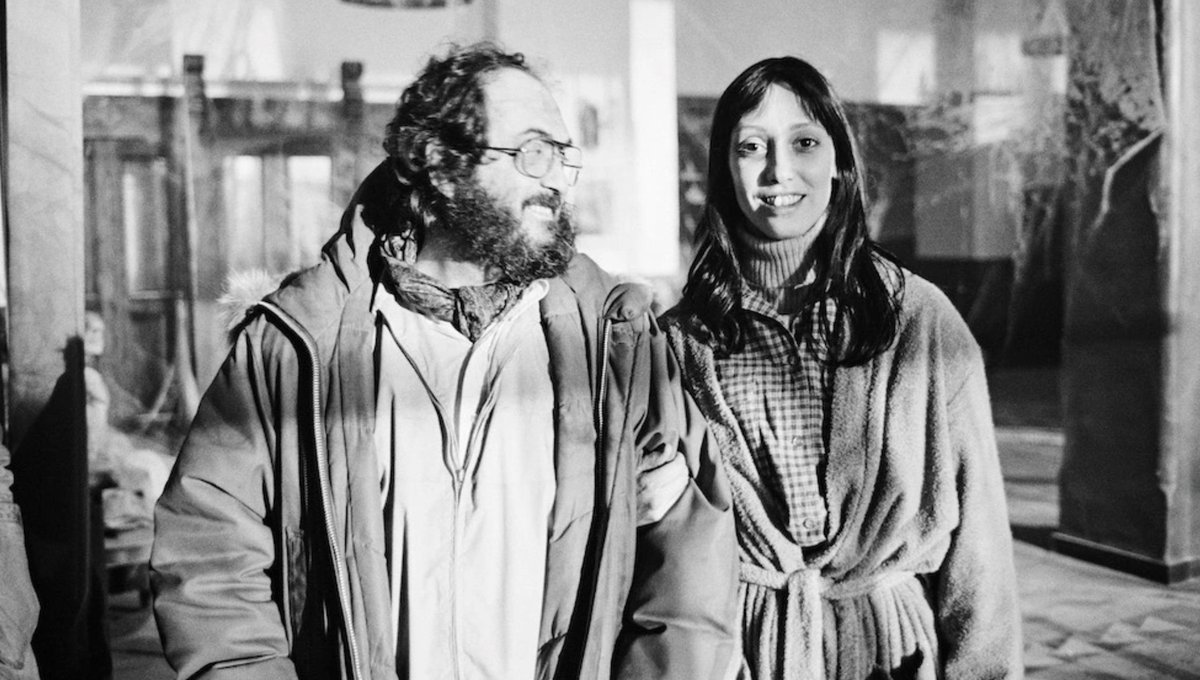
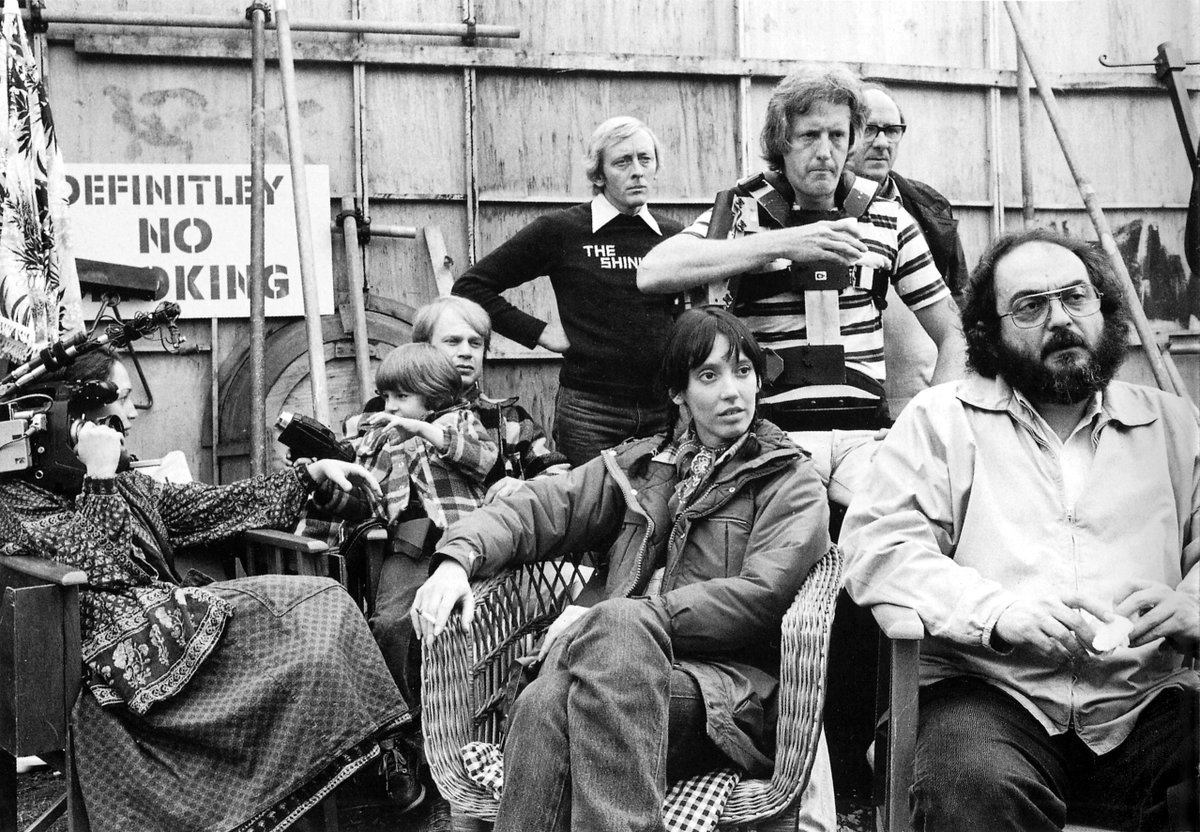
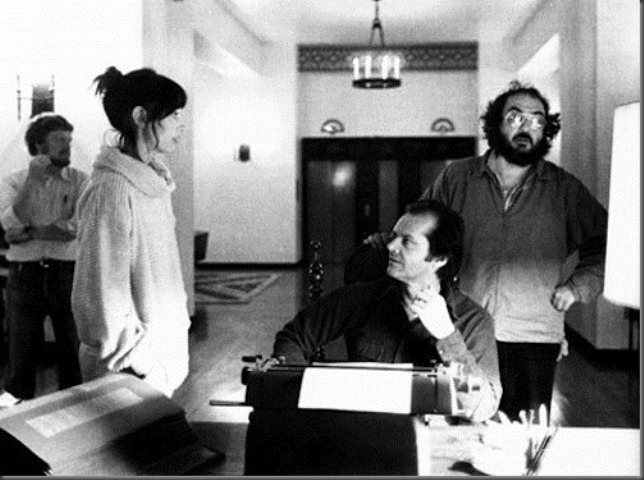
Kubrick had problems with Duvall’s line delivery, her reactions, pretty much all aspects of her performance. In Vivian Kubrick’s documentary footage (below) we see some of the treatment Duvall endured. She later said “It’s the most difficult role I’ve ever had to play.”
13/34
13/34
Danny Torrance was played by Danny Lloyd. He was only 6 so Kubrick protected Lloyd from the movie by telling Lloyd it was a drama. And in the scene below, Shelley Duvall is carrying a life-size dummy rather than Danny Lloyd.
14/34
14/34
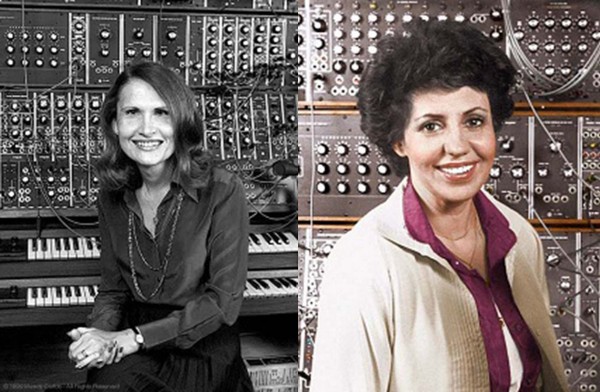
The music was by Wendy Carlos & Rachael Elkind. They scored the entire picture but Kubrick only used a few cues. The majority of the music was by a Polish composer called Krzystof Penderecki.
15/34
15/34
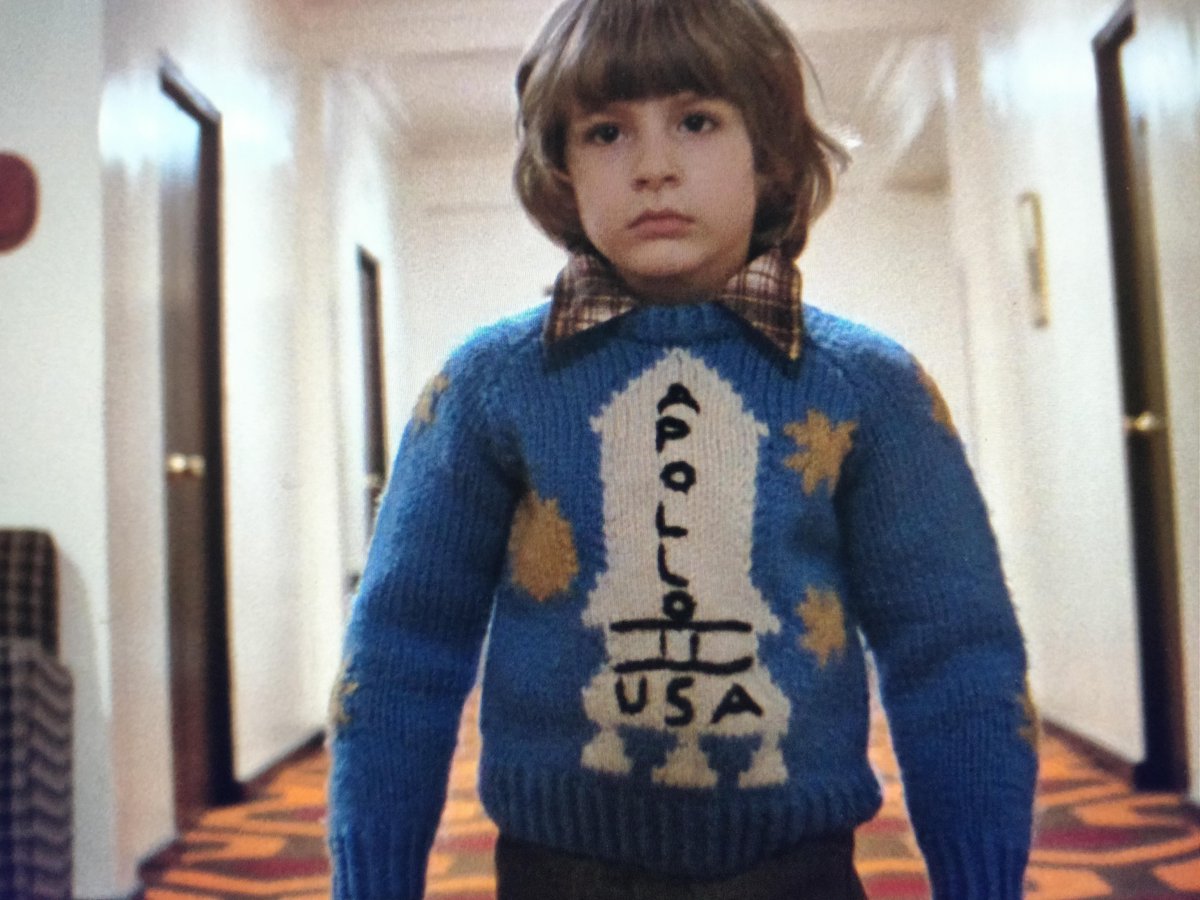
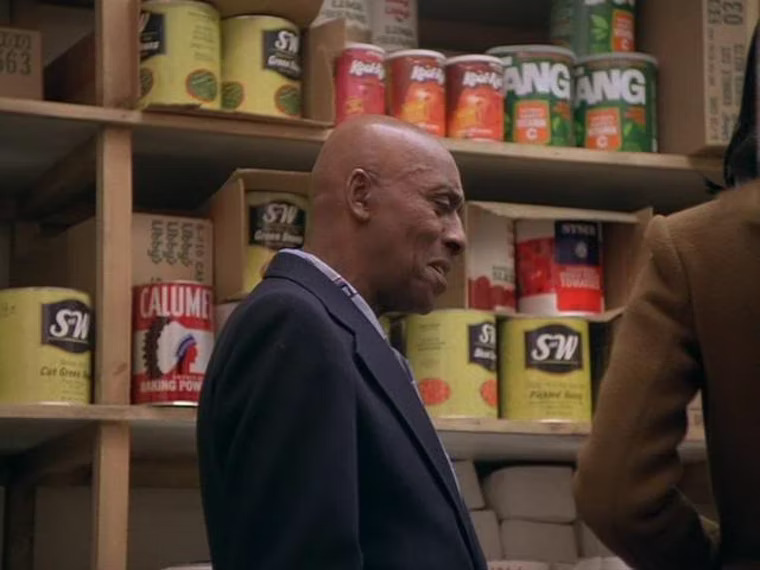
There have been a lot of theories put forward about the film. There are several references to genocide - of Native Americans and the Holocaust. The most talked about theory is that some people believe Kubrick directed the footage of the 1969 moon landing.
16/34
16/34
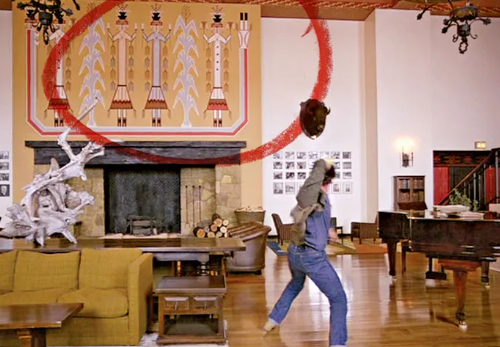
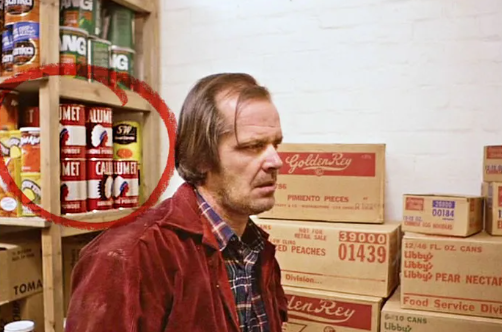
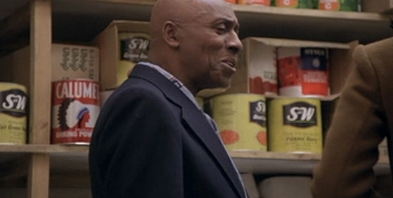
Some clues on the moon landing:
- Danny wears a sweater displaying Apollo 11.
- Tang, a NASA drink, is seen in the pantry.
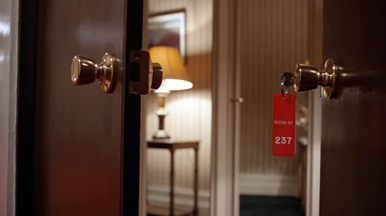
- The haunted room is no. 237 – Earth is 237,000 miles to the moon.
- The key fob for Room 237 has the letters ‘ROOM NO’ – a near anagram of ‘Moon’.
17/34
- Danny wears a sweater displaying Apollo 11.
- Tang, a NASA drink, is seen in the pantry.
- The haunted room is no. 237 – Earth is 237,000 miles to the moon.
- The key fob for Room 237 has the letters ‘ROOM NO’ – a near anagram of ‘Moon’.
17/34
One of the most famous images is the Elevator of Blood. Because it could’ve caused problems, Kubrick planned it for an entire year and managed to get it in just three takes.
18/34
18/34
The first trailer for the film was just the Elevator of Blood. The MPAA weren’t happy about the amount of blood being shown. Kubrick managed to persuade them that the liquid wasn’t blood, it was rusty water, and the trailer was passed.
19/34
19/34
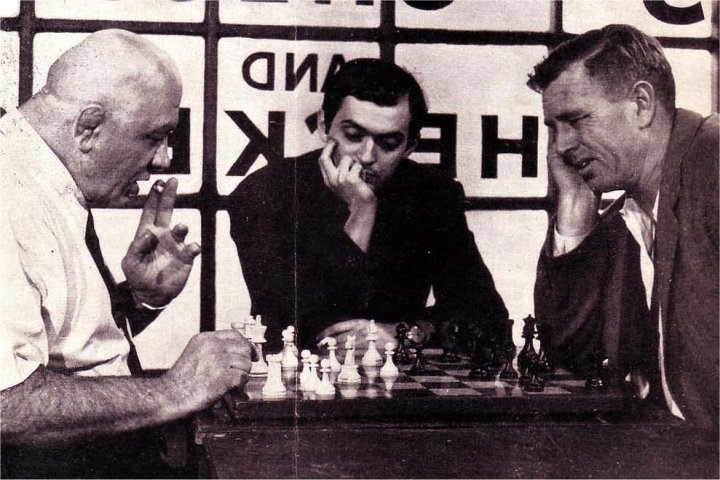
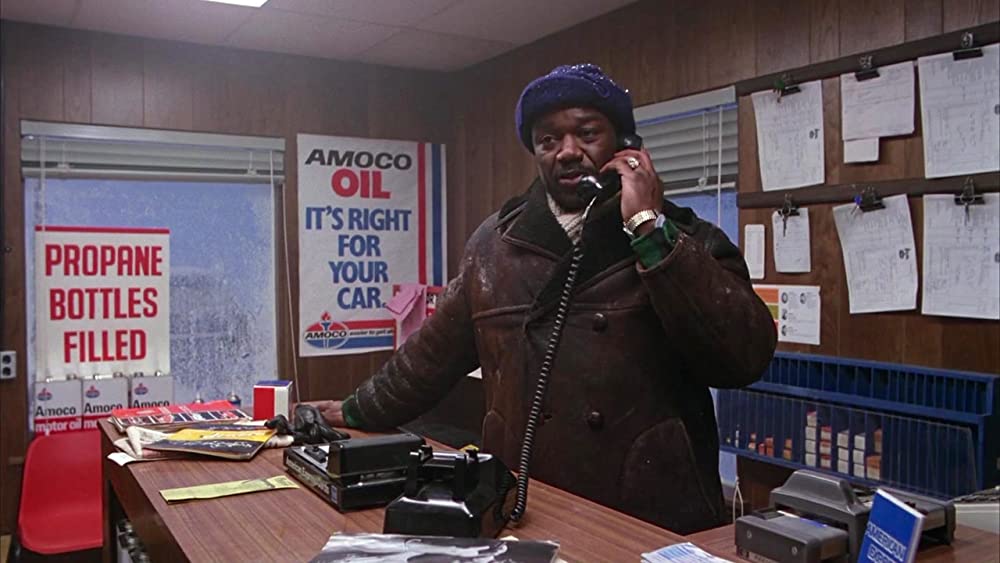
Kubrick loved chess and would play it on his movie sets. When actor Tony Burton (who’s in the U.S. cut) arrived on The Shining with a chess board, Kubrick halted production so he could squeeze a quick game in.
20/34
20/34
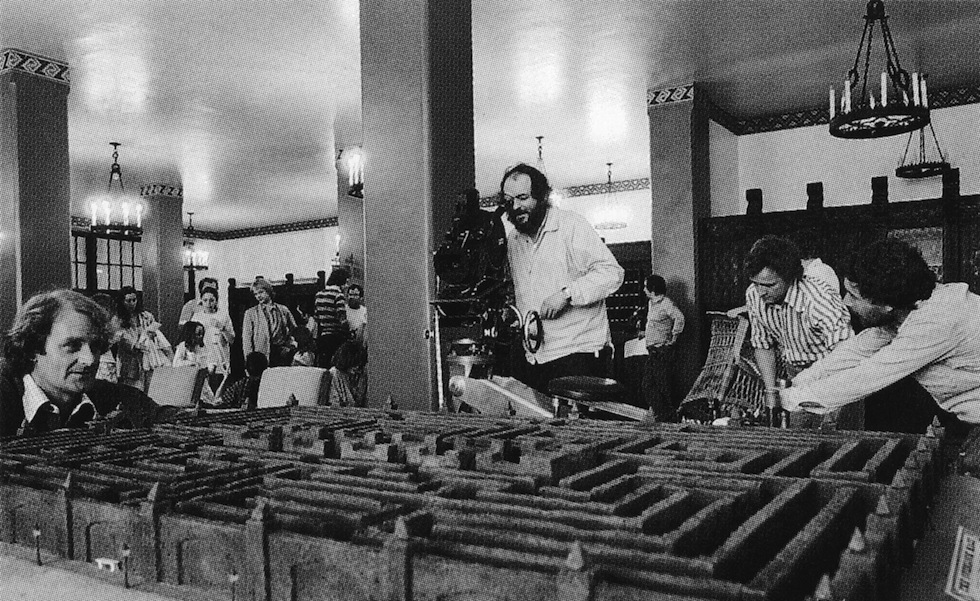
The film has one visual effects shot in the film, below. They built a life-size replica of the maze next to a tall building. The crew hung off the building to get the overhead shot of Wendy and Danny. This was then superimposed over a shot of the scale model.
21/34
21/34
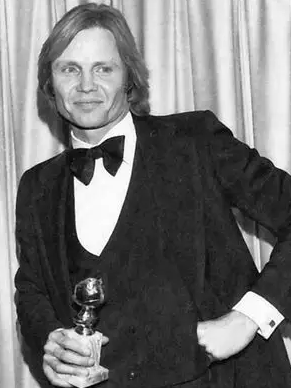
Famously, Stephen King doesn’t like the film:
- He wanted to cast Jon Voight ahead of Nicholson.
- He didn’t like Wendy: “One of the most misogynistic characters. She’s there to scream and be stupid.”
- He called the film “a beautiful Cadillac with no engine inside.”
22/34
- He wanted to cast Jon Voight ahead of Nicholson.
- He didn’t like Wendy: “One of the most misogynistic characters. She’s there to scream and be stupid.”
- He called the film “a beautiful Cadillac with no engine inside.”
22/34

There’s a scene when Halloran is on his way to the Overlook and passes a car wreck. The car is a red Beetle, which King drove in real life and Jack drove in his novel. As Jack drives a yellow Beetle in the film, a lot of people have taken this as a swipe at King.
23/34
23/34
King said that through production Kubrick would call him, often in the middle of the night. One time, Kubrick called at 3am to ask, “Do you believe in God?” When King replied yes, Kubrick slammed the phone down yelling, “I KNEW IT!”
24/34
24/34


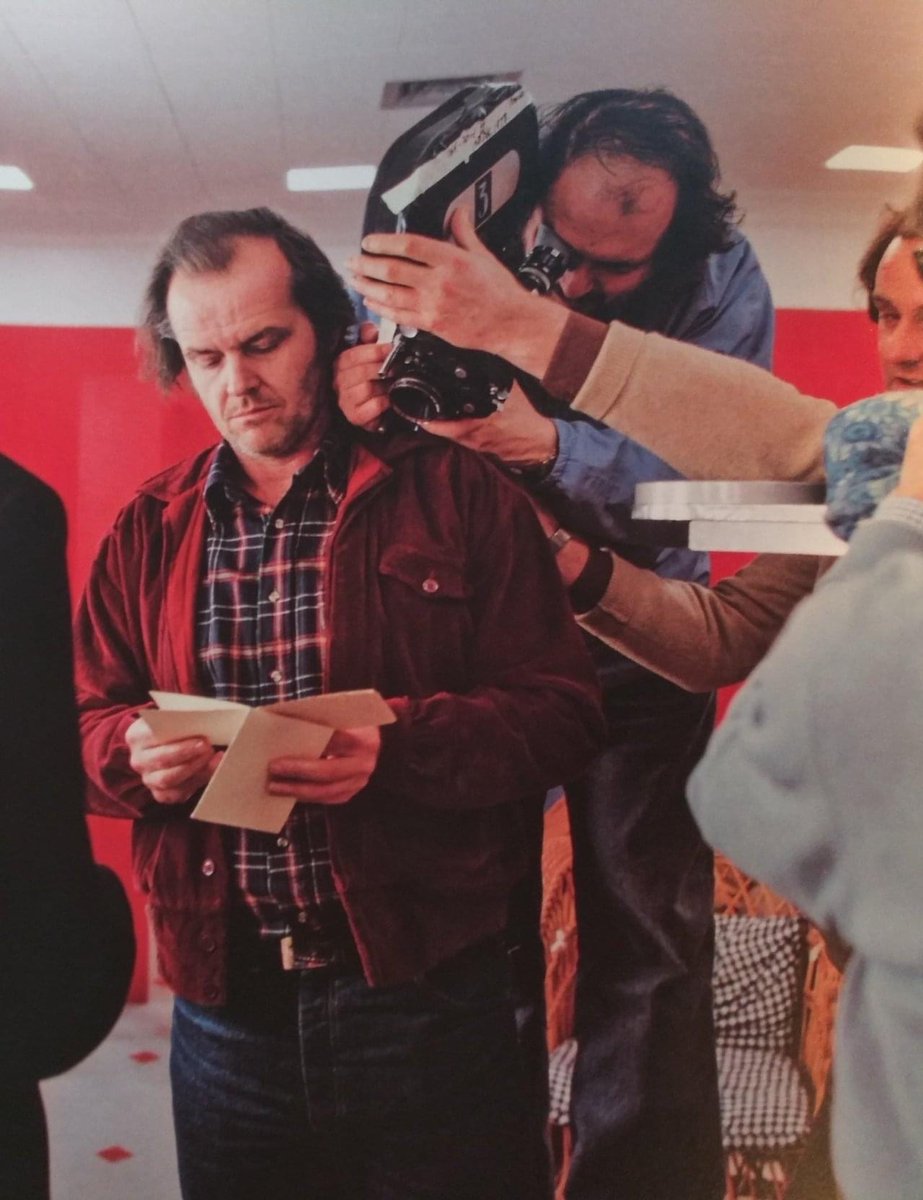
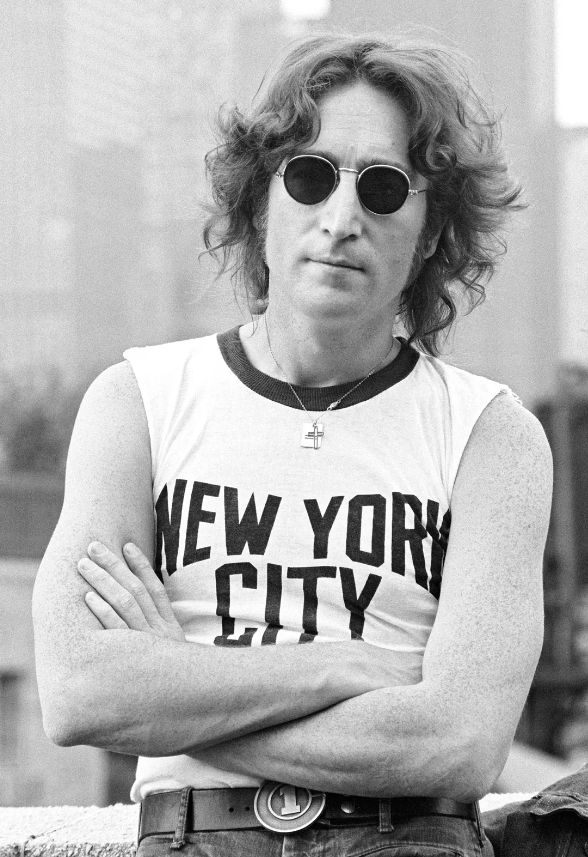
In both the book and the film, the title ‘The Shining’ refers to the mysterious telepathic abilities Danny displays, shared by Halloran. King took the title from the John Lennon song Instant Karma. In that song, Lennon repeats the lyric, “We all shine on.”
25/34
25/34
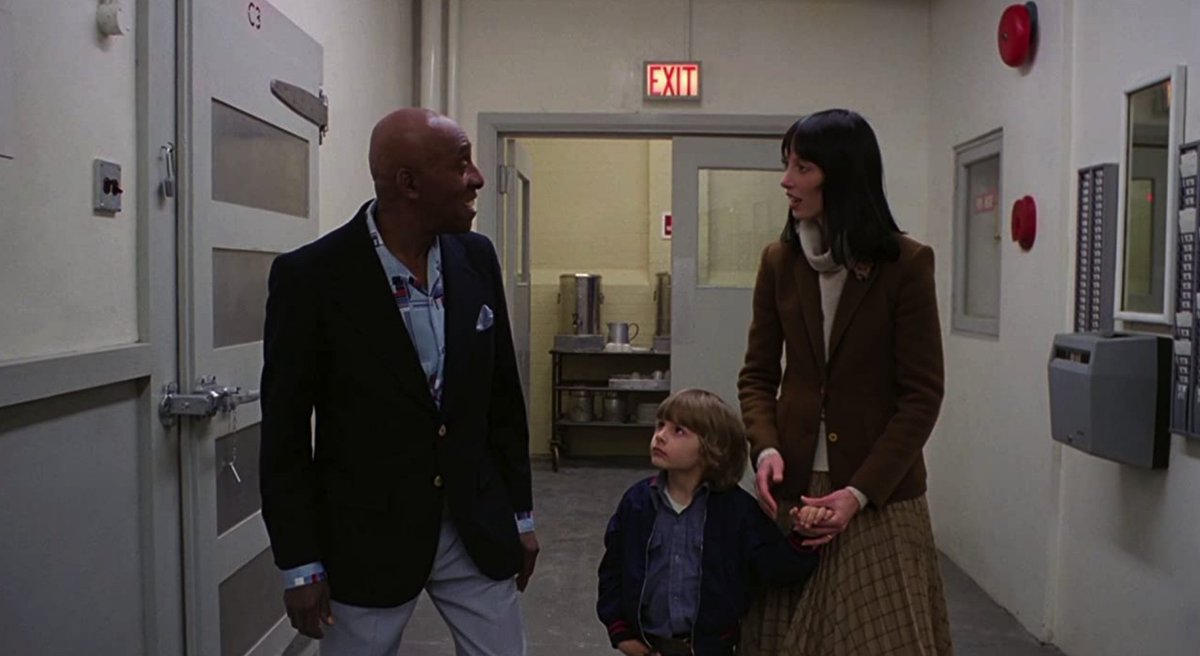
Wendy knows all isn’t well with Jack when she finds what he’s been working on. The same line written again and again: “All work and no play makes Jack a dull boy. Kubrick’s assistant was Emilio D’Alessandro. He spent months at his typewriter.
26/34 twitter.com/i/web/status/1…
26/34 twitter.com/i/web/status/1…
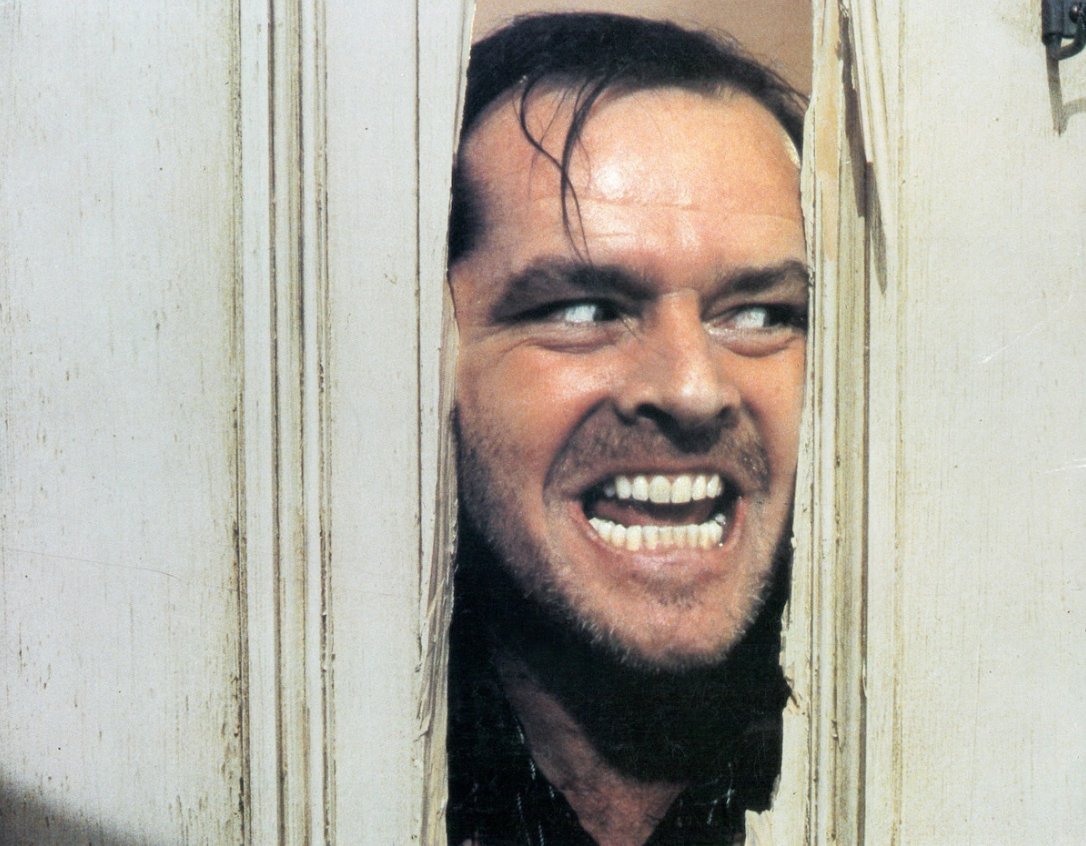
The most famous scene is when Jack smashes the door. Kubrick shot it with a fake door but Nicholson broke it down easily. The scene took 30 days to film and in that time, Nicholson got through 60 doors, a rate of 2 per day. This is him getting into character…
27/34
27/34
Jack pokes his head through the wrecked frame and sneers, “Here’s Johnny!” Nicholson took the line from talk show host Johnny Carson. Because Kubrick was living in England, he didn’t understand and almost removed it from the final cut before deciding to leave it in.
28/34
28/34
In King’s novel, there isn’t a maze, rather topiary (bushes clipped into the shape of animals) that comes to life and attacks. This was impractical from an effects point of view so Kubrick came up with the maze himself and used that as the setting for his climax.
29/34
29/34
The snow wasn’t real and made of 900 tons of salt and polystyrene. The maze itself was built around two-thirds of the actual size at an airfield nearby. Kubrick thought the maze would be easy to solve. He went into it and wound up getting lost.
30/34
30/34

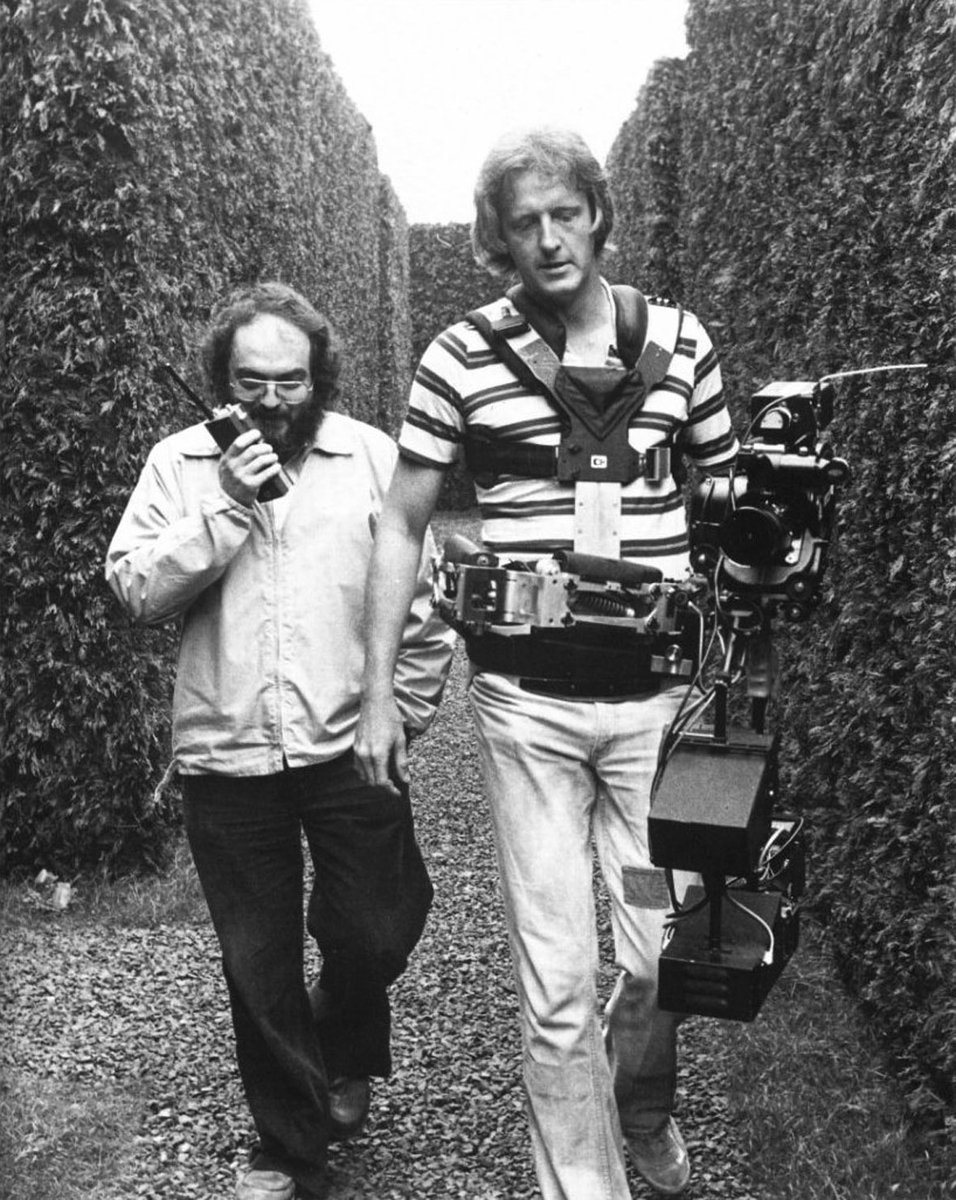
The Shining opened to derision in the U.S. in 1980. Some reviews from the time:
Variety magazine said: “With everything to work with… Kubrick has teamed with jumpy Jack Nicholson to destroy all that was so terrifying about Stephen King’s bestseller.”
31/34
Variety magazine said: “With everything to work with… Kubrick has teamed with jumpy Jack Nicholson to destroy all that was so terrifying about Stephen King’s bestseller.”
31/34

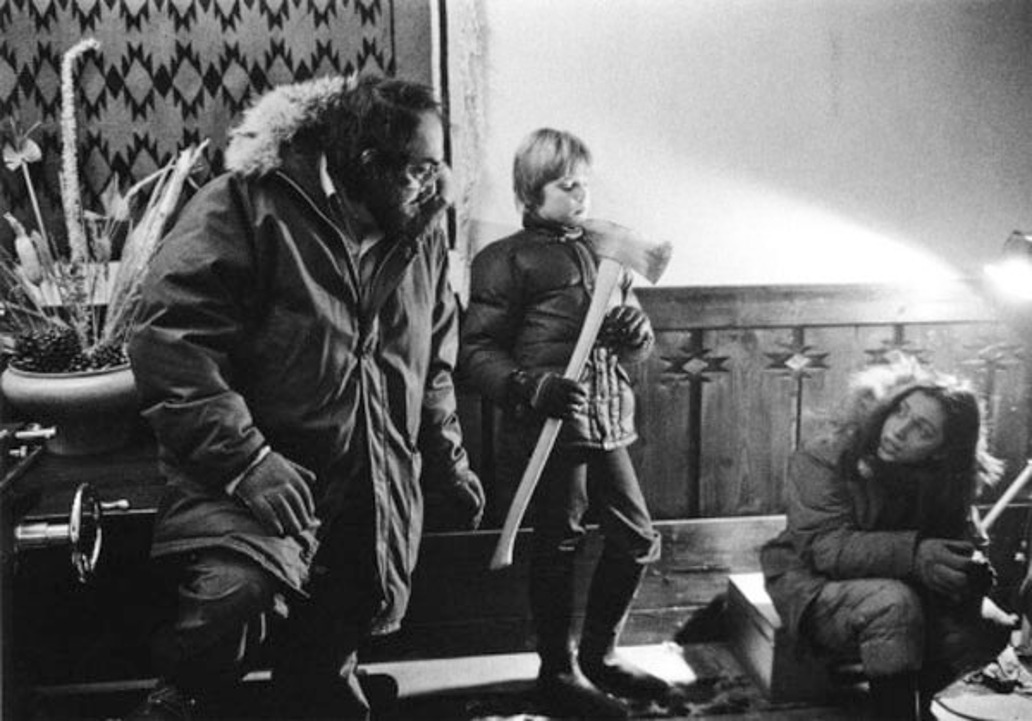
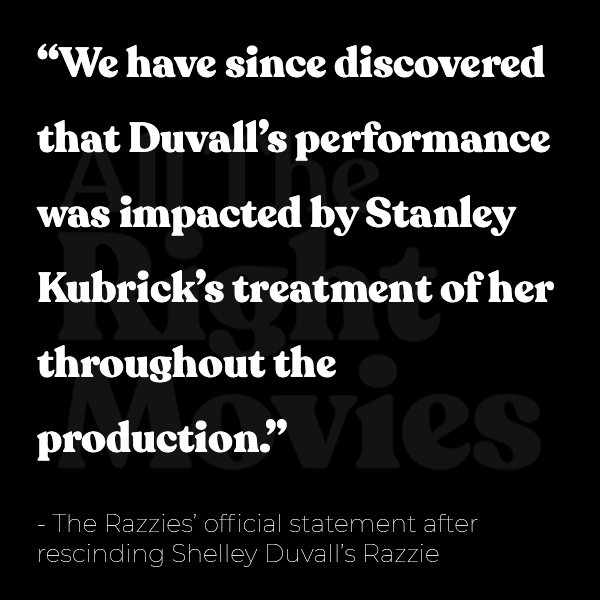
The Shining received no Oscars recognition but at the Razzies, Kubrick was nominated for Worst Director and Shelley Duvall received the honour of a Worst Actress nomination. (Duvall’s nomination was rescinded in 2022.
32/34
32/34

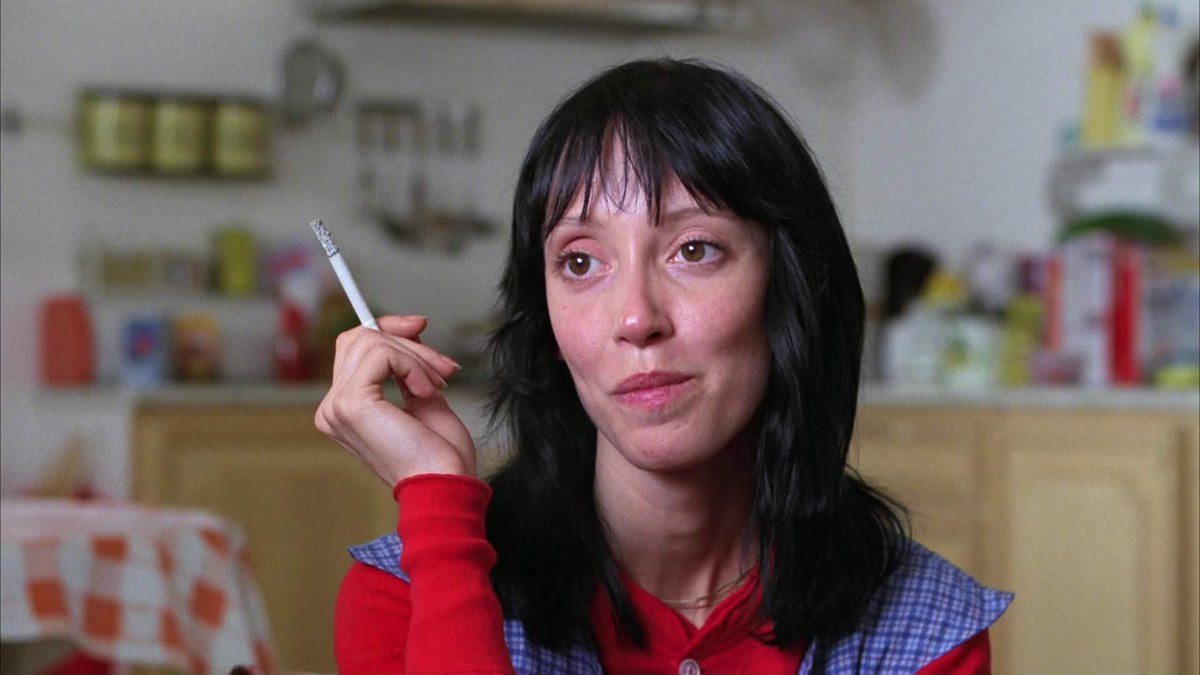
Scatman Crothers did win a Saturn Award for Best Supporting Actor and, despite being released on the same day as The Empire Strikes Back, The Shining did make a profit. On a budget of $19 million it returned $46.2 million.
33/34
33/34



To end, one of the most iconic scenes in horror…
34/34
34/34
If you liked this thread, please RT the first tweet...
https://twitter.com/ATRightMovies/status/1660962125588705280?s=20
Our podcast episode on THE SHINING is full of huge laughs and opinions. Please check it out 😀
alltherightmovies.com/podcast/the-sh…
alltherightmovies.com/podcast/the-sh…
• • •
Missing some Tweet in this thread? You can try to
force a refresh