Read on Twitter
漂流
Hyoryu-Adrift: 484 Days at Sea🧵
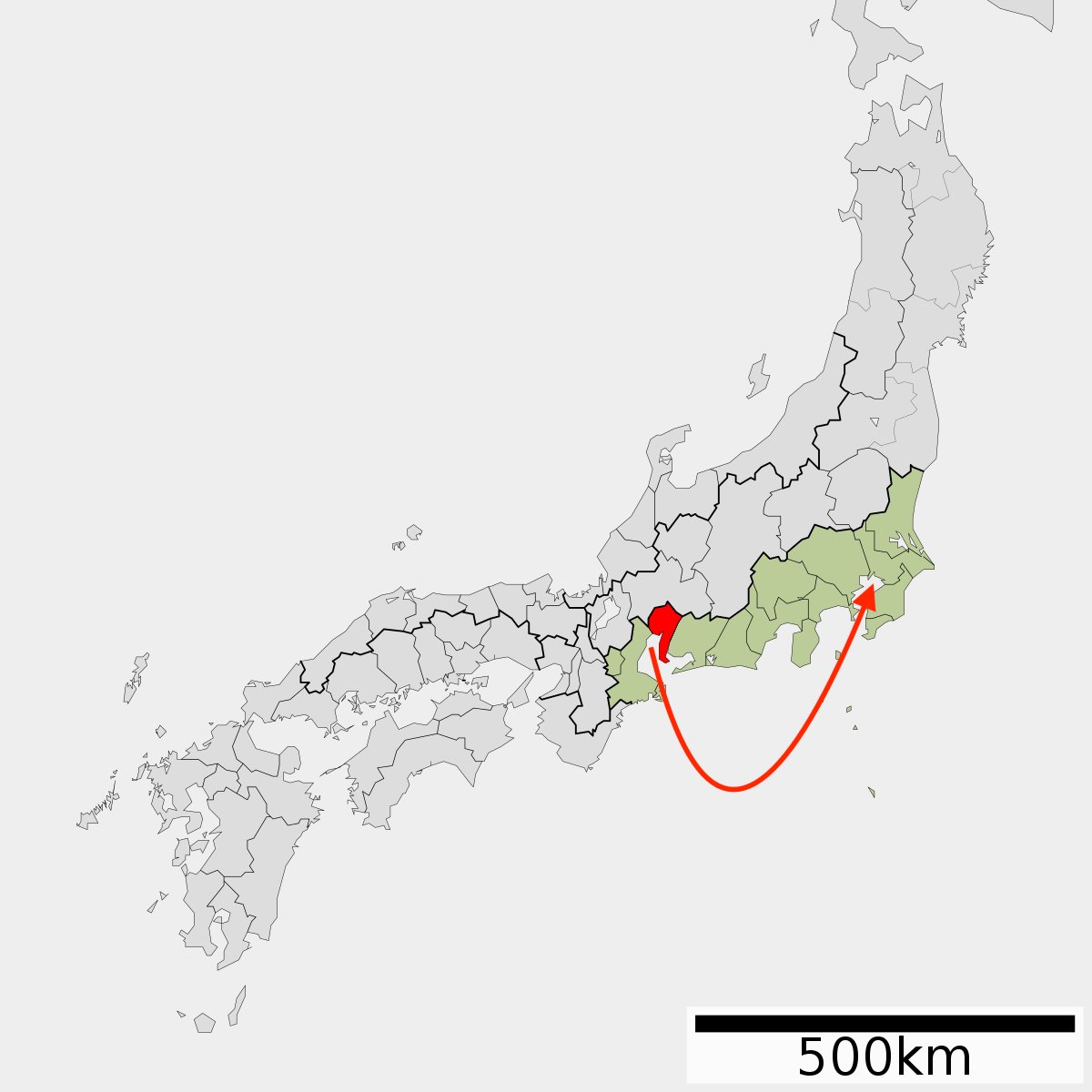
Fifteen year old Oguri Jukichi's (1785~1853) boat was struck by a storm while on its way to Edo, forcing it far from the regular shipping lanes. Though loaded with food, the crew began to despair. Jukichi spent a year and a half adrift.
Hyoryu-Adrift: 484 Days at Sea🧵
Fifteen year old Oguri Jukichi's (1785~1853) boat was struck by a storm while on its way to Edo, forcing it far from the regular shipping lanes. Though loaded with food, the crew began to despair. Jukichi spent a year and a half adrift.

The boat they were sailing on, the Tokujo-Maru, was a 120 ton vessel carrying a cargo of rice, soybeans and oil. It departed Owari, bound for Edo. At the time, such ships rarely ventured far from shore thus captains only paid attention to the wind and didn't account for currents.
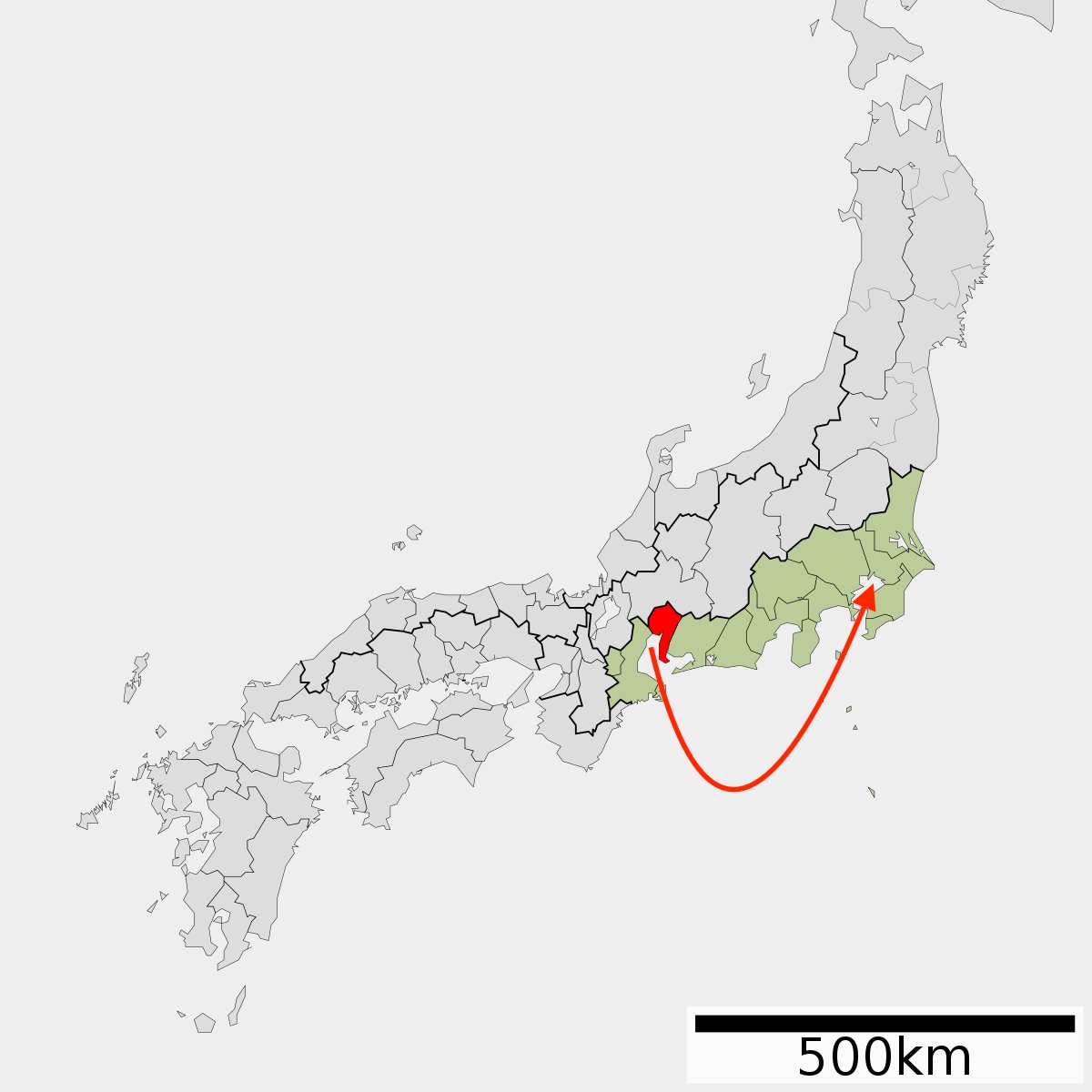
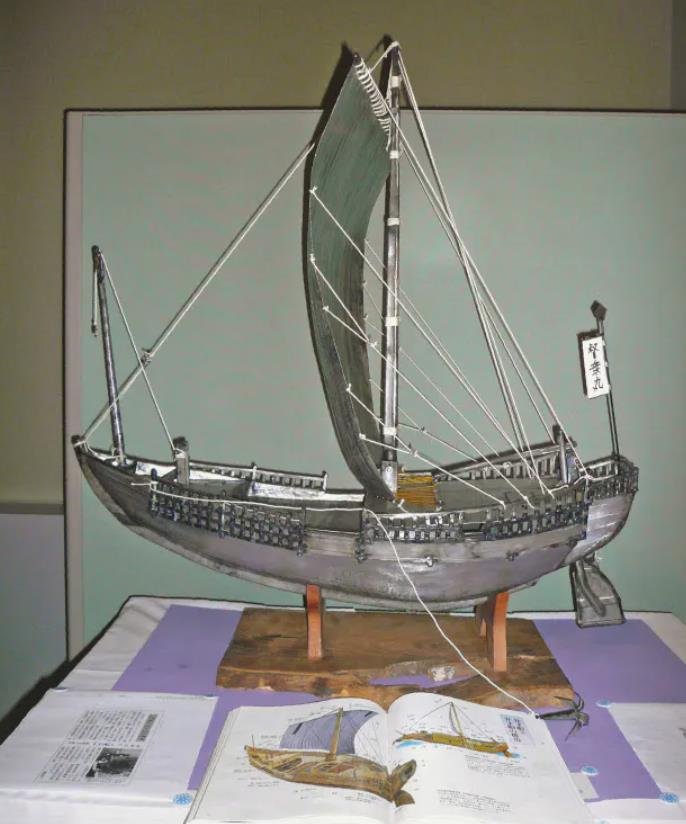
The boat departed on November 4th. That night, a furious storm blew in from the northeast, so the crew lowered the sail. During this action one crew member fell overboard. They launched their dingy called a Hashike 端舟as a life preserver, but the man was lost, as was the boat.

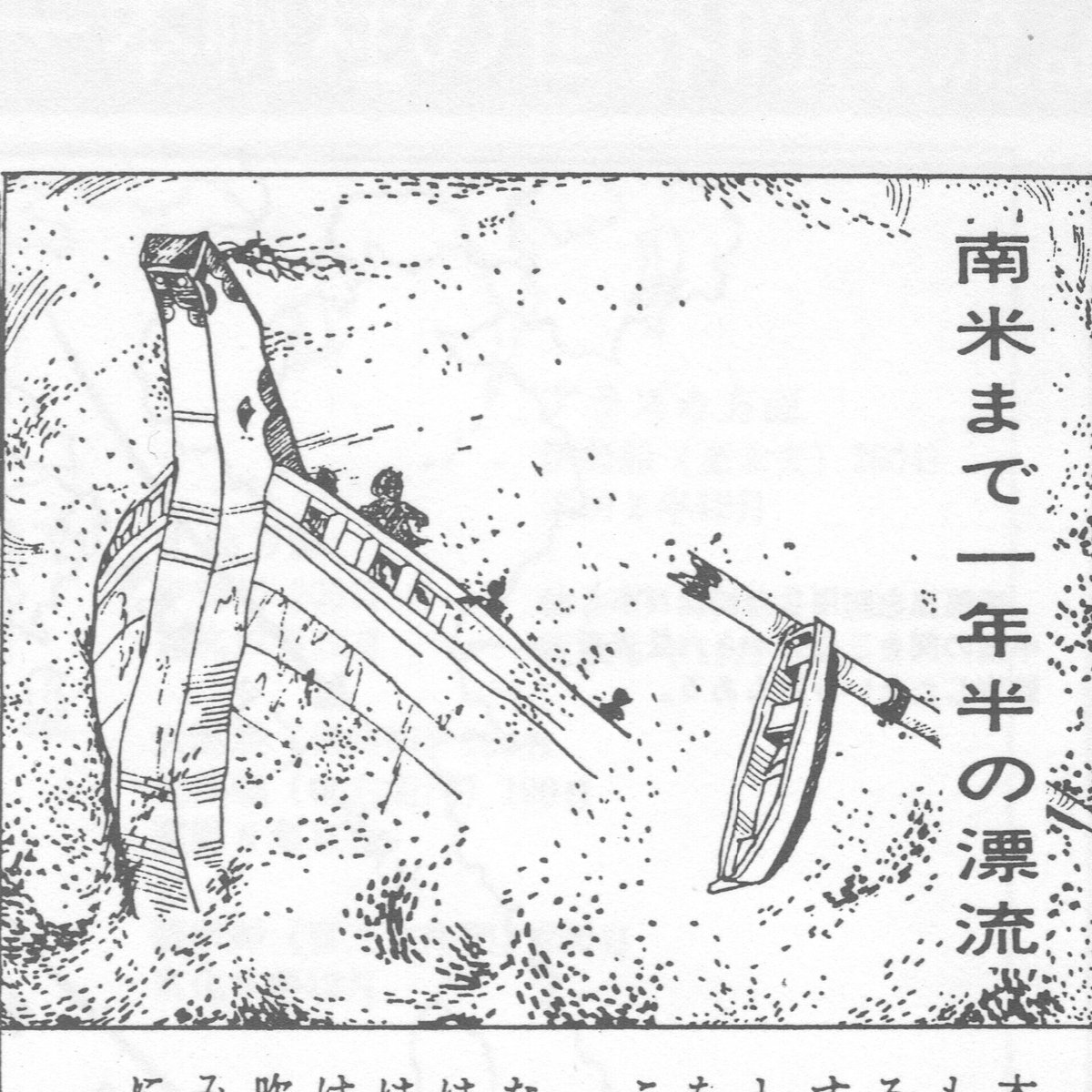
The crew of the Tokujo-Maru somehow managed to lower their sail, however they were unable to control their ship.
Then the wind changed from the NE and started blowing from the NW, meaning the boat got pounded by huge waves. At one point they briefly caught sight of land.
Then the wind changed from the NE and started blowing from the NW, meaning the boat got pounded by huge waves. At one point they briefly caught sight of land.
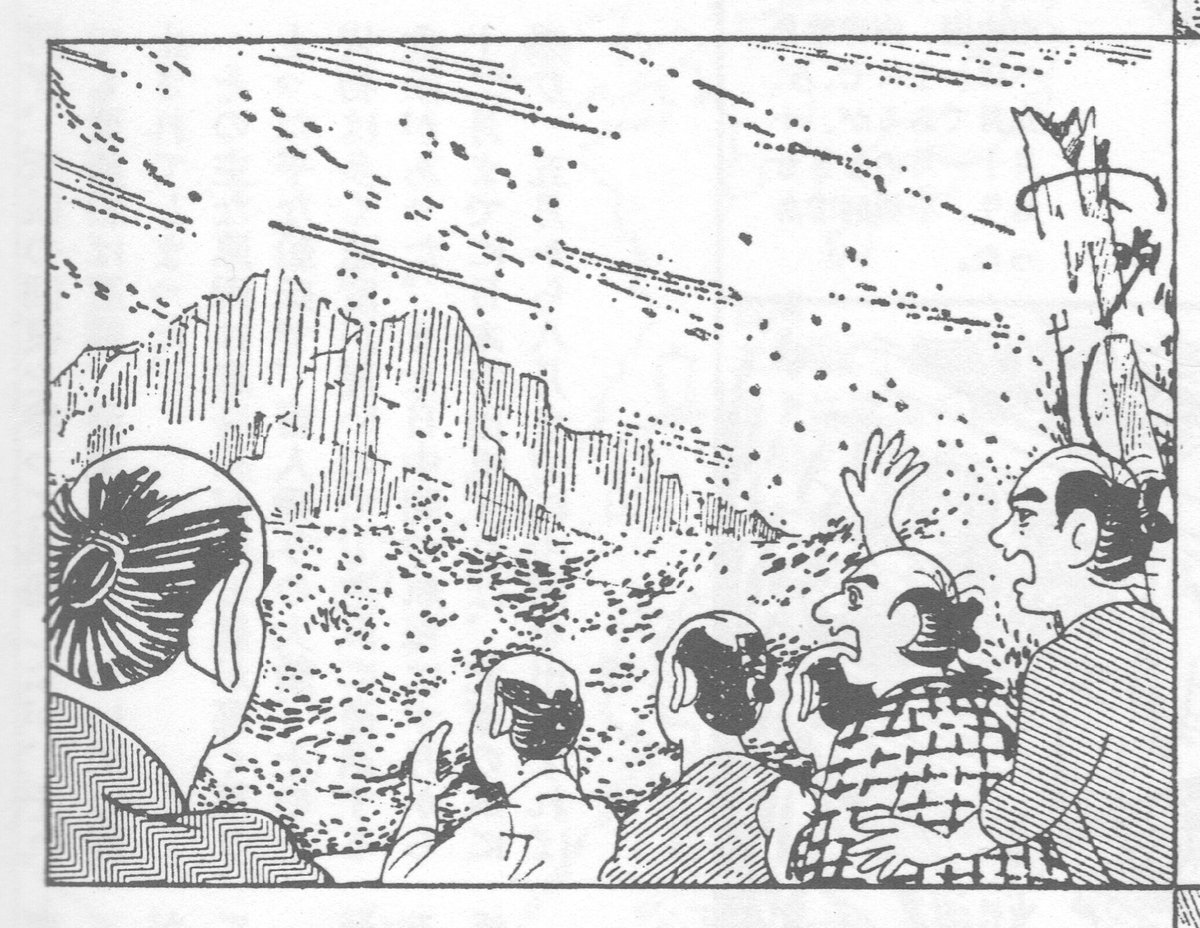
Eventually the rain stopped but the wind continued to howl, so the crew decided to chop the mast down, to prevent the wind from pushing them further away from land. Also, to stop their drift, they lowered their anchor with 300 fathoms of rope, but it was too deep and it was lost.
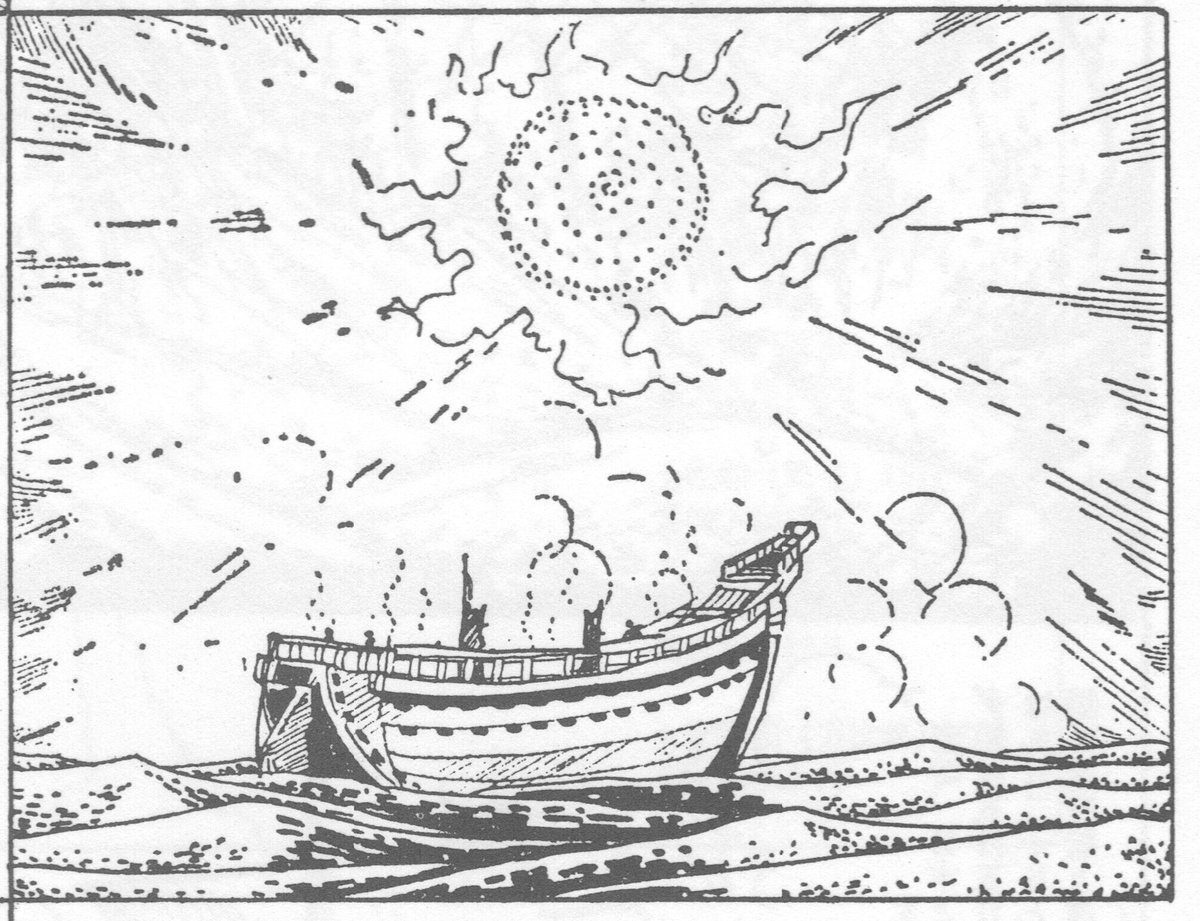
The crew realized they were adrift.
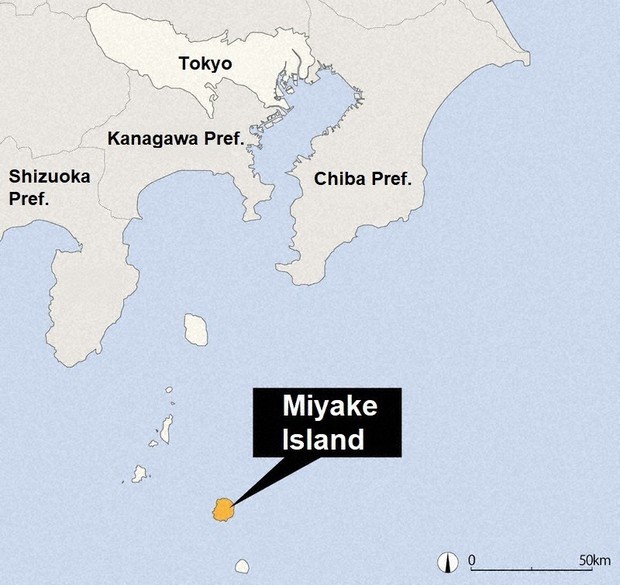
On the night of the 7th day they caught sight of Mitake Island, but as they had lost their dingy in a failed rescue attempt, there was no way to get there. Even if the islanders saw them, there was nothing they could do because of the storm.
On the night of the 7th day they caught sight of Mitake Island, but as they had lost their dingy in a failed rescue attempt, there was no way to get there. Even if the islanders saw them, there was nothing they could do because of the storm.
Over the following days the sun baked the crew and there was now no sign of land.
While they had many bales of rice there was very little water. Jukichi realized with the 30 barrels of oil on the ship he could make drinking water by boiling seawater under an overturned cauldron.
While they had many bales of rice there was very little water. Jukichi realized with the 30 barrels of oil on the ship he could make drinking water by boiling seawater under an overturned cauldron.

In addition to rice and oil they had hundreds of bales of soybeans, which they powdered and ate with rice.
However, the monotony of making drinking water and eating the same food began to wear on the crew who lost hope.
Jukichi, who was only 15, tried to encourage the crew.
However, the monotony of making drinking water and eating the same food began to wear on the crew who lost hope.
Jukichi, who was only 15, tried to encourage the crew.
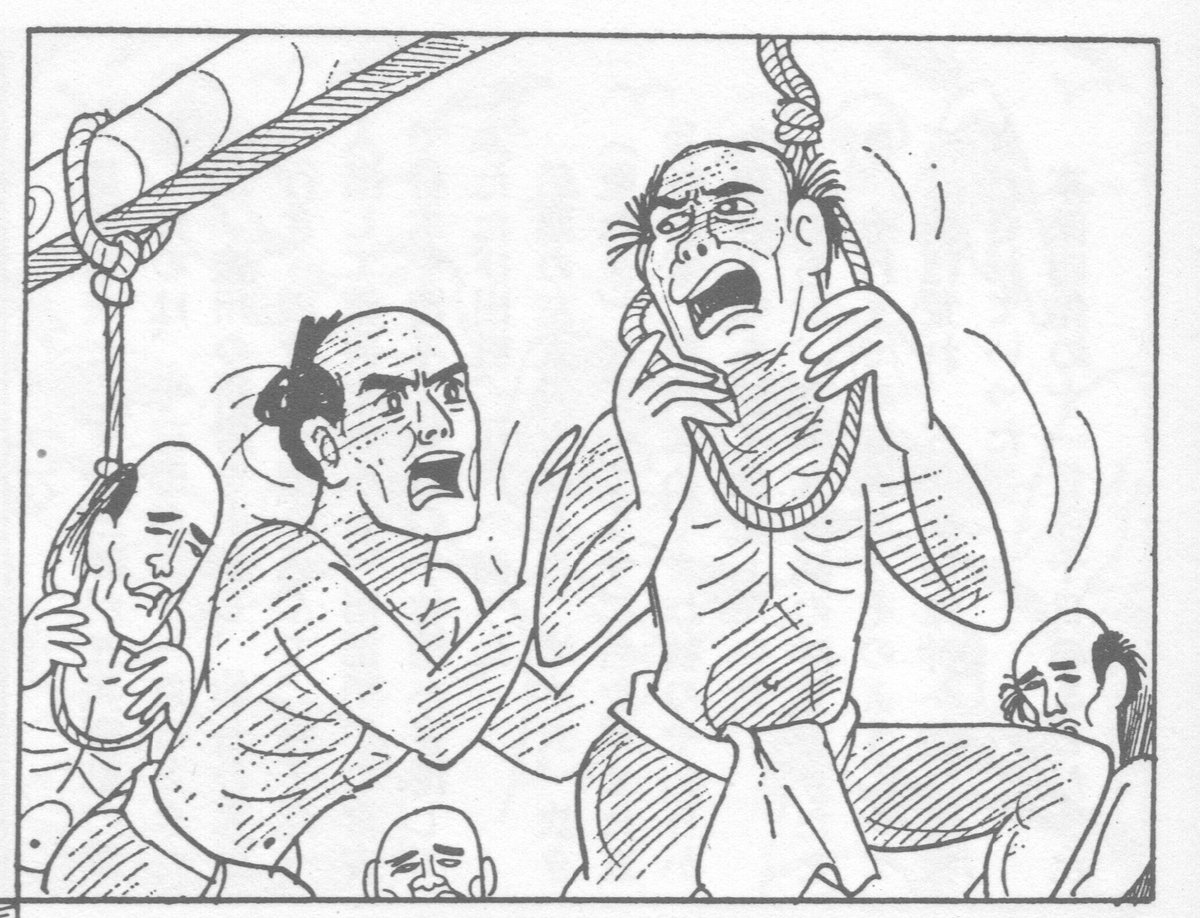
According to a record of Jukichi's time aboard the ship, the heat increased dramatically at the end of November.
Jukichi made a giant Juzo, Buddhist rosary, and the crew chanted 10,000 recitations to the Buddha every day 南無阿弥陀仏, "I take my refuge in the Buddha Amitābha."
Jukichi made a giant Juzo, Buddhist rosary, and the crew chanted 10,000 recitations to the Buddha every day 南無阿弥陀仏, "I take my refuge in the Buddha Amitābha."

As time went on they began to be afflicted by strange diseases. Eventually the crew dwindled to three. Once the boat was surrounded by sharks and, enraged, Jukichi boiled water and poured it down their throats, killing many and rejuvenating the remaining crew, with the excitement
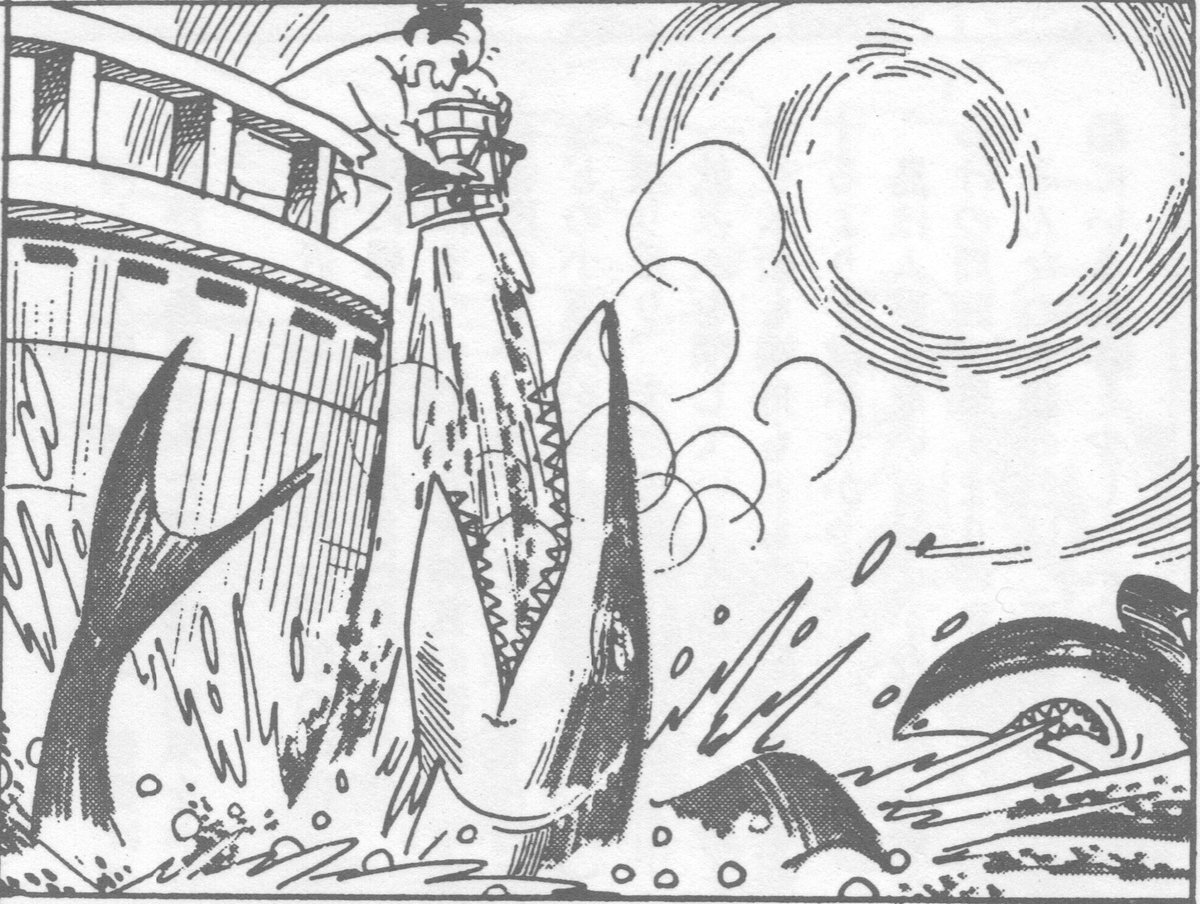
A year passed and the men fished and talked about what they caught, however no land appeared.
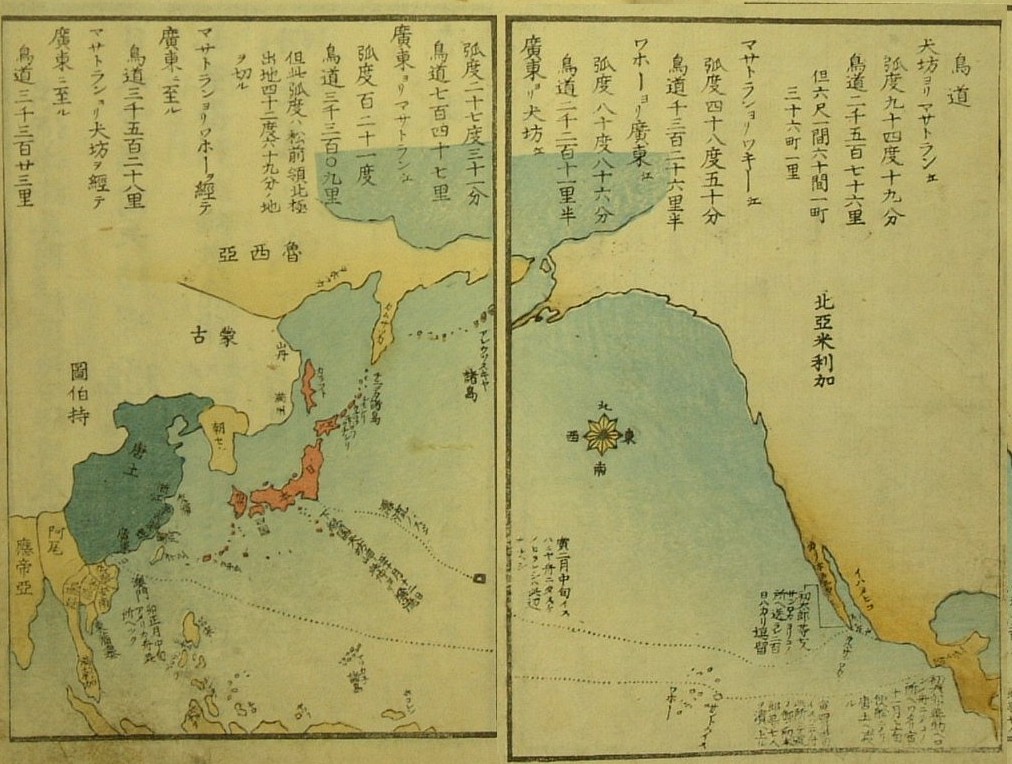
One day, they caught sight of a ship, the Forester, which was hunting sea otters off the coast of California. The ship rescued them and assisted in their return to Japan.
One day, they caught sight of a ship, the Forester, which was hunting sea otters off the coast of California. The ship rescued them and assisted in their return to Japan.
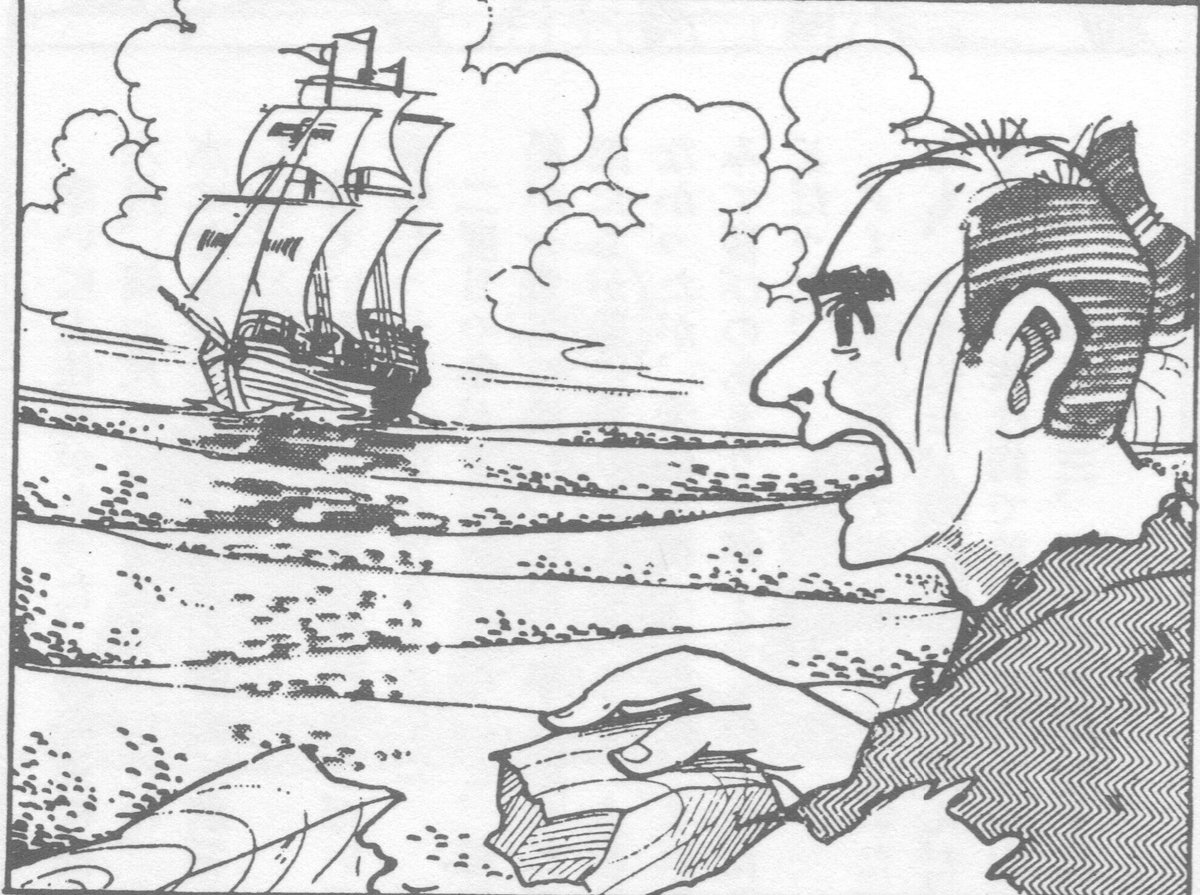
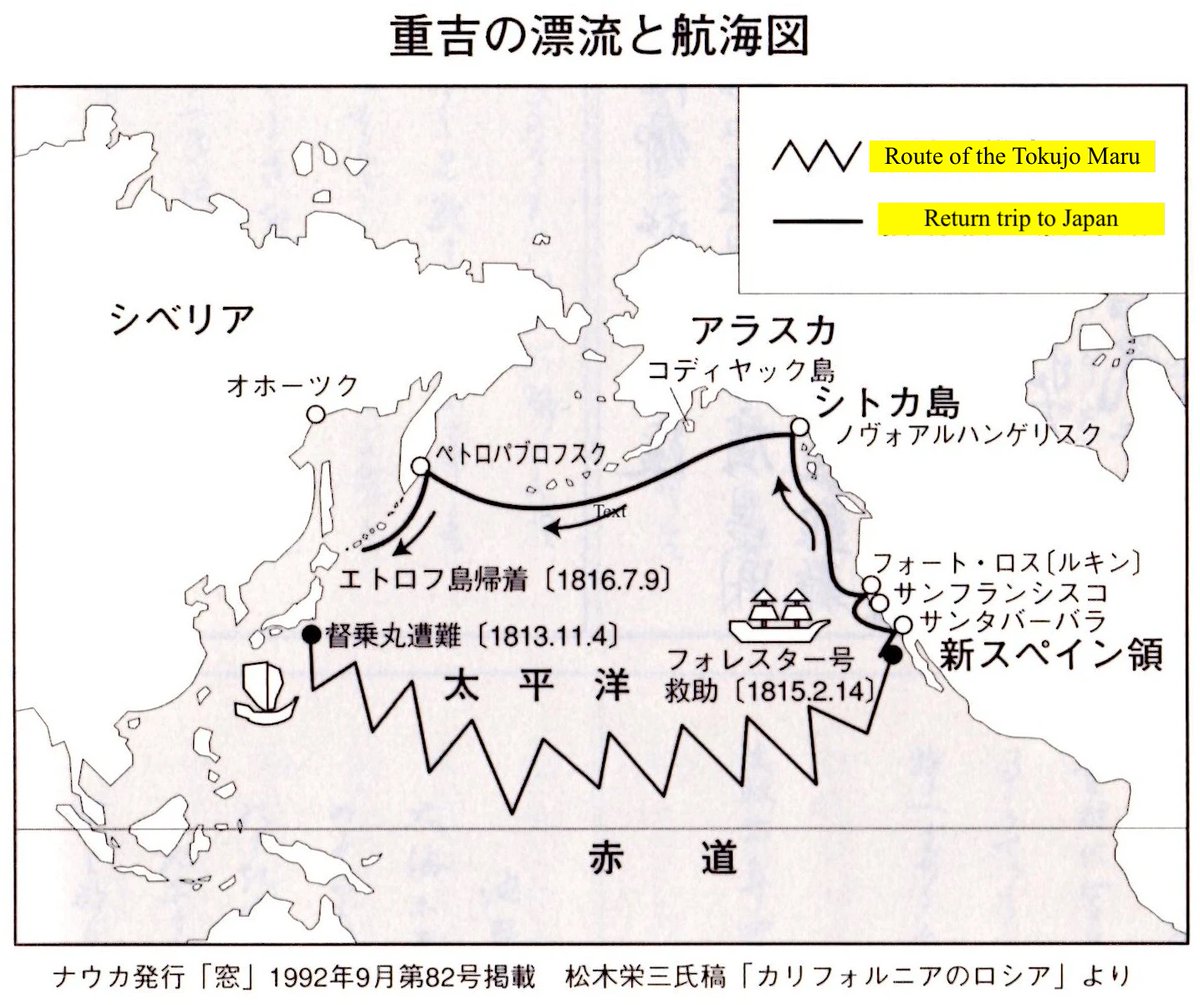
Jukichi and the other 2 remaining crewmen of the Tokujo-maru made it back to Japan on July 9th of 1816, almost 3 years after their departure.
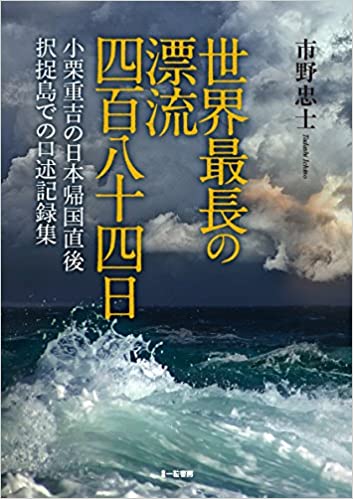
Jukichi was interviewed about his experiences and the his tale was published. It was later made into novels. Definitely considering translating one of these.

• • •
Missing some Tweet in this thread? You can try to
force a refresh