Alexander G. Rubio Profile picture
Jun 3, 2023 โ€ข 22 tweets โ€ข 6 min read โ€ข Read on X
*
* ๐–๐ก๐ž๐ง ๐ญ๐ก๐ž ๐‹๐ž๐ฏ๐ž๐ž ๐๐ซ๐ž๐š๐ค๐ฌ *
*

Why would Western systems always fail in Africa? Why are they arguably failing in the West itself today? And why are the Boomers the only ones standing between us and the flood?
1/20 Despite living in an age at the pinnacle of technological development, the odds are good that most people you talk to in the West, on any part of the political spectrum, will express a feeling that things are not only headed the wrong way, but have been for some time.
2/20 iPhones and AI notwithstanding, we're a far cry from the Victorian era and 1950s optimism of progress. There's a sense that ChatGPT is all well and good (or not), but basic everyday things no longer work as they once did.
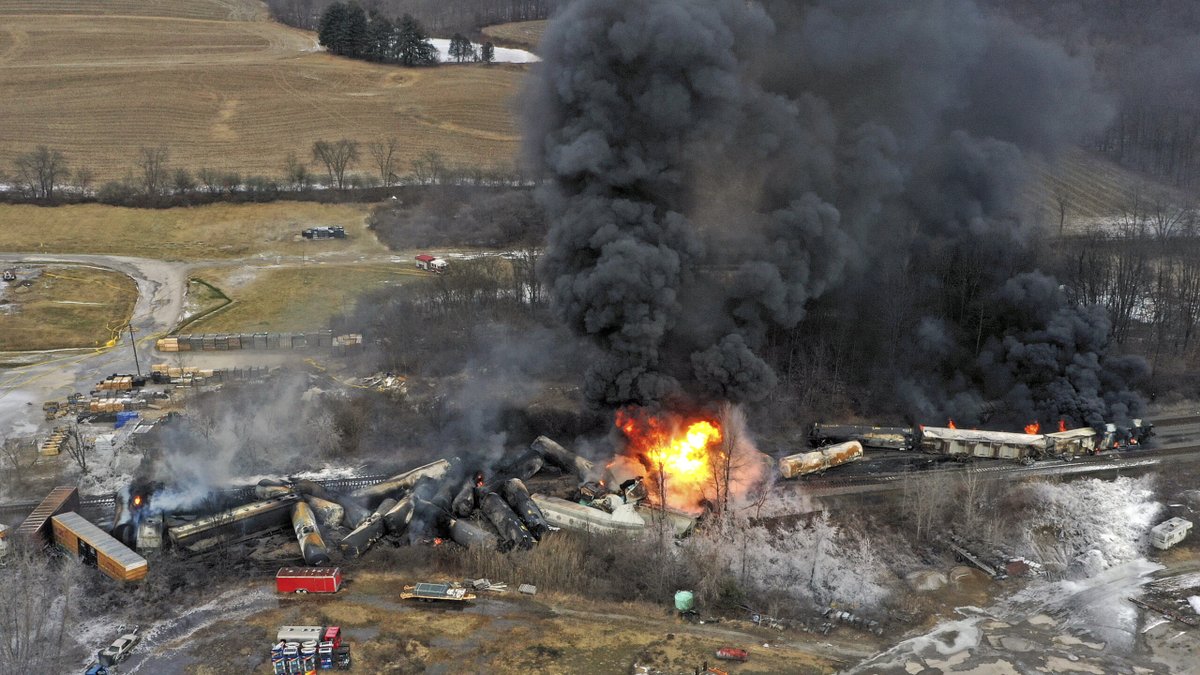
3/20 There's the old saw about some regime getting the trains running on time. And while Norway has never been a paragon of public transport, let's just say you shouldn't rely on it to commute these days, never mind the US, where they seem to derail every second day. Image
4/20 Conversations are suddenly rife with examples of things that used to be taken for granted suddenly breaking down, or teetering on the edge. An acquaintance who works at a hydro-electric plant expressed worry about the possibility of a flood.
5/20 "Last time we had lots of snow in the mountains melting off quickly and causing a flood, we had lots of competent guys to handle it at the dam," he said, "Now there's just a few of us." And everywhere it seems ever fewer people are keeping the wheels turning.
6/20 "Things fall apart". W. B. Yeats' apocalyptic poem "The Second Coming" has often been seen as a prophecy of war. But its central theme is rather the breakdown of natural order, "The falcon cannot hear the falconer;" and "mere anarchy is losed upon the world"
7/20 Granted, as seen today, this societal decline often LEADS to war. As Paul Kennedy pointed out in his 1987 work "The Rise and Fall of the Great Powers", it's most often great powers in decline that precipitate wars, thrashing about in panic, rather than ones on the rise. Image
8/20 In a previous thread on how decline of a society usually manifests historically, someone commented: Image
9/20 Now, much as I would love to take credit for the phrase, it was in fact coined by Joseph Tainter in his 1985 book by the same name. His core thesis is that societies, over time, trade solutions to problems for complexity. You solve problems, but always at a price. Image

10/20 A stable society starts out picking the low hanging fruit, obvious problems with obvious collective solutions. In these cases the price in added complexity, say a tax or regulation, is dwarfed by what is gained by solving the problem.
11/20 But after a while the added complexity in solving ever more marginal problems amounts to a net loss for society. People begin to groan under the weight of taxes, red tape and regulations makes it cumbersome to start new businesses.
12/20 For your public administration in the Viking age, you needed a handful of chiefs and lawsayers. By the 1200s you need lensmenn, sheriffs, and clerks. In 1600, public school teachers, as well as early industrial workers like miners, lumber millers, etc.
13/20 By the Industrial Revolution things are getting so complex to run that you need real experts in every field. Society is becoming incredibly productive. But you also now need many 120+IQ people to keep the systems running. And that very productivity now presents temptations.
14/20 The surplus food and capital allows you to "solve" all sorts of things that were previously just facts of life, from poverty and hunger to the lack of trans representation in kindergarten entertainment. But the whole thing rests on an extremely complicated clockwork system.
15/20 This is why the attempts to export Western systems to Africa could never work. There simply aren't enough high IQ individuals to run all the moving parts; and the few that are emigrate for greener pastures TO the west through open borders. Image
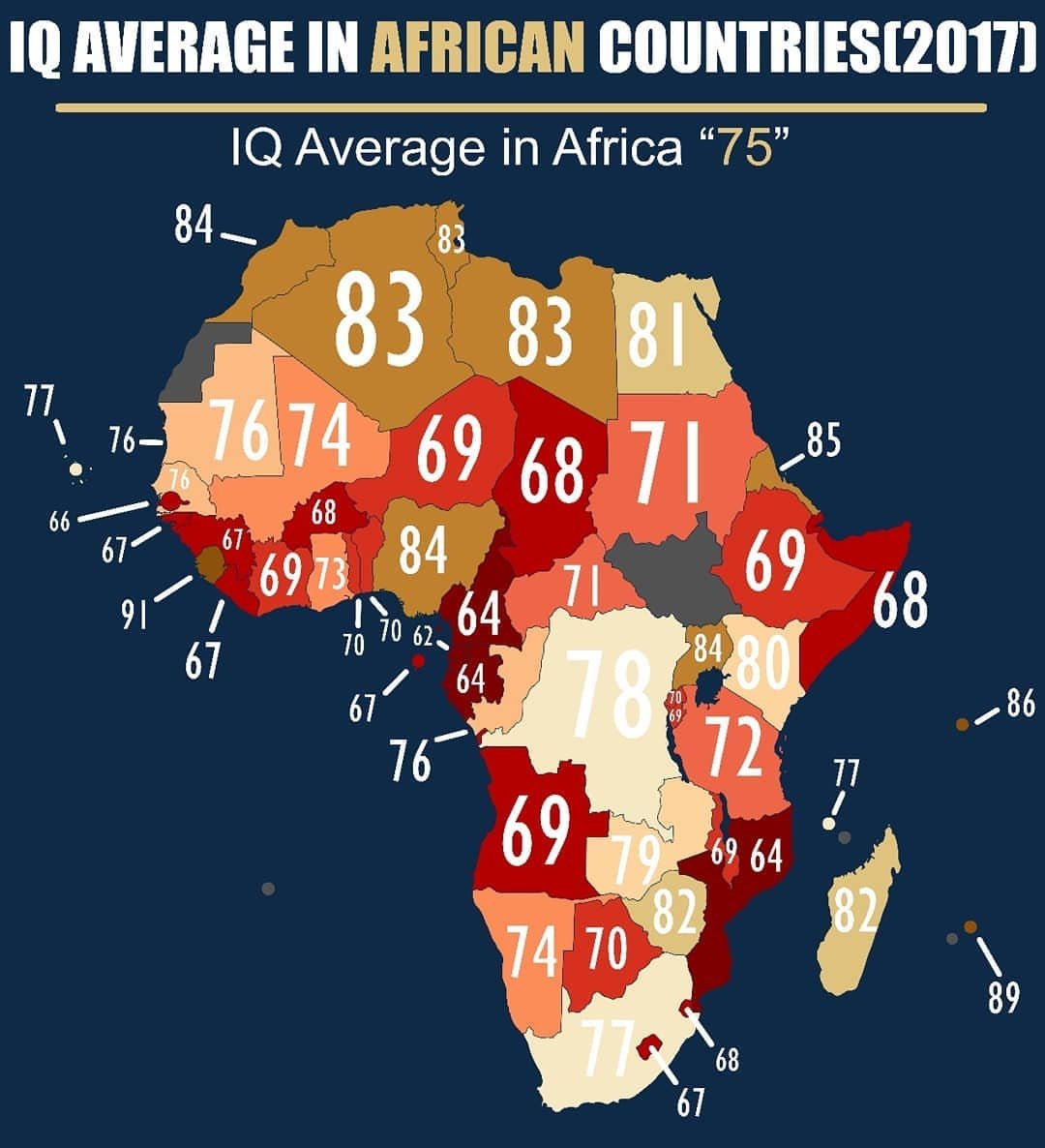
16/20 Problem is our own societies are now running short of competent people, exacerbated by funneling bright people into less than constructive enterprises, like financial shell games, and employment quotas for mediocre women and other "minority groups".
17/20 Dysgenic effects of industrialized welfare states was compounded by IQ and ability to plan ahead resulting in fewer children in the upper classes. That in turn made it posh to have few children, and low class to have many, for the dysgenic anti-natalist double whammy.
18/20 Western society is now an extremely complex, fuel hungry, over engineered machine, lumbering on almost by inertia, run by people with often only limited understanding of its inner workings, and everyone of them praying it doesn't break down on their watch.
19/20 The Boomers, or 1968 generation, as they're called in Europe, have been collectively blamed for many of the ills of society. And they did embody a certain "Aprรจs moi, le dรฉluge" (After me comes the flood) attitude in most things large and small.
20/20 But the crisis of modern Western society has roots that run far deeper than flower power and McMansions, and reasons that were all but inevitable. And we'll probably miss them when they're gone.
#decline #civilization #history #boomers #collapse

โ€ข โ€ข โ€ข

Missing some Tweet in this thread? You can try to force a refresh

ใ€€

Keep Current with Alexander G. Rubio

Alexander G. Rubio Profile picture

Stay in touch and get notified when new unrolls are available from this author!

Read all threads

This Thread may be Removed Anytime!

PDF

Twitter may remove this content at anytime! Save it as PDF for later use!

Try unrolling a thread yourself!

how to unroll video
  1. Follow @ThreadReaderApp to mention us!

  2. From a Twitter thread mention us with a keyword "unroll"
@threadreaderapp unroll

Practice here first or read more on our help page!

More from @AlexanderGRubi2

Feb 25, 2025
1/10

- From Cold War to Hot -

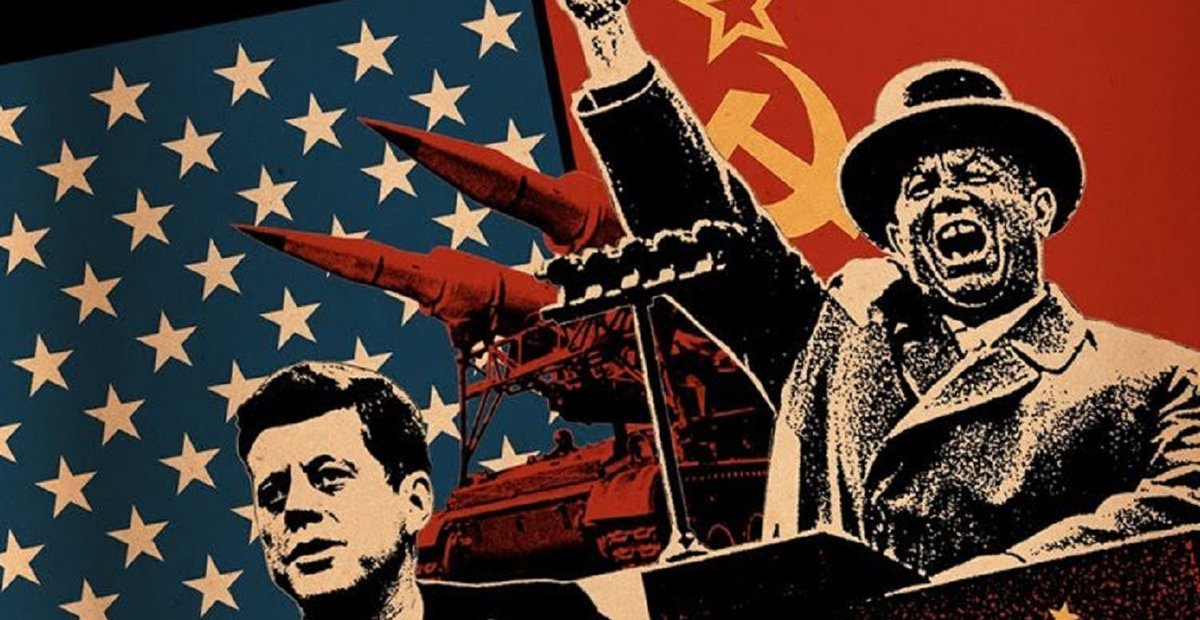
It has been observed, by historians, and those of us who remember at least the tail end of the Cold War, that it never descended into such conniptions of hysteria and outright warmongering as we're seeing in the West today. Why is that? Image
2/10

The reason the European elites in particular seem stricken by a panic unparalleled even during the the most frigid depths of the Cold War is partly, and to all appearances paradoxically, because that conflict almost never really was a truly ideological struggle.
3/10

How can this be? Wasn't the titanic clash of creeds between Western liberal capitalism and Soviet communism the very thing that defined the post-World War II era? In hindsight, not really. It was rather a continuation of the old game of Great Power spheres of influence. Image
Read 10 tweets
Oct 30, 2024
1/7

One fairly prominent feature of the online debate on the conflict in Ukraine is the so called OSINT community. OSINT, or Open Source Intelligence, first gained a high profile during the early years of the Syrian civil war, mainly on the subreddit covering that conflict. Image
2/7

These were your archetypal internet autists geo-locating bomb strikes by identifying one particular building or landmark on Google maps. (In)famous practitioners of the art, who made it into a career, like @EliotHiggins, aka @bellingcat, got their start there.
3/7

And @bellingcat represents one questionable development, as they illustrate how an autistic hobby could be turned into propaganda, delivering narratives for hire to the press that the real intelligence agencies wished to disseminate, but found it awkward to do themselves.
Read 7 tweets
Sep 25, 2024
1/6

Birth of a Nation

Canada was never a nation. It's always only been defined by what it isn't. The US had a true ethnogenesis, though partially undone in recent decades. As Teddy Roosevelt sensed that national birth happened in the Midwest, the Corded Ware culture of America. Image
2/6

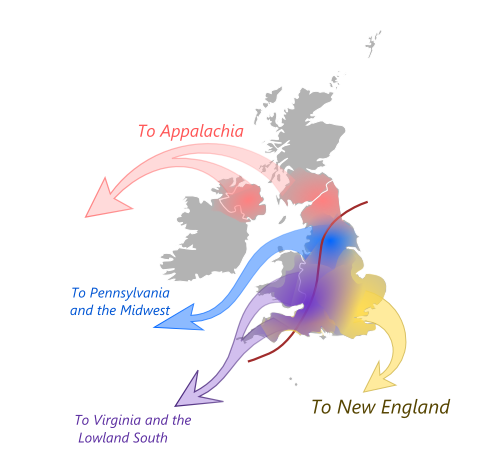
The original 13 colonies largely retained the characteristics of the British regions they were settled by. As the Civil War illustrated, those mutually hostile identities from before even setting foot in the New World couldn't form a stable basis for shared national identity Image
3/6

And people today often forget that in the past the sea didn't separate, but connect. Mass long distance travel and transport could only be done by ship. It was the trackless woods and vast plains that isolated man from man, not oceans and navigable rivers. Image
Read 6 tweets
Sep 20, 2024
1/8

*--- Faith and Fallacy ---*

Western Man abandoned faith for the gifts of the inquisitive mind, only to turn skepticism into dogmatic nihilism and a millenarian cult of blood magic. Image
2/8

Humans are by nature religious beings. And faith never dies but it is replaced by another. Christianity didn't fade as the motive force of the West because people lost faith, but was eclipsed by another, whose deities seemed more inclined to answer prayers, progress itself. Image
3/8

The titanic achievements of Western civilisation unsurprisingly led to hubris expressed as the optimism of progress, which then ran right into the iceberg and the trenches of WWI. In a few short years people whiplashed from visions of utopia to the pits of despair. Image
Read 8 tweets
Aug 14, 2024
1/41

- The Decline and Fall of Rock -

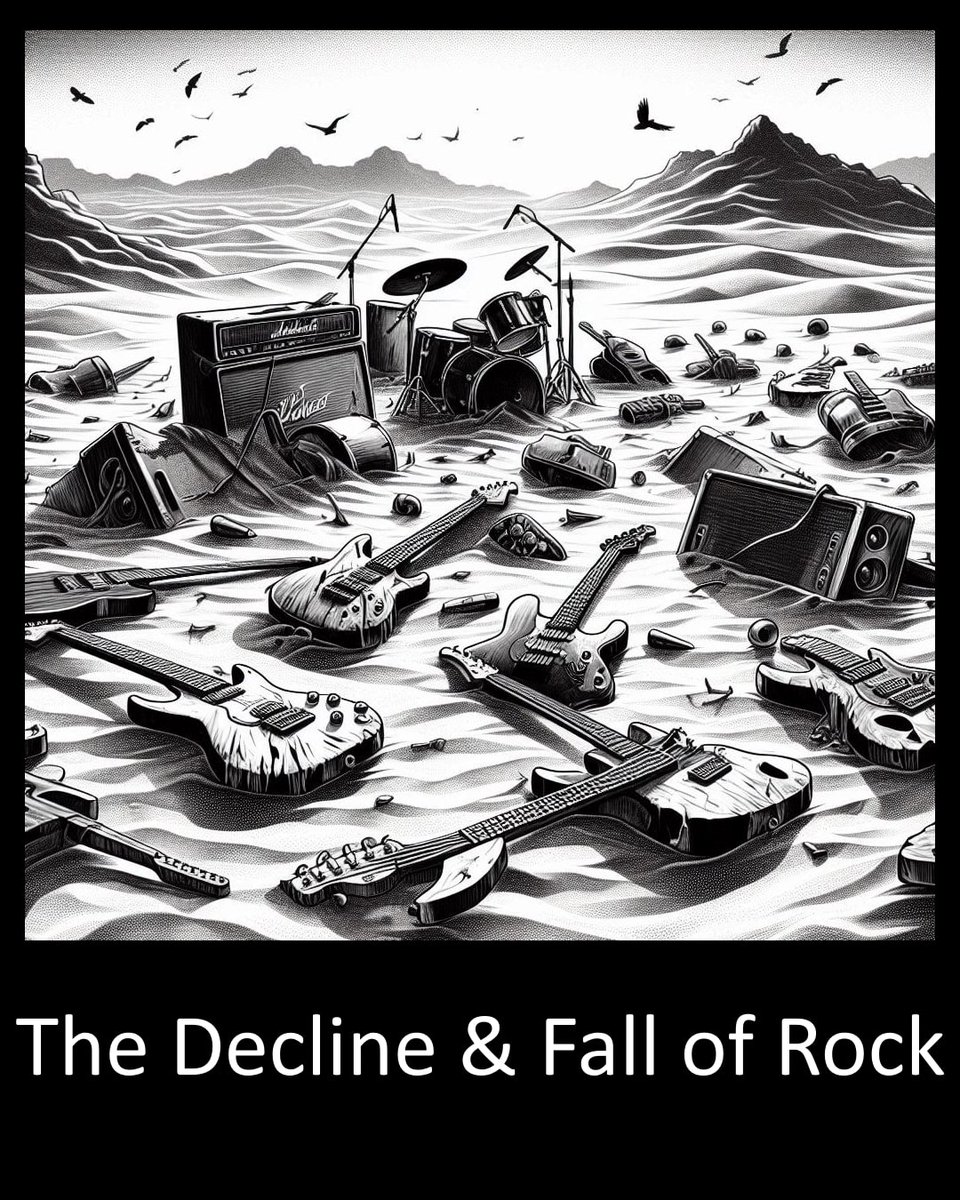
Not only is Rock music dead, it's been dead for a while. Like Jazz, Blues, and Classical, it rests now in the afterlife of soundtracks and tombs of dark clubs and gilded halls, where the remnant priesthood still perform the ancient rituals. Image
2/41

I once posted a thread on the related topic of Grunge being the last gasp of Rock as the dominant cultural touchstone. But it deserves a slightly deeper consideration as to why rock developed in the first place, and why it slid into terminal decline.
3/41

The old fogeys among us, Boomers and Gen-Xers, might react by saying, "What are you on about? Rock ain't dead!" But, alas, not only has hindsight confirmed the death of Rock, but it's even begun to fade into the mists of time for recent generations.
Image
Read 41 tweets
Jun 3, 2024
1/9

- The Death of the Aircraft Carrier -

There are now credible indications that the American aircraft carrier USS Eisenhower was either hit by Houthi forces' fire, or at least so pressed as to be forced to withdraw from the zone of conflict. This shouldn't come as a surprise.
Image
2/9

One reason is that some of us predicted precisely this very outcome at the start of the naval operation aimed at breaking the Yemenite Houthis' blockade of the Red Sea, and access to the Suez Canal, in retaliation to the Israeli attack on Gaza.
3/9

Now, much as I'd like to claim superior strategic insight, or Nostradamus like powers of precognition, the truth is that the vulnerability of navy surface vessels in general, and aircraft carriers in particular, has been a well known problem for decades.
Read 9 tweets

Did Thread Reader help you today?

Support us! We are indie developers!


This site is made by just two indie developers on a laptop doing marketing, support and development! Read more about the story.

Become a Premium Member ($3/month or $30/year) and get exclusive features!

Become Premium

Don't want to be a Premium member but still want to support us?

Make a small donation by buying us coffee ($5) or help with server cost ($10)

Donate via Paypal

Or Donate anonymously using crypto!

Ethereum

0xfe58350B80634f60Fa6Dc149a72b4DFbc17D341E copy

Bitcoin

3ATGMxNzCUFzxpMCHL5sWSt4DVtS8UqXpi copy

Thank you for your support!

Follow Us!

:(