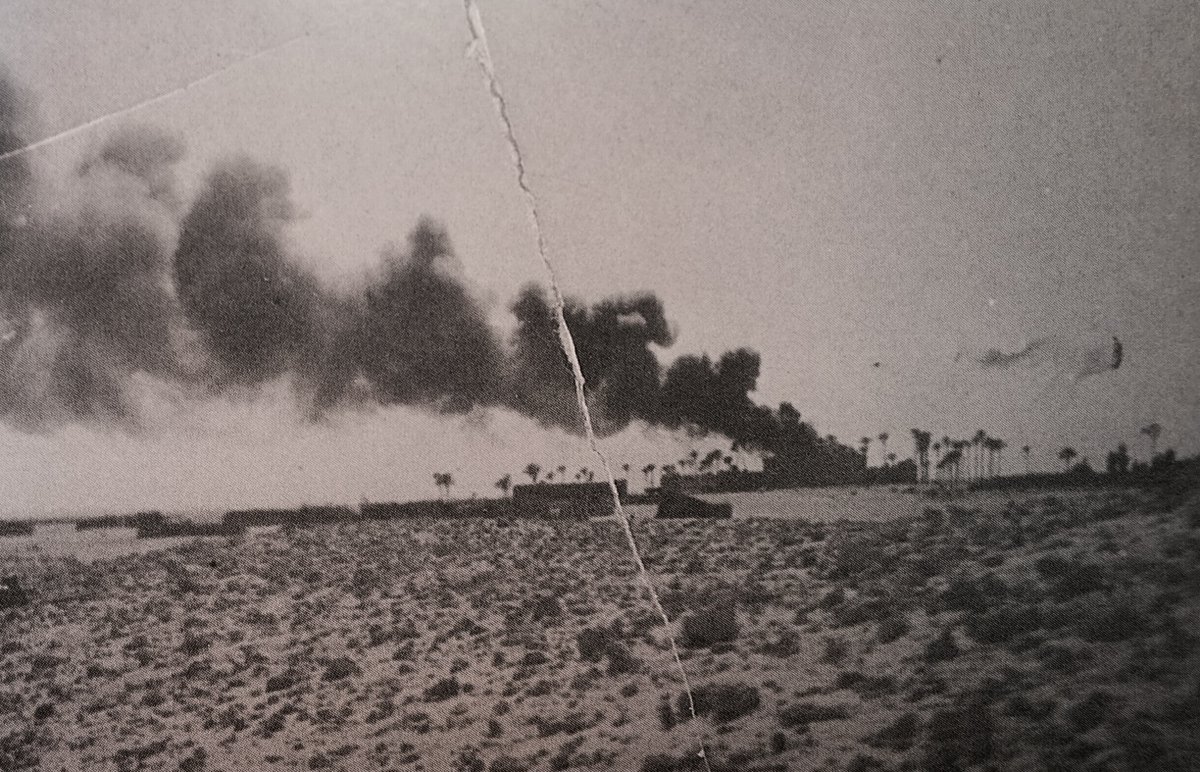
1/9
June 6:
Also the day in 1922 that Johnny Cooper was born.
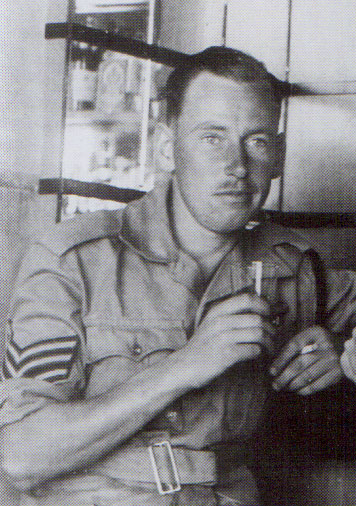
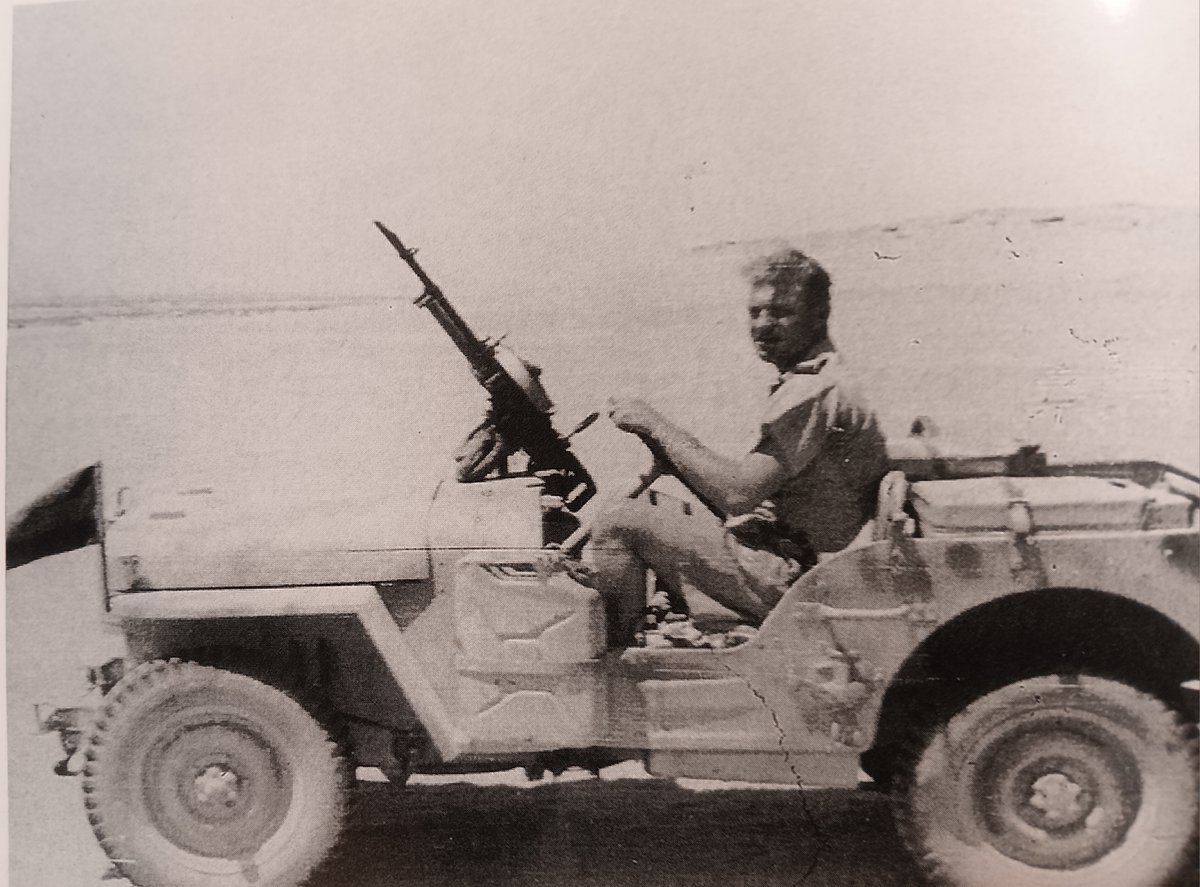
Johnny (pic) served in the SAS from 1941 to 1959 with a brief intermission working in the wool trade.
But knitted cardigans weren’t really his thing.
So he re-enlisted & added Malaya & Oman to his WW2 battle honours.
June 6:
Also the day in 1922 that Johnny Cooper was born.
Johnny (pic) served in the SAS from 1941 to 1959 with a brief intermission working in the wool trade.
But knitted cardigans weren’t really his thing.
So he re-enlisted & added Malaya & Oman to his WW2 battle honours.

2/
A sign that someone has reached legend status is when they’re immortalised in song. That was the case with Johnny – who cropped up in an A Squadron favourite - ‘Old Uncle Bill Fraser & all’, lustily sung in spring 1944 while the Regiment trained at Darvel in Scotland.
A sign that someone has reached legend status is when they’re immortalised in song. That was the case with Johnny – who cropped up in an A Squadron favourite - ‘Old Uncle Bill Fraser & all’, lustily sung in spring 1944 while the Regiment trained at Darvel in Scotland.
3/
“I’ll tell you all of a horrible dream
All along down along out along Darvel
The whole of ‘A’ Squadron went out on a scheme
With Reg Seekings, Johnny Wiseman, Pat Riley, Alex Muirhead, Johnny Cooper, Puddle Poole, old Uncle Bill Fraser and all,
Old Uncle Bill Fraser and all.”
“I’ll tell you all of a horrible dream
All along down along out along Darvel
The whole of ‘A’ Squadron went out on a scheme
With Reg Seekings, Johnny Wiseman, Pat Riley, Alex Muirhead, Johnny Cooper, Puddle Poole, old Uncle Bill Fraser and all,
Old Uncle Bill Fraser and all.”
4/
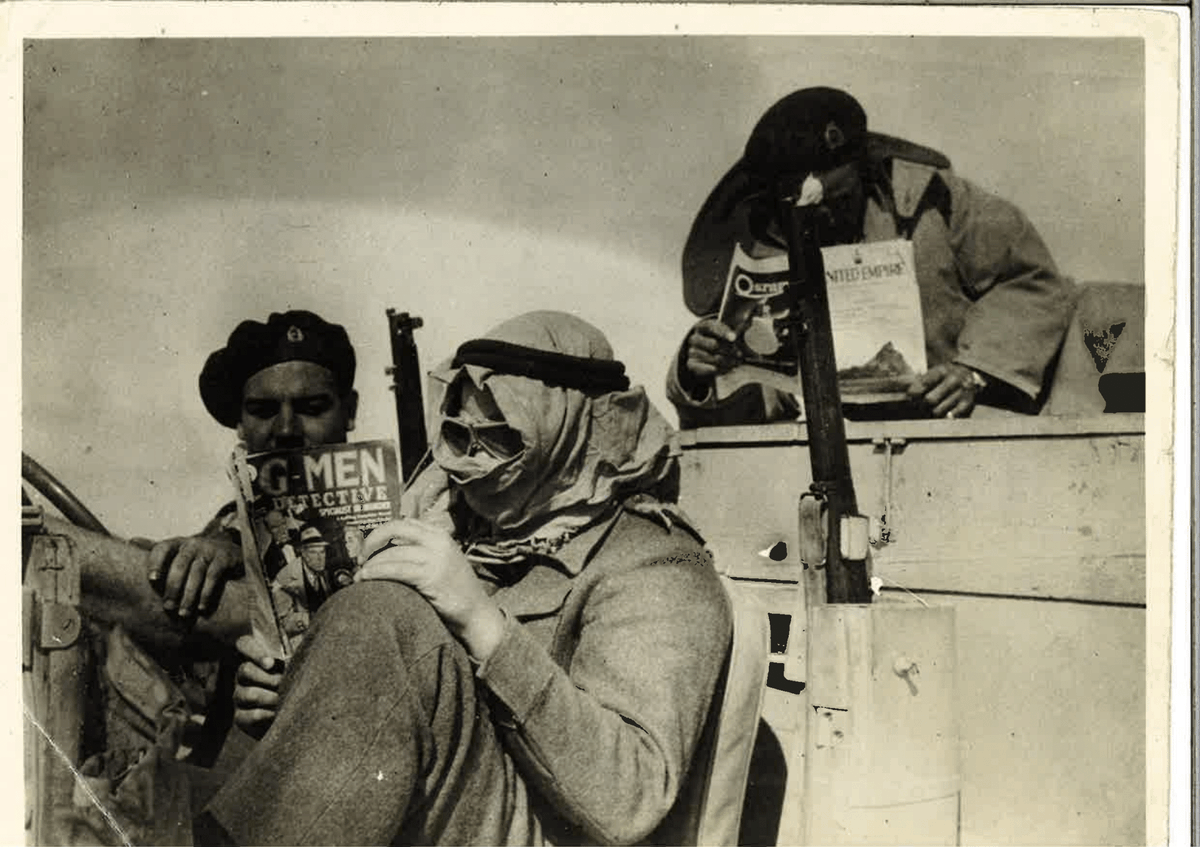
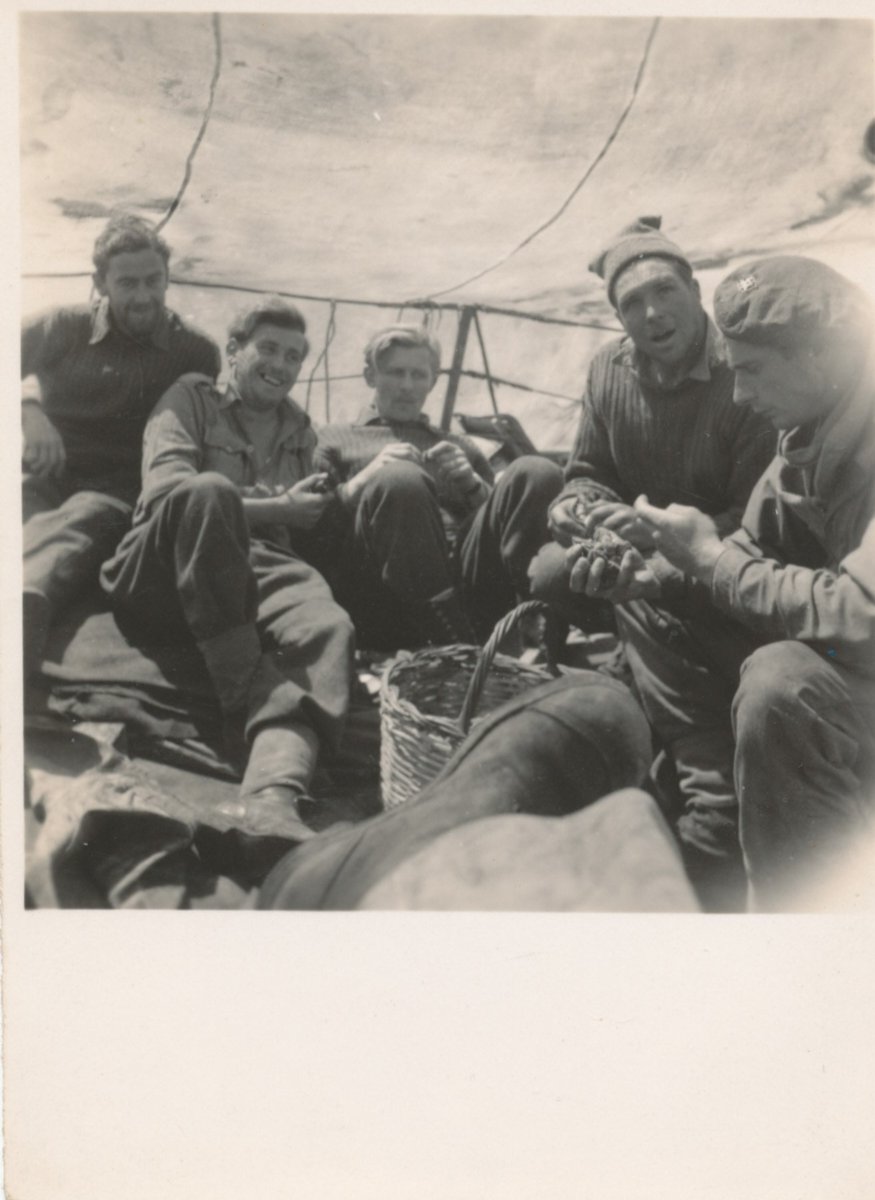
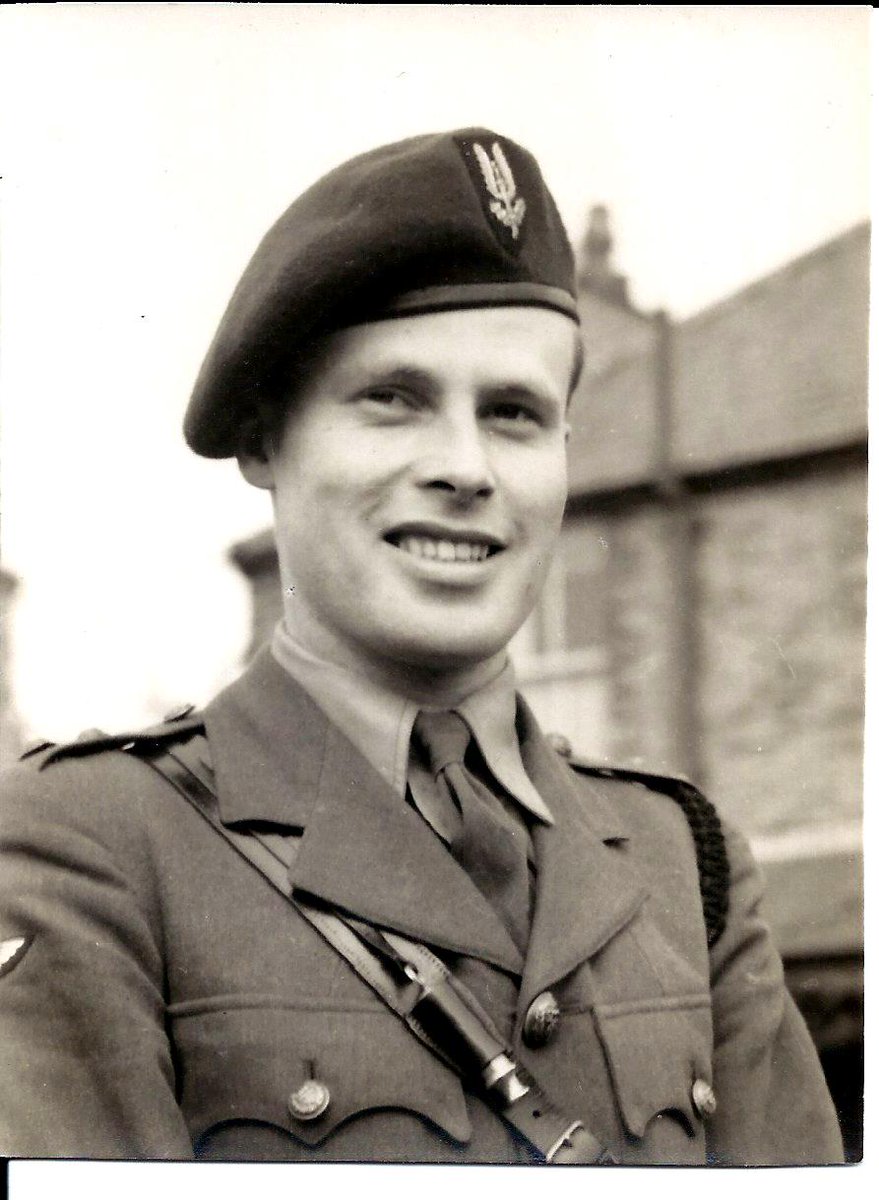
Incidentally, Puddle Poole was Lt Norman ‘Puddle’ Poole (pic). He had the honour of leading the first British SAS mission into Occupied France – ‘Titanic’. Six very brave men who parachuted into Normandy - Le Mesnil-Vigot, 20 miles south of Utah beach - at 0040 on June 6 1944.
Incidentally, Puddle Poole was Lt Norman ‘Puddle’ Poole (pic). He had the honour of leading the first British SAS mission into Occupied France – ‘Titanic’. Six very brave men who parachuted into Normandy - Le Mesnil-Vigot, 20 miles south of Utah beach - at 0040 on June 6 1944.
5/
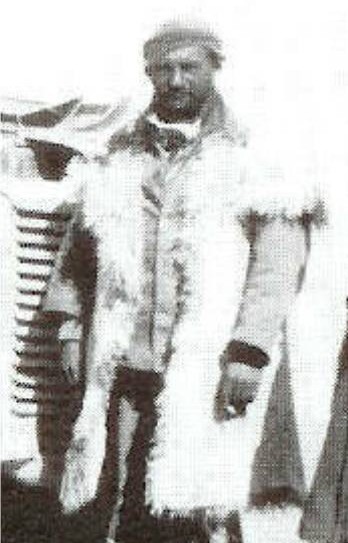
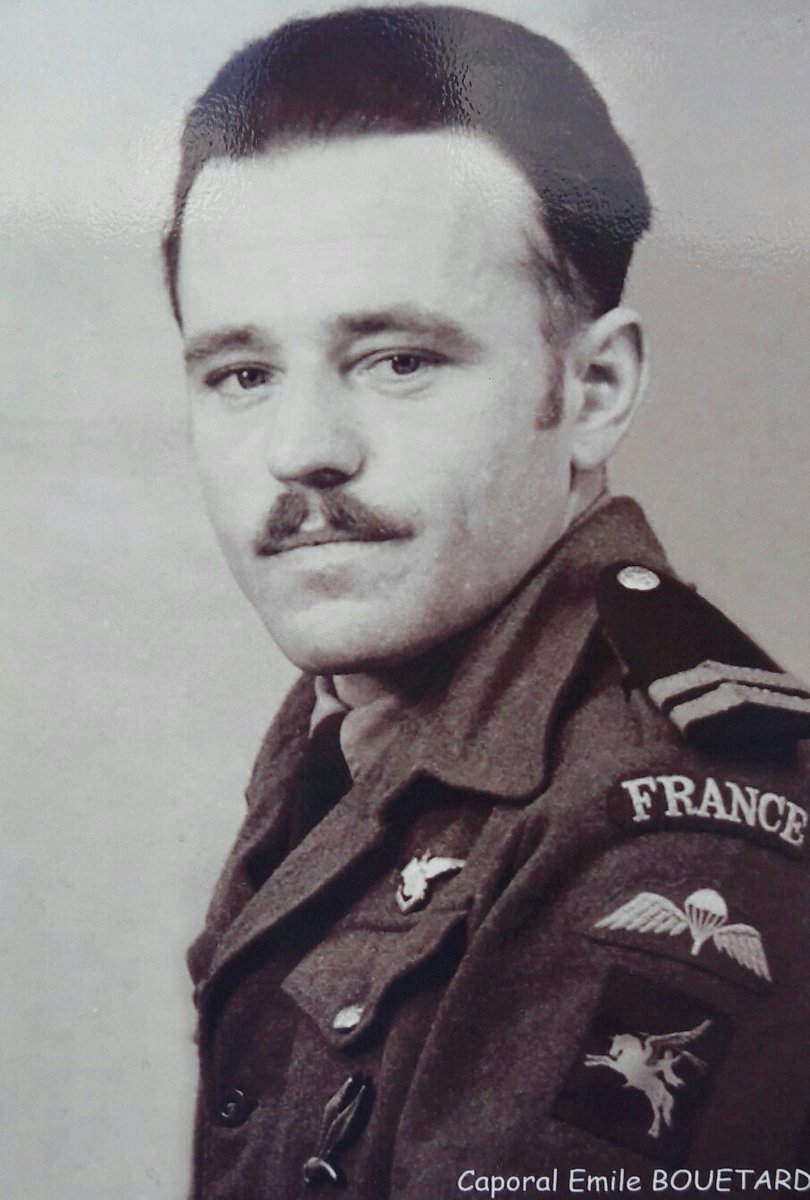
Around the same time in Brittany, near the hamlet of Halliguen, a French SAS stick landed (Operation Dingson). They had been seen by the Germans & in the subsequent firefight corporal Émile Bouétard (pic) was killed – the first SAS fatality of operations in France in 1944.
Around the same time in Brittany, near the hamlet of Halliguen, a French SAS stick landed (Operation Dingson). They had been seen by the Germans & in the subsequent firefight corporal Émile Bouétard (pic) was killed – the first SAS fatality of operations in France in 1944.
6/
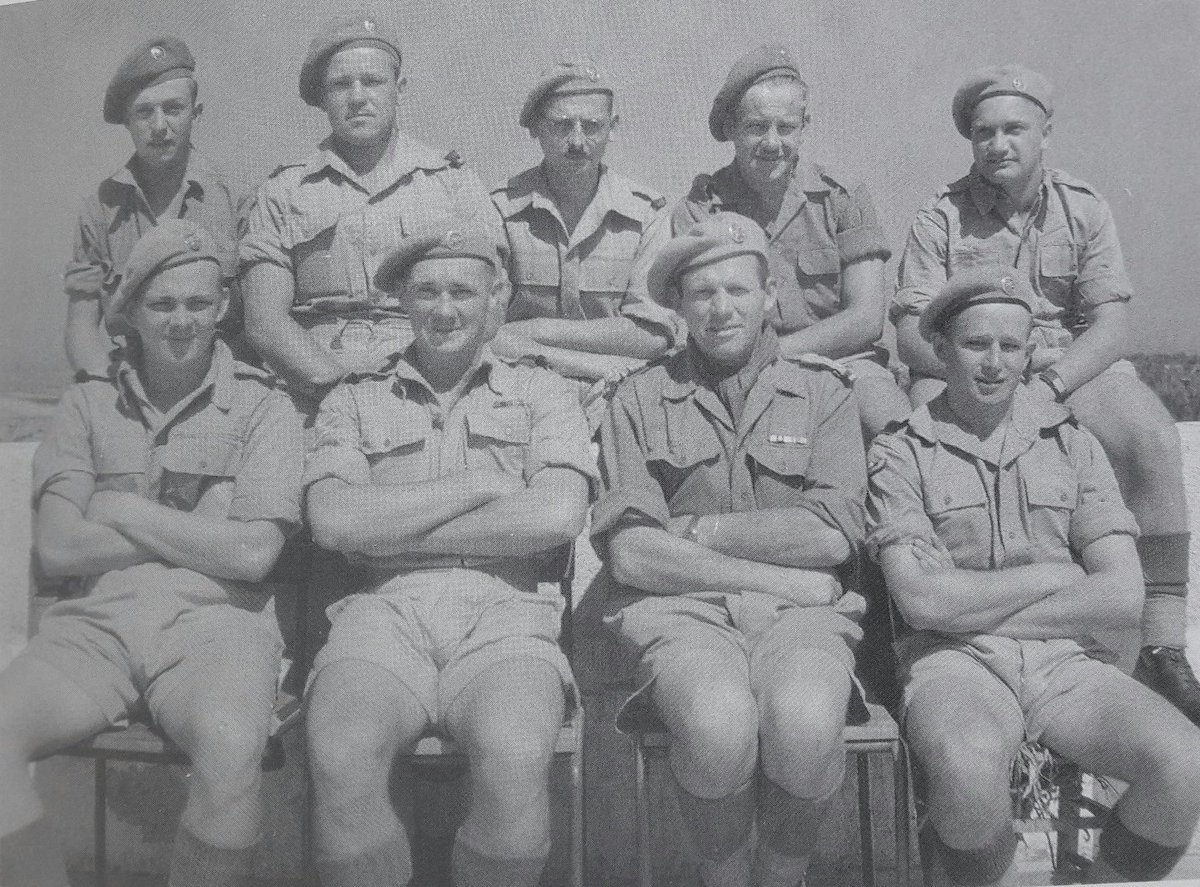
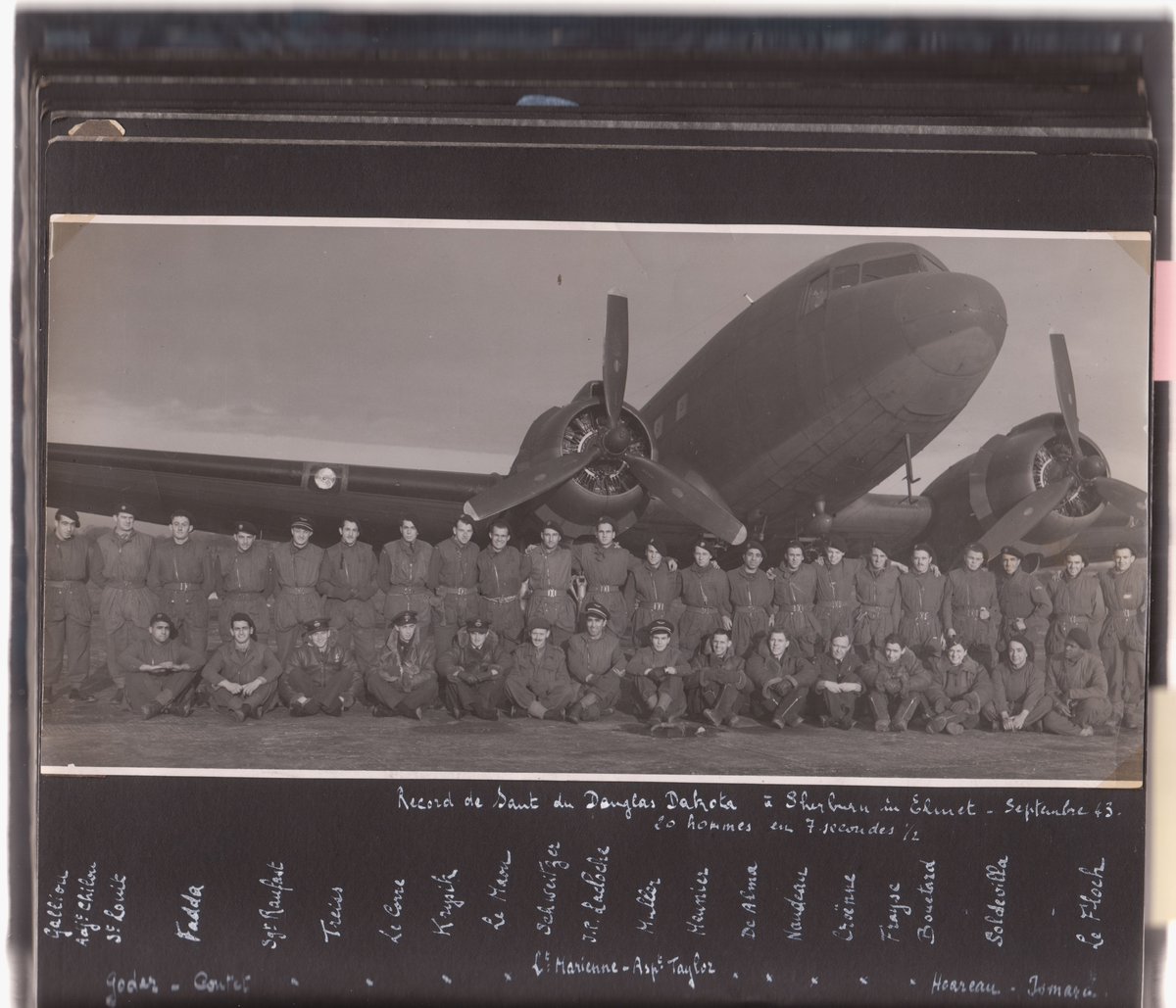
In September 1943 Bouétard (pic, 5th from right, back-row) had been a member of the French SAS team that beat the US airborne record for the fastest stick exit from a Douglas Dakota – 20 men in 7 ½ seconds.
In September 1943 Bouétard (pic, 5th from right, back-row) had been a member of the French SAS team that beat the US airborne record for the fastest stick exit from a Douglas Dakota – 20 men in 7 ½ seconds.
7/
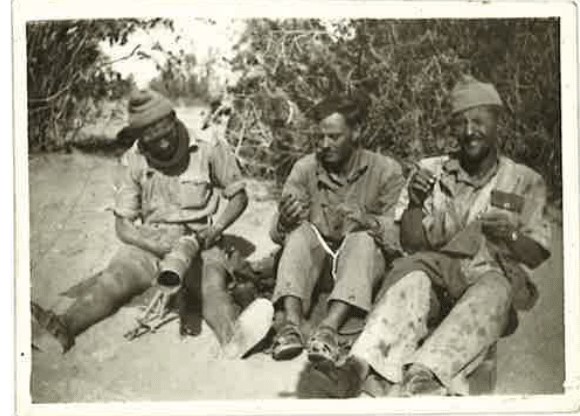
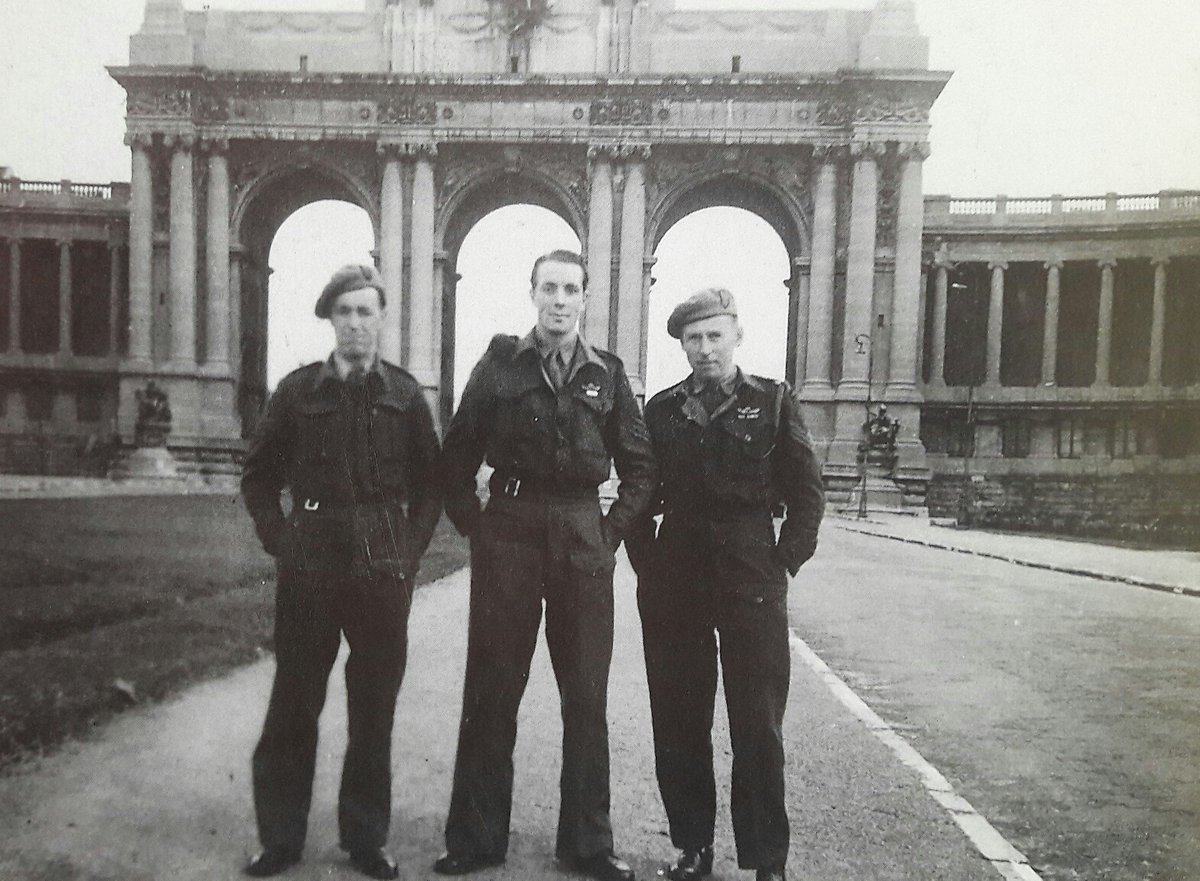
Back to Johnny Cooper. His turn to parachute into Occupied France came on June 10, as part of A Squadron’s Operation Houndsworth. The op contained several ‘Originals’, including Bill Fraser, Chalky White, Reg Seekings, ‘Maggie’ McGinn & Jeff Du Vivier.
Pic: JC (cen) & Jeff rt
Back to Johnny Cooper. His turn to parachute into Occupied France came on June 10, as part of A Squadron’s Operation Houndsworth. The op contained several ‘Originals’, including Bill Fraser, Chalky White, Reg Seekings, ‘Maggie’ McGinn & Jeff Du Vivier.
Pic: JC (cen) & Jeff rt
8/
Everyone I spoke to who knew Johnny in the war – 1SAS, French SAS & several Maquis who worked with A Sqn in 1944 – remembered him with respect, affection & awe.
In 2001 Johnny suggested I write a book about the wartime SAS, through the eyes of the men. He supplied a reference
Everyone I spoke to who knew Johnny in the war – 1SAS, French SAS & several Maquis who worked with A Sqn in 1944 – remembered him with respect, affection & awe.
In 2001 Johnny suggested I write a book about the wartime SAS, through the eyes of the men. He supplied a reference
9/9
I took it to the SAS Regt Association & thanks to Johnny's reference I ended up interviewing 75 plus wartime veterans.
Thank you Johnny, the youngest of the SAS Originals of 1941, and happy birthday.
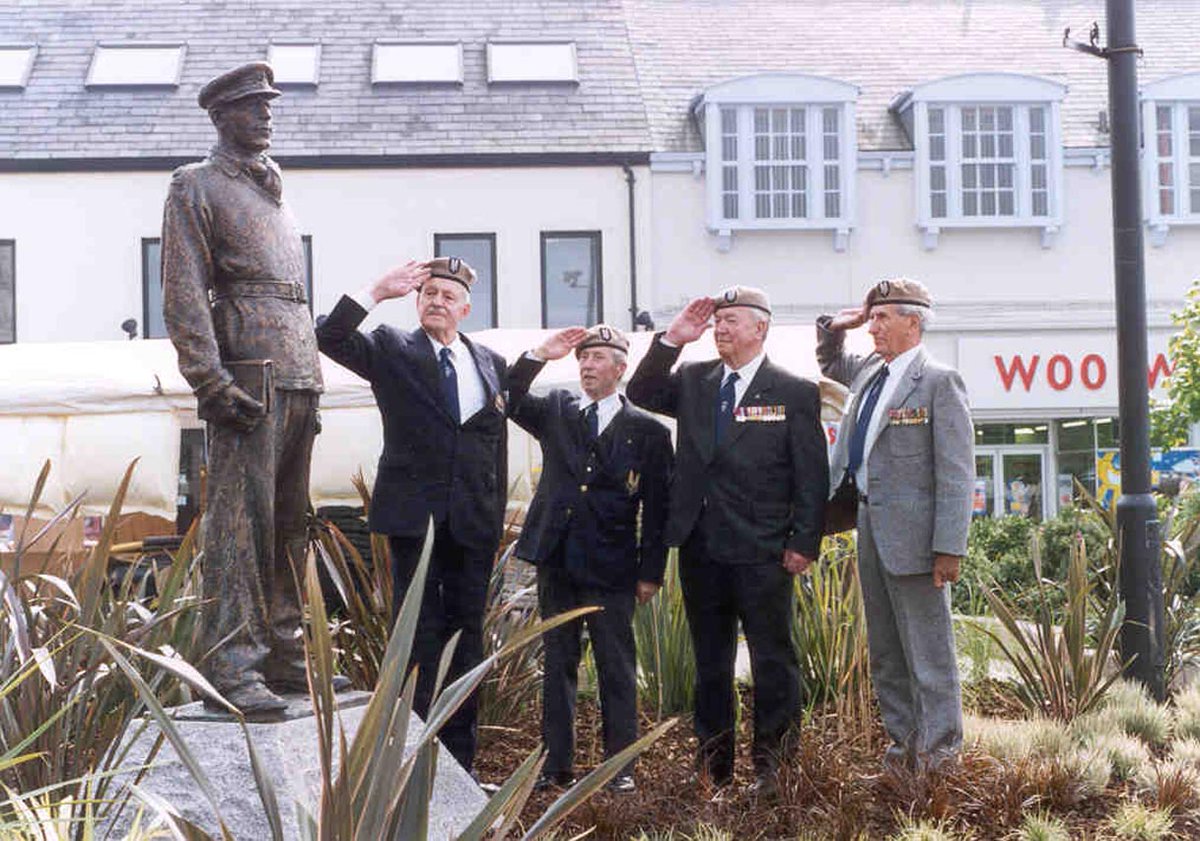
Johnny Cooper, DCM, 1922 - 2002
pic: Johnny (right) salutes the boss, 1997
I took it to the SAS Regt Association & thanks to Johnny's reference I ended up interviewing 75 plus wartime veterans.
Thank you Johnny, the youngest of the SAS Originals of 1941, and happy birthday.
Johnny Cooper, DCM, 1922 - 2002
pic: Johnny (right) salutes the boss, 1997
@threadreaderapp unroll
• • •
Missing some Tweet in this thread? You can try to
force a refresh