Read on Twitter
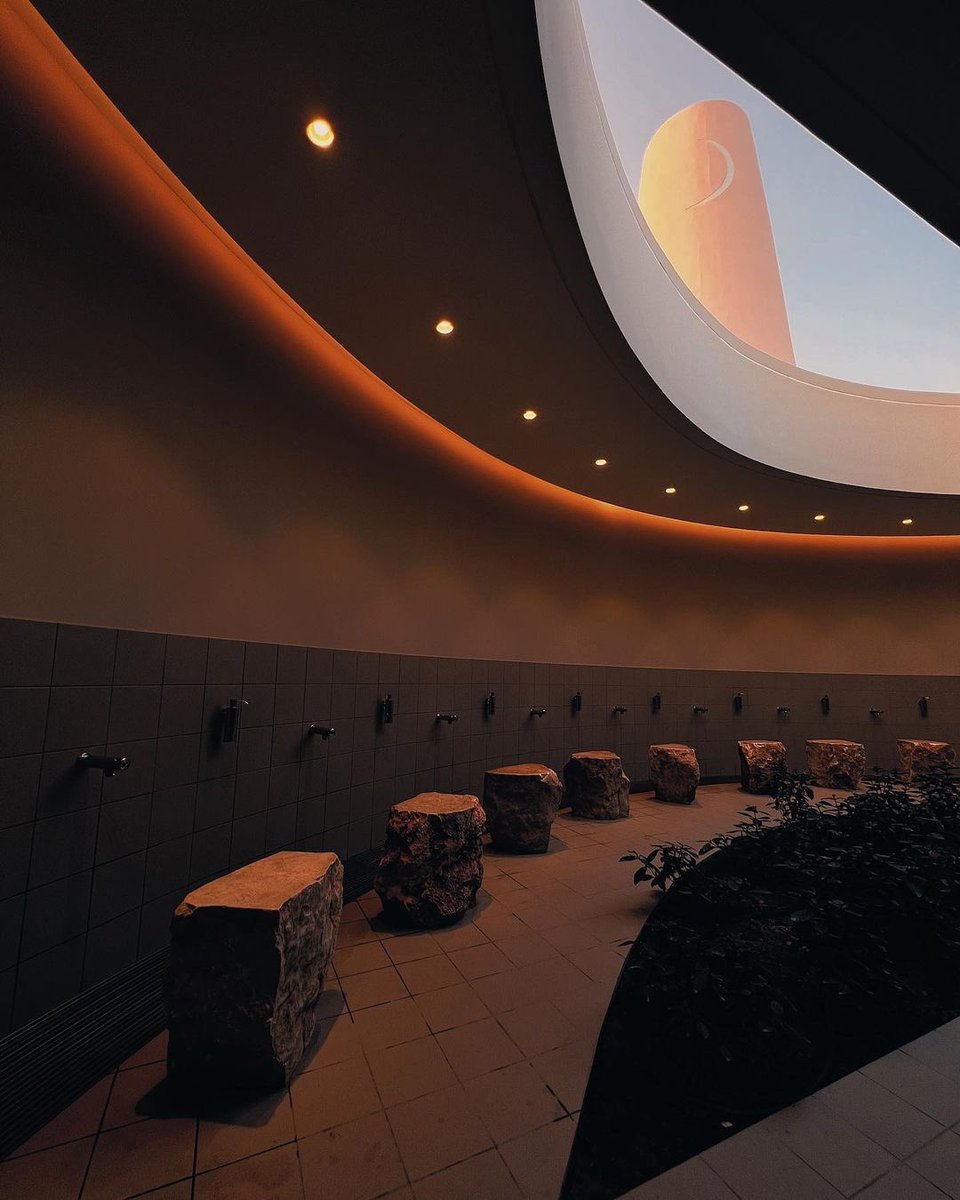
The incredibly unique contemporary Bab Al-Salam Mosque in Oman is nothing like you’ve ever seen before!
Designed in the form of a circular disc, borrowing from the moon, the windows in the shape of its crescents & its glass ball pendant symbolises the vault of heaven
A thread…
Designed in the form of a circular disc, borrowing from the moon, the windows in the shape of its crescents & its glass ball pendant symbolises the vault of heaven
A thread…

1/ ‘Allahu Nur as Samawati wa al Ard’ means Allah is the Pure, Primordial Light of both the Heavens and the Earth.
Surah An-Nur ayat 35
Bab Al-Salam Mosque
Surah An-Nur ayat 35
Bab Al-Salam Mosque
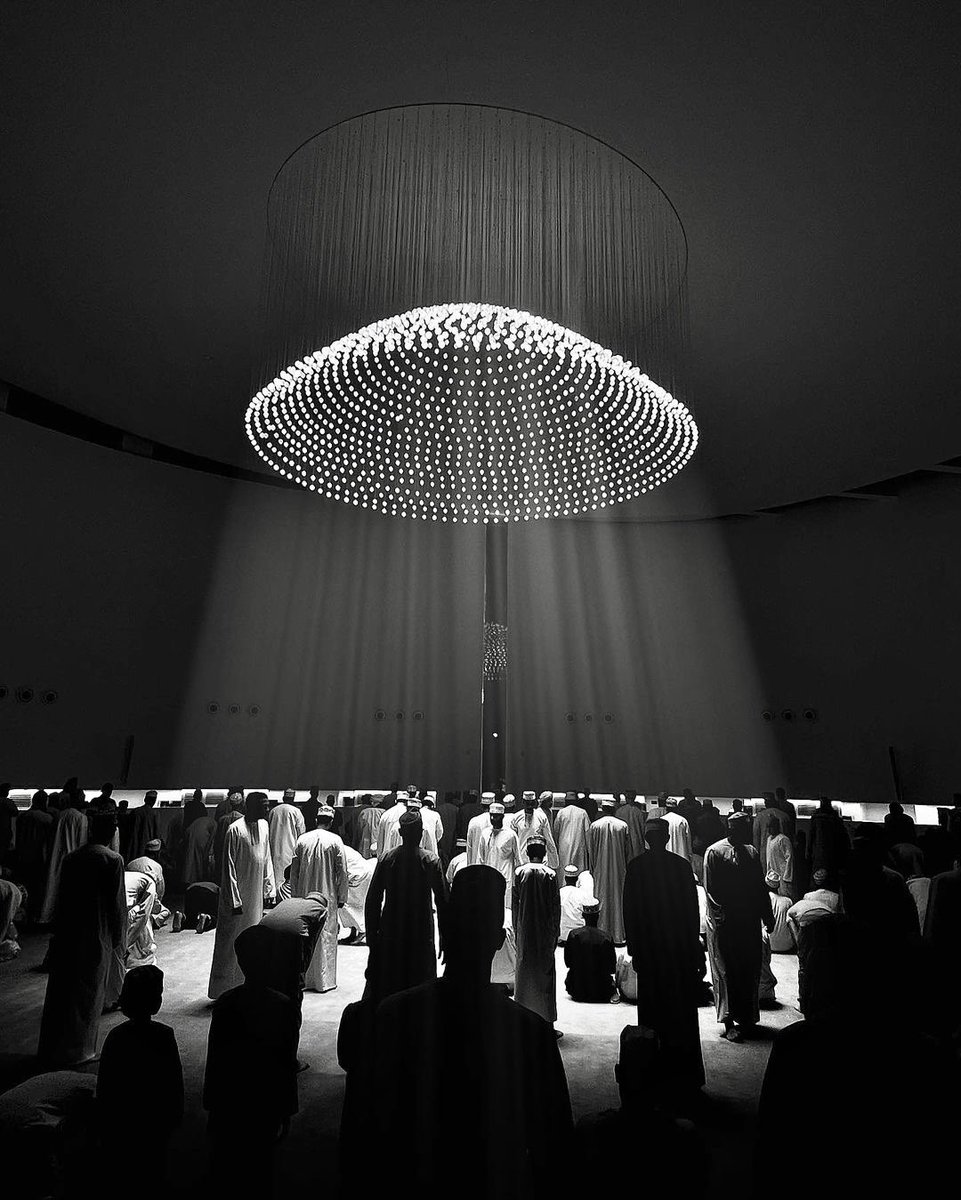
2/ This is embodied in prayer that involves raising hands to the sides of the face, proclaiming Allah Akbar, and entering a peaceful and silent world where there is a connection with the divine. This state of surrender is what true prayer is all about.
Bab Al-Salam Mosque
Bab Al-Salam Mosque

3/ Located in Muscat, the Bab Al-Salam Mosque is a place of surrender, commissioned by two daughters in memory of their late father, Sheikh Saud Bahwan. It was designed by local Omani architects, Abdul Rahim Kindi and Marwan Al Balushi.
Bab Al-Salam Mosque
Bab Al-Salam Mosque

4/ The mosque has a circular plan with a crescent representing growth & the interior is serene, with nothing but a womb-like space beautified in crimson light. Interestingly, in Sufism, the heart chakra is associated with the colour red (crimson) and the prophet Abraham.
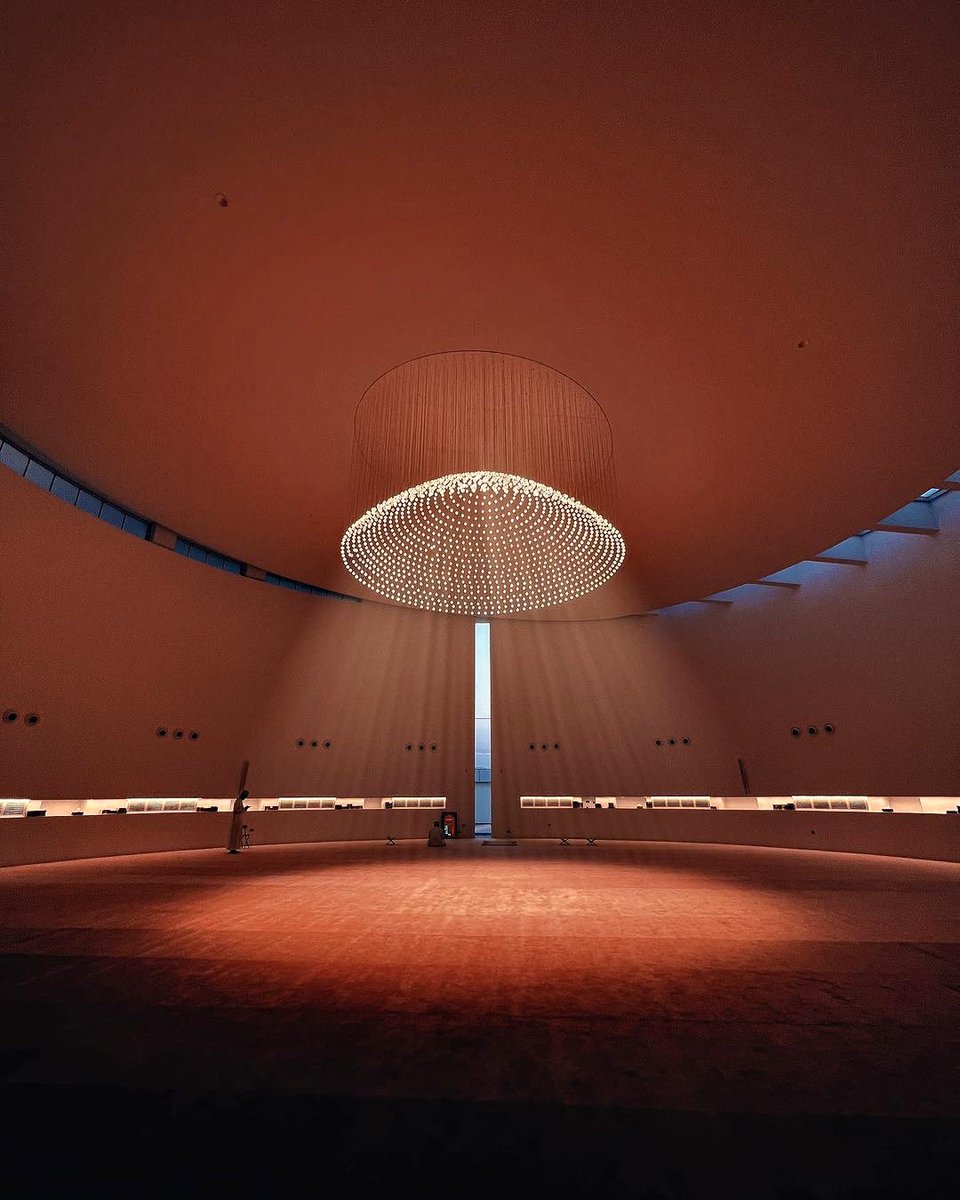
5/ The mosque is a timeless and inclusive place of worship that does not have any decorations, and its minimal glass ball pendant symbolises the vault of heaven.
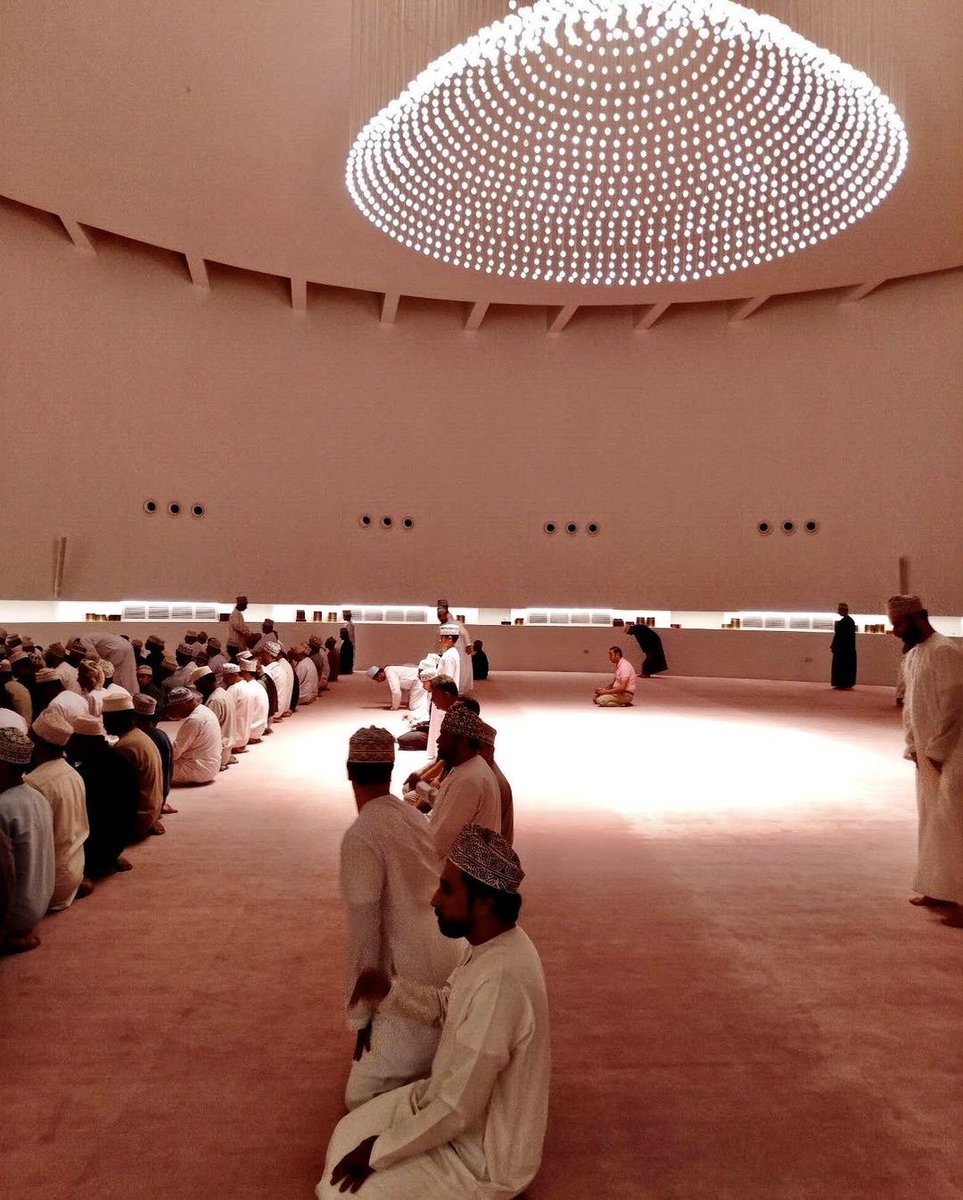
6/ The project conveys a depth that is present in all projects that express Islamic art and architecture in our contemporary lives.
7/ Look up at the Bab Al-Salam Mosque and it is as if you are ascending to the heavens
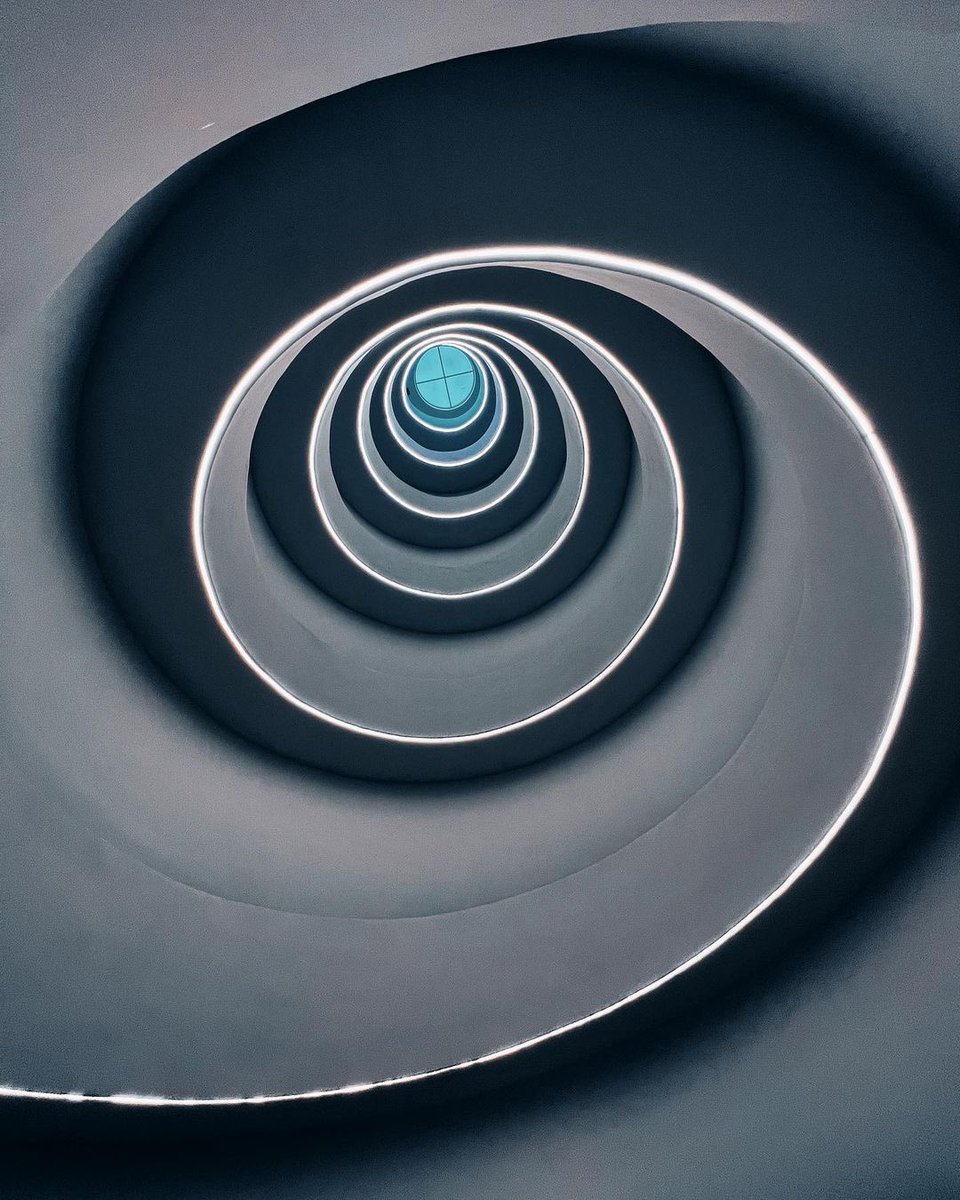
8/ The minimalist interiors of Bab Al-Salam Mosque allow for contemplative serenity

9/ The stunning clean crisp lines and curves of Bab Al-Salam Mosque
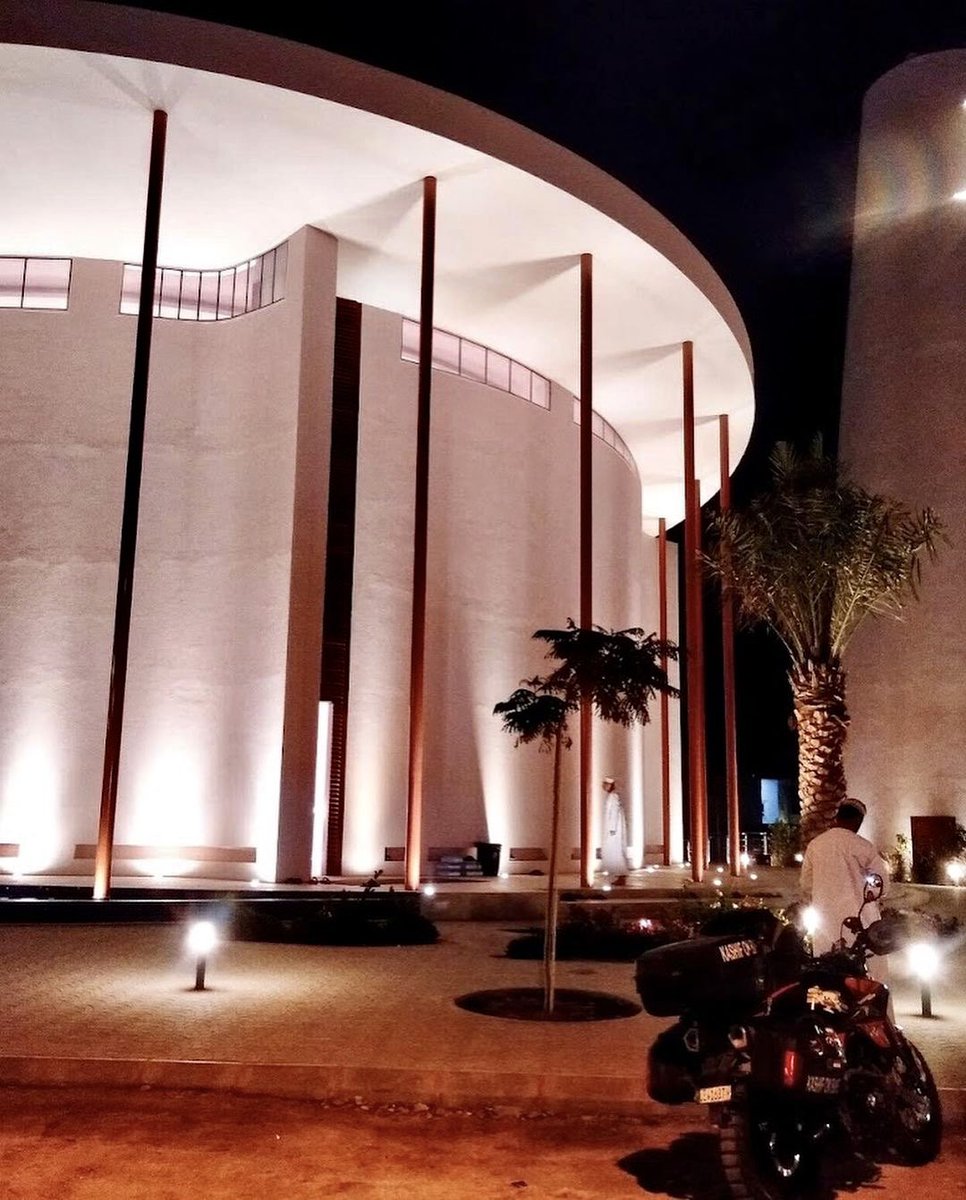
10/ Let’s take a walk through Bab Al-Salam Mosque…
Want to know more about Islamic architecture?
Join us for a fascinating online event exploring the past, present, and future of Islamic architecture.
Thursday 20 July
1:00pm - 2:30pm BST
If you can’t attend live don’t worry, everyone registered will receive a recording of the… twitter.com/i/web/status/1…
Join us for a fascinating online event exploring the past, present, and future of Islamic architecture.
Thursday 20 July
1:00pm - 2:30pm BST
If you can’t attend live don’t worry, everyone registered will receive a recording of the… twitter.com/i/web/status/1…
• • •
Missing some Tweet in this thread? You can try to
force a refresh