TheMauretanian Profile picture
Jun 25, 2023 19 tweets 8 min read Read on X
Thread - The Carthaginian Army - Part III : War Elephants, Chariots and Siege engines
The Carthaginians were introduced to war elephants by Pyrrhus of Epirus (295-272 B.C.) during its sicilian campaign, leading them to promptly abandon their Tyrean war chariots. They first deployed elephants against the Romans during the Battle of Agrigentum (262 B.C.)
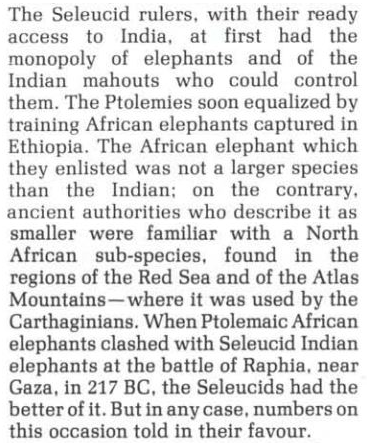
Carthage employed war elephants that were native to North Africa and were smaller compared to the Asian and African Savannah subspecies. They belonged to a small forest species (Loxodonta africana cyclotis), which lacked the capacity to carry a tower like the other subspecies.
Carthage, dependent on the favor of Numidian monarchies for their supply of elephants, occasionally had to seek assistance from the Greco-Macedonian monarchies. This allowed them to acquire larger Asian elephants capable of carrying towers.
In addition, the Carthaginians equipped these elephants with metal plates for protection. According to Appian, Carthage maintained stables for 300 elephants, although this full capacity was never deployed. The highest number recorded was 140 elephants in Sicily in 252 BC.
It appears that these elephants were often guided by black/aethiopian mahouts, as evidenced by numerous depictions on Etruscan coins and terracotta figurines but the origin of these riders is unclear.
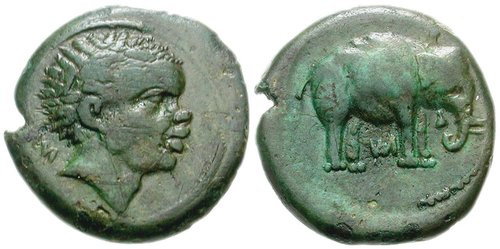
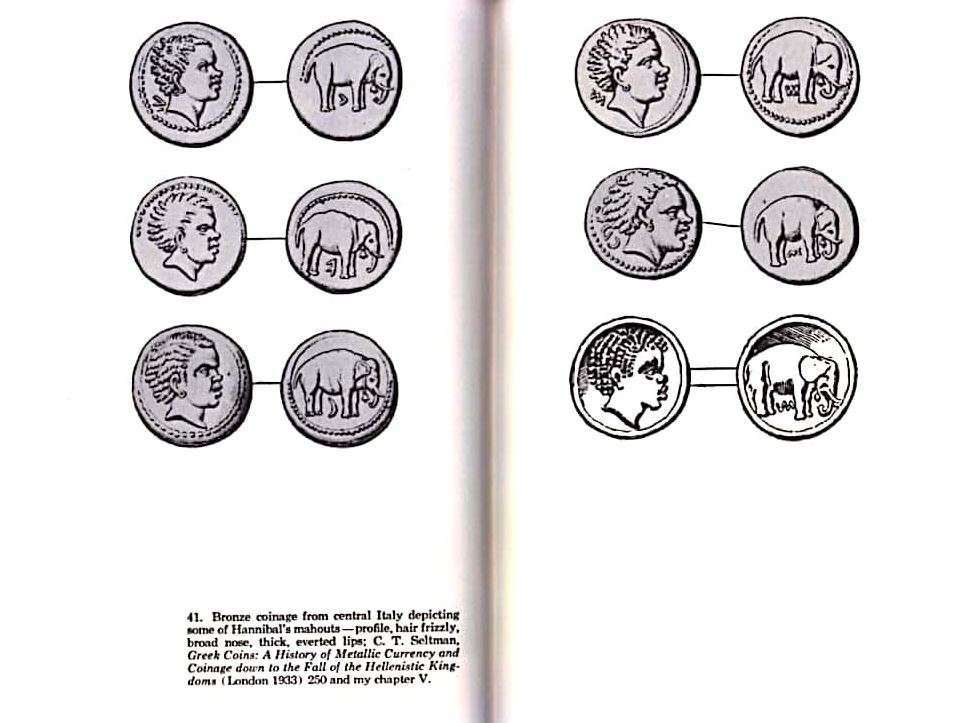
It is possible that these riders originated from the northern fringes of the Sahara or the region around the Red Sea, as historical evidence suggests that Ptolemaic Egypt supplied small elephants from the Red Sea along with their mahouts.
Despite their strength, These elephants were vulnerable to extreme nervousness and could become uncontrollable in the midst of battle. The Carthaginians had to resort to using an iron wedge to kill them through their spine, a method credited to Hannibal's brother Hasdrubal.
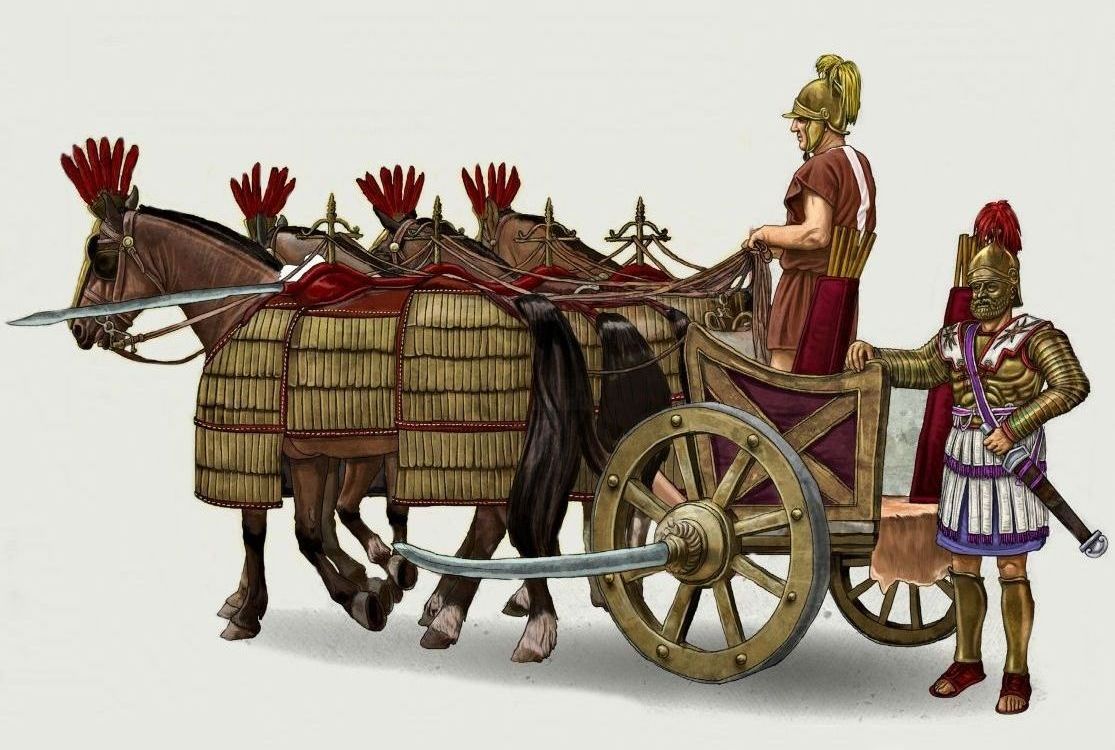
The Carthaginians upheld the tradition of Eastern scythe chariots (biga and quadriga) until at least the 4th century. However, these chariots disappeared entirely during the Punic Wars as they were replaced by war elephants.
The existence of these chariots in the Middle East dates back to the 2nd millennium, making them an archaic feature that persisted in Carthaginian armies until relatively late. Scythed chariot would have especially been used by persians during the Vth cent. BC
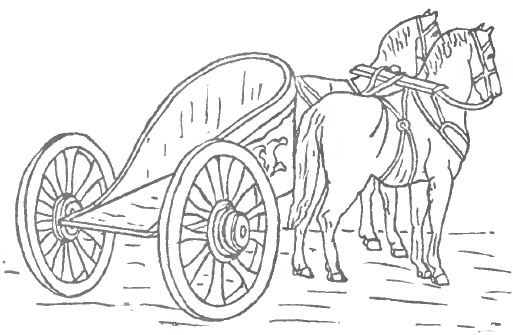
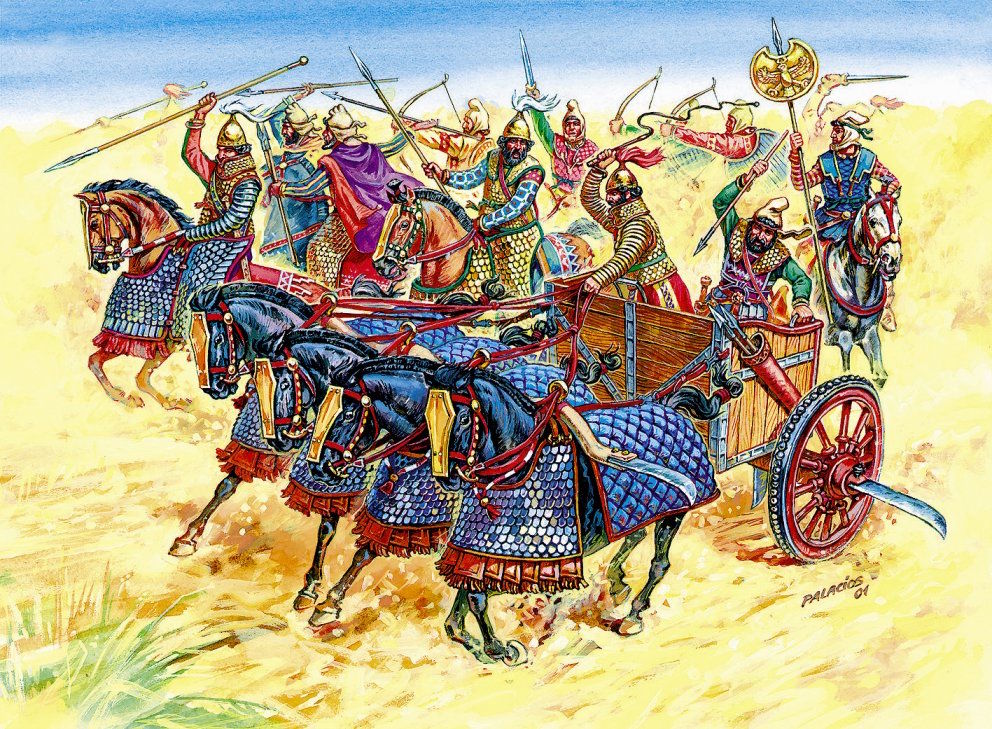
These war chariots accommodated two soldiers—a driver and an archer. Blades could be attached to the wheels and the front of the chariot, enabling charges against enemy lines. However, it was hindered by the lack of open ground and linear enemy formations in island terrains.
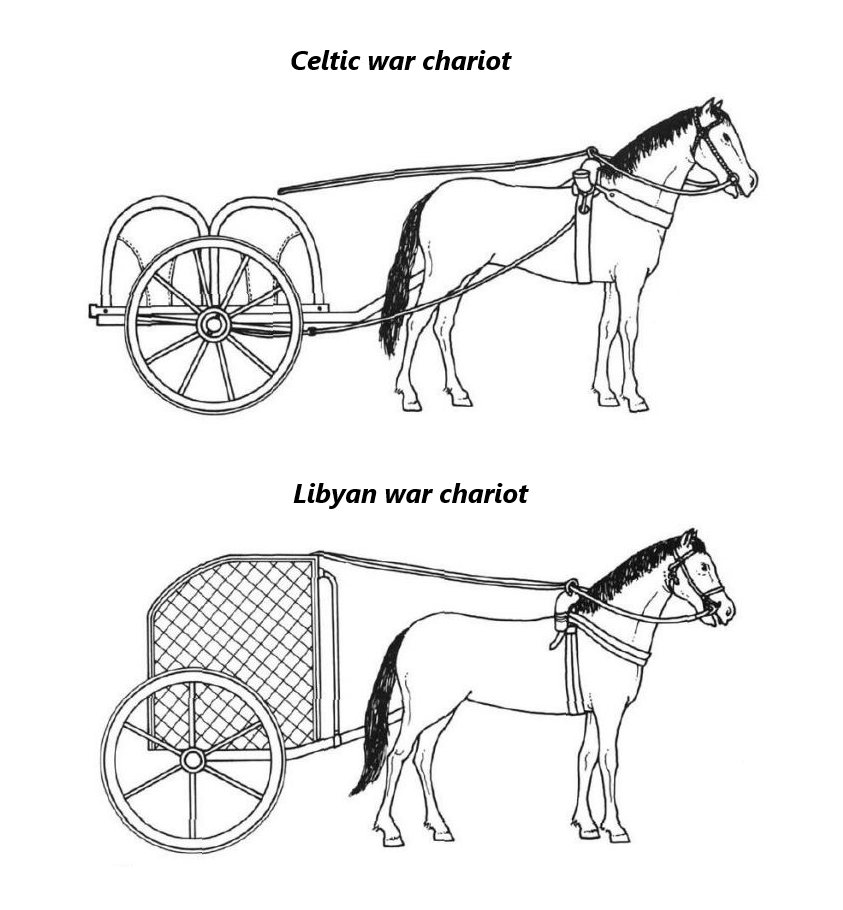
It is worth mentioning that war chariots were employed by certain Libyan and Celtic tribes. The Libyans were mentioned during Agathocles' invasion of Africa in 310 BC, where they allied with him. The Romans also noted the frequent usage of chariots among noble Celts.
The Carthaginians utilized a wide range of siege engines, primarily imported from the Middle East, where an old and longstanding tradition of siege warfare existed. They made use of mobile towers, catapults, mining and battering ram.
The battering ram was not an original invention of Carthage as believed in the past, as it had already been known in the Near East, particularly in the Assyrian world, during the 2nd millennium BC.
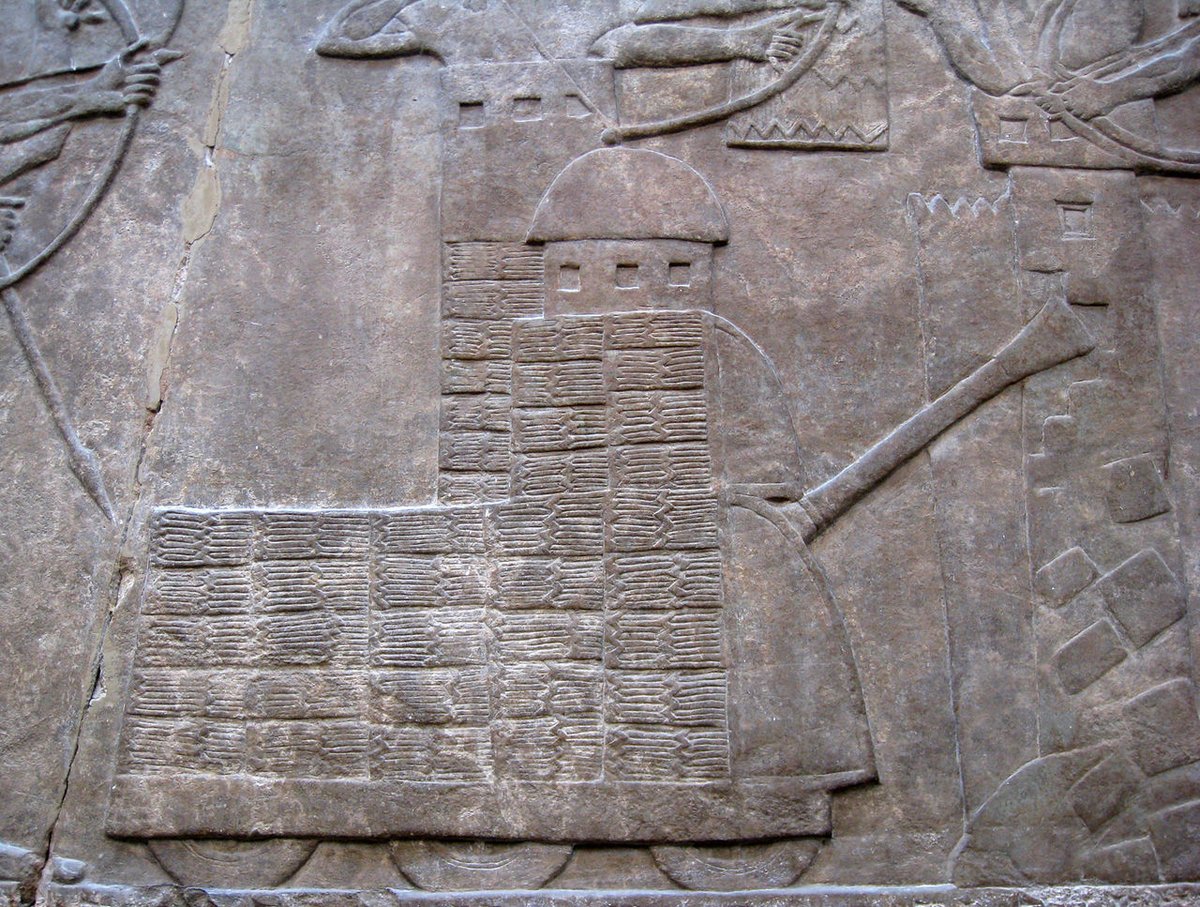
However, it was the Phoenician colonists who introduced this device to the western Mediterranean. They first employed it during the siege of Gadir (Cadix, Spain), which took place either at the end of the 6th century or the beginning of the 5th century BC.

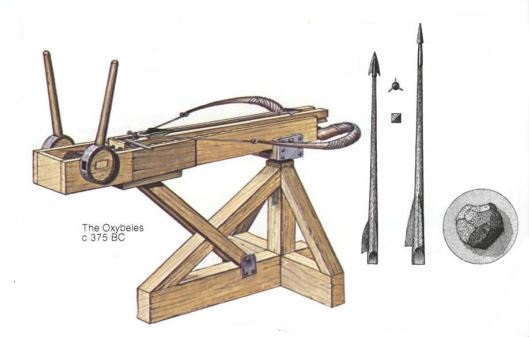
They adopted different kinds of torsion catapult from the Greek sicilians during the 4th cent. BC to shoot stone or darts shot. Hannibal even used alternative ammunation such as clay pots filled with poisonous snakes against ennemy ships when he served under the king of Bithynia.


Diodorus Siculus mentions the Carthaginians using mobile towers "of exceptional size" filled with archers and slingers in Sicily during the late 5th century BC. When these towers were set on fire, Carthaginian generals would respond by building embankments in the Persian style.
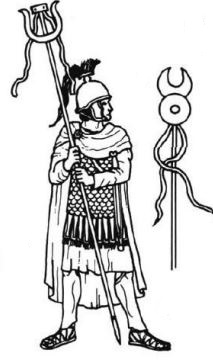
Carthaginian army standards featured crescent shapes with horn-like ends, ribbons, lunar crescents, and sun discs. These symbols held celestial and religious meaning, associated with the goddesses Tanit and Astarte. They likely adopted them from the Babylonian and Assyrian armies

Artists : Ian Heath, Adam Hook, Jeff Burn, johnny Shumate, Giuseppe Rava, Angus McBride,

Source for the texts :

• • •

Missing some Tweet in this thread? You can try to force a refresh

 

Keep Current with TheMauretanian

TheMauretanian Profile picture

Stay in touch and get notified when new unrolls are available from this author!

Read all threads

This Thread may be Removed Anytime!

PDF

Twitter may remove this content at anytime! Save it as PDF for later use!

Try unrolling a thread yourself!

how to unroll video
  1. Follow @ThreadReaderApp to mention us!

  2. From a Twitter thread mention us with a keyword "unroll"
@threadreaderapp unroll

Practice here first or read more on our help page!

More from @TMauretanian

Mar 8
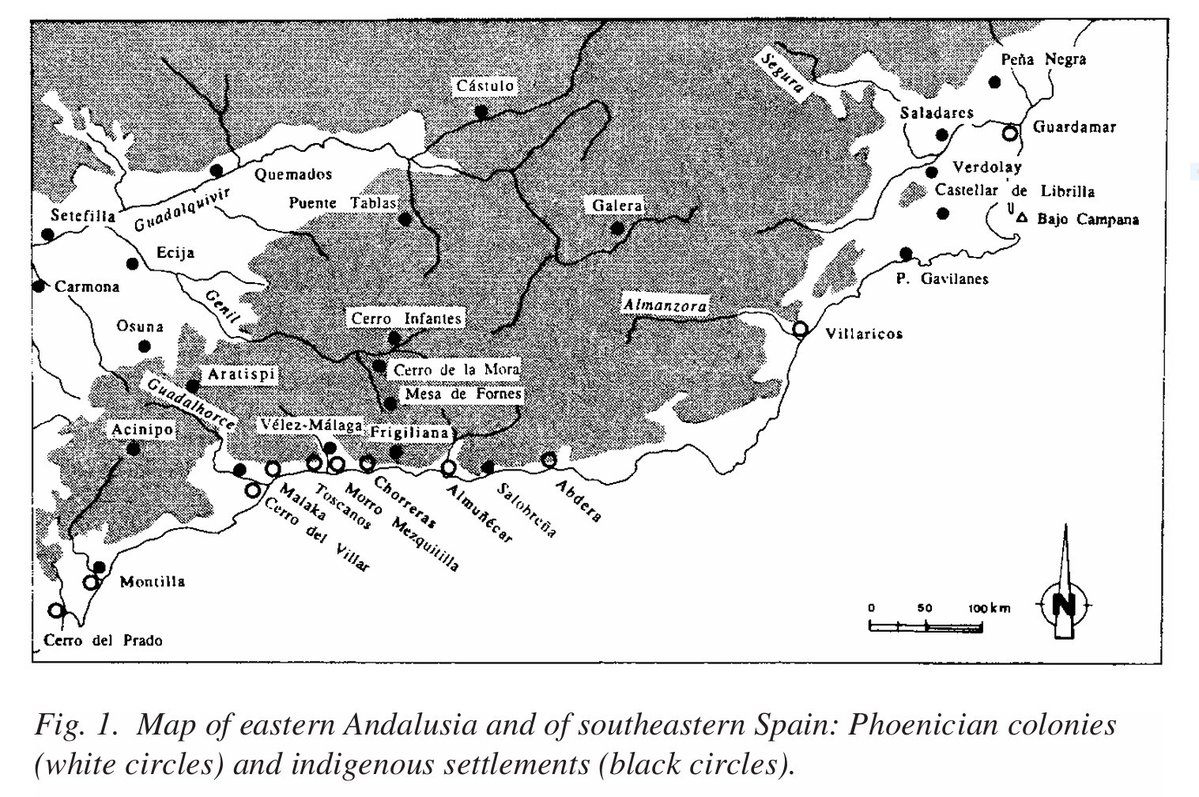
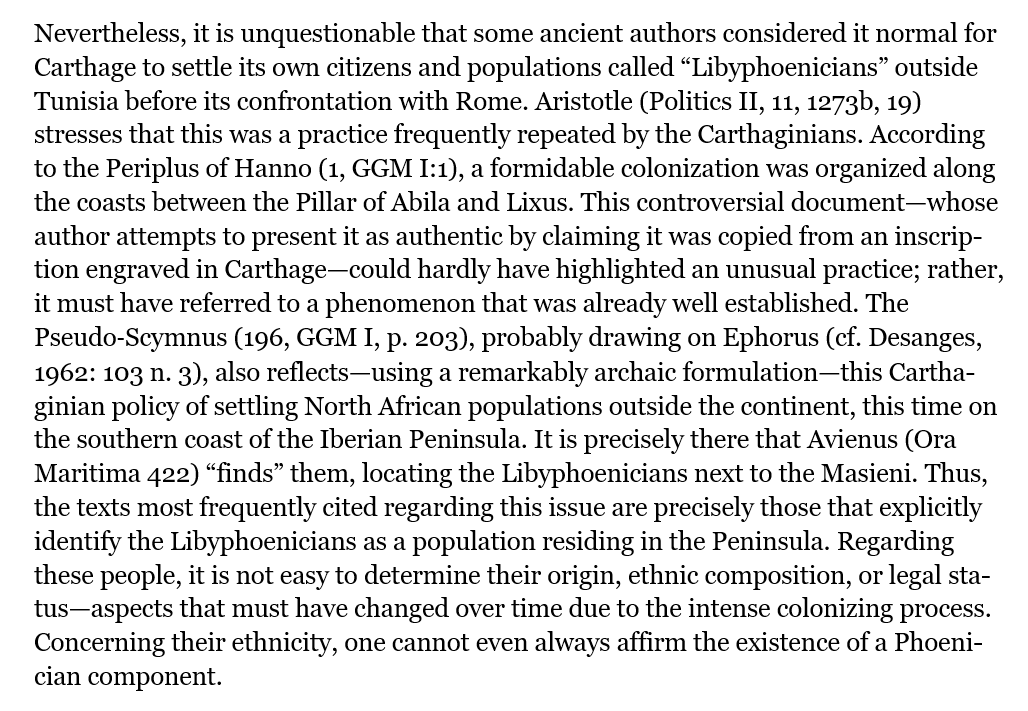
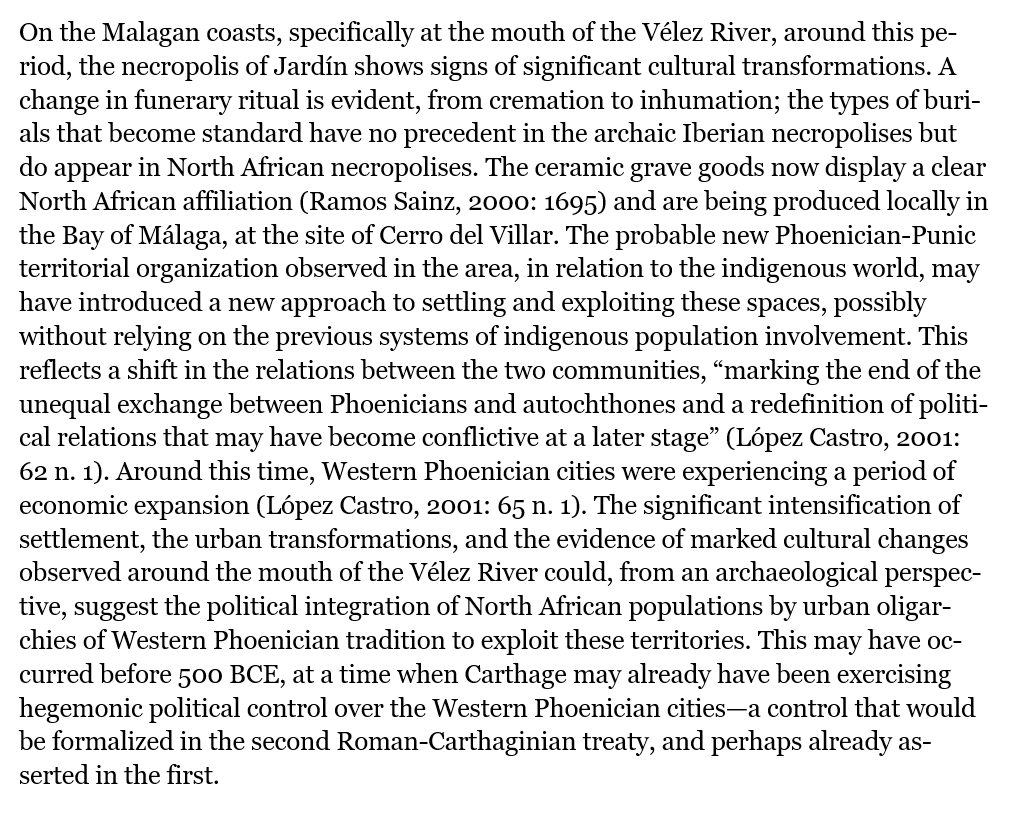
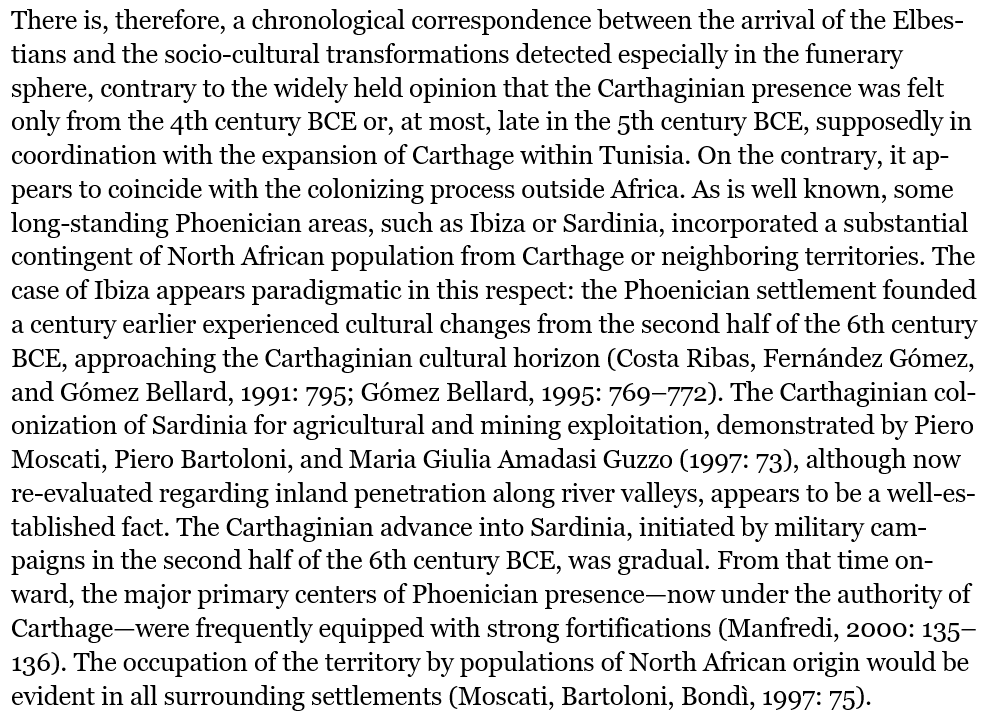
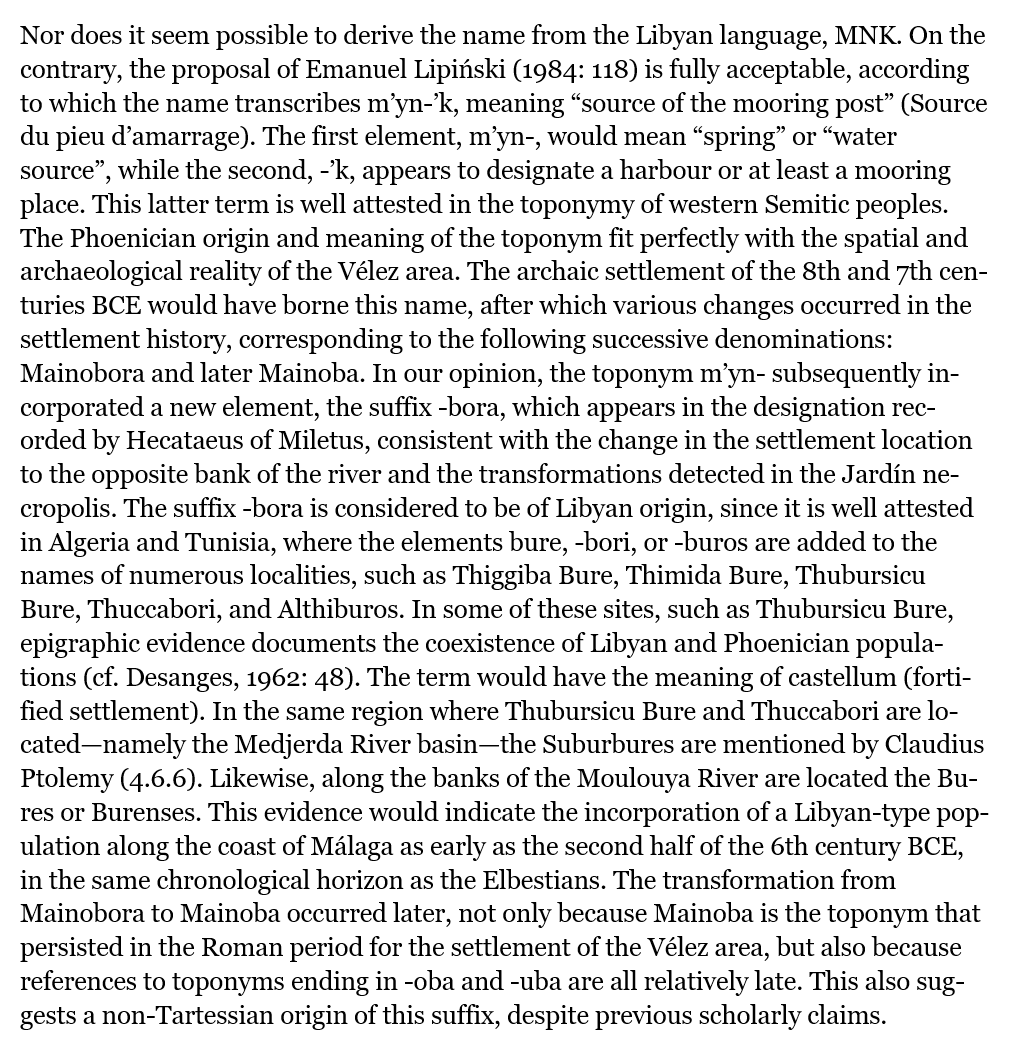
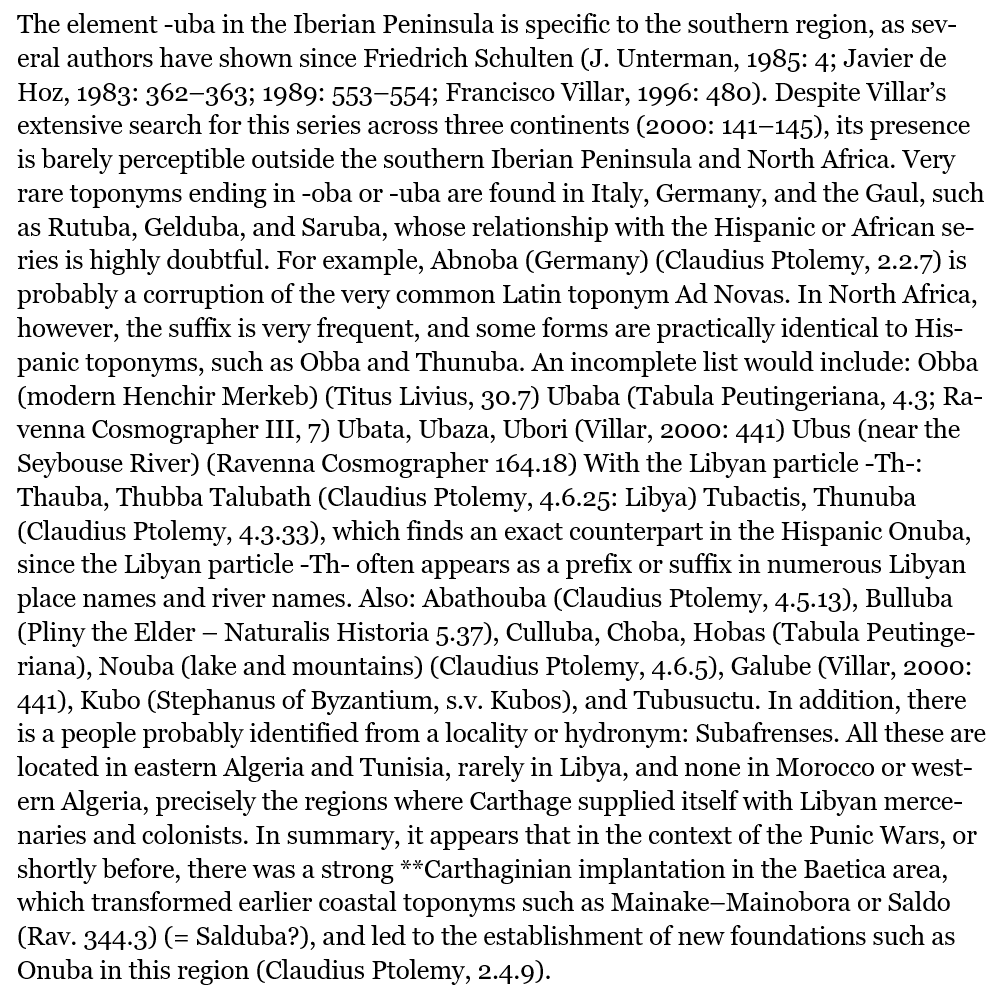
Starting in the second half of the 6th century BC, Carthage undertook a vast colonization program involving the sending of North African settlers to SE Spain as well as to Ibiza and Sardinia. These population transfers did not necessarily imply military conquest or the annexation of large territories, but rather the dispatch of colonists to pre-existing sites or new foundations in order to develop colonial enterprises in these regions. The massive settlement of these colonists led to a redefinition of relations between Phoenicians and Iberians, which eventually became conflictual. A cultural rupture is also evident, although it was not total and shows that indigenous populations were also integrated into the new foundations. These 6th century settlements are contemporaneous with the mention of a Libyan people living in Iberia, whom Greek sources call the "Elbestians". 🧵Image
Image
Image
Image
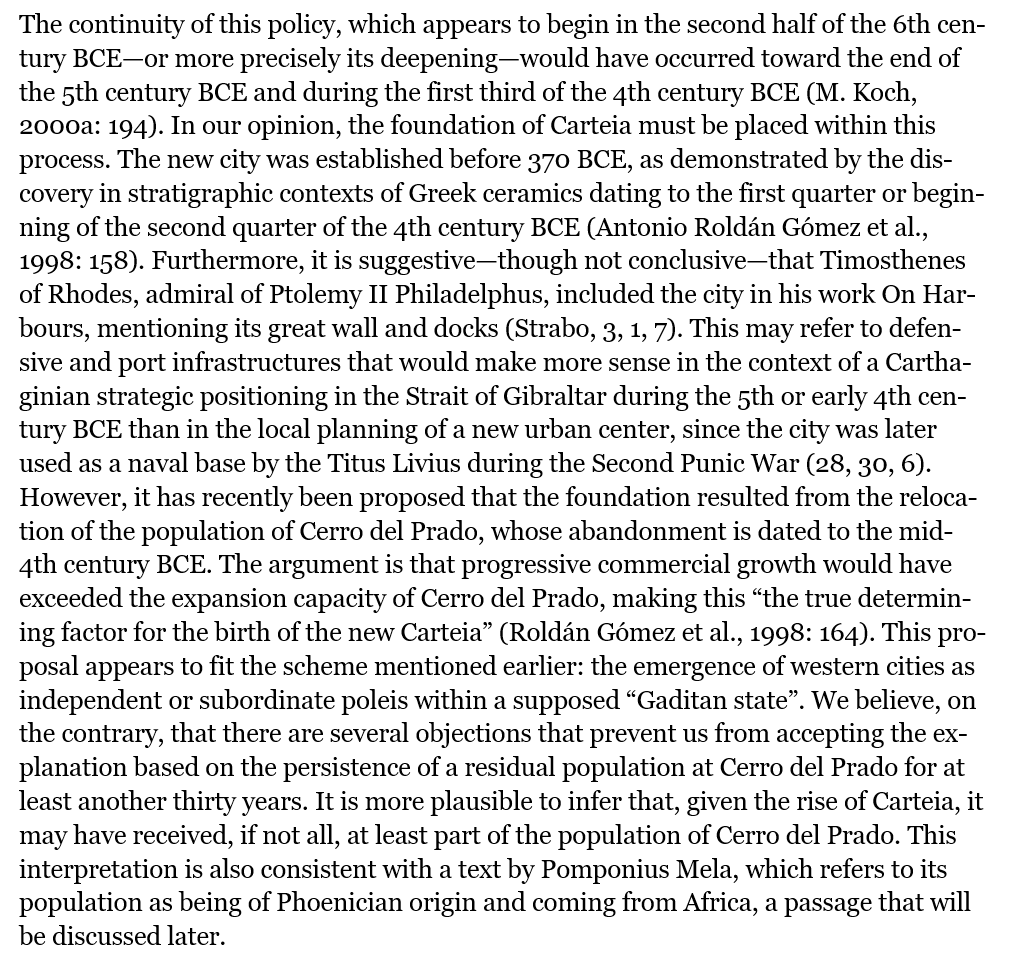
The settlement of these North Africans is also perceptible through toponymy, which was altered and acquired a Libyco-Phoenician aspect (-uba/-oba is a Libyan element meaning "fortification" for example). The analysis of these toponymic data shows evident links with eastern Algeria and Tunisia, which indeed provided contingents of colonists and mercenaries to Carthage. This colonization policy experienced two further phases at the end of the 5th century and at the beginning of the 4th century. The foundation of Carteia must be placed within this context and according to Pomponius Mela, this city was inhabited by "Phoenicians from Africa", a term that is generally interpreted as referring to Libyphoenician or Punicized Libyan populations.Image
Image
Image
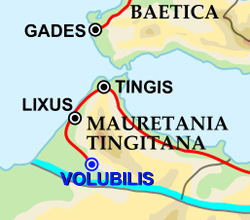
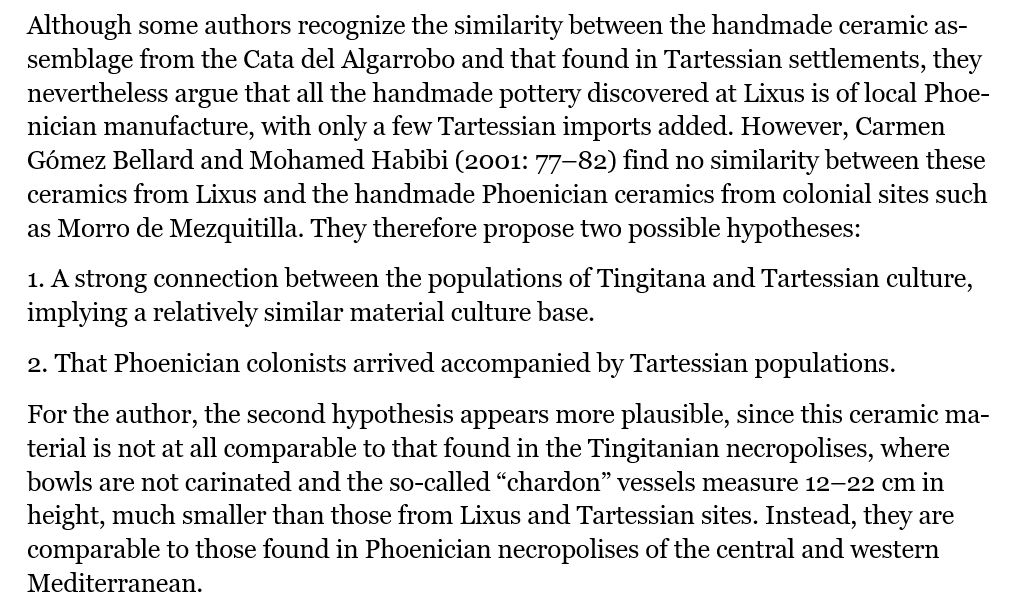
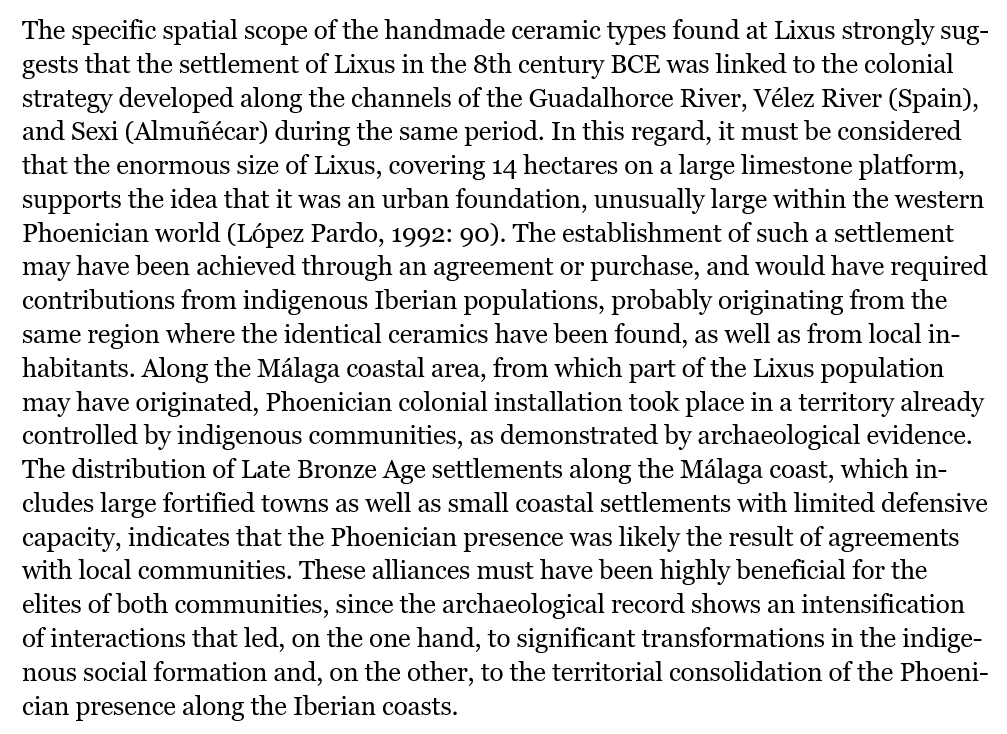
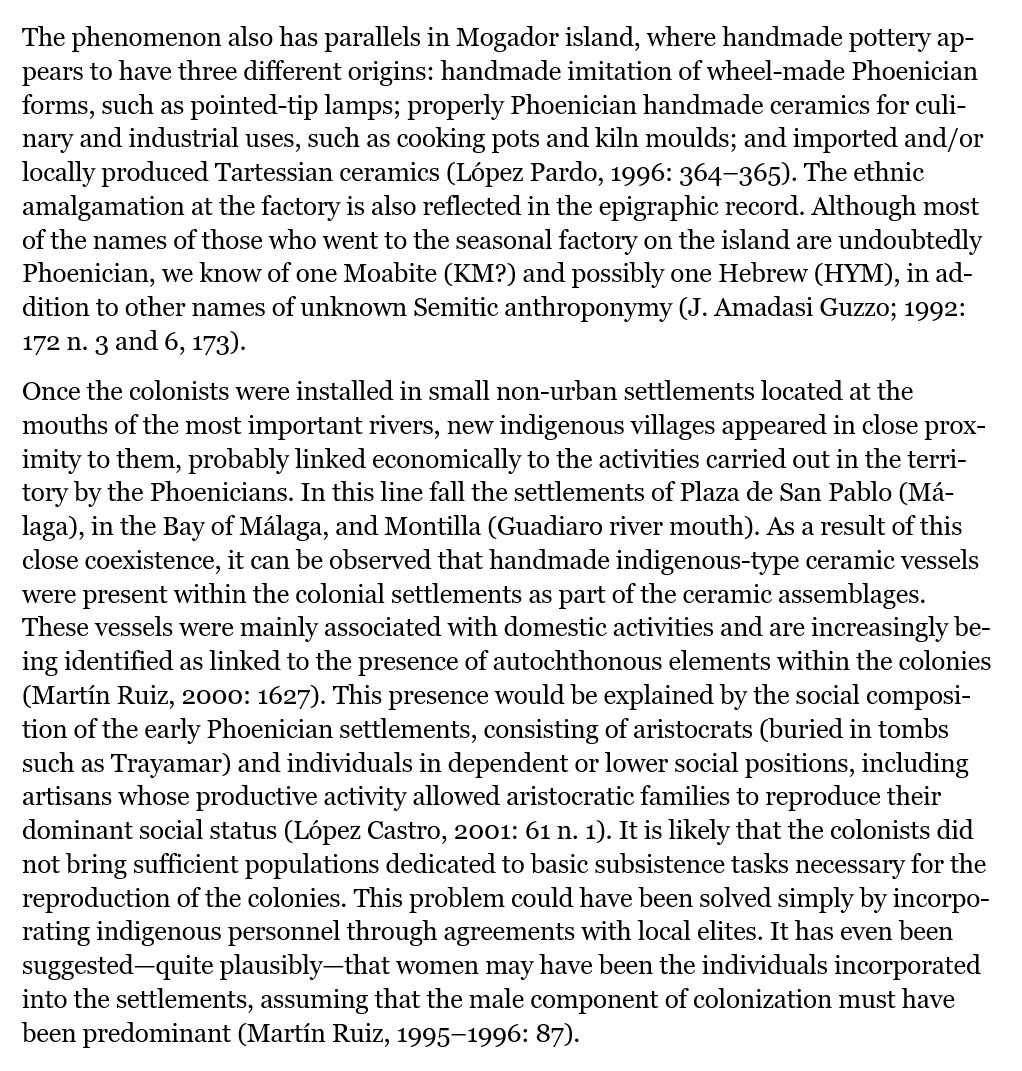
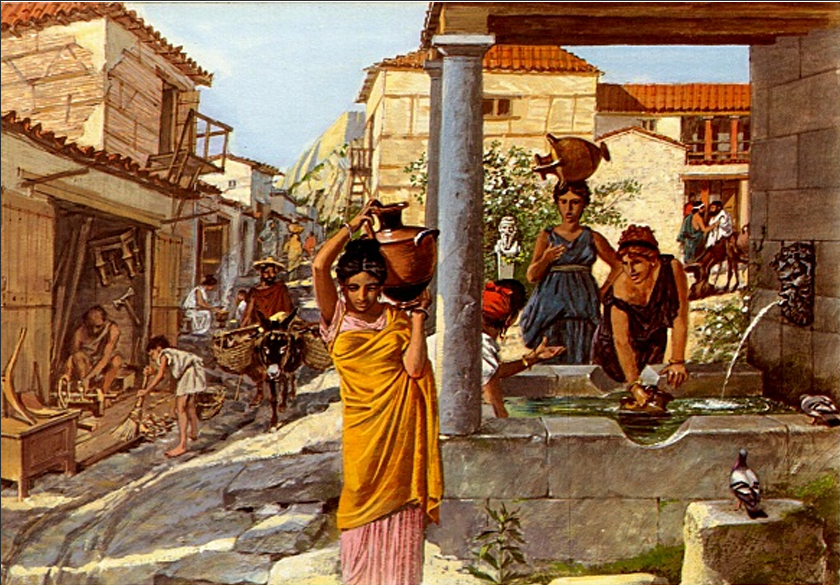
In Northern Morocco, the handmade pottery found in the earliest layers of Lixus suggests that its foundation involved not only Phoenicians but also Tartessians (it should be noted that other studies indicate that the site was already occupied at the end of the Bronze Age, making it likely that the Phoenicians settled in the surrounding area rather than replacing earlier inhabitants and hence why the Pseudo-Scylax mentions for Lixus a "city of the Libyans" and a "city of the Phoenicians"). These movements and settlements therefore appear to have involved Phoenicians, locals, and Tartessians. This ceramic assemblage also shows strong similarities with productions from eastern Andalusia. As in the case of Spain, the establishment of such a site could only have been achieved through agreements or purchases with local populations, and the archaeological record suggests the participation and interaction of Iberian and Berber groups. A comparable situation can be observed about 400km further south on the island of Mogador, where, somewhat surprisingly, the site may also have hosted Moabites and Hebrews. Furthermore, whether in Spain or North Africa, the Phoenician settlement of these regions, especially near river mouths, encouraged indigenous populations to establish settlements in close proximity. These local groups were gradually integrated into Phoenician colonial communities and appear to have provided agricultural labor and women, since Phoenician colonization was predominantly carried out by male settlers.Image
Image
Image
Image
Read 4 tweets
Nov 2, 2025
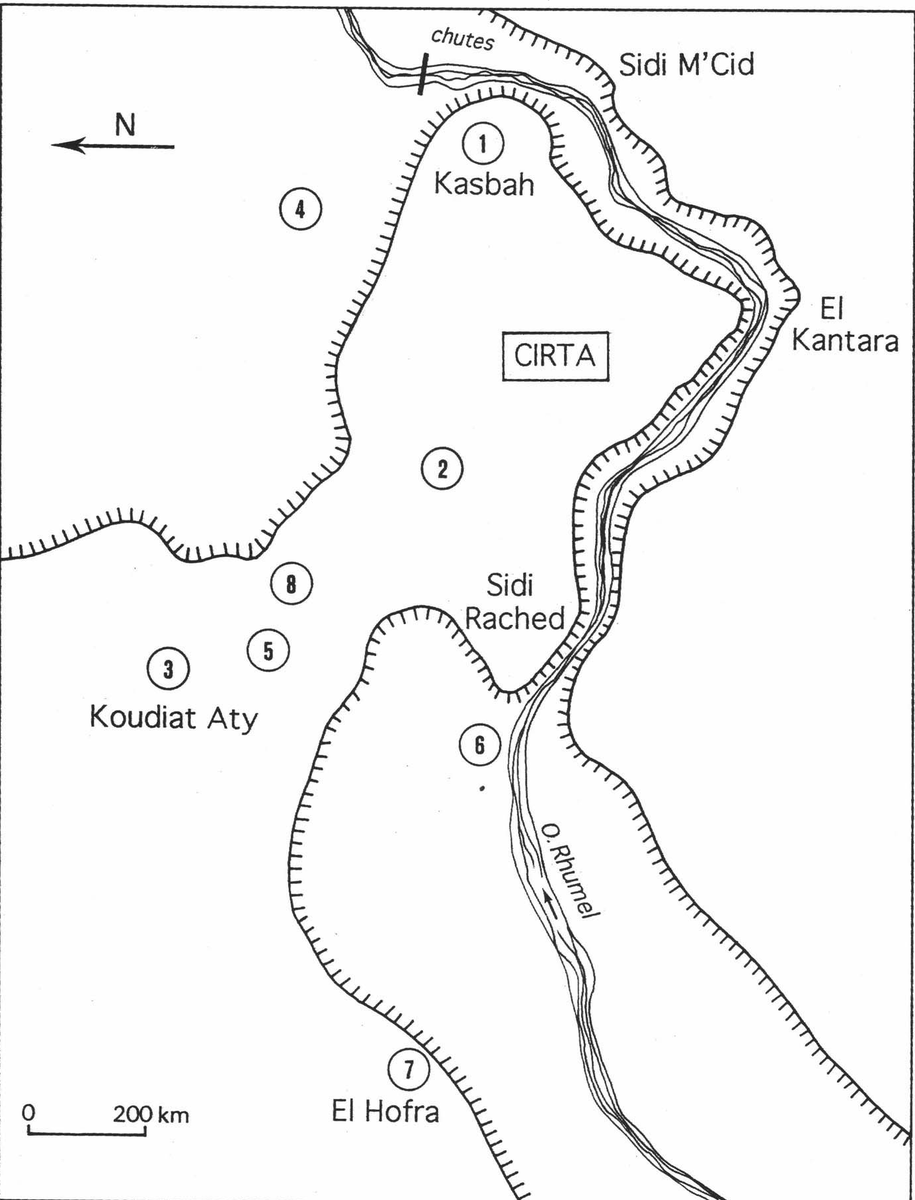
Short Thread - Unfortunately, very little is known about the layout and architecture of the ancient city of Cirta/Kirtan, the capital of the Numidian kingdom, largely due to continuous occupation since antiquity and urban developments that have destroyed much of its heritage. The following is a brief summary of the limited information available for the pre-Roman period.Image
The urban site is located on a vast limestone rock raised between faults. In addition, the site lies at the center of a region favorable for cereal cultivation and livestock farming. To the north and east, the city is surrounded by deep gorges carved by the Rhumel River (ancient Ampsaga). It is impregnable on three sides and accessible via an isthmus to the northwest. The site therefore presents natural defensive conditions that attracted humans from an early period.Image
Image
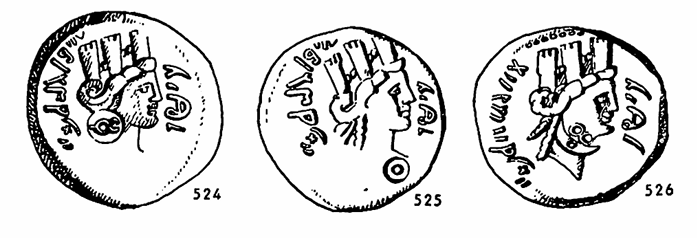
On a side note: even though we don’t hear much about it, it was one of the most populous cities in the ancient world (3rd–2nd centuries BC), hosting around 200k people. Its ancient name "Cirta" is almost certainly not of Phoenician origin. Indeed, the Phoenician noun Qart/QRT, meaning “city,” begins with the letter qoph, whereas on Cirta’s coins with Neo-Punic inscriptions dated to the 2nd century BC, the city’s name is written KRTN (Kirthan) with a kaph, derived from the Libyco-Berber “Kart”, meaning “rock,” which makes perfect sense given its topographical position.Image
Read 14 tweets
Sep 10, 2025
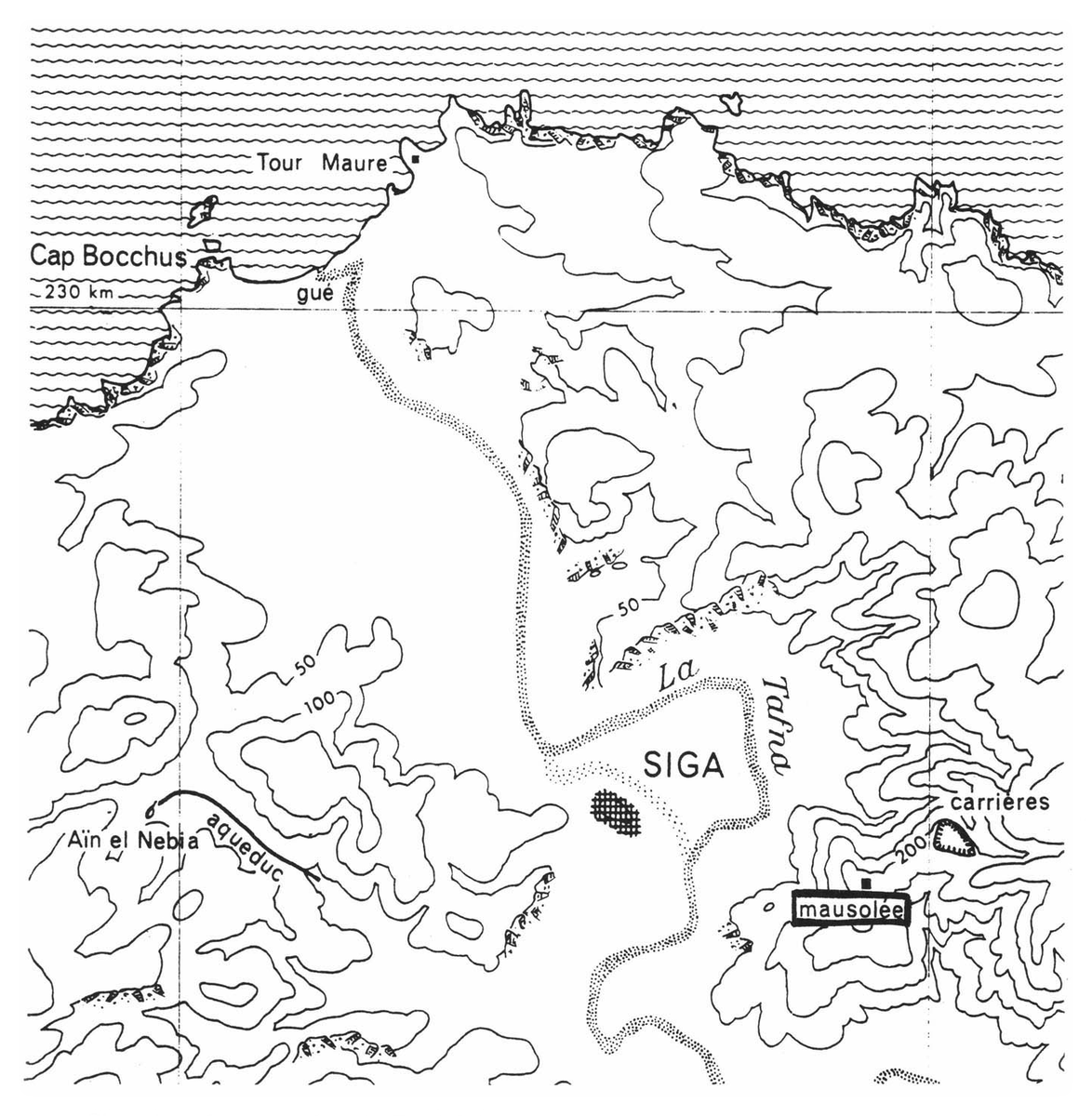
Thread - Summary of Everything We Currently Know About the Mausoleum of Beni Rhenane (Western Algeria, 2nd century BC) Image
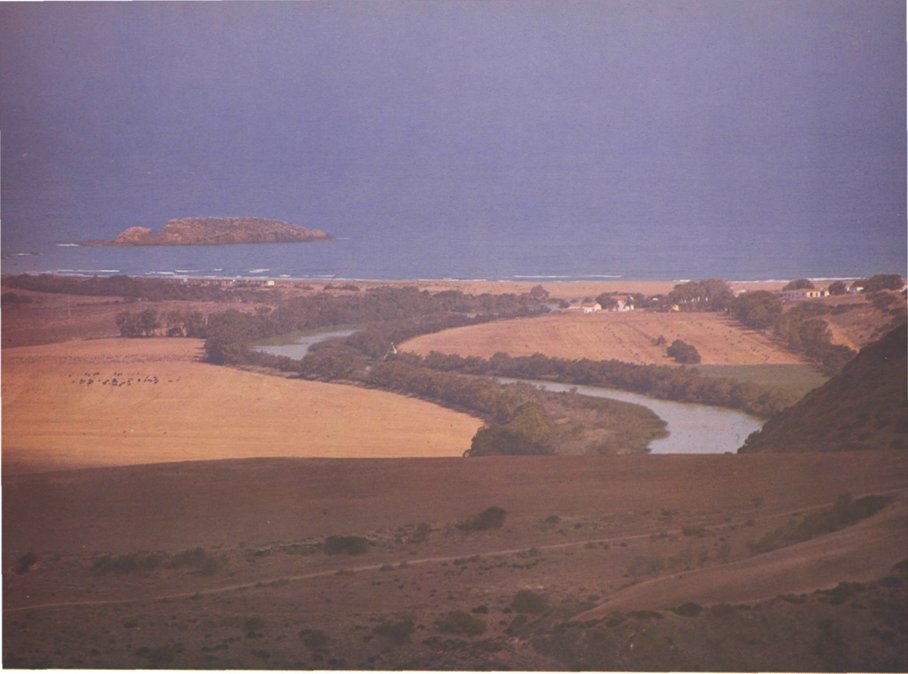
The mausoleum stands on a 221m-high peak of Jbel Skouna, overlooking the river Tafna and the ruins of ancient Siga, capital of King Syphax (Masaesyle dynasty). It was built near a group of tumuli, just like the Medracen further confirming its dynastic nature. Image
Image
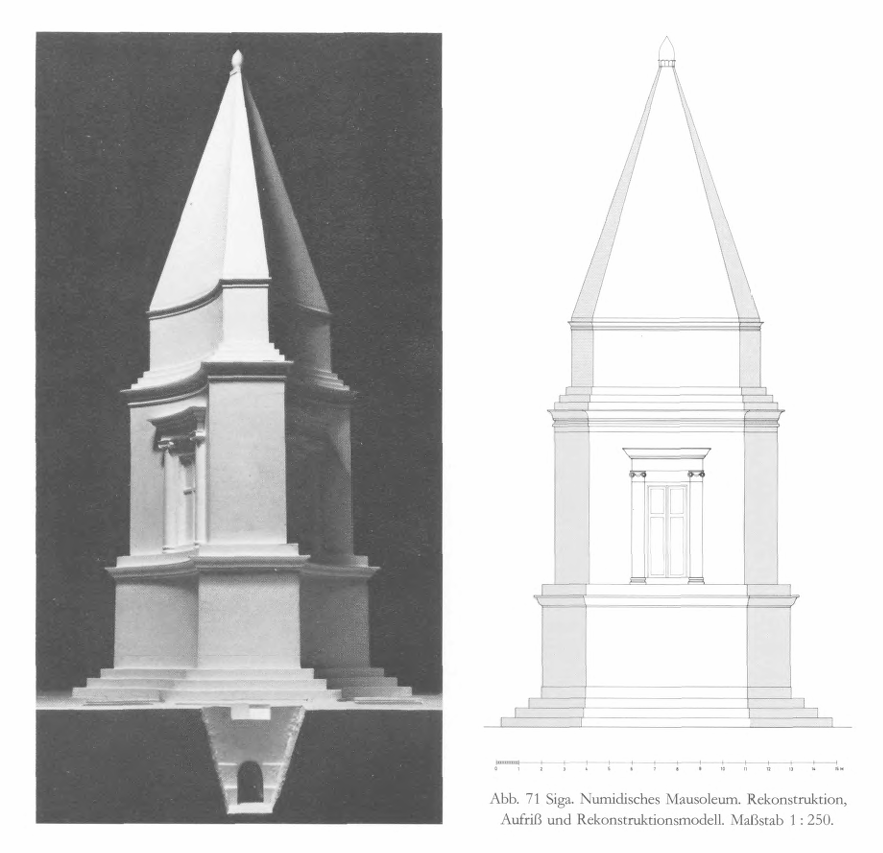
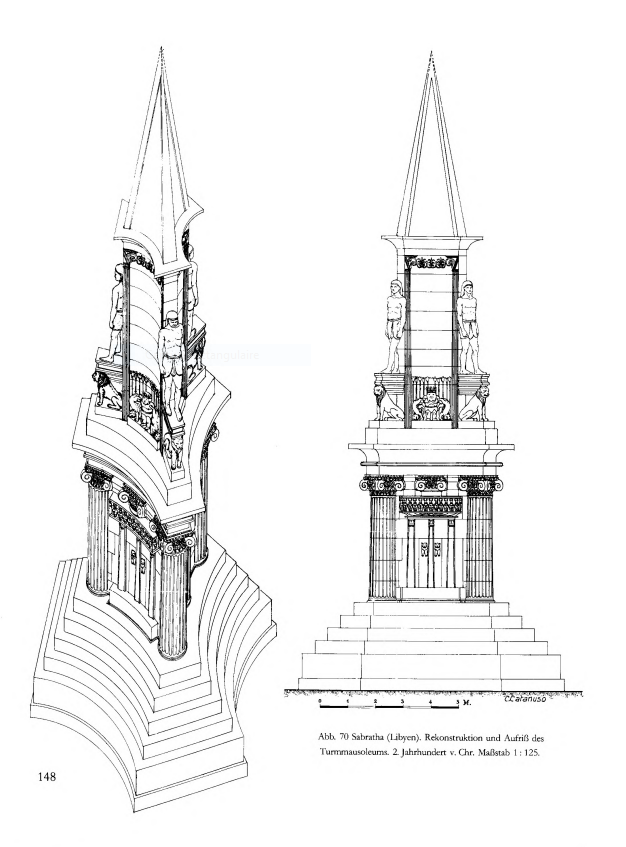
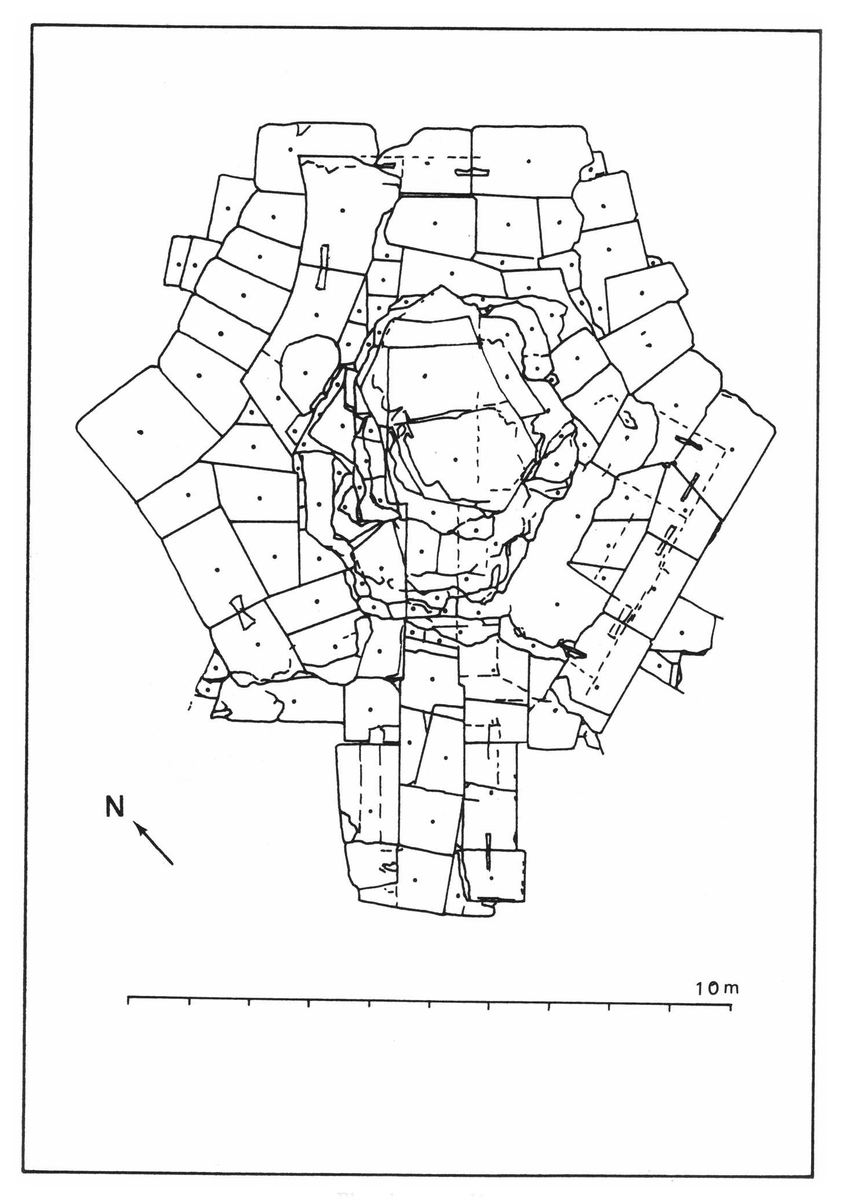
Its plan resembles other mausolea, such as those at Sabratha (Mausoleum B) and Djerba (Henchir Bourgou), but it was far larger and more imposing: about 15m wide and likely at least 30m high, making it the largest tower tomb in North Africa. Image
Image
Image
Read 15 tweets
Jul 23, 2025
Thread - Did Ancient Berbers Use Swords? If So, What Kind? Let’s Look at the Few Pieces of Evidence We Have.🧵 Image
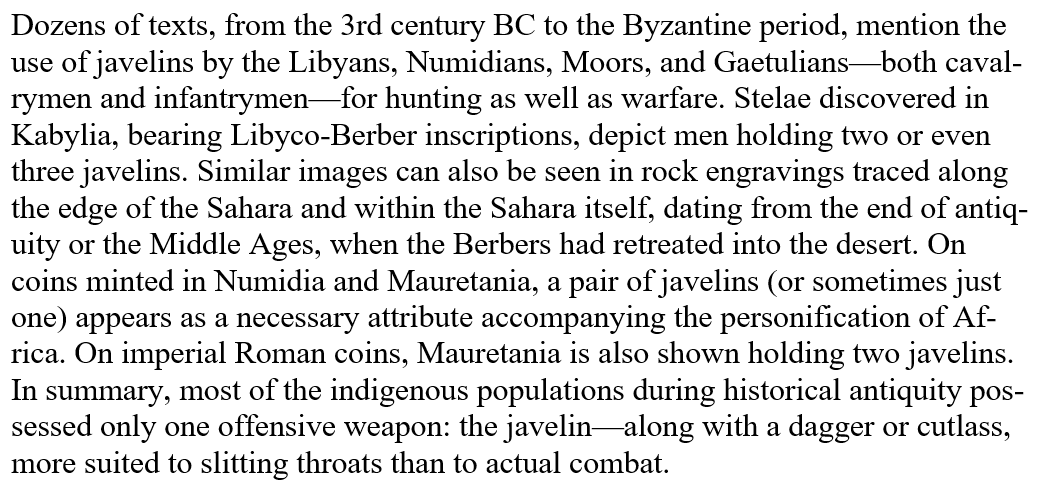
When it comes to describing the horsemen and infantry of North Africa, ancient authors almost never mention the use of the sword among them and instead emphasize the use of the javelin or even the cutlass. But what is the reality? Image
Image
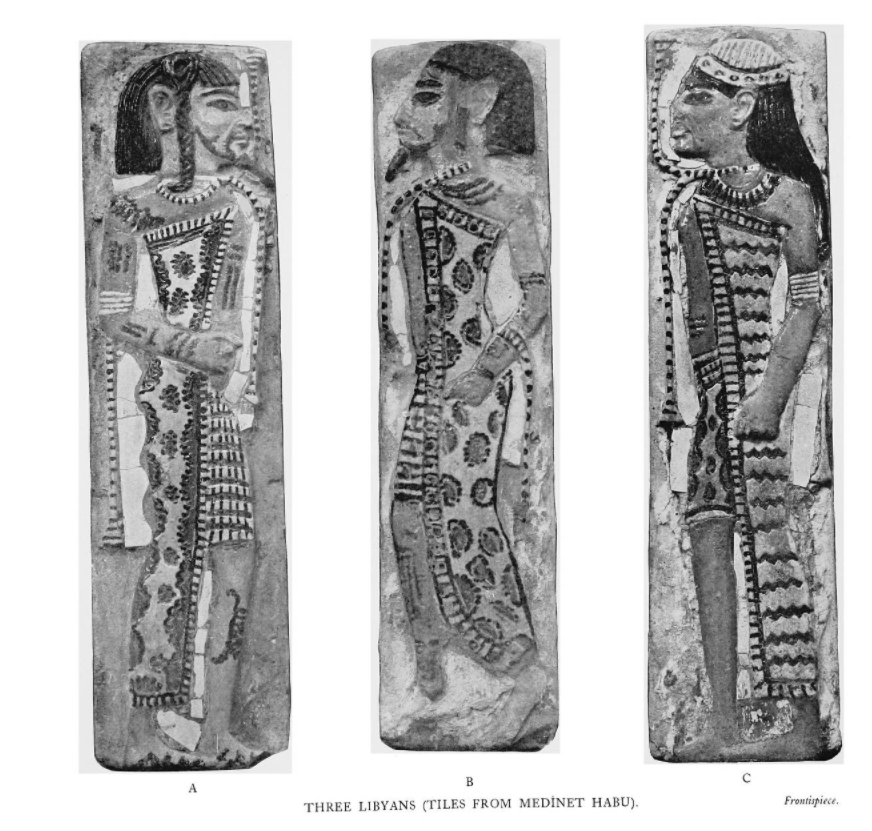
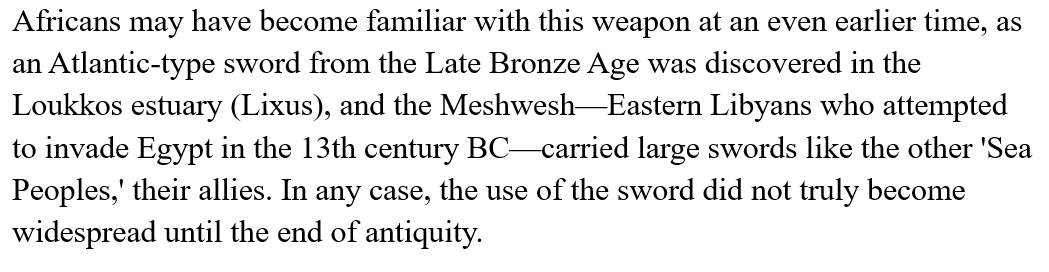
The earliest evidence of sword use among the ancient Berbers actually dates back to the Bronze Age. Indeed, during the 13th century BC, in the context of the Sea Peoples invasions, a stele dated to the reign of Merneptah mentions a victory over the chief of the Meshwesh... Image
Image
Read 22 tweets
Feb 5, 2025
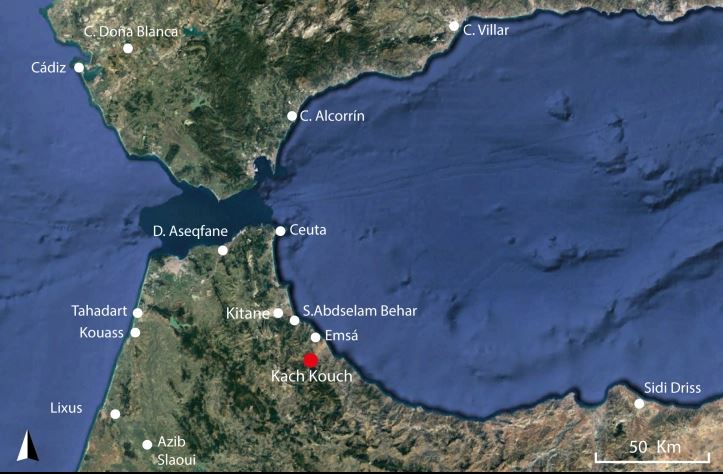
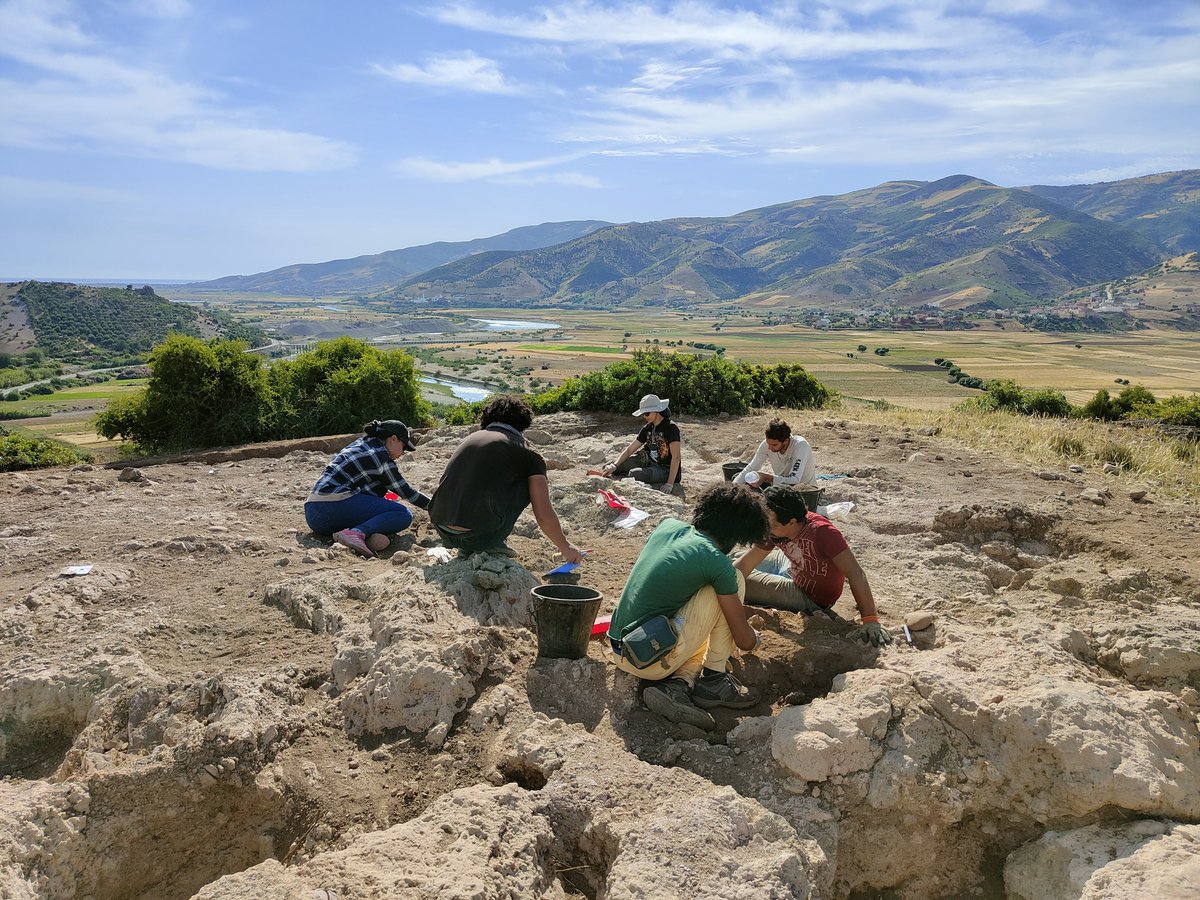
Short Thread - The site of Kach Kouch in Northern Morocco: an Indigenous Rural Community of the Bronze and early Iron Age (2200–500 BC)🧵 Image
Image
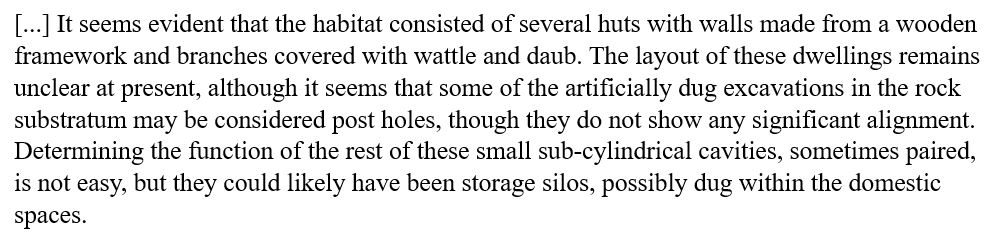
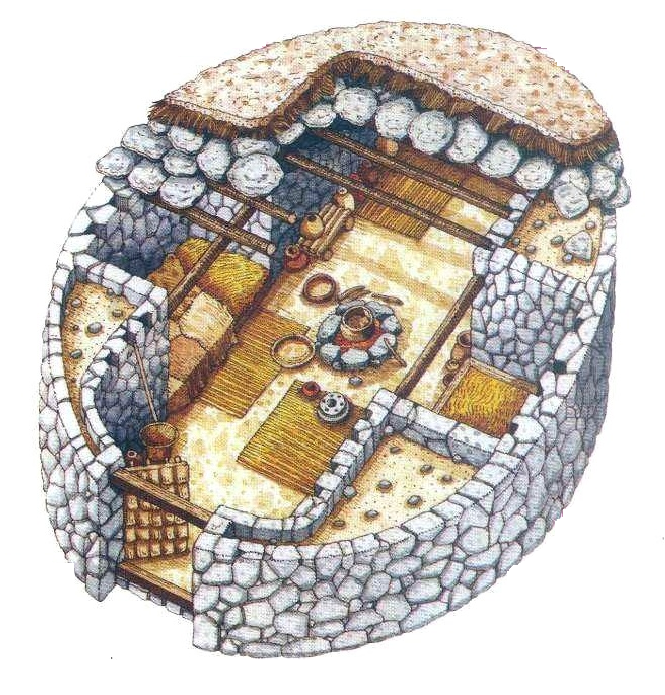
The site is situated on Dhar Moudden Hill in the Wadi Lau valley, just 9 km from the sea. Naturally protected, it appears to have been a village with dwellings featuring walls made of wooden frameworks and branches, covered with wattle and daub. Image
Image
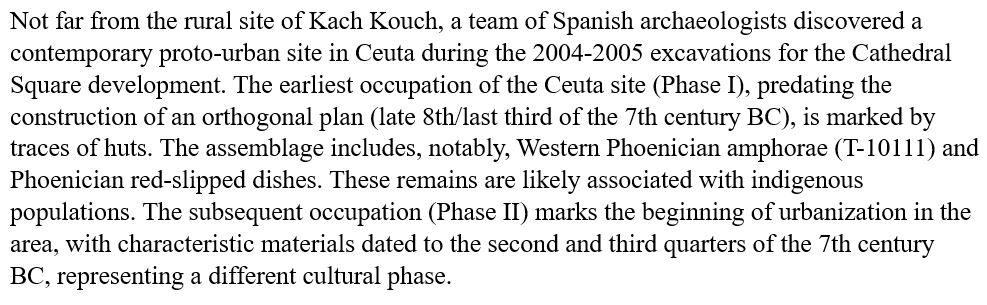
Quadrangular structures are absent, except for one rectangular building with a stone base and earthen walls. The site mainly features round or elliptical huts with post holes, similar to oval-shaped huts found in Ceuta's earliest level (8th century BC). Image
Image
Read 12 tweets
Jan 3, 2025
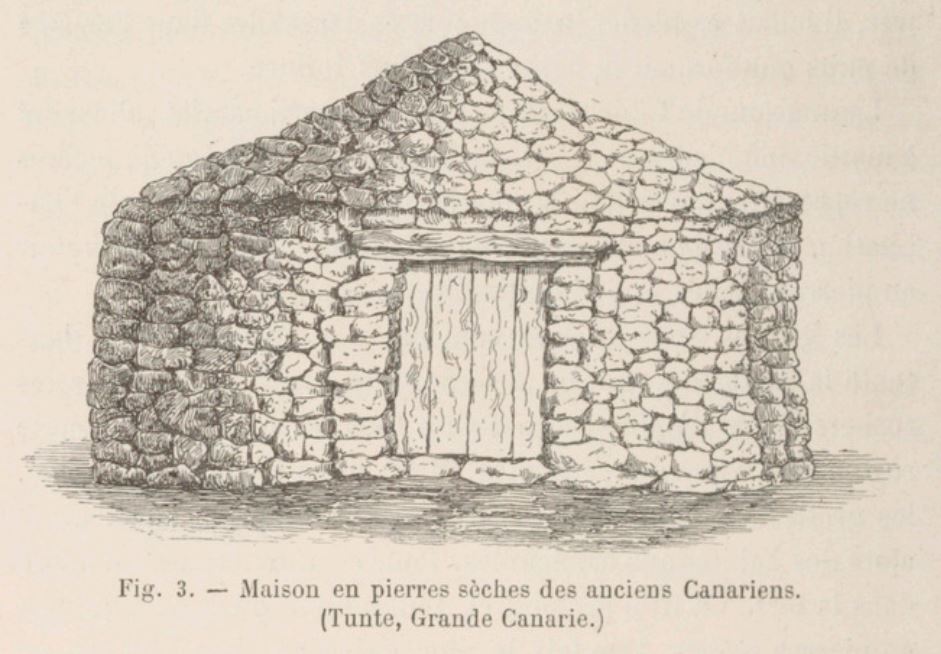
Thread - Tables summarizing ethnographic facts about Ancient Canarians by E.A Hooton Image
- They practiced agriculture, fishing, hunting (lizards & birds), had livestock (sheep, pigs, goats) and had dogs
- Lived in caves (natural & artificial), dry-stone houses/huts
- Burials in caves or under tumuli Image
Image
Image
Image
- Stone, Bone, Horn, Shell, Leather, Woodworking are all attested
- Ceramics with incised or painted decorations (only in Gran Canaria) including animal and human figurines, pellets for slings, beads and stamps Image
Image
Image
Image
Read 11 tweets

Did Thread Reader help you today?

Support us! We are indie developers!


This site is made by just two indie developers on a laptop doing marketing, support and development! Read more about the story.

Become a Premium Member ($3/month or $30/year) and get exclusive features!

Become Premium

Don't want to be a Premium member but still want to support us?

Make a small donation by buying us coffee ($5) or help with server cost ($10)

Donate via Paypal

Or Donate anonymously using crypto!

Ethereum

0xfe58350B80634f60Fa6Dc149a72b4DFbc17D341E copy

Bitcoin

3ATGMxNzCUFzxpMCHL5sWSt4DVtS8UqXpi copy

Thank you for your support!

Follow Us!

:(