
 Read on Twitter
Another behaviour thread: Why tactically ignoring is often a bad idea.
Scenario: A student is committing a minor infraction in the lesson. Rocking on their chair, chewing gum etc..
Teachers are commonly recommended to tactically ignore small infractions like these..1/13
Scenario: A student is committing a minor infraction in the lesson. Rocking on their chair, chewing gum etc..
Teachers are commonly recommended to tactically ignore small infractions like these..1/13
Especially with students who often end up committing larger infractions.
There is logic here as it prevents a nagging atmosphere and reduces teacher-lead disruption. This can reduce the learning of all students. After all the rest of the class are getting on with the work. 2/13
There is logic here as it prevents a nagging atmosphere and reduces teacher-lead disruption. This can reduce the learning of all students. After all the rest of the class are getting on with the work. 2/13
The problem comes from social norms and the way humans learn them.
We need to know about a theory called social learning theory and the role a toy called a BoBo doll has played in it's Inception 3/13
We need to know about a theory called social learning theory and the role a toy called a BoBo doll has played in it's Inception 3/13
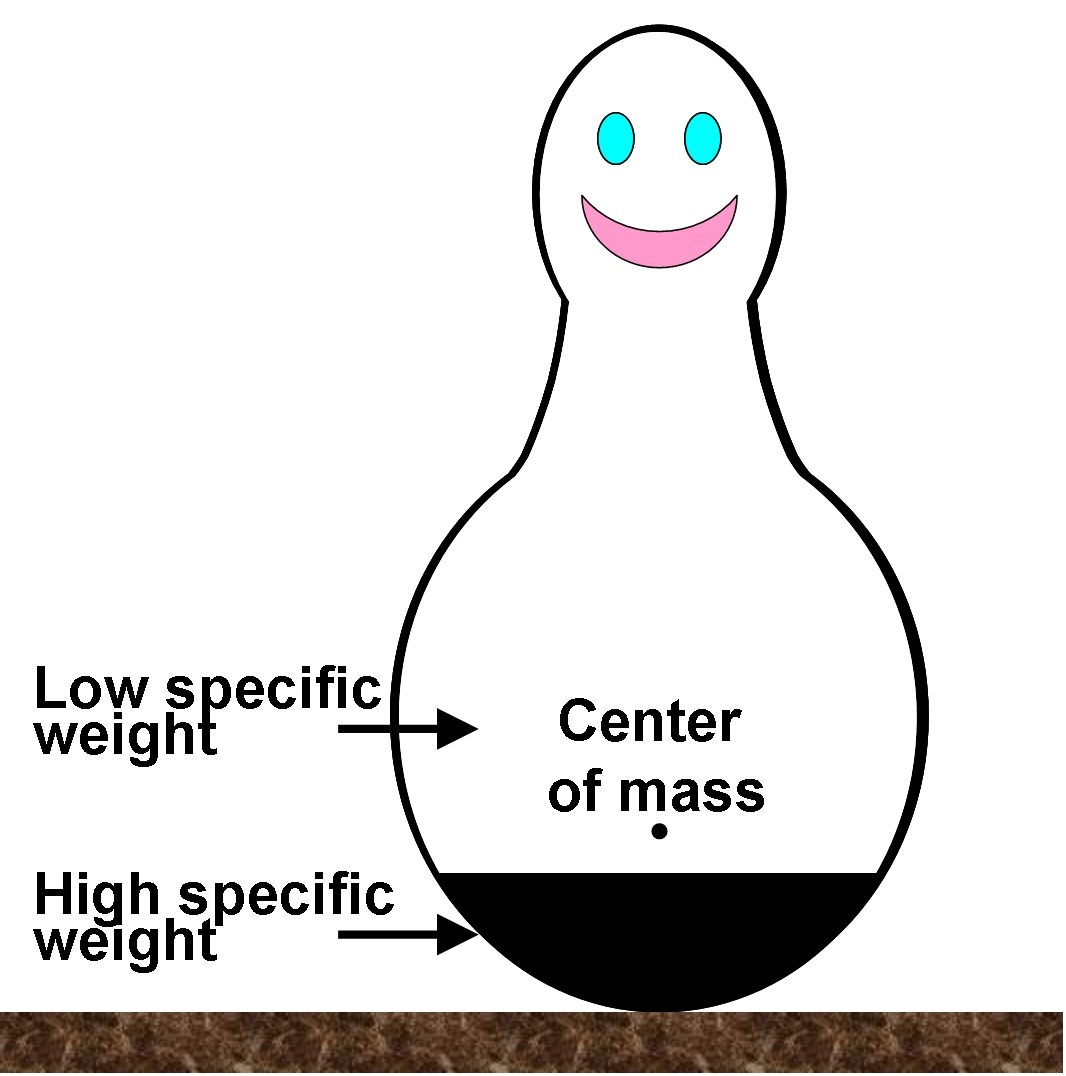
Bandura et al were looking at the way role models were used by children to establish acceptable behaviour.
They filmed a series of people of different genders playing with the bobo doll. Some played gently and others violently 4/13
They filmed a series of people of different genders playing with the bobo doll. Some played gently and others violently 4/13
Suprise suprise the children who saw the aggressive models were more likely to play aggressively when they got a chance to play.
Bandura then went on to show that the ability to learn from others behavior was enchance if the role model was praised or punished afterwards. 5/13
Bandura then went on to show that the ability to learn from others behavior was enchance if the role model was praised or punished afterwards. 5/13
This vicarious reinforcement was crucial and it's what is really important to our thread today.
If we tactically ignore the student then we establish this behaviour is acceptable. The saying "what you permit, you promote" is based on this idea. 6/13
If we tactically ignore the student then we establish this behaviour is acceptable. The saying "what you permit, you promote" is based on this idea. 6/13
The student who is rocking or chewing is being rewarded. They are being rewarded with status by you because they are getting away with breaking a rule.
Over time other students will see this and slowly the behaviour will spread. 7/13
Over time other students will see this and slowly the behaviour will spread. 7/13
The new norm is established and this becomes hard to claw back because the first student challenged will point to the previously permitted cases and feel they have been treated unfairly.
They can feel victimised and ignore any advice to correct their behaviour. 8/13
They can feel victimised and ignore any advice to correct their behaviour. 8/13
So if we can't ignore it but we don't want to disrupt the class by drawing attention to it what can we do?
We can use the brilliance of @Doug_Lemov TLaC "least invasive intervention"
Find a way to challenge the behaviour without breaking the flow of the lesson. 9/13
We can use the brilliance of @Doug_Lemov TLaC "least invasive intervention"
Find a way to challenge the behaviour without breaking the flow of the lesson. 9/13
This could be a gesture, or walking over to their area. Or maybe a good old fashioned teacher glare.
My favourite for gum is to just pick the bin up and without breaking my flow of teaching walk over to the student and put it in front of them.
10/13
My favourite for gum is to just pick the bin up and without breaking my flow of teaching walk over to the student and put it in front of them.
10/13
Tactically ignoring is a technique I was taught to use and have used for many years.
Now I have a greater understanding of psychology and the long term ramifications of what appear to be mundane issues I don't use unless the student has a specific identified need. 11/13
Now I have a greater understanding of psychology and the long term ramifications of what appear to be mundane issues I don't use unless the student has a specific identified need. 11/13
If the student has some self regulation issues or ticks etc then it is ok to ignore them in accordance with advice from the SEND experts.
This doesn't effect the norm because students don't necessarily see that particular student as a role model so the social norm is maintained
This doesn't effect the norm because students don't necessarily see that particular student as a role model so the social norm is maintained
I hope you found this thread useful.
It's part of a piece of work I'm doing in preparation for @researchED1 national in September. I feel there is a need to establish a core theoretical foundation to analyse behaviour systems. So if you have any feedback I'd be grateful. 13/13
It's part of a piece of work I'm doing in preparation for @researchED1 national in September. I feel there is a need to establish a core theoretical foundation to analyse behaviour systems. So if you have any feedback I'd be grateful. 13/13
@researchED1 If you found this thread useful or interesting please RT the original (link below 👇) and follow me to see my previous threads on behaviour and any new ones
https://twitter.com/MrARobbins/status/1673229285996343301?t=XCJkI_iz0XOuSR9Pt3dqwA&s=19
• • •
Missing some Tweet in this thread? You can try to
force a refresh




