ShadowsOfConstantinople Profile picture
Jun 29, 2023 17 tweets 7 min read Read on X
Medieval Arab writers stereotyped Byzantine women as promiscuous/immoral - yet also desirable. They are stereotyped in varying ways as “the most shameless,” adulterous, beautiful, uncovered, uncircumcised, & being uncontrolled - but also as attractive and beautiful (a thread)
Byzantine women were called Rumiyya, the feminine linguistic form of Rumi which was their way of saying Roman. The medieval Arab writers stereotyped Byzantine women as seducing/untrustworthy. Byzantium Viewed by the Arabs by Nadia Maria El Cheikh details these views
“Sa’id al Andalusi states that king of Rum(Roman Empire) is called the king of men because among a human beings, his subjects have the most beautiful faces, the most well-proportioned physiques…This characteristic, beauty, is associated with Byzantine women in particular.”
The women of Byzantium were described in some cases as being light-skinned and blonde with blue eyes and straight hair. This is interesting considering that is not the average look of Mediterranean people. Perhaps the women that looked like this just stood out to Arab observers
In one source a warrior was asked if wanted to go fight the Romans and he said: “Will you allow me to stay behind so as not to be tempted, for everyone knows I am deeply attracted to women, and I am afraid that if I see the Byzantine women, I shall not be able to control myself.”
This shows a kind of fetishization, as if they were sirens luring the virtuous men. Even the story of Harun Al-Rashid features a Byzantine woman he fell in love with, building her a castle on the Euphrates to live in. In the tale her beauty is stressed. But not all were fans…
Al-Jahiz wrote with disdain for Byzantine women he called “the most shameless women in the world…” He thought that this stereotyped immodest behavior was because “the uncircumcised woman finds pleasure, which the circumcised woman does not”
The Arabs also strongly criticized the Byzantine use of eunuchs, (castrated boys). Al-Jahiz wrote: “The Byzantines are the originators of this custom, which contradicts the spirit of kindness and mercy.” But for women, female circumcision seems important to control them…
Abd Al-Jabbar wrote about Roman women as well: “adultery is commonplace in the cities and marketplaces of Byzantium. If a woman has no husband, chooses not to marry, and prefers adultery, she is free to do what she pleases. There are, he claims, many markets for prostitutes…”
“married women are usually chaste; it is the unmarried who are adulteresses…they often start fornicating while living in their parents home…Byzantine women aren’t veiled even when married & they pass the people in the market with heads/faces uncovered, showing all their beauty”
The Arab writers were showing bias and stereotyping: “In Byzantium, women were expected to be retiring, shy, modest, & devoted to their families & religious observances. The upbringing of women took place in the gynaecum, the part of the house for women, in virtual seclusion."
"Although Byzantine historical sources show that strict conventions did not stop illicit contact between the sexes, the behavior of most women in Byzantium was a far cry from the depictions that appear in the Arabic sources."
El Cheikh elaborates further on Al-Jabbar's claims: "There are, he claims, many markets for prositutes, who posesses their own shops and sit in their doorways, uncovered and conspicuous. If one of them gives birth to a child, she can carry him to the patriarch, bishop, or priest”
… “and say ‘I am giving this child so that he may become a servant of Christ. Inevitably the response is that she is a "pure and blessed saint’…” Jabbar is implying they are actually just adulterous and immoral, and pretending to virtuous mothers
Nadia Maria El Cheikh concludes that “the entire body of writing on Byzantine women seems to reflect fears of uncontrolled sexual activity…the aforementioned accounts seem to be projections of the perceptions, feelings, attitudes, and judgment of Arab Muslim men.”
“…There are no firsthand, credible, or dependable sources about Byzantine women in our sources. While the one quality that our sources never deny is the beauty of Byzantine women, the image that they create in describing these women is anything but beautiful.”
It seems like a literary way to “reject the moral and ethical system of the Byzantines as inferior, reinforcing their own adherence to what hey as a superior moral system”….even if much of what they thought about was not even true or understood with any experience by the author

• • •

Missing some Tweet in this thread? You can try to force a refresh

 

Keep Current with ShadowsOfConstantinople

ShadowsOfConstantinople Profile picture

Stay in touch and get notified when new unrolls are available from this author!

Read all threads

This Thread may be Removed Anytime!

PDF

Twitter may remove this content at anytime! Save it as PDF for later use!

Try unrolling a thread yourself!

how to unroll video
  1. Follow @ThreadReaderApp to mention us!

  2. From a Twitter thread mention us with a keyword "unroll"
@threadreaderapp unroll

Practice here first or read more on our help page!

More from @RomeInTheEast

Dec 14, 2025
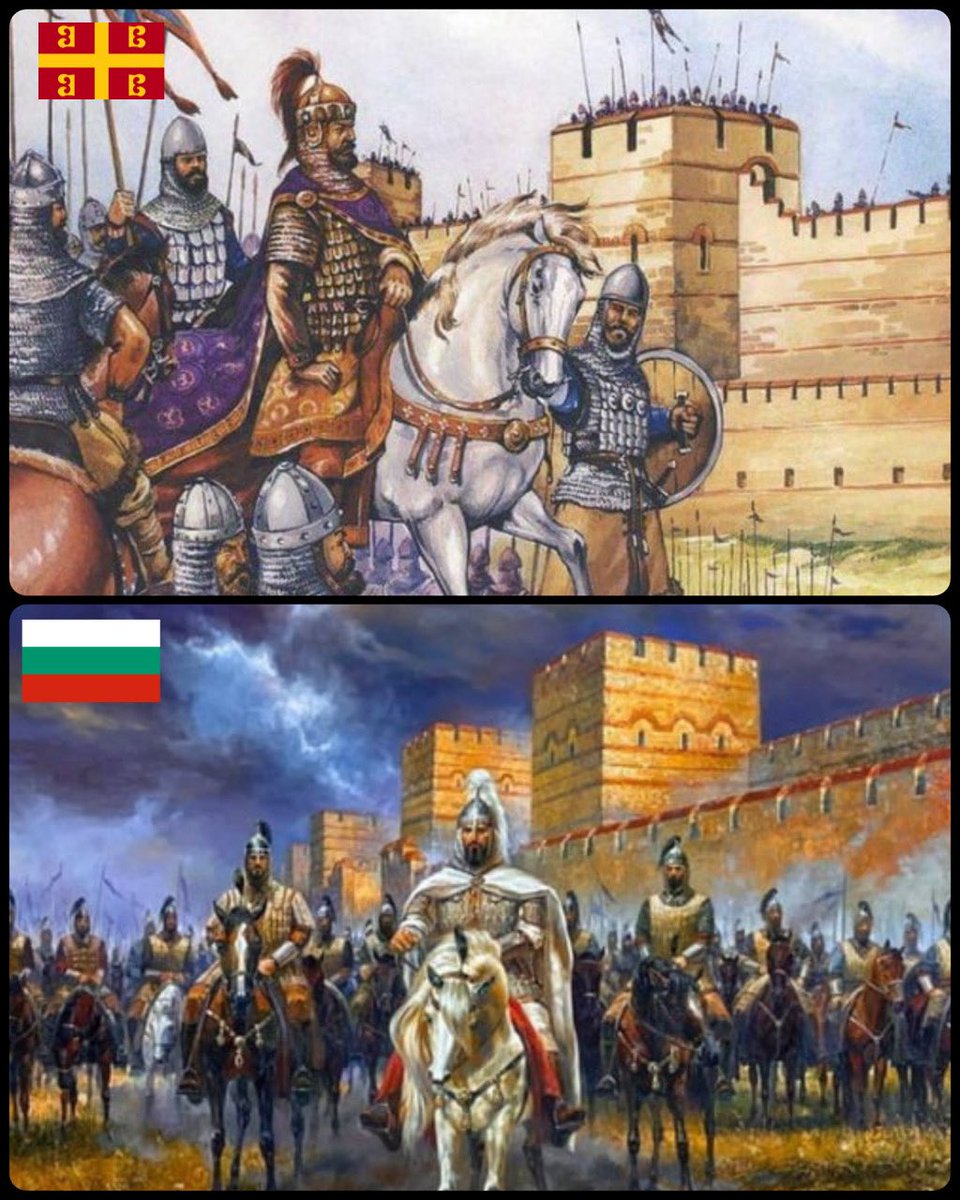
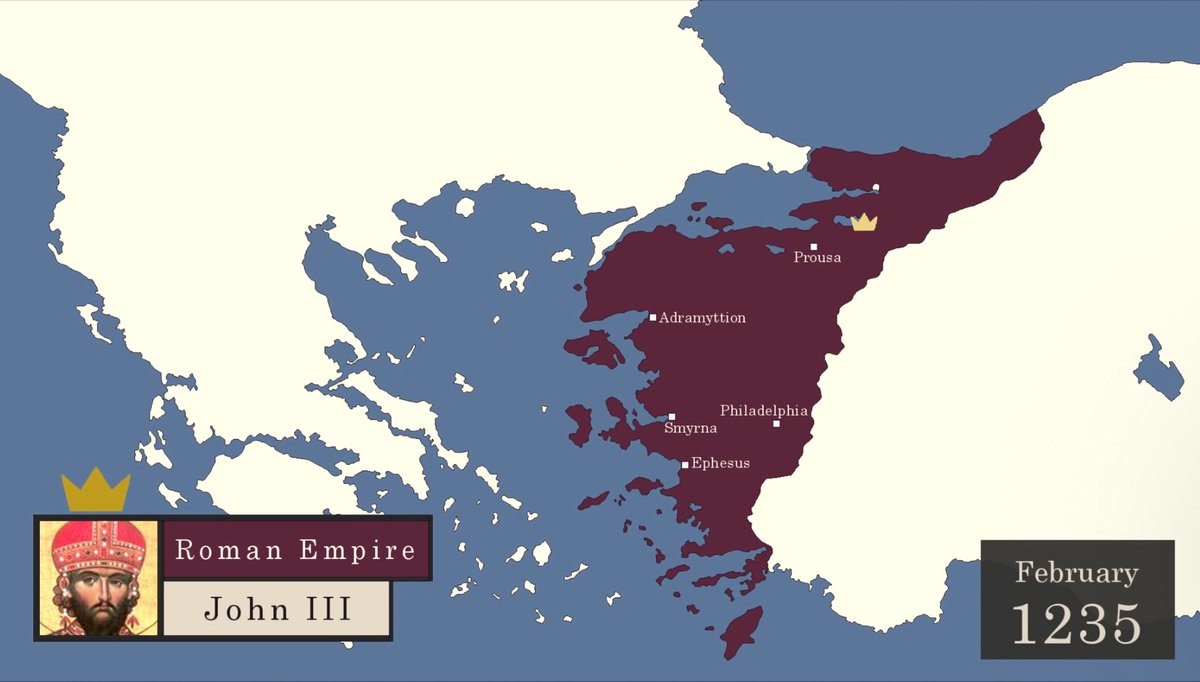
By the 1230’s the Romans in Nicaea were ready to expand in Europe.

The Latin Empire was weakened and Emperor John III Doukas Vatatzes wanted to liberate Constantinople.

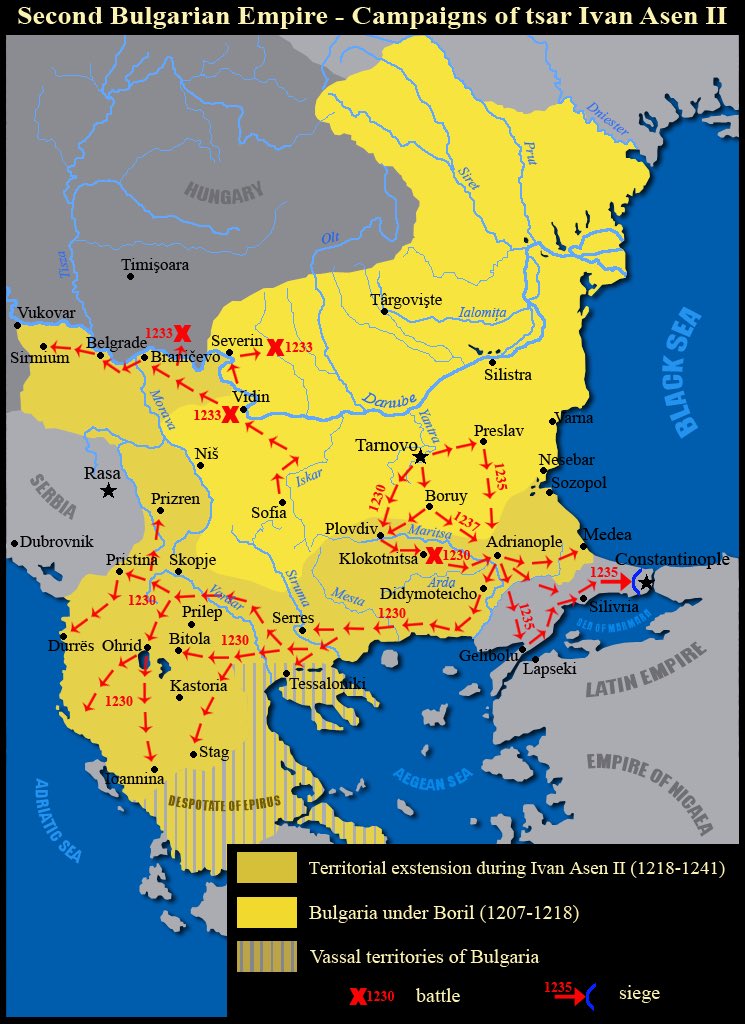
John engaged in an unlikely alliance with Bulgaria and a joint siege of Constantinople was laid in 1235! 🧵 Image
The Romans and Bulgarians agreed the Treaty of Kallipolis where they agreed to destroy the Latins and partition Thrace in a mutually beneficial manner. To cement the alliance, Theodore II Laskaris married Elena of Bulgaria. Image
With the son of the Roman Emperor and daughter of the Bulgarian Tsar Ivan Asen II in union, a fruitful alliance seemed in place. The first mission was to oust the crusaders from Constantinople.

Taking the city was not easy though, and the attacking army faced serious challenges. Image
Read 11 tweets
Nov 15, 2025
The infamous battle of Manzikert in 1071 wasn’t the first battle there.

In 1054 the Seljuk Sultan mobilised his formidable army and marched against Romans.

The Turks planned to conquer Manzikert. But the brave Roman defenders and their valiant commander had other ideas!

🧵🧵 Image
The Seljuks, at odds with the Romans, had “combined all the Persian and Babylonian forces and invaded the Roman Empire.”

They found many cities were garrisoned with walls, the Turks ultimately decided upon “trying the strength of Manzikert.” Image
“Manzikert is a city lying on a plain but it is surrounded by a triple wall and has a plentiful supply of spring water. At that time it was very well supplied with the necessities of life.”

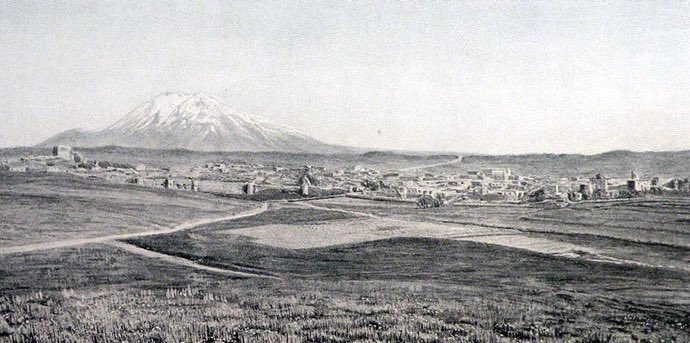
(Below is an old picture of the city in the Ottoman era to get an idea) Image
Read 18 tweets
Nov 9, 2025
How was Anatolia Turkified? One demographic instrument was Seljuk men often taking Christian wives and concubines from the Roman population in Anatolia.

The children would be raised Muslim, even with Christian mothers, and over time this contribute to a one way ethnic shift 🧵 Image
One must keep in mind for context:

Muslim men could take Christian wives, but Muslim women couldn’t marry Christians. So this form of demographic pressure was purely one way. This is in addition to the opportunity and incentive to convert to Islam, as opposed to being a dhimmi. Image
The Seljuk royal family had a harem, much like the far more famous Ottoman harem. This was a polygamous institution, whereby the Sultan could have 4 wives and as many enslaved concubines as he desired. In Seljuk Anatolia, these were quite often Rum women, Romans. Image
Read 21 tweets
Oct 14, 2025
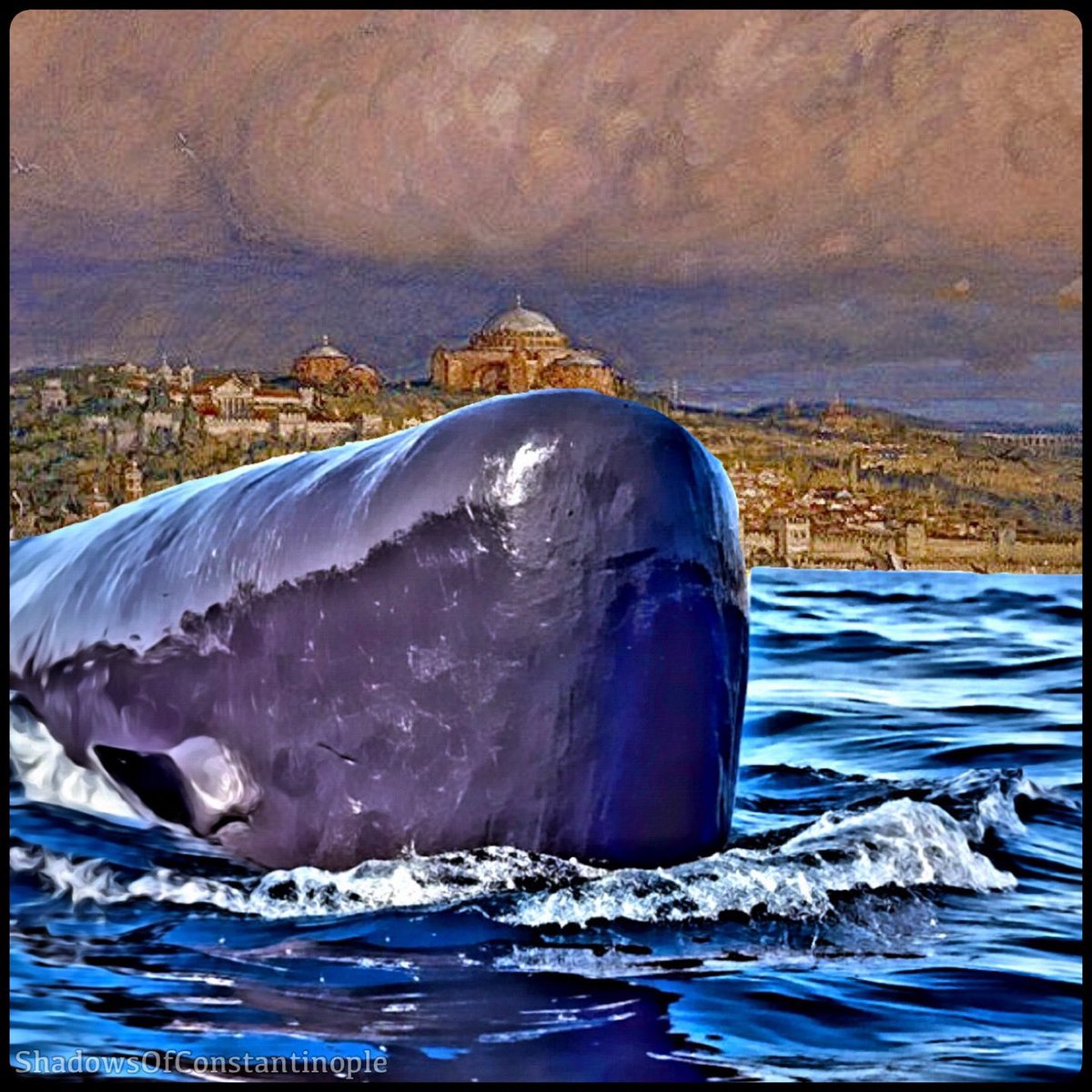
“In the days of Justinian, ships around Constantinople were terrorized for over 50 years by a whale whom locals called Porphyrios, presumably from the dark-wine color of its skin.”

The angry whale sank ships and terrified others.

It was like the “Jaws” of the Roman Empire!
🧵🧵 Image
Prokopios described the beast: “the whale, which the residents of Byzantion (Constantinople) called Porphyrios…had harassed Byzantion and its surroundings for over 50 years, but not continuously, for sometimes it would disappear for long periods of time.” Image
“The Emperor Justinian made it a priority to capture the beast, but he could find no way by which to accomplish this.”

Justinian normally figured out a way to solve problems, but this one proved too much. Image
Read 8 tweets
Sep 22, 2025
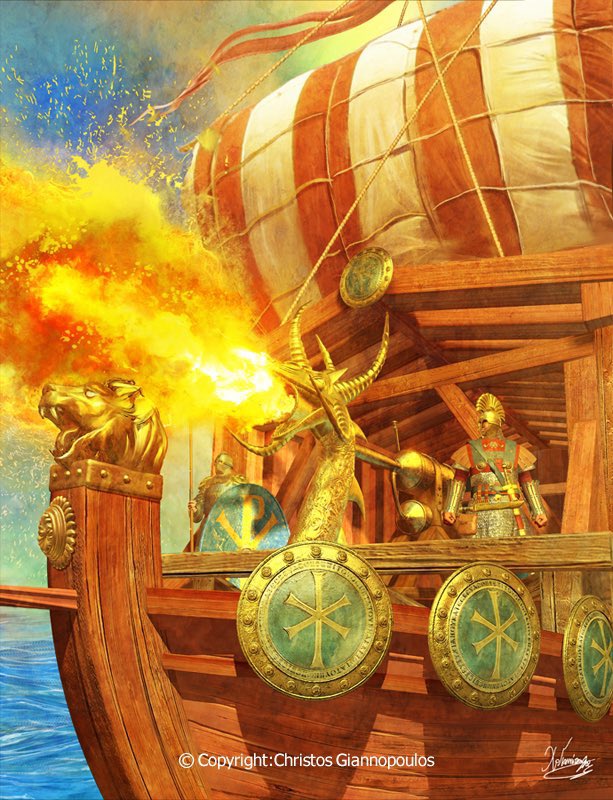
Liquid fire was a legendary Eastern Roman weapon that saved Constantinople and incinerated enemy fleets!

In the 15th century John Chortasmenos read old histories and wondered:

“Where is this Greek Fire now?”

It was long gone, but when and how did they lose this weapon?

🧵🧵Image
The fearsome substance had quite a reputation. When the Crusaders attacked Constantinople in 1204 they seemed to prepare for it to be deployed against them, but they did not have to face it.

Instead, it seems the technology at some point had already been lost forever. Image
“According to Niketas(Choniates), the Venetians covered their galleys with ox hides as protection against fire, almost as though they expected to have to counter Greek Fire; however, neither he nor any Latin chronicler mentioned it actually being used against them.”

It was lost! Image
Read 14 tweets
Sep 13, 2025
THE BEACONS ARE LIT! ANATOLIA CALLS FOR AID!

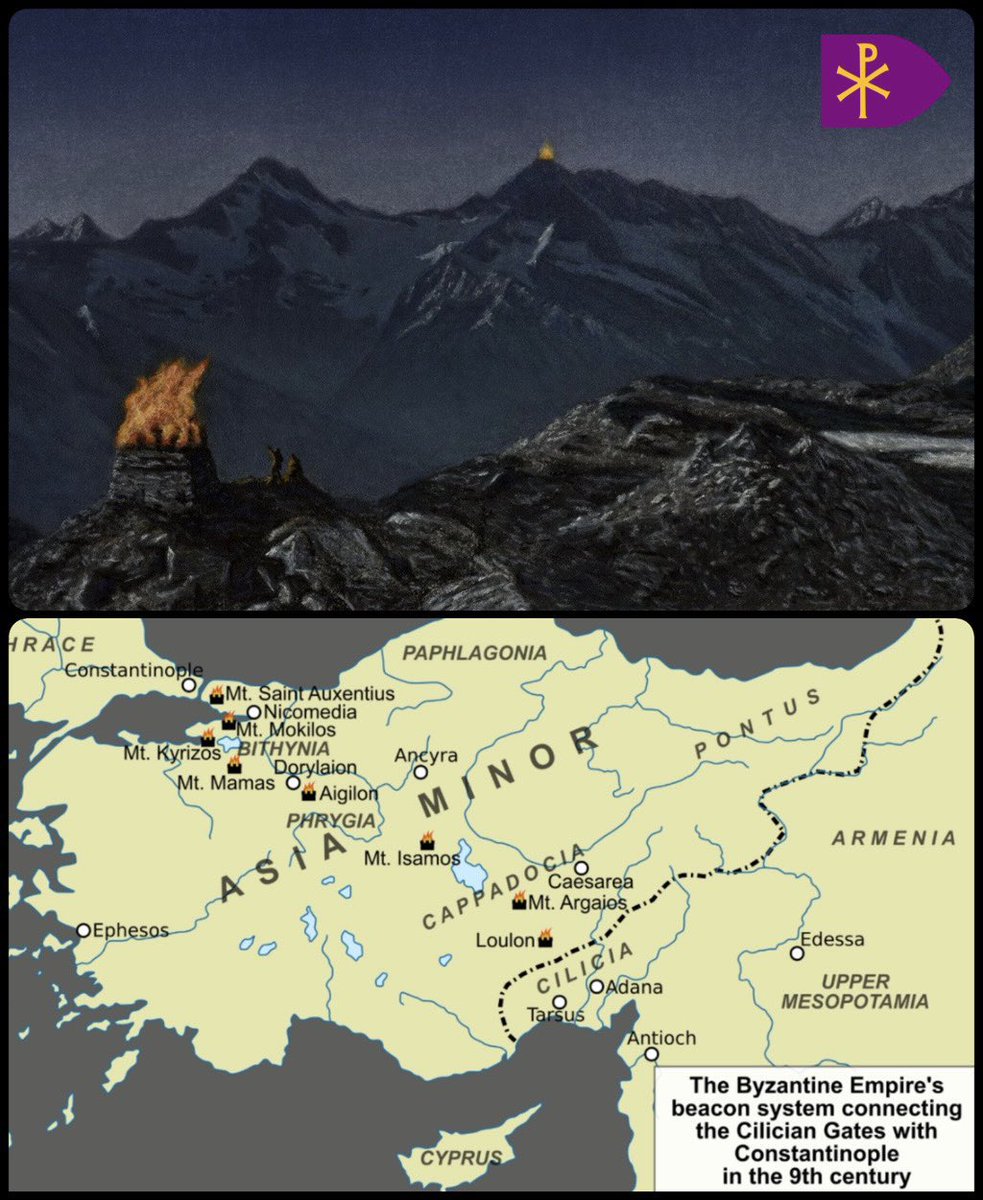
During the 9th century the Eastern Roman Empire deployed a beacon system allowing it to send warnings of danger from the border with the Arabs to Constantinople in rapid time.

How did this “Lord of the Rings” style system work?

🧵🧵Image
This system was likely “created by Leo the Mathematician, who devised a code for the interpretation of signals, and had two identical water clocks made for the terminal stations. His work took account of the difference in longitude and the time the signal needed for transmission” Image
“Signals were flashed from Loulon north of the Cilician Gates, where the Arabs would be first observed, to Argos on the Hasan Dag in Cappadocia, thence by a series of unidentified stations to Mokilos above Pylai, then to Mt. Auxentios and the imperial palace… about 450 miles.” Image
Read 7 tweets

Did Thread Reader help you today?

Support us! We are indie developers!


This site is made by just two indie developers on a laptop doing marketing, support and development! Read more about the story.

Become a Premium Member ($3/month or $30/year) and get exclusive features!

Become Premium

Don't want to be a Premium member but still want to support us?

Make a small donation by buying us coffee ($5) or help with server cost ($10)

Donate via Paypal

Or Donate anonymously using crypto!

Ethereum

0xfe58350B80634f60Fa6Dc149a72b4DFbc17D341E copy

Bitcoin

3ATGMxNzCUFzxpMCHL5sWSt4DVtS8UqXpi copy

Thank you for your support!

Follow Us!

:(