Read on Twitter
Consumer savings are expected to run out by Sept 2023
This might be the turning point for the US economy
A thread 🧵
This might be the turning point for the US economy
A thread 🧵
2/ In 2022, many economists predicted a U.S. recession by H1 2023
3/ Hard economic data indicates the U.S. has so far avoided a recession, with yearly economic production remaining positive
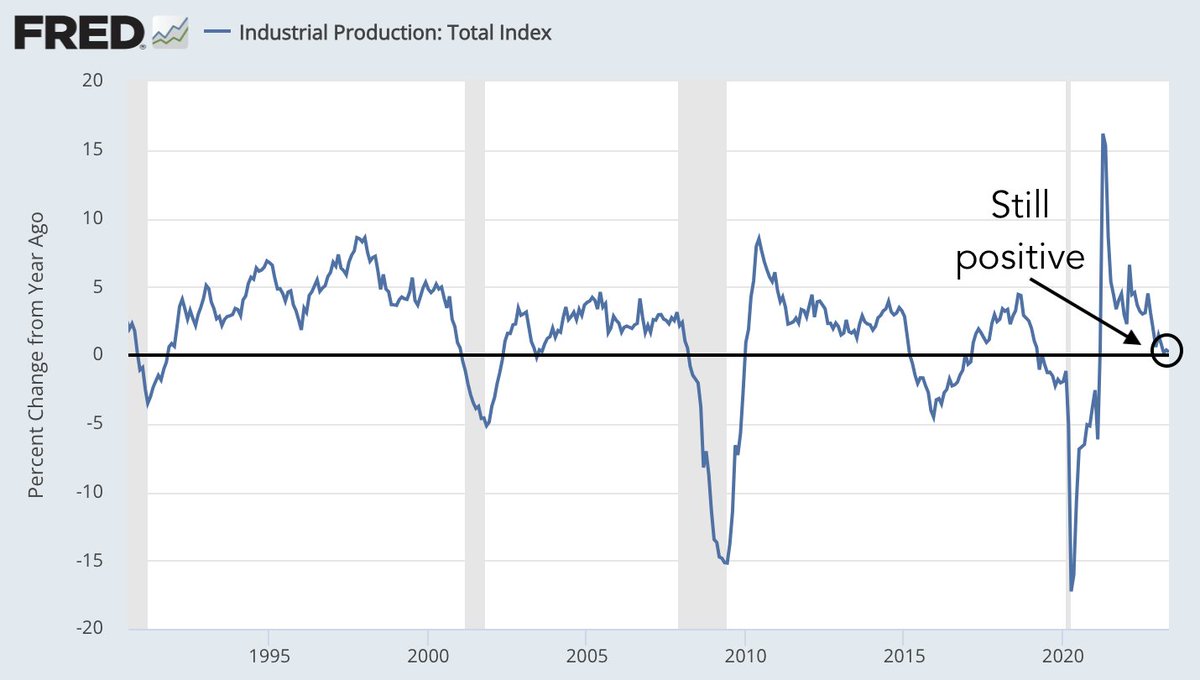
4/ Recessions typically involve significant contraction in economic production

5/ 2 key factors have held up the U.S. economy:
1. High post-pandemic consumer savings
2. Strong labor market
However, these are expected to weaken in H2 2023
1. High post-pandemic consumer savings
2. Strong labor market
However, these are expected to weaken in H2 2023
6/ Post-COVID fiscal stimulus led to the highest savings rate since WWII
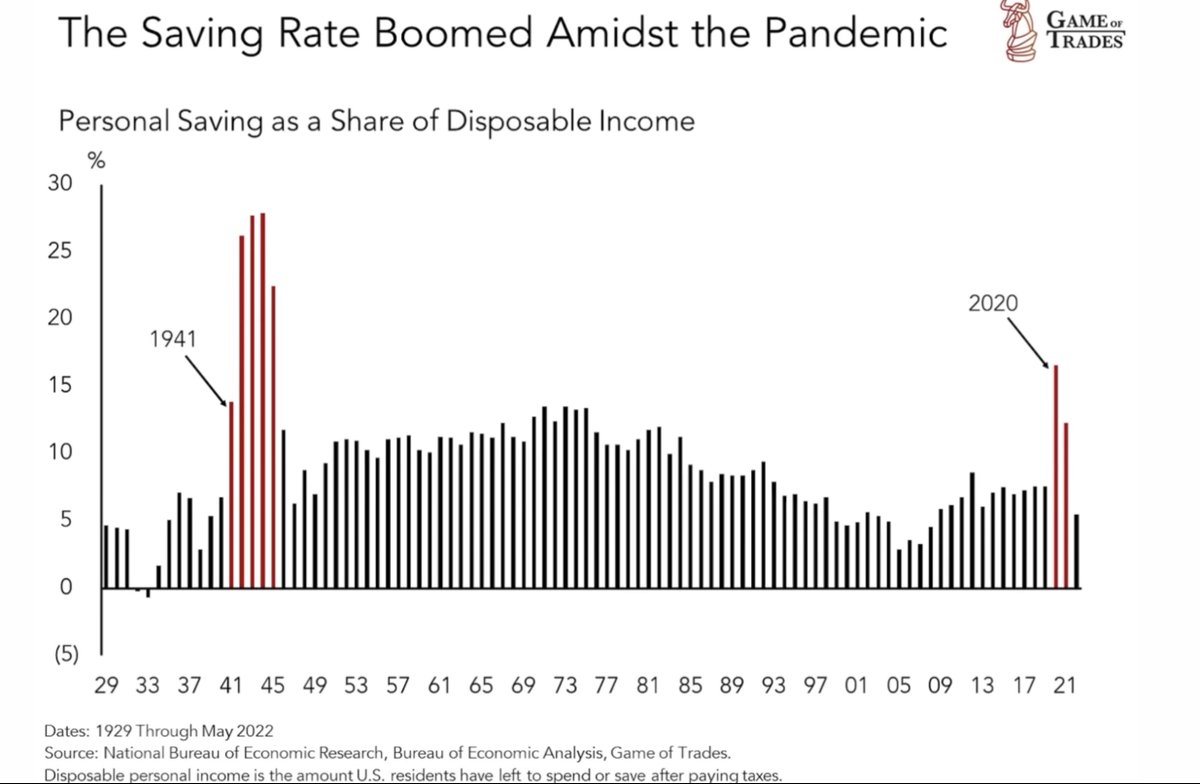
7/ High savings have helped consumers weather high inflation, tight monetary policy and economic weakening seen in 2022 and 2023
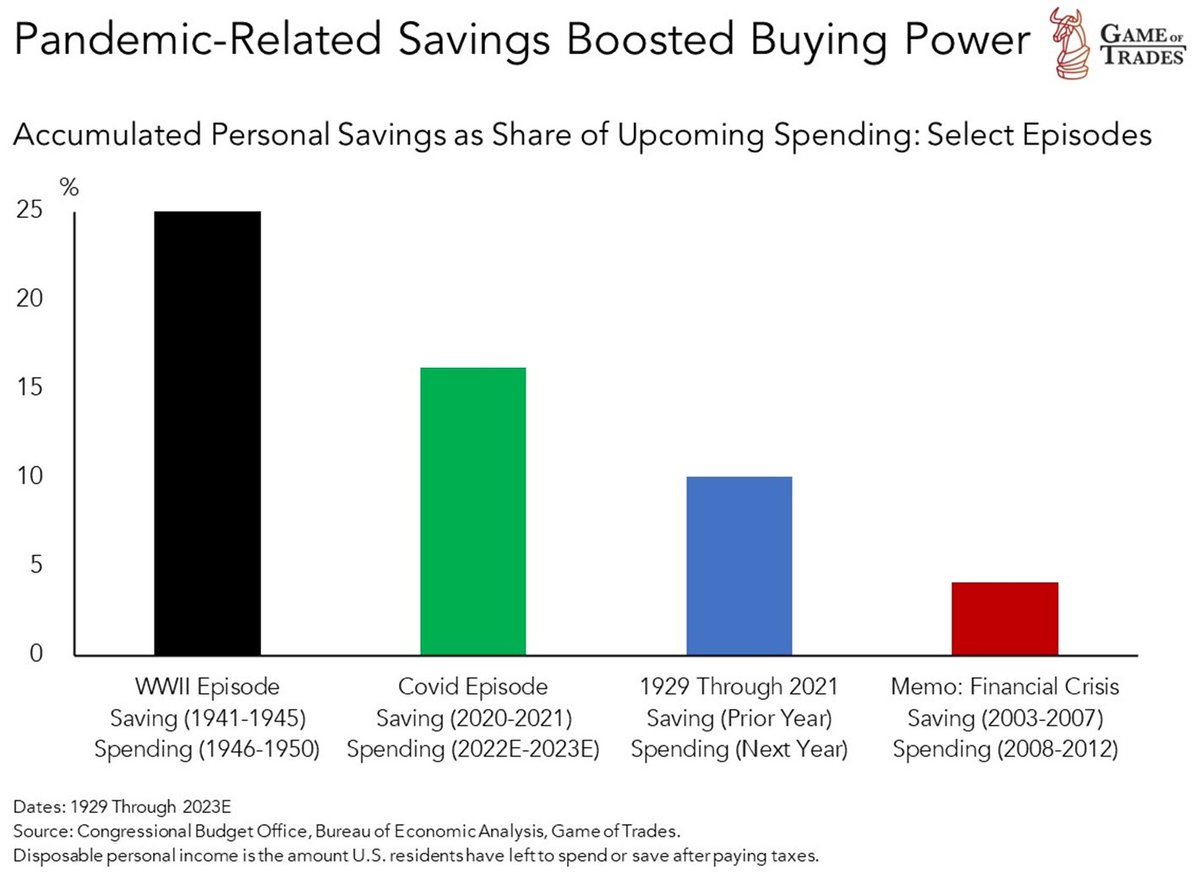
8/ In July 2022, we highlighted on that consumer savings in 2022 (green bar) were 50% higher than the 1929-2021 average (blue bar) https://t.co/oQRXBxWBaGgameoftrades.net
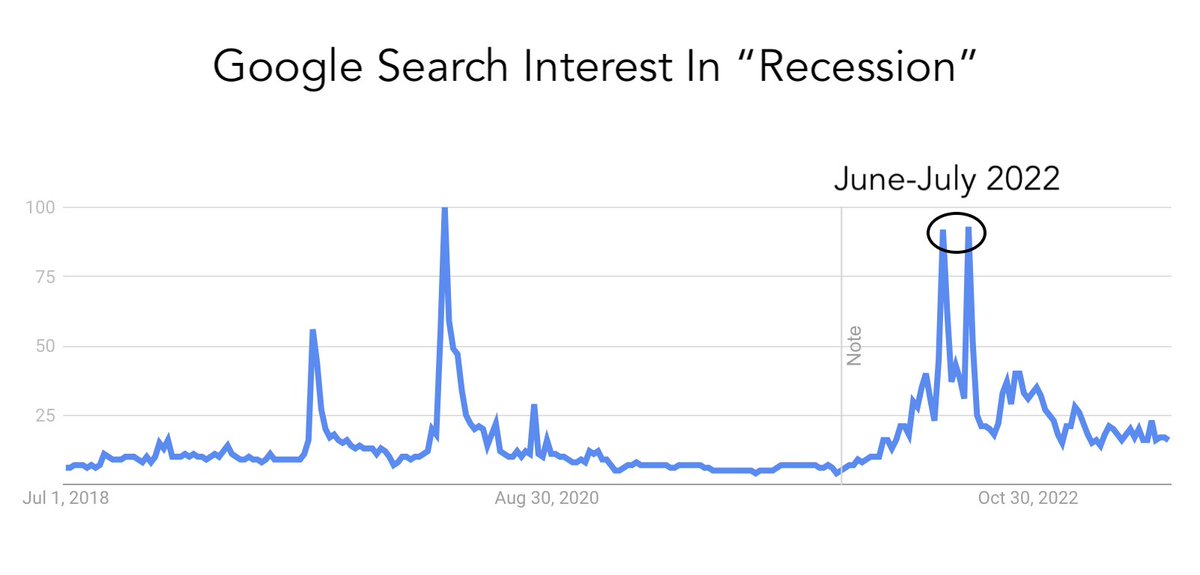
9/ During that period, retail interest spiked towards recessions, as most were expecting an imminent economic deterioration
The term "recession" hit record interest levels in June/July 2022
The term "recession" hit record interest levels in June/July 2022
10/ Despite retail expecting a recession, consumers were financially healthier in mid-2022
The situation has since changed, as we'll discuss next
The situation has since changed, as we'll discuss next
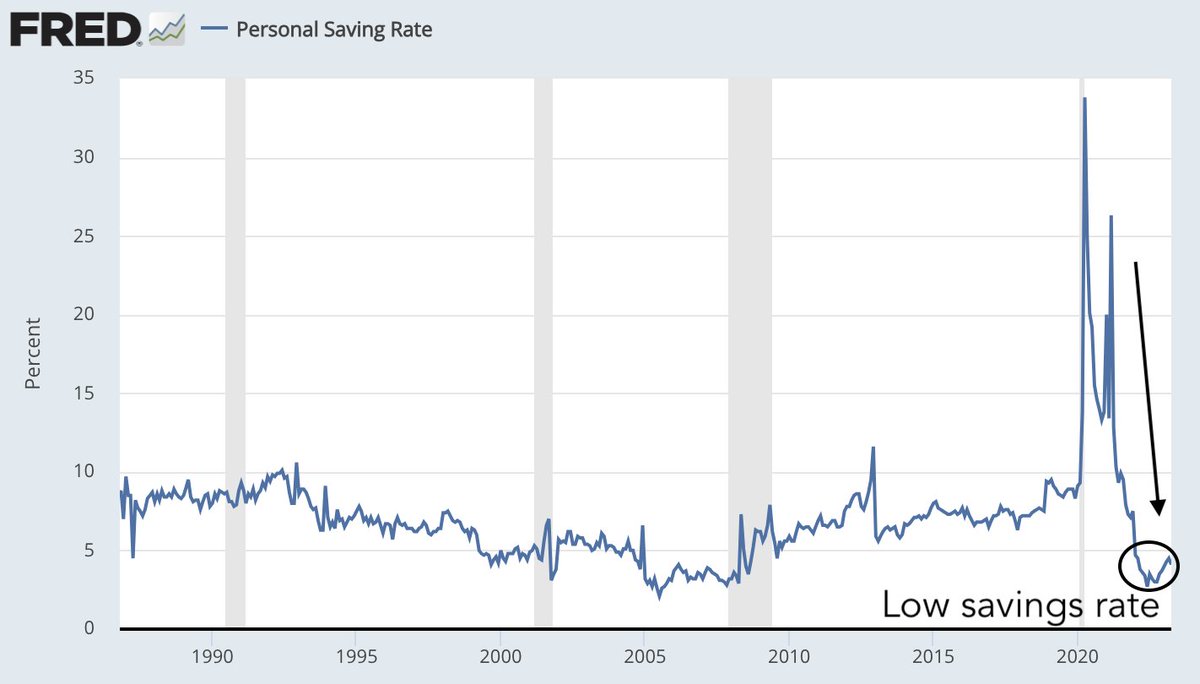
11/ By end of 2022, the savings rate dropped to historic lows as consumers tapped into savings due to a challenging macro environment
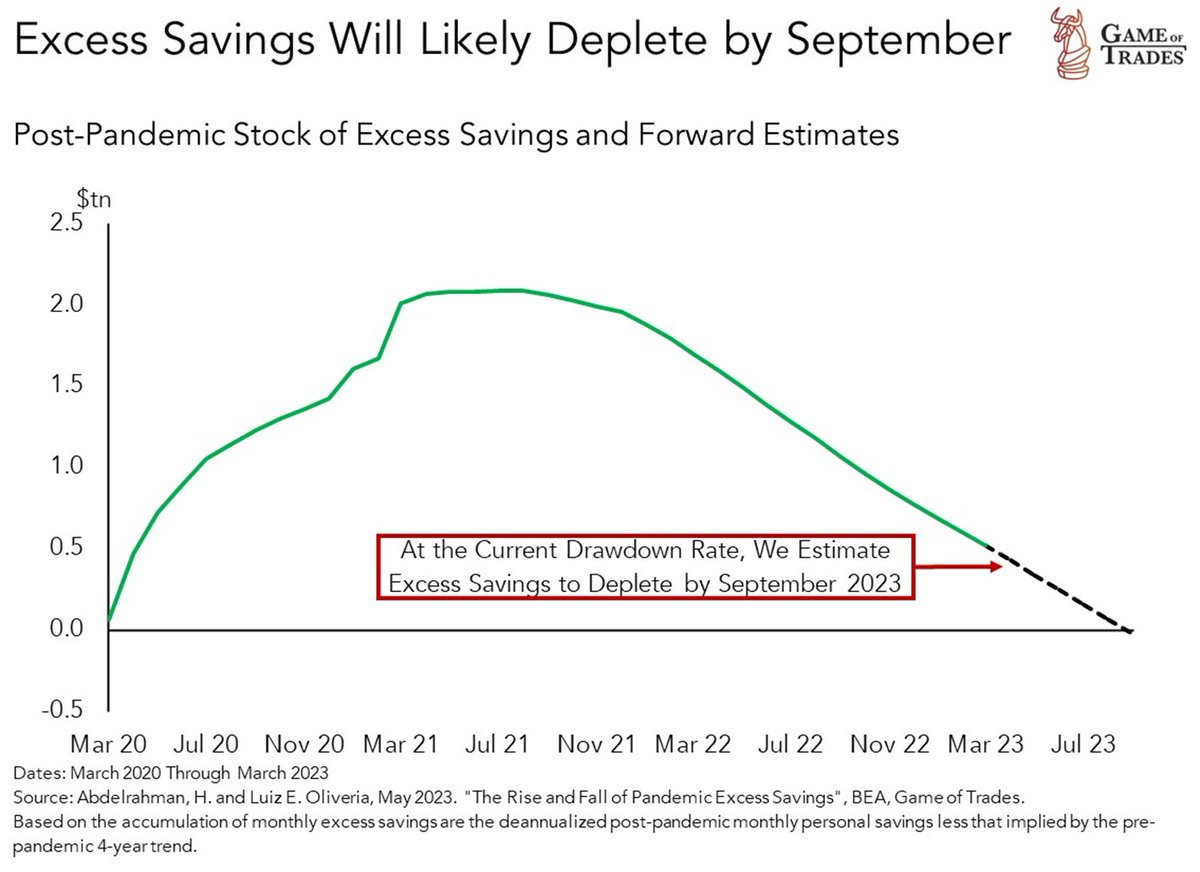
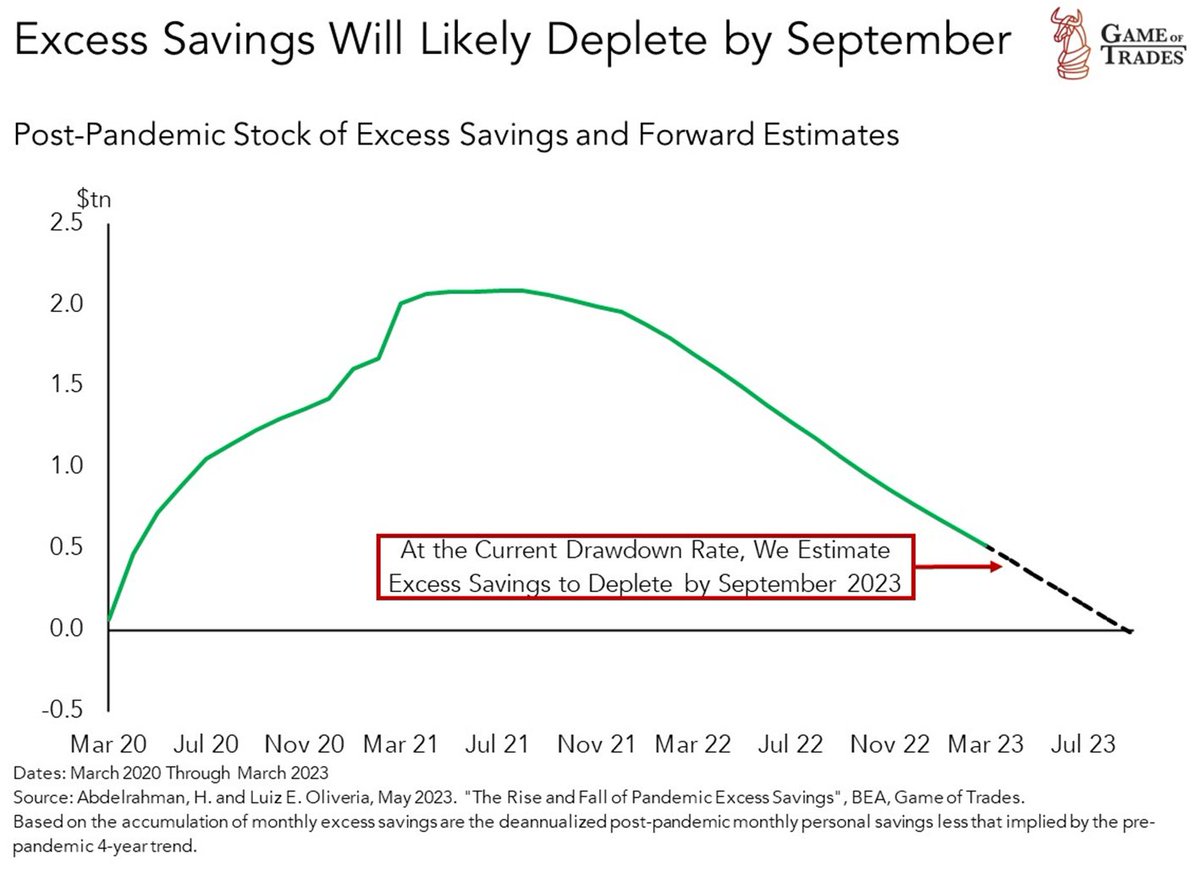
12/ Post-pandemic savings peaked at over $2tn in July 2021, but have been decreasing since
Current savings stand at $0.5tn and are expected to deplete by Sept 2023
Current savings stand at $0.5tn and are expected to deplete by Sept 2023
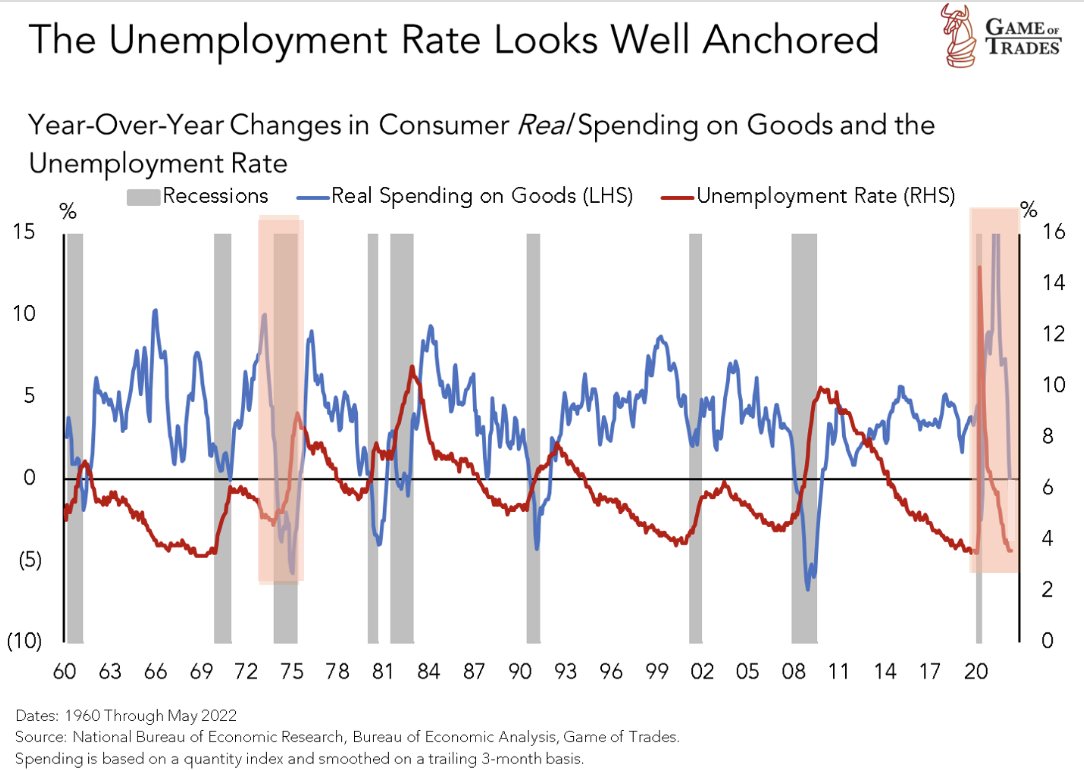
13/ The second factor preventing a recession so far is the robust labor market, with unemployment at historic lows

14/ A strong labor market usually boosts consumer spending
But as unemployment rises, consumer spending declines, often leading to a recession
But as unemployment rises, consumer spending declines, often leading to a recession
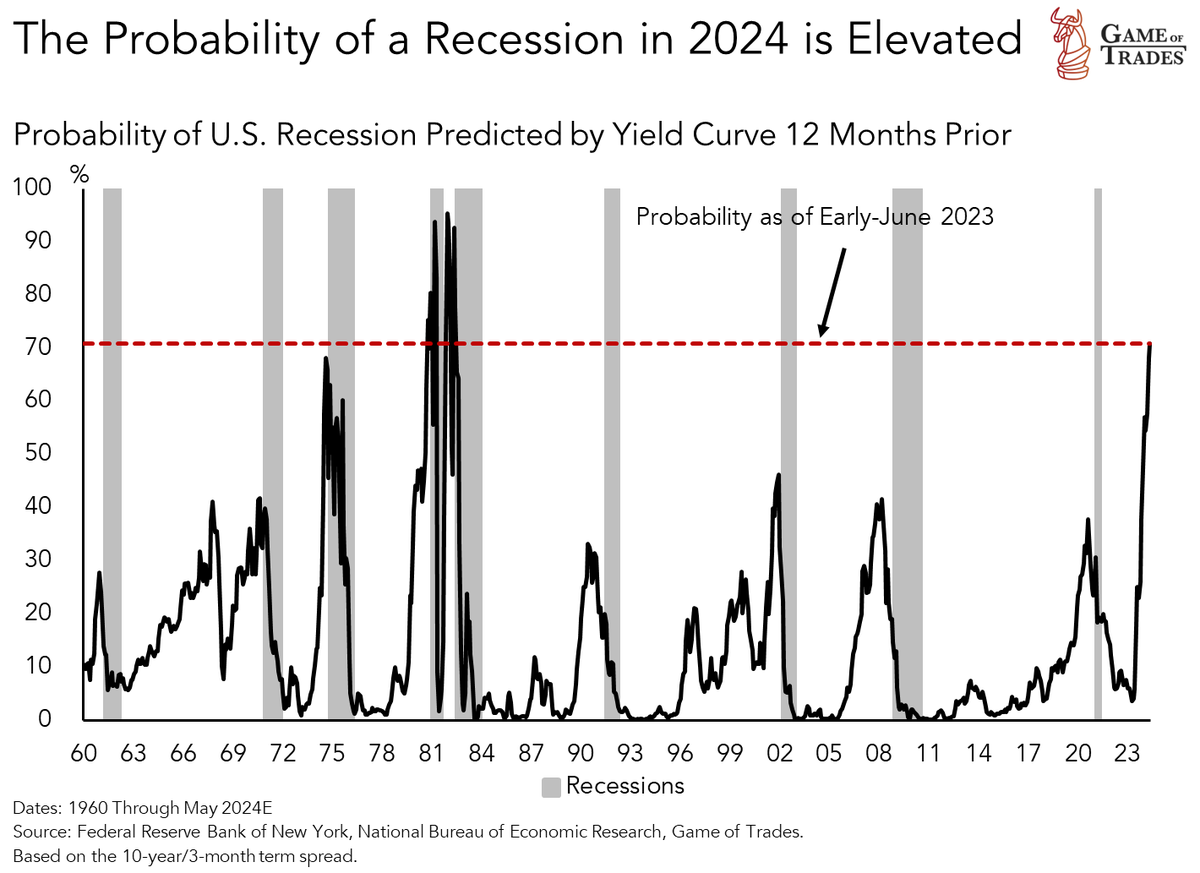
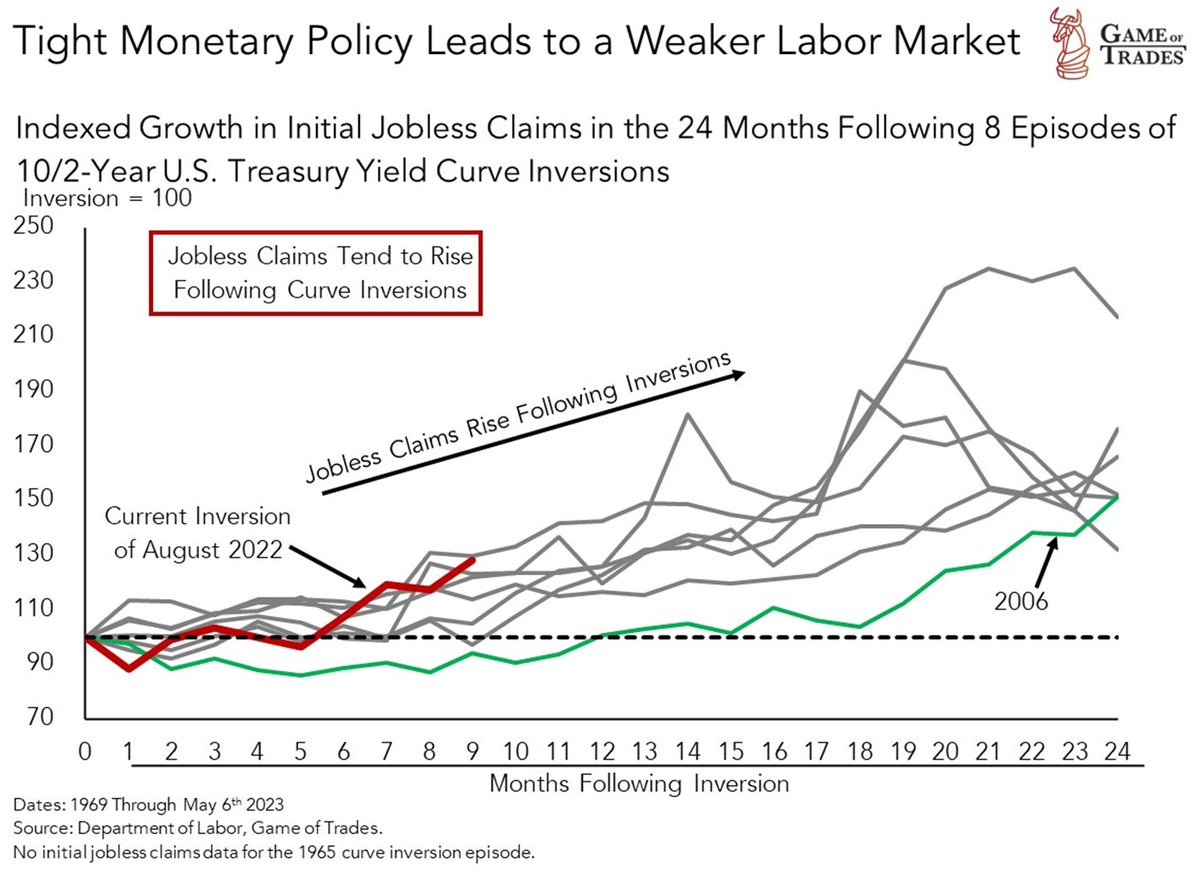
15/ Tight monetary policy has resulted in the deepest yield curve inversion since the 1980s
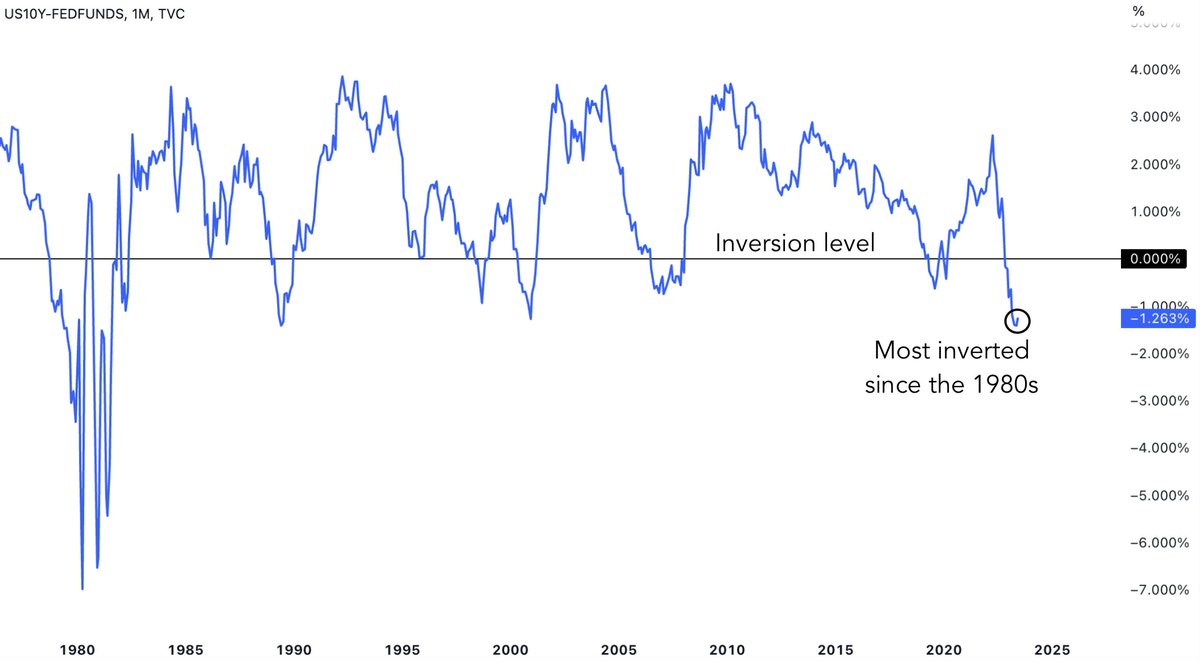
16/ After 8 inversions since 1969, jobless claims have typically risen for up to 24 months
Indicating that the labor market will likely weaken in the coming months, leading to a contraction in consumer spending - a typical recessionary development
Indicating that the labor market will likely weaken in the coming months, leading to a contraction in consumer spending - a typical recessionary development
17/ Despite economic uncertainties, there's one certainty you can bank on:
Our 20% OFF 4th of July sale!
Valid for a LIMITED time
Get a FREE trial at gameoftrades.net
Our 20% OFF 4th of July sale!
Valid for a LIMITED time
Get a FREE trial at gameoftrades.net
18/ Thanks for reading!
If you found this thread valuable, please ❤️ and 🔁 the first tweet below
And follow @gameoftrades_ for more market insights, finance and investment strategies
If you found this thread valuable, please ❤️ and 🔁 the first tweet below
And follow @gameoftrades_ for more market insights, finance and investment strategies
https://twitter.com/GameofTrades_/status/1676647064627974149
• • •
Missing some Tweet in this thread? You can try to
force a refresh