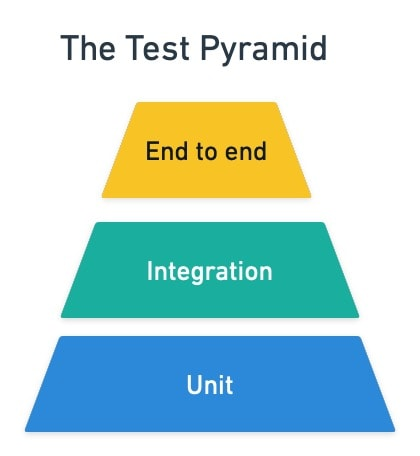
Ten years ago, you only needed to know GoF patterns, and you could call yourself a good developer.
That's not true anymore. If you want to build Hight Quality software, you need architectural knowledge.
4 basic architecture to start.
That's not true anymore. If you want to build Hight Quality software, you need architectural knowledge.
4 basic architecture to start.

N-Layered Architecture
This architecture organizes applications into horizontal layers, each responsible for specific tasks.
- Presentation
- Business logic
- Data access
These layers promote separation of concerns and modularity.
This architecture organizes applications into horizontal layers, each responsible for specific tasks.
- Presentation
- Business logic
- Data access
These layers promote separation of concerns and modularity.

Hexagonal Architecture
Also known as Ports and Adapters, Hexagonal Architecture isolates the core application from external dependencies.
The core defines ports/interfaces, while adapters implement them.
Also known as Ports and Adapters, Hexagonal Architecture isolates the core application from external dependencies.
The core defines ports/interfaces, while adapters implement them.

This architecture promotes flexibility and testability by decoupling the application from frameworks and technologies.
Onion Architecture
Building on the principles of Hexagonal Architecture, Onion Architecture establishes a clear separation between the core/domain and infrastructure.
Building on the principles of Hexagonal Architecture, Onion Architecture establishes a clear separation between the core/domain and infrastructure.
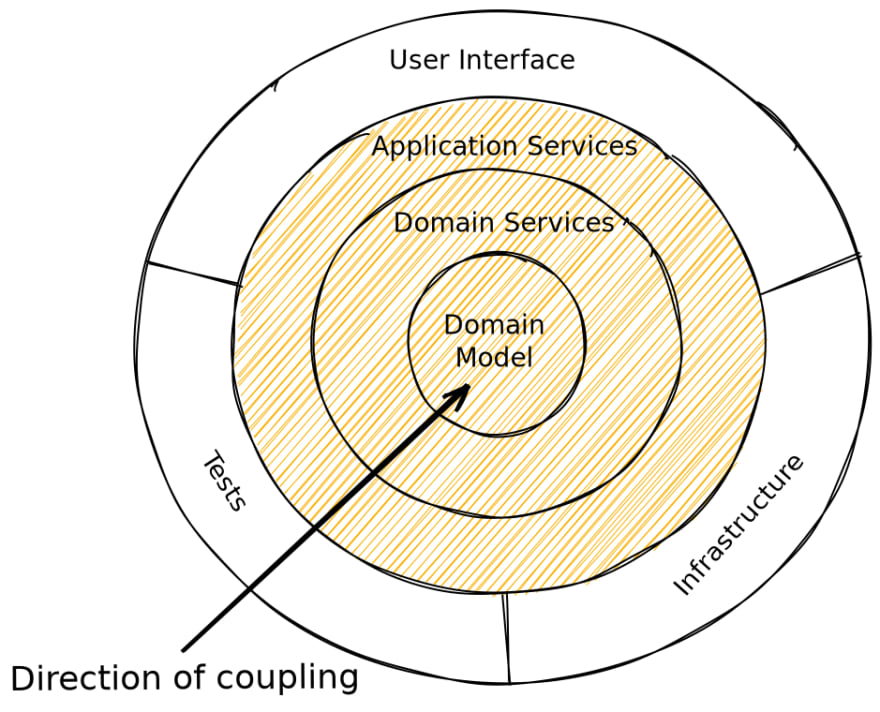
Layers wrap around the core, with the inner layers representing abstract business concerns and the outer layers dealing with technical details and frameworks.
Clean Architecture
Proposed by Uncle Bob, Clean Architecture emphasizes the separation of concerns and the independence of business rules from external frameworks.
A clear boundary between layers ensures scalability, maintainability, and alignment with the project's needs.
Proposed by Uncle Bob, Clean Architecture emphasizes the separation of concerns and the independence of business rules from external frameworks.
A clear boundary between layers ensures scalability, maintainability, and alignment with the project's needs.
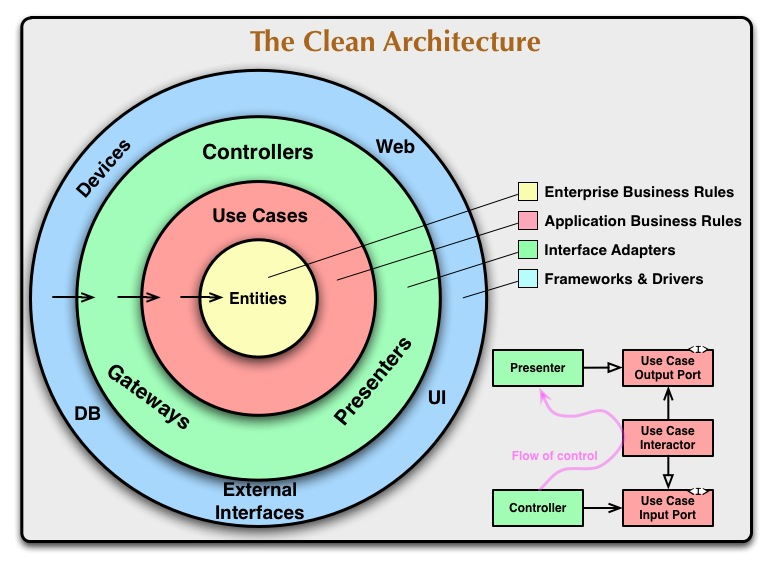
These architectures provide different approaches to designing software systems, each with strengths and weaknesses.
But ultimately, the choice of architecture depends on your project's specific requirements!
Have you used any of these?
But ultimately, the choice of architecture depends on your project's specific requirements!
Have you used any of these?
Every week I write about my experiences and challenges as Software Engineer.
Tweets and threads break down complex tech into simple terms.
Follow me @RaulJuncoV if you like to hear more. 👊
Tweets and threads break down complex tech into simple terms.
Follow me @RaulJuncoV if you like to hear more. 👊
https://twitter.com/1272872603569528833/status/1677316871098449921
• • •
Missing some Tweet in this thread? You can try to
force a refresh