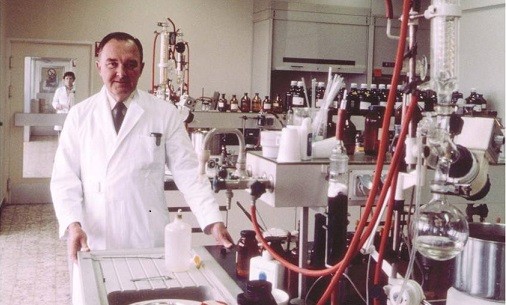
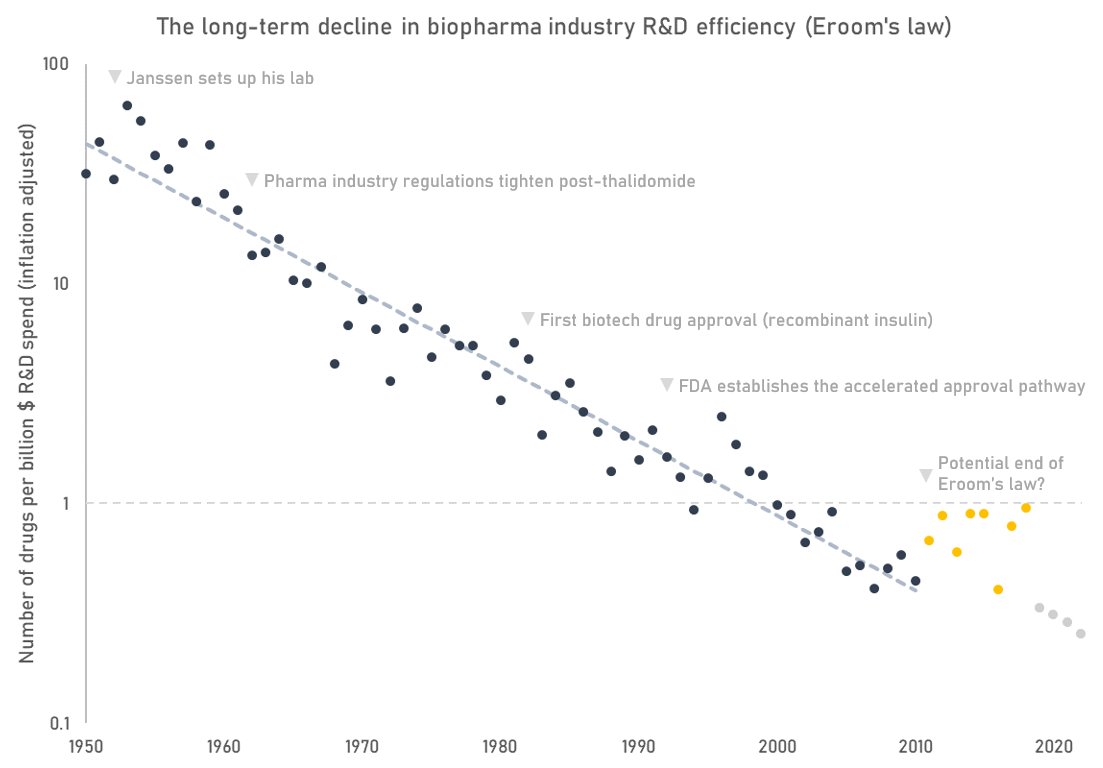
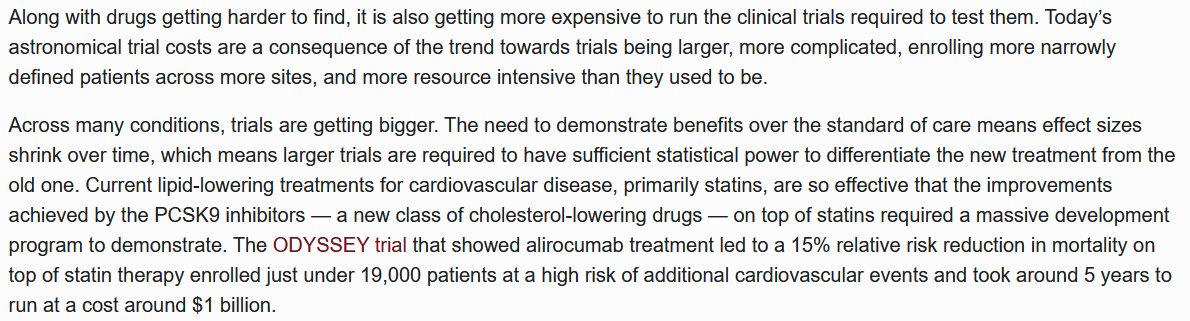
Many of the drugs discovered by Paul Janssen and his team at Janssen Pharmaceutica have a piperidine ring at the centre. The reason why is a good lesson about how effective innovation happens in practice🧵 
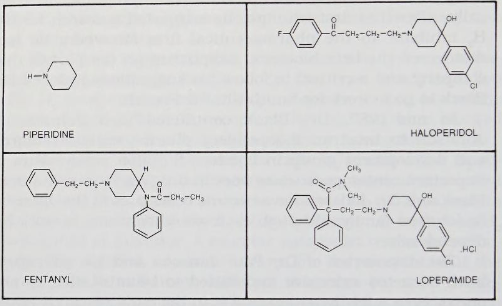
When Janssen was starting out he had limited resources and needed a way to make compounds quickly, simply, and cheaply. Rapidly swapping out "heads" and "tails" on either side of a central piperidine was one way his team figured out how to do this
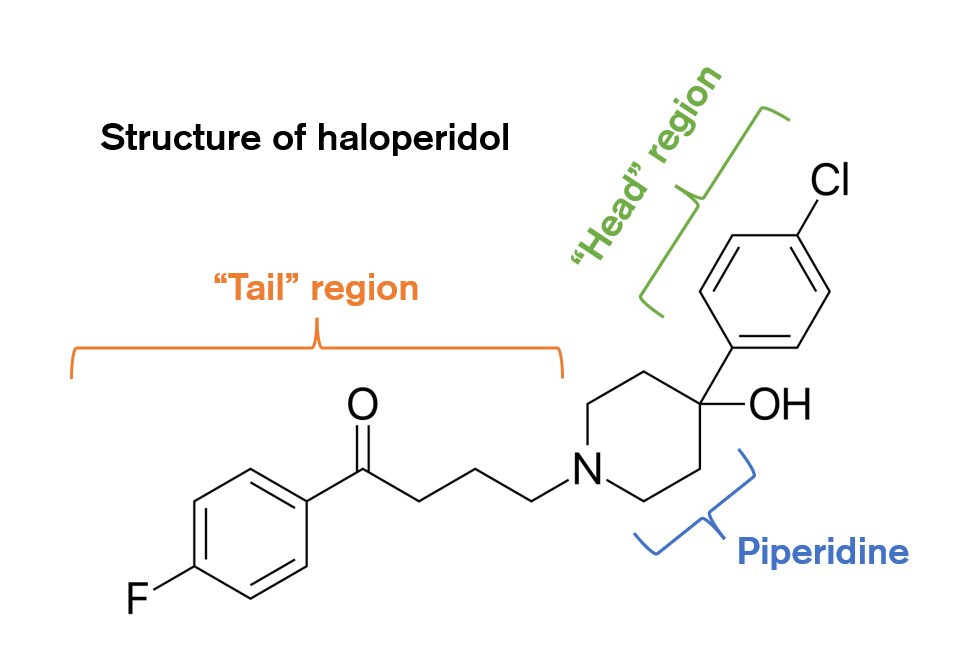
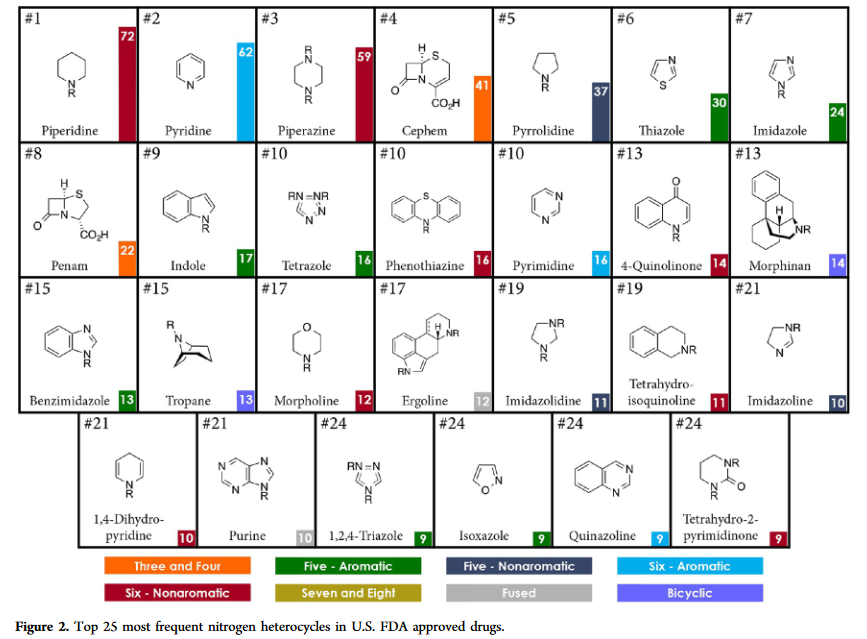
These days piperidines are common structural motifs in approved pharmaceuticals. But why did Janssen pick piperidines early on?
One reason is that they were fairly easy to work with given the medicinal chemistry tools available at the time
One reason is that they were fairly easy to work with given the medicinal chemistry tools available at the time
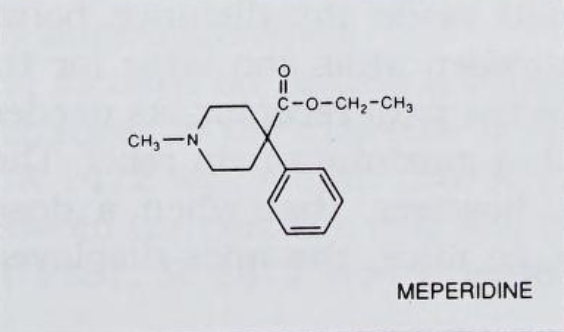
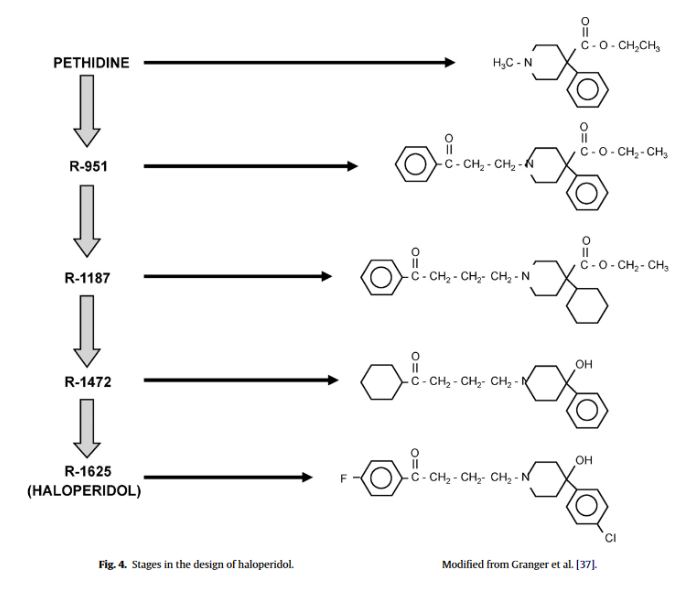
Another reason is that one of Janssen's early goals was to find more potent painkillers, and his initial strategy for doing so was to start with the widely used synthetic opioid meperidine (pethidine) and modify the head and tail regions to improve its analgesic properties
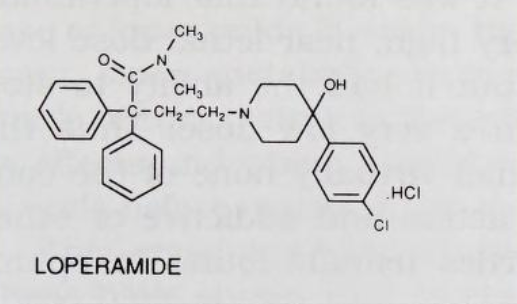
Although structurally similar, haloperidol, fentanyl, and loperamide have strikingly different effects. Each was discovered through hypothesis-driven iterative trial and error combined with a willingness to investigate unexpected interesting findings
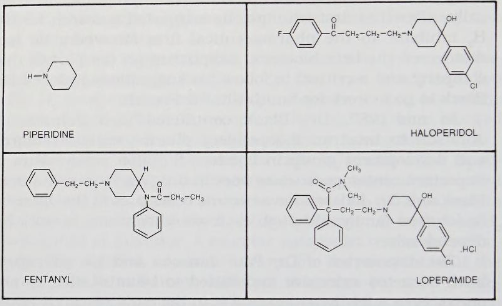
One of Janssen's iterations on meperidine, R-951, was serendipitously found to have a primarily tranquilizing rather than analgesic effect in mice, and optimizing it led to the discovery of the first-generation antipsychotic haloperidol
One of the side effects of opioid use is constipation. Loperamide, an antidiarrheal better known as Imodium, was discovered through iterative attempts to engineer out the central nervous system activity of opioids while retaining the antidiarrheal activity
One of the reasons Janssen was able to innovate so effectively and bring >70 drugs to market was because he got in to a new field early, found a rapid and cheap way of iterating and screening new compounds, and maintained an openness to explore promising serendipitous findings

I adapted this thread from "Breakthrough: The Discovery of Modern Medicines at Janssen", an excellent 1989 book about Paul Janssen's life and discoveries
amazon.com/Breakthrough-D…
amazon.com/Breakthrough-D…
• • •
Missing some Tweet in this thread? You can try to
force a refresh