Wrath Of Gnon Profile picture
Jul 10 5 tweets 3 min read Twitter logo Read on Twitter
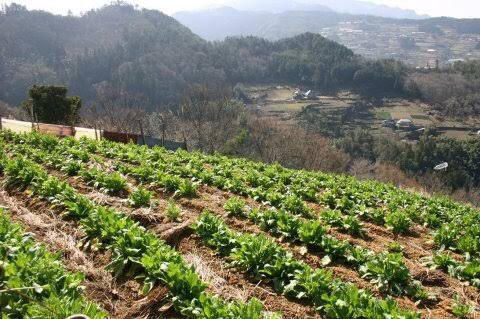
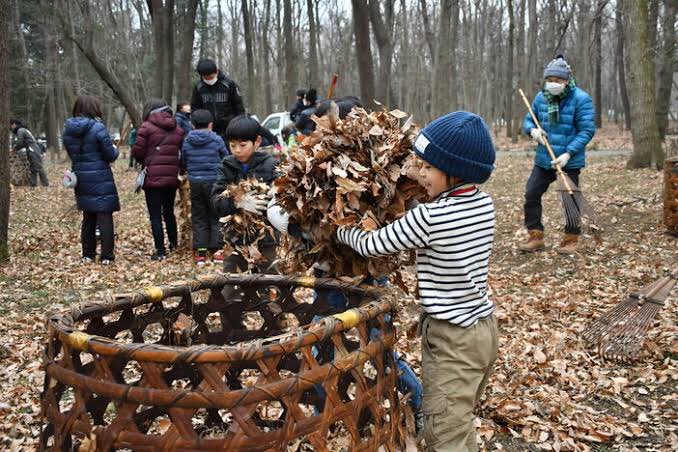
A sustainable 17th century Japanese agricultural system receives FAO acknowledgment: the Musashino Forest Litter Compost (武蔵野の落ち葉堆肥農法). How the badlands of a volcanic soil alluvial plateau became a system of market gardens supplying Edo (Tokyo) with food. (thread)
In the early 17th century the Musashino plateau north west of Edo was unusable for agriculture but the city's population was growing rapidly. With soil of volcanic ash and gravel there was no water and no fertility when the Kawagoe Clan were tasked with feeding the new capital.
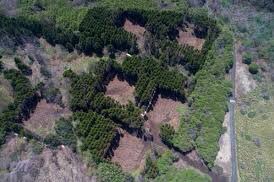
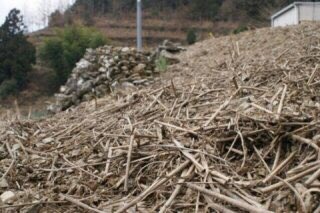
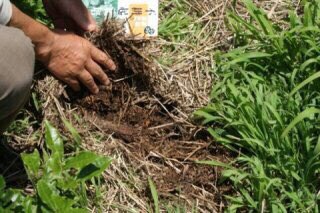
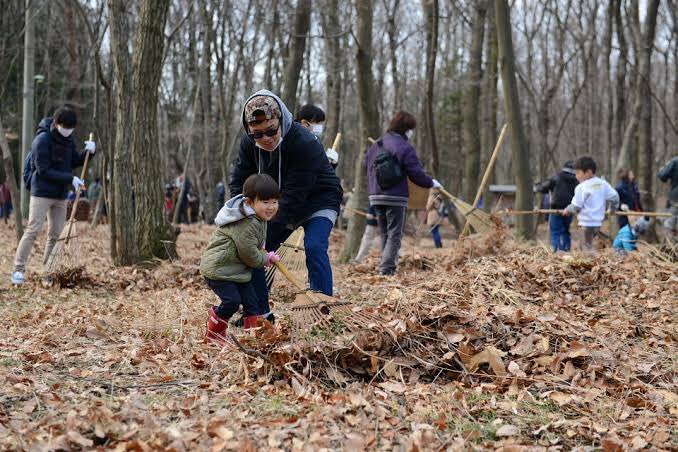
Their solution was to create narrow farms, 73x682m on average, anchored by a planted forests whose tree leaf litter was collected each winter, composted, and then used to build a fertile soil to grow leafy vegetables.
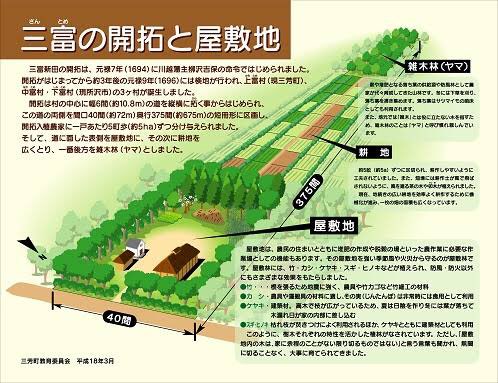


The trees gave their litter to build soil fertility, the forests performed water recharge services and stopped the thin soil from blowing away while provided energy and charcoal, falcon breeding space and building materials for the farmers. The system is still in use.



For another sustainable agricultural system see this:

• • •

Missing some Tweet in this thread? You can try to force a refresh

 

Keep Current with Wrath Of Gnon

Wrath Of Gnon Profile picture

Stay in touch and get notified when new unrolls are available from this author!

Read all threads

This Thread may be Removed Anytime!

PDF

Twitter may remove this content at anytime! Save it as PDF for later use!

Try unrolling a thread yourself!

how to unroll video
  1. Follow @ThreadReaderApp to mention us!

  2. From a Twitter thread mention us with a keyword "unroll"
@threadreaderapp unroll

Practice here first or read more on our help page!

More from @wrathofgnon

Jun 19
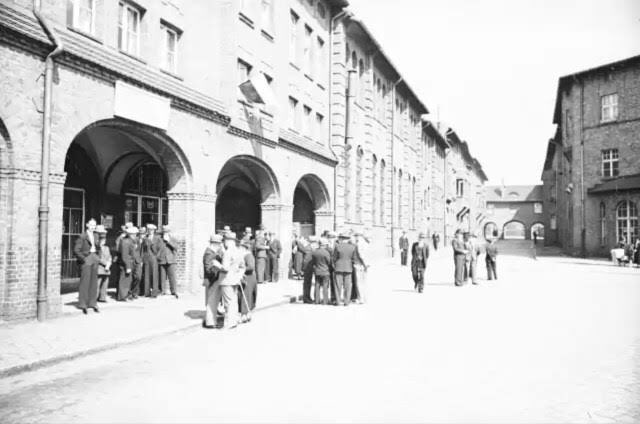
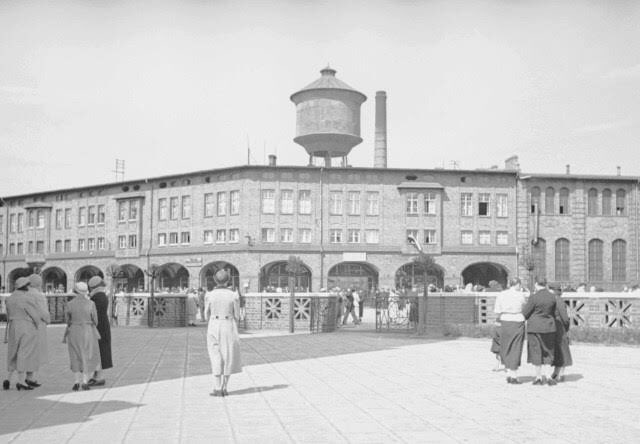
Worker's homes, called "familoks" they are typically of three floors in brick with red painted details built ca. 1906-1927 in Silesia (modern Poland), to house miners and their families in planned self-sustainable towns producing everything from food to water, energy, goods. ImageImageImageImage
Although disused today, the large courtyards around which the homes were arranned were crammed with vegetable gardens, collective ovens, places to keep and rear fowl, goats, pigs. The towns also had schools, hospitals, churches etc. Image
The largest of these planned towns were connected by narrow gauge railway (in operation until 1977) with several departures every hour. Today only a tiny stretch survives. These photos are of the planned town in Nikiszowiec, Katowice’s old mining district, population 4,000. ImageImage
Read 6 tweets
May 31
The machine, modernity, hates the sacrifice because it can't be commodified. The sacrifice is the enemy of the modern world. It is the home toiled and cared for versus "Housing". It is personal charity versus public welfare. It is the thing that lasts versus the product. Image
They don't want the family. The family does things for each other in the name of love. They make babies, they care for and nurse and teach and clothe and finally bury each other. There is no money in this. Therefore, the Machine wants the family destroyed by negation. Image
The Machine doesn't want you to build and maintain a home, hearth, not even with the help of hired men. It wants a product, made in a factory, with a mortgage (a "death pledge"), and you certainly shan't leave it to your descendants. No gratitude to your ancestors, nor the mason. Image
Read 4 tweets
May 29
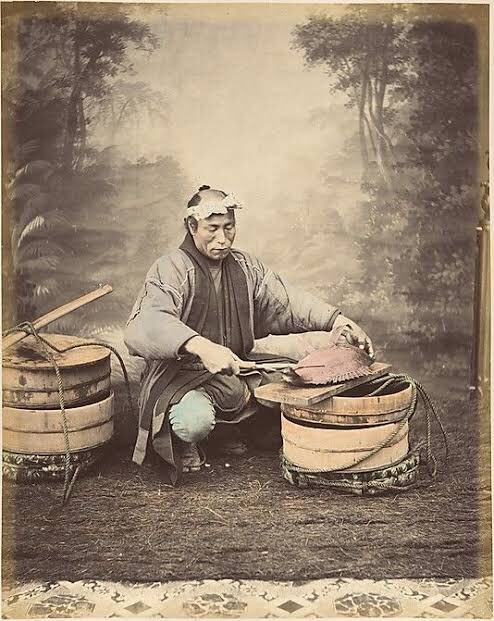
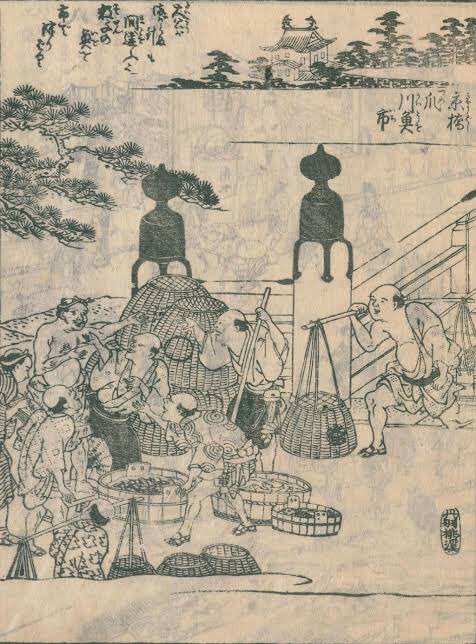
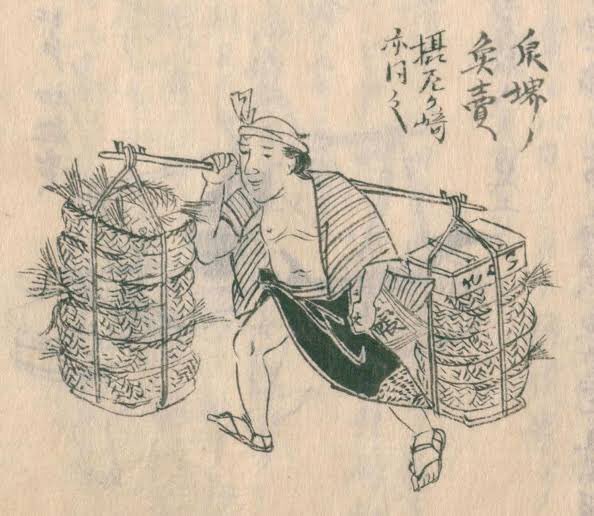
During the long peace of Edo period (1603-1867) of Japan, samurai in the capital devoted most of their private gardens to growing vegetables, herbs and fruit. To supply them with seeds and seedlings there were salesmen, "botefuri" going door-to-door in the elite neighborhoods. Image
These botefuri (usually) men sold everything from bonsai to pet insects to fresh fish and also dealt in recycling by buying scrap paper, cloth, ash, bones, rage etc. We have decent records of how many they were because of an official license system. Image

Officially, the plan was to offer licenses preferentially to orphans under 15, the elderly over 50 or the disabled or handicapped. It was possible to make a living: no skills needed, no training, no overhead and you could borrow the initial gear and set up at a low rate. ImageImageImage
Read 6 tweets
May 29
On May 11th, 2023, five West African countries agreed to launch huge a regional rail building project, over 3,000km connecting Abidjan-Ouagadougou-Niamey-Cotonou-Lomé. Ghana doesn't seem keen to join, maybe because of less obvious benefits compared to say Burukina Faso or Niger. Image
Now would be a good time to open a network of high schools focused on graduating trainee railroad engineers. They will need many thousands of them in the next few decades.
I see a West African high school version of this university:
Read 4 tweets
Apr 27
19th century herring fisheries almost wiped out the entire forest on a remote island off the coast of Hokkaido, Teuritō. When the forests disappeared the topsoil and water went too, and only in 1956 it was decided to act. But how to plant a forest on a windswept ocean island? Image
Teuritō (天売島) is 5.47km². In 1956 only 1.8% was forested. Today the figure is probaby 40% and rising. To recreate the forests "forts" were built: moats were rain water could accumulate and tall fences in square patterns to protect saplings from wind: willow, pine, oak, spruce. Image
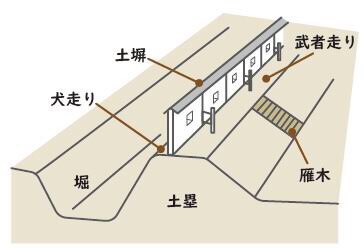
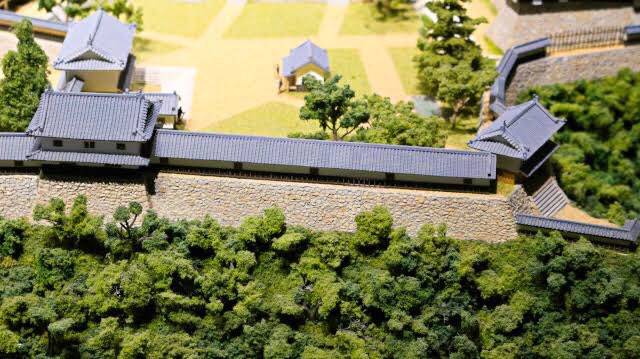
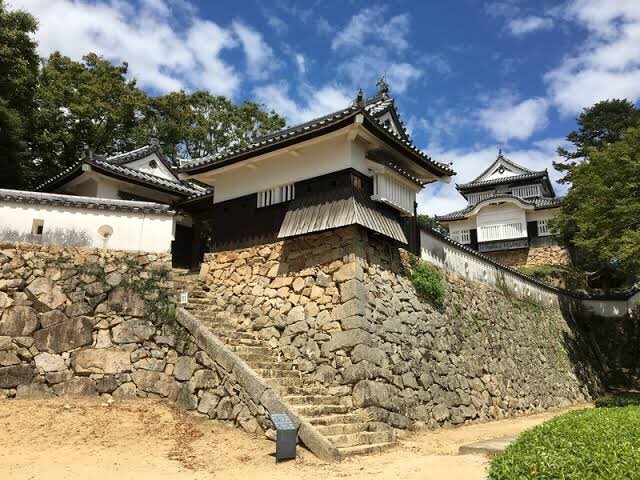
Essentially the same pattern (on a smaller scale) used in castle building, but rather than protecting a keep, saplings are nurtured. Some of the first new forests on Iceland and Greenland has been planted in similarly protected valleys. ImageImageImageImage
Read 6 tweets
Apr 27
The traditional method of fertilizing agricultural land (karishiki, organic compost or raw materials) in Japan since prehistoric times mostly came to a stop in the 1970s, except for one spot: the Mount Tsurugi area of Toyama prefecture. ImageImageImageImage
Karishiki in mountain areas is peculiarly multifunctional, modern chemical fertilizers just doesn't work as well. The reason is the steep stony slopes: you can put all the chemicals in the world on them, it just washes away in the almost daily warm rains. Image
Here karishiki fertilizer is pampas grass (kaya or susuki), harvested by hand in nearby fields where it has grown for centuries. It is laid straight on the soil in autumn and decomposes quickly in the moist winter. It stops erosion, keeps moisture in the ground, suppresses weeds. ImageImageImageImage
Read 8 tweets

Did Thread Reader help you today?

Support us! We are indie developers!


This site is made by just two indie developers on a laptop doing marketing, support and development! Read more about the story.

Become a Premium Member ($3/month or $30/year) and get exclusive features!

Become Premium

Don't want to be a Premium member but still want to support us?

Make a small donation by buying us coffee ($5) or help with server cost ($10)

Donate via Paypal

Or Donate anonymously using crypto!

Ethereum

0xfe58350B80634f60Fa6Dc149a72b4DFbc17D341E copy

Bitcoin

3ATGMxNzCUFzxpMCHL5sWSt4DVtS8UqXpi copy

Thank you for your support!

Follow Us on Twitter!

:(