Read on Twitter
Edmund Burke is the father of Right-Wing Thought
He wrote a philosophical masterpiece at 27:
The Sublime and Beautiful (1757)
This book touches on issues that haunt us till date:
• How are women different than men?
• Why do aesthetics matter?
And more...
THREAD👇🏻
He wrote a philosophical masterpiece at 27:
The Sublime and Beautiful (1757)
This book touches on issues that haunt us till date:
• How are women different than men?
• Why do aesthetics matter?
And more...
THREAD👇🏻
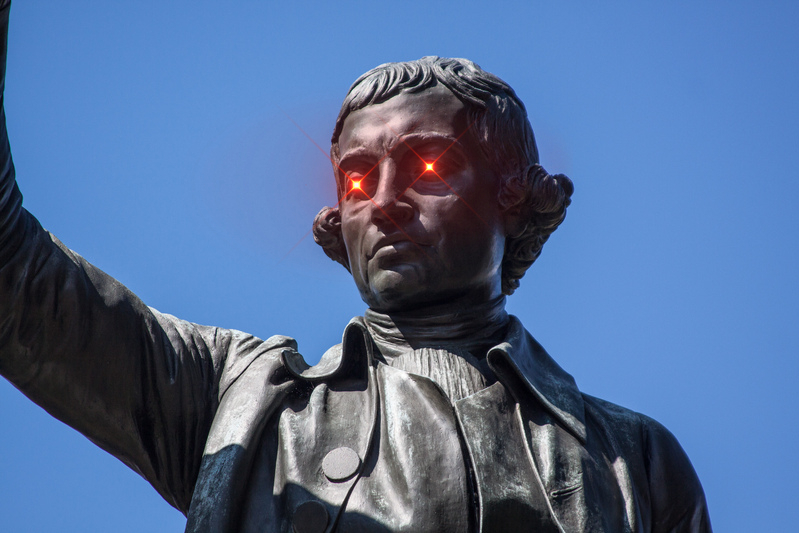
1/ What is beautiful?
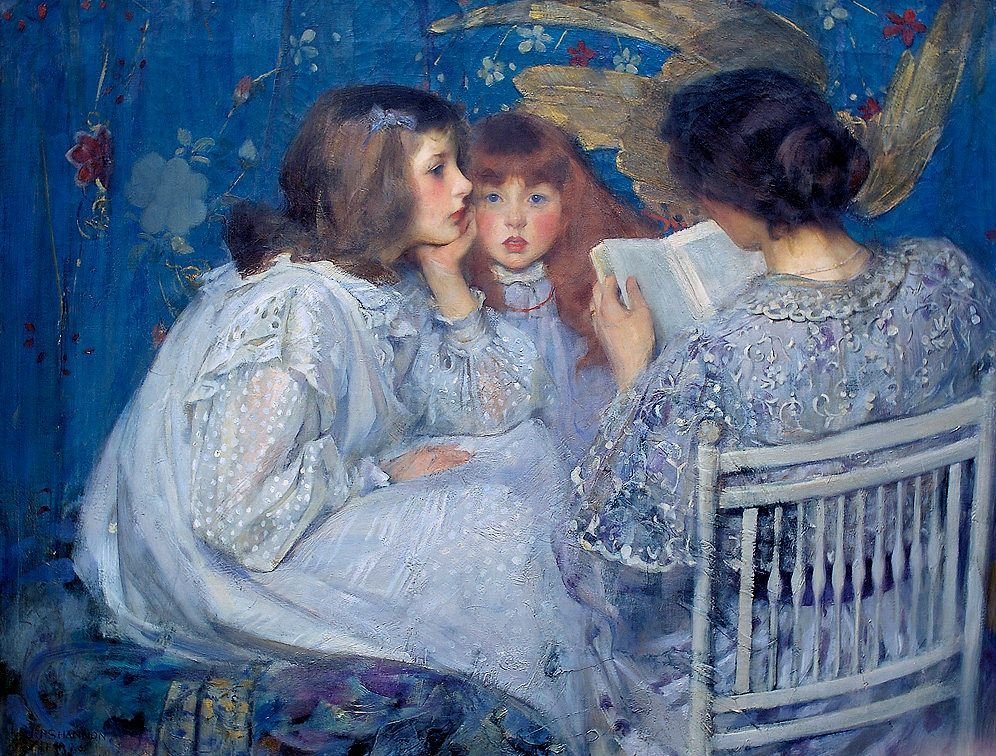
For Burke, the beautiful is small, delicate, smooth, and has "graduation variation"
Small babies and little kittens are beautiful - and easy to love
Also note that people in love give each other "diminutive epithets"
They call each other baby and darling
For Burke, the beautiful is small, delicate, smooth, and has "graduation variation"
Small babies and little kittens are beautiful - and easy to love
Also note that people in love give each other "diminutive epithets"
They call each other baby and darling
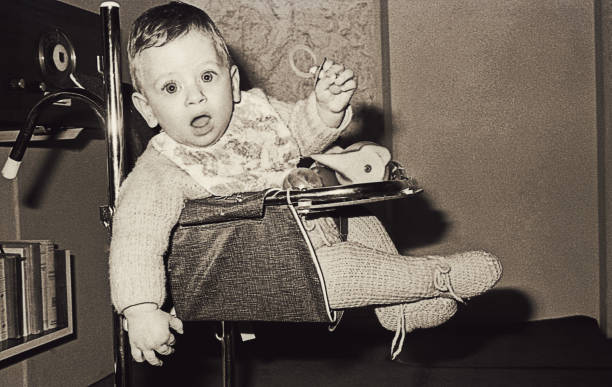

2/ Beauty is deeply relaxing
But notice how compared to total stillness, we find "a gentle oscillatory motion" MORE relaxing
From beach waves to musical notes
Infants appreciate the "rising and falling" sensation too:
"Rocking sets children to sleep better than absolute rest"
But notice how compared to total stillness, we find "a gentle oscillatory motion" MORE relaxing
From beach waves to musical notes
Infants appreciate the "rising and falling" sensation too:
"Rocking sets children to sleep better than absolute rest"
3/ The world you know is impossible without beauty
Beauty's utilitarian value is incalculable
Beauty pleases, leads to love, and incentivizes social cohesion. Burke:
When people "give us joy in beholding them...they inspire us with sentiments of tenderness and affection" https://t.co/SRdsenMKU6twitter.com/i/web/status/1…
Beauty's utilitarian value is incalculable
Beauty pleases, leads to love, and incentivizes social cohesion. Burke:
When people "give us joy in beholding them...they inspire us with sentiments of tenderness and affection" https://t.co/SRdsenMKU6twitter.com/i/web/status/1…

4/ The Beautiful v/s The Sublime according to Burke
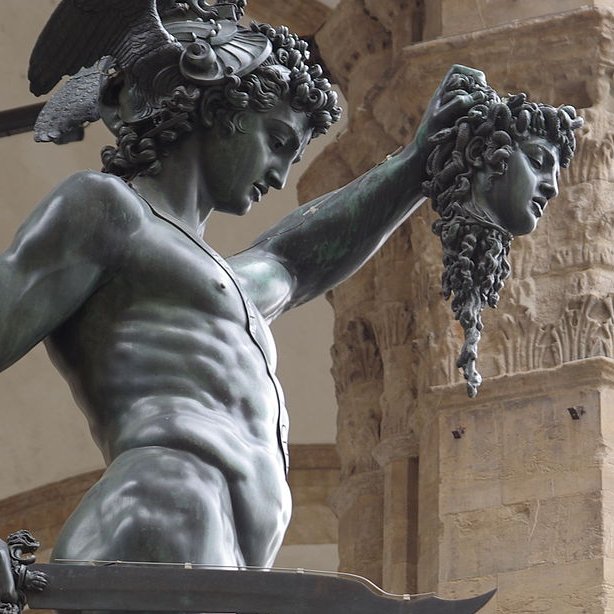
Beauty pleases, the sublime terrorizes
The beautiful is small, the sublime is vast
Where beauty leads to love, the sublime leads to pain
And yet encounters with the sublime are all important for us
Why? https://t.co/kMzFmlNEJttwitter.com/i/web/status/1…
Beauty pleases, the sublime terrorizes
The beautiful is small, the sublime is vast
Where beauty leads to love, the sublime leads to pain
And yet encounters with the sublime are all important for us
Why? https://t.co/kMzFmlNEJttwitter.com/i/web/status/1…
5/ The importance of pain
Pain is like heat from fire - a signal that you are too close to something destructive
While beauty is a relaxant, the terror of the sublime acts as a necessary wake-up call
Jünger: "Tell me your relation to pain, and I will tell you who you are"
Pain is like heat from fire - a signal that you are too close to something destructive
While beauty is a relaxant, the terror of the sublime acts as a necessary wake-up call
Jünger: "Tell me your relation to pain, and I will tell you who you are"
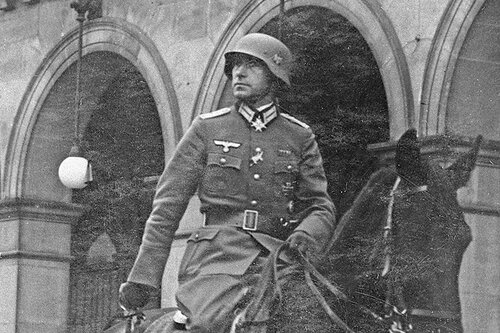
6/ Seek out terror - it exercises your mind
Burke writes that "if pain and terror are so modified as not to be...carried to violence," then they fortify us
An optimal amounts of physical strain strengthens the muscles
An optimal amount of mental strain strengthens the mind
Burke writes that "if pain and terror are so modified as not to be...carried to violence," then they fortify us
An optimal amounts of physical strain strengthens the muscles
An optimal amount of mental strain strengthens the mind
7/ While beauty invokes love, the sublime brings out awe and reverence
While we love what we know, we admire what is outside the power and scope of our knowledge
Edmund Burke: “It is our ignorance of things that causes all our admiration, and chiefly excites our passions.”
While we love what we know, we admire what is outside the power and scope of our knowledge
Edmund Burke: “It is our ignorance of things that causes all our admiration, and chiefly excites our passions.”
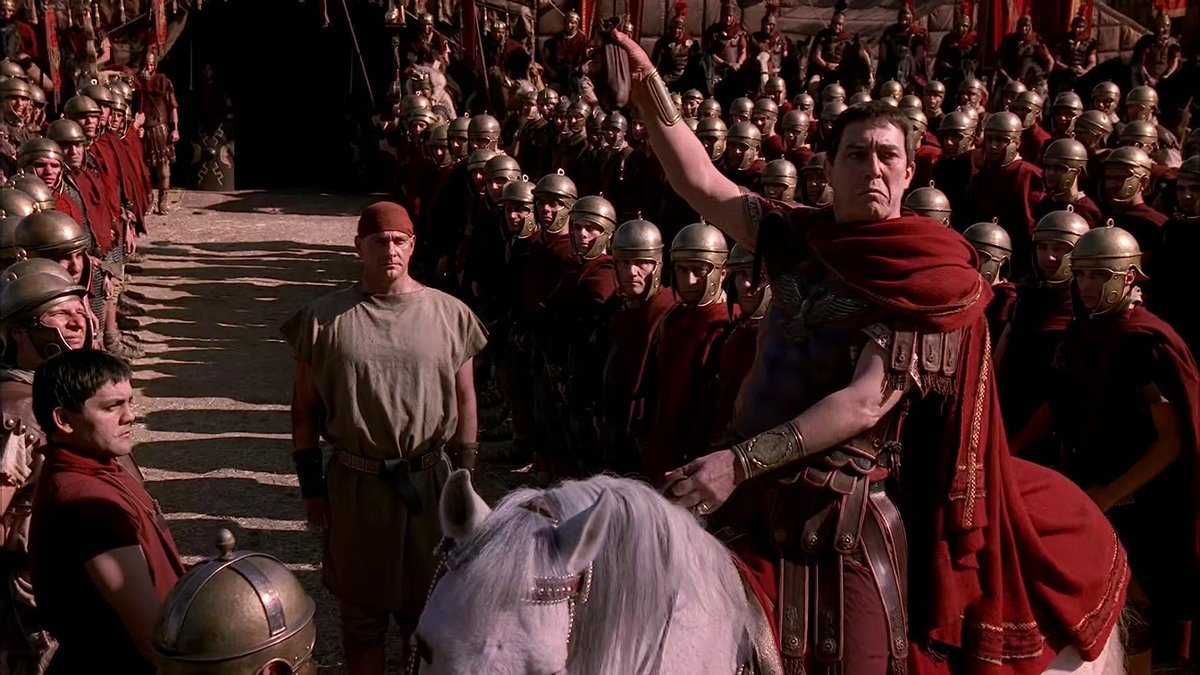
8/ Burke on the "wide difference between admiration and love"
While we love what is pleasing, we admire what is powerful, great, and terrible
Edmund Burke writes:
"We submit to what we admire, but we love what submits to us"
And that leads us to how men and women differ... twitter.com/i/web/status/1…
While we love what is pleasing, we admire what is powerful, great, and terrible
Edmund Burke writes:
"We submit to what we admire, but we love what submits to us"
And that leads us to how men and women differ... twitter.com/i/web/status/1…
9/ Men and women are passionate about each other, but in different ways
While women admire men, men love women
The feminine spirit is delicate, the masculine spirit is dangerous and capable of causing pain
Women have potential beauty, men have potential sublimity
While women admire men, men love women
The feminine spirit is delicate, the masculine spirit is dangerous and capable of causing pain
Women have potential beauty, men have potential sublimity

10/ Beauty nudges you toward rest. Rest, while pleasant, will rot your body and brain's faculties over the long-term. This is why we also need manageable encounters with the sublime - too much rest produces "many inconveniences" such as "melancholy, dejection, and despair"
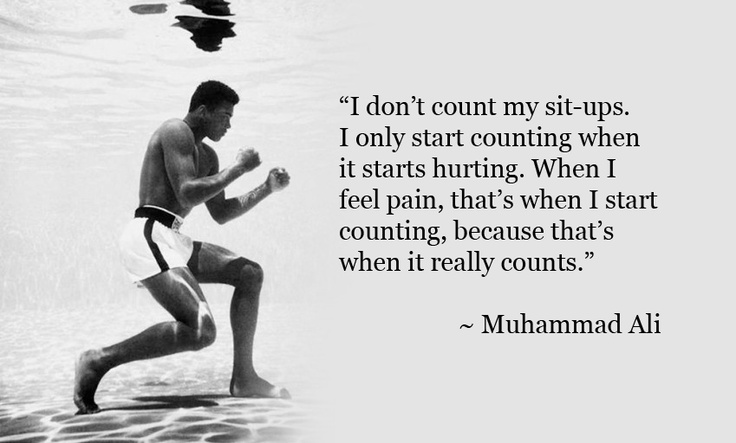
11/ Beauty is found inside civilization; the sublime is found outside of it
From the untamed sea to the uncharted space, everything vast and unknown—whatever is "conversant about terrible objects"—is sublime
Burke writes: "Terror is...the ruling principle of the sublime"
From the untamed sea to the uncharted space, everything vast and unknown—whatever is "conversant about terrible objects"—is sublime
Burke writes: "Terror is...the ruling principle of the sublime"

12/ Civilization beautifies everything, CUTS OUT the sublime
Civilization smoothens out difficulties
Turns the unknown wild into the known world
Increases comforts, minimizes pain
Eliminates danger, makes each waking moment relaxing...
That leads us to Nietzsche's last man: https://t.co/JAlrcKvK0ytwitter.com/i/web/status/1…
Civilization smoothens out difficulties
Turns the unknown wild into the known world
Increases comforts, minimizes pain
Eliminates danger, makes each waking moment relaxing...
That leads us to Nietzsche's last man: https://t.co/JAlrcKvK0ytwitter.com/i/web/status/1…
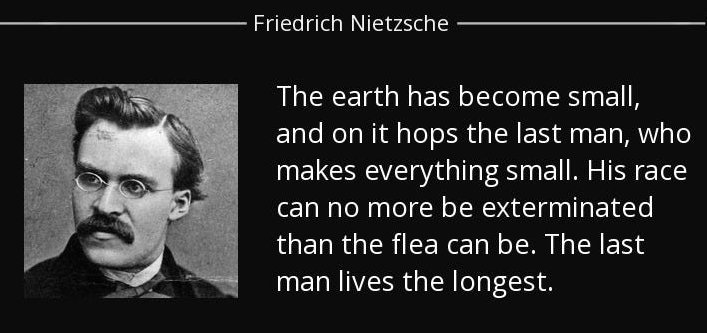
13/ But pain is a friend
Life loses much when it loses all its sublimity. The terror of the sublime keeps us sharp, invokes admiration, and forces us to actualize our potential
The beautiful might make us happy; it's the sublime that pushes us forward
Life loses much when it loses all its sublimity. The terror of the sublime keeps us sharp, invokes admiration, and forces us to actualize our potential
The beautiful might make us happy; it's the sublime that pushes us forward
When the French Revolution broke out in 1789, it had many notable supporters, including the American founding father Thomas Paine
Edmund Burke knew something terrible was about to happen and sounded off the first alarm
Insights from his great classic👇🏻
new.memod.com/MrOldBooks/his…
Edmund Burke knew something terrible was about to happen and sounded off the first alarm
Insights from his great classic👇🏻
new.memod.com/MrOldBooks/his…
Thank you for reading fren!
I appreciate your time
If you enjoyed this thread
RT the first tweet👇🏻
And Burke-Pill your timeline:
https://t.co/ckNj4RDenY
I appreciate your time
If you enjoyed this thread
RT the first tweet👇🏻
And Burke-Pill your timeline:
https://t.co/ckNj4RDenY
https://twitter.com/oldbooksguy/status/1678415517206364160?s=20

• • •
Missing some Tweet in this thread? You can try to
force a refresh