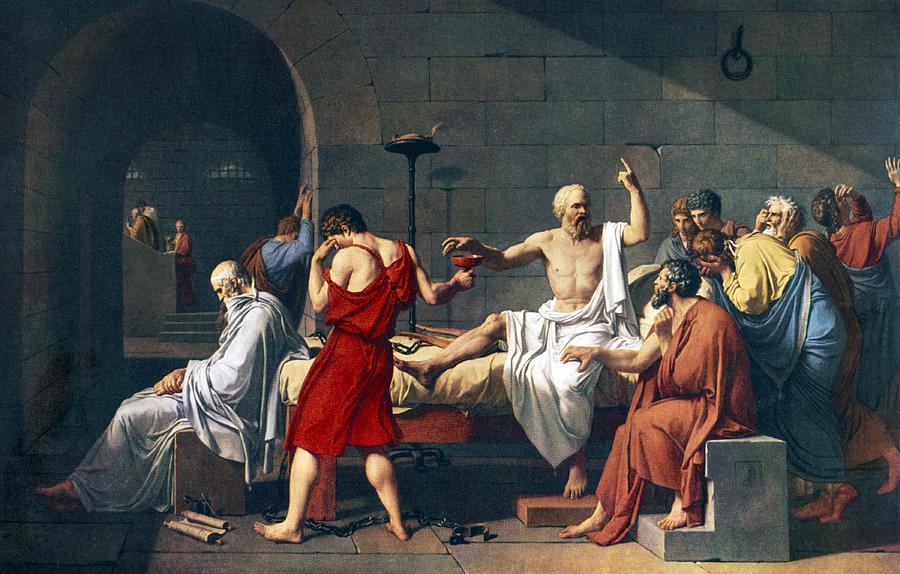
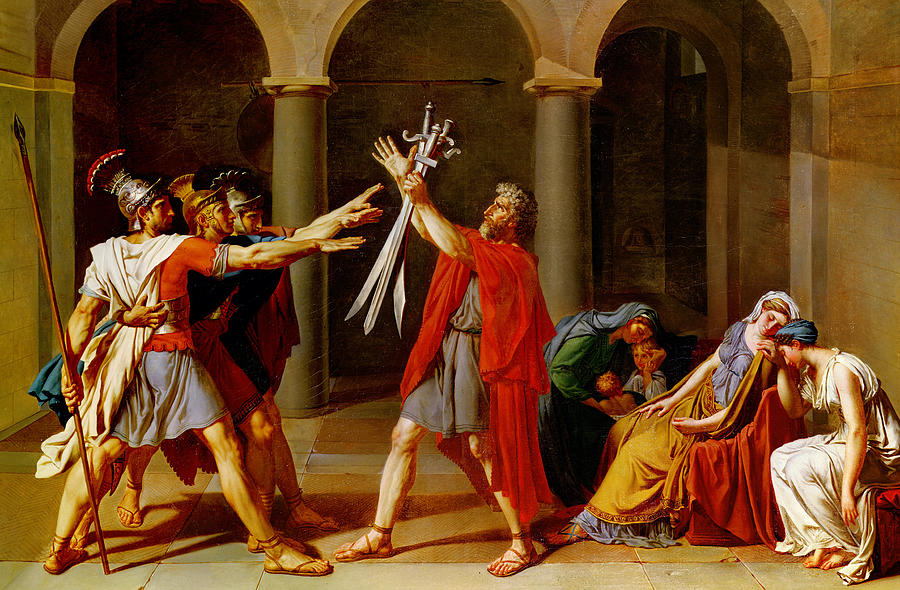
Julius Caesar was Rome's 2nd greatest orator
(after Cicero)
Here are 9 lessons from a brilliant early speech of his,
that made his career take off.
(after Cicero)
Here are 9 lessons from a brilliant early speech of his,
that made his career take off.

Early in his career, Caesar had no military victories to his name.
Even though came from a good family, most serious politicians didn't take him seriously.
He was in deep debt, and had a reputation as a playboy.
But at age 37, he took a stance everyone would remember.
Even though came from a good family, most serious politicians didn't take him seriously.
He was in deep debt, and had a reputation as a playboy.
But at age 37, he took a stance everyone would remember.

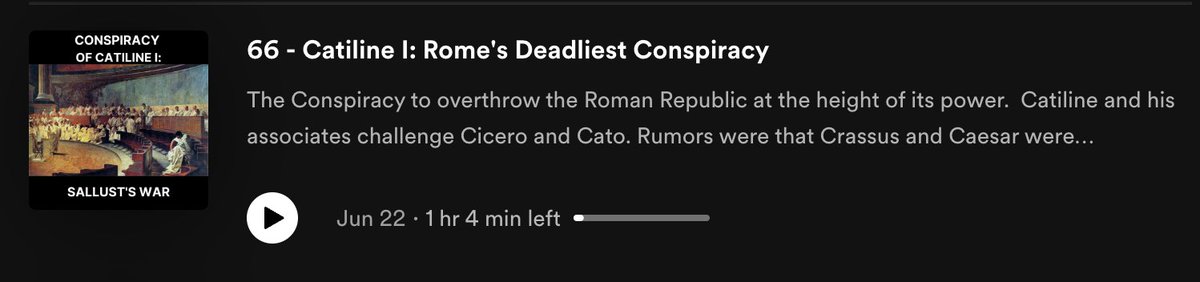
In 63 BC, the conspiracy of Catiline was unearthed.
Evidence came forward of plots:
To murder senators, burn the city of Rome, overthrow the Republic.
(See Cost of Glory Episode 66 for more background)
Evidence came forward of plots:
To murder senators, burn the city of Rome, overthrow the Republic.
(See Cost of Glory Episode 66 for more background)
Senate declares martial law to avert the danger.
Catiline flees Rome, joins his ARMY;
But his co-conspirators are caught.
Cicero (consul) summons the Senate.
He recommends immediate execution for the conspirators.
The idea: "No time for a trial, the city is still in danger"
Catiline flees Rome, joins his ARMY;
But his co-conspirators are caught.
Cicero (consul) summons the Senate.
He recommends immediate execution for the conspirators.
The idea: "No time for a trial, the city is still in danger"
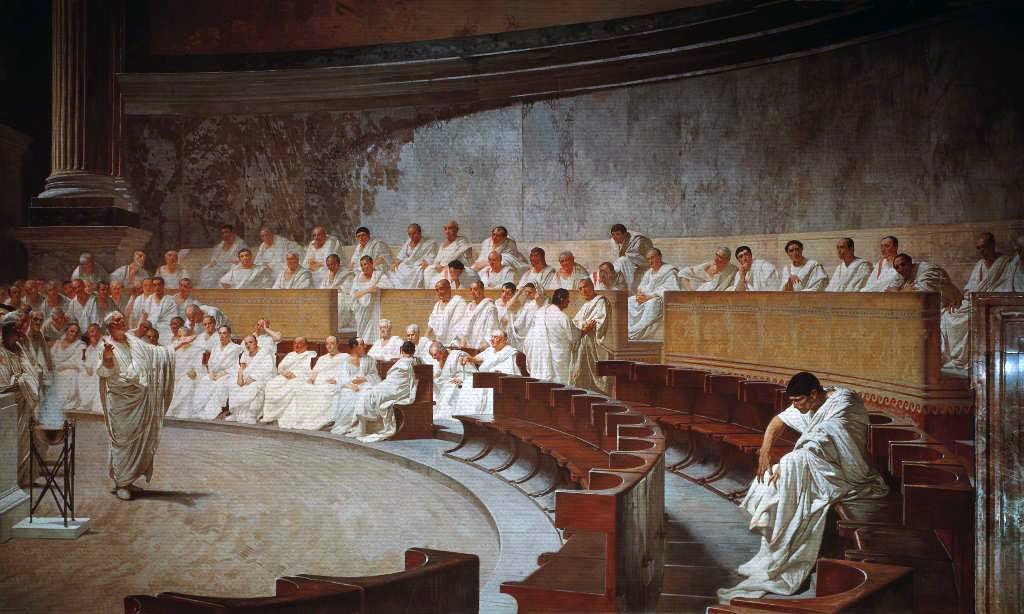
Emotions were high,
Nobody doubted the conspirators' guilt. Many in the Senate wanted blood.
Caesar delivered a speech in the Senate, against summary execution.
His speech is a master class in swaying a group, gripped by fear and anger, away from acting on their urges.
Nobody doubted the conspirators' guilt. Many in the Senate wanted blood.
Caesar delivered a speech in the Senate, against summary execution.
His speech is a master class in swaying a group, gripped by fear and anger, away from acting on their urges.
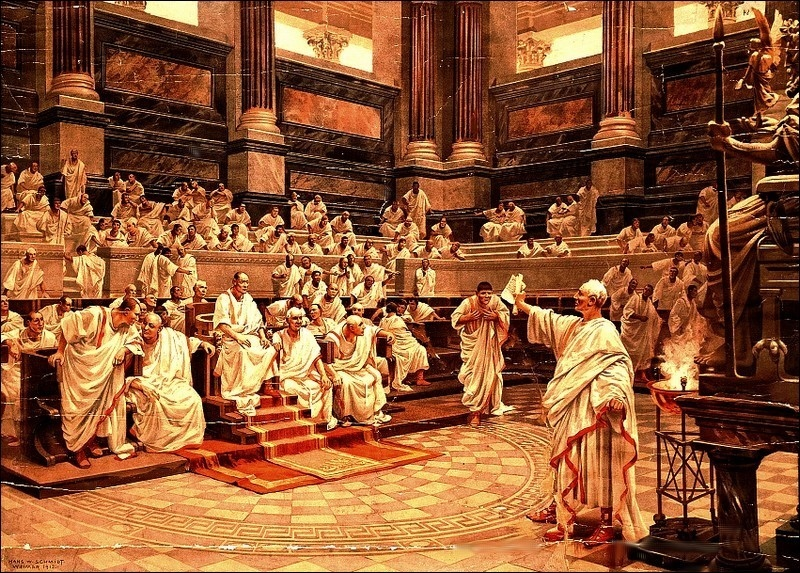
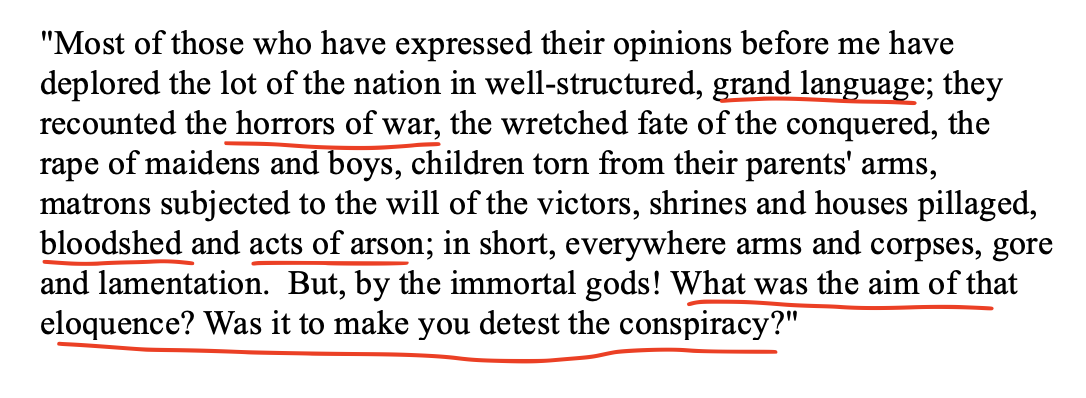
#1: Name the emotions your audience is feeling
(That you need them *NOT* to act on)
Chris Voss calls this "Tactical Empathy"
Caesar begins by doing this, in order to clear a little room for reason:
(That you need them *NOT* to act on)
Chris Voss calls this "Tactical Empathy"
Caesar begins by doing this, in order to clear a little room for reason:
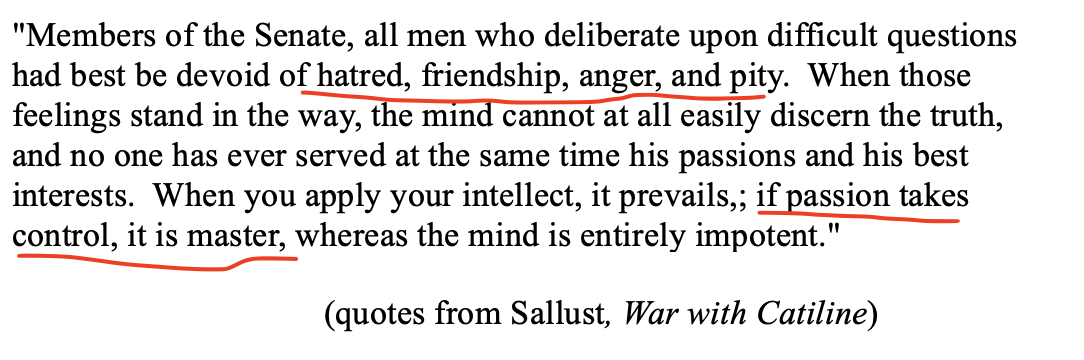
But this is not enough.
#2: Tell a story as quickly as possible
(Or several)
Preferably stories that appeal to the audience's identity.
Stories from History are good,
Especially if you are speaking to a group.
#2: Tell a story as quickly as possible
(Or several)
Preferably stories that appeal to the audience's identity.
Stories from History are good,
Especially if you are speaking to a group.
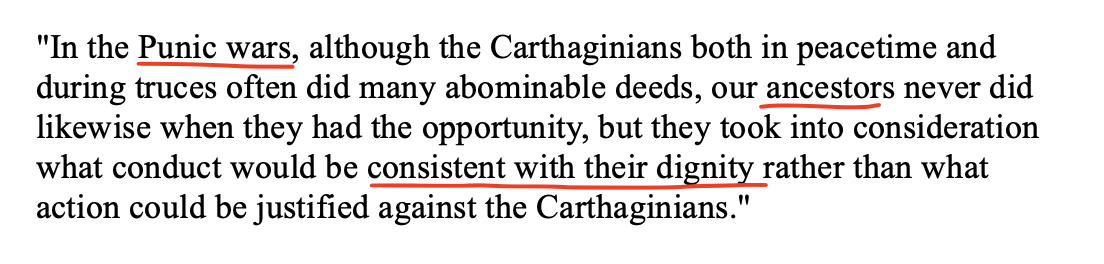
#3 Make very clear what the story means and how it relates to your point
Caesar's point in this speech:
Showing restraint was essential to the Romans coming to dominate the world.
(Respect from allies, civic concord, etc.)
--> Restraint here is in YOUR BEST INTERESTS
Caesar's point in this speech:
Showing restraint was essential to the Romans coming to dominate the world.
(Respect from allies, civic concord, etc.)
--> Restraint here is in YOUR BEST INTERESTS

#4 Affirm emotions while making clear they are not relevant to the decision.
Especially if other voices are actively trying to stir up those emotions against your advice.
Again, Empathy + Reason.
"Are they trying to get us angry? we're already angry!"
Especially if other voices are actively trying to stir up those emotions against your advice.
Again, Empathy + Reason.
"Are they trying to get us angry? we're already angry!"
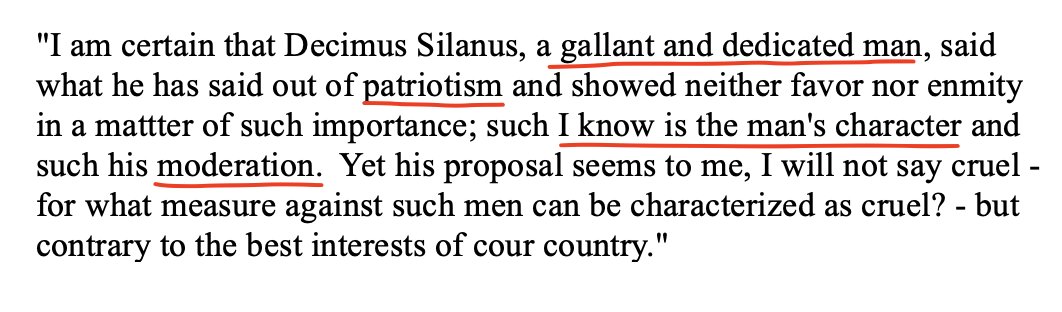
#5 Praise your opponents' good intentions
This builds common ground with the real people you need to persuade
= the ones who don't already agree with you
(Decimus Silanus, below, was a senator and an ally of Cicero):
This builds common ground with the real people you need to persuade
= the ones who don't already agree with you
(Decimus Silanus, below, was a senator and an ally of Cicero):
#6 Appeal to tradition.
Throughout the speech, Caesar calls summary execution "a **novel** form of punishment"
Roman law required consuls to get a vote of the citizens before scourging or executing any citizen, even with a trial. (exile was the standard)
(Senate =/= court)
Throughout the speech, Caesar calls summary execution "a **novel** form of punishment"
Roman law required consuls to get a vote of the citizens before scourging or executing any citizen, even with a trial. (exile was the standard)
(Senate =/= court)

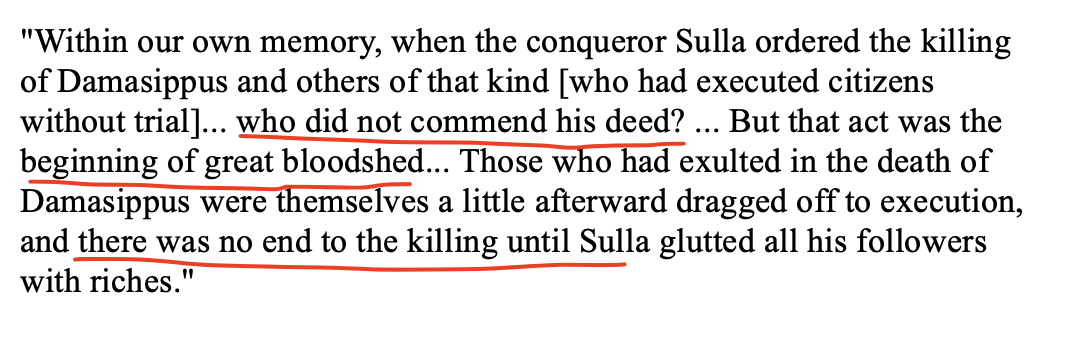
#7 Cite more history to show this is a dangerous precedent.
Every senator in the room remembered Sulla's proscriptions (only 20 years earlier).
Executions without trial -> more executions without trial.
Every senator in the room remembered Sulla's proscriptions (only 20 years earlier).
Executions without trial -> more executions without trial.
#8 Recommend an alternative
Caesar recommended they have all their assets confiscated, and then be sent to prisons throughout Italy.
(probably to await a trial once the danger passed)
Caesar recommended they have all their assets confiscated, and then be sent to prisons throughout Italy.
(probably to await a trial once the danger passed)

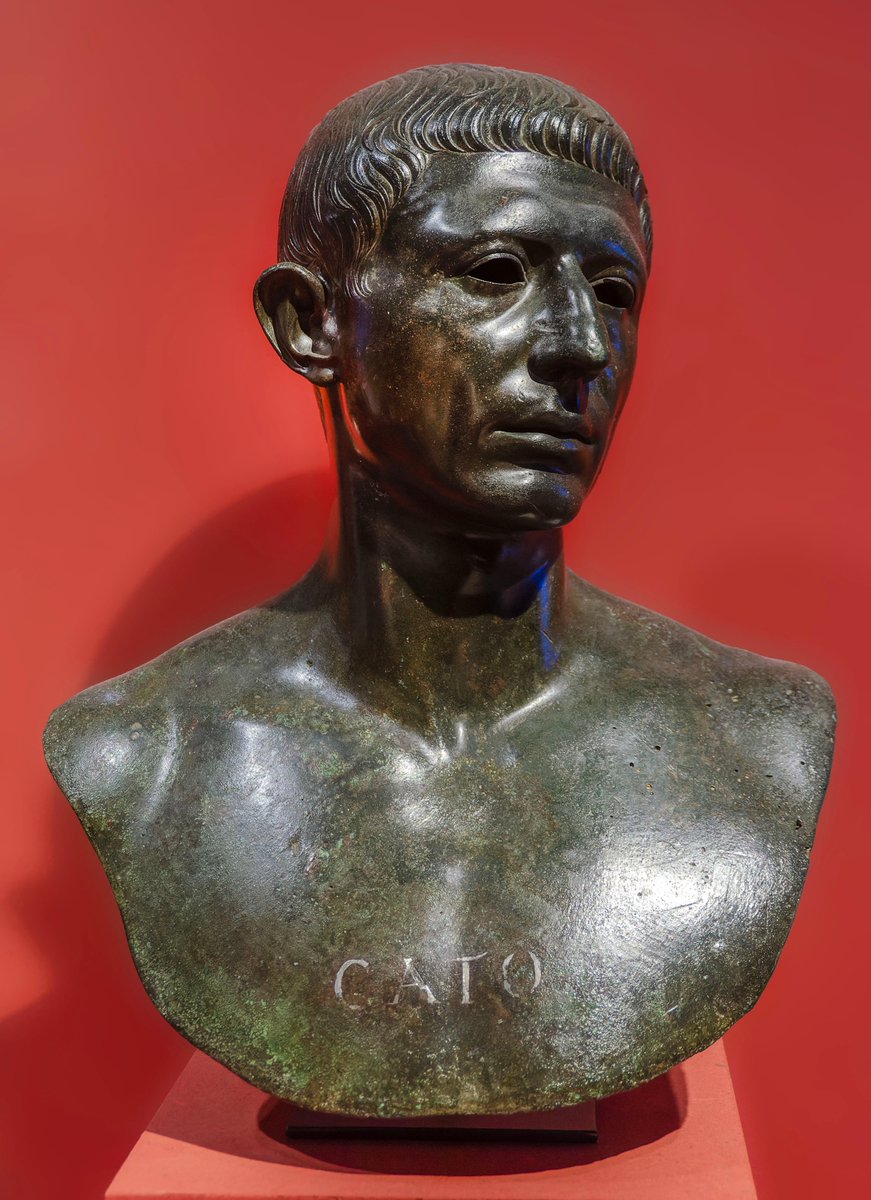
The Senate was swayed at first, then Cato the Younger delivered a speech in favor of execution.
The Senate adopted Cato's proposal, and recommended Cicero (w/ consular authority, under martial law) execute the prisoners.
So, Caesar lost.
But this brings us to...
The Senate adopted Cato's proposal, and recommended Cicero (w/ consular authority, under martial law) execute the prisoners.
So, Caesar lost.
But this brings us to...
#9: Taking a stance for moderation can be good, even if you lose.
Caesar probably knew he wouldn't win.
But he had an additional motivation.
Catiline raised an army of 10,000 by championing the interests of the poor, downtrodden, disaffected of Rome,
"The 99%" ...
Caesar probably knew he wouldn't win.
But he had an additional motivation.
Catiline raised an army of 10,000 by championing the interests of the poor, downtrodden, disaffected of Rome,
"The 99%" ...
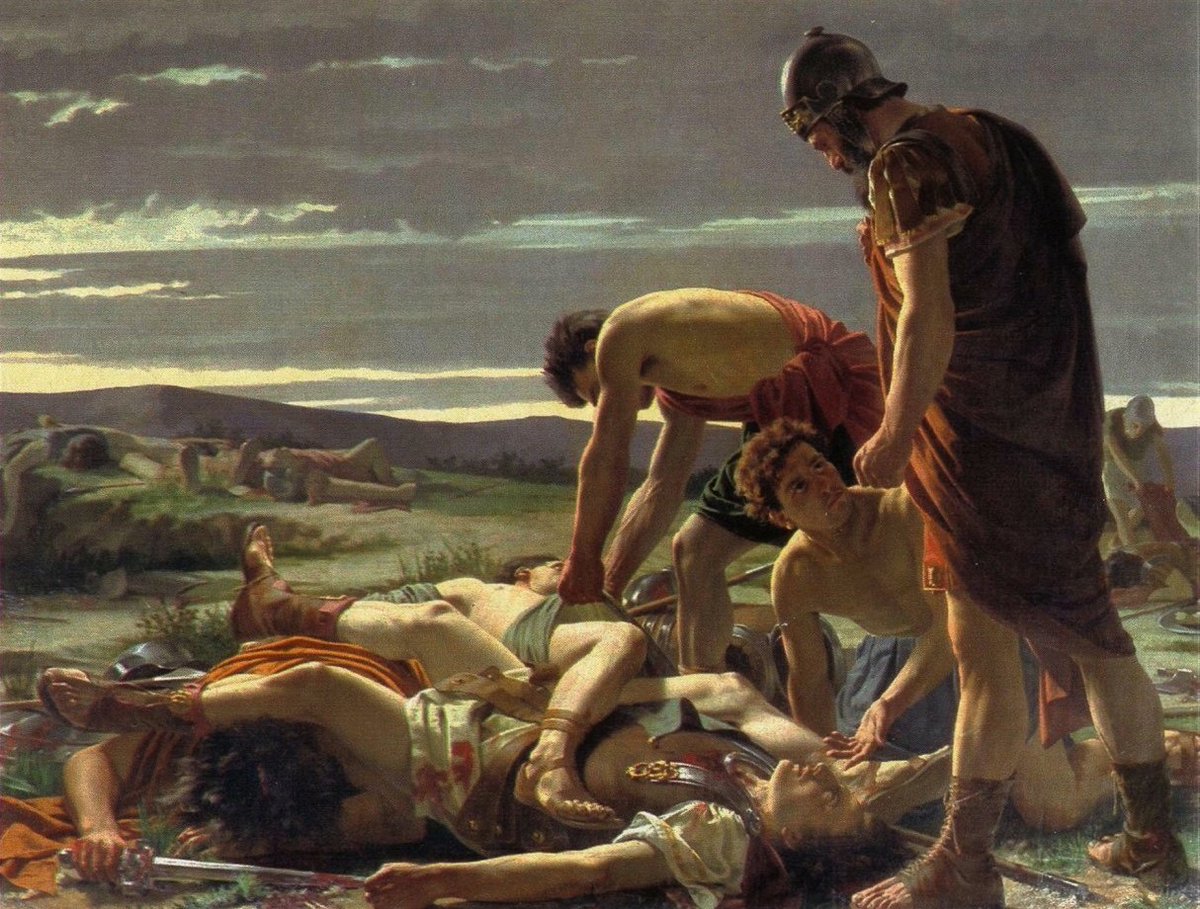
Whe Catiline failed and died, the poor and downtrodden remembered Caesar as a champion of their lost cause.
Moderate senators remembered Caesar as a reasonable advocate of tradition, and the Senate's interests.
Caesar became "The populist you can do business with."
Moderate senators remembered Caesar as a reasonable advocate of tradition, and the Senate's interests.
Caesar became "The populist you can do business with."
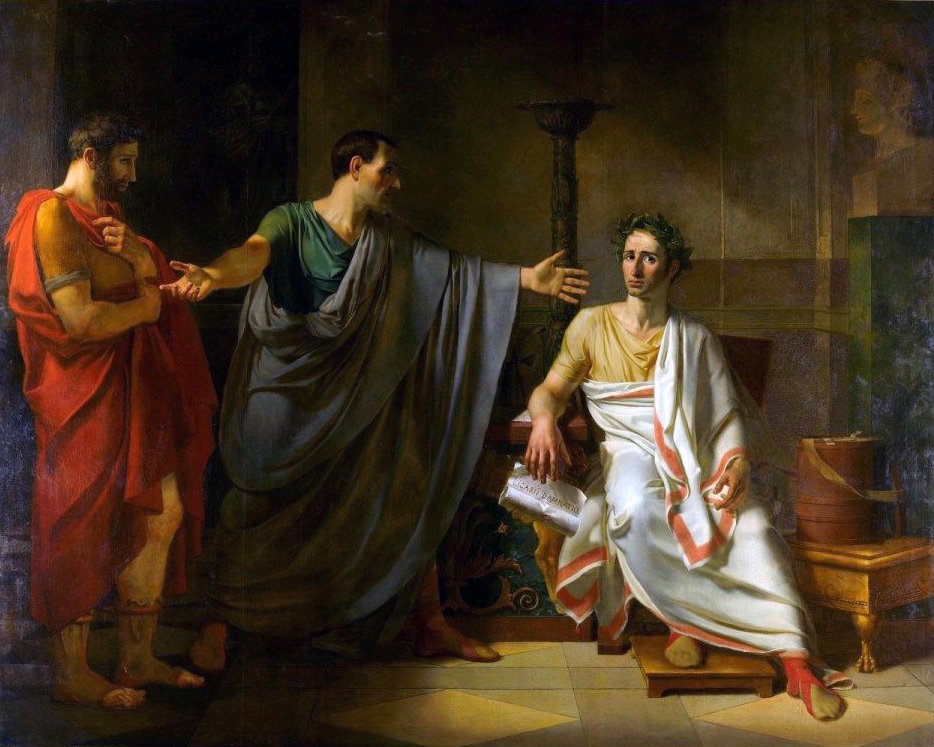
Remember Caesar's speech when you need to calm a room down:
1. Tactical Empathy
2. Tell a Story
3. Identify its point
4. Affirm emotions
5. Praise opponent
6. Appeal to Tradition
8. Recommend Alternative
9. It's worth it even if you lose
1. Tactical Empathy
2. Tell a Story
3. Identify its point
4. Affirm emotions
5. Praise opponent
6. Appeal to Tradition
8. Recommend Alternative
9. It's worth it even if you lose
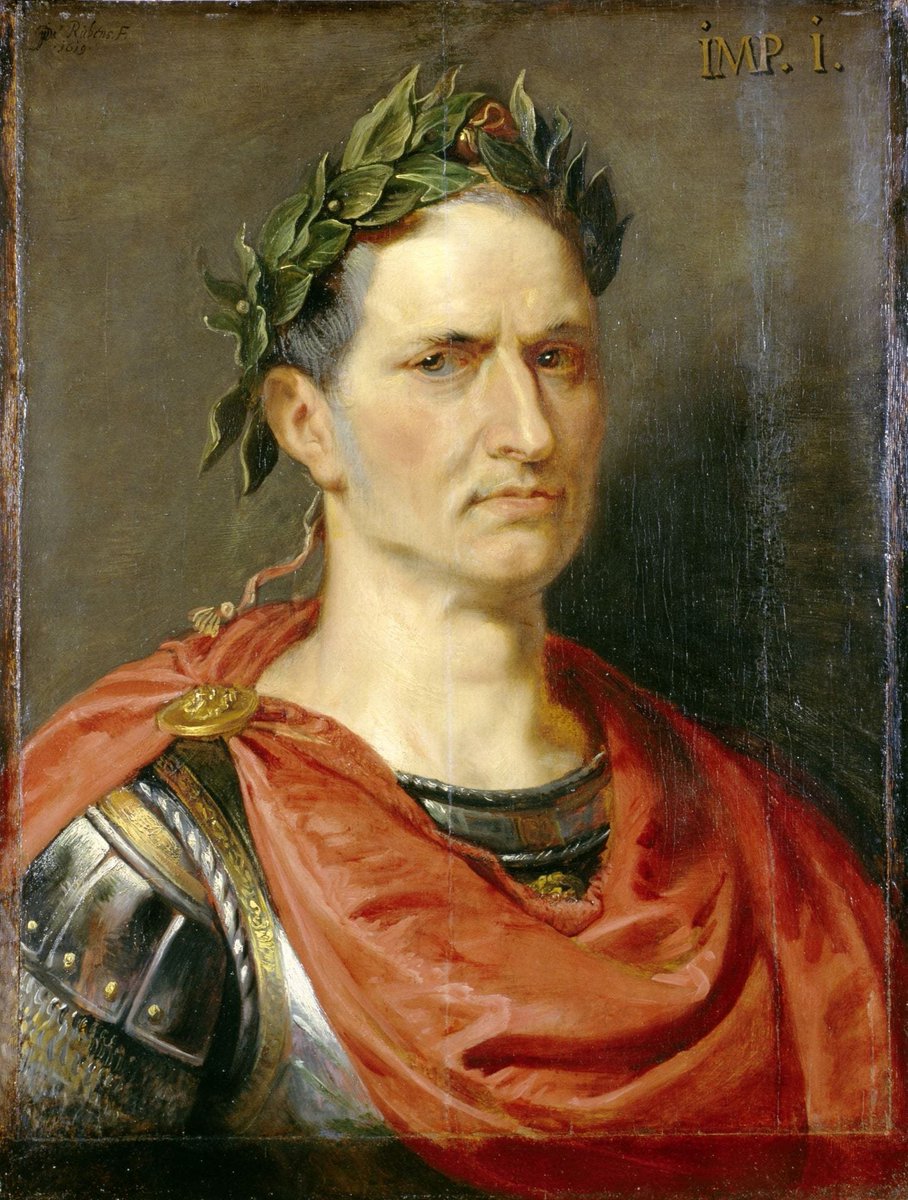
IF you learned something, RT the first in the thread.
Follow for more from history's greatest.
Nietzsche called Catiline "The antecedent form of every Caesar."
I just covered Catiline on the Cost of Glory podcast, episodes 66-68.
Amazing story:
open.spotify.com/episode/1qsYZ7…
Follow for more from history's greatest.
Nietzsche called Catiline "The antecedent form of every Caesar."
I just covered Catiline on the Cost of Glory podcast, episodes 66-68.
Amazing story:
open.spotify.com/episode/1qsYZ7…
• • •
Missing some Tweet in this thread? You can try to
force a refresh