21 leading experts on pediatric gender medicine from 8 countries have written a Letter to the Editor of @WSJopinion expressing disagreement with the @TheEndoSociety and its new president @StephenHammes over the treatment of youth gender dysphoria.
This is huge. 🧵
Although they have commented on the problems of the American "affirming" model in the past (e.g., Cass Report), this is the first time international experts have publicly weighed in on the American debate over "gender-affirming care."
Among the intl' experts is Dr. Riita Kaltiala, chief psychiatrist at Tampere University gender clinic, author of numerous peer-reviewed articles on trans medicine, and Finland's top authority on pediatric gender care.
The letter follows an illuminating exchange between @donoharm and @TheEndoSociety @StephenHammes in the pages of @WSJopinion.
The letter states that while Endocrine Society president and "gender-affirming care" practitioner Dr. Hammes’ may think his own clinical experience and existing research support his position, his belief "is not supported by the best available evidence."
It mentions that (unlike U.S. medical associations) health authorities abroad have relied on systematic reviews of evidence for the benefits of hormonal interventions and found these benefits to be without reliable evidence.
To recall, the main value of systematic reviews is that they don't just summarize the available studies but assess their strengths and weaknesses. This is key, because proponents of child sex trait modification frequently just mention individual studies.
Dr. Hammes' claim that "gender-affirming care" is a suicide prevention measure, the intl' experts say in their WSJ letter, "is contradicted by every systematic review."
Dr. Kaltiala had previously called the affirm-or-suicide narrative "purposeful disinformation" and its promotion (given the contagious nature of suicide) "irresponsible."
"The politicization of transgender healthcare in the US is unfortunate," write the intl' experts. "The way to combat it is for medical societies to align their recommendations with the best available evidence—rather than exaggerating the benefits and minimizing the risks."
NEWS: The Federal Trade Commission has just announced its lawsuit (with four states) against the World Professional Association for Transgender Health. 👇
The FTC alleges that WPATH "misled parents and children about the medical consensus and medical necessity, as well as the safety and effectiveness" of gender transition interventions (puberty blockers, cross-sex hormones, and surgeries), "in violation of the FTC Act."
The complaint has been filed in the federal district court for the northern district of Texas, a traditionally friendly venue for such actions.
A widely cited study published in the prestigious @NatureHumBehav claimed that “anti-transgender laws” encouraged teen suicide attempts.
A new methodological review dismantles that finding.
New from me in @cityjournal
In 2024, amidst a wave of state legislation on transgender issues, a leading academic journal published a study claiming to find that that legislation increased suicide attempts by up to 72%.
The finding was blasted all over left-of-center media, with even some healthcare outlets uncritically citing its conclusion as well.
NEW: Last week, the Senate Health, Education, Labor & Pensions committee held a hearing on pediatric gender medicine.
The hearing was predictable and largely unremarkable but for a very curious, and potentially very important, omission. 🧵
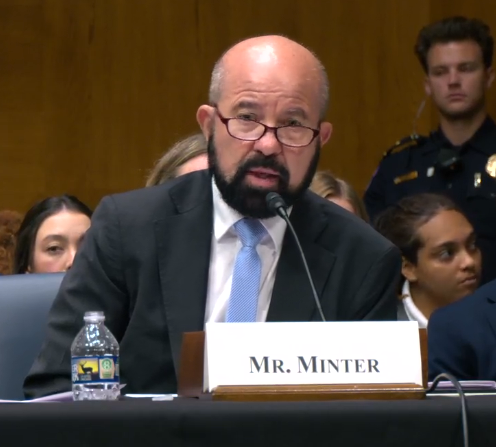
At no point did the Senate Democrats or their expert witness, @shannonminter5 of the National Center for LGBTQ (formerly Lesbian) Rights (@NCLRights), refer to or cite the authority of the World Professional Association for Transgender Health, or WPATH (@wpath).
In 2023, Minter, an attorney, testified before the House Judiciary Committee on the same topic.
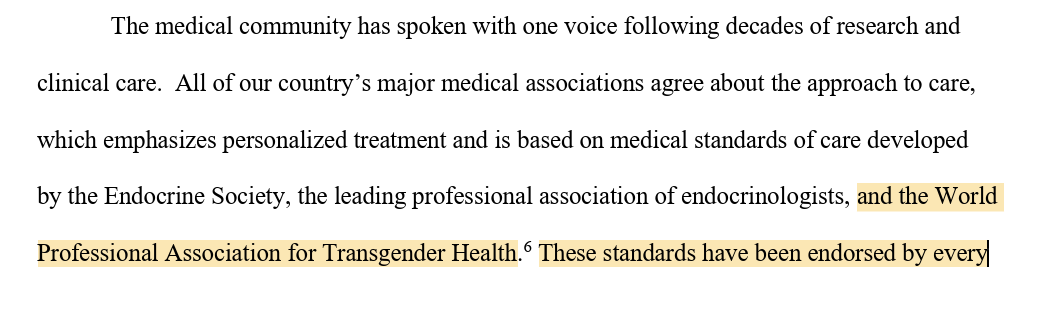
Minter's submitted written testimony from that hearing cited WPATH and its Standards of Care, v. 8.
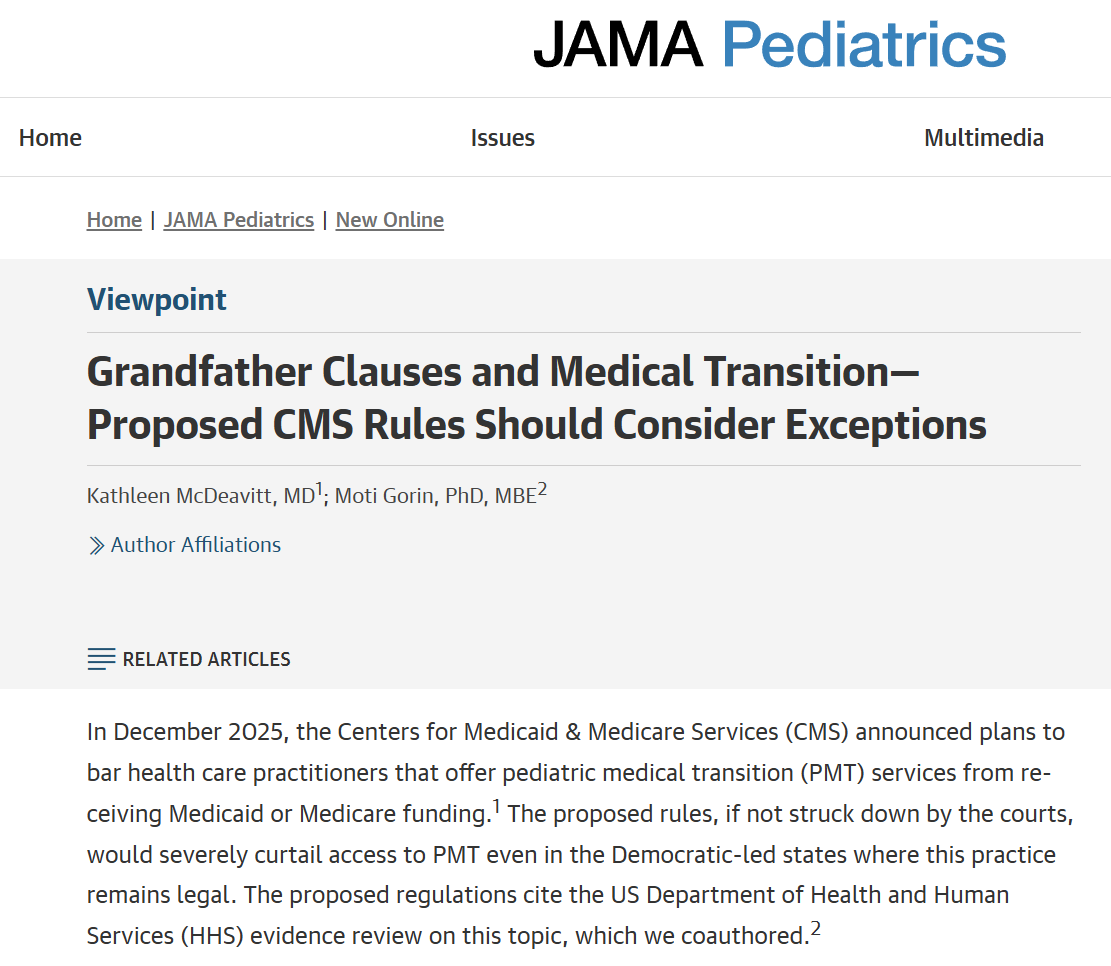
NEW: Two coauthors of the HHS review on treatment for pediatric gender dysphoria argue in @JAMAPediatrics that the Centers for Medicare and Medicaid "should carefully consider whether the proposed rules may be improved by the inclusion of a grandfather clause." 🧵
Kathleen McDeavitt, a psychiatrist at Baylor College of Medicine, and Moti Gorin, a philosopher and bioethicist at Colorado State University, are coauthors (with me) of the U.S. Department of Health and Human Services' peer-reviewed report from last year.
The centerpiece of the HHS review was an "umbrella review" (systematic review of systematic reviews) which confirmed the finding that pediatric medical transition is based on very low certainty evidence (using GRADE).
NEW: @jessesingal with new revelations, based on FOIAs, about the Johanna Olson-Kennedy-led, @NIH-funded ($10m) research initiative on pediatric gender medicine. 🧵
NIH was misled with help from @wpath and @TheEndoSociety.
Olson-Kennedy and her colleagues intended to study the effects of puberty blockers and cross-sex hormones in minors.
NIH initially "expressed qualms" about the proposed study being observational rather experimental. Singal explains the difference, and why it matters.
With support from @wpath and @TheEndoSociety, however, Olson-Kennedy told NIH that the treatments are known to work and that withholding them (i.e., having a control group) would be unethical.
I'm often asked: “What makes pediatric gender doctors do what they do?"
Good question.
Here are 9 overlooked factors, to add to the obvious one: ideological agreement with the “gender-affirming” outlook.
These are unsystematic observations, so take with a grain of salt. 🧵
1. Lack of experience. Early-career doctors lack clinical experience, a critical corrective mechanism to the abstractions they absorb in the classroom. Also, being young, they typically don’t have kids themselves and therefore have not experienced the ways of developmentally typical children and teens. If a young clinician lacks these experiences but constantly sees trans-identified patients, it's easy to see how s/he would have a skewed understanding of human sexual development.
2. Action bias. Medicine—and, some would argue, most of healing—often consists of not doing anything, counting on the body’s natural tendency to heal itself while watchfully waiting to see if/when intervention is needed. For adolescents in the throes of puberty, time and experience typically build resilience and mitigate distress. It’s tempting for inexperienced healers to want to “do something” and to equate inaction with not helping or even harming.