Insults are not something that helps any discussion, but this allows an opportunity to tell how #Napoleon (un)willingly reshaped American history.
Yes, we are talking about Louisiana Purchase. Or how Napoleon gave Americans the foundation for their rapid expansion.
A thread🧵 https://t.co/HzmTtEC9cT

Yes, we are talking about Louisiana Purchase. Or how Napoleon gave Americans the foundation for their rapid expansion.
A thread🧵 https://t.co/HzmTtEC9cT
https://twitter.com/JohnStuartWilso/status/1679517549330075648
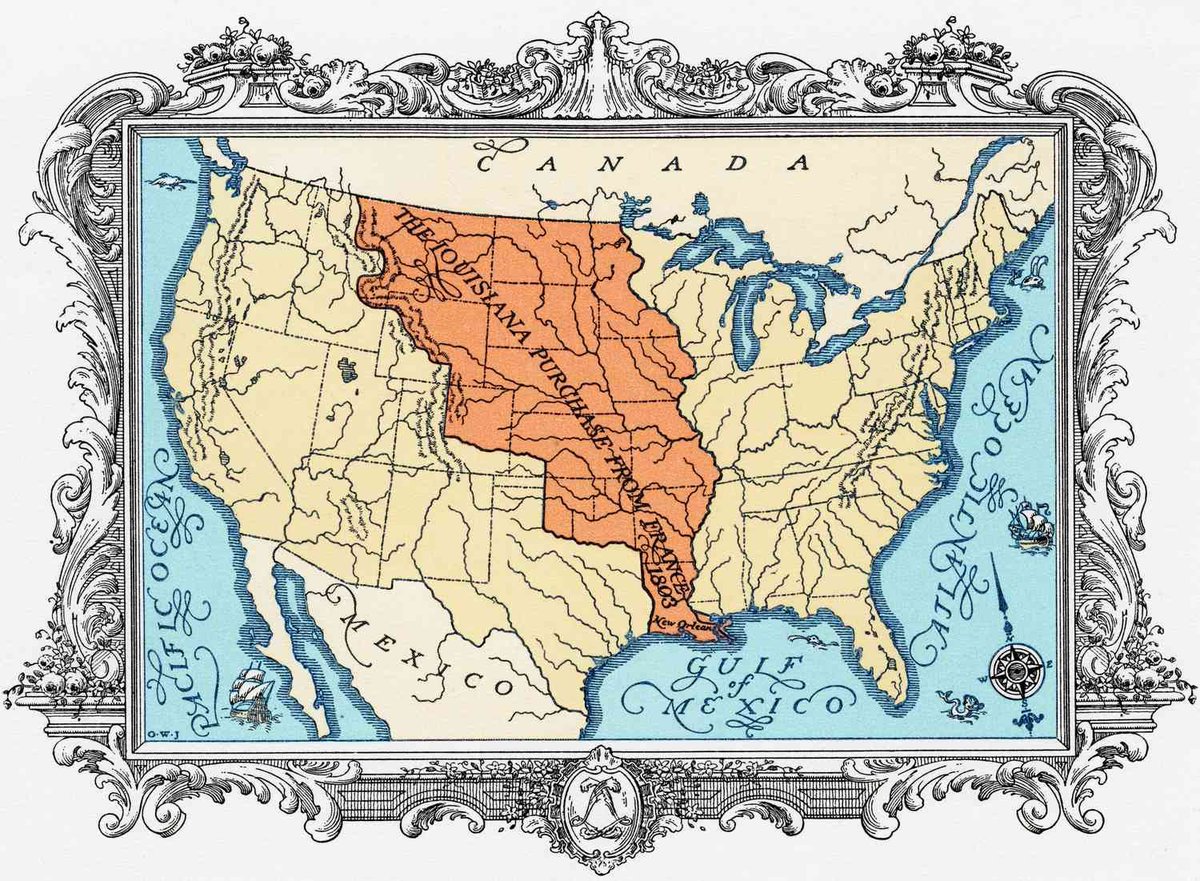
At the onset of the 19th century, Louisiana was about to become the heart of #France’s North American empire. The territory's capital New Orleans was a growing town, a cultural centre, and a major hub for Caribbean and Atlantic trade. /1
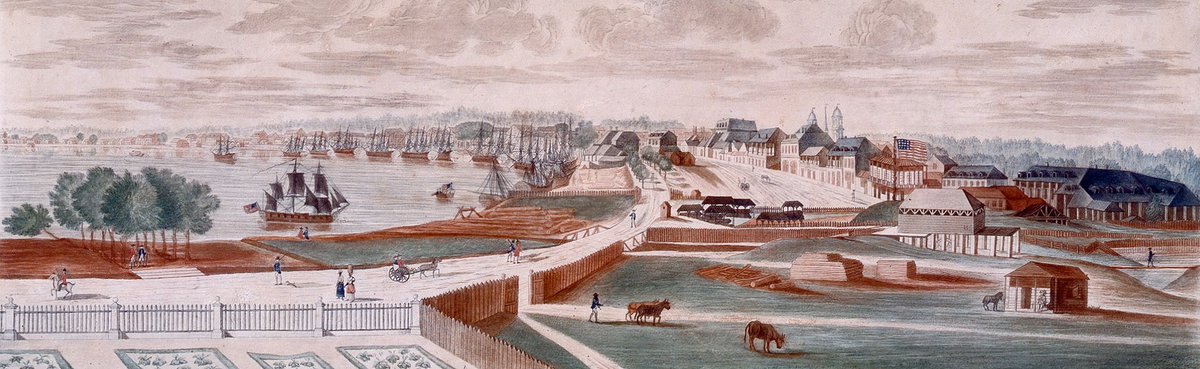
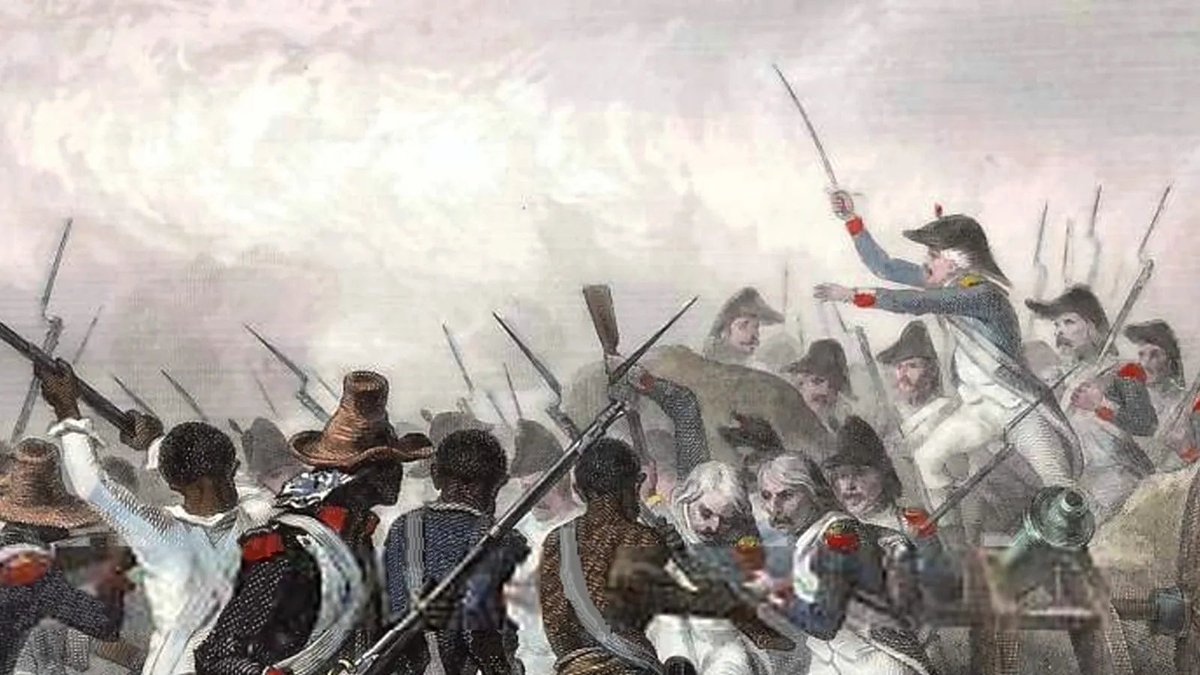
It is tempting to imagine what would happen if the city and entire area remained French. But in the early 1800s, across the Atlantic, Europe was in turmoil. Fearing renewed conflict with Britain, failing to suppress a revolt in Saint-Domingue left Napoleon with a hard choice. /2
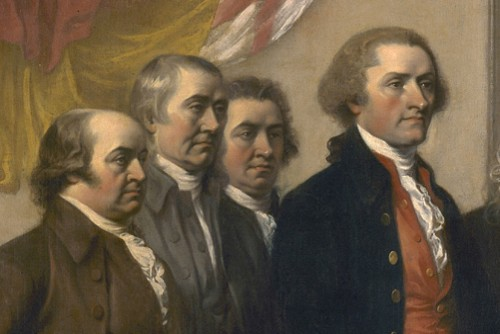
There was another issue. Although President Thomas Jefferson was a francophile, the prospect of the powerful French colony barring the #American expansion westward worried him greatly. Thus Jefferson tasked James Monroe and Robert R. Livingston with purchasing New Orleans. /3
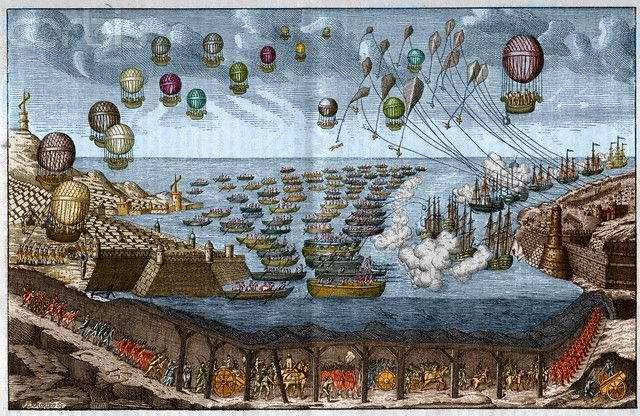
Napoleon, on the other hand, faced another issue. Louisiana was too big and too difficult to control. It was also easily exposed to the British attack. Plus, the last thing he wanted was American hostility while he was focusing on invading #Britain. /4.
Also, Lousiana was not truly French. The secret deal with Spain, which took control over the area in 1795, was not fully ratified, angering Napoleon. In addition, compared with the sugar-producing Caribbean colonies, Louisiana was of little value to Napoleon. /5
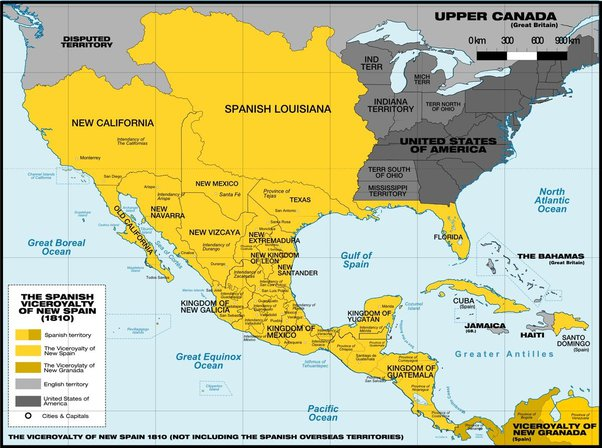
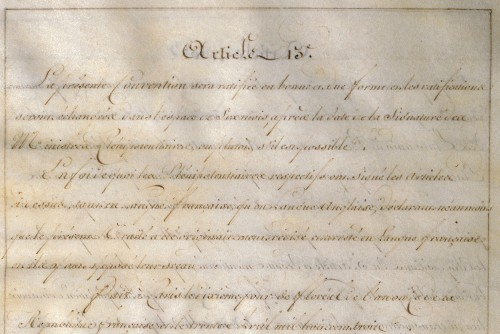
Thus, Napoleon surprised Jefferson, offering not only New Orleans but the entire #Louisana. The U.S. representatives, realizing the opportunity, quickly jumped at the offer. After a brief opposition by the Federalist Party, Congress ratified the Louisiana Purchase. /6
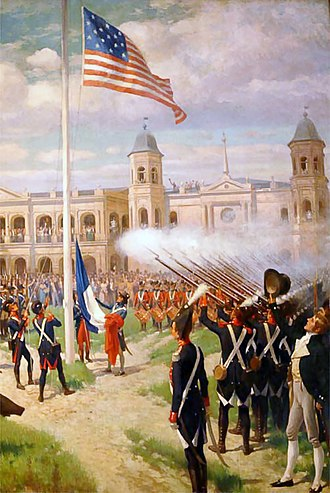
As with everything else in Napoleon's life, the events were happening at such a quick speed that the French prefect sent to administer Louisiana had little to do but officiate when, on December 20, 1803, the French tricolor was slowly lowered in New Orleans’ main square. /7
Louisiana Purchase was one of the most colossal land transactions in #history, involving an area larger than today’s France, Spain, Portugal, Italy, Germany, Holland, Switzerland and the British Isles combined. /8
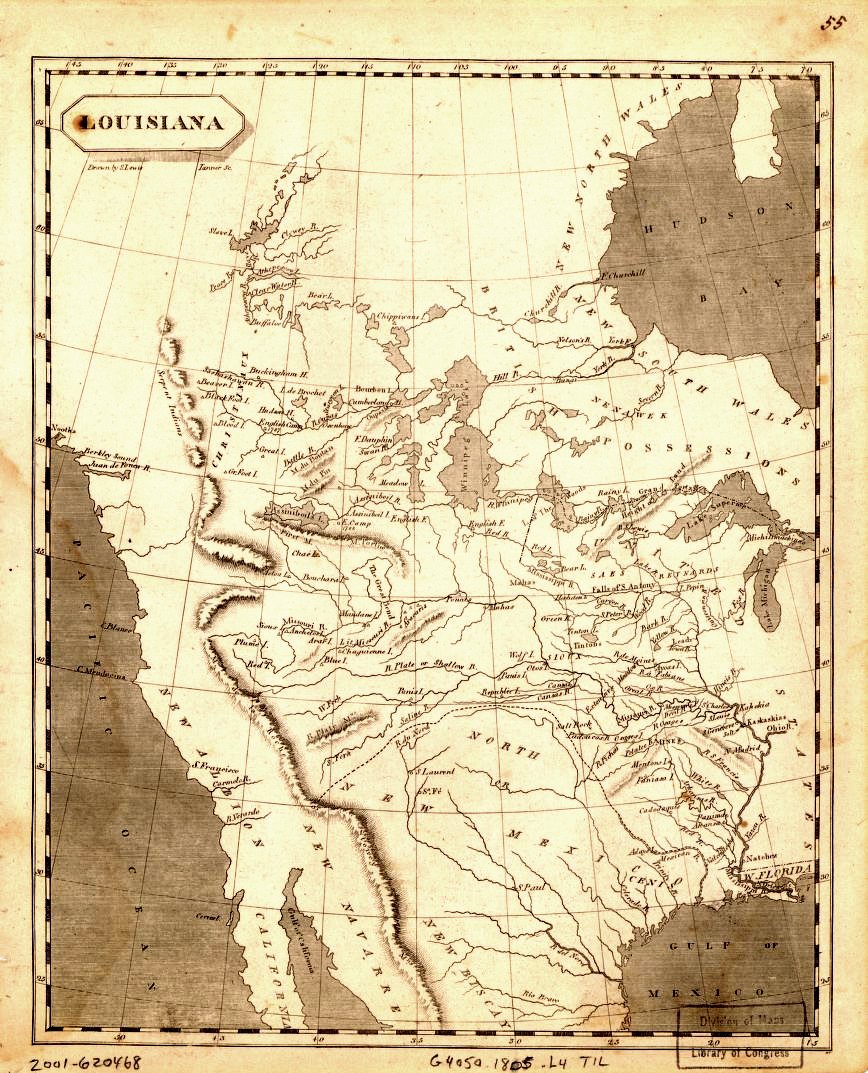
In return for fifteen million dollars, or approximately eighteen dollars per square mile, the United States nominally acquired a total of 828,000 sq mi (2,140,000 km2) in Middle America, doubling its size overnight. /9
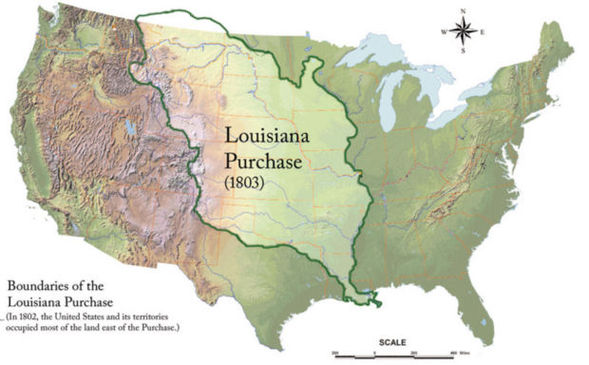
And the price, $15 million, was a breathtaking bargain. “Let the Land rejoice,” Gen. Horatio Gates, a prominent New York state legislator, told President Thomas Jefferson when details of the deal reached Washington, D.C. “For you have bought Louisiana for a song.” /10
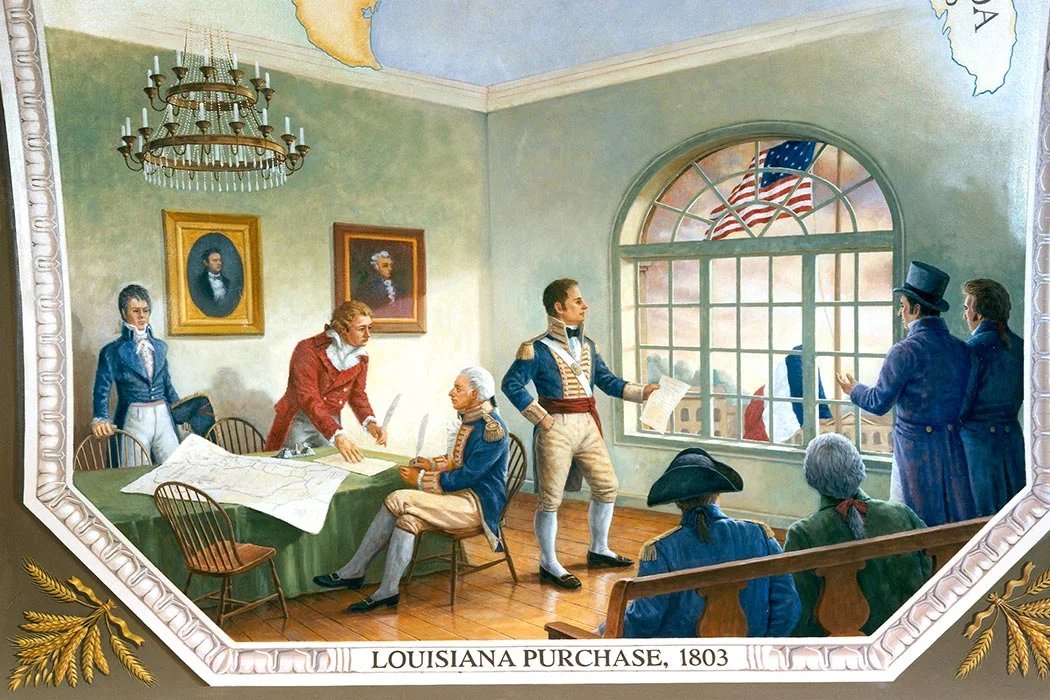
Louisiana Purchase sounds like a bargain. But to be fair, Napoleon sold something that he didn’t really have any control over—there were few French settlers and no French administration over the territory. Furthermore, most of the area was in the hands of Native Americans. /11
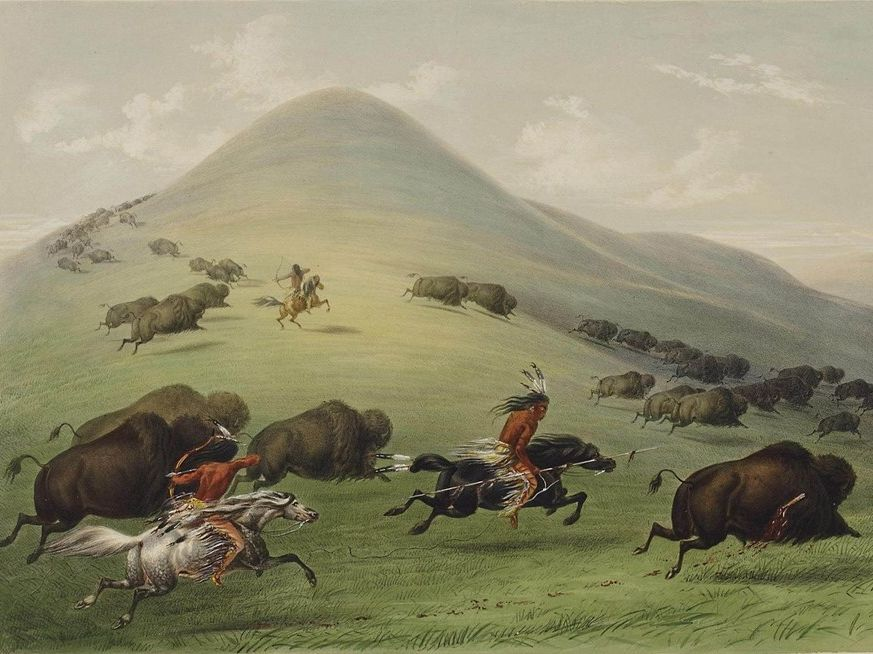
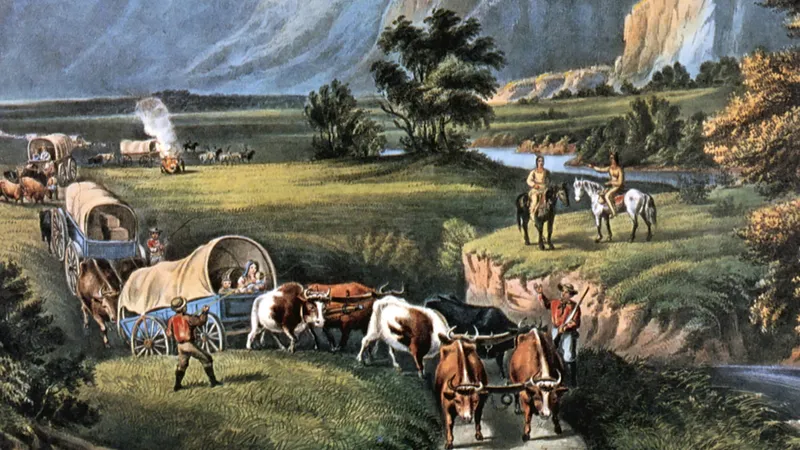
Still, the Purchase would quickly prove to be a real deal. Rich in gold, silver and other ores, huge forests and endless lands for grazing and farming, the new acquisition made #America immensely wealthy, allowing it to take a first step towards becoming a major power /12
• • •
Missing some Tweet in this thread? You can try to
force a refresh