
 Read on Twitter
After submitting my paper on Mycenaean Gates (submitted last week), I am now delving into what Mycenaean cult / worship actually looked like. One thing of particular interest to me are the objects of veneration themselves: statues of the gods and ancestors.

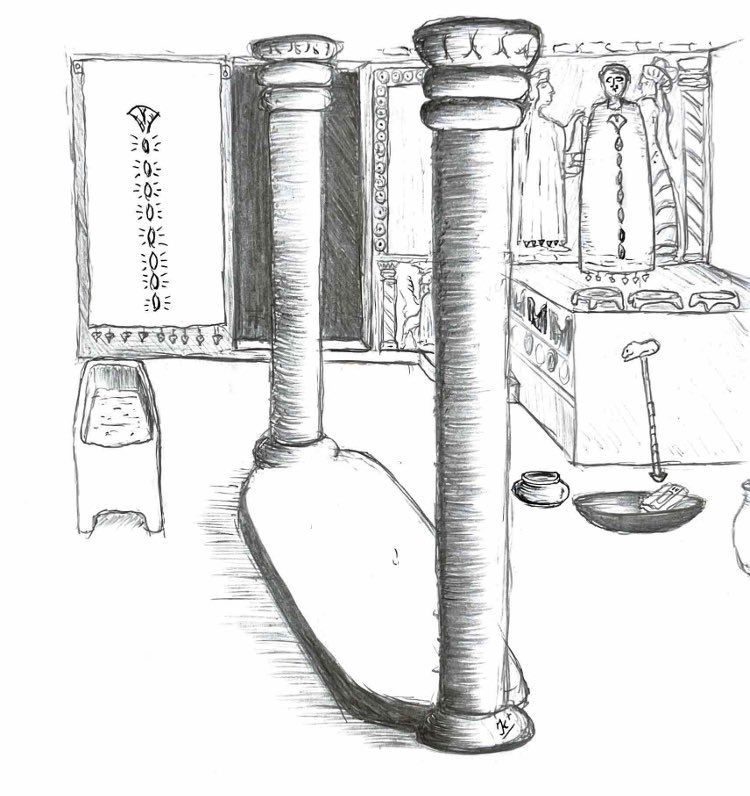
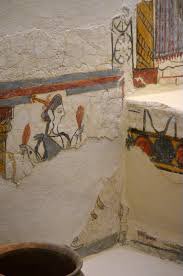
French already suggested that the ivory face found in the Room with the Fresco at Mycenae may have been part of a cult statue. As I argue in my paper (in Strootman / van Wijk 2024??), these statues were probably clothed -hence the conuli / dress weights in the Room.

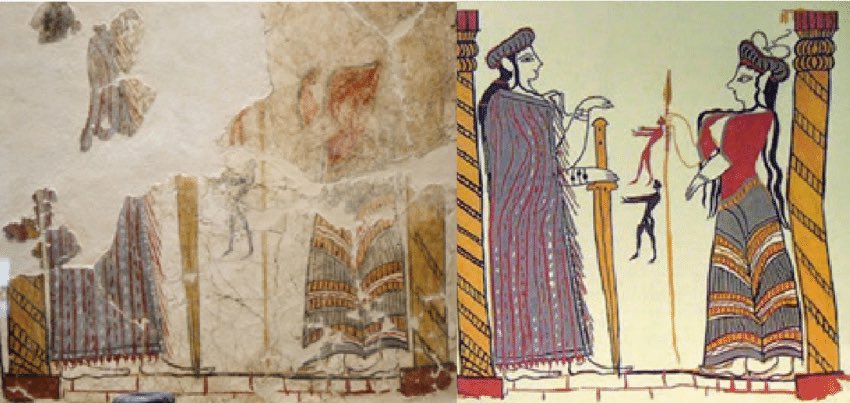
Like some of the larger terracotta statues found elsewhere in the Cult Centre, these wooden / ivory statues may have held attributes: perhaps sceptres (topped by, e.g. lions -the symbol of divine kingship?)
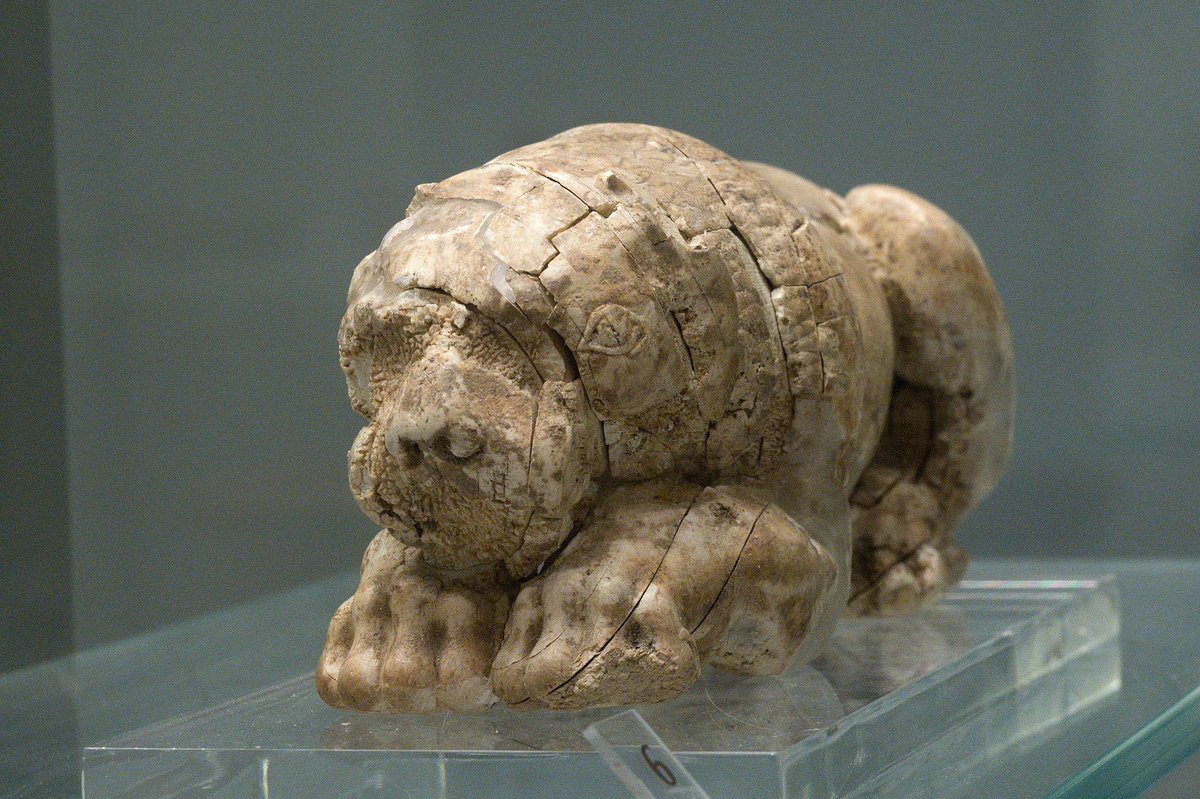

I am increasingly wondering whether some objects that we have identified as, e.g., rhyta, may not in fact have been parts of cult statues. This Hittite fist, for example..could it not have been fixed to a wooden frame? It reminds me of the stormgod’s fist at Hattusa…
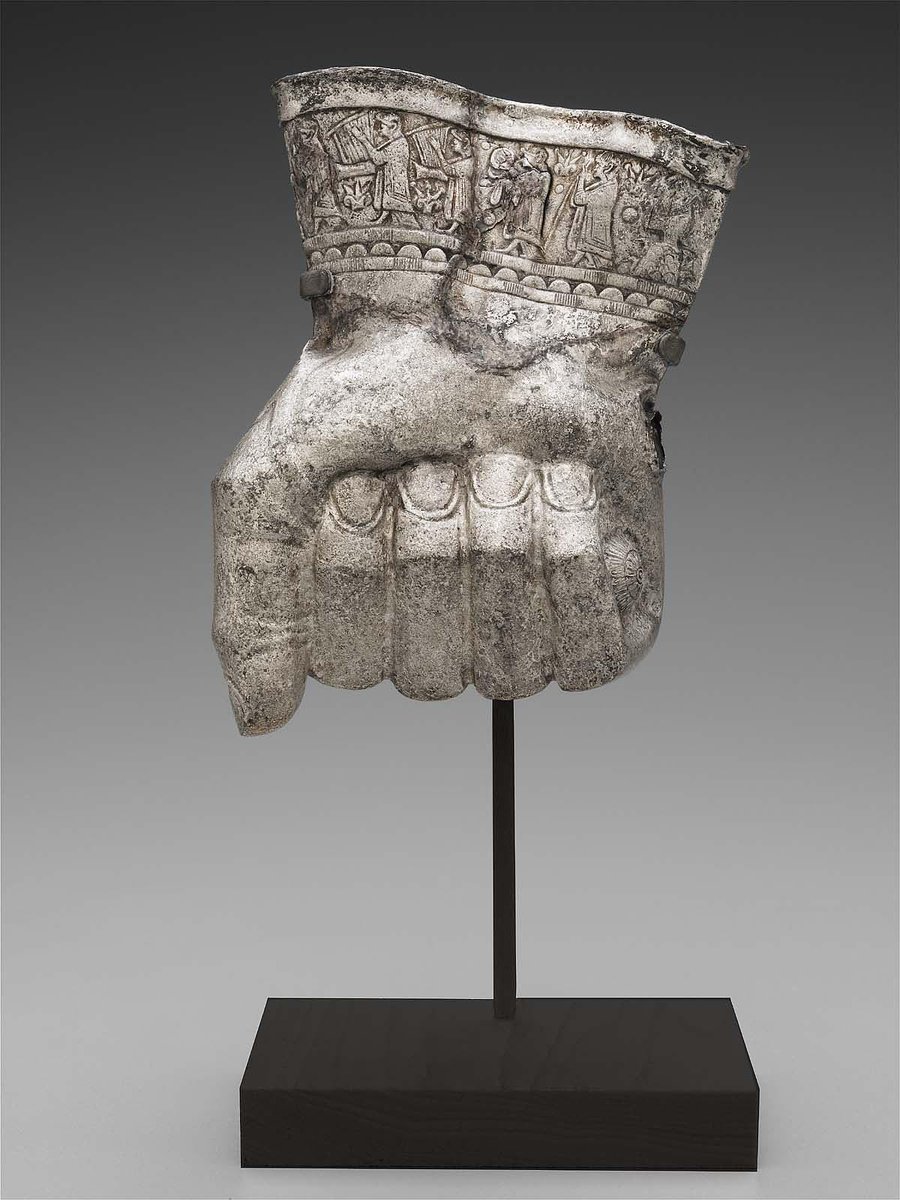
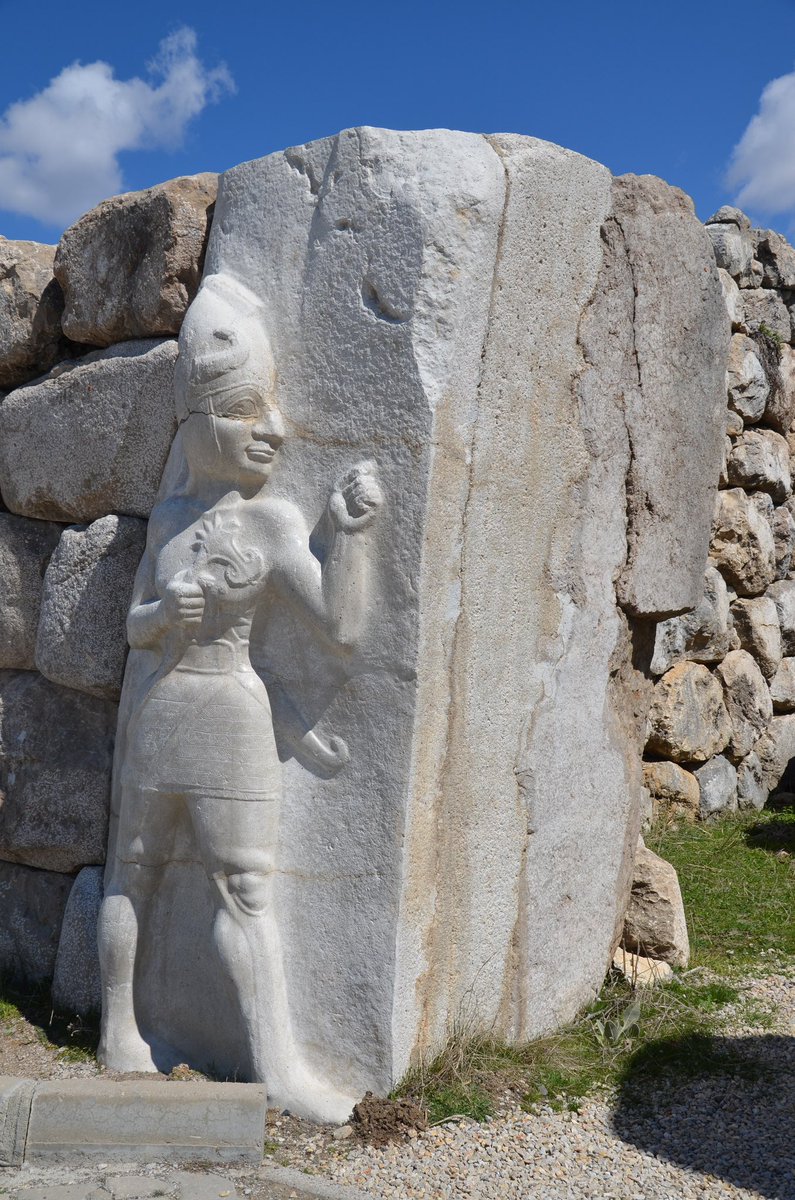
It’s all conjecture of course. I cannot imagine that Bronze Age cult did not involve sizeable statues (like later times):
Their “visible” bits may well have been made of metal (I note that silver and gold, in Egypt at least, were thought to present divine bones and skin).
Their “visible” bits may well have been made of metal (I note that silver and gold, in Egypt at least, were thought to present divine bones and skin).
Anyway, some of my thought will appear in the forthcoming book on “Gates and Passageways” in the Brill series “Cultural Interactions in the Mediterranean” (hopefully out in 2024).
• • •
Missing some Tweet in this thread? You can try to
force a refresh




