INCEPTION was released 13 years ago today. A masterclass in how to blend digital and practical effects and one of Christopher Nolan’s definitive films, the making of story is huge, even for Nolan…
A THREAD
1/41

A THREAD
1/41


Nolan first pitched the idea of Inception to Warner Bros after his third movie, Insomnia, in 2002. He had an 80 page treatment about ‘dream-stealers’, and WB loved it. To keep creative control, Nolan said he’d show them a finished script in a couple of months.
2/41
2/41


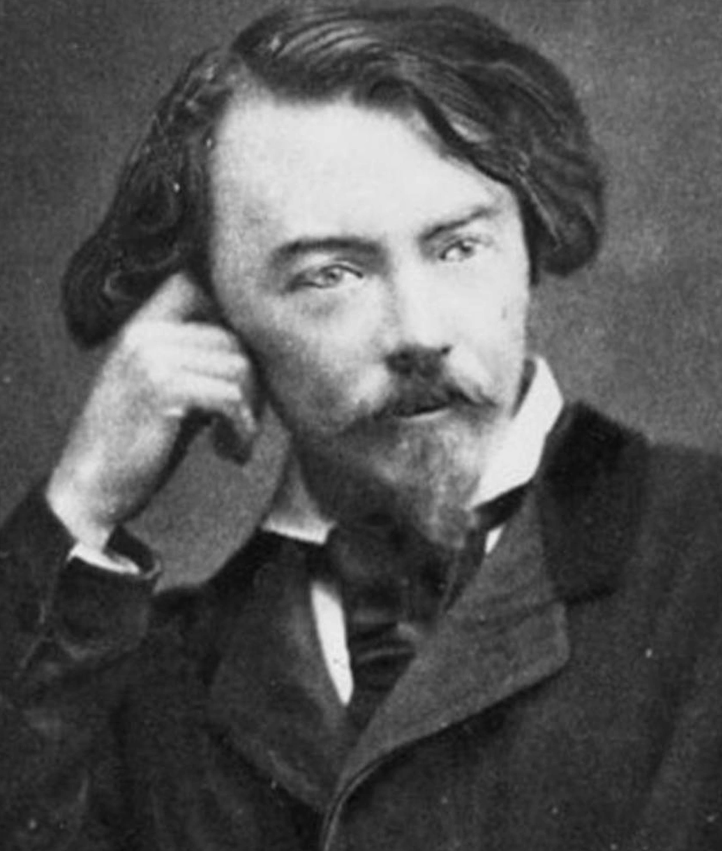
Plans for writing the script were shelved when Nolan was offered Batman Begins, then The Prestige. He kept on going back to Inception in-between projects and finally gave a script to WB in 2009 which, after the runaway success of The Dark Knight, they greenlit immediately.
3/41
3/41



Nolan always wanted Leonardo DiCaprio to play his main character Dom Cobb but, just in case Leo turned it down or was unavailable, he had two other big names in mind – Brad Pitt and Will Smith. Leo said yes, and the rest is history.
4/41
4/41



With LDC on-board, Nolan structured the rest of Cobb’s team around him. He deliberately didn’t cast any member of Cobb’s team with an actor older than DiCaprio, so as not to make Cobb appear too young.
5/41
5/41

For the part of Mal, Cobb’s tragic wife, Nolan originally wanted Kate Winslet. Winslet, though, couldn’t see herself in the role, and said no, so Nolan turned to acclaimed French actress Marion Cotillard instead. DiCaprio called Cotillard “perfect” for the character.
6/41
6/41


Cobb’s point-man is Arthur, and Nolan spoke to James Franco about the part. There were conflicts with 127 Hours so Nolan turned to Joseph Gordon-Levitt. JGL turned up for his audition in a suit “just in case” and accidentally matched Arthur’s wardrobe perfectly.
7/41
7/41


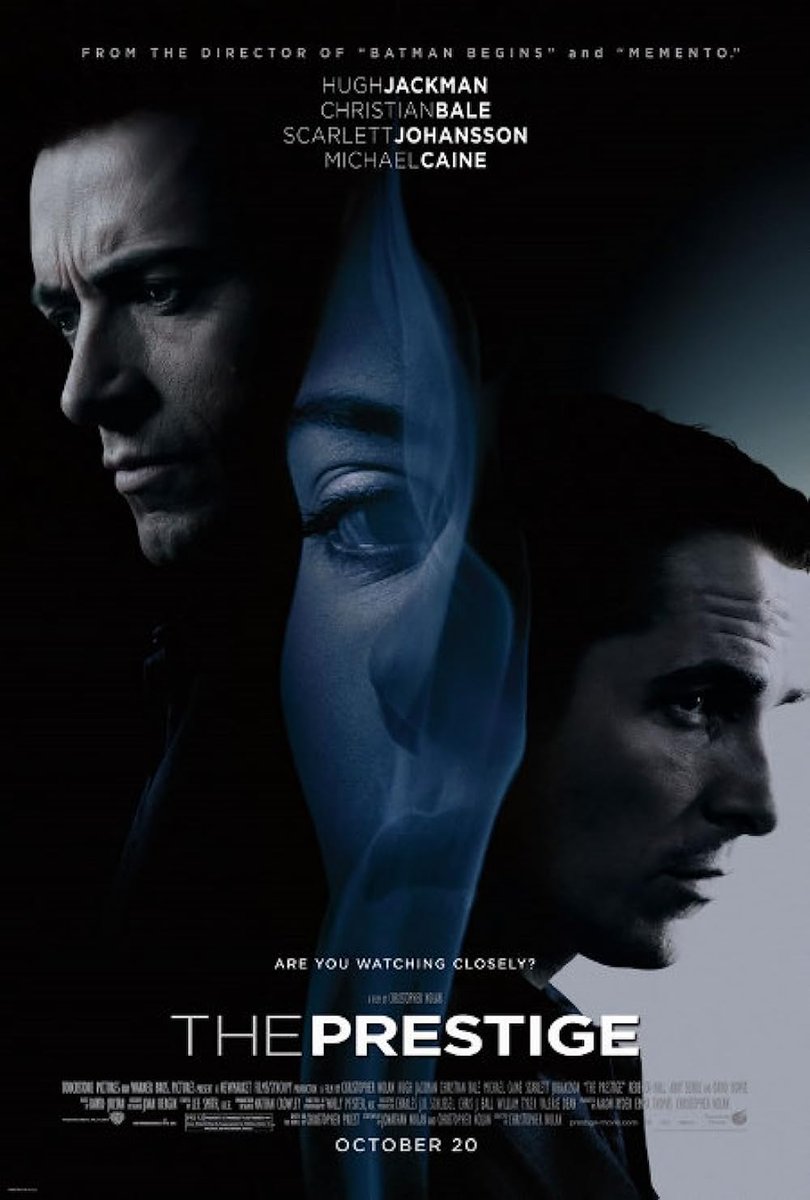
Some big names were considered to play dream architect Ariadne. Evan Rachel Wood, Emily Blunt, Rachel McAdams, and Carey Mulligan, were discussed.
8/41
8/41
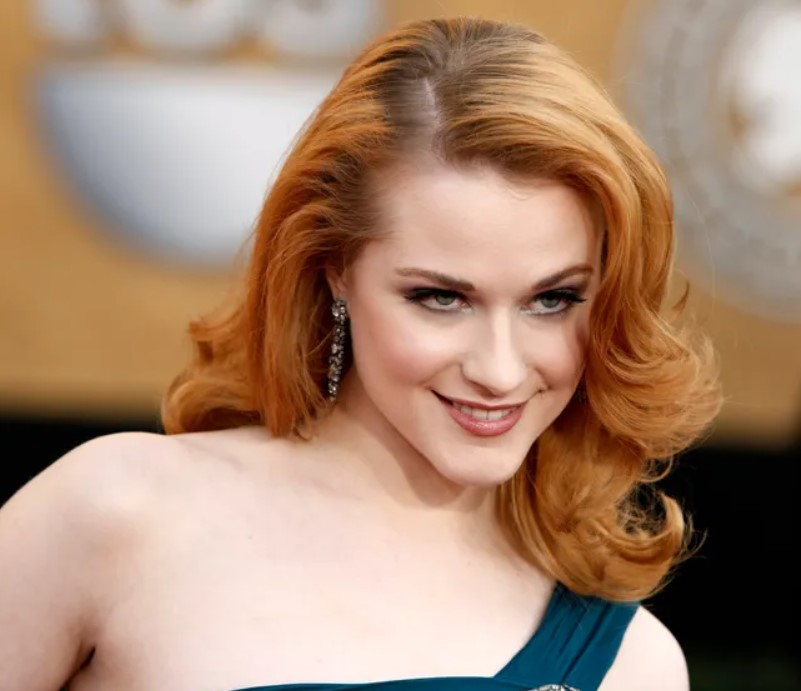


Elliott Page met Christopher Nolan for a coffee that had nothing to do with Inception but he saw their maturity as perfect for Ariadne. Page was invited to Nolan’s office to read the script and said that they had to read it in a room, alone, with all the doors closed.
9/41
9/41


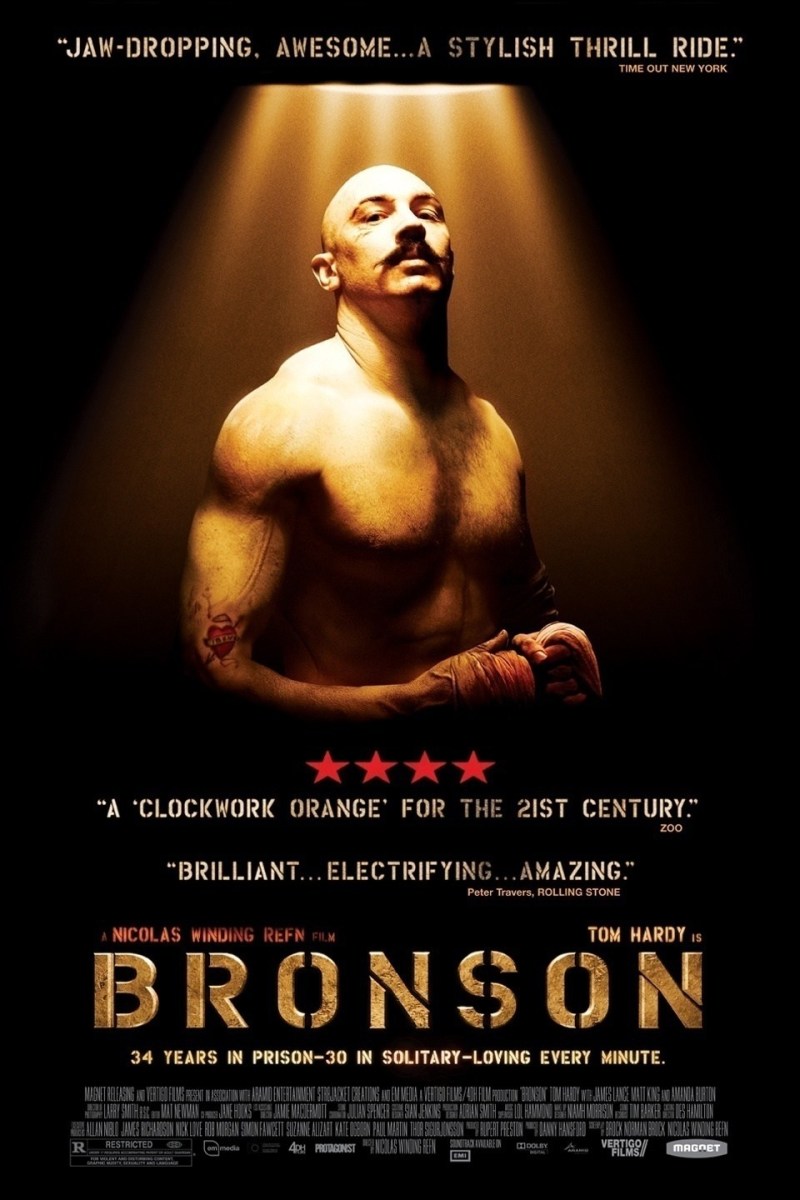
Eames is the Forger, played by Tom Hardy. Hardy thought he’d been cast because of Bronson, but it was because Nolan had seen him in Rock’N’Rolla. During filming, Hardy would reference Bronson to Nolan until eventually Nolan said, “to be honest, Tom, I’ve never seen it.”
10/41
10/41


Michael Caine is a regular in Nolan films. He plays Cobb’s father-in-law Professor Stephen Miles. The scene between Cobb and Miles was shot at the Bartlett School of Architecture at University College London, where Nolan met his wife – and Inception producer – Emma Thomas.
11/41
11/41


Nolan has a reputation for great attention to detail but didn’t research dreams at all for Inception. He said: “If the research contradicts what you want to do, you tend to go ahead and do it anyway… Really, it’s mostly from my own process; my own experience.”
12/41
12/41


DiCaprio played a role in shaping the script and character. Because of DiCaprio’s suggestions, Nolan upped the stakes around Cobb’s children. Nolan said: “The work he did on his character made it less of a puzzle and more of a story of a relatable character.”
13/41
13/41


In Greek mythology, Ariadne was a princess and the daughter of King Minos; she’s the person who helped Theseus escape from the labyrinth and the Minotaur. The maze that Ariadne draws to challenge Cobb is actually based on the labyrinth from Greek mythology.
14/41
14/41


Eames, is named after Charles and Ray Eames, who in the 1950s were a married couple and furniture designers and architects known for their avant garde documentaries.
15/41
15/41

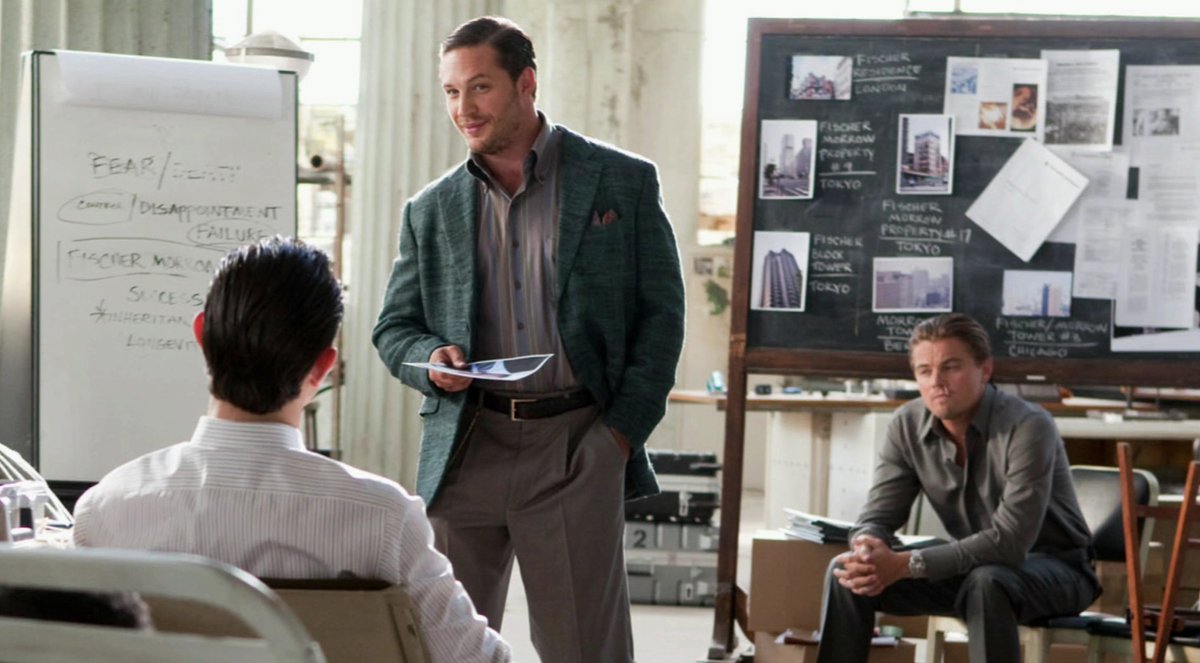
Cobb’s first name is Dom, and his main objective is to get home. In most Slavic languages – Polish, Russian, Serbian, Croation etc – ‘dom’ means ‘home’.
16/41
16/41


Yusuf is the Arabic name for Joseph. In the Bible, Joseph is the person who interprets peoples dreams. And Mal comes from a French word - malheur - which means ‘unhappiness’.
17/41
17/41


Further to this, if you take the first letters of the main characters’ names: Dom, Robert, Eames, Arthur, Mal and Saito, they spell “Dreams”.
18/41
18/41

Nolan based Cobb’s team on a film crew:
- Cobb is the director
- Arthur is the producer
- Ariadne is the production designer
- Eames is the actor
- Saito is the studio
- Fischer is the audience
19/41
- Cobb is the director
- Arthur is the producer
- Ariadne is the production designer
- Eames is the actor
- Saito is the studio
- Fischer is the audience
19/41


The numbers Fischer gives to Cobb for the safe combination – 528 491 – come up time and again: the phone number Eames gives to Cobb; the two hotel rooms are 528 and 491; and, as a hex number, 528491 produces a cyan-like colour used throughout the film.
20/41
20/41

Also, the same four digits appear on the train and taxi in Dream Level 1. And the license plates are marked as “The Alternate State.”
21/41
21/41

Edith Piaf’s Non, je ne regrette rien is used throughout to repsent the film’s theme of regret. Piaf’s song is 2 minutes 28 seconds long, and Inception is 2 hours 28 minutes long. Nolan edited the film so the length reflected the song.
22/41
22/41


Nolan almost removed the song after he had some doubts about how it would fit, but was convinced to keep it by composer Hans Zimmer. Zimmer based various pieces of music in Inception on how Non, je ne regrette rien sounds played at slower speeds. Credit: Cameron Whitehouse
23/41
23/41
Nolan is an expert at using visual effects, and tends to use practical when possible. Inception has 500 digital effects shots in total, whereas the typical blockbuster from the time would have over 2,000.
24/41
24/41


When Mal and Cobb are in the Japanese castle, we see Francis Bacon painting Study for Head of George Dyer 1967. Nolan said "There are suggestions of distortions of memory in the way faces are portrayed [by Bacon]. In my work I've tried to represent it cinematically.”
25/41
25/41


To create the Paris café explosion sequence, air cannons were used to send objects flying through the air. Cameras were used to capture 1500 frames per second and CGI was used to extend the effect. Then it was played at standard 24 frames per second.
26/41
26/41
In the scene where Arthur teaches Ariadne about paradoxes, the steps are based on The Penrose Stairs by Dutch artist M.C. Escher, created in the 1960s. They had to conceive and construct something that, when shot from a specific angle, created the illusion.
27/41
27/41


The Director of Photography on the film was Nolan’s long time collaborator, Wally Pfister. Their highly visual work is showcased in our SnapShot video, below…
28/41
28/41
In Dream Level 1 see a runaway train smashing through parked cars. To achieve this, Nolan had a train chassis put onto the engine of a tractor trailer.
29/41
29/41
The hotel fight was shot in airship sheds in Bedford. The revolving set was 40ft long but as it became more elaborate, Nolan made it 100ft. The set rotated 360 degrees and they could control the direction and speed. Even the lights were real and rigged with electricity.
30/41
30/41


A replica set was made, except the corridor was vertical. In this set, JGL and the stuntmen were suspended 40ft in the air, to look weightless. Nolan then cut between shots from both sets, so the points of gravity seem to change from one second to the next.
31/41
31/41
Gordon-Levitt trained for 12 weeks and almost everything we see is actually him. The stuntman was used for just one shot, which is about 1 second of screen time. JGL would sing Bach to keep focus and said the scene was, “the most pain I’ve ever been in on a movie set.”
32/41
32/41
Nolan is a huge James Bond fan and took inspiration from On Her Majesty's Secret Service to create Dream Level 3. They set off a small explosion to create the avalanche effect we see.
33/41
33/41


The hospital in Dream Level 3 was a huge set on mountainside in Alberta, Canada, and also a 20ft model. The moment the hospital is destroyed, Nolan blew up the set, then the miniature. He still wasn’t happy so they built a new 20ft model just so they could blow it up.
34/41
34/41


The final shot is ambiguous. We cut to black before we see if Cobb’s spinning top falls or not. Nolan said “I’ve been asked the question more times than I’ve ever been asked any question about any film… What’s funny to me is that people expect me to answer it.”
35/41 https://t.co/Q6lQFGsOgEtwitter.com/i/web/status/1…
35/41 https://t.co/Q6lQFGsOgEtwitter.com/i/web/status/1…
Michael Caine said: “When I got the script I said to Chris ‘When is it the dream, and when is it reality?’ He said ‘When you’re in the scene, it’s reality… If I’m not , it’s a dream.”Miles is in the final scene. So, if what Caine says is true, Cobb is in reality.
36/41
36/41


However, one of Cobb’s children – James, played by Nolan’s son - tells him “We’re building a house on a cliff!” – Saito’s house in the dream is on a cliff. Nolan later said the spinning top isn’t important. What’s important is that Cobb has now accepted he is home.
37/41
37/41
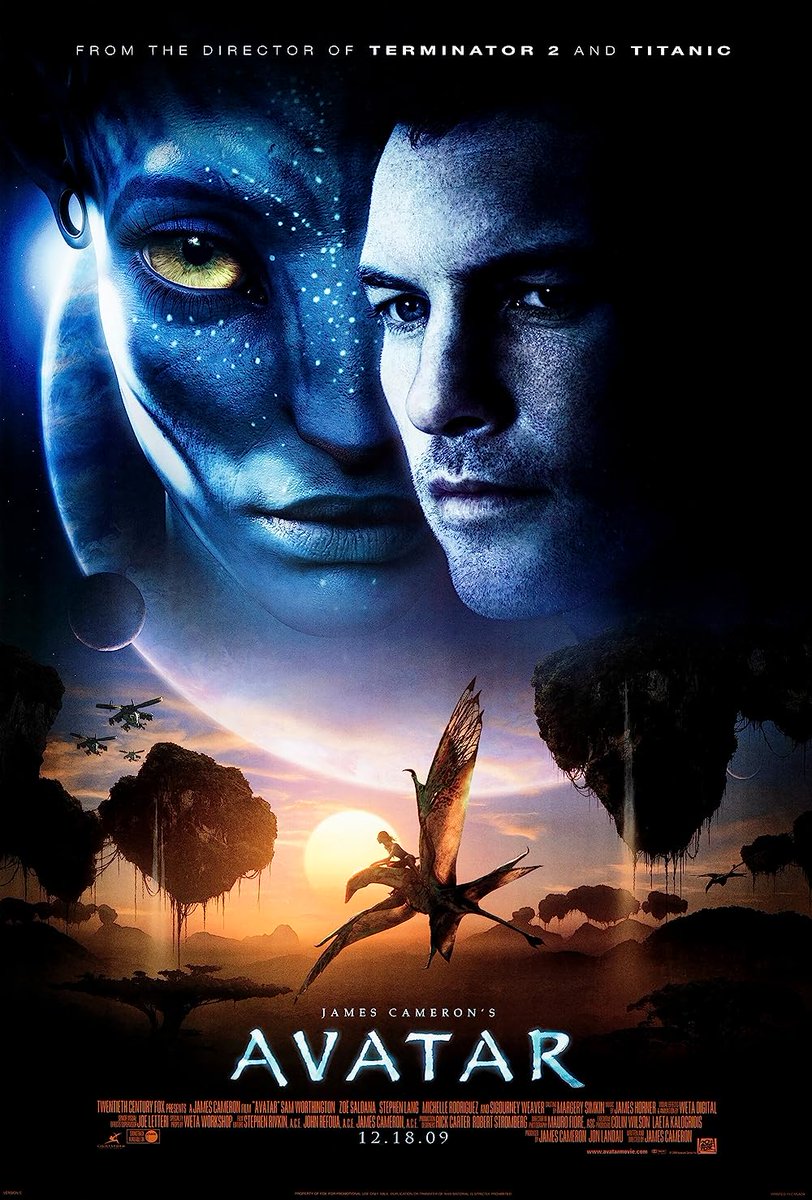
After the success of Avatar, WB were keen on making Inception 3-D. Nolan said he didn’t have time to create it to the standard required and later added: "I like not having glasses when I watch a movie and I like being able to see a very bright, immersive image.”
38/41
38/41

When the trailer was released, Zimmer hadn’t written the score so WB had some music composed for the trailer. That music is called Mind Heist and was written by Zack Hemsey…
39/41
39/41
That trailer and music went down so well that it went viral and thousands of mashups appeared online where people had laid the score over other classic trailers. Credit: Roth Dog...
40/41
40/41
On a budget of $160m, Inception took $836.8m at the box office. A huge return, and cemented Nolan’s position as the biggest blockbuster director of his generation.
41/41
41/41


If you liked this thread, please RT the first tweet…
https://twitter.com/ATRightMovies/status/1680529696214089729?s=20
Our latest podcast is on ALL THE PRESIDENT’S MEN. Full of big laughs and opinions so please give it a listen 😀
alltherightmovies.com/podcast/all-th…
alltherightmovies.com/podcast/all-th…
• • •
Missing some Tweet in this thread? You can try to
force a refresh