Recently came across a few listed cos. dealing in chlor-alkali products and its derivatives
Was pleasantly surprised to find such companies commanding 20-30% operating margins
Major players are operating at 90% + utilization and have CAPEX plans for 1-2 years...small 🧵
(1/n)
Was pleasantly surprised to find such companies commanding 20-30% operating margins
Major players are operating at 90% + utilization and have CAPEX plans for 1-2 years...small 🧵
(1/n)
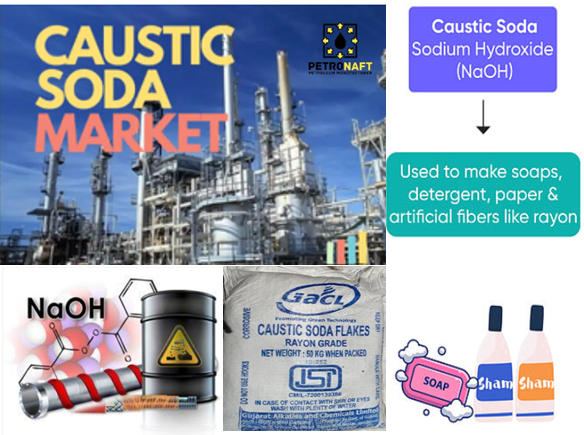
What is Chlor-Alkali?
The chlor-alkali process is a widely used electrolytic process that yields chlorine and caustic soda (NaOH - Sodium Hydroxide)
Caustic soda is used in making of soap & detergents, drainpipe cleaner etc.
(2/n)
The chlor-alkali process is a widely used electrolytic process that yields chlorine and caustic soda (NaOH - Sodium Hydroxide)
Caustic soda is used in making of soap & detergents, drainpipe cleaner etc.
(2/n)
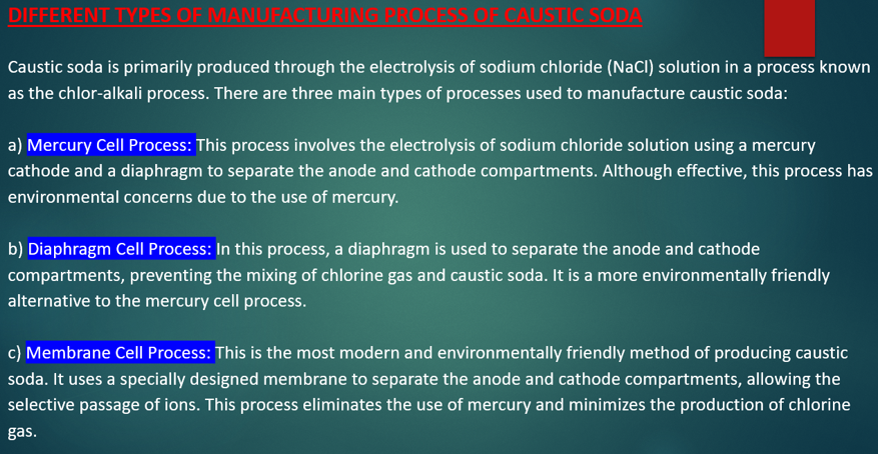
Caustic soda is produced through the electrolysis of sodium chloride (NaCl) solution
3 main types of processes used to make caustic soda:
a) Mercury Cell Process
b) Diaphragm Cell Process
c) Membrane Cell Process
(3/n)
3 main types of processes used to make caustic soda:
a) Mercury Cell Process
b) Diaphragm Cell Process
c) Membrane Cell Process
(3/n)
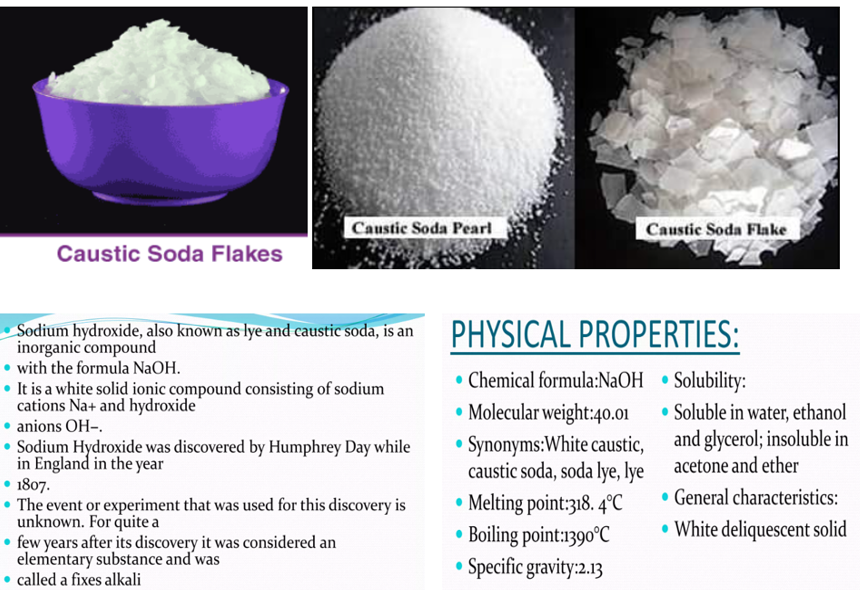
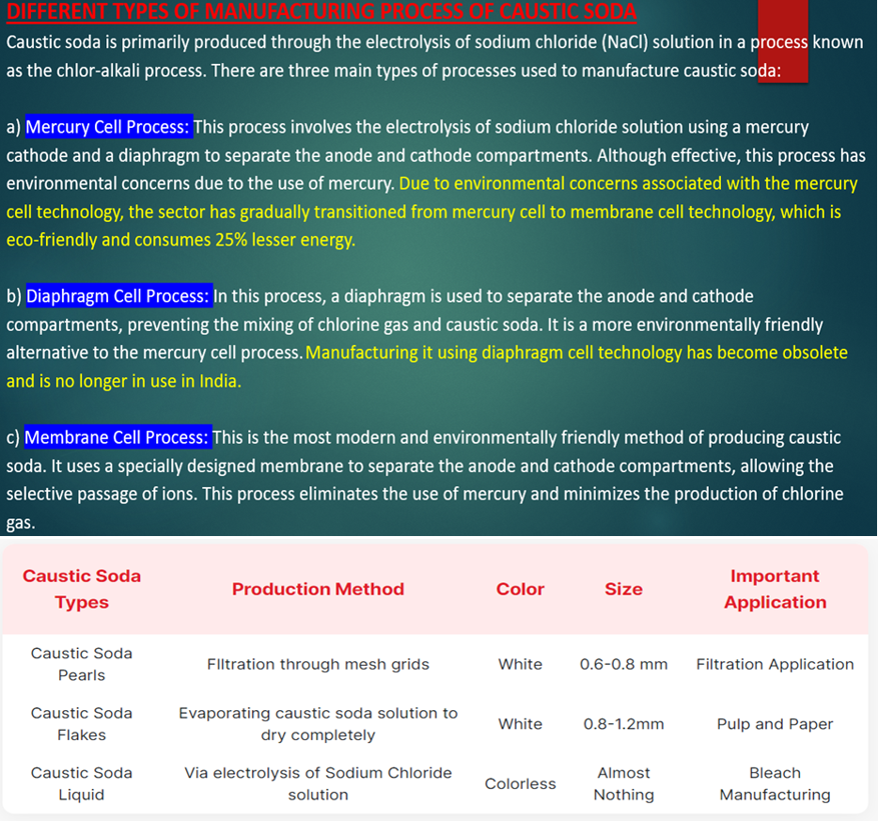
Forms of Caustic Soda
Caustic soda/(NaOH) is primarily available in 3 different forms
a) Solid Caustic Soda
(i) Caustic soda pearl/Bead lets or Soda Grains
(ii) Caustic soda flakes
b) Liquid Caustic Soda/Caustic soda lye solution/NaOH in an aqueous solution
(4/n)
Caustic soda/(NaOH) is primarily available in 3 different forms
a) Solid Caustic Soda
(i) Caustic soda pearl/Bead lets or Soda Grains
(ii) Caustic soda flakes
b) Liquid Caustic Soda/Caustic soda lye solution/NaOH in an aqueous solution
(4/n)
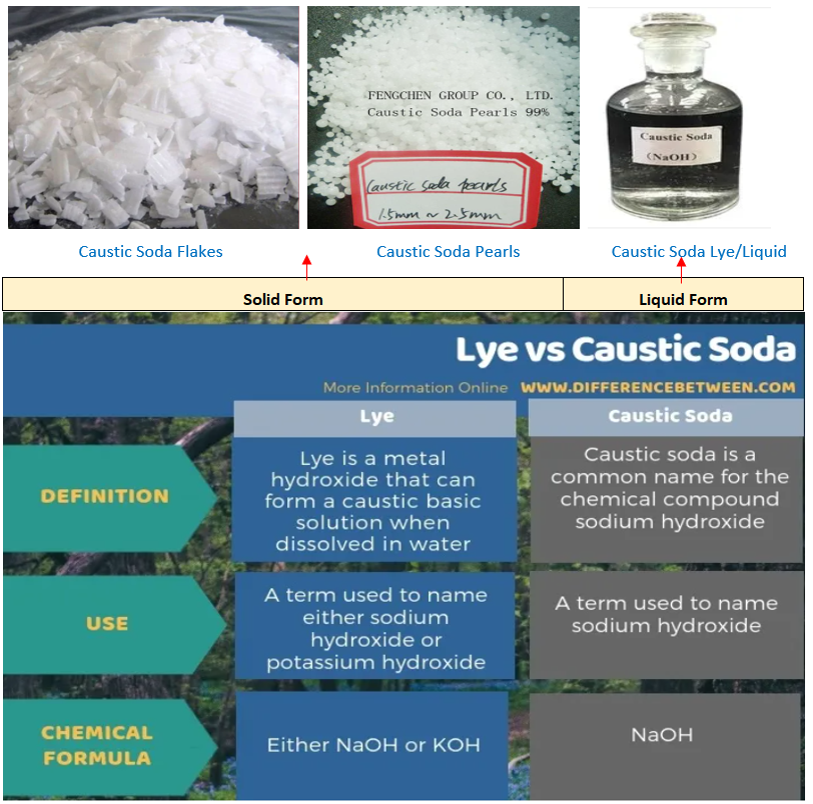
Basic difference between Lye and Caustic Soda:
Lye can refer to either sodium hydroxide (NaOH) or potassium hydroxide (KOH), while caustic soda refers to sodium hydroxide (NaOH)
(5/n)
Lye can refer to either sodium hydroxide (NaOH) or potassium hydroxide (KOH), while caustic soda refers to sodium hydroxide (NaOH)
(5/n)
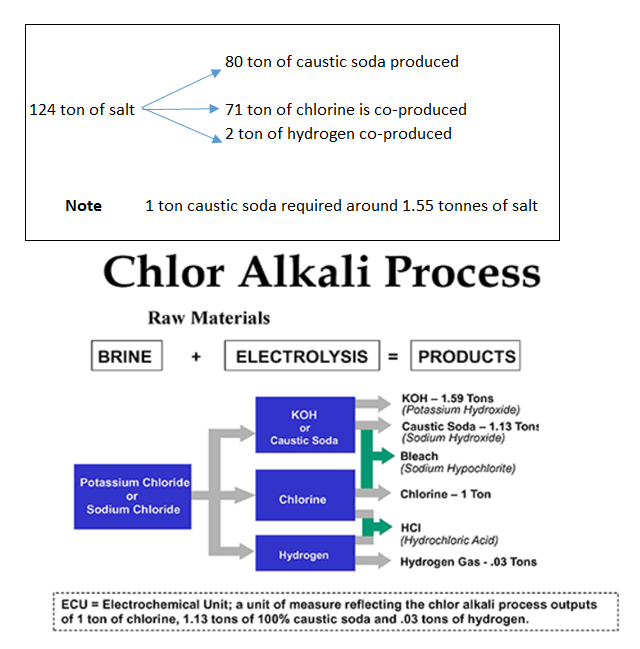
What is Electrochemical unit realization?
The electro chemical unit (ECU) realizations represent combined weighted average realization of caustic soda, chlorine and hydrogen (wherein chlorine and hydrogen are co-products of caustic soda)
(6/n)
The electro chemical unit (ECU) realizations represent combined weighted average realization of caustic soda, chlorine and hydrogen (wherein chlorine and hydrogen are co-products of caustic soda)
(6/n)
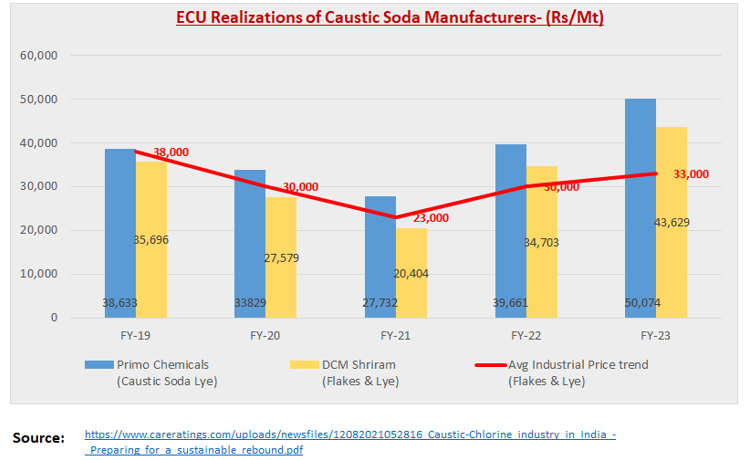
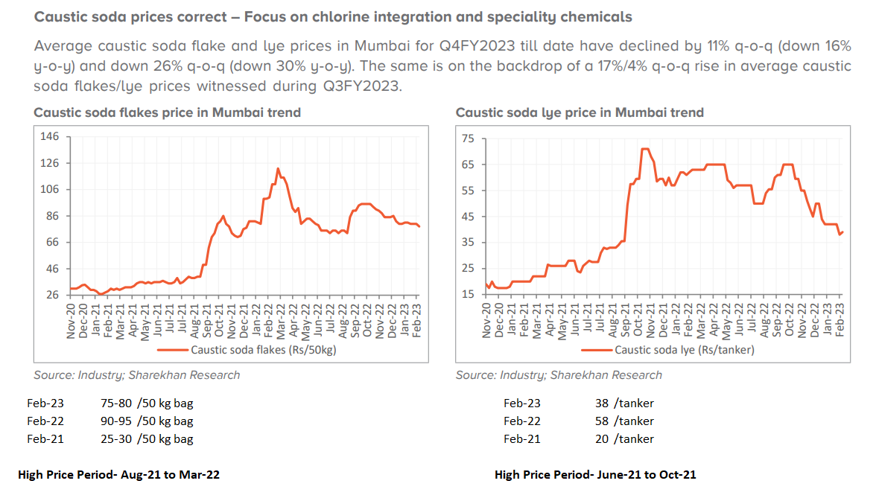
Industrial ECU realization trend
ECU realizations: ₹23k/MT in FY21, rebounded to ₹55k/MT in FY-22
By April 2023, dropped to ₹33k/MT due to oversupply, impacting caustic soda players' profits
Attached; some manufacturer's ECU realization in chart form
(7/n)
ECU realizations: ₹23k/MT in FY21, rebounded to ₹55k/MT in FY-22
By April 2023, dropped to ₹33k/MT due to oversupply, impacting caustic soda players' profits
Attached; some manufacturer's ECU realization in chart form
(7/n)
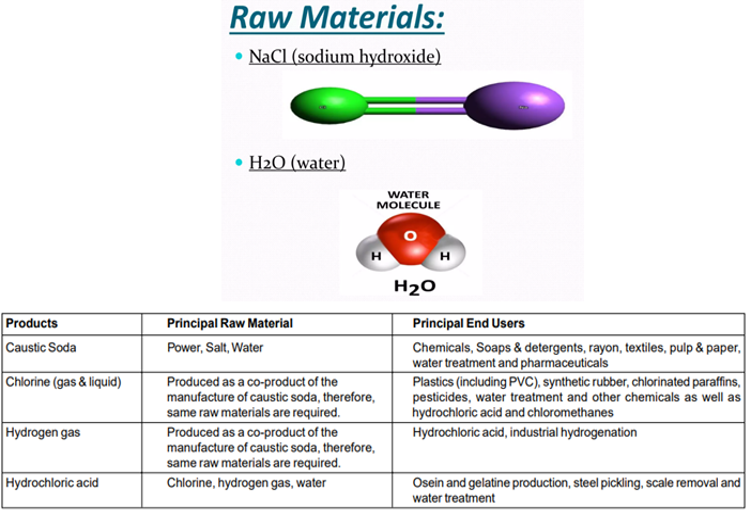
Key Raw Materials used to make Caustic Soda & its suppliers in India
o Key raw materials are salt (sodium chloride), water & energy in the form of electricity
o Key suppliers of raw materials in India include Tata Chemicals, Gujarat Alkalies and Chemicals and Nirma Ltd
(8/n)
o Key raw materials are salt (sodium chloride), water & energy in the form of electricity
o Key suppliers of raw materials in India include Tata Chemicals, Gujarat Alkalies and Chemicals and Nirma Ltd
(8/n)
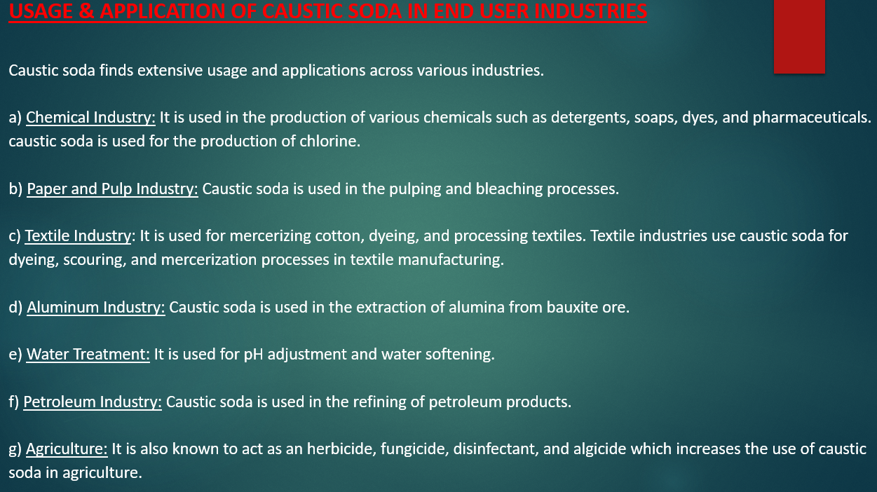
Usage & applications of Caustic Soda
a) Chemical Industry
b) Paper and Pulp Industry
c) Textile Industry
d) Aluminum Industry
e) Water Treatment
f) Petroleum Industry
(9/n)
a) Chemical Industry
b) Paper and Pulp Industry
c) Textile Industry
d) Aluminum Industry
e) Water Treatment
f) Petroleum Industry
(9/n)
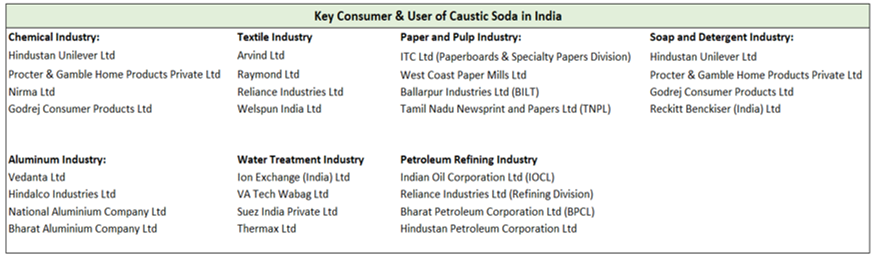
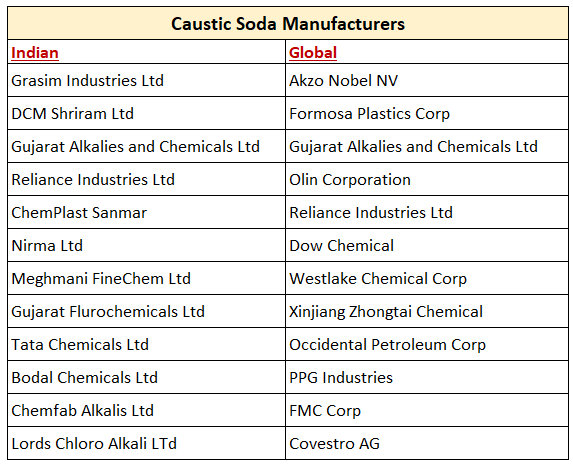
Key Indian & Global Players List
(10/n)
(10/n)
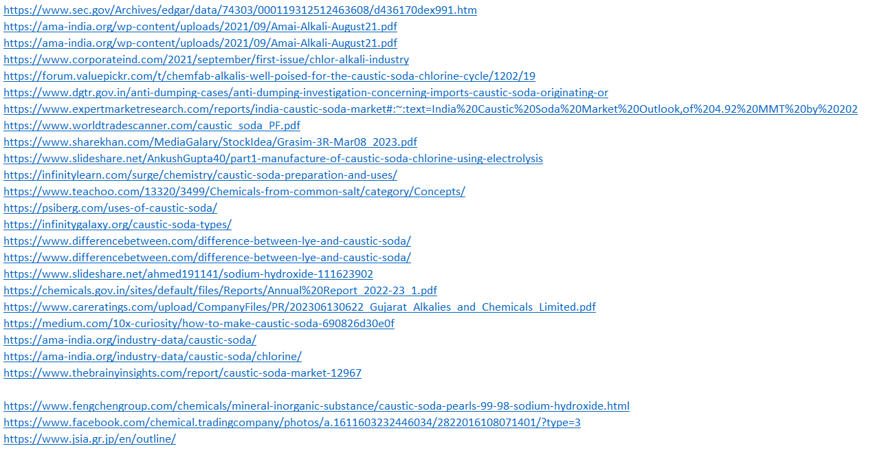
Sources referred:
• • •
Missing some Tweet in this thread? You can try to
force a refresh