Read on Twitter
This sort of architecture is overrated... 

The first impression anybody has when they see St Peter's Basilica in Rome, in real life or in a photograph, is one of awe.
Because this is an impressive building, to say the least. In fact, it is the world's largest church by interior volume.
Because this is an impressive building, to say the least. In fact, it is the world's largest church by interior volume.

The same is true of the inside: a cornucopia of art and architecture, of gold and bronze and marble and mosaic and sculpture.
And, once again, it has proportions that are beyond gargantuan.
And, once again, it has proportions that are beyond gargantuan.

Perhaps we can see why people call it the world's greatest church, if not the world's most beautiful building outright. But is that true?
If we stop, and think, and look, and feel, it might be the case that these first impressions of awe flatter to deceive...
If we stop, and think, and look, and feel, it might be the case that these first impressions of awe flatter to deceive...
The history of the basilica is important, because it explains why St Peter's looks the way it does.
It stands on the site of an older church which had been built on the orders of Constantine the Great and completed in 360 AD.
It stands on the site of an older church which had been built on the orders of Constantine the Great and completed in 360 AD.
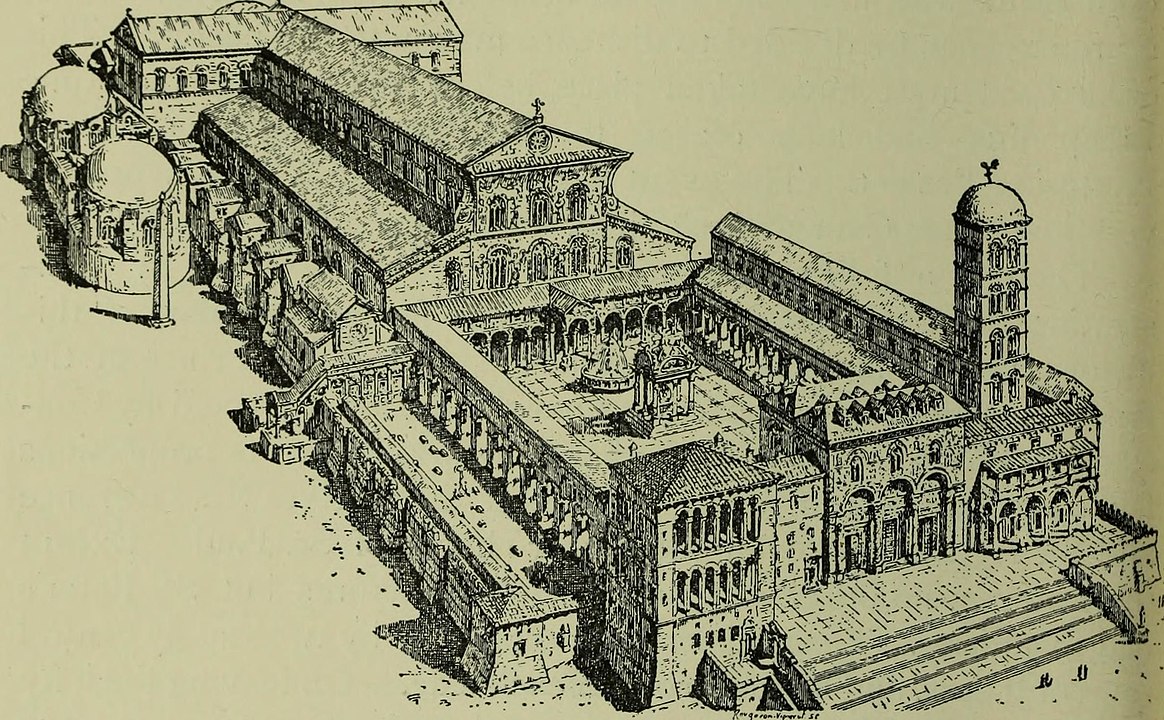
But in 1505 this ancient church was demolished by Pope Julius II, who wanted to build in its place the largest and finest church in the world.
Why? Well, he wanted a building of sufficient size and glory to house his own tomb, which he commissioned Michelangelo to sculpt.
Why? Well, he wanted a building of sufficient size and glory to house his own tomb, which he commissioned Michelangelo to sculpt.

The destruction of the ancient basilica, by then over a thousand years old, says much about the hubris of Julius.
But his monumental tomb was never finished — he died in 1513 and Michelangelo only completed it thirty years later on a far smaller scale than originally intended.
But his monumental tomb was never finished — he died in 1513 and Michelangelo only completed it thirty years later on a far smaller scale than originally intended.

To raise money for the new basilica the sale of indulgences was ramped up — people gave money to the Catholic church so God punished them less for their sins.
This was seen as religious corruption by many, including Martin Luther, and helped stir up the Protestant Reformation.
This was seen as religious corruption by many, including Martin Luther, and helped stir up the Protestant Reformation.

In the end it took 120 years for St Peter's to be finished.
Famed architects like Bramante, Sangallo, della Porta, Peruzzi, and Maderno worked on it, along with architect-artists like Michelangelo, Raphael, and Bernini.
A torturous history of design and redesign.
Famed architects like Bramante, Sangallo, della Porta, Peruzzi, and Maderno worked on it, along with architect-artists like Michelangelo, Raphael, and Bernini.
A torturous history of design and redesign.


Each new master architect modified or totally changed his predecessor's plans, and the final result is something of a compromise between their many visions.
The dome is Michelangelo's, the façade is Maderno's, the colonnades are Bernini's, the apses are Raphael's, and so on.
The dome is Michelangelo's, the façade is Maderno's, the colonnades are Bernini's, the apses are Raphael's, and so on.

For this reason, perhaps, the building seems confused.
That colossal dome, self-evidently a marvel of engineering, is the tallest in the world. This is as much Michelangelo's masterpiece as David.
And yet... you can't see it properly, hidden behind Maderno's massive façade.
That colossal dome, self-evidently a marvel of engineering, is the tallest in the world. This is as much Michelangelo's masterpiece as David.
And yet... you can't see it properly, hidden behind Maderno's massive façade.

Michelangelo's glorious dome may dominate the skyline of Rome, but from in and around the basilica it might as well not be there.
The dome is smothered by the nave and the apses, and it rises so abruptly that it feels like a separate building entirely, squashed inside another.
The dome is smothered by the nave and the apses, and it rises so abruptly that it feels like a separate building entirely, squashed inside another.

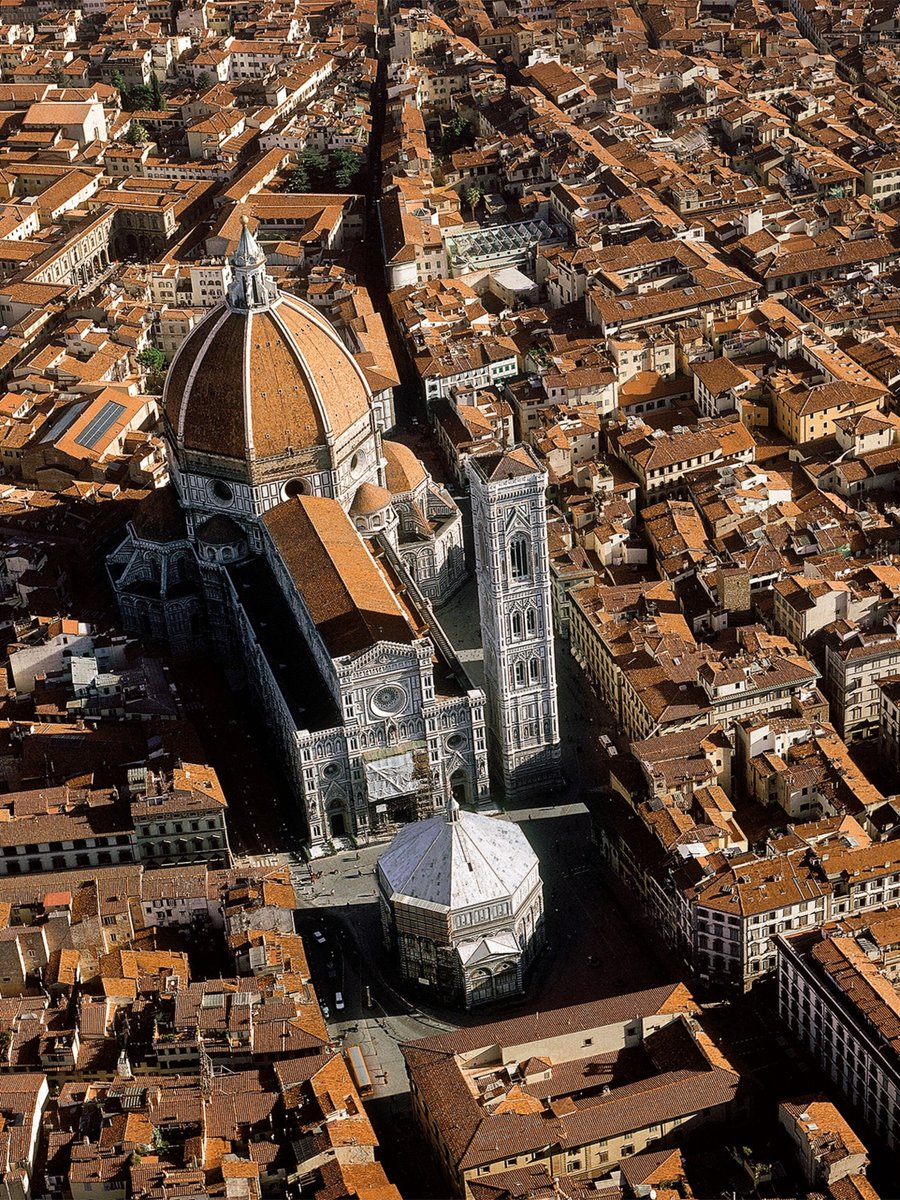
Compare that to Filippo Brunelleschi's famous dome for Florence Cathedral, completed in 1436, which essentially jumpstarted Renaissance architecture and the return of Classical design.
It rightly dominates the cathedral and is far more integrated with the building as a whole.
It rightly dominates the cathedral and is far more integrated with the building as a whole.
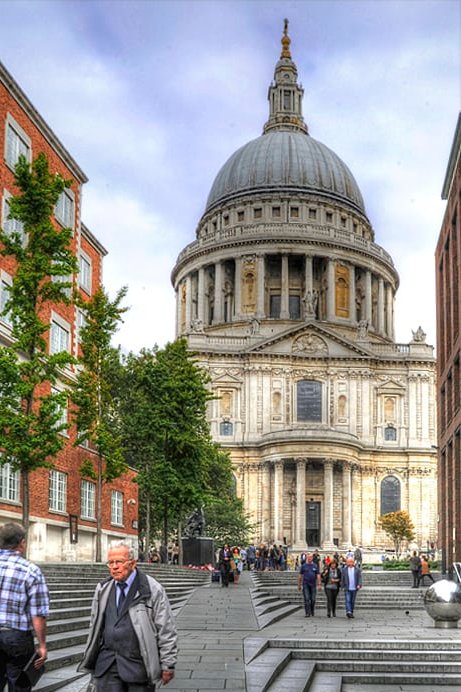
St Paul's Cathedral in London, designed by Christopher Wren and finished in 1710, was inspired by St Peter's.
But here the dome feels like a logical conclusion to the rest of the building, rather than a separate element, and is given the space it deserves.
But here the dome feels like a logical conclusion to the rest of the building, rather than a separate element, and is given the space it deserves.


It may be the biggest church in the world by volume, but you wouldn't know that by looking at Maderno's horizontally-focussed façade.
Compare it to the façade of a Gothic cathedral, like that of Cologne.
This is vertical rather than horizontal; everything soars *upwards*.
Compare it to the façade of a Gothic cathedral, like that of Cologne.
This is vertical rather than horizontal; everything soars *upwards*.

What about the interior?
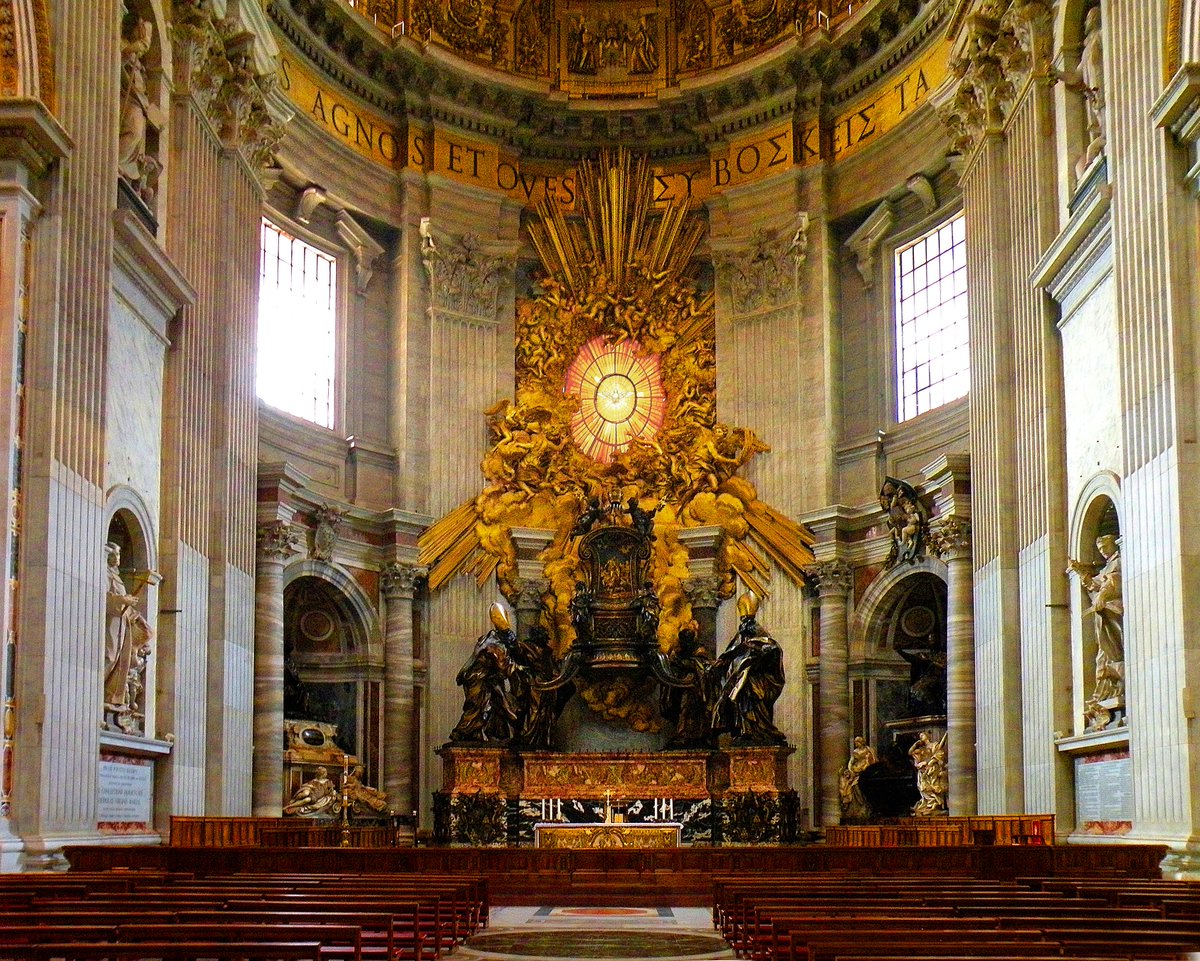
We cannot dispute the mastery of Bernini's baldachin (the structure in the middle), his Chair of St Peter, or the technical quality of the paintings and ornament.
But perhaps this is simply an attempt to impress us with gold, marble, and wealth.
We cannot dispute the mastery of Bernini's baldachin (the structure in the middle), his Chair of St Peter, or the technical quality of the paintings and ornament.
But perhaps this is simply an attempt to impress us with gold, marble, and wealth.


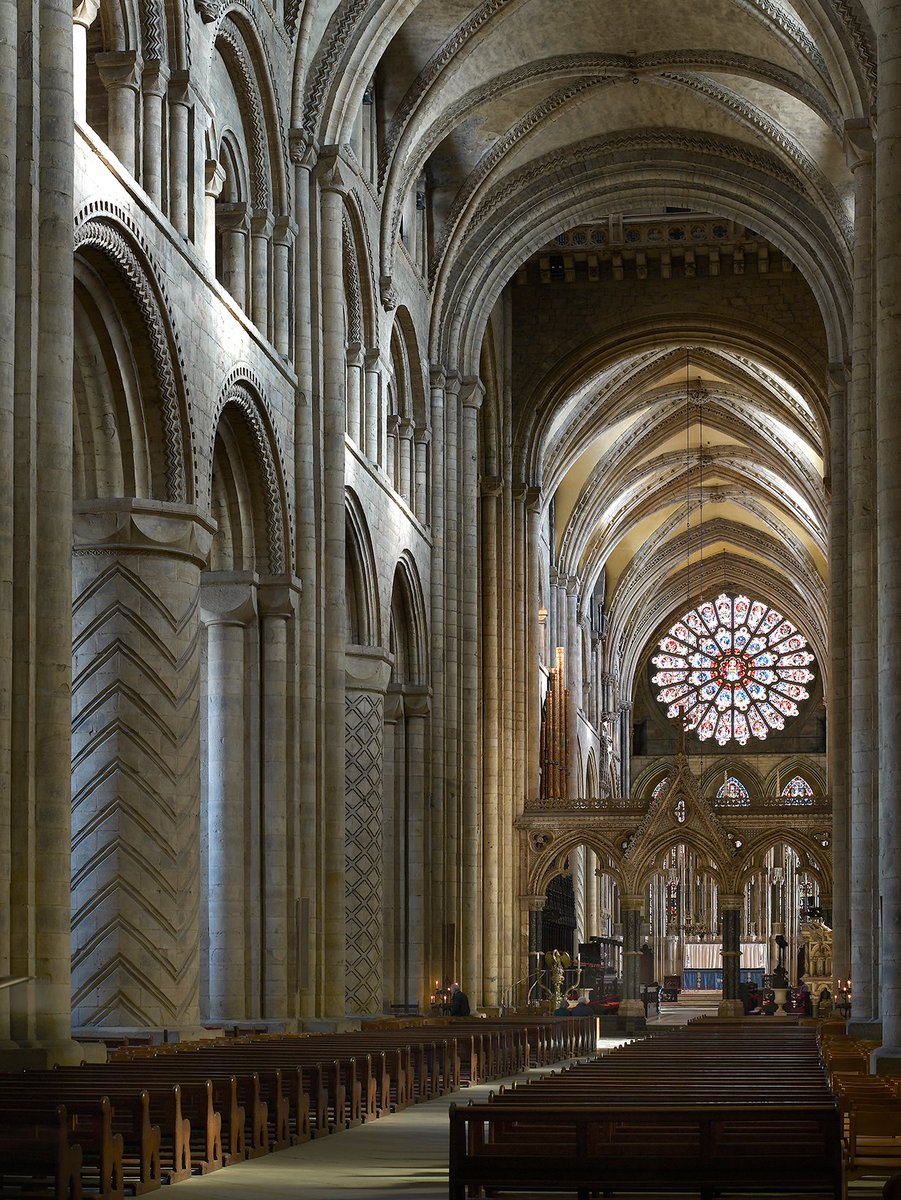
Compare that to a Medieval cathedral at, say, Amiens or Durham or Siena, where there is no such lavish ornament.
Here the architecture and the stonework speak for themselves; they are not hidden by gold and there is no attempted deception.
Glorious but not luxurious.
Here the architecture and the stonework speak for themselves; they are not hidden by gold and there is no attempted deception.
Glorious but not luxurious.


And, true to all Classical or Renaissance archictecture, St Peter's has standardised decoration, as with its identical Corinthian capitals.
In Gothic cathedrals, meanwhile, masons were free to carve as they pleased: every element is richly varied and different from one another.
In Gothic cathedrals, meanwhile, masons were free to carve as they pleased: every element is richly varied and different from one another.

And this is the key difference between all forms of Neoclassical architecture, whether Baroque or Renaissance, and Gothic architecture, whether Italian or Northern European.
Neoclassical is regulated, rational, and standardised; Gothic is free, assymetrical, and always varied.
Neoclassical is regulated, rational, and standardised; Gothic is free, assymetrical, and always varied.
These differences were, of course, intentional.
St Peter's is a masterpiece of Renaissance-Baroque architecture, which is neoclassical and fundamentally opposed to Gothic.
In fact, the term Gothic was invented by scholars as a slur against "barbaric" Medieval architecture.
St Peter's is a masterpiece of Renaissance-Baroque architecture, which is neoclassical and fundamentally opposed to Gothic.
In fact, the term Gothic was invented by scholars as a slur against "barbaric" Medieval architecture.
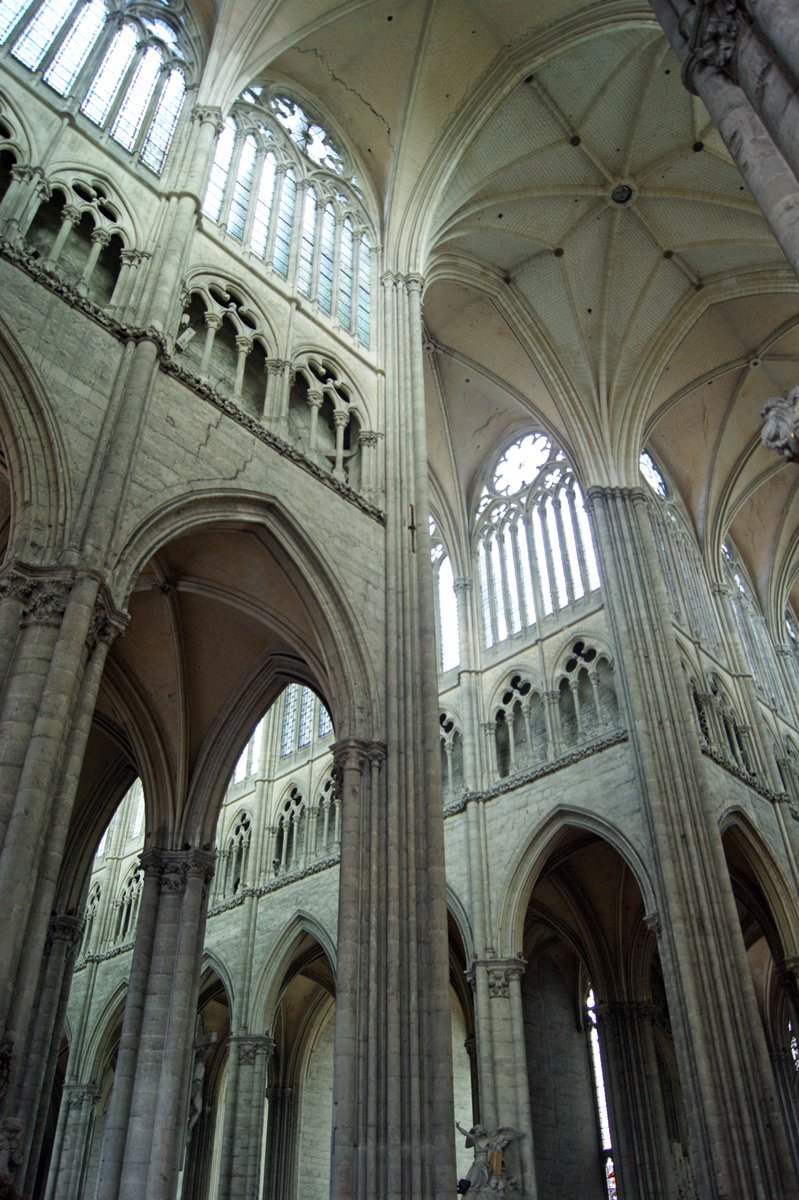
But by comparison with a Medieval cathedral the great piers and arcades of St Peter's look rather heavy. It is monumental, imposing, and impressive — by design.
The impossibly thin piers at Amiens, meanwhile, give that cathedral a feeling of absolute weightlessness.
The impossibly thin piers at Amiens, meanwhile, give that cathedral a feeling of absolute weightlessness.

For such a vast interior space St Peter's is remarkably well lit, despite its comparatively small windows; a remarkable achievement.
And they have been cleverly placed such that sunlight often falls as singular, almost heavenly rays onto the floor of the basilica.
And they have been cleverly placed such that sunlight often falls as singular, almost heavenly rays onto the floor of the basilica.

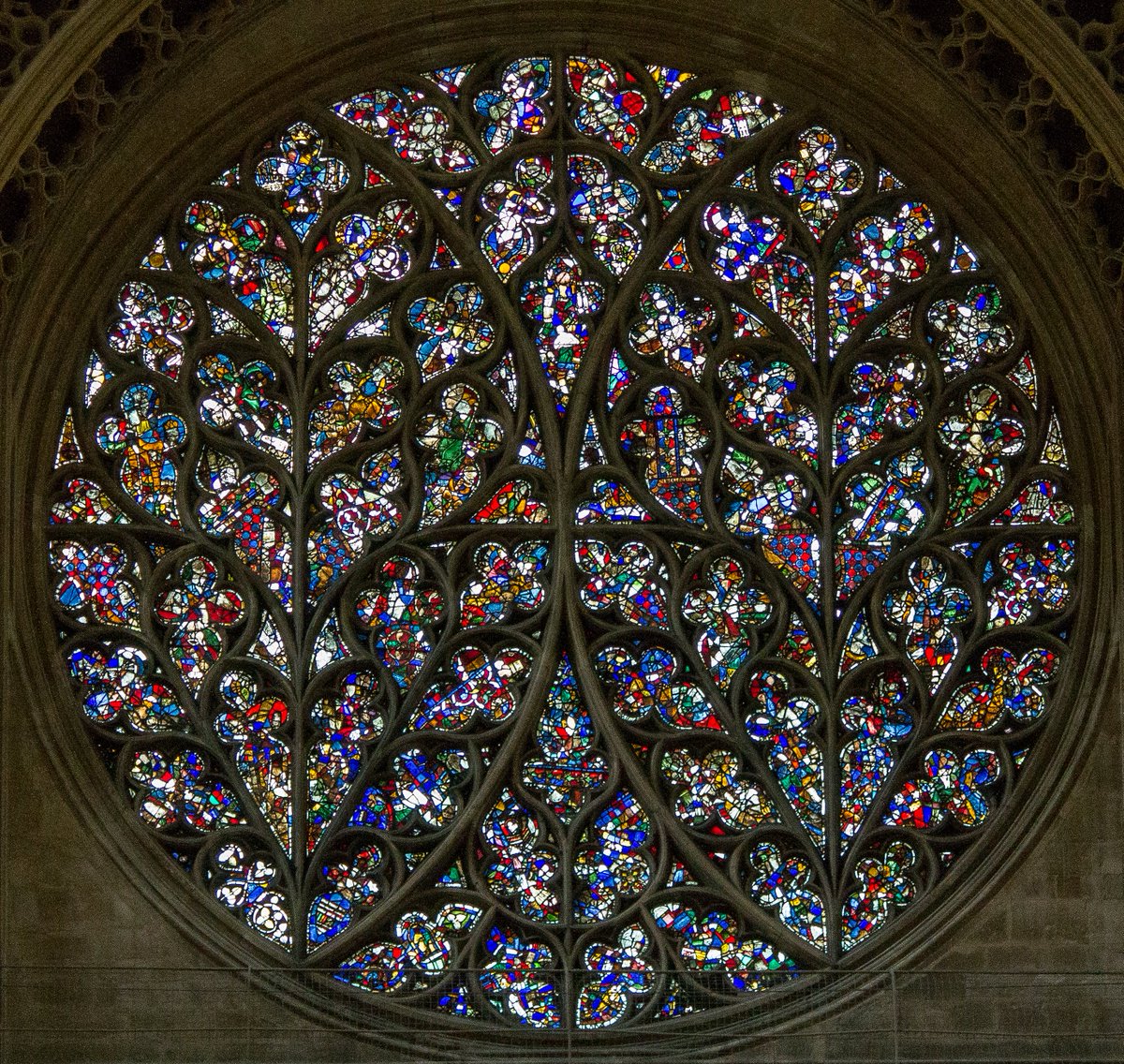
St Peter's windows are small (as in most Italian cathedrals or churches) in comparison with the Gothic cathedrals of northern Europe, where stained-glass windows took on supreme importance.
And so while St Peter's may have gold, it has nothing to rival this:
And so while St Peter's may have gold, it has nothing to rival this:


St Peter's Basilica is an extraordinary building and there is nothing else like it in the world.
But we shouldn't let our first impressions, nor what other people say, prevent us from looking at it critically.
So... is St Peter's overrated?
But we shouldn't let our first impressions, nor what other people say, prevent us from looking at it critically.
So... is St Peter's overrated?
• • •
Missing some Tweet in this thread? You can try to
force a refresh