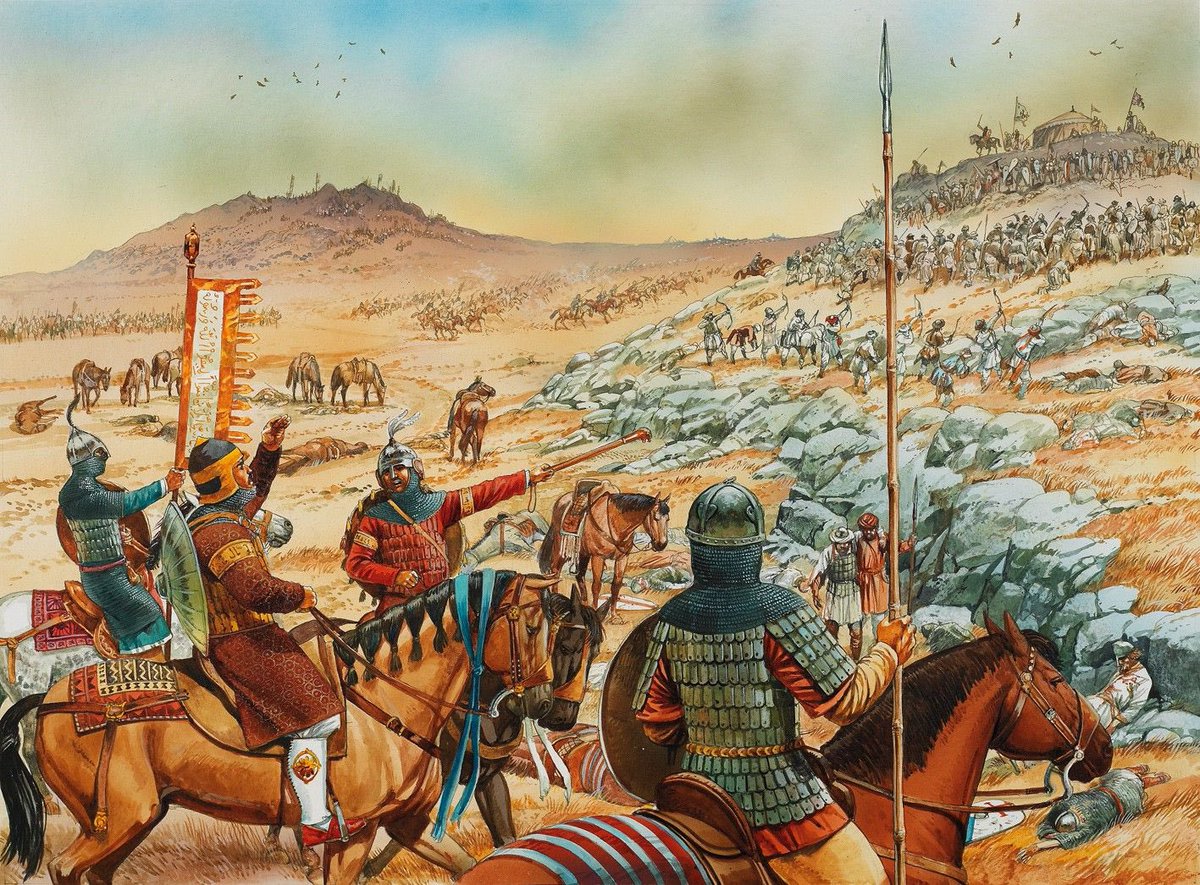
Read on Twitter
How did Aleppo, which stands on a minor river in the middle of a vast plain, come to be the greatest metropolis in Syria?
Simply by standing dead center on the overland portion of the trade route connecting the Indian Ocean to the Mediterranean. Thread.

Simply by standing dead center on the overland portion of the trade route connecting the Indian Ocean to the Mediterranean. Thread.


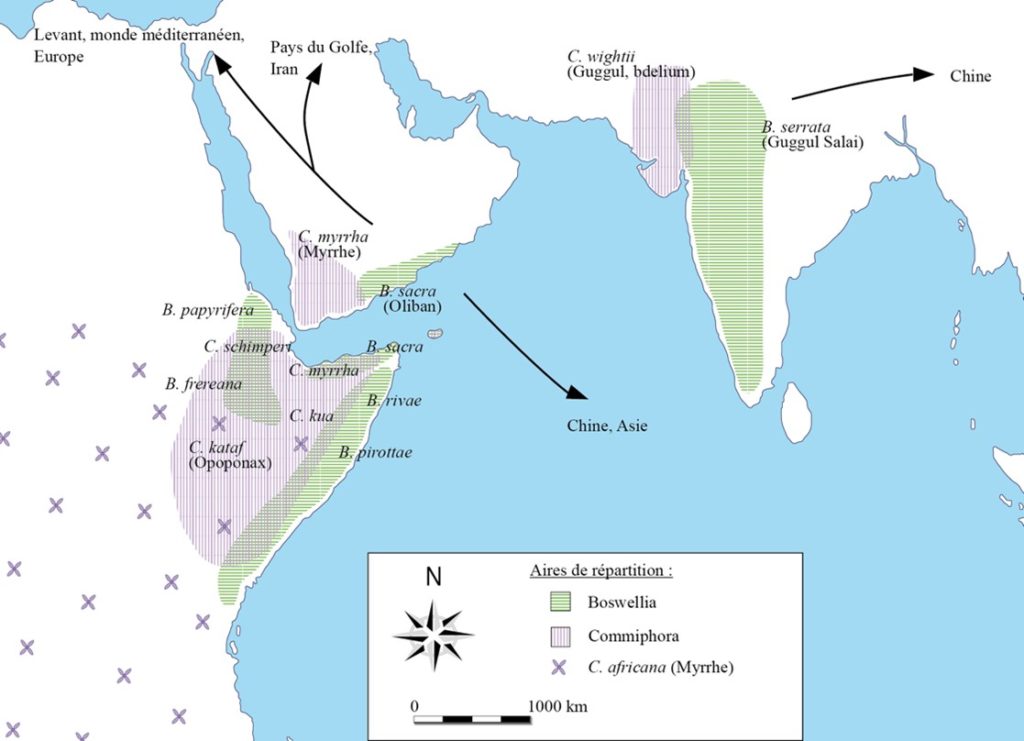
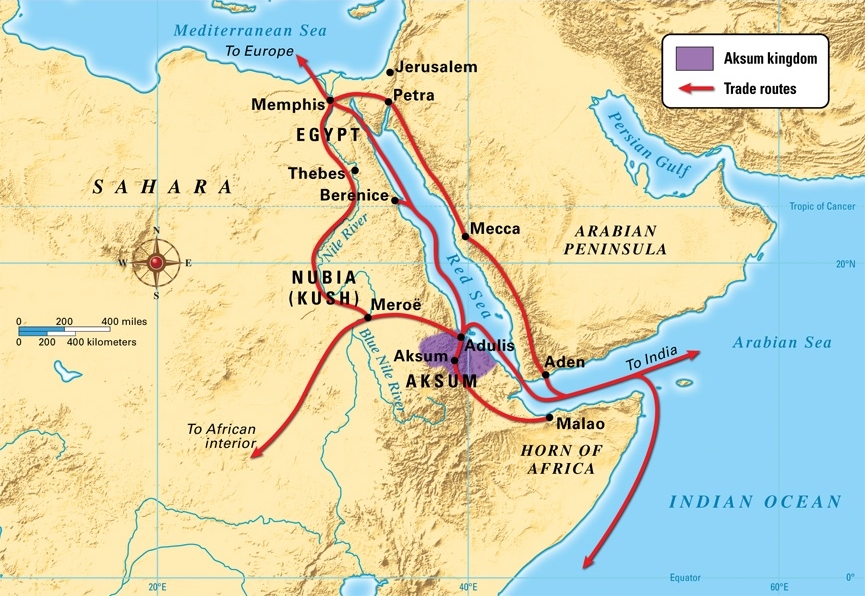
There were three main routes to the Mediterranean from the Indian Ocean in antiquity:
-Through the Red Sea then overland to the Nile
-Through the Persian Gulf, up the Euphrates, then overland to the Orontes near Antioch
-Overland from southern Arabia
-Through the Red Sea then overland to the Nile
-Through the Persian Gulf, up the Euphrates, then overland to the Orontes near Antioch
-Overland from southern Arabia

Before the discovery of the monsoon trade routes in the Hellenistic era, there was not a large volume of sea trade between India and the Near East. The voyage was long and arduous, having to follow the desolate, waterless Makran coast in southern Iran and Pakistan.

The most valuable product of the Indian Ocean rim was incense—the great incense-producing regions were in southern Arabia and East Africa, favoring the southern routes. And when the India trade did take off, Ptolemaic Egypt was best poised to exploit it.
https://t.co/s0KrgoBHfP https://t.co/copJ4q5ibR
twitter.com/i/web/status/1…
https://t.co/s0KrgoBHfP https://t.co/copJ4q5ibR
https://twitter.com/byzantinemporia/status/1670092535123902465
twitter.com/i/web/status/1…
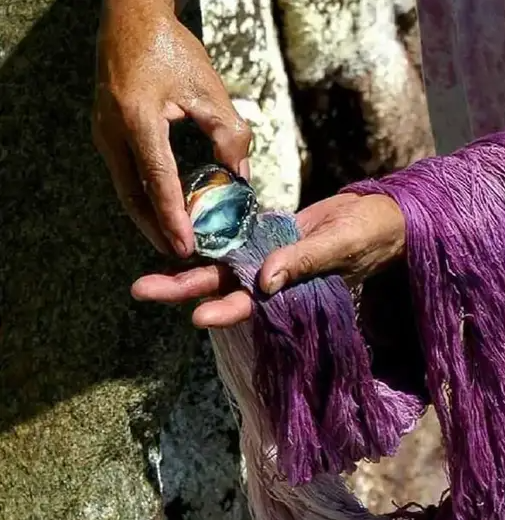
There was still important trade in the Persian Gulf. It's where Tyrian purple dye was first produced from murex shells, and what Indian goods did reach the Near East by sea mostly came through the Gulf—Darius the Great even hired Phoenician crews for this.
https://t.co/UwHifwvpwQ
https://t.co/UwHifwvpwQ
https://twitter.com/byzantinemporia/status/1208765799390961664
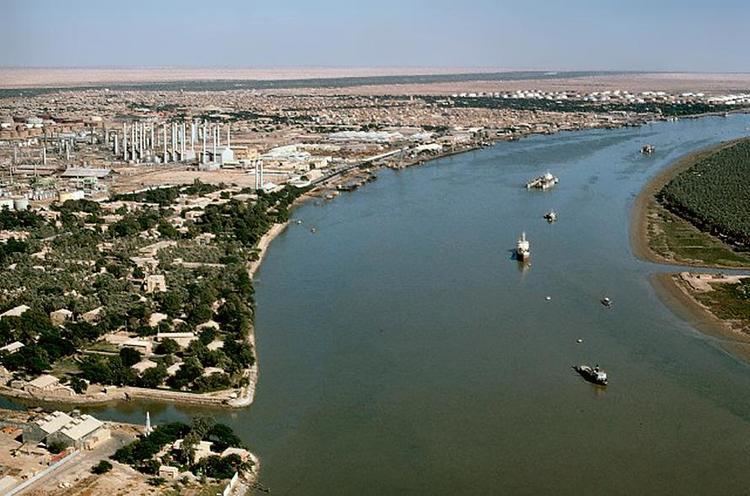
Goods from overseas and Iraq were carried up the Euphrates by barge and transported overland through Syria, intersecting with the incense routes from the south—it is from farthest antiquity that Syrians maintained a reputation for love of luxury.
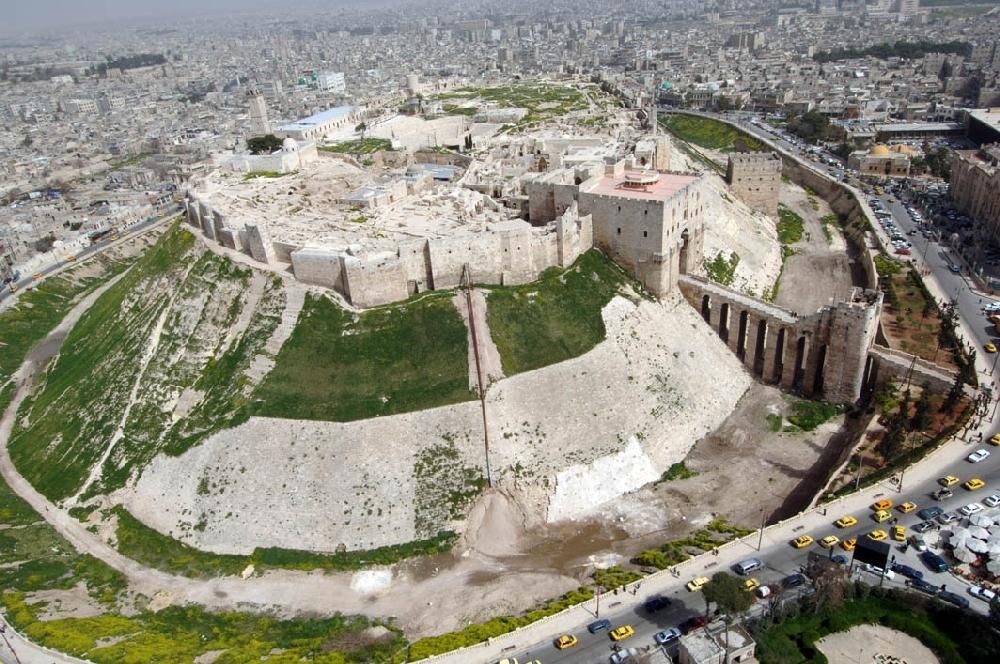
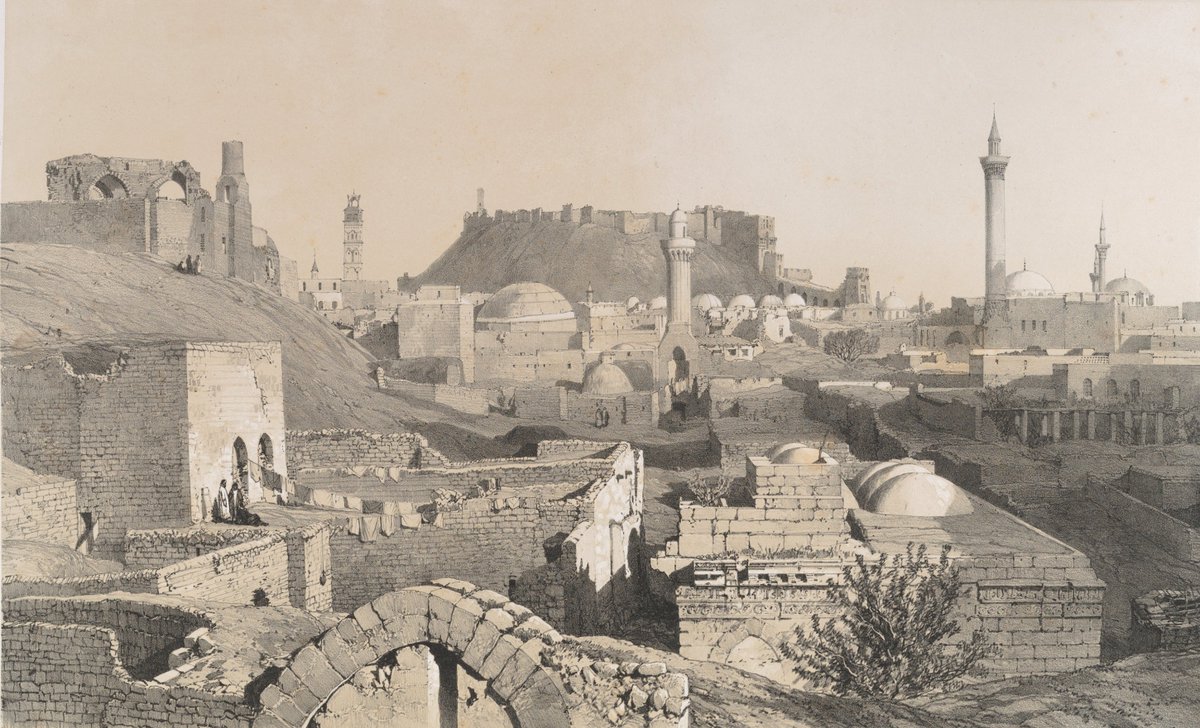
Aleppo stands exactly midway between the Euphrates and Antioch. Although the city was inhabited since at least the early Bronze Age—the citadel stands on a tell, an ancient mound formed by continuous inhabitation—it remained fairly small through antiquity.
https://t.co/dQFbx1YNLY https://t.co/sOlz5NWRni
twitter.com/i/web/status/1…
https://t.co/dQFbx1YNLY https://t.co/sOlz5NWRni
https://twitter.com/byzantinemporia/status/1383887750407999493
twitter.com/i/web/status/1…

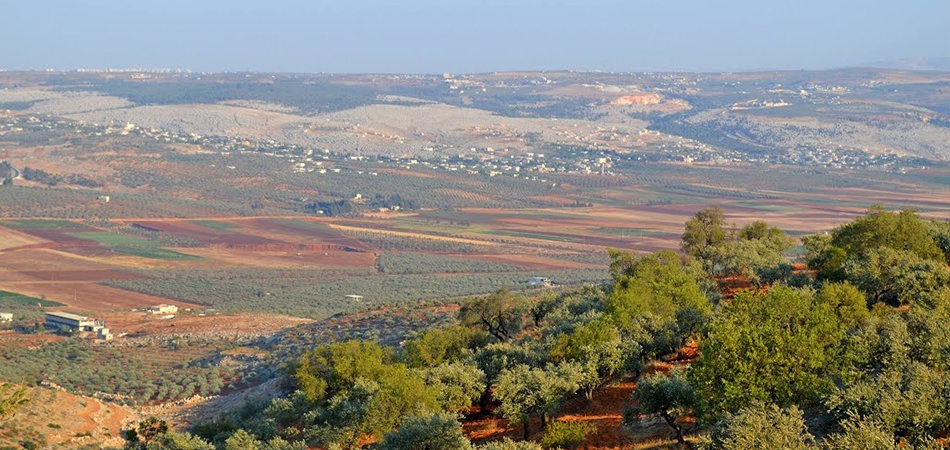
Nevertheless, Aleppo had great potential for growth. It is situated between the vast and productive plains of Idlib to the south and Azaz to the north, allowing it to sustain a growing population as the trade with Antioch steadily increased.
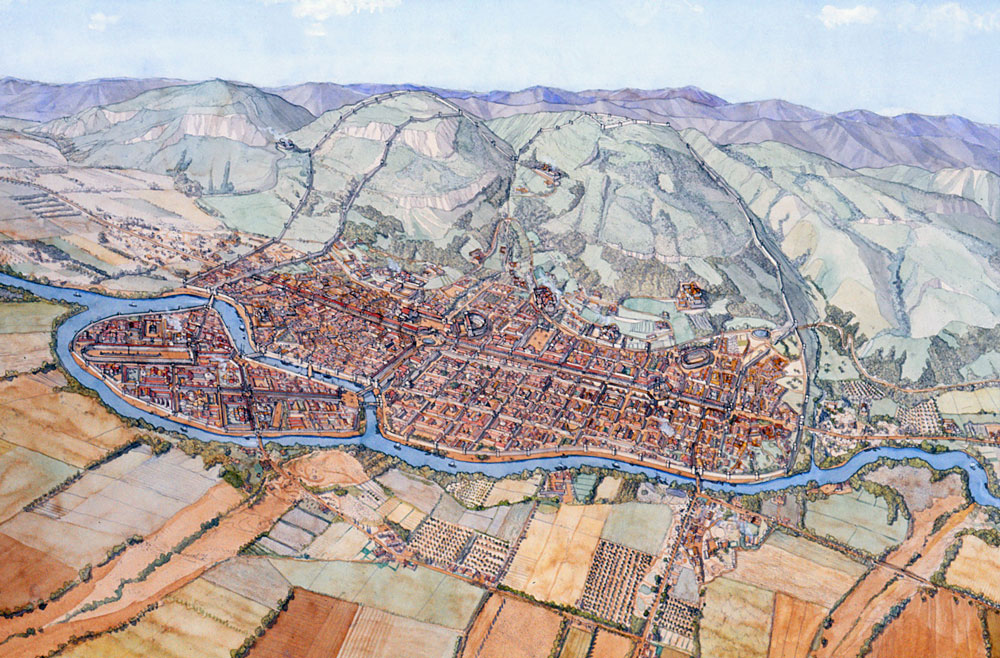
Antioch was the true metropolis of Syria in antiquity, and the third greatest city of the Roman Empire. The Orontes only navigable becomes navigable around the city, so it served as the great emporium of the East, exporting Syrian goods across the Mediterranean.
This route was just over 100 miles by land—only slightly longer than the route from Suez to the Nile by Cairo, and considerably shorter than the distance from Berenike to the Nile. And it did not suffer the strong northerly winds which made the Red Sea route fairly slow.
So when the seat of the Islamic caliphate moved from Damascus to Baghdad under the Abbasids, the Syrian route was primed to explode. The quays of Basra filled up with merchandise from China and India, much of which passed through Aleppo.
https://twitter.com/byzantinemporia/status/1674844909746913312
The city’s natural defensibility combined with its trade wealth made it a prime location for control of northern Syria, and it soon surpassed Antioch. In the 10th century it became the center of the Hamdanid dynasty, Byzantium’s last great Arab adversary.
https://t.co/f8ydOmNOmS
https://t.co/f8ydOmNOmS
https://twitter.com/byzantinemporia/status/1236744037773619201
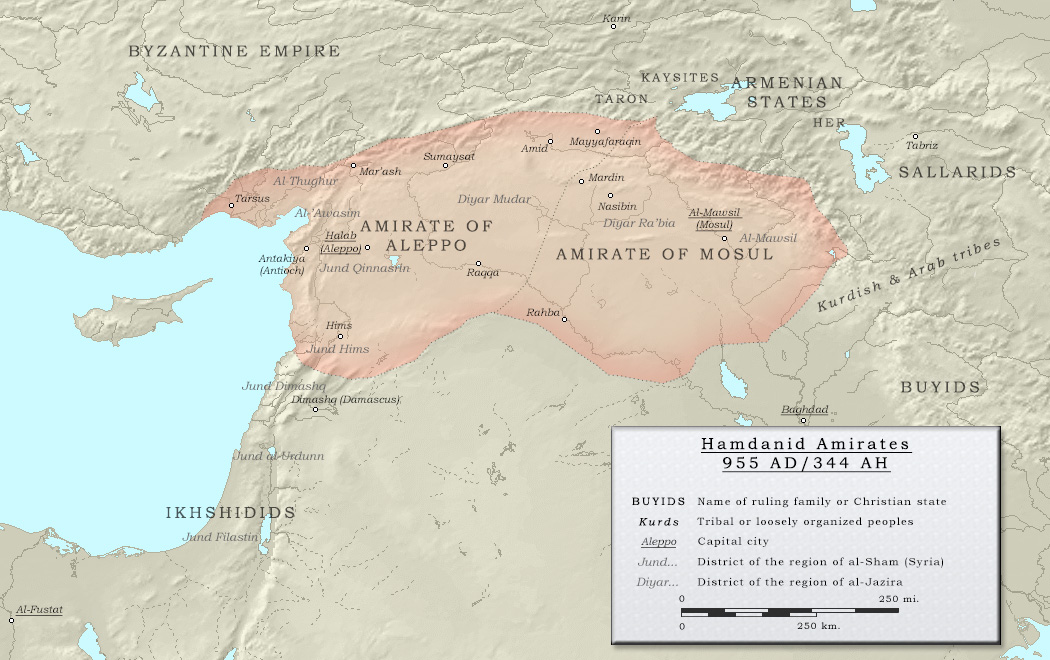
The city continued to play an enormous role in regional politics, forming a pole with Damascus for control of Syria and with Mosul for control of the northern Syrian-Mesopotamian plains.
https://twitter.com/byzantinemporia/status/1382023431391215616
By the Ottomans’ zenith in the 16th century it was the third-largest city in the empire, after Constantinople and Cairo—just as Antioch had been the third in the Roman Empire after Rome and Alexandria. And it remains the largest city in Syria today.
• • •
Missing some Tweet in this thread? You can try to
force a refresh