ShadowsOfConstantinople Profile picture
Jul 23 20 tweets 7 min read Twitter logo Read on Twitter
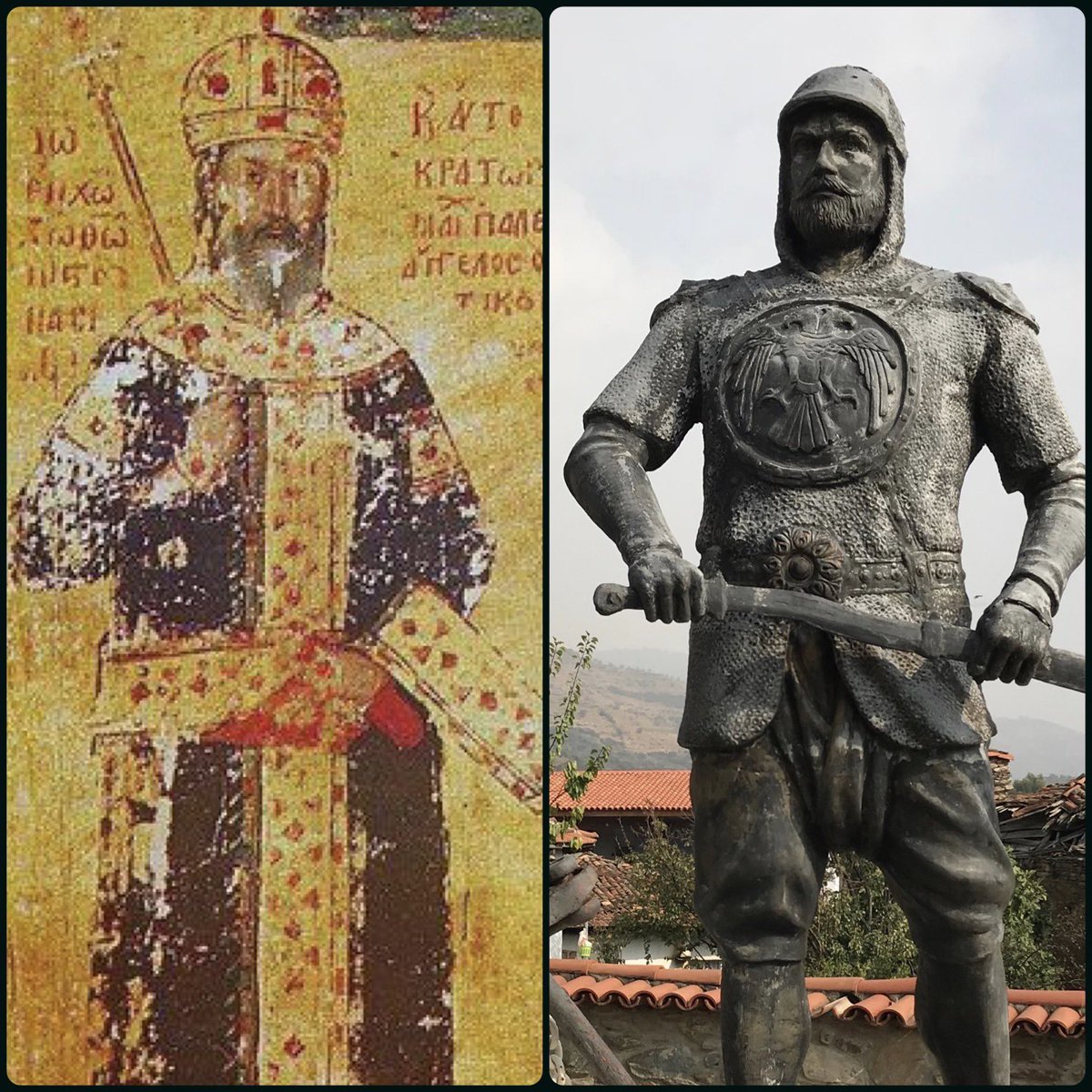
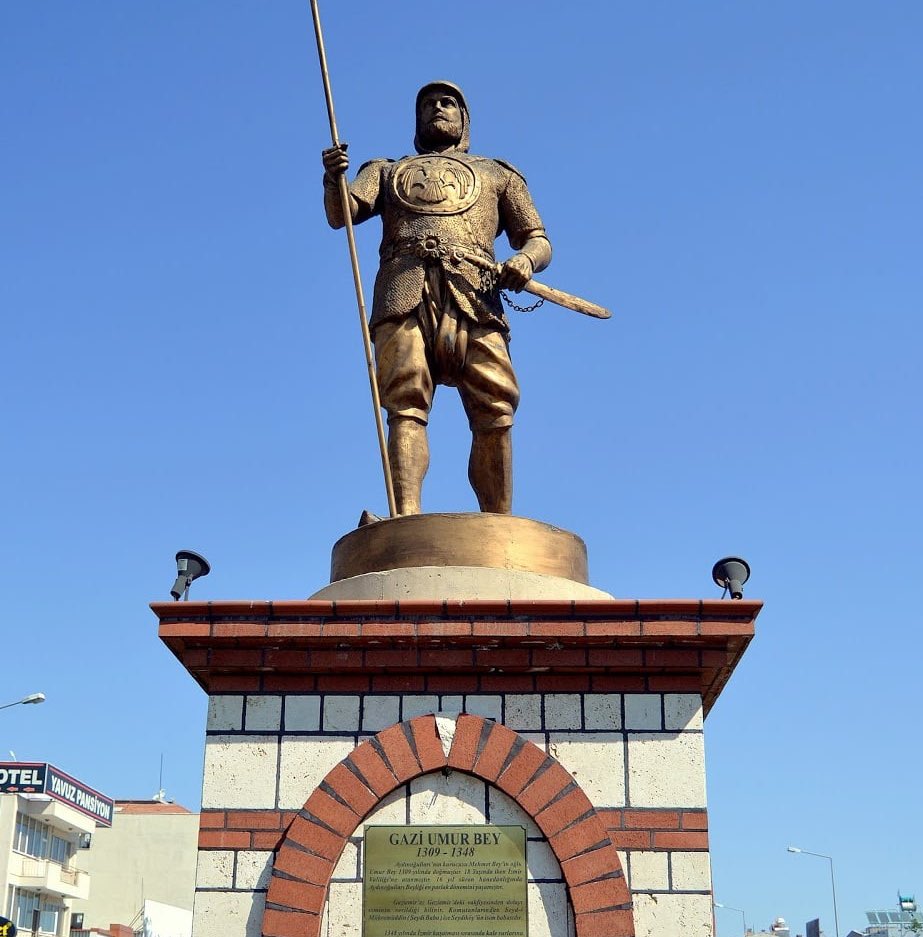
The amazing story of a 14th century Turkish-Byzantine friendship between Emperor John VI Kantakouzenos & Umur Bey of Aydin is unique. Starting with a meeting where John VI was referred to as a “miscreant Christian” & Umur as a “barbarian” -but Umur would help John several times🧵 Image
The Aydin Beylik was one of many small domains which had capitalized on Byzantine weakness after it shifted its focus to Europe in the 2nd half of the 13th century. They seized Smyrna(Izmir) in 1329. Umur was unique though. Despite being known as a ghazi he worked with the Romans Image
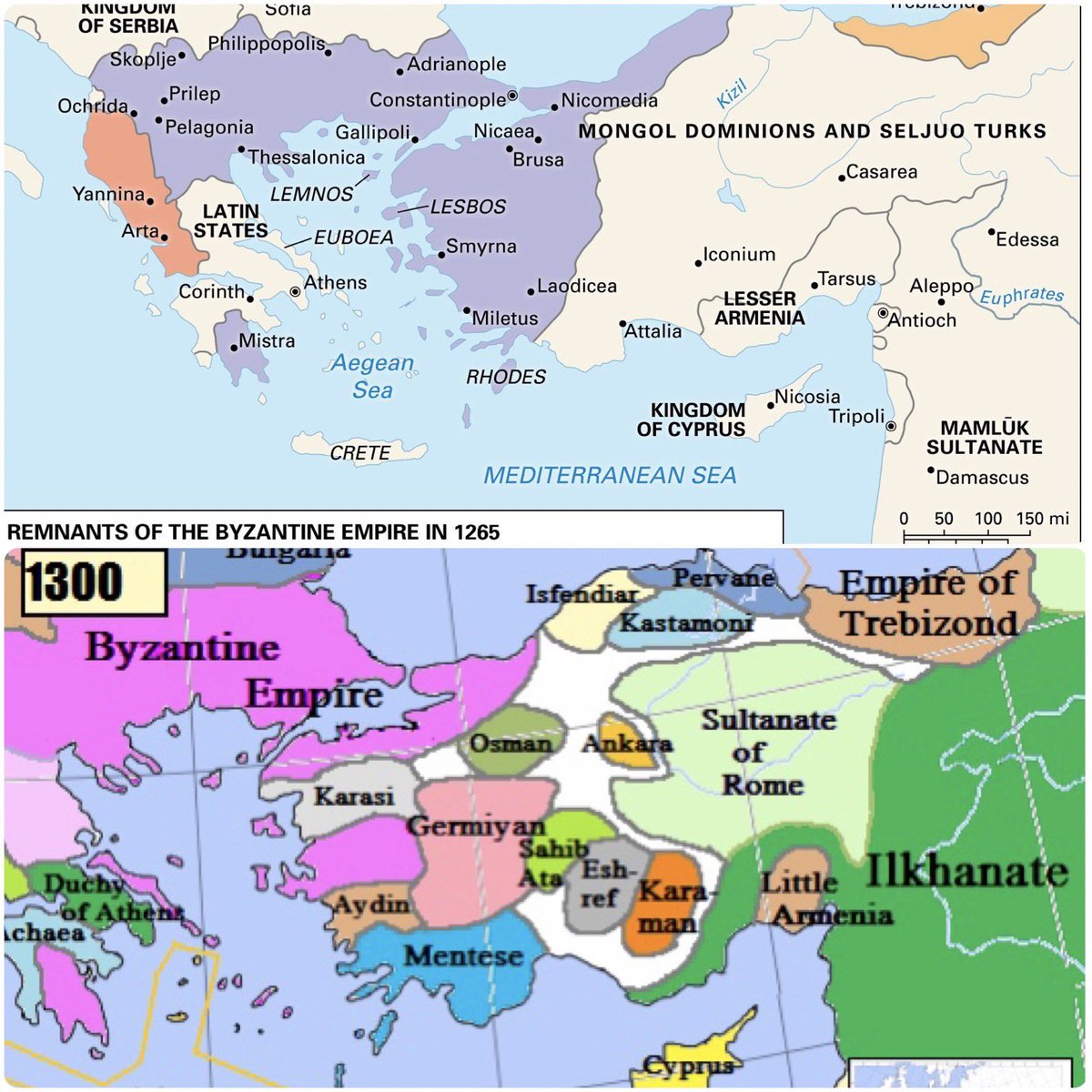
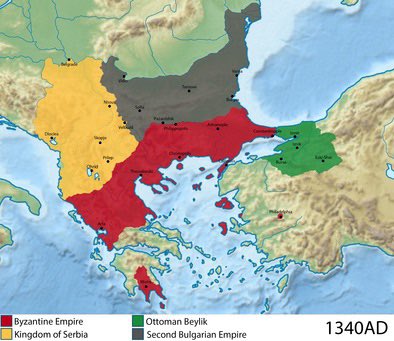
This was a time when Anatolia was rapidly falling, by 1340 almost nothing was left except a very small isolated enclave at Philadelphia, which the Emperor could hardly assert control of. John VI met Umur first when Andronikos III was still emperor in 1335, near Chios. Image
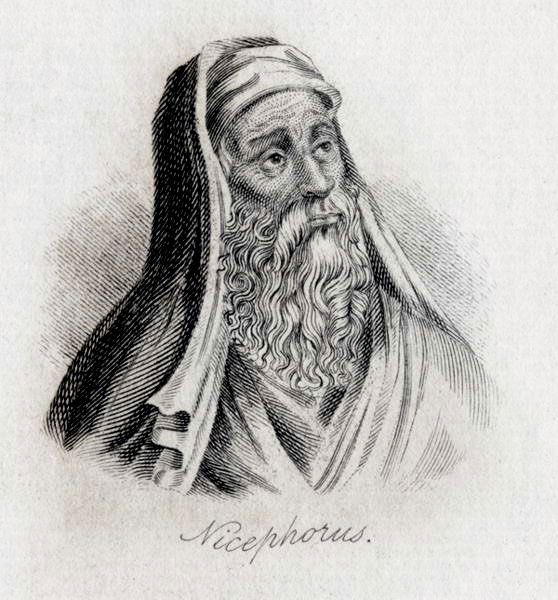
Umur had helped the Romans oust some Genoese from Lesbos. The historian Gregoras wrote that Umur had good character & in fact was not even totally without “Hellenic culture” - the Turkish writer Enveri says Umur was offered a daughter by John, but declined as they were “brothers” Image
In 1337, John wrote to his friend Umur asking for 2,000 warriors to help fight the Albanians. Umur sent his “brother” the soldiers, and a joint Roman-Turkish force left from Thessaloniki and surprised the Albanian raiders. The Turkish soldiers took much plunder from the Albanians Image
John then sent the Turkish soldiers back to Umur, with their plunder & slaves they had captured, and set out subduing the rogue province of Epirus. But then Andronikos died, & John was by his side. He appointed John Kantakouzenos to guard his son John Palaiologos until adulthood Image
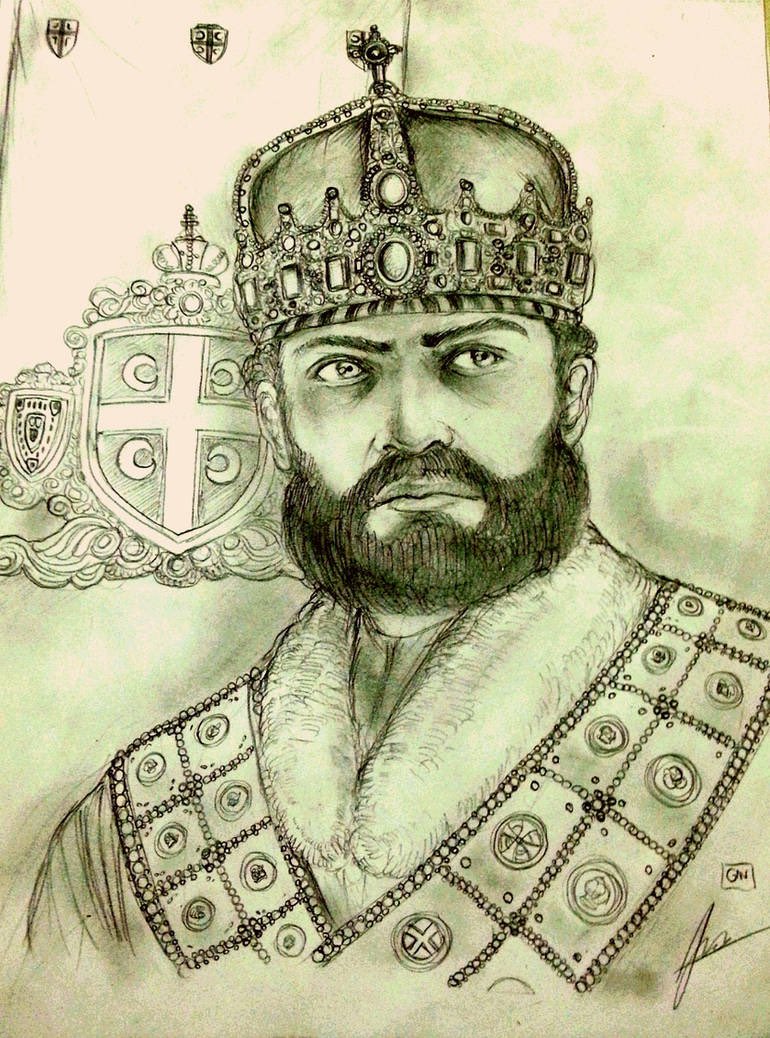
This led to civil war, one which Kantakouzenos referred to as “the worst civil war the Romans had ever known…reducing the great Empire of the Romans to a feeble shadow of its former self.” The map below shows the breakdown of the sides. But John also had Umur Bey to call upon. Image
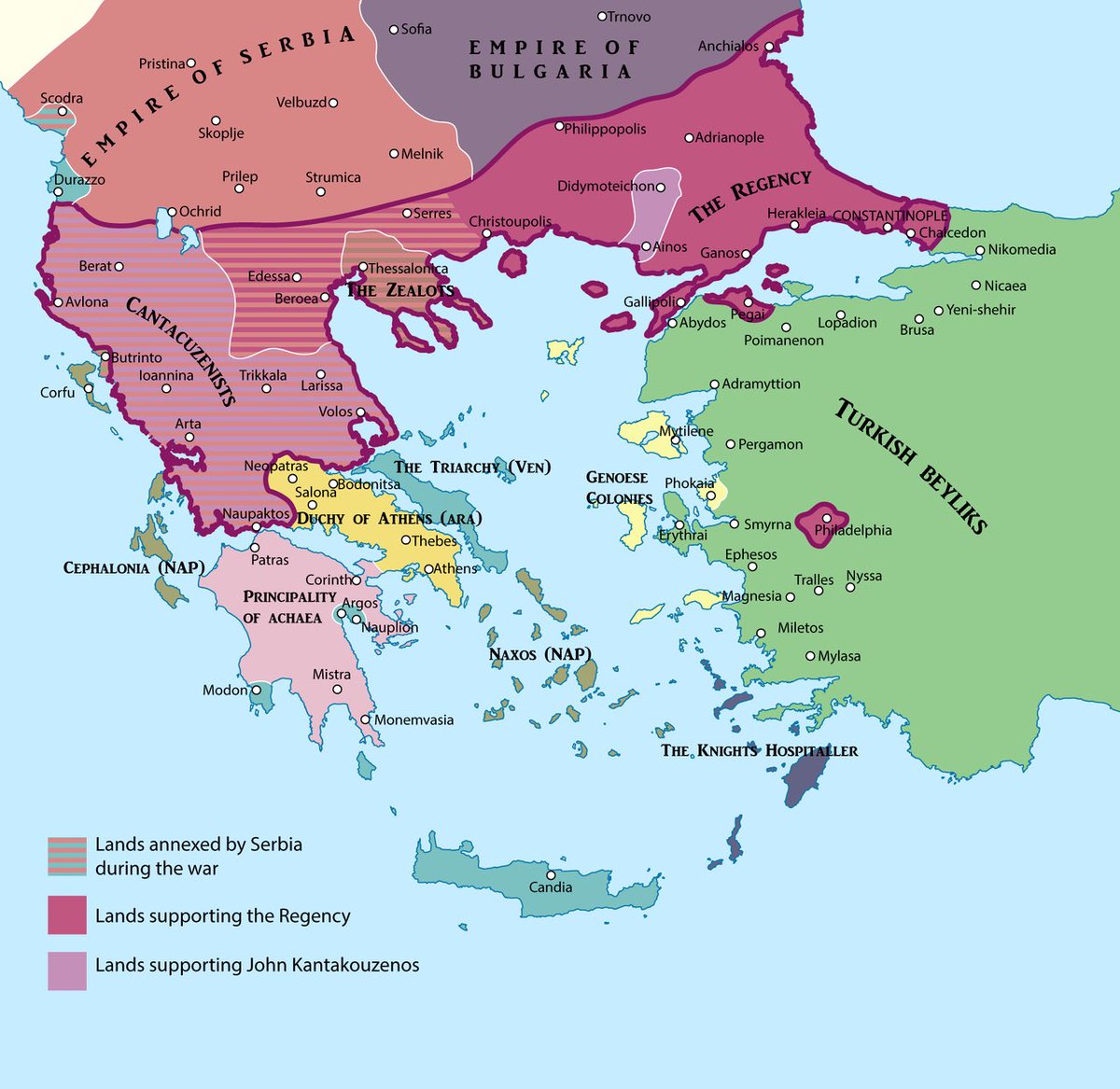
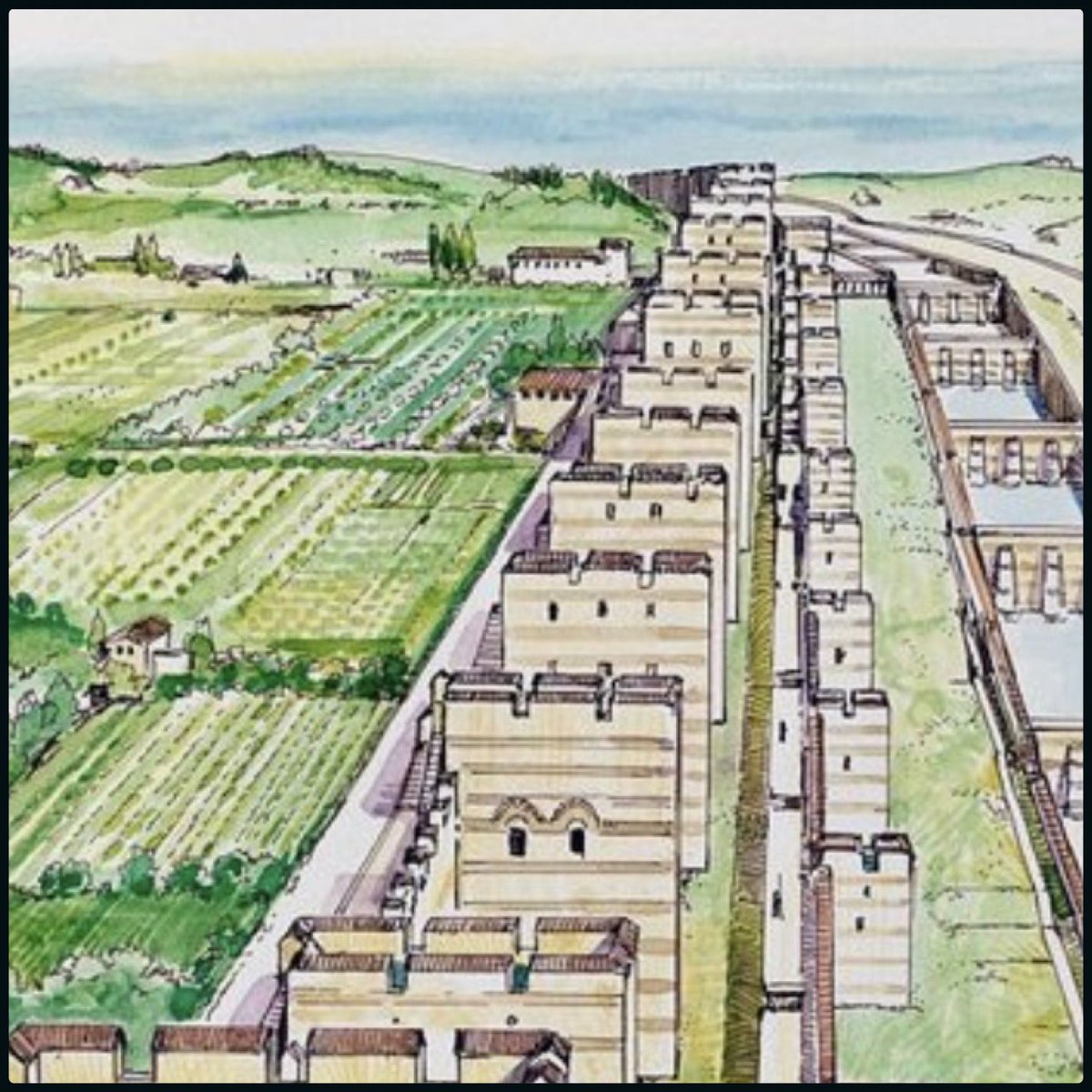
The regency council which formed against the wishes of Andronikos III and against John VI would ruin the stable European position of the Romans. Kantakouzenos would have to deal with tough circumstances, as he did not control the the well defended wealthy city of Constantinople. Image
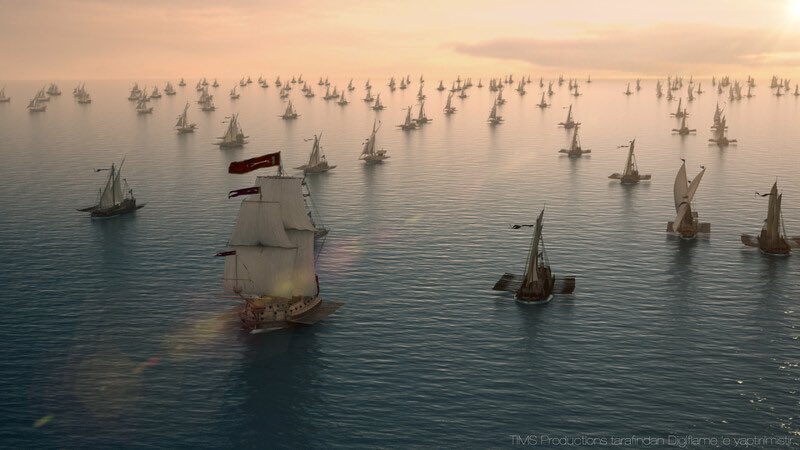
The Bulgarians were called to help the regency council against John in 1342, surrounding John at Didymoteichon in Thrace. John sent word to his Turkish brother Umur, who promptly sent “380 ships & 29,000 men” from Anatolia. The numbers may be exaggerated but the Bulgarians fled Image
He never actually was able to see John as bitter winter forced his army to leave. The fact John could call in such an ally also led to many local Romans joining his side. John also forged a relationship with Orhan of the Ottoman Beylik, who sent him troops in his aid as well Image
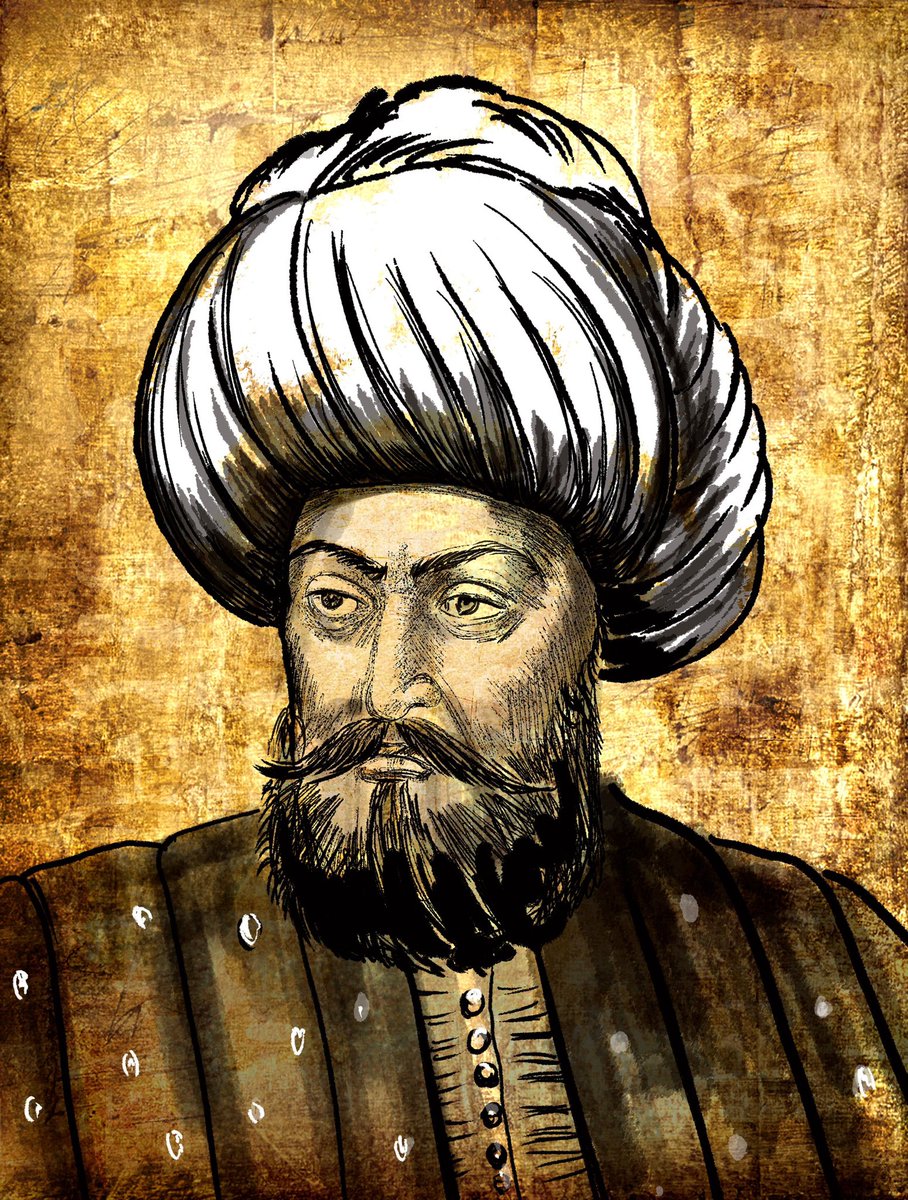
Umur Bey had put actions to his words, he clearly must have truly loved and respected John Kantakouzenos in order to risk sending him men time after time. To reward his men for the expedition, Umur raided the Byzantine lands loyal to the regency council in Thrace. Image
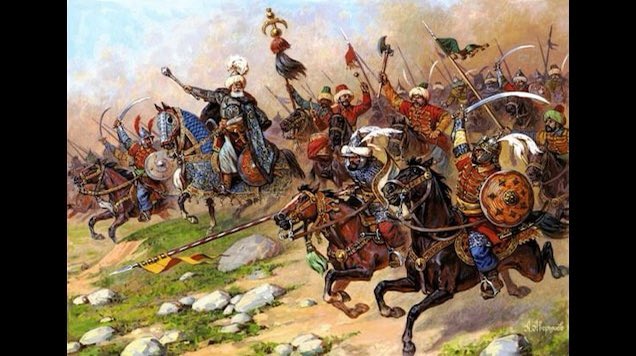
In 1345 Umur helped again-“accompanied by Suleiman, the son of the Emir of Lydia. Together they brought an army allegedly of 20,000 horsemen.” They fought Bulgarians, then a Slavic band under Momcilo at the battle of Peritheorion. John then was faced with a choice
The Serbian king Stefan Dusan attacked Serres, John wanted to use his Turkish allies to fight him. But Apokaukos, a main leader of the regency council in Constantinople was murdered. Umur and John’s Roman supporters persuaded him to instead go to Constantinople. Image
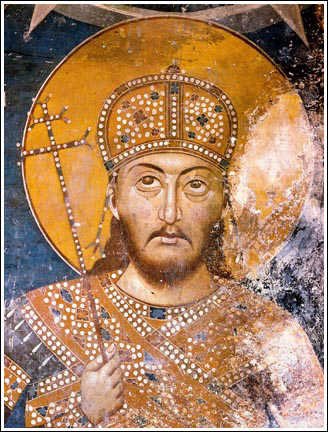
But then John’s Turkish allies had to leave. John had to retreat, he couldn’t besiege them capital with a tiny army. He would have to turn to his new ally, Orhan. Ottoman ambassadors came to John asking for his daughter as a bride to secure their alliance.
John VI married his daughter to Orhan to secure an alliance, which would in theory make Orhan a valuable ally. John asked his officers, and then he consulted his friend Umur. Umur was not an ally of Orhan, but he was not against it. Theodora Kantakouzenos was then given to Orhan Image
This would help win the war - but also disastrously bring the Ottomans into the Balkan world which they would eventually conquer. John became the regent Emperor in 1347, won the civil war & became Emperor. Though trouble returned years later. But for Umur Bey? Things ended badly! Image
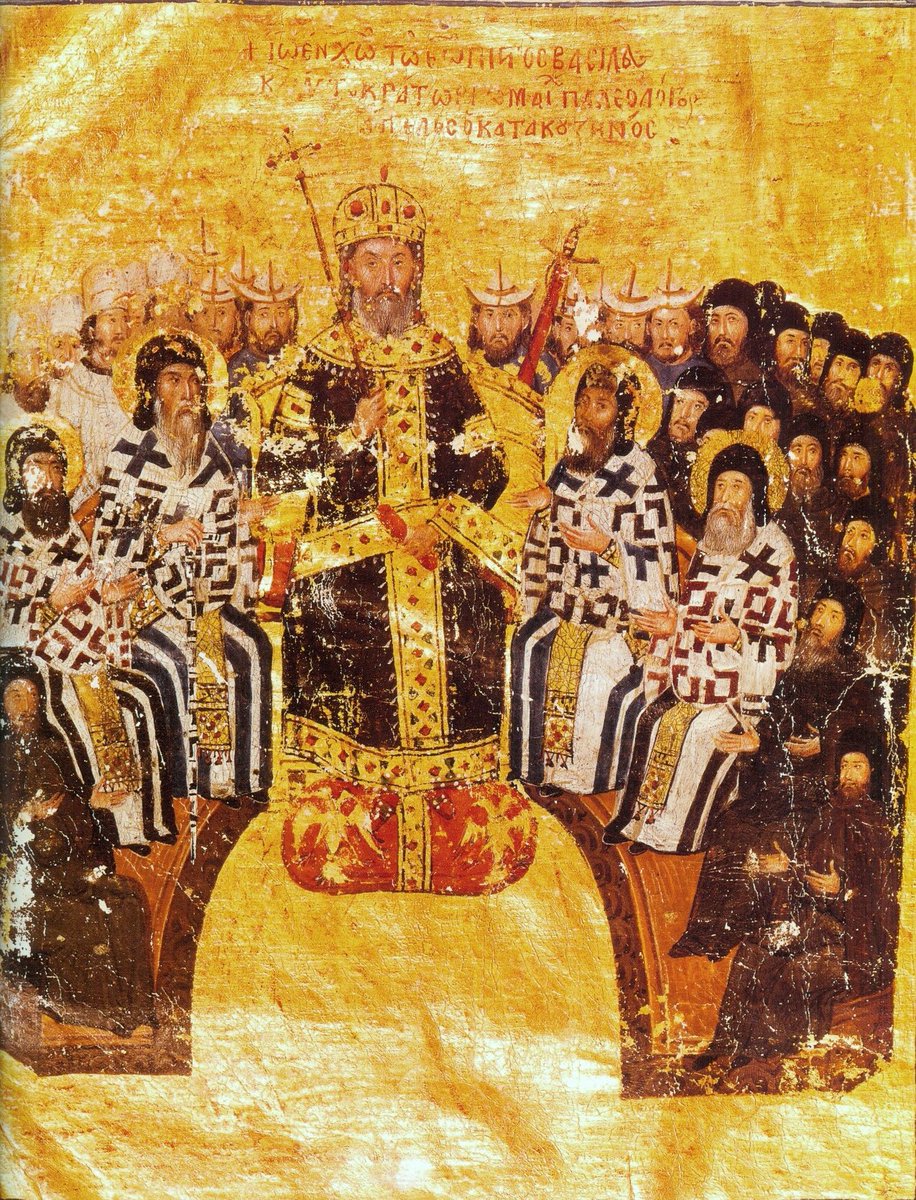
Westerners did not see Umur so positively, John had to explain his usage of Turkish troops to the Pope. Italian states had no interest in a Turkish naval power like Aydin threatening them. John had to give nominal support to the crusaders to avoid being a target himself. Image
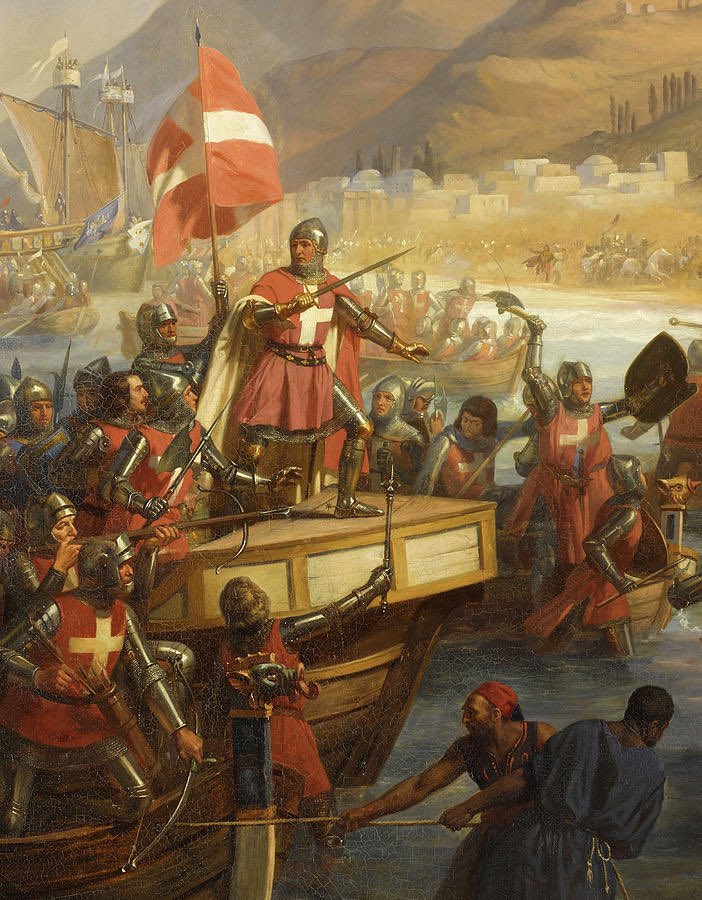
It’s sad to say that it was kind of a betrayal of Umur, even though Byzantine troops did not participate. He could not help Umur the way he had helped him in his dark times. Umur died in the defense of Smyrna against the crusaders. Gregoras said his death made John very upset Image
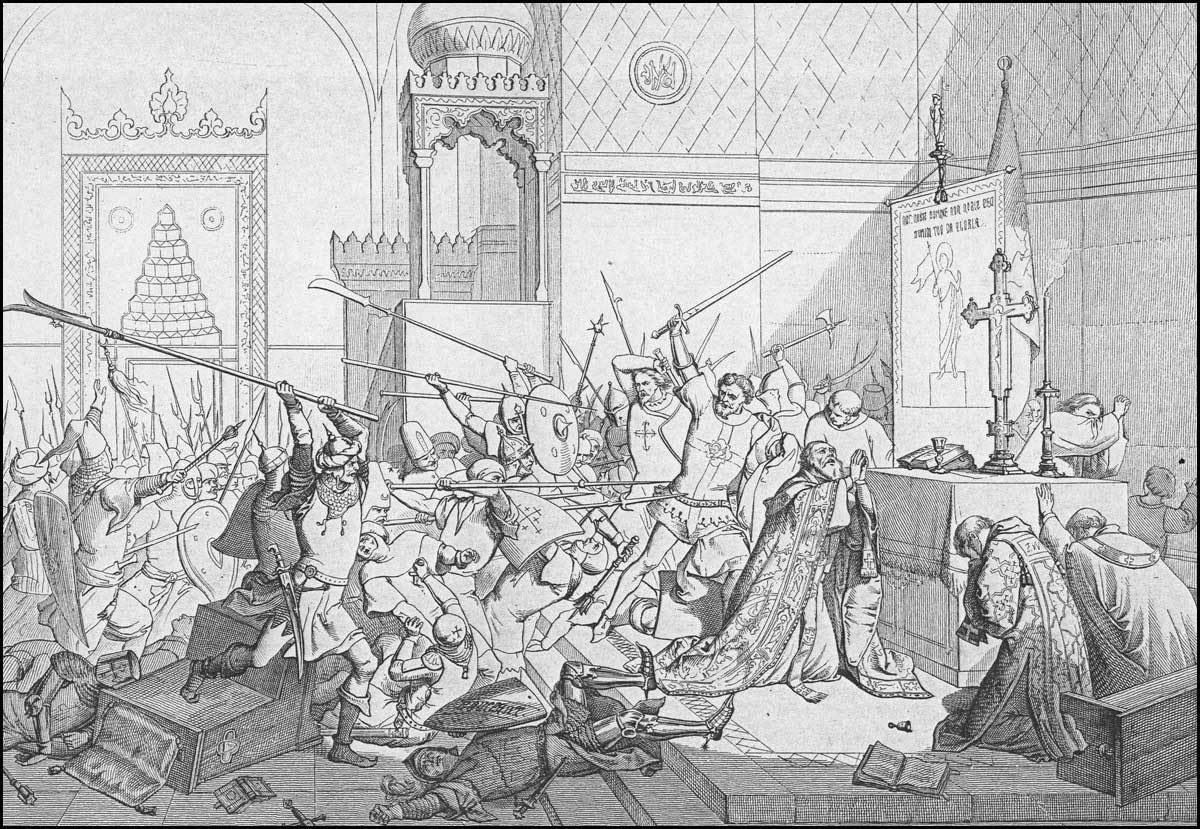
The results of the civil war were terrible. I find myself wondering what if John had been recognized as the true Emperor? This brotherly friendship with Umur Bey could have changed history. Perhaps the Romans and Umur could have campaigned together in Anatolia and changed history
Source for this post - The Reluctant Emperor: A Biography of John Cantacuzene, Byzantine Emperor and Monk, c. 1295-1383 by Donald M. Nicol

• • •

Missing some Tweet in this thread? You can try to force a refresh

 

Keep Current with ShadowsOfConstantinople

ShadowsOfConstantinople Profile picture

Stay in touch and get notified when new unrolls are available from this author!

Read all threads

This Thread may be Removed Anytime!

PDF

Twitter may remove this content at anytime! Save it as PDF for later use!

Try unrolling a thread yourself!

how to unroll video
  1. Follow @ThreadReaderApp to mention us!

  2. From a Twitter thread mention us with a keyword "unroll"
@threadreaderapp unroll

Practice here first or read more on our help page!

More from @RomeInTheEast

Jul 18
Constantinople made a huge impression on the Varangians.
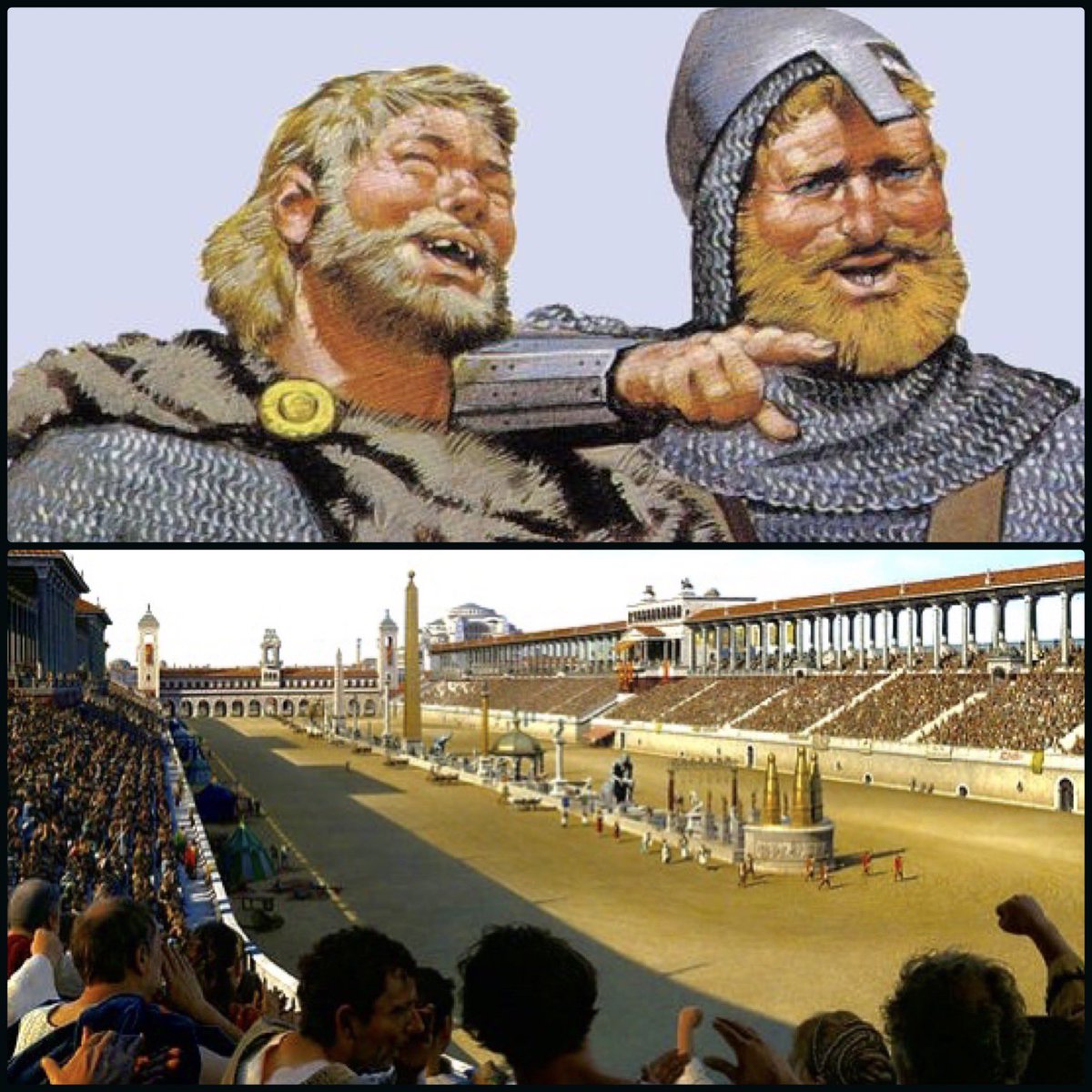
In the Morkinskinna, an Old Norse saga, there is a description of the Hippodrome. They were impressed by the visual spectacles, sounds of musical instruments, & they interpreted their own pagan Gods in the ancient statues🧵 Image
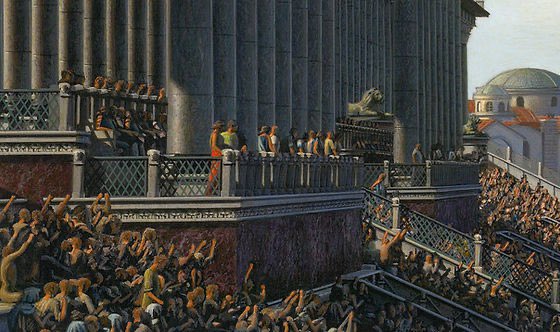
“Those who have been in Constantinople say that the hippodrome is constructed in such a way that there is a high wall enclosing a field that might be compared with a huge circular farmland. There are tiers along the wall for people to sit while the games are played on the field.” Image
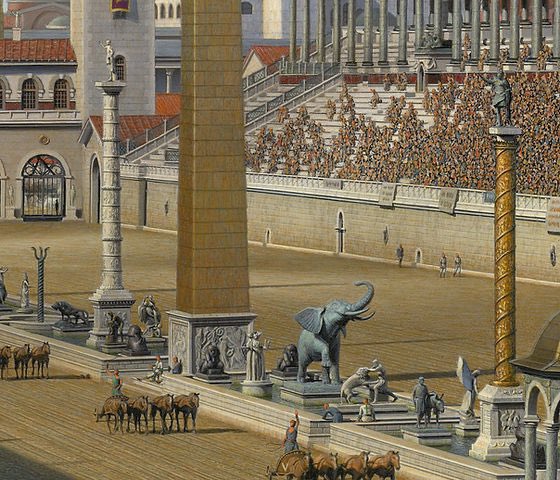
“The walls are decorated with all sorts of ancient events. You can find the Aesir, Vọlsungar and Gjúkungar fashioned in copper and iron with such great skill that they seem alive. With this arrangement people have the impression that they are participants in the games” Image
Read 8 tweets
Jun 29
Medieval Arab writers stereotyped Byzantine women as promiscuous/immoral - yet also desirable. They are stereotyped in varying ways as “the most shameless,” adulterous, beautiful, uncovered, uncircumcised, & being uncontrolled - but also as attractive and beautiful (a thread)
Byzantine women were called Rumiyya, the feminine linguistic form of Rumi which was their way of saying Roman. The medieval Arab writers stereotyped Byzantine women as seducing/untrustworthy. Byzantium Viewed by the Arabs by Nadia Maria El Cheikh details these views
“Sa’id al Andalusi states that king of Rum(Roman Empire) is called the king of men because among a human beings, his subjects have the most beautiful faces, the most well-proportioned physiques…This characteristic, beauty, is associated with Byzantine women in particular.”
Read 17 tweets
Jun 18
Why did Byzantine rule in Anatolia collapse in the late 13th century? The agent of change was not mighty armies, but decentralized bands of nomadic warriors. Trebizond & Philadelphia in Anatolia survived until the 14th-15th centuries, showing locally based resistance was possible Image
Anthony Bryers pointed out that: “where there was the will to resist, backed by local autonomy, leadership, or identity, and coupled with the restraints of a centralized state, no Turkmens were in a position to surmount it.” Image
“…the most substantial Turkmen expansion in western/northwestern Anatolia followed the transfer elsewhere of 2 great centralized local Anatolian governments: the Seljuk state to the Mongols after 1243(definitively after 1277) & the Empire of Nicaea to Constantinople after 1261” Image
Read 19 tweets
May 30
After Constantinople fell on May 29 1453 the news spread across Western Europe. The very powers which had either neglected to help or contributed to the downfall of the Empire directly reacted in horror at the idea. States nearby sent embassies to make terms with the new reality: Image
Serbians, Albanians, and the Roman Desperate of the Morea sent ambassadors to Mehmed to congratulate him on his victory and secure peace, realizing that they had to be on his good side now. They had reasonable fears, though it wasn’t going to help them survive for much longer... Image
The news going West first went to nearby Latin realms on Cyprus, Crete, and Rhodes until it reached the Venetian Senate on June 29. They were stunned, and their relief force had never made it to the City. On June 30, letters were sent to Pope Nicholas V and King Alfonso of Naples Image
Read 12 tweets
Jan 1
Not only did the Byzantines preserve most Ancient Greek texts, also “they engaged with the ideas of both pagan and Christian antiquity, carrying on the late ancient practice of writing commentaries” Great arguments made in Byzantine & Renaissance Philosophy by @HistPhilosophy
Adamson added “Of course, if all the Byzantines did was make copies of older Greek philosophical works, I could pass over them briefly” Some people seem to mistakenly perceive the medieval Romans as just mindlessly copying texts for us to have them today instead of for themselves
There was a continuity from the past: … “it may seem surprising that the Eastern Christians were so concerned with the preservation, exposition, and evaluation of these pagan thinkers. But it fits into a wider tendency of the Byzantines to cherish classical culture.”
Read 16 tweets
Dec 20, 2022
The city of Jerash, known in Hellenistic & Roman times as Gerasa, was a large and thriving city even through the Byzantine period. Its prosperity ended in 749AD with a major earthquake. # 1 is the hippodrome & arch of Hadrian built to honor his visit in 129. # 2 is the oval forum
This site looks extremely well preserved, even with gorgeous paving stones and plenty of standing columns.
There are two well preserved theaters in the city. The South theater is from the 1st century AD, and could hold an audience of a few thousand.
Read 13 tweets

Did Thread Reader help you today?

Support us! We are indie developers!


This site is made by just two indie developers on a laptop doing marketing, support and development! Read more about the story.

Become a Premium Member ($3/month or $30/year) and get exclusive features!

Become Premium

Don't want to be a Premium member but still want to support us?

Make a small donation by buying us coffee ($5) or help with server cost ($10)

Donate via Paypal

Or Donate anonymously using crypto!

Ethereum

0xfe58350B80634f60Fa6Dc149a72b4DFbc17D341E copy

Bitcoin

3ATGMxNzCUFzxpMCHL5sWSt4DVtS8UqXpi copy

Thank you for your support!

Follow Us on Twitter!

:(