Read on Twitter
The Mystical Theology of Serial Experiments Lain
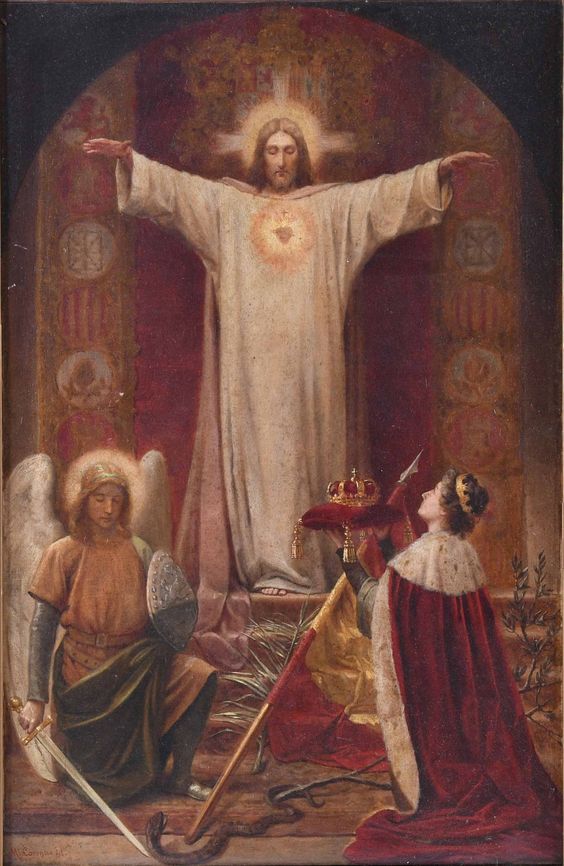
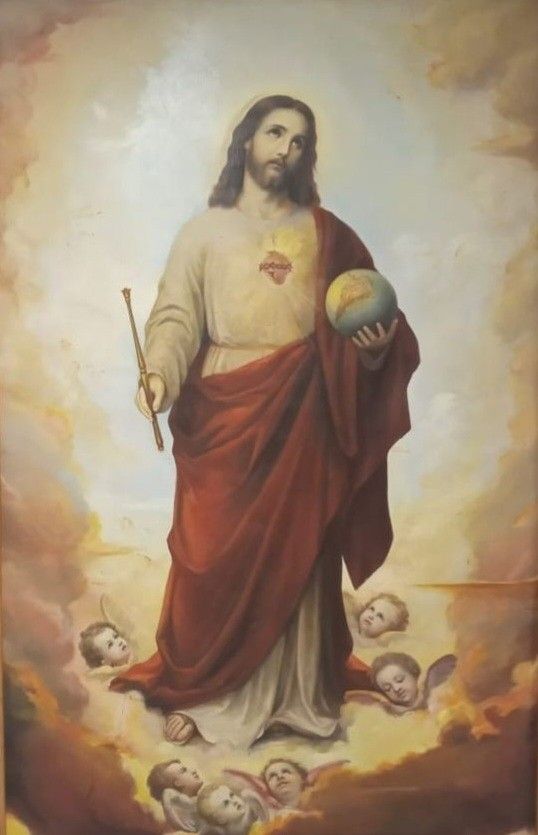
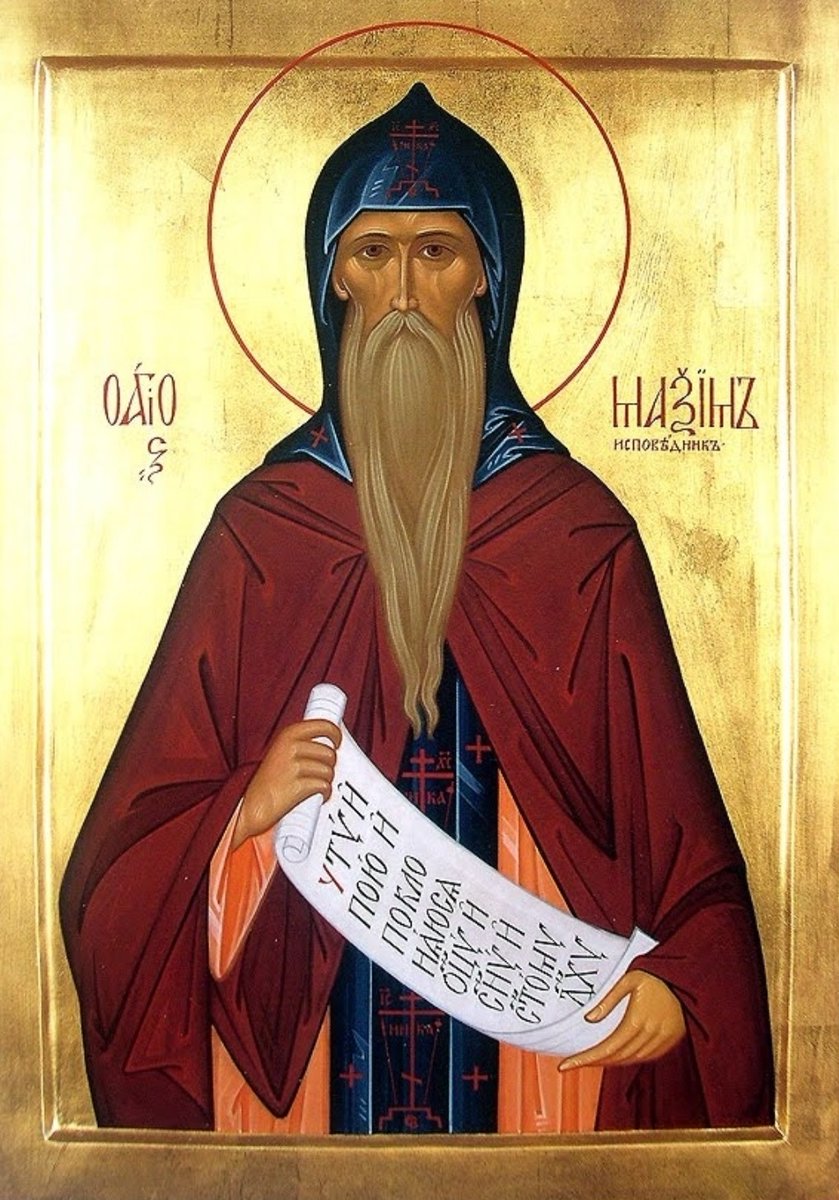
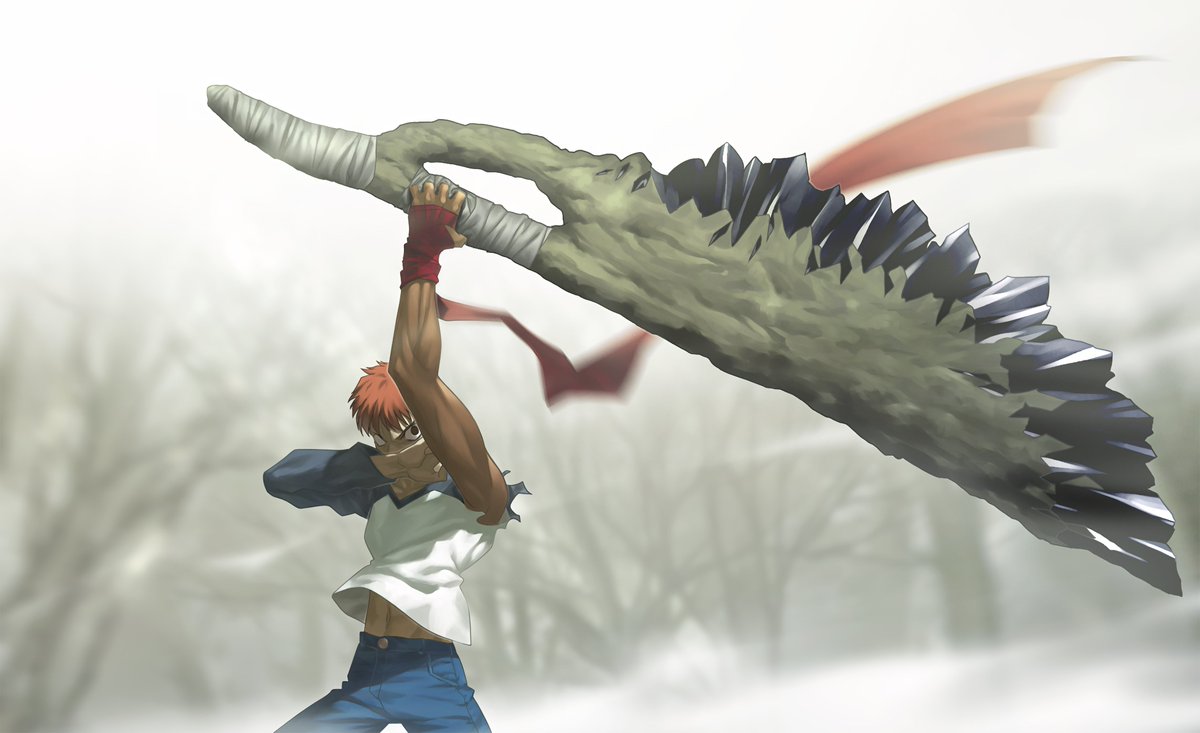
Lain as the substance by which the Wired lives and moves in, and as the product of her Father's intellect is weirdly Christological. But she is also at the same time the sinner who forgot their dignity, trapped in delusion.

Lain as the substance by which the Wired lives and moves in, and as the product of her Father's intellect is weirdly Christological. But she is also at the same time the sinner who forgot their dignity, trapped in delusion.

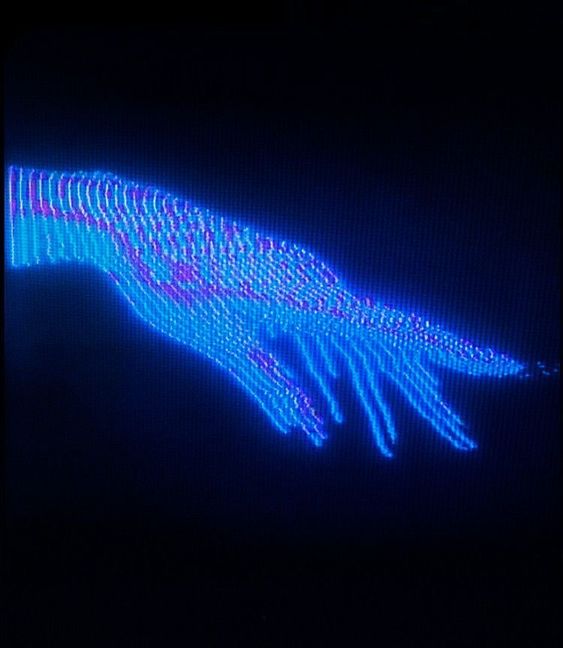
The call to "love Lain" and to shun that instead of becoming the self-gratifying evil-Lain is Lain purifying herself through humility in order to escape said delusion. Coming to Wisdom through humility.

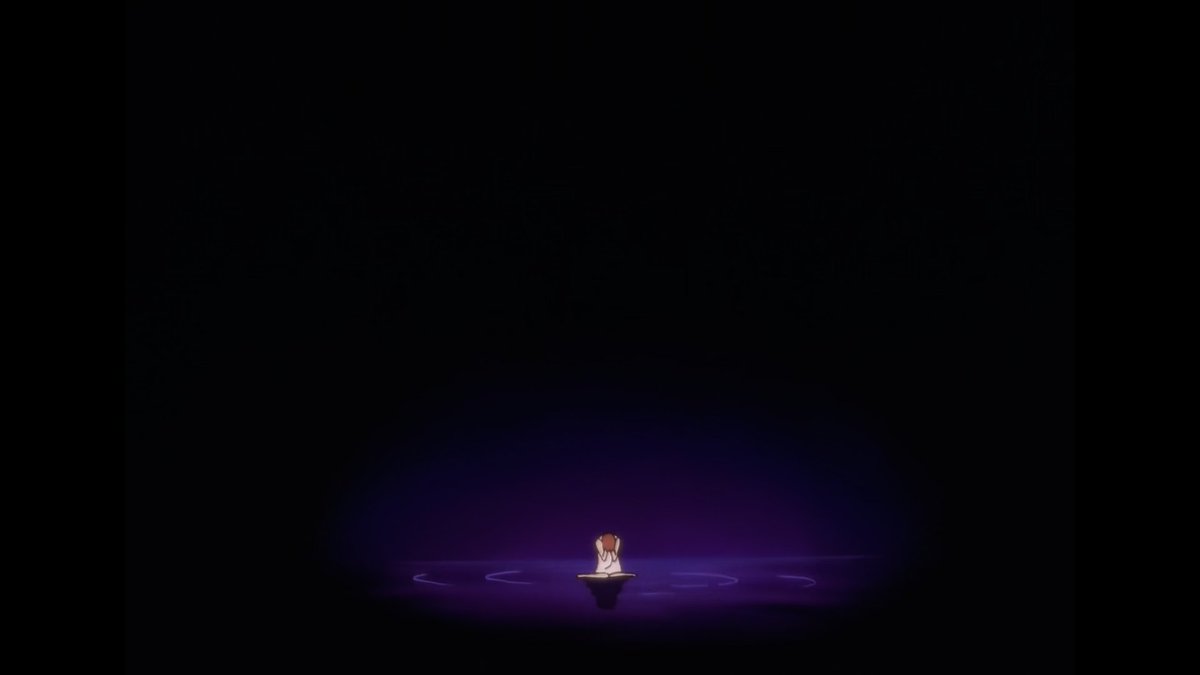
Lain exhibits many of these Eckhartian themes. In some sense, the soul is the Son (hypostatic union assuming universal humanity it shares in common) but in some sense not (a distinct individual).
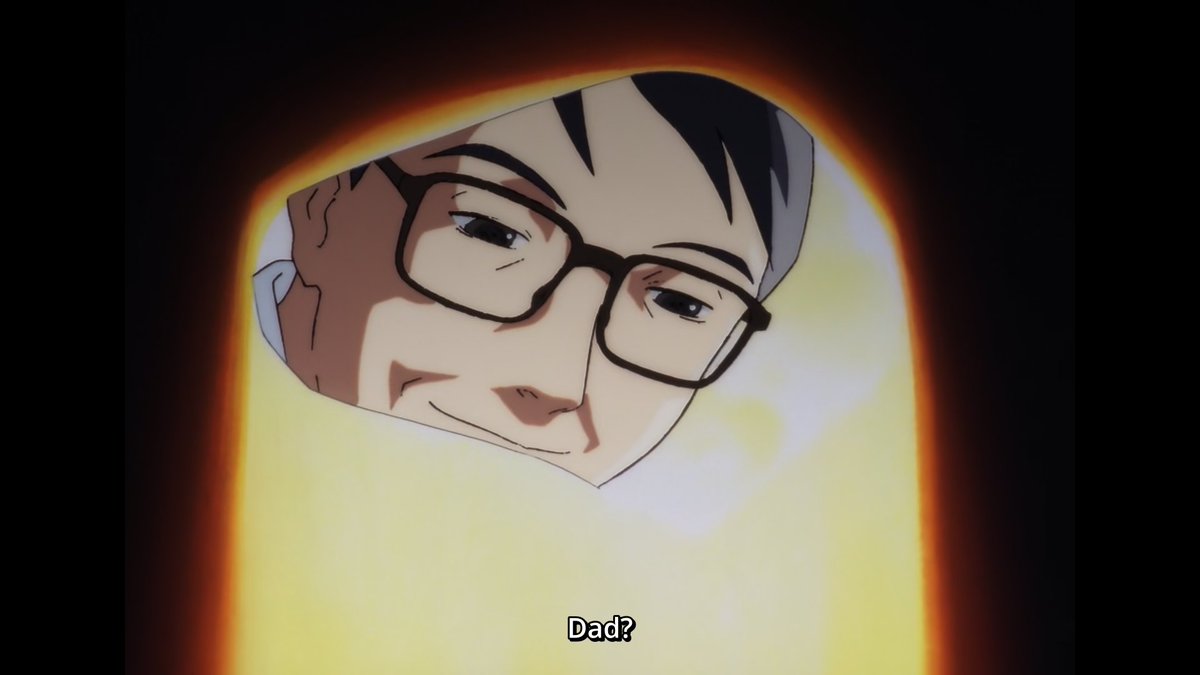
Lain realising herself through humility is an image of our process of theosis and sanctification. The ending to the show is crucial. The world finally forgetting Lain, that is she has become dead to the world through detachment, allows her to finally have conquered the world.

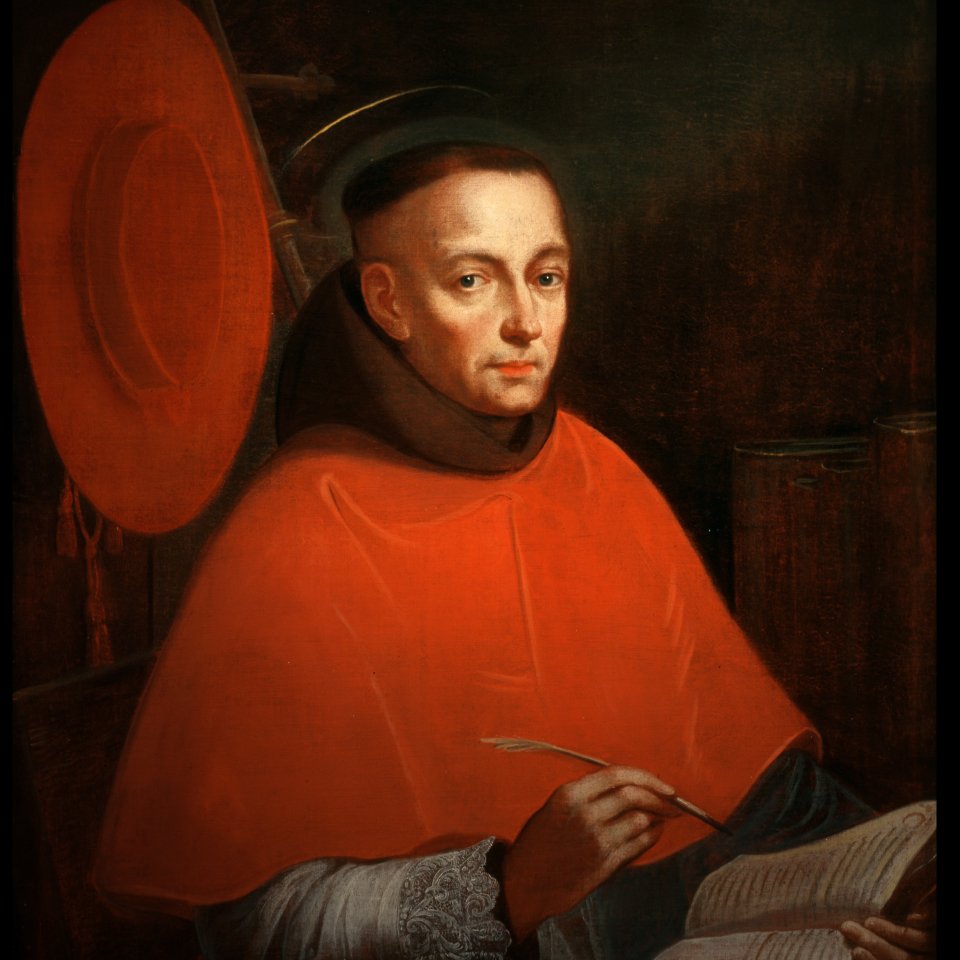
As Meister Eckhart says in one of his most famous, and characteristically harsh, talks of instruction to his Dominican brothers, "Truly, if a man renounced a kingdom or the whole world but held on to himself, he would not have renounced anything. What is more, if a manー

ーrenounces himself, whatsoever else he retains, riches or honours or whatever it may be, he has forsaken everything (Counsel 3).

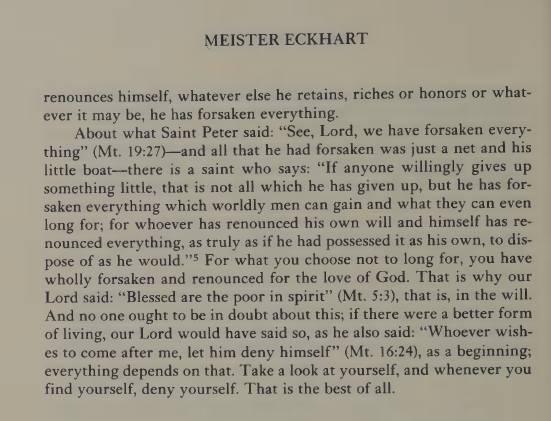
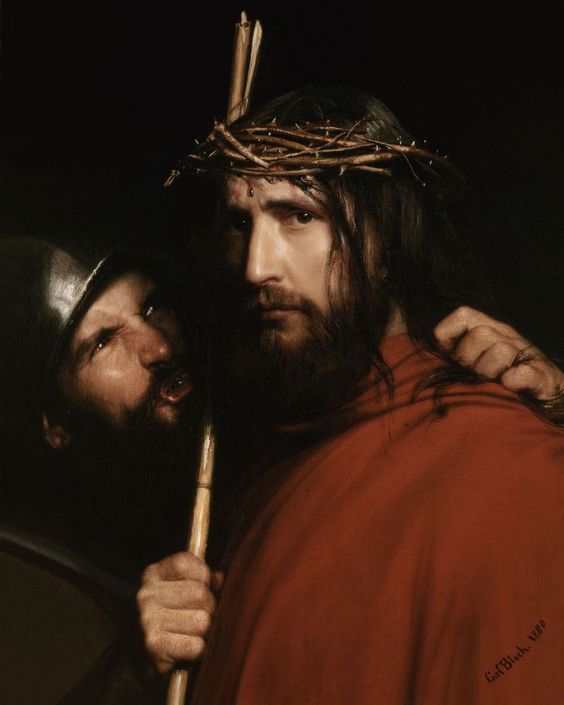
He who desires nothing, possesses all things and grow within himself as an adopted Son of the Most High. It's the tragic reality of many a Saint, to either live in such a way so far removed from the everyday culture, or to be despised by it. But that tragedy makes the Saint.


Masamai Eiri created tried to fashion Lain for explicitly gnostic reasons - for humans to leave their bodies - to escape the prison of the human security system, coerced through the Wired, to become one with Lain through a soteriological shortcut: suicide.
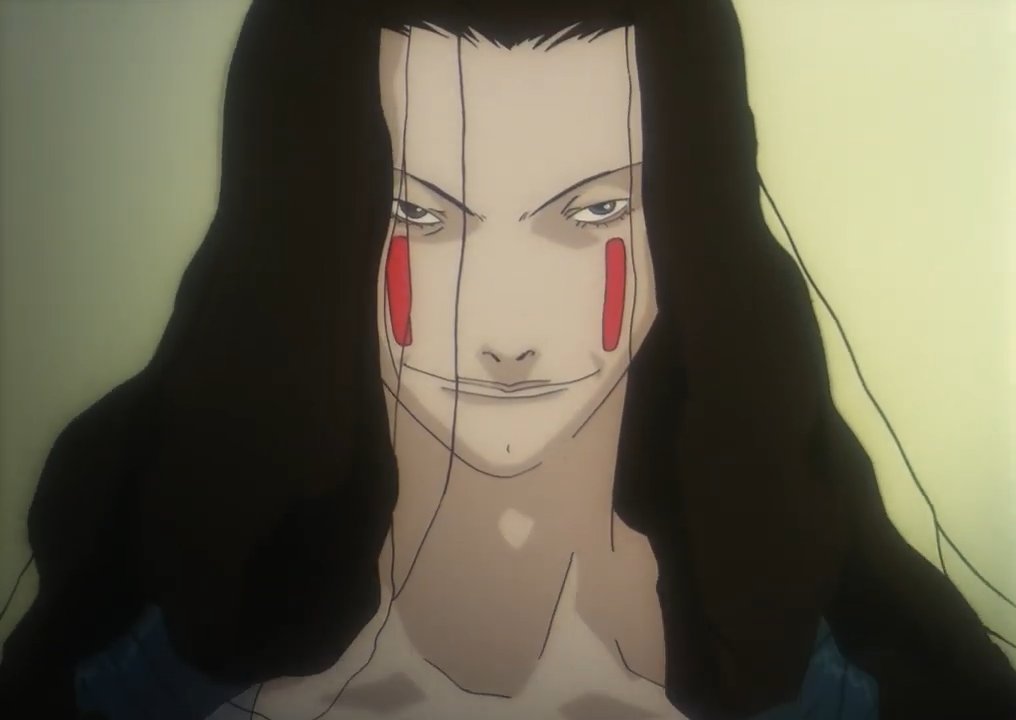

This ought to have appealed to Lain as lonely, craving human contact as she was, latches onto anyone who shows her the slightest bit of love.

Yet, in the end, she commits the ultimate selfless sacrifice by making herself permanently lonely. Lain instead chose to flip this on its head - she sacrificed her individuality, because of her largely unrequited [except for Alice] love for humanity.
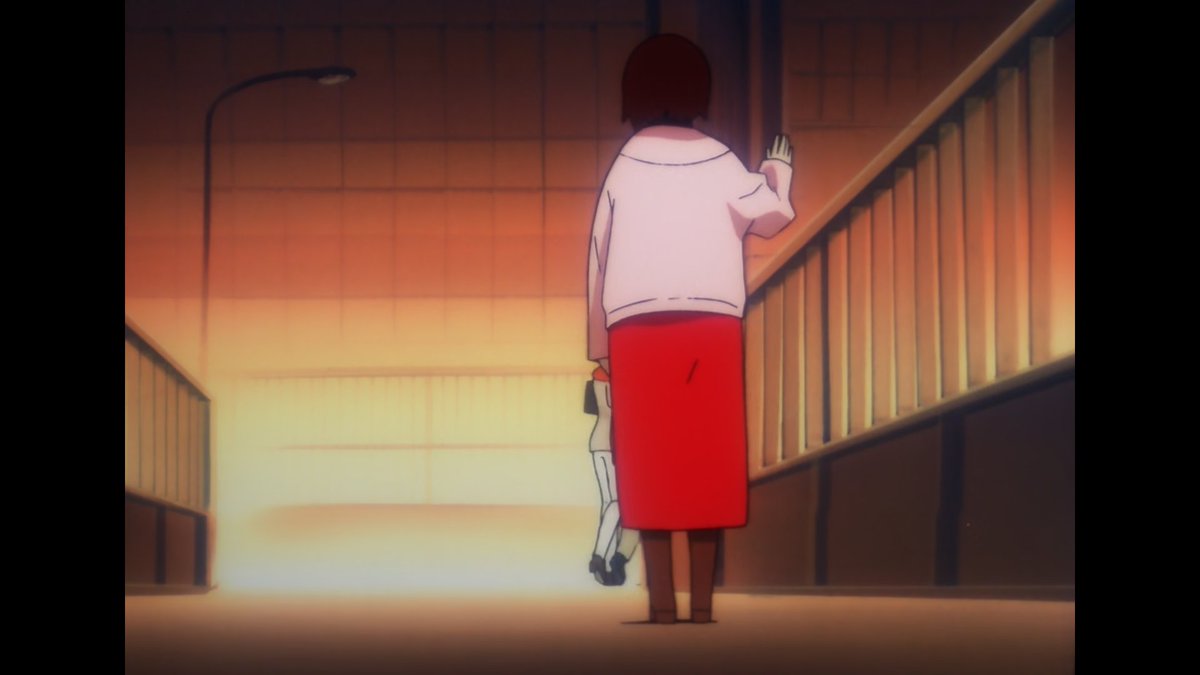
She remains in her human body and refuses to become a god of the renewed universe because she loves all humans. Everyone loves Lain and in return Lain loves all of them, even if they don’t know it and she struggles with this immensely although accepting it.
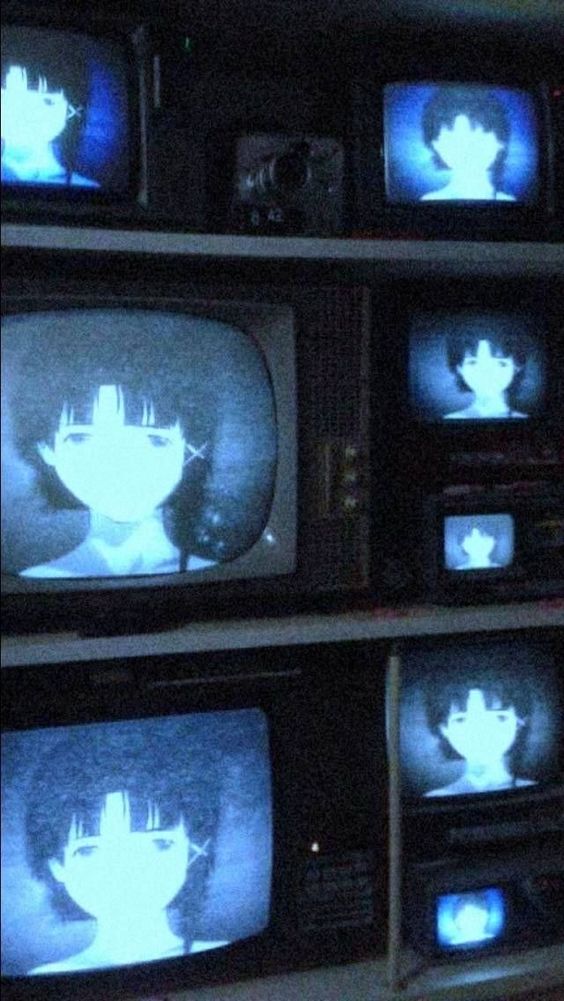
It’s only after being comforted by the image of her father that she can accept her sacrifice and move on with the rest of eternity. She essentially commits kenosis in the most extreme wayー
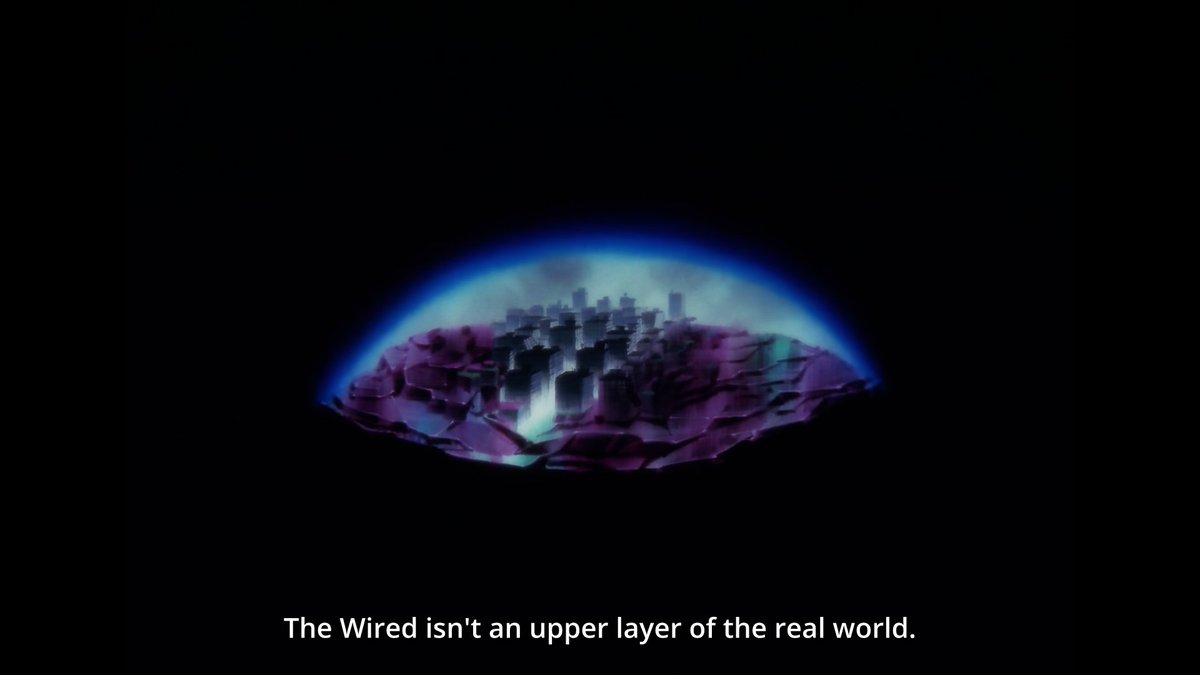
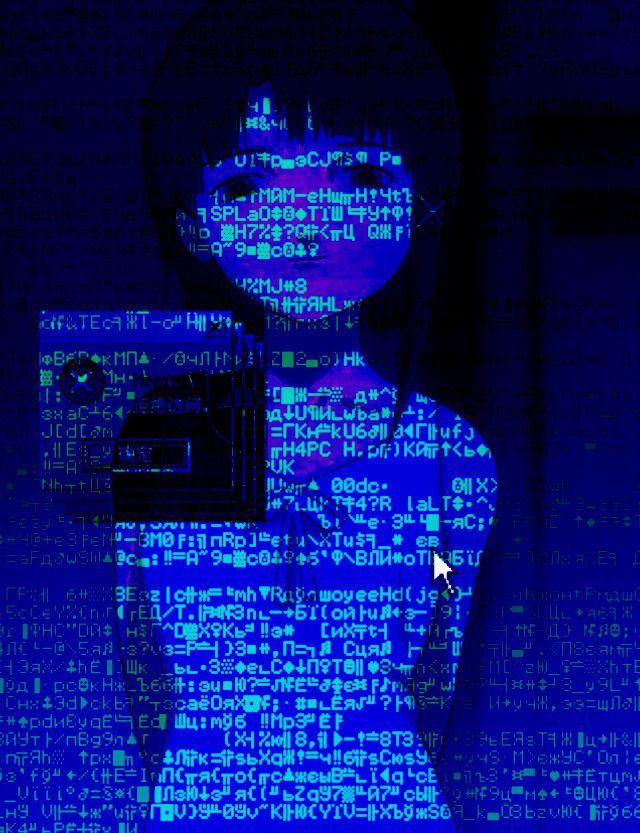
ーbeyond removing herself from the world she removes herself from existence, remembered in recollection faintly by those who were closest to her.
Total apophasis of self.
Total apophasis of self.

Might we put it this way:
Lain becomes dead to the world (cf. Galatians 6:4) in order to truly intercede for the whole world. That is how dearly she loves everyone.
Lain becomes dead to the world (cf. Galatians 6:4) in order to truly intercede for the whole world. That is how dearly she loves everyone.
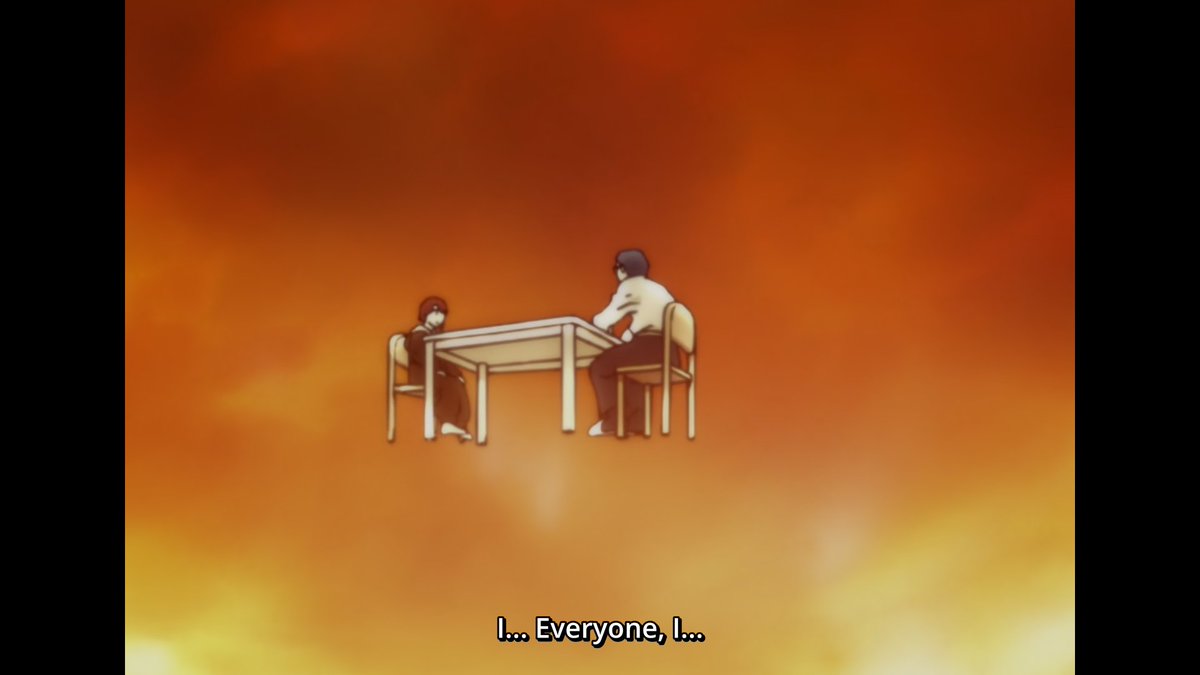
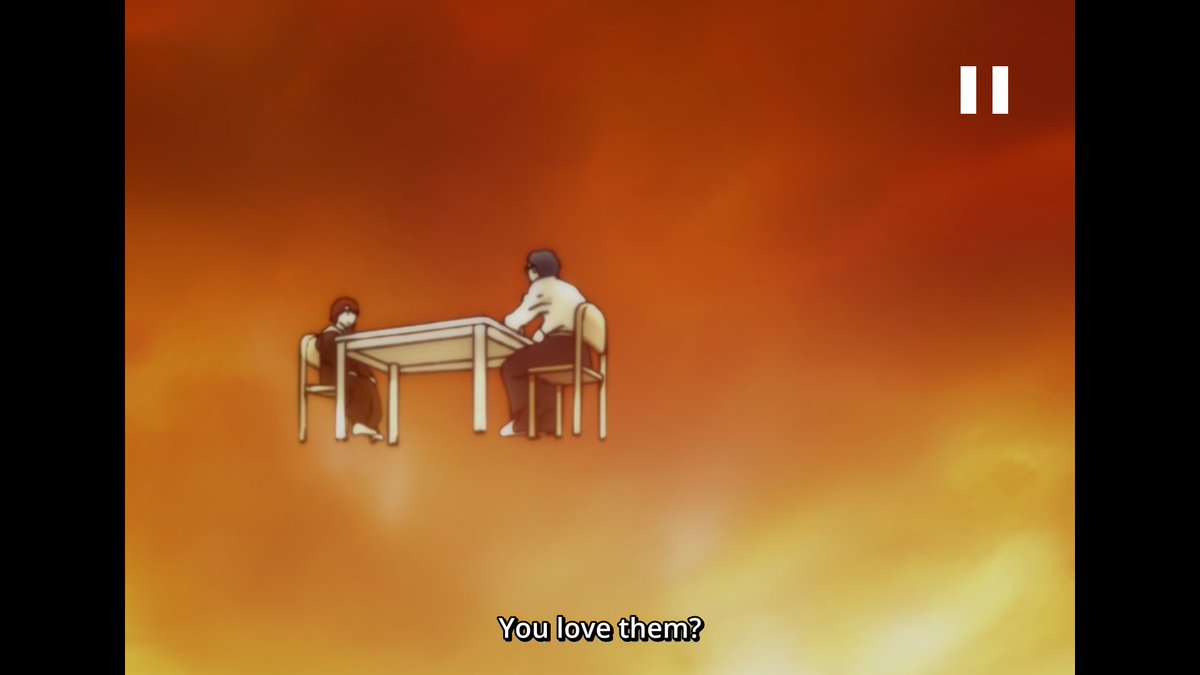
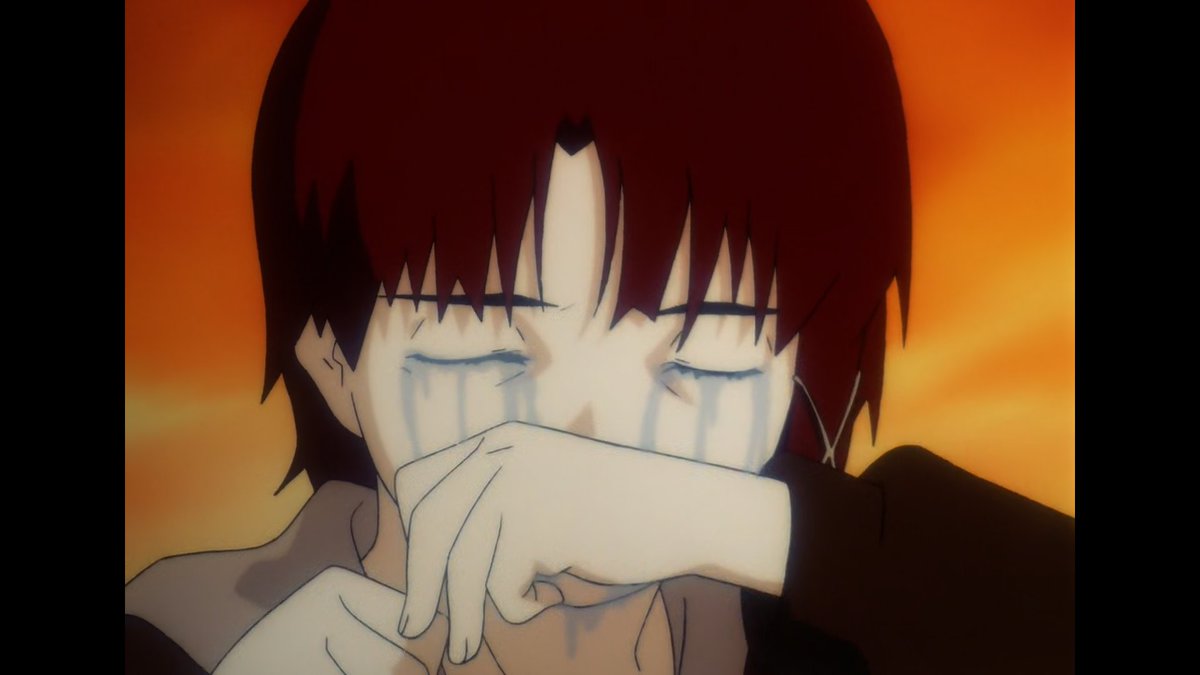
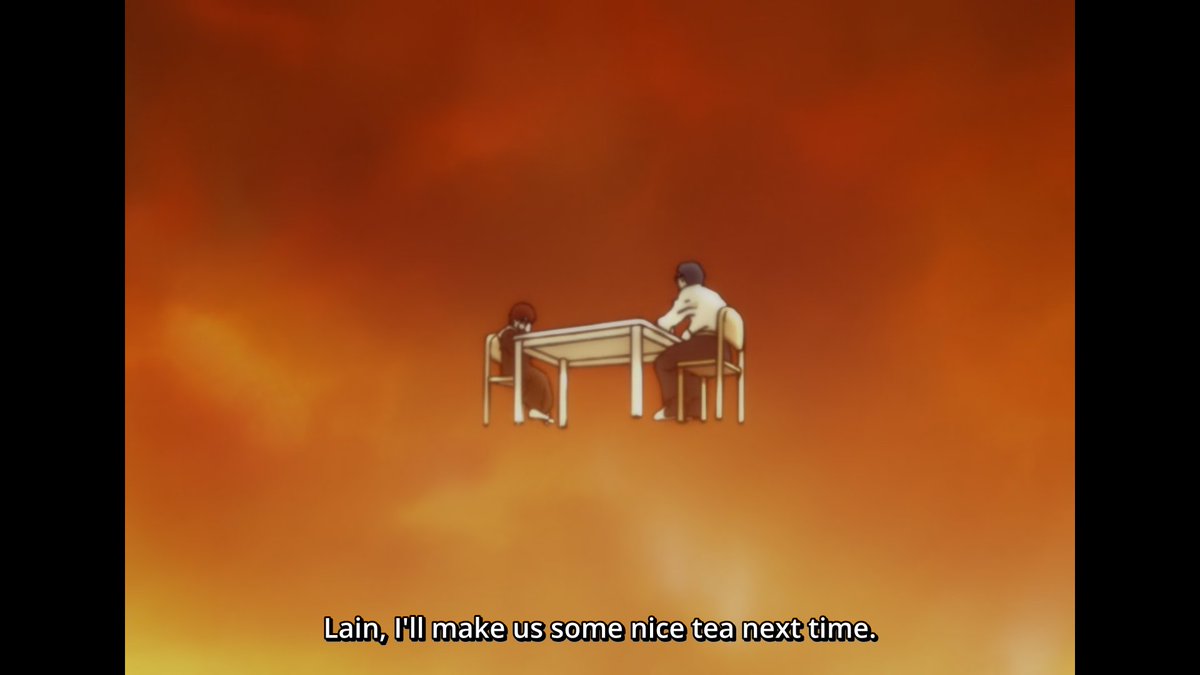
Lain ends Protocol 7 by becoming the fundamental substrate of reality, detached from earthly existence rather than merely the god of the Wired - not becoming the rouge demiurge Eiri wanted her to become.
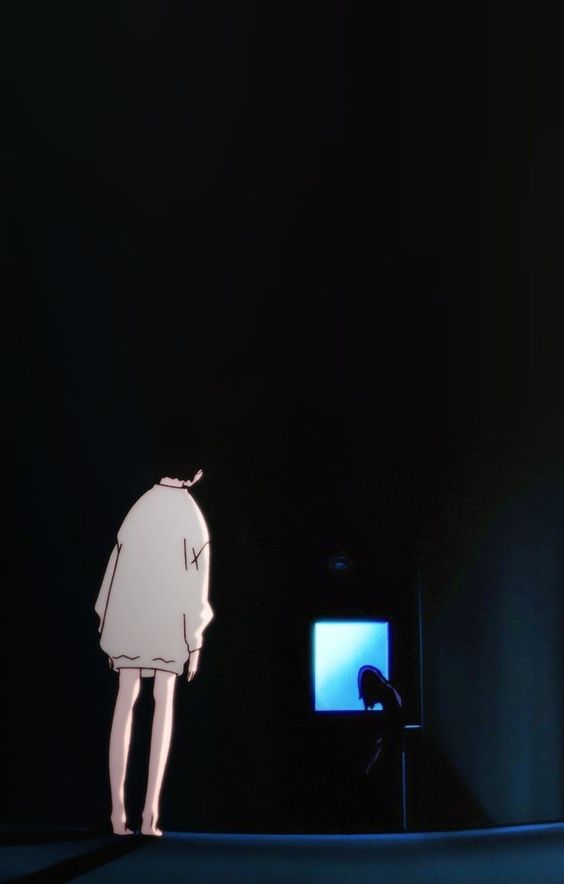
The Gnostic God of the OT as an evil imposter is Masami Eiri and his designs. Or at least he planned to be this and failed. Yet simultaneously it is Eiri who wants to free humans from the prison of their bodies, which is the characteristic other-half of the Gnostic formulationー
ーthe irrational Demiurge created a haphazard reality, evident in the body, that must be overcome. Lain rejects this entire formulation - Lain rebukes the Gnostic proposal and aspect, rejecting that existence in the world is inherently evil in rejecting Eiri.
The imposter here is itself the Gnostic formulation that had already killed countless people in the show from the first episode. This entire dynamic is overturned from ever being a possibility by Lain through kenosis.
However the symbolic conclusion of the show isn't one of beatitude. That would be the case if the show was strictly Christian, or perhaps Lain remains in purgatory? Either way she's stuck in perpetual gloom while the world is safe.
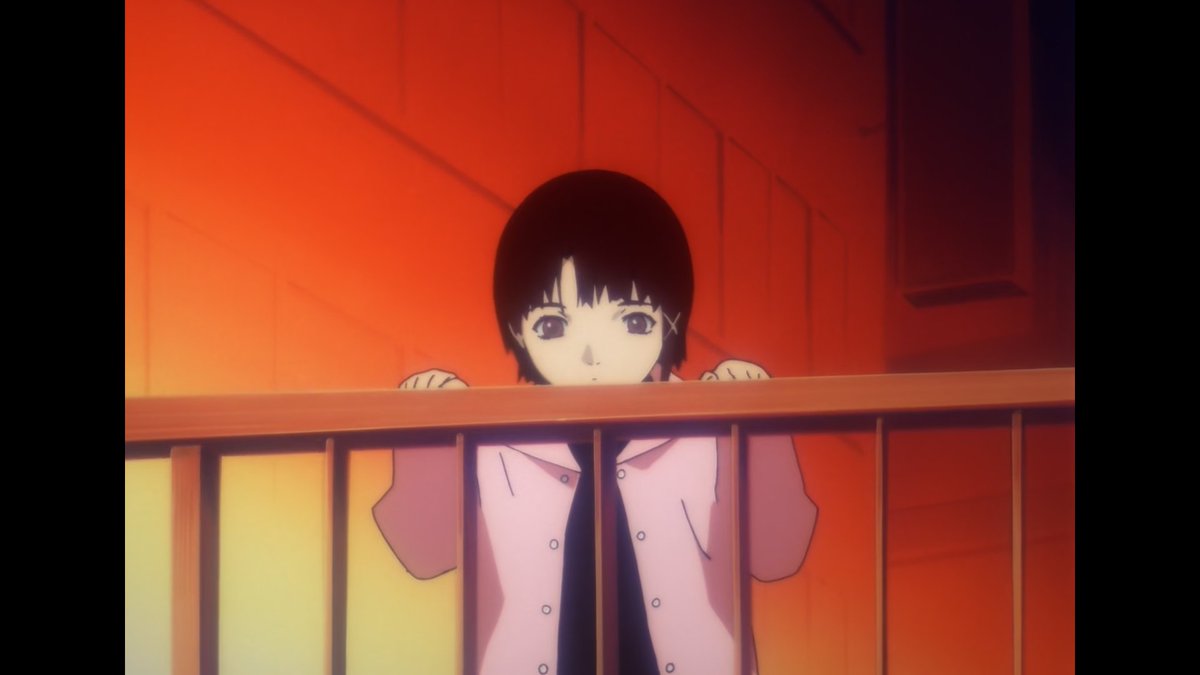
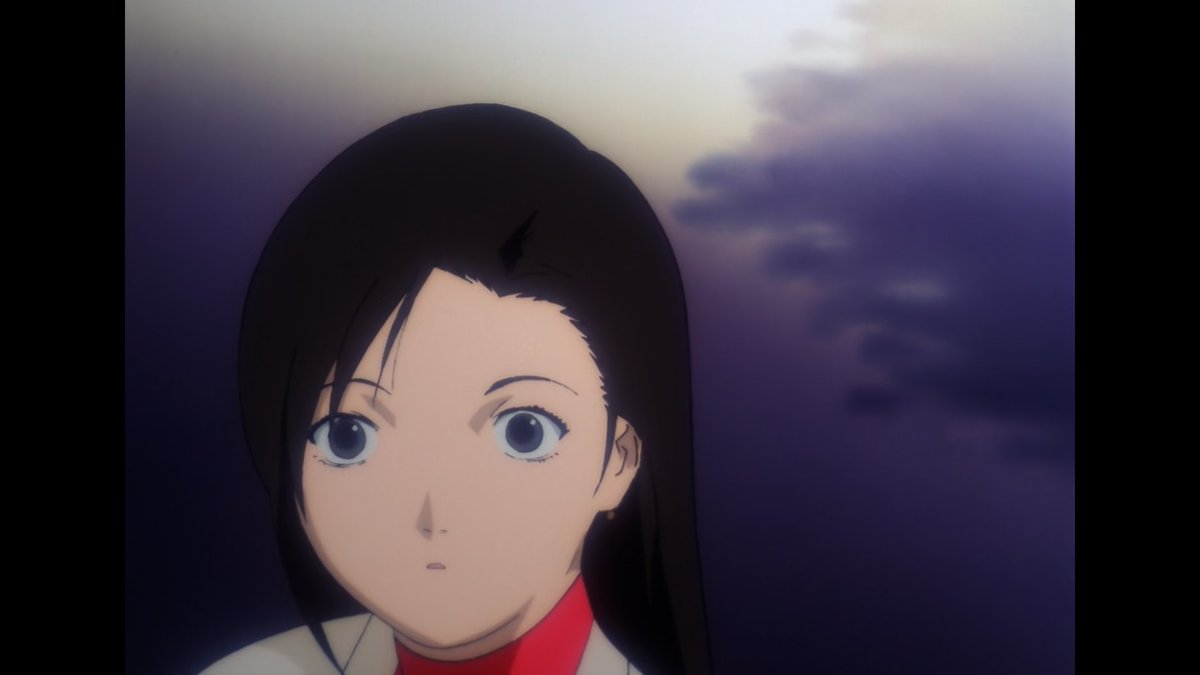
Through Western history, man's subjectivity was an objective entity actually embedded in a historical process that connected him ultimately all the way back to the Hellenes and the like, but the modern individual has no connections to anything but the luminous glow of cyberspace.
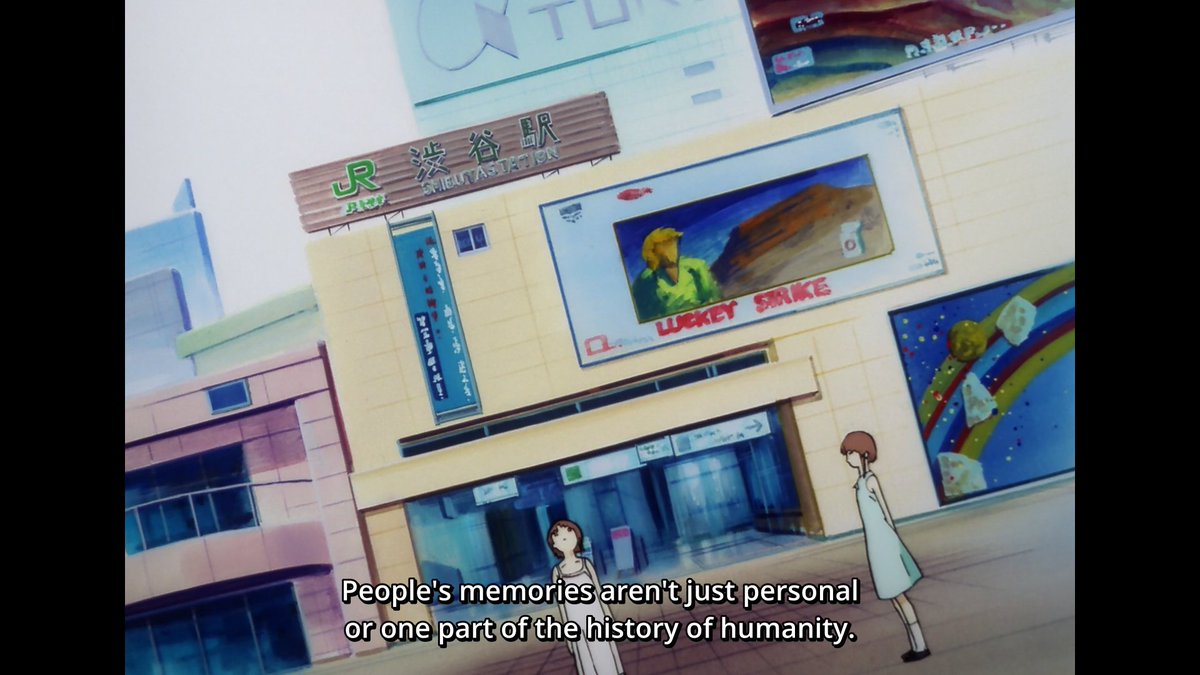
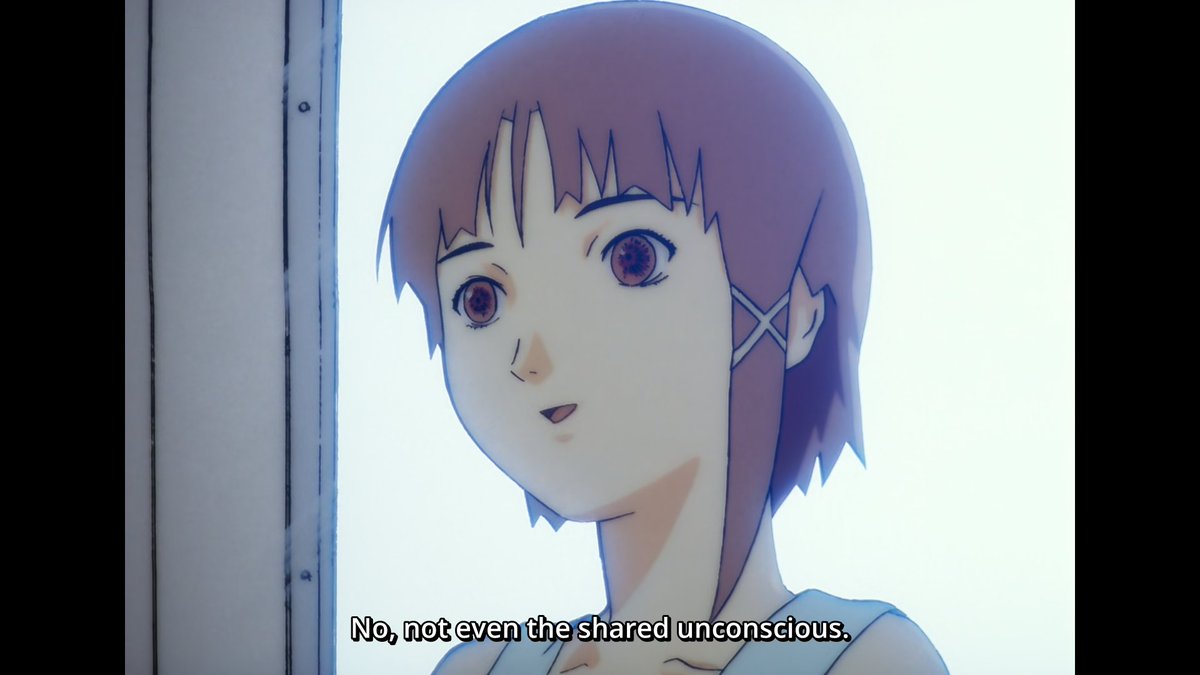
With the annihilation of all geographic distance due to globalising technologies, there is nowhere for the individual to go. The world interior of civilisation now exists on a glowing, self-luminous surface in front of him.
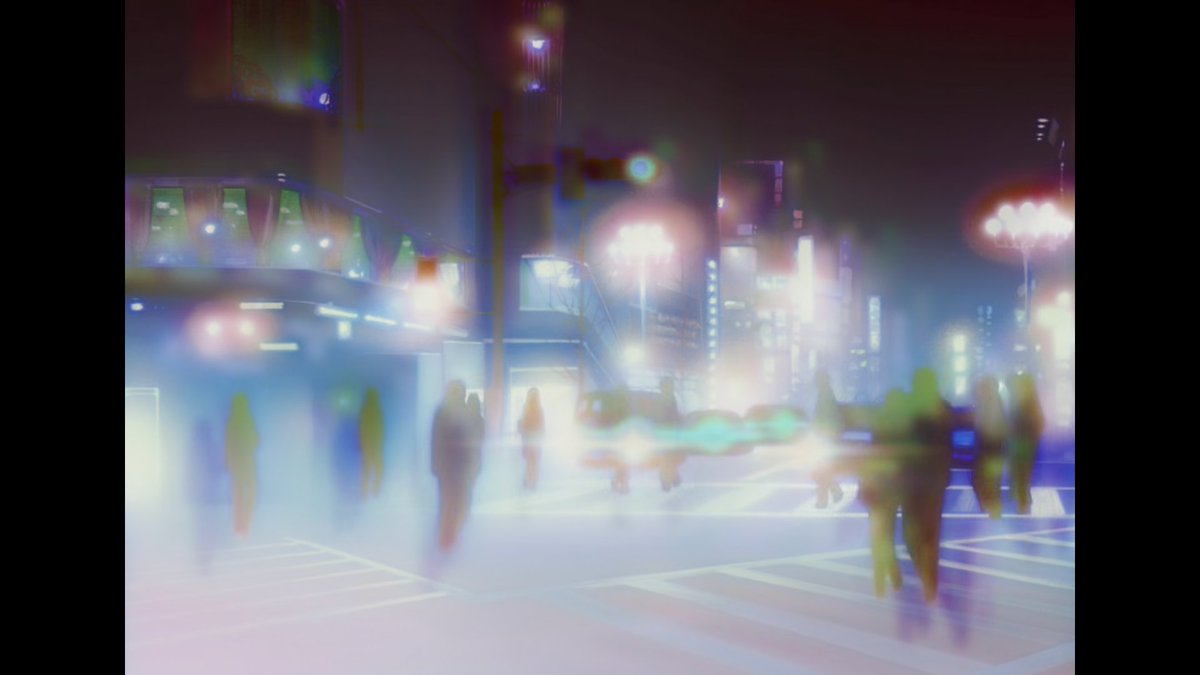
There is, furthermore, "nothing to achieve", since all utopian projects have come to an end with the liquidation of all social formations through the social corrosion of techno-capital works as an engine for.
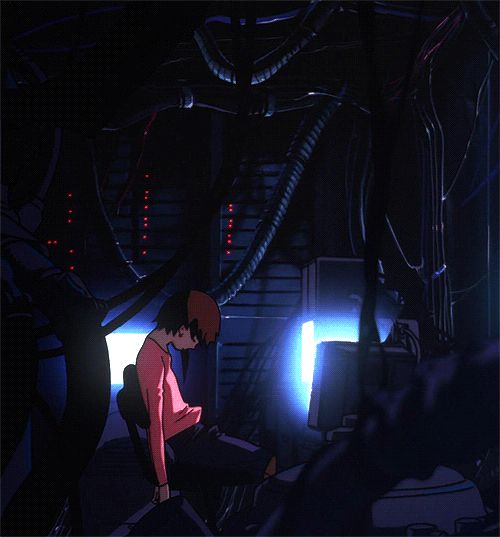
As evil as the gnostic Protocol-7 was, Lain resetting the Wired, and thus also reality itself, traded this Utopian vision for her eternal lonelinessーfor a hypermodern existenceーdisconnected yet fully immersed in the world before her.
Floating discarnate, de-worlded and decontextualised from all world horizons, save Alice who doesn't remember her, Lain has no connection to anything.
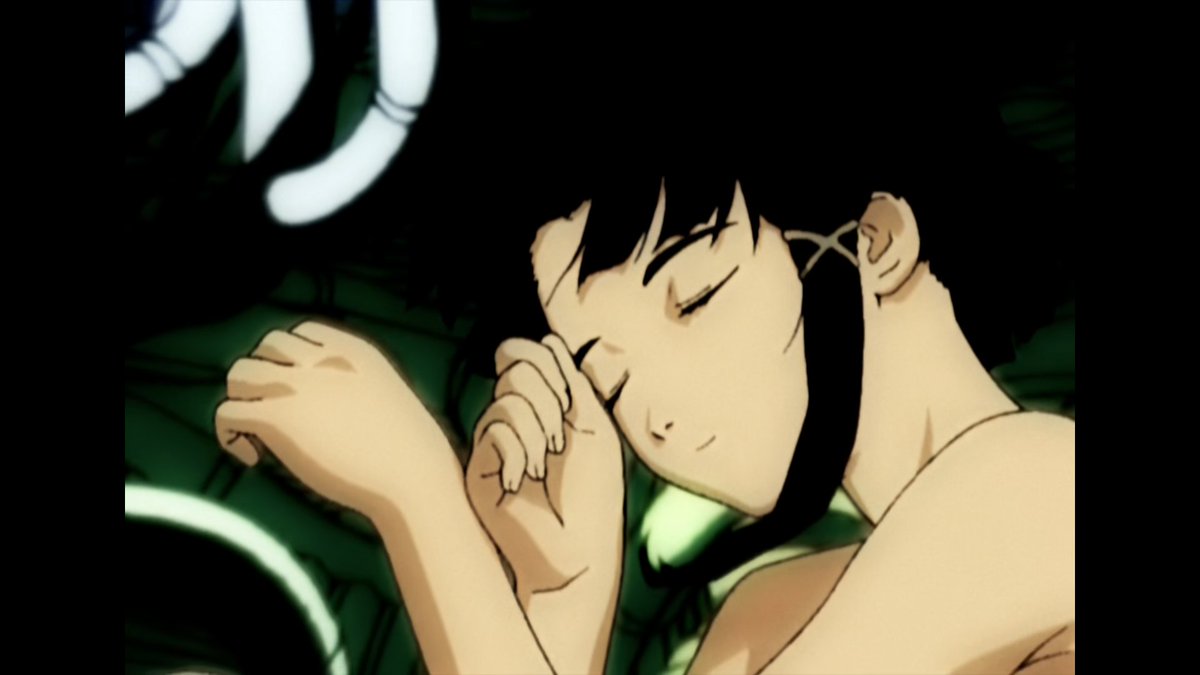
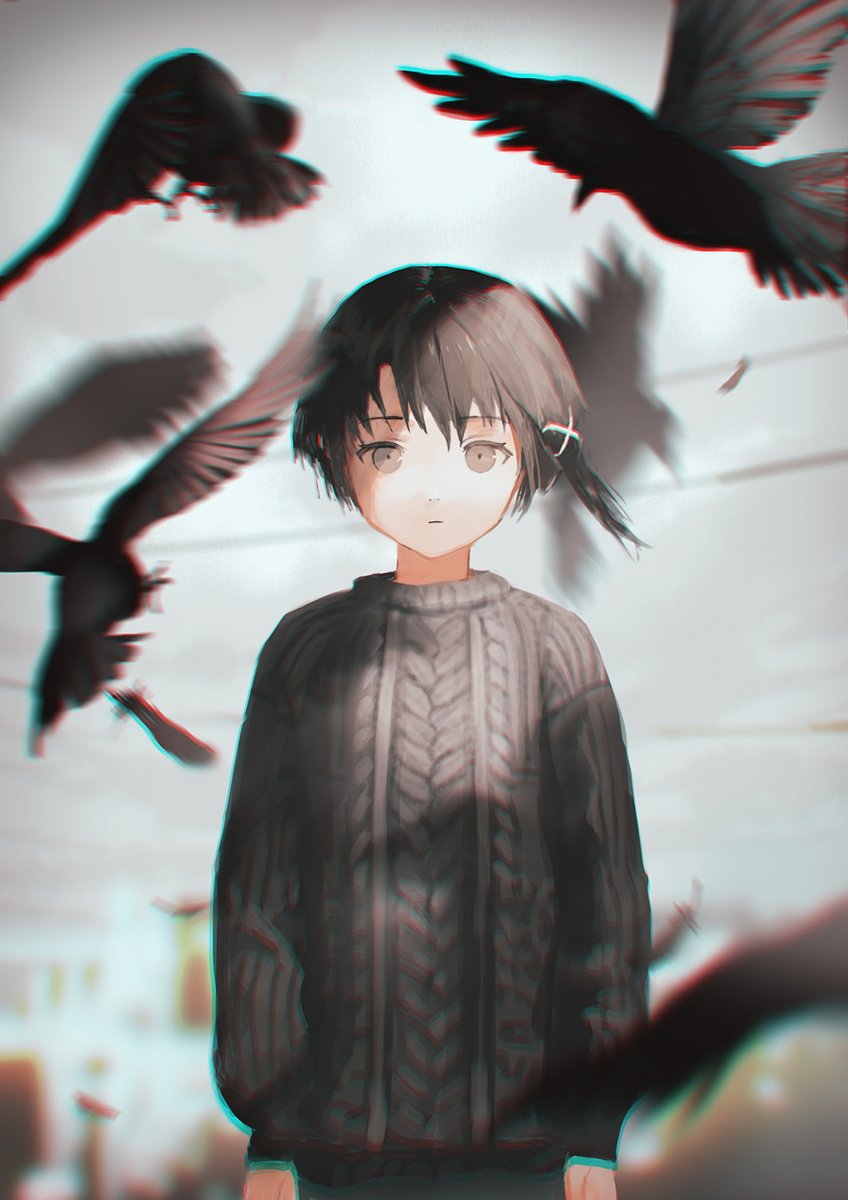
Lain, much like the Hypermodern individual is a world unto herself. Our pilgrimage in this reprobate culture of advanced capitalist modernity should likewise be treated as purgatorial and corrective. Realising the true dignity of our nature through humility.
/fin
@Wired73813850 @piff_jack @driftlesscath
• • •
Missing some Tweet in this thread? You can try to
force a refresh