Read on Twitter
Ayn Rand sold 37 million books BUT did not speak a word of English till 21
Her sprawling novels were rejected by all until one editor risked his job to publish The Fountainhead
The rest is history...
Ayn Rand's big question: Who is destroying our world?
Discover her answer👇🏻 https://t.co/OxlMhlPaBftwitter.com/i/web/status/1…

Her sprawling novels were rejected by all until one editor risked his job to publish The Fountainhead
The rest is history...
Ayn Rand's big question: Who is destroying our world?
Discover her answer👇🏻 https://t.co/OxlMhlPaBftwitter.com/i/web/status/1…

1/ Rand's hero John Galt lists the three signs that mean your society is going downhill FAST:
• Men who produce need permission "from men who produce nothing"
• Money flows to people dealing not in goods but "in favors"
• Men "get richer by graft and by pull than by work"
• Men who produce need permission "from men who produce nothing"
• Money flows to people dealing not in goods but "in favors"
• Men "get richer by graft and by pull than by work"
2/ Ayn Rand’s villains? People who live second-hand
People who don't "want to be great, but to be thought great"
People who don't "want to build, but to be admired as a builder"
People who put the "the impression of doing" over ACTUAL blood and bones action
People who don't "want to be great, but to be thought great"
People who don't "want to build, but to be admired as a builder"
People who put the "the impression of doing" over ACTUAL blood and bones action
3/ The Fountainhead hero Howard Roark on what it's like dealing with someone who is living FOR AND BY social approval:
"The second-hander acts, but the source of his actions is scattered in every other living person. It’s everywhere and nowhere and you can’t reason with him."
"The second-hander acts, but the source of his actions is scattered in every other living person. It’s everywhere and nowhere and you can’t reason with him."
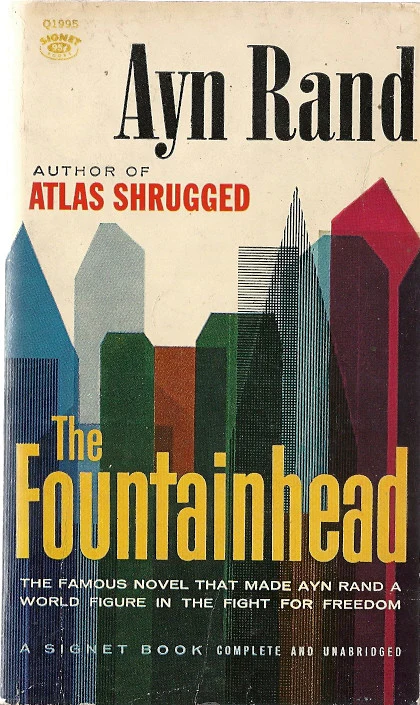
4/ Rand's villains are ossified elites nipping greatness in the bud:
"Set up standards of achievement open to all, to the least, to the most inept—and you stop the impetus to effort in all men, great or small. You stop all incentive to improvement, to excellence, to perfection."
"Set up standards of achievement open to all, to the least, to the most inept—and you stop the impetus to effort in all men, great or small. You stop all incentive to improvement, to excellence, to perfection."

5/ Only Ayn Rand was smart enough to predict that incompetence and an ENVY for excellence will lead to dystopian social outcomes. Orwell thought we'd need total mind control, Huxley thought we'd need a permanently drugged populace, but Rand knew: all you need is resentment
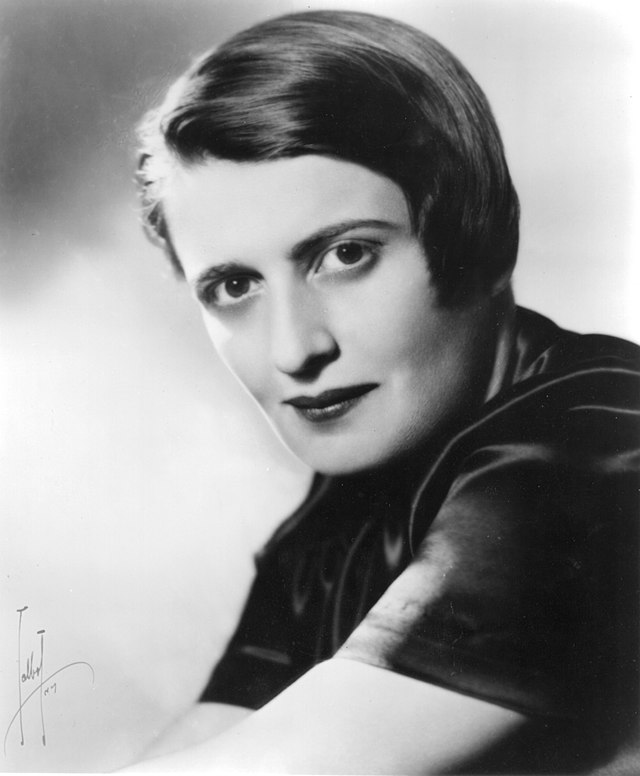
6/ Rand nails the difference between the gold standard and fiat:
“Gold was an objective value, an equivalent of wealth produced. Paper is a mortgage on wealth that does not exist, backed by a gun aimed at those who are expected to produce it."
We ditched gold standard in 1971:
“Gold was an objective value, an equivalent of wealth produced. Paper is a mortgage on wealth that does not exist, backed by a gun aimed at those who are expected to produce it."
We ditched gold standard in 1971:

7/ Money earned via compromise is self-defeating: “Did you get your money by pandering to men’s vices or men’s stupidity? By lowering your standards? By doing work you despise for purchasers you scorn? If so, then your money will not give you a moment’s or a penny’s worth of joy"
8/ Ayn Rand wrote that you will know the real artist by his "love for truth"
The subjective, "art for art's sake" artists pretend to channel "higher mysteries" but their work comes out like "vomit out of a drunkard"
Real art takes effort, discipline, and "tension of mind"
The subjective, "art for art's sake" artists pretend to channel "higher mysteries" but their work comes out like "vomit out of a drunkard"
Real art takes effort, discipline, and "tension of mind"
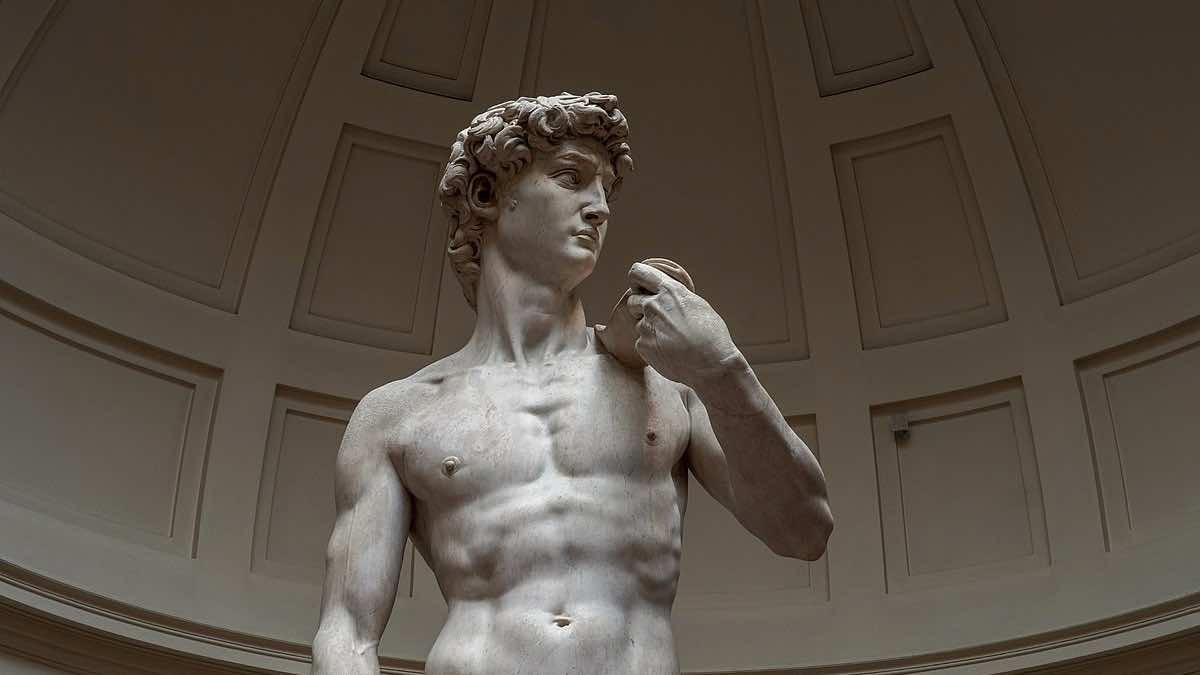

9/ Ayn Rand on what money CAN'T do:
"Money will not buy intelligence for the fool, or admiration for the coward, or respect for the incompetent"
Money is a tool to realize your values and achieve your purpose
It will never tell you WHAT to value or which purpose to seek...
"Money will not buy intelligence for the fool, or admiration for the coward, or respect for the incompetent"
Money is a tool to realize your values and achieve your purpose
It will never tell you WHAT to value or which purpose to seek...
10/ Sex is tied to the soul: “Man’s sexual choice is the result and the sum of his fundamental convictions. Tell me what a man finds sexually attractive; I will tell you his entire philosophy of life. Show me the woman he sleeps with and I will tell you his valuation of himself"

Ayn Rand wrote to H.L. Mencken, a provocative newspaper editor:
You are someone "I admire as the greatest representative of a philosophy to which I want to dedicate my whole life" (1934)
Here's Mencken on the ugly underbelly of democracy:
new.memod.com/MrOldBooks/why…
You are someone "I admire as the greatest representative of a philosophy to which I want to dedicate my whole life" (1934)
Here's Mencken on the ugly underbelly of democracy:
new.memod.com/MrOldBooks/why…
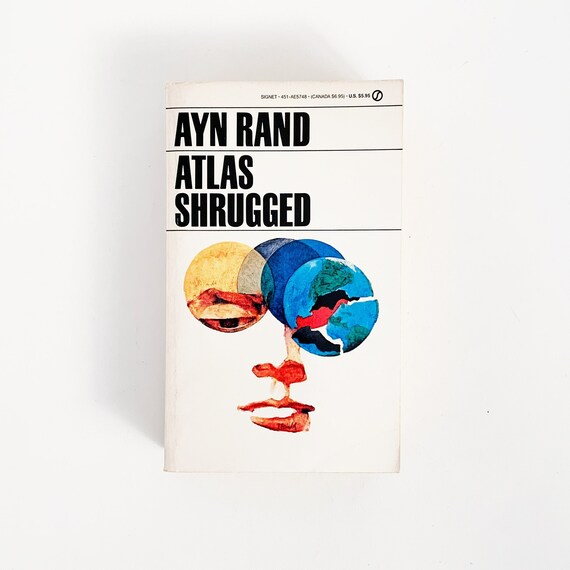
11/ Ayn Rand's mysterious hero John Galt: "Do not let your fire go out, spark by irreplaceable spark, in the hopeless swamps of the approximate, the not-quite, the not-yet, the not-at-all. The world you desired can be won, it exists, it is real, it is possible, it’s yours."
Thank you for reading fren!
I appreciate your time
If you found the thread insightful
Do RT
Rand-pill your timeline👇🏻
https://t.co/rqIhLMfMCK
I appreciate your time
If you found the thread insightful
Do RT
Rand-pill your timeline👇🏻
https://t.co/rqIhLMfMCK
https://twitter.com/oldbooksguy/status/1685710650008653824?s=20

• • •
Missing some Tweet in this thread? You can try to
force a refresh