
 Read on Twitter
Designed to imitate the heavens, Islamic gardens are lush oases of scent, water and sacred geometry. They are a cool place of rest and a reminder of paradise.
Here are 20 beautiful Islamic gardens from across the world…
A thread…
Here are 20 beautiful Islamic gardens from across the world…
A thread…

1/ Gardens at Alcázar of Seville, Spain
These lesser known gardens are mesmerising in their own right. Built by the Moorish Muslim kings, today the Alcázar of Seville is considered to be one of the world’s most impressive examples of Mudéjar architecture.
These lesser known gardens are mesmerising in their own right. Built by the Moorish Muslim kings, today the Alcázar of Seville is considered to be one of the world’s most impressive examples of Mudéjar architecture.

2/ Nishat Bagh (Urdu: نشاط باغ) Jammu and Kashmir
Built in 1663, it is the second largest Mughal garden in the Kashmir Valley. ‘Nishat Bagh’ is Urdu, and means the "Garden of Joy," "Garden of Gladness" and "Garden of Delight.
Built in 1663, it is the second largest Mughal garden in the Kashmir Valley. ‘Nishat Bagh’ is Urdu, and means the "Garden of Joy," "Garden of Gladness" and "Garden of Delight.

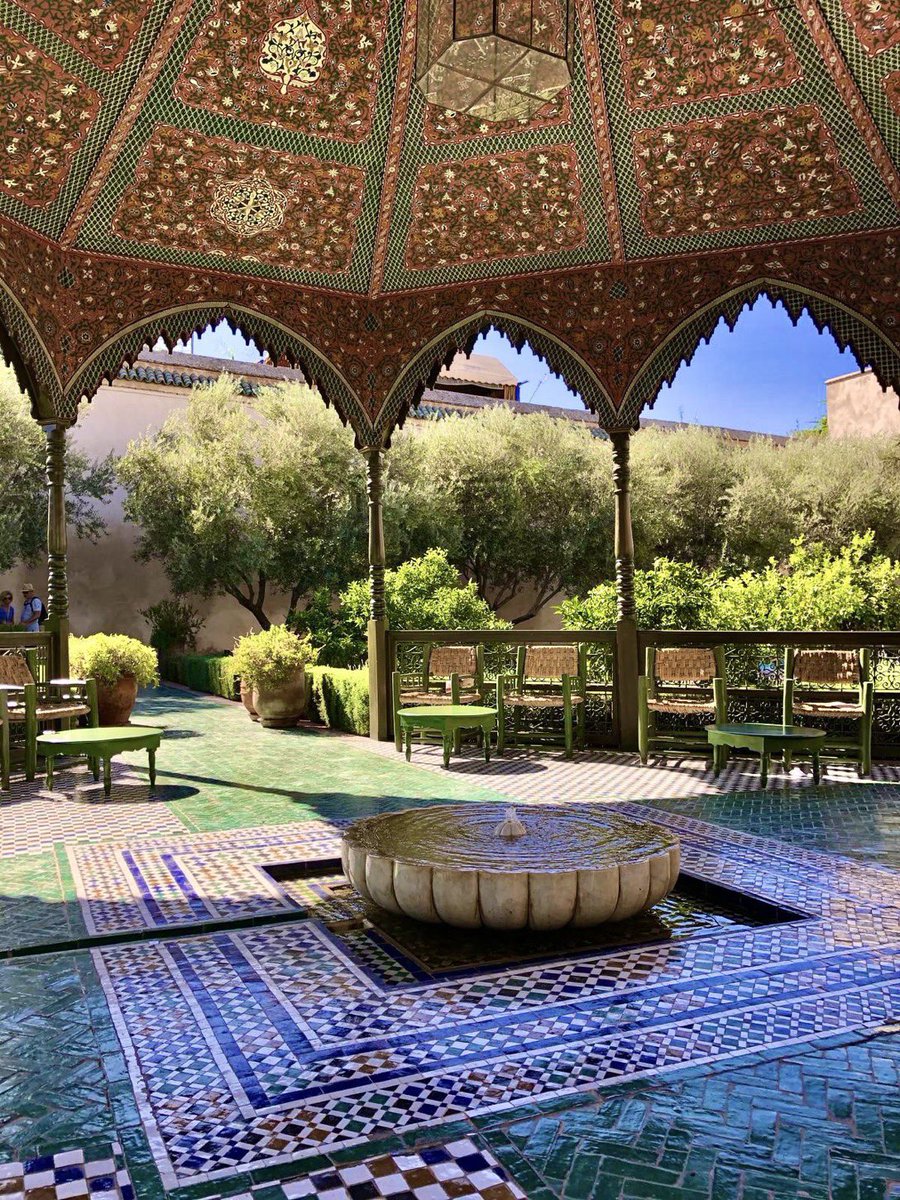
3/ Le Jardin Secret, Marrakech, Morocco.
Hidden within the narrow Marrakech streets is a extraordinary Islamic garden, it’s initial foundations dated from the 16th century, restored in 2016, it is now open to the public.
Hidden within the narrow Marrakech streets is a extraordinary Islamic garden, it’s initial foundations dated from the 16th century, restored in 2016, it is now open to the public.
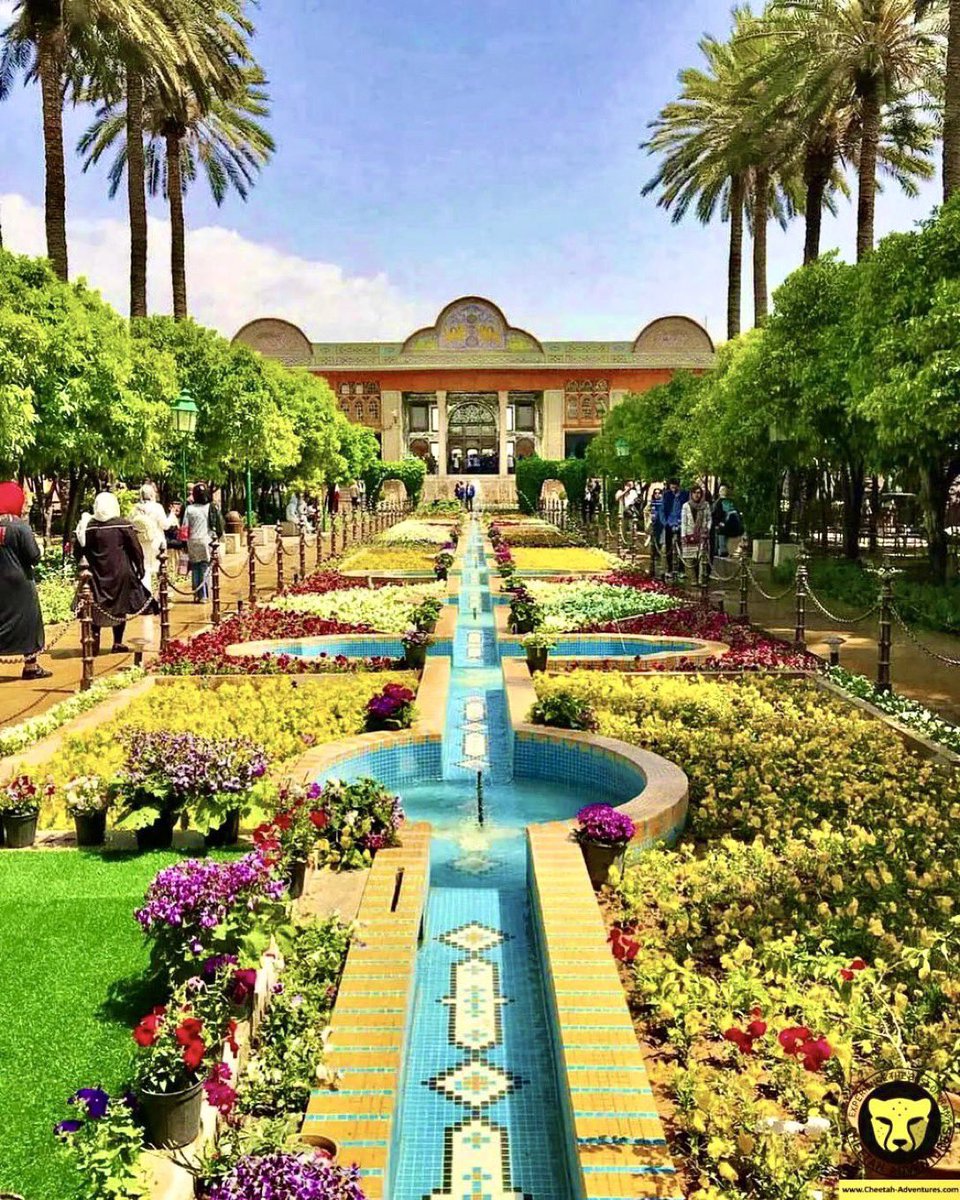
4/ Naranjestan Garden ( Bagh-e Naranjestan)
Narenjestan garden is one of the 9 Iranian gardens considered a UNESCO world heritage site. This stunning Qatar era garden was used for parties and receiving formal guests by Ghavam family and gets its name from its sour orange trees.
Narenjestan garden is one of the 9 Iranian gardens considered a UNESCO world heritage site. This stunning Qatar era garden was used for parties and receiving formal guests by Ghavam family and gets its name from its sour orange trees.
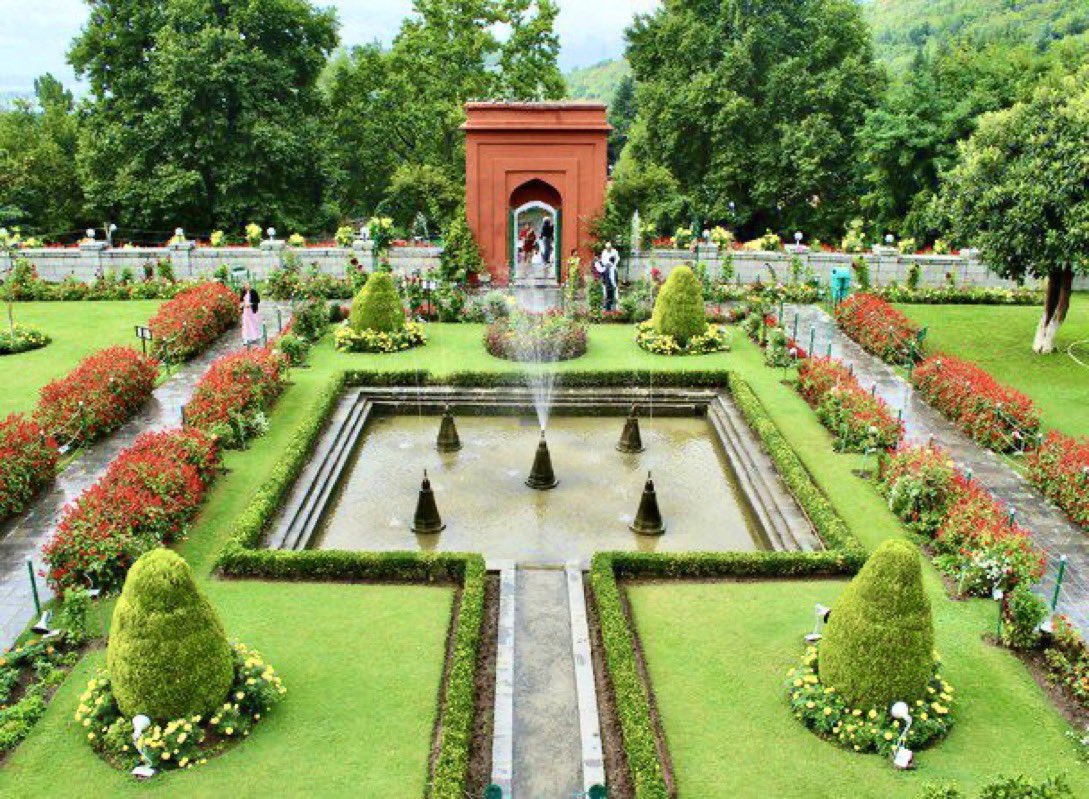
5/ The Shalimar Gardens, Lahore, Pakistan
Gardens date from the period when the Mughal Empire was at its artistic & aesthetic zenith & are a popular tourist destinations. They were laid out as a Persian paradise garden intended to create a representation of an earthly utopia.
Gardens date from the period when the Mughal Empire was at its artistic & aesthetic zenith & are a popular tourist destinations. They were laid out as a Persian paradise garden intended to create a representation of an earthly utopia.
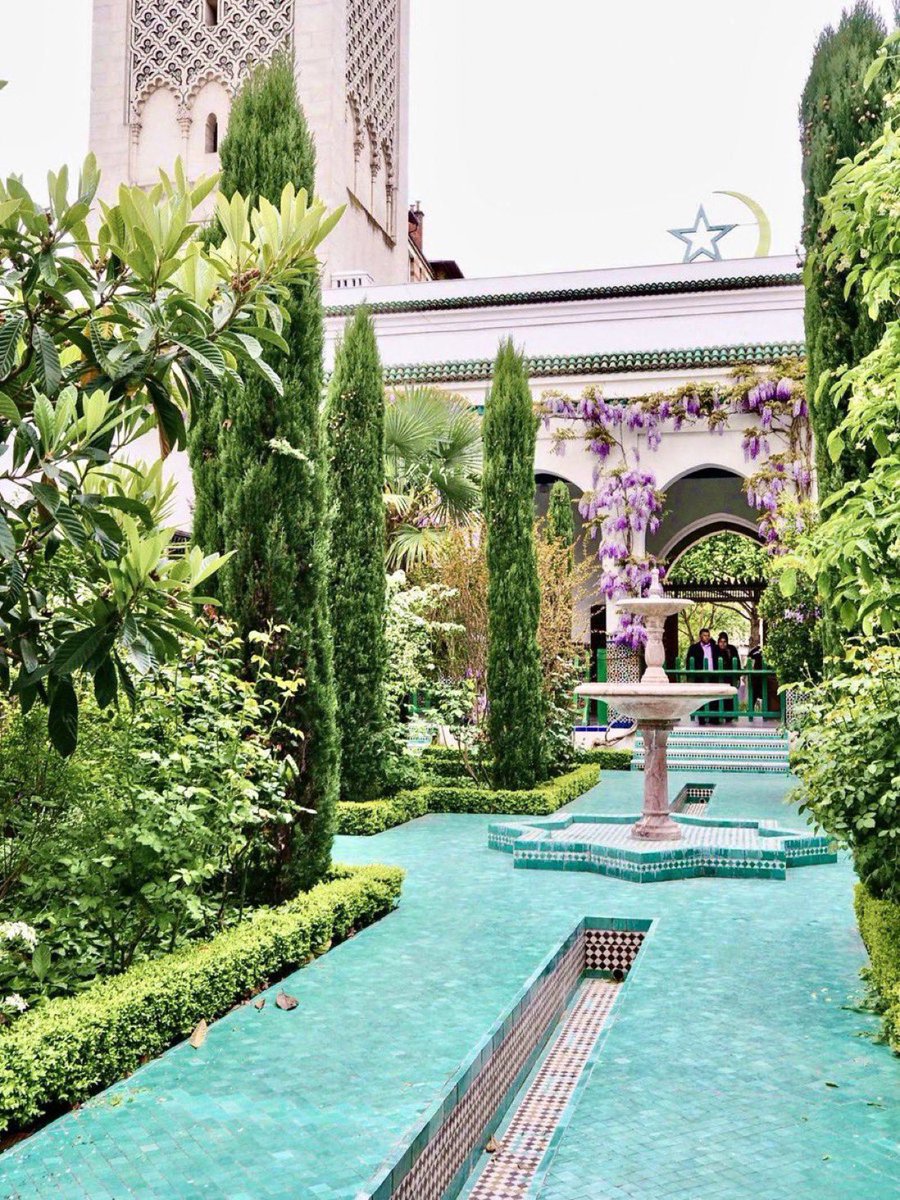
6/ The Great Mosque of Paris Gardens, France
The garden of the Mosque is inspired by the Alhambra in Grenada; and in the patio surrounded by finely sculpted arches. The mosque was built to pay tribute to the 100,000 Muslim fighters who died for France in the First World War.
The garden of the Mosque is inspired by the Alhambra in Grenada; and in the patio surrounded by finely sculpted arches. The mosque was built to pay tribute to the 100,000 Muslim fighters who died for France in the First World War.
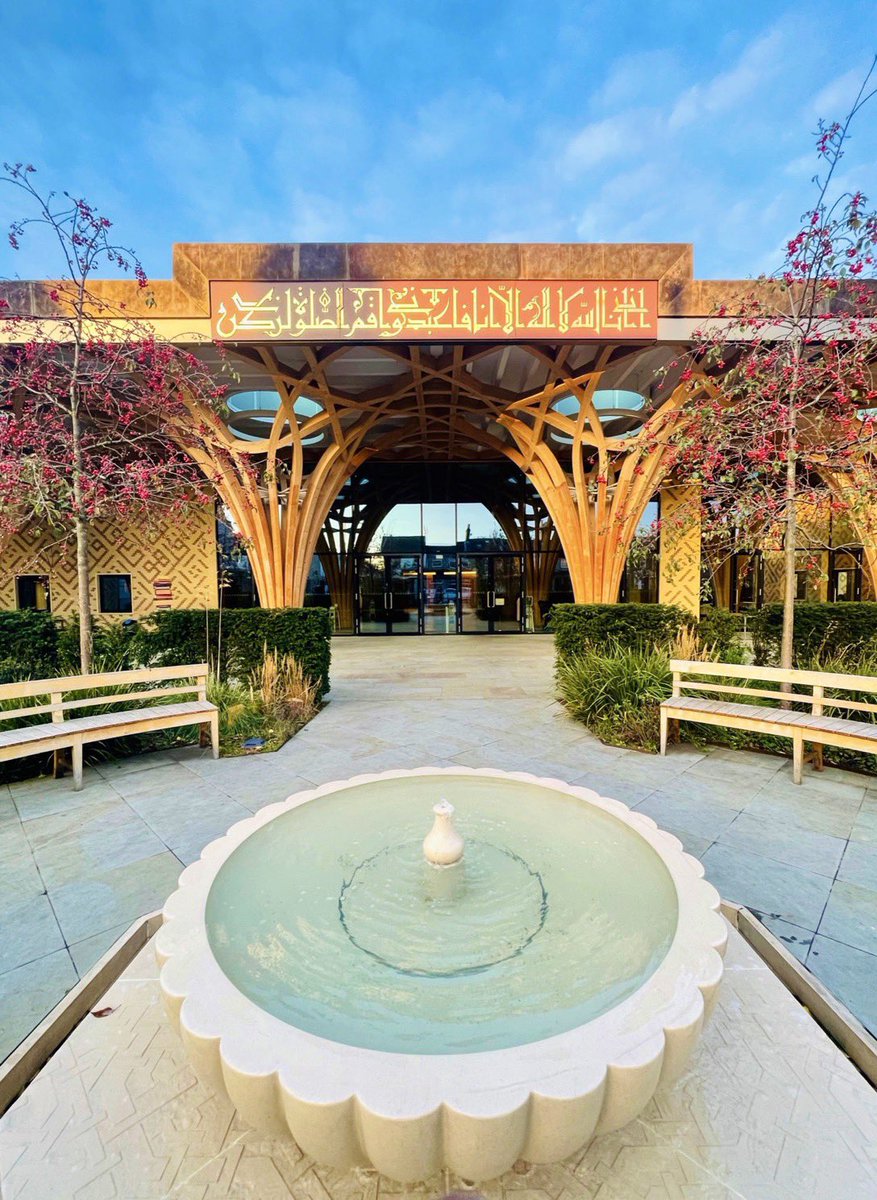
7/ Gardens @CambCentMosque
A harmonious balance between Islamic structure & relaxed English herbaceous and naturalistic planting. A concern for sustainability, biodiversity & insect-friendly planting is also a constant theme.
A harmonious balance between Islamic structure & relaxed English herbaceous and naturalistic planting. A concern for sustainability, biodiversity & insect-friendly planting is also a constant theme.
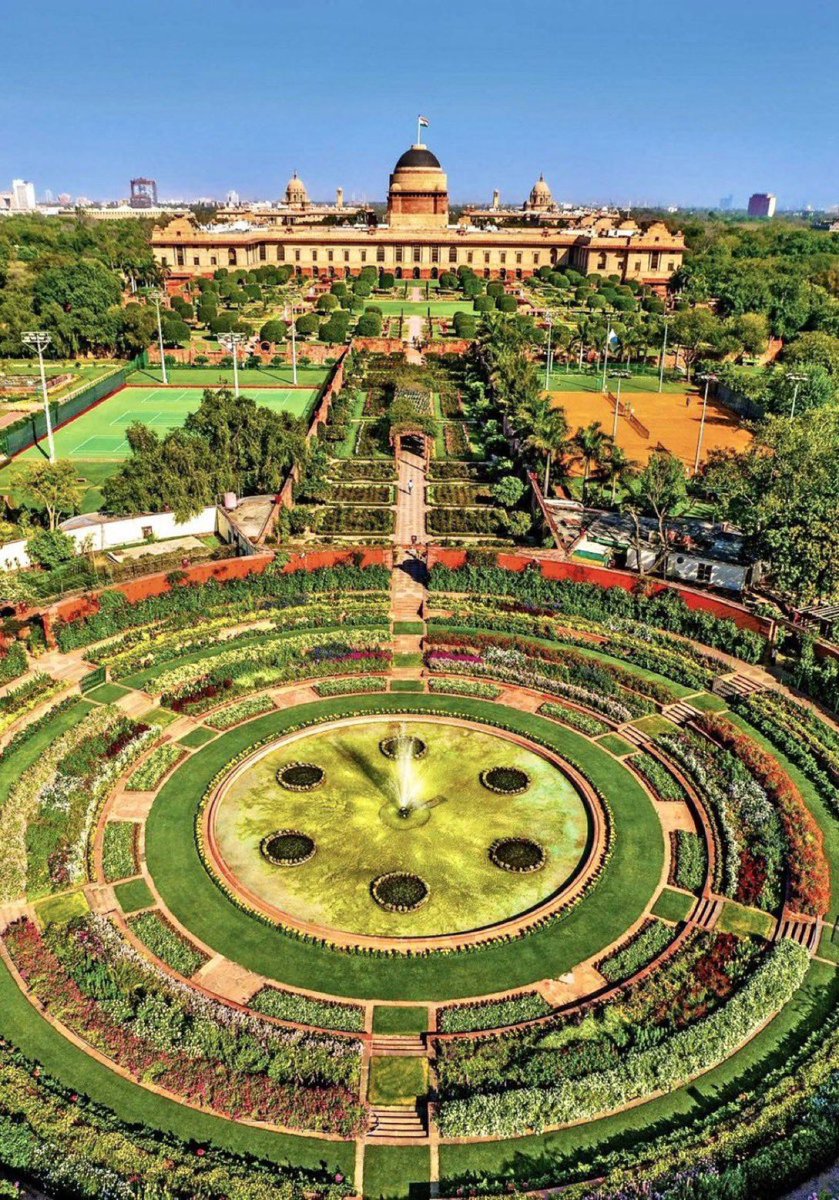
@CambCentMosque 8/ Mughal Gardens, Rashtrapati Bhavan
Spread over 15 acres it has often been portrayed, as the soul of the Presidential Palace. It draws its inspiration from the Mughal Gardens of Jammu and Kashmir, the gardens around the Taj Mahal & miniature paintings of India and Persia.
Spread over 15 acres it has often been portrayed, as the soul of the Presidential Palace. It draws its inspiration from the Mughal Gardens of Jammu and Kashmir, the gardens around the Taj Mahal & miniature paintings of India and Persia.
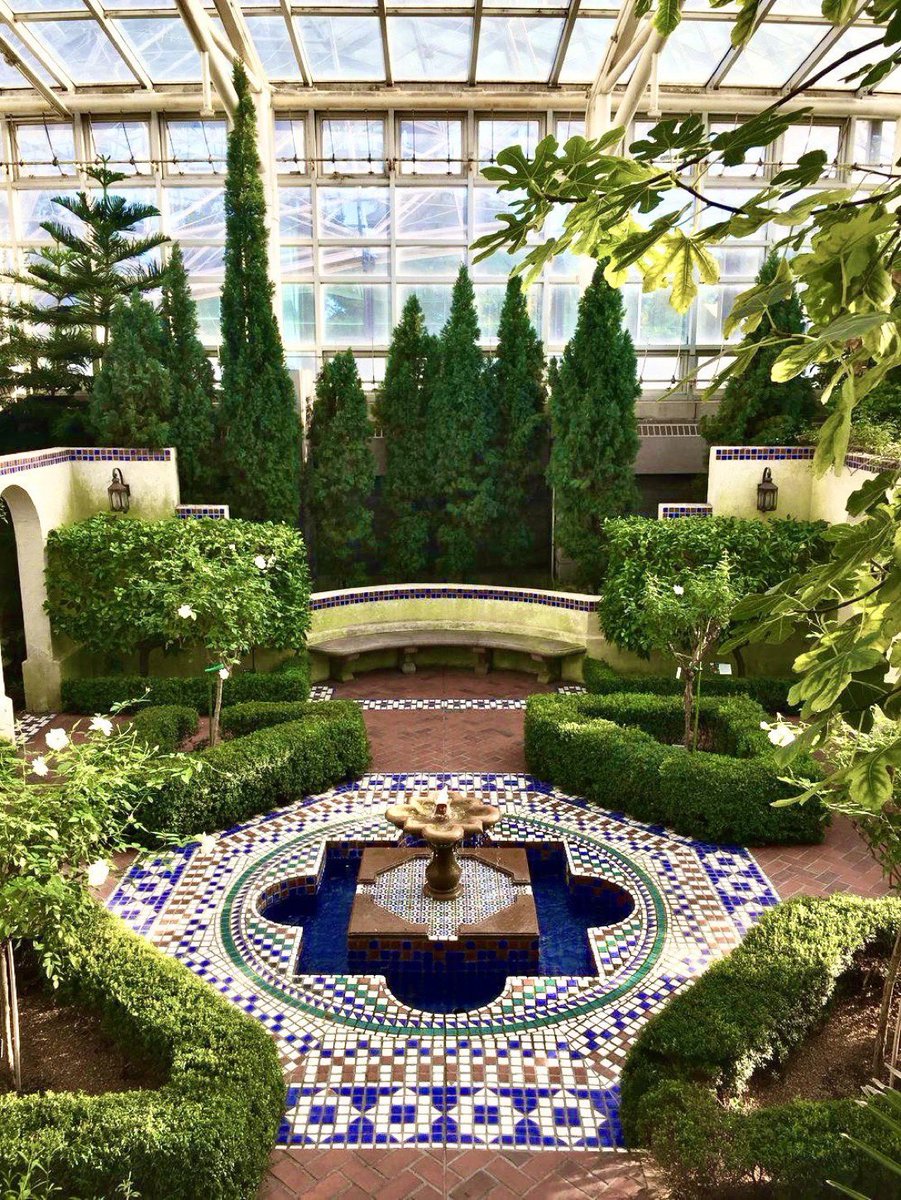
@CambCentMosque 9/ The Arab Garden at the Missouri Botanical Garden
Founded in 1859, the Missouri Botanical Garden is a center for botanical research and science education, as well as an oasis in the city of St. Louis. The Garden offers 79 acres of beautiful horticultural display.
Founded in 1859, the Missouri Botanical Garden is a center for botanical research and science education, as well as an oasis in the city of St. Louis. The Garden offers 79 acres of beautiful horticultural display.
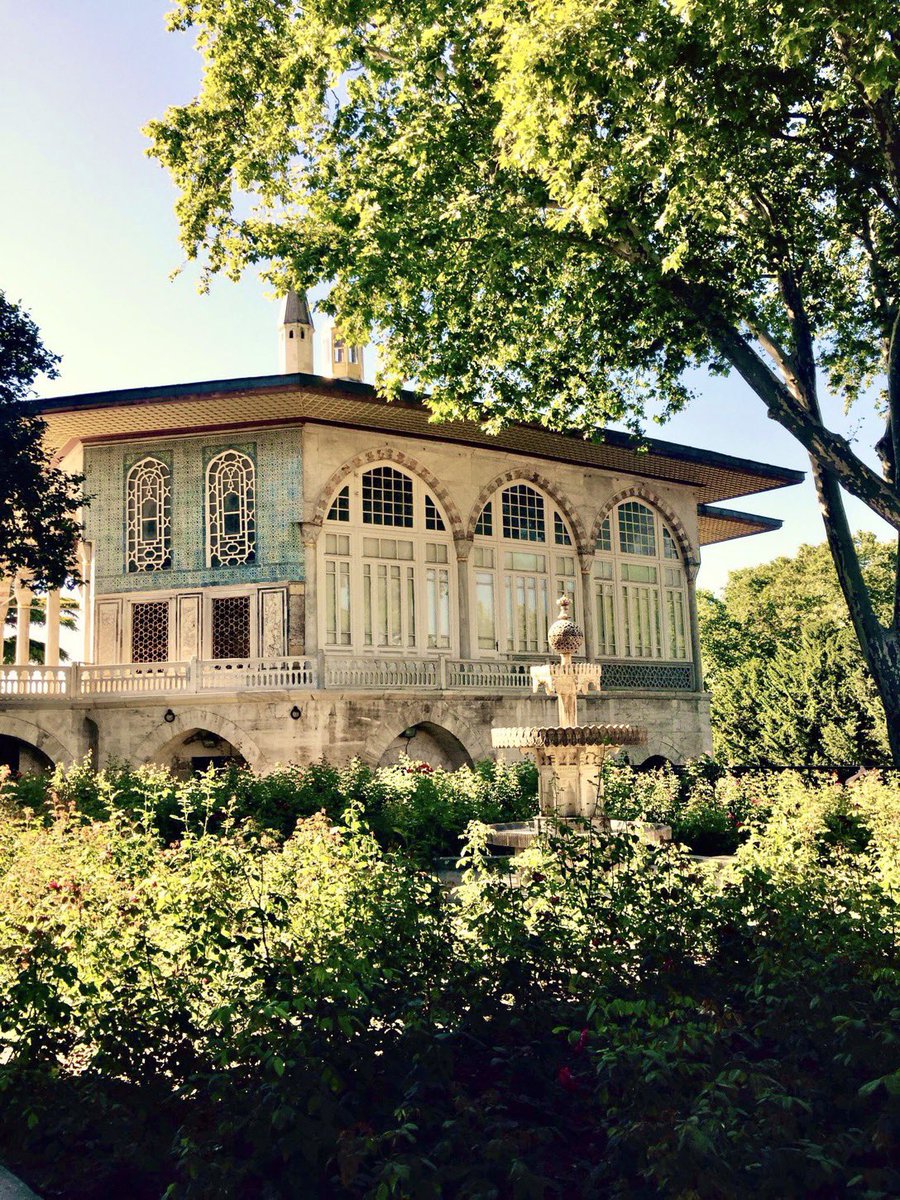
@CambCentMosque 10/ Topkapi Palace (Sarai) Garden
Built by the Ottoman sultans (after 1453) in a Byzantine olive grove on the Seraglio hill. The form of the gardens appears to have drawn from the paradise gardens of Persia with geometrical pools with flowers and garden pavilions.
Built by the Ottoman sultans (after 1453) in a Byzantine olive grove on the Seraglio hill. The form of the gardens appears to have drawn from the paradise gardens of Persia with geometrical pools with flowers and garden pavilions.
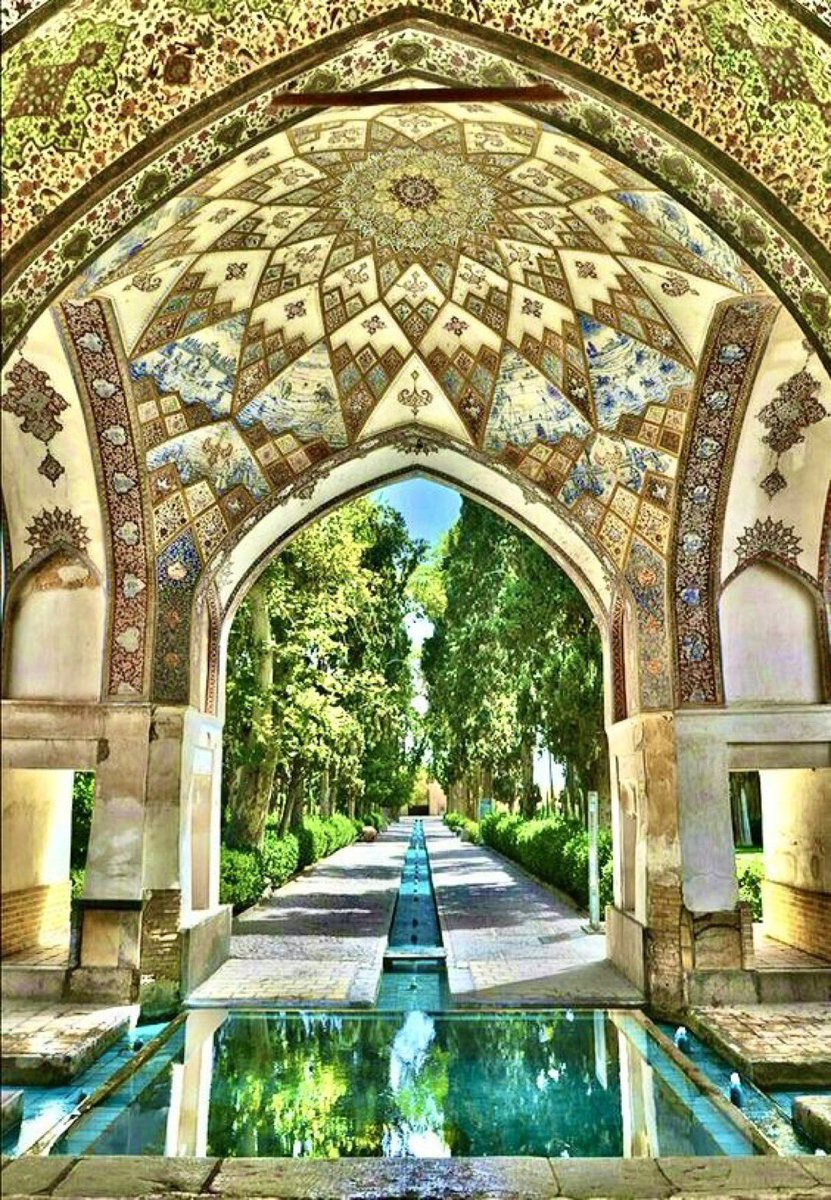
@CambCentMosque 11/ Fin Garden (Persian: باغ فین Bagh-e Fin) Kashan, Iran
Historical Persian garden. It contains Kashan's Fin Bath where Amir Kabir, the Qajarid chancellor, was murdered by an assassin sent by King Nasereddin Shah in 1852. Completed in 1590 it is the oldest extant garden in Iran
Historical Persian garden. It contains Kashan's Fin Bath where Amir Kabir, the Qajarid chancellor, was murdered by an assassin sent by King Nasereddin Shah in 1852. Completed in 1590 it is the oldest extant garden in Iran
@CambCentMosque 12/ Dil Aaram Bagh, Jaipur
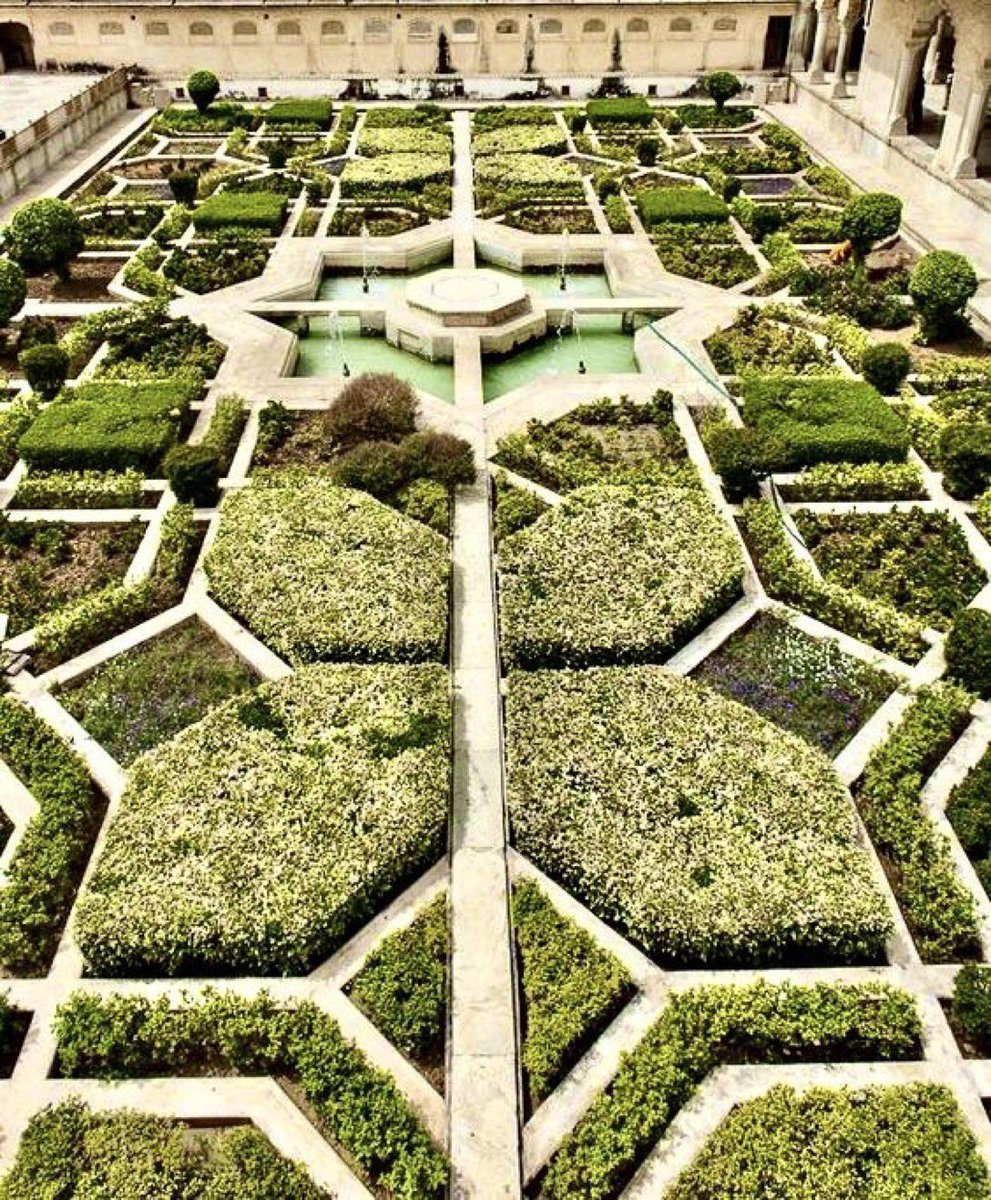
This Mughal garden was built in 18th century. It is situated on the bank of northern side of Maota Lake and down the side of the Amer Fort. It was constructed like a traditional Mughal garden pattern.
This Mughal garden was built in 18th century. It is situated on the bank of northern side of Maota Lake and down the side of the Amer Fort. It was constructed like a traditional Mughal garden pattern.
@CambCentMosque 13/ Lalbagh Fort, Dhaka, Bangladesh
Renowned for its tales of love & loss that are more than enough to entertain history fans, the fort’s intricately mosaiced paths, verdant lawns, beautiful roof-top garden & elaborate water fountains have been attracting aesthetes for centuries
Renowned for its tales of love & loss that are more than enough to entertain history fans, the fort’s intricately mosaiced paths, verdant lawns, beautiful roof-top garden & elaborate water fountains have been attracting aesthetes for centuries

14/ The Generalife Alhambra Gardens
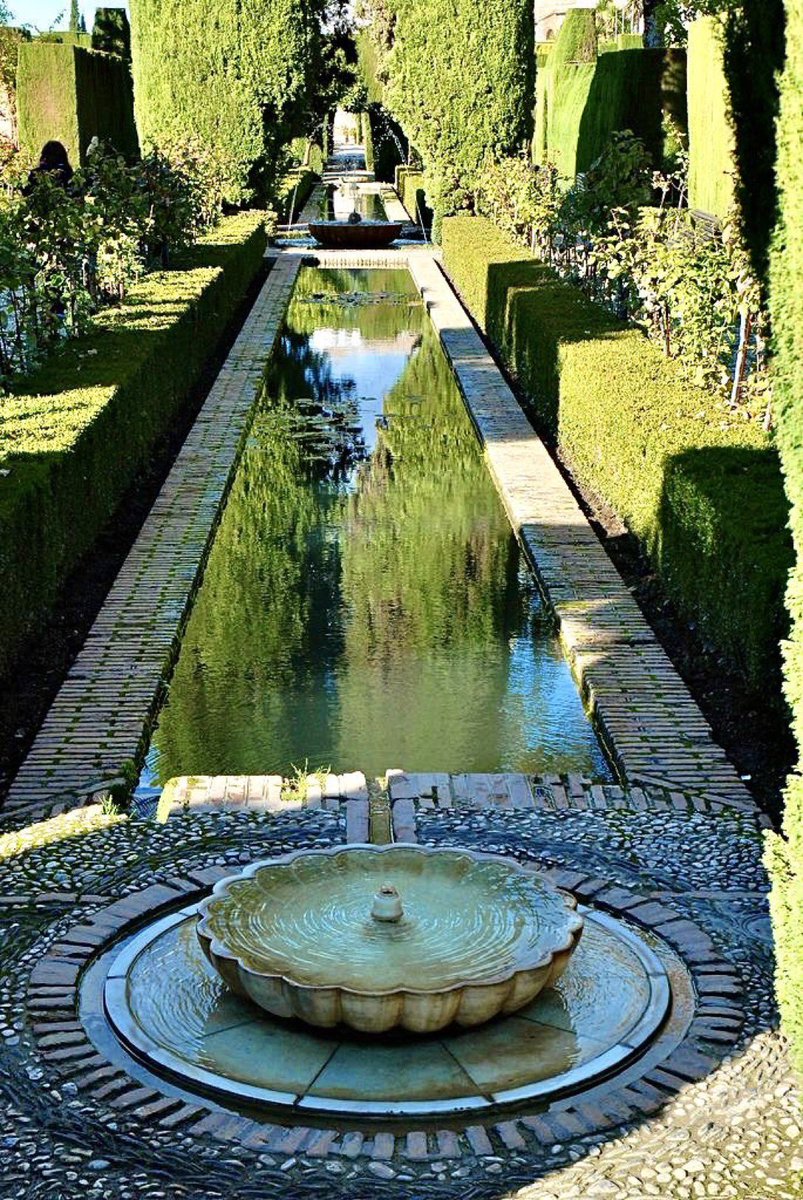
The name of the Generalife comes from the Arabic Jinnah al´ Arif – Garden of the illustrious ones. As we enter the Generalife the first part is the Patio de la Acequia. This islamic garden has altered since the 13th century.
The name of the Generalife comes from the Arabic Jinnah al´ Arif – Garden of the illustrious ones. As we enter the Generalife the first part is the Patio de la Acequia. This islamic garden has altered since the 13th century.
15/ Gardens of Tashkent, Uzbekistan
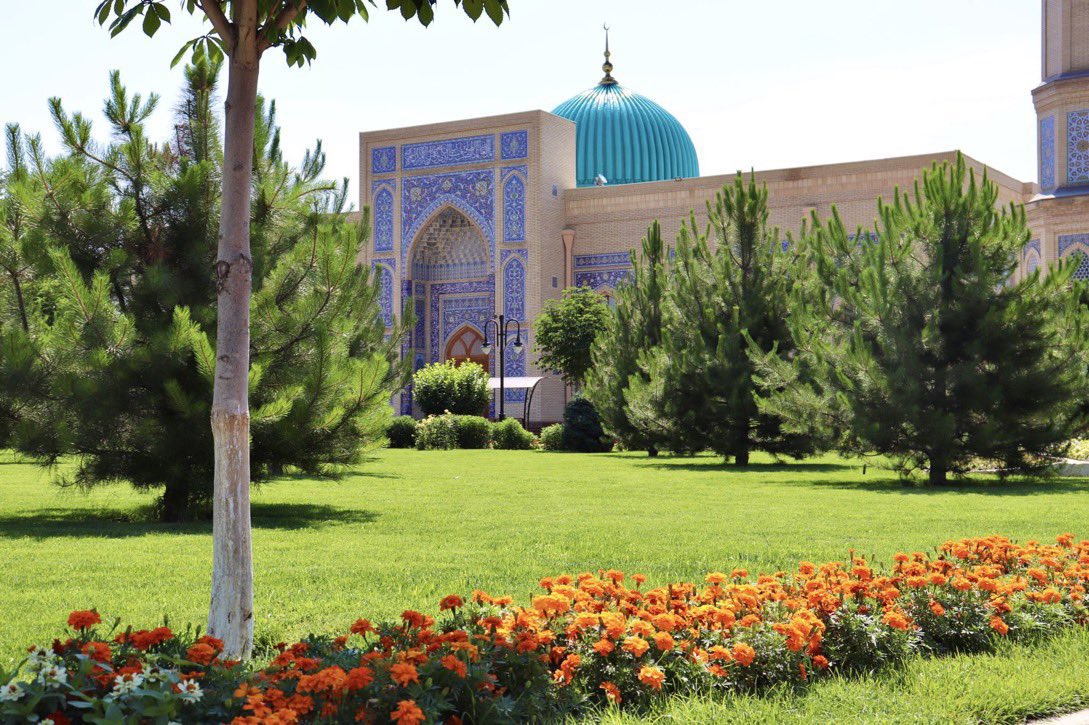
Absolutely stunning gardens surrounding the Islamic architecture.
Absolutely stunning gardens surrounding the Islamic architecture.
16/ Miracle Gardens, Dubai
This modern flower garden was launched on Valentine's Day in 2013. It occupies over 72,000 square metres (780,000 sq ft), making it the world's largest natural flower garden, featuring over 50 million flowers and 250 million plants.
This modern flower garden was launched on Valentine's Day in 2013. It occupies over 72,000 square metres (780,000 sq ft), making it the world's largest natural flower garden, featuring over 50 million flowers and 250 million plants.

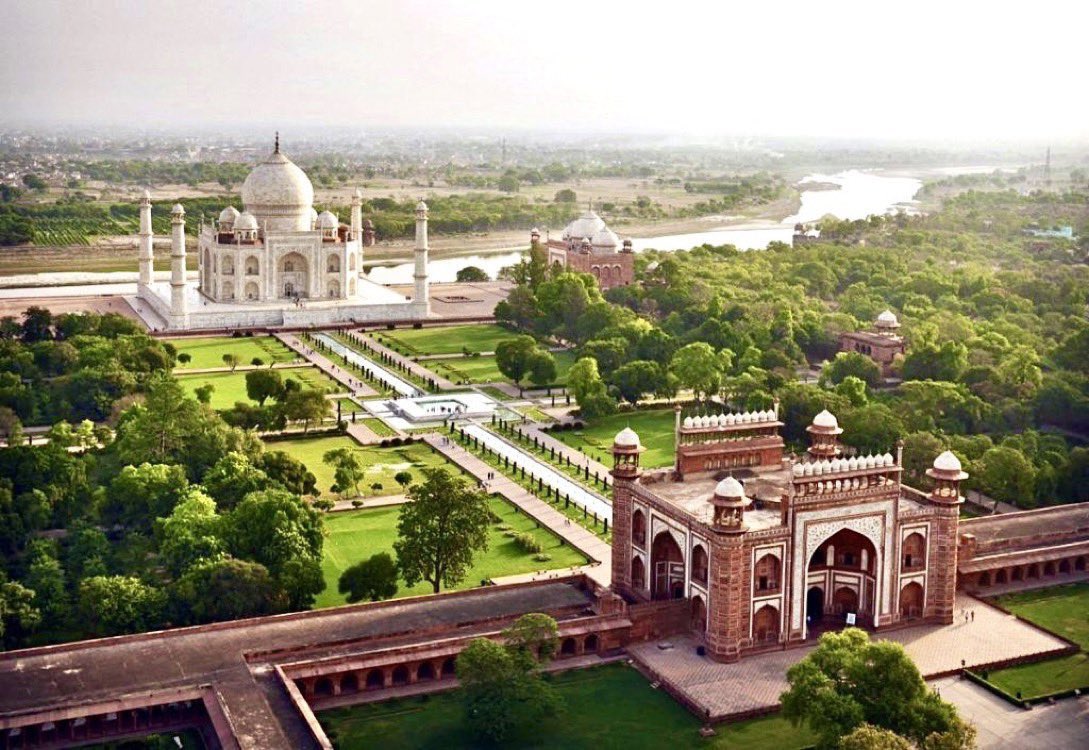
17/ The Taj Mahal garden, India
A green carpet to the mausoleum. This Mughal garden is a four by four garden & is popularly known as Charbagh. The garden is a Persian form. It is believed that the Charbagh is the garden of paradise as mentioned in holy Quran.
A green carpet to the mausoleum. This Mughal garden is a four by four garden & is popularly known as Charbagh. The garden is a Persian form. It is believed that the Charbagh is the garden of paradise as mentioned in holy Quran.
18/ Garden, RHS Chelsea Flower Show, 2014
This garden was inspired by an original sketch by His Royal Highness Prince Charles, based on a Turkish carpet. The sketch was given to Emma Clark, who is an expert on Islamic gardens & she developed the final design with Dr Khaled Azzam
This garden was inspired by an original sketch by His Royal Highness Prince Charles, based on a Turkish carpet. The sketch was given to Emma Clark, who is an expert on Islamic gardens & she developed the final design with Dr Khaled Azzam
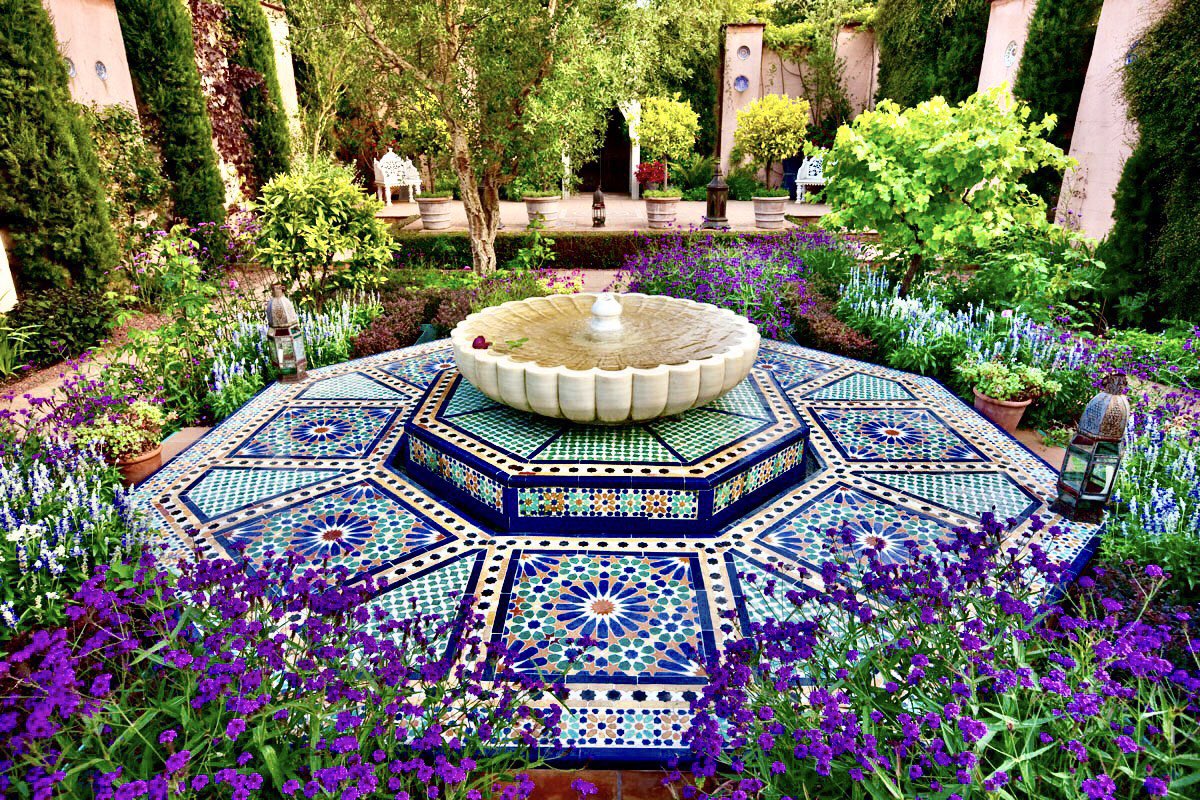
19/ Contemporary Islamic Roof Garden, Aga Khan Centre
This garden uses the traditions of poetry & pattern to summon images of gardens from other places & times. Screens & panels provide protection from wind exposure immersing visitors in an environment with Islamic patterns.
This garden uses the traditions of poetry & pattern to summon images of gardens from other places & times. Screens & panels provide protection from wind exposure immersing visitors in an environment with Islamic patterns.

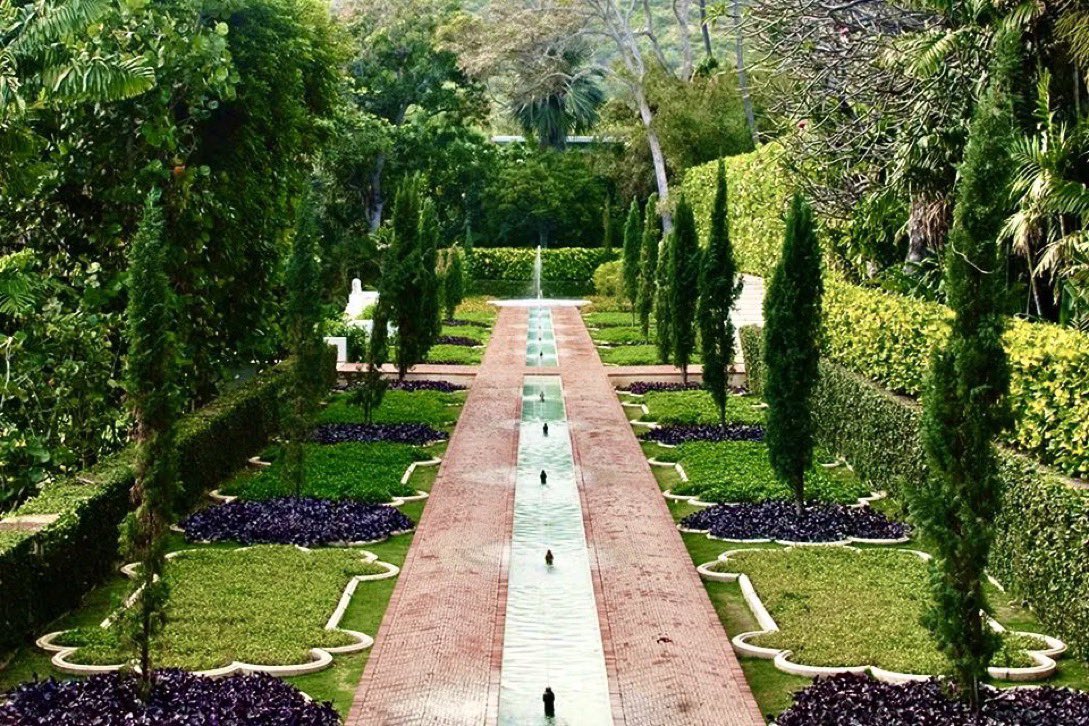
20/ The Mughal Garden, Shangri La Museum
Inspired by the royal gardens found throughout the Indian subcontinent. Located off the entry courtyard, it features a plain white façade with an arched entrance similar to the adjacent entrance leading into the foyer of the main house.
Inspired by the royal gardens found throughout the Indian subcontinent. Located off the entry courtyard, it features a plain white façade with an arched entrance similar to the adjacent entrance leading into the foyer of the main house.
• • •
Missing some Tweet in this thread? You can try to
force a refresh






