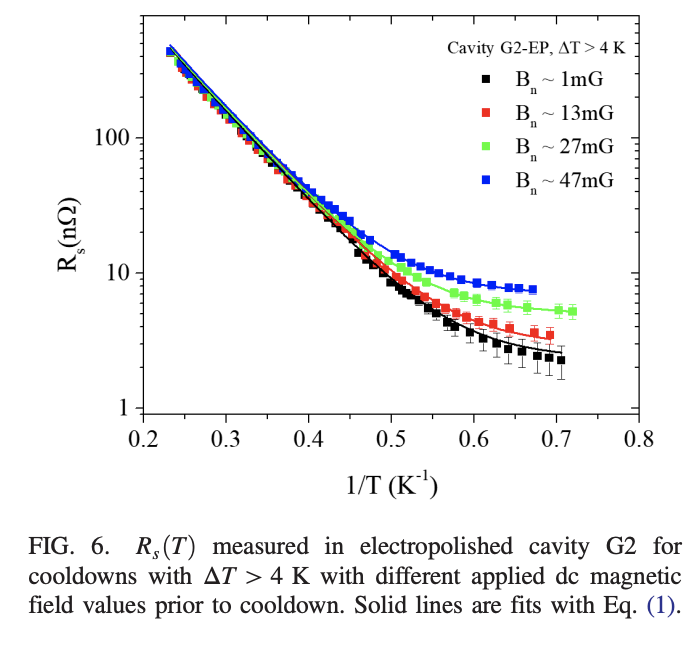
Here is the plot of surface resistance from a study of SRF cavities entering superconducting state with a background magnetic field. The X-axis goes from higher temperatures towards lower temperatures as it goes from left to right. The Y-axis is surface resistivity in nano-ohms.… https://t.co/by82AQlKxftwitter.com/i/web/status/1…
For those looking to catch up on the evolving LK-99 saga here is a quick summary of posts which I have written, all of which try to explain content in a way that is approachable for a general audience while including enough depth to be interesting to a technical audience.
@FPerez30514123 ( for other readers - the orientation of the lower magnets means that it is a dipole field, and, any diamagnetic material also produces a simple dipole field in response. So, this is a situation of two dipoles floating in free space, which is impossible via Earnshaw's theorem,… twitter.com/i/web/status/1…
Note that this orientation of magnets on the bottom produces whats called a 'dipole field', like that of a bar magnet. If the material on top was a simple diamagnetic, then it is physically impossible for it to stably levitate, especially when poked by the stick.
If it wasn't clear why this is a big deal, if successful LK-99 would be a watershed moment for humanity easily on-par with invention of the transistor.
Here's why:
For a catch-up on the original Korean paper:
https://t.co/JzkgzFBa1P
SpaceX has reduced the cost to get to orbit by 100x.
This has quadrupled the space industry which is now on track to $1 trillion in size by 2030.
What if we could reduce this cost by another 100x, and put a kilogram in orbit for $10?
How To Get To Space: Rail-Gun Edition
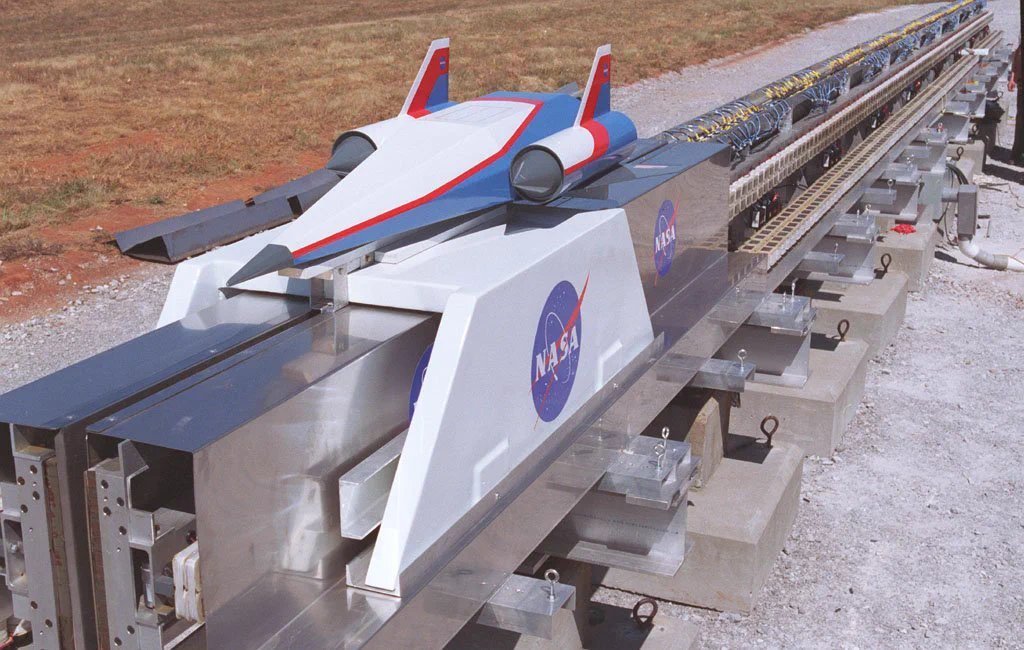
2/ A railgun can accelerate metal projectiles to tens of kilometers per second - well within the range of velocities needed to escape a planets gravity well.
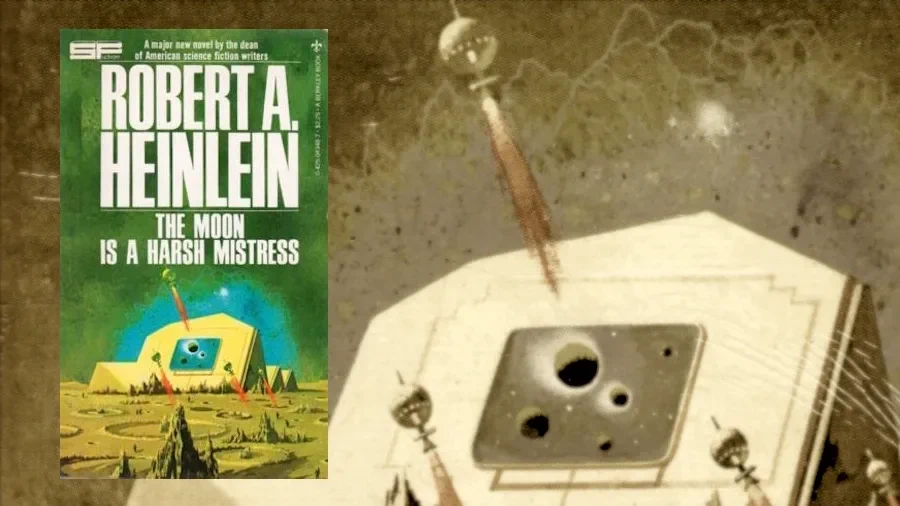
This isn't new - Robert Heinlein proposed a rail-gun on the moon for launching valuable minerals to Earth in 1966
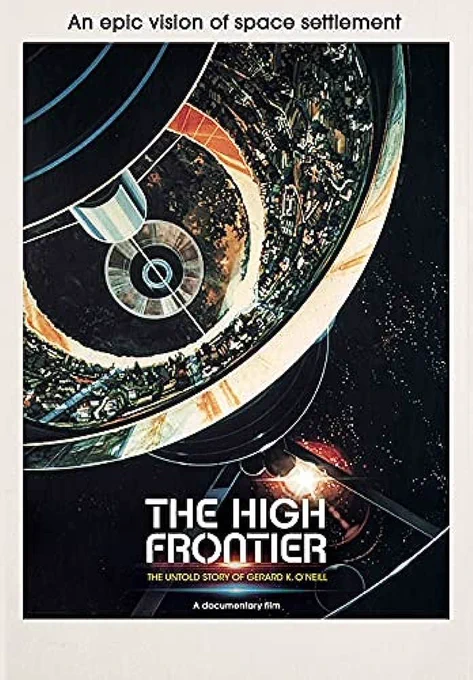
3/ Physicist Gerard K. O'Neill held the first conference on Space Manufacturing at Princeton in 1975
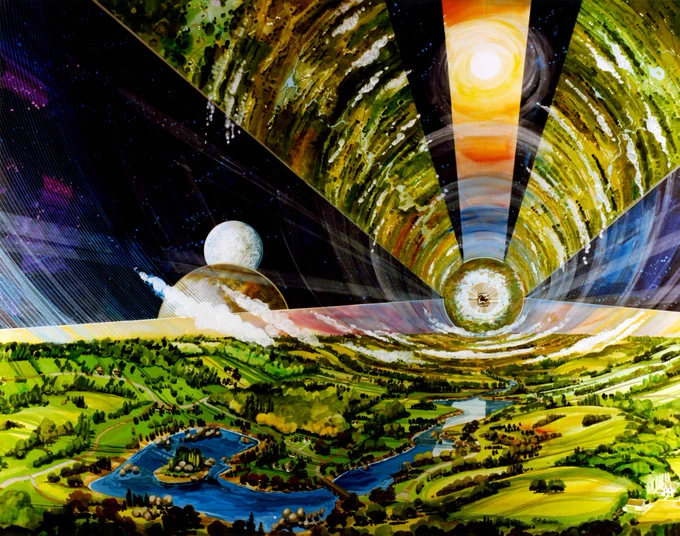
O'Neill reached celebrity-like status. Rail guns, he argued, would become integral to supply rotating cylindrical space cities of the future: O'Neill Cylinders.
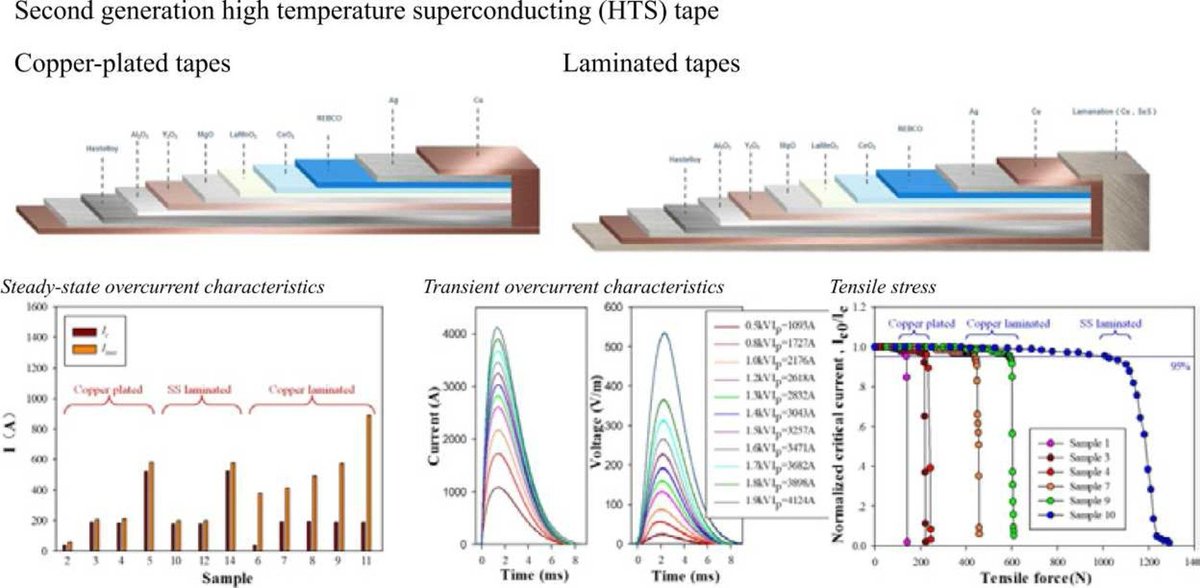
I've worked with superconductors for the better part of a decade now in different contexts, from STM condensed matter labs, to particle accelerators, and now fusion.
Time for a deep dive on what exactly this miracle-technology unlocks for us a species: 🧵
Superconductors (SC) have zero resistance from quantum-mechanical effects of how electrons pair up, and travel through a conductor crystal lattice.
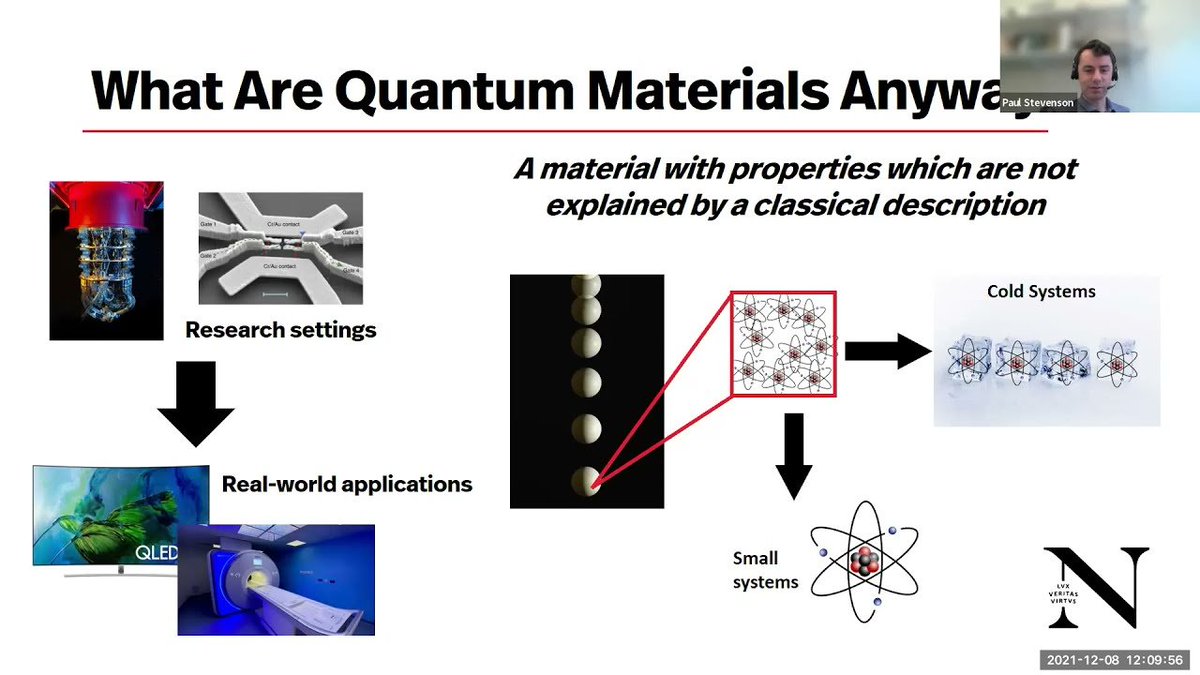
It's one example of 'magical' or 'impossible' physical properties arising from QM in bulk matter
This result could be very big news, and overnight revolutionize all of electronics and energy. It might not.
Here's a mental model for the non-expert to understand what's going on.
RTAPS: The good, the bad, and the ugly: 🧵
Summary
The good: There's some plausibility here, and if so, it's game-changing
The bad: Reasonable chance this is a similar but different physical property
The ugly: Their plots, and engineering usefulness
Let me explain:
The Good:
Lee-Kim-Kwon (LKK) use familiar materials, Cuprates, and measures some key metrics of a room-temp superconductivity (SC):
- Zero-resistivity
- Critical current
- Critical magnetic field
- Meissner effect
The Manhattan project didn't just invent the nuclear bomb, destroyer of worlds.
It forever changed the scale and scope of our collective scientific ambitions
It began what I call "Civilization-Scale Science" - and there's no greater force for progress today
Let me explain 🧵
2/ Before WW2 science was a cottage industry.
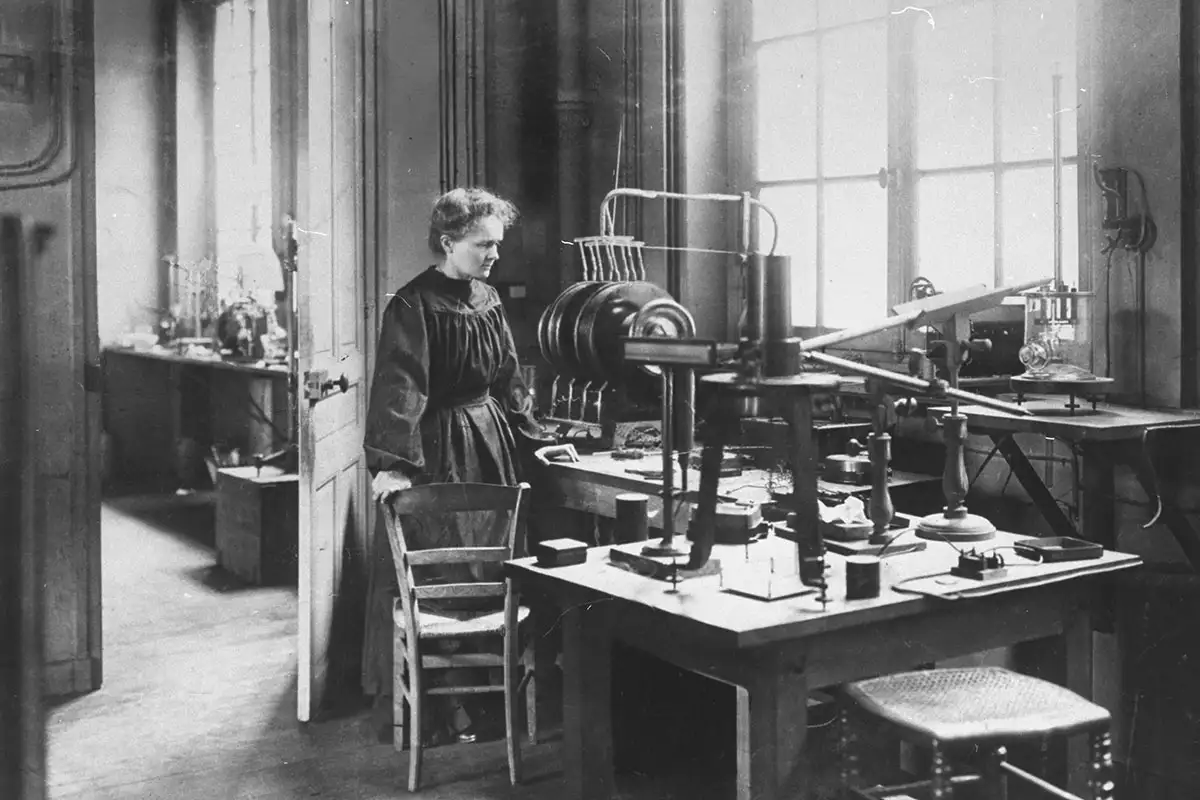
The best research groups in the world were often teams of 4-5 people, or like the Curies, husband-and-wife, working with tools they made themselves, with shoestring budget
This is the room where radioactivity was discovered
3/ Neutron capture is the principle behind both nuclear bombs and nuclear energy.
Fermi discovered it while working in his lab in Rome, with the "via Panisperna boys" - his research team.
Here's them in a team photo, and here's Fermi working in his lab
Fusion energy is the ultimate power source, but it's a complete zoo of different reactor designs.
Here's how each one works, the companies building them, explained in chronological order 🧵 1/N
0.1/
What is Fusion?
When you take hydrogen (or other fuel) and compress it for sufficient density, temperature, and time, the atomic nuclei 'fuse' together to form a heavier element.
This releases energy.
Deuterium-Tritium is the easiest to 'burn', but other fuels exist
0.2/
Many devices have been designed and built to achieve nuclear fusion, all striving for the "Lawson criterion" - when the fusion reaction becomes self-sustaining
Generations of scientists and engineers and their struggles for 'confinement' of plasma, in a single plot