Read on Twitter
12 Rules For Life made him the most famous psychologist alive but his forgotten first book, Maps of Meaning, shows you the real Jordan Peterson
Once a brilliant young man, JBP was HAUNTED by an inner voice calling him a liar...
His spiritual transformation (in his own words)👇🏻 https://t.co/KxmISlCSTKtwitter.com/i/web/status/1…

Once a brilliant young man, JBP was HAUNTED by an inner voice calling him a liar...
His spiritual transformation (in his own words)👇🏻 https://t.co/KxmISlCSTKtwitter.com/i/web/status/1…

1/ In Maps Of Meaning, Jordan Peterson writes he'd "always enjoyed engaging in arguments"
Subjects didn't matter
It was all a "game"
But in university, something shifted...
Jordan Peterson: "Suddenly, I couldn’t talk— I couldn’t stand listening to myself talk"
What happened?
Subjects didn't matter
It was all a "game"
But in university, something shifted...
Jordan Peterson: "Suddenly, I couldn’t talk— I couldn’t stand listening to myself talk"
What happened?

2/ Peterson, an opinionated man, "started to hear a voice" inside his head
It commented on his opinions. Whenever he said anything, it made "critical" remarks:
"You don’t believe that. That isn’t true."
He wondered: "Which part was ME—the talking part or the criticizing part?"
It commented on his opinions. Whenever he said anything, it made "critical" remarks:
"You don’t believe that. That isn’t true."
He wondered: "Which part was ME—the talking part or the criticizing part?"

3/ And then Jordan Peterson started having nightmares
He dreamt of nuclear annihilation, dogs butchering humans, mud rain, and "skeletal black ruins"
He became "very depressed and anxious"
He found his very "awareness of things" unbearable
His mood was "apocalyptic"
He dreamt of nuclear annihilation, dogs butchering humans, mud rain, and "skeletal black ruins"
He became "very depressed and anxious"
He found his very "awareness of things" unbearable
His mood was "apocalyptic"

4/ One night, Jordan Peterson returned home drunk
He was "self-disgusted and angry"
Picking up some canvas and paints, he started sketching
It became a "harsh, crude" image of Christ: crucified with a cobra "wrapped around" him
It looked "demonic"
It SHOCKED Peterson
He was "self-disgusted and angry"
Picking up some canvas and paints, he started sketching
It became a "harsh, crude" image of Christ: crucified with a cobra "wrapped around" him
It looked "demonic"
It SHOCKED Peterson

5/ In his agony, Peterson tried something new:
"I tried only to say things that my internal reviewer would pass unchallenged. This meant that I spoke much less often, and that I would frequently stop, midway through a sentence, feel embarrassed, and reformulate my thoughts."
"I tried only to say things that my internal reviewer would pass unchallenged. This meant that I spoke much less often, and that I would frequently stop, midway through a sentence, feel embarrassed, and reformulate my thoughts."
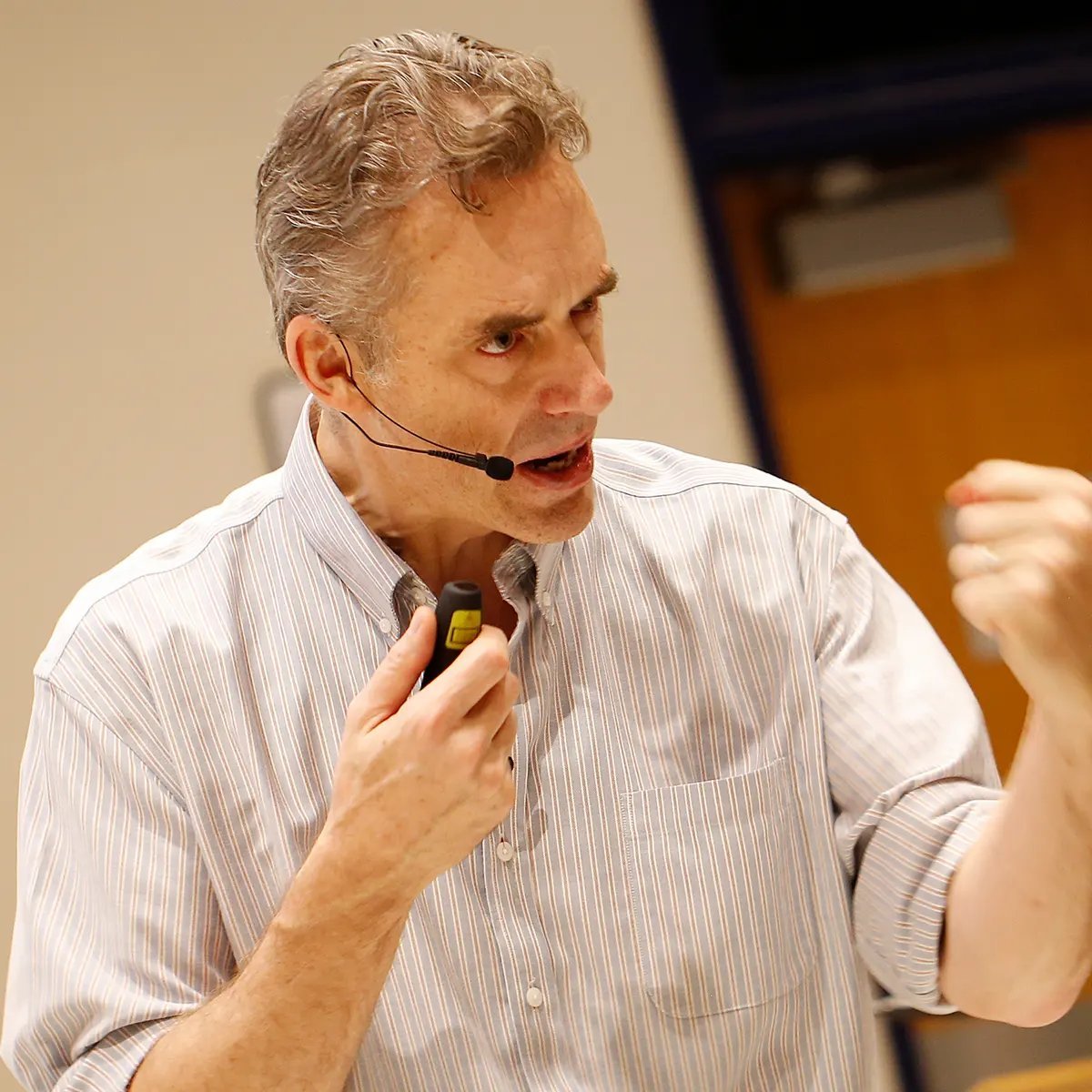
6/ Jordan Peterson felt much "less agitated" when he said things in line with his inner voice
He realized that most of his ideas were "stolen"
His beliefs were just things that "sounded good, admirable, respectable, courageous"
Cost of such stolen ideas was internal hell
He realized that most of his ideas were "stolen"
His beliefs were just things that "sounded good, admirable, respectable, courageous"
Cost of such stolen ideas was internal hell
7/ Jordan Peterson gave up religion as an adolescent, deciding it was for the "ignorant, weak, and superstitious." After being tortured by endless nightmares and an identity crisis when he couldn't speak, he came back to God. A study of myths made his "horrible dreams disappear"
8/ JBP says the Devil is the "rejection of the unknown"
When the young Peterson rejected God, he was acting out "Luciferian pride":
"All that I know is all that is necessary to know"
But the truth is "something we cannot see protects us from something we do not understand"
When the young Peterson rejected God, he was acting out "Luciferian pride":
"All that I know is all that is necessary to know"
But the truth is "something we cannot see protects us from something we do not understand"
9/ How did JBP go from tormented young man to becoming a father figure to millions today?
He started treating conversations not as meaningless power games but as truth seeking exercises
He started thinking of religion not as superstition but eternal reality described mythically
He started treating conversations not as meaningless power games but as truth seeking exercises
He started thinking of religion not as superstition but eternal reality described mythically
Thank you for reading this thread fren!
I appreciate your time
If you enjoyed it
Do RT
And Peterson-Pill your timeline👇🏻
https://t.co/eKUjArXDdo
I appreciate your time
If you enjoyed it
Do RT
And Peterson-Pill your timeline👇🏻
https://t.co/eKUjArXDdo
https://twitter.com/oldbooksguy/status/1687822446790049792

• • •
Missing some Tweet in this thread? You can try to
force a refresh