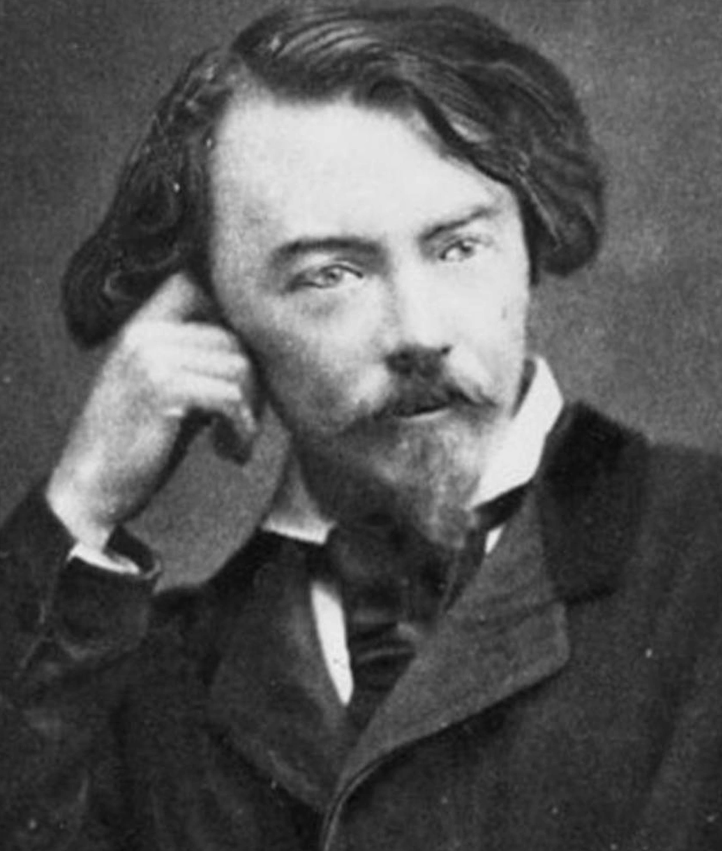
THE WOLF OF WALL STREET celebrates its 10th anniversary this year. One of the great films of the Martin Scorsese/Leonardo DiCaprio collaboration, the making of story is as outrageous as the film…
A THREAD
1/39

A THREAD
1/39


In 2004, Jordan Belfort was in prison for stock fraud. His cellmate was Tommy Chong (of Cheech & Chong fame). After Belfort regaled Chong with countless tales of his days as a stockbroker, Chong encouraged him to write a book. On his release, Belfort did just that.
2/39
2/39


Belfort’s memoir - The Wolf of Wall Street - sparked an immediate studio bidding war. Leonardo DiCaprio loved the book and encouraged Warner Bros to buy the rights. Martin Scorsese was brought in to direct but, after 5 months of no movement, Scorsese left the project.
3/39
3/39

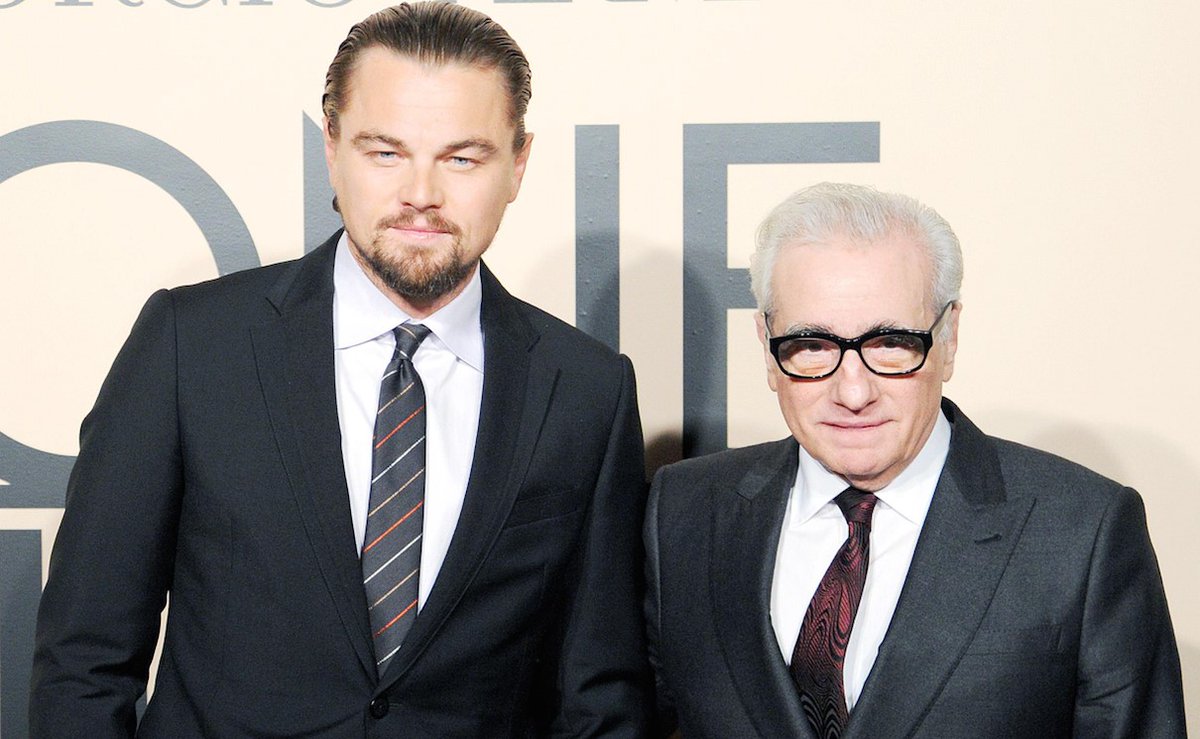
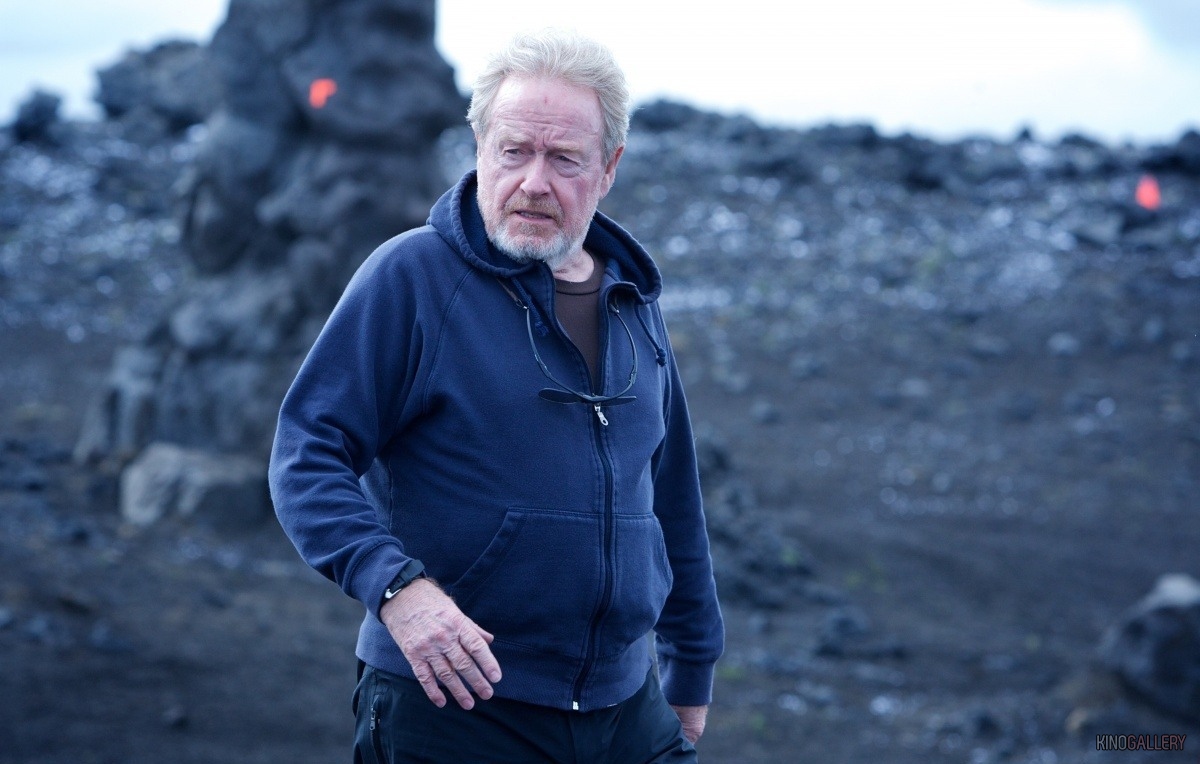
WB offered the film to Ridley Scott but later canned the project. Red Granite Pictures picked then up the rights, with Paramount Pictures distributing. DiCaprio was still keen and, with Red Granite saying he could do what he liked in the film, Scorsese came back to direct.
4/39
4/39

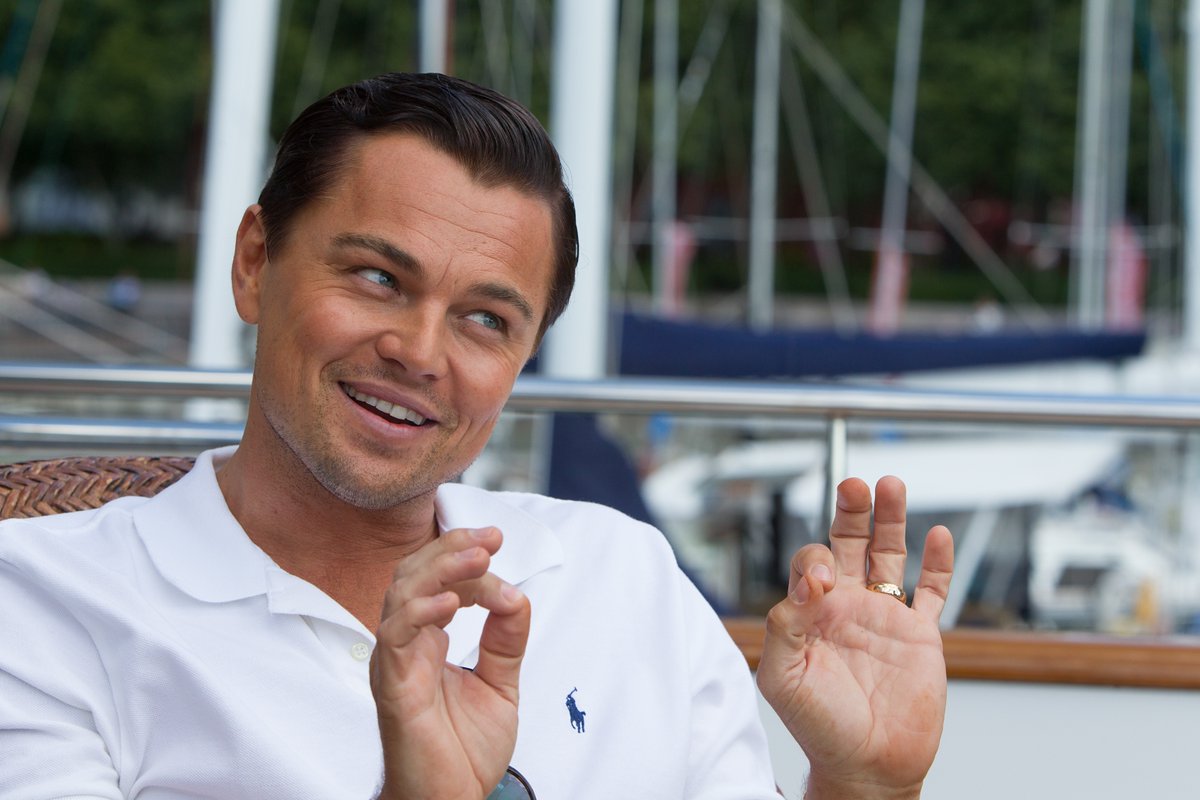
Jordan Belfort gave DiCaprio one-to-one coaching for the role, giving him insight into the workings of the stockbroker industry as well as into the many kinds of drugs we see taken in the film.
5/39
5/39



Joseph Gordon-Levitt and Chris Evans both reportedly auditioned for the role of Jordan’s right hand man, Donnie Azoff. Jonah Hill won the part after his first audition in 6 years, and took an enormous pay cut by being paid the SAG minimum of $60,0000 for the movie.
6/39
6/39
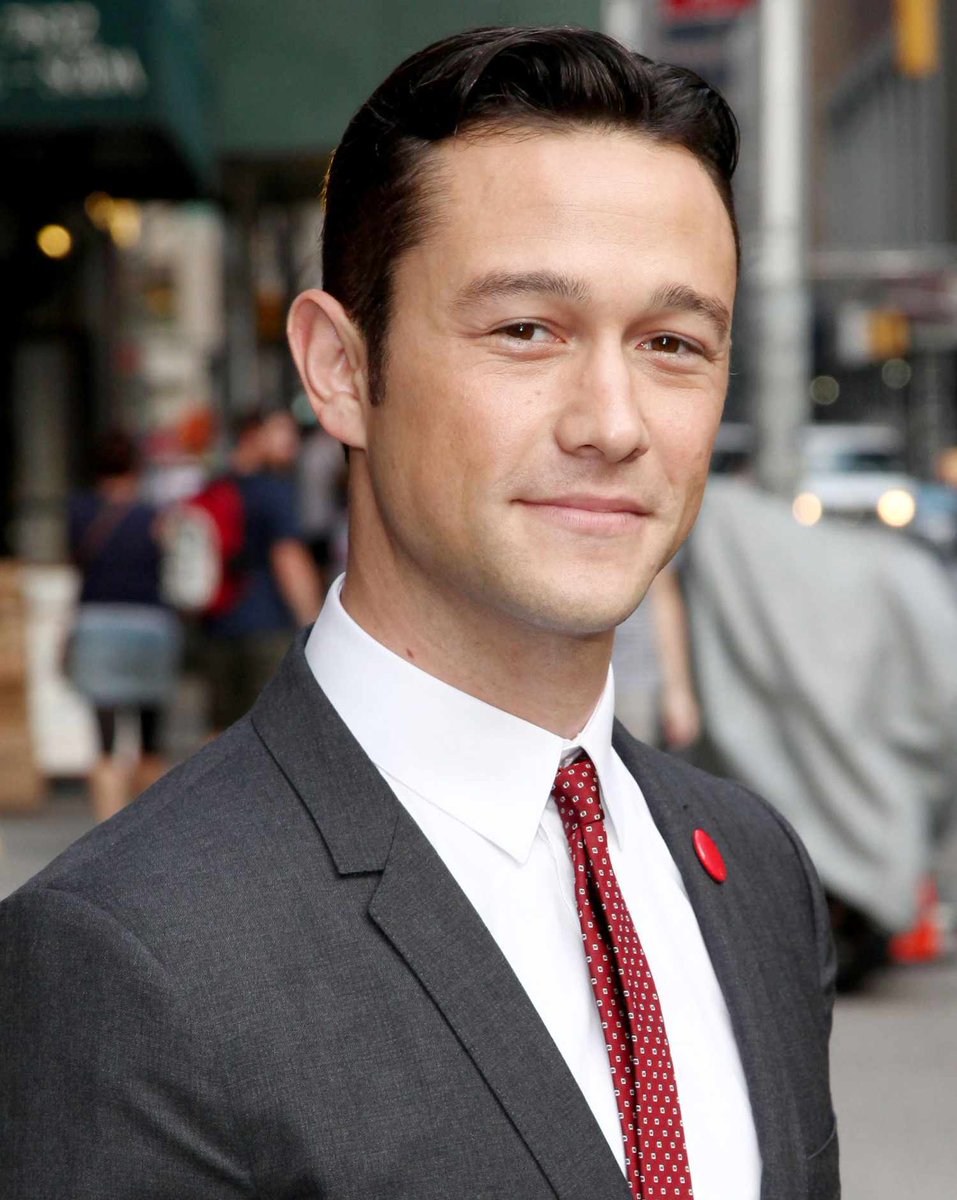
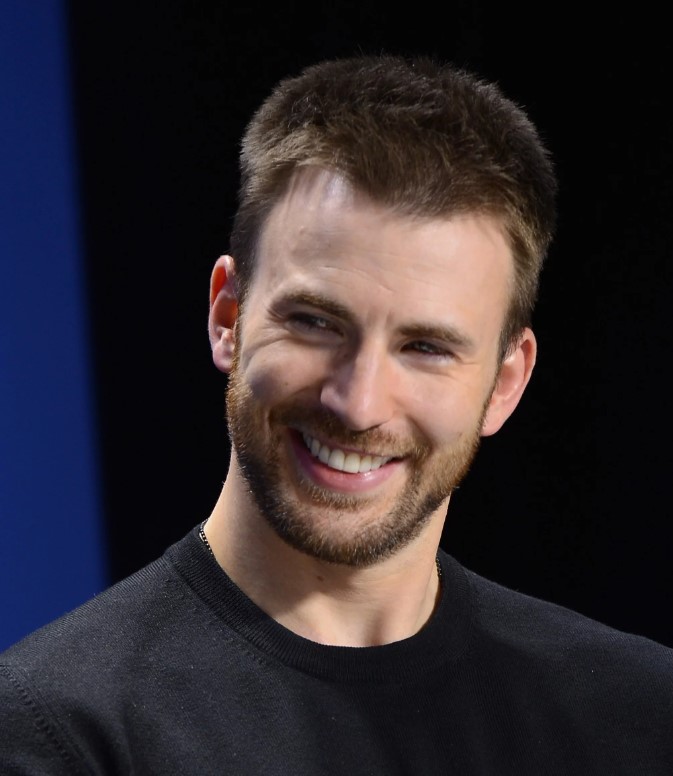
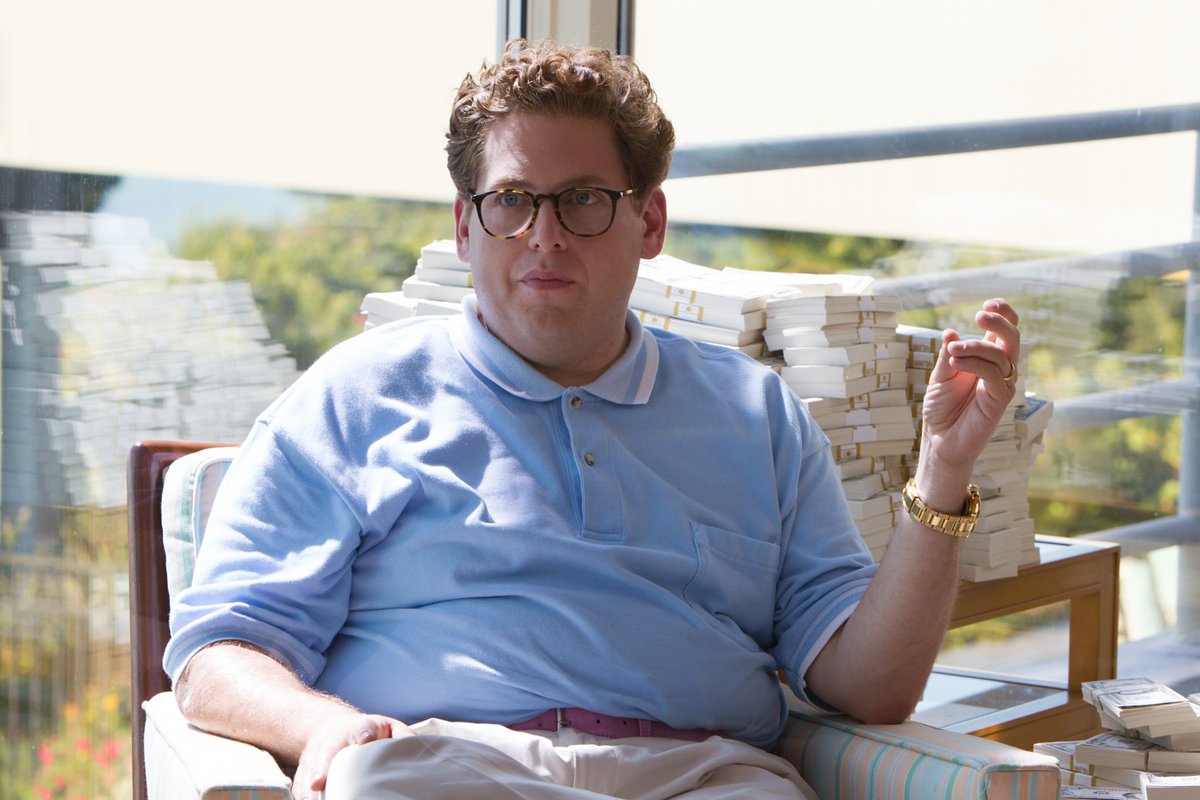
Hill had a lisp that he couldn’t shake when he first put in Donnie’s fake teeth. To practice talking with the mouthpiece he said he spent hours calling business by telephone and chatting with them.
7/39
7/39


Olivia Wilde auditioned for the part of Naomi Lapaglia. She said she was told she was “too sophisticated” for the part, but later heard that they’d actually said she was too old. Even though she is 9 years younger than DiCaprio.
8/39
8/39


Blake Lively, Rosie-Huntington Whitely and Amber Heard also reportedly auditioned to play Naomi. The part was eventually won by up-and-coming Australian star Margot Robbie.
9/39
9/39
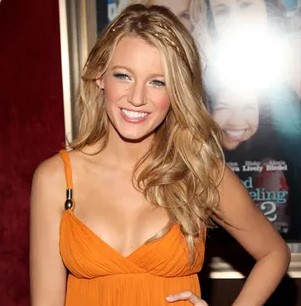
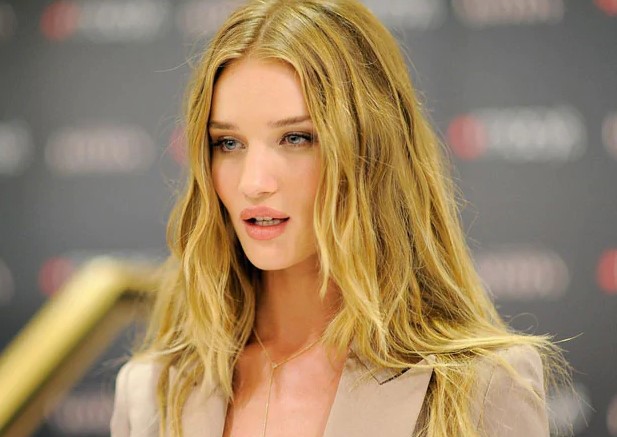


Robbie’s newcomer status didn’t stop her saying what she wanted. During one of the sex scenes, she pushed DiCaprio’s head out of her way as he was blocking the light. She said “He was so incredulous… he was like, ‘Did you really just do that?'"
10/39
10/39

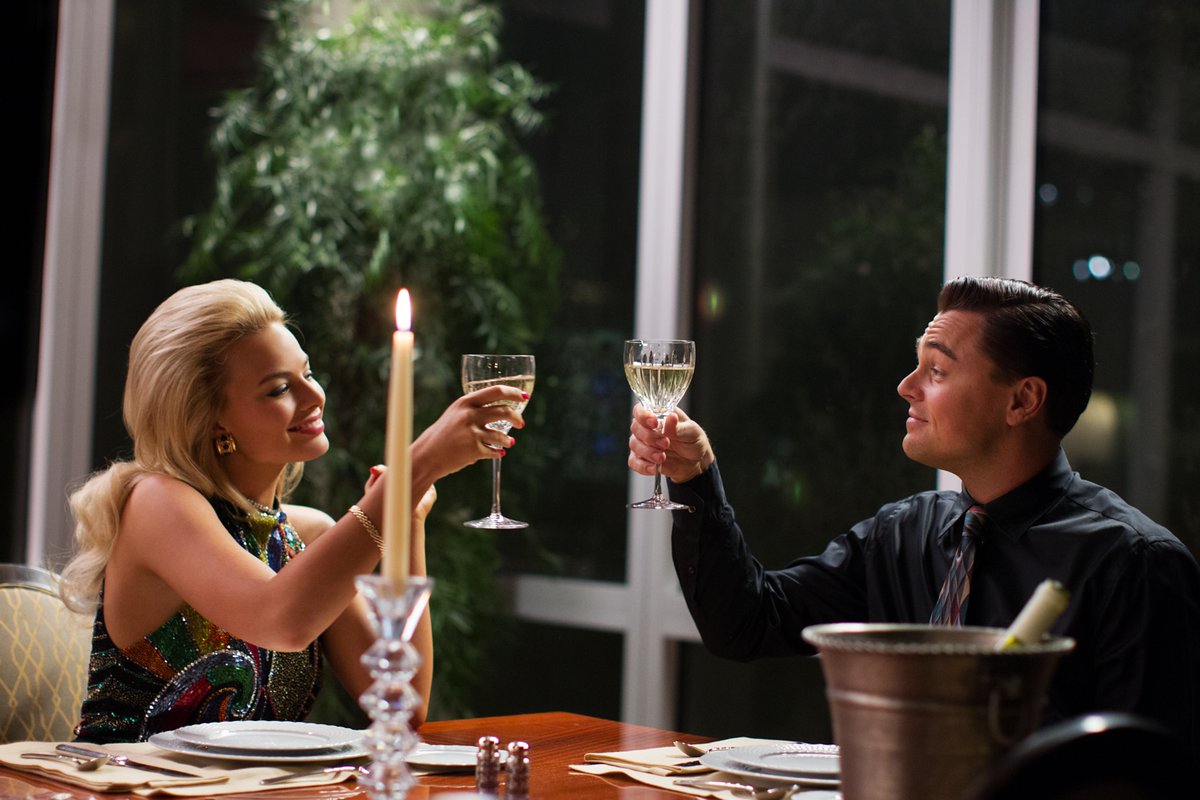
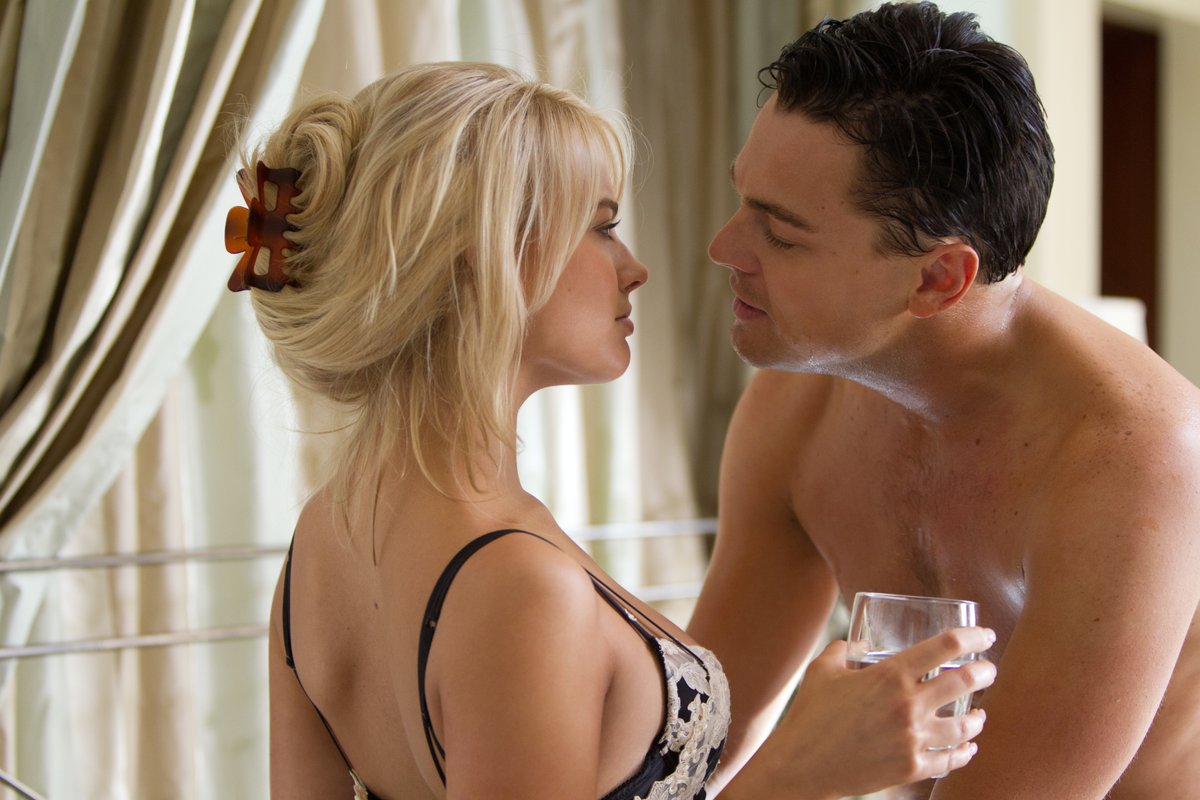

Also, filming the argument scene, Robbie accidentally slapped DiCaprio for real, very hard, and shouted “F*** you!” She apologised but the crew all laughed and DiCaprio said to do it again in the take.
11/39
11/39


Alan Arkin turned down the part of Jordan’s father, Max, to make Grudge Match. Scorsese then turned to fellow director Rob Reiner to play the part.
12/39
12/39


The part of Aunt Emma was reportedly offered to Julie Andrews, but she was recovering from ankle surgery at the time. Eileen Atkins was also considered, Before Scorsese cast Joanna Lumley.
13/39
13/39

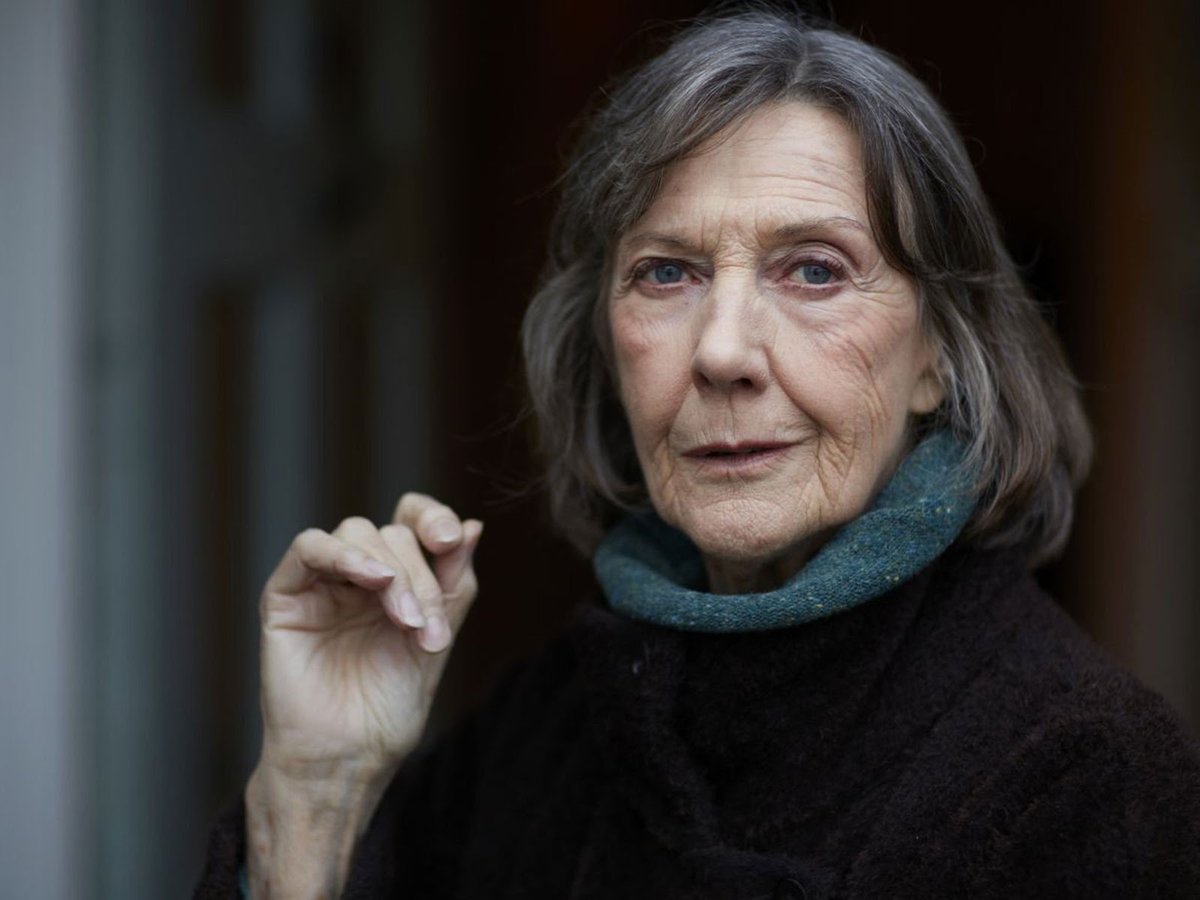
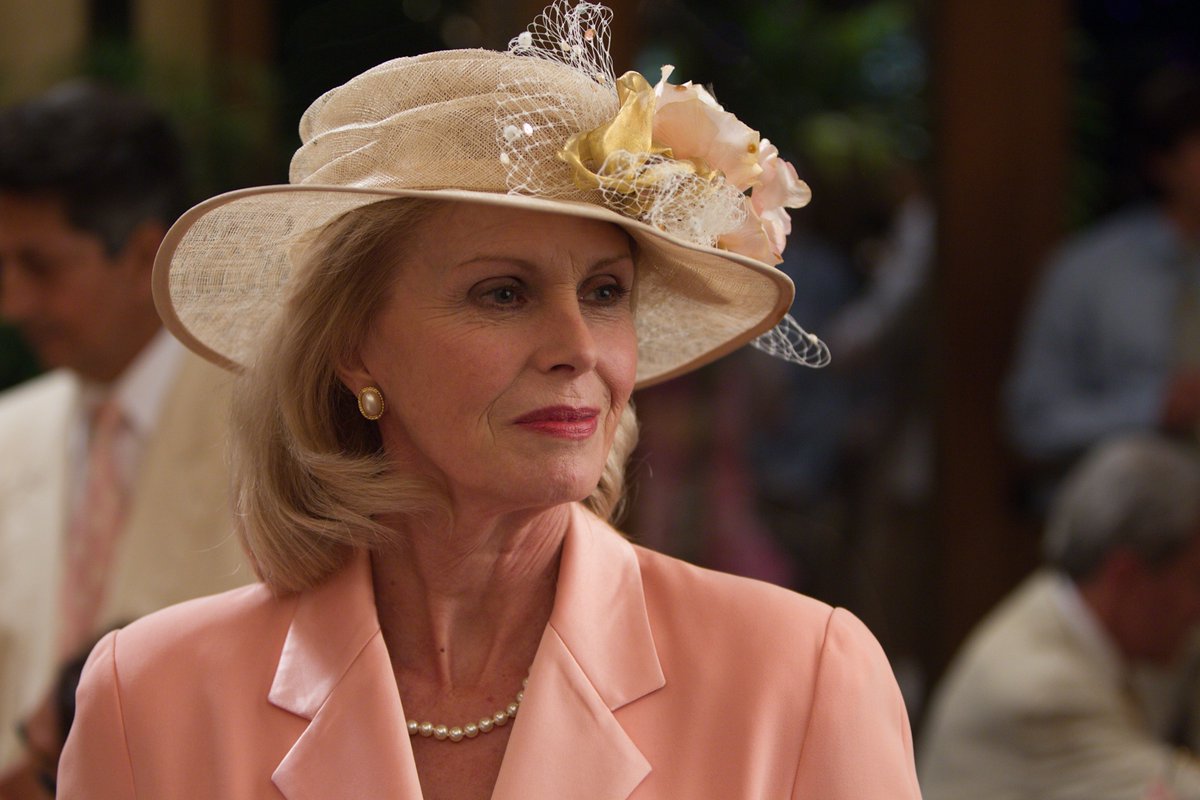
DiCaprio was apparently so nervous and uncomfortable shooting the scene where Jordan kisses Aunt Emma that they had to do 27 takes.
14/39
14/39


Though Belfort used real names in his memoir, some had to be changed for the film. Donnie Azoff is not a real person, but reportedly based on Danny Porush. Porush had claimed he was misrepresented in the film and threatened to sue.
15/39
15/39


A character whose real name is used is Steve Madden, played by Jake Hoffman. He has a very famous actor dad – Dustin Hoffman. Jake also appeared in Scorsese’s The Irishman.
16/39
16/39


The word ‘f***’ is said 569 times. This was a record for a feature film until Swearnet: The Movie said the word 935 times in 2014. Scorsese had held the record previously with Goodfellas (300 f***s).
17/39
17/39


The Forbes article we see in the film is based in reality, though it was actually titled “Steaks, Stocks – What’s The Difference?” The moniker ‘The Wolf of Wall Street’ was something Belfort actually called himself.
18/39
18/39


On one occasion, Scorsese’s old pal Steven Spielberg visited the set. It was when the Steve Madden speech was being shot, and Scorsese said that Spielberg essentially co-directed the scene, suggesting some camera shots.
19/39
19/39

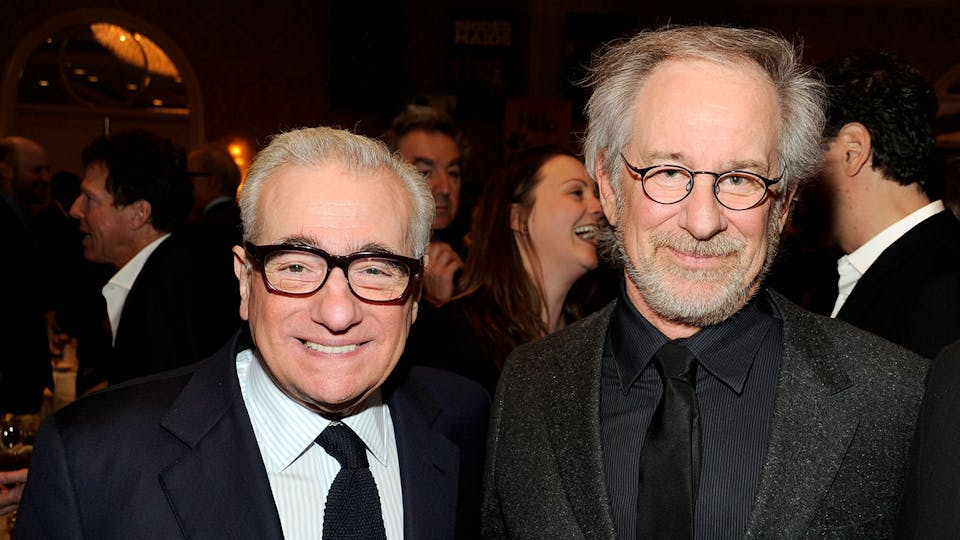
The editor was one of Scorsese’s most frequent collaborators, Thelma Schoonmaker. Scorsese has said that whenever we see Jordan on drugs, the scenes following that tend to have intentional editing errors around flow and continuity.
20/39
20/39
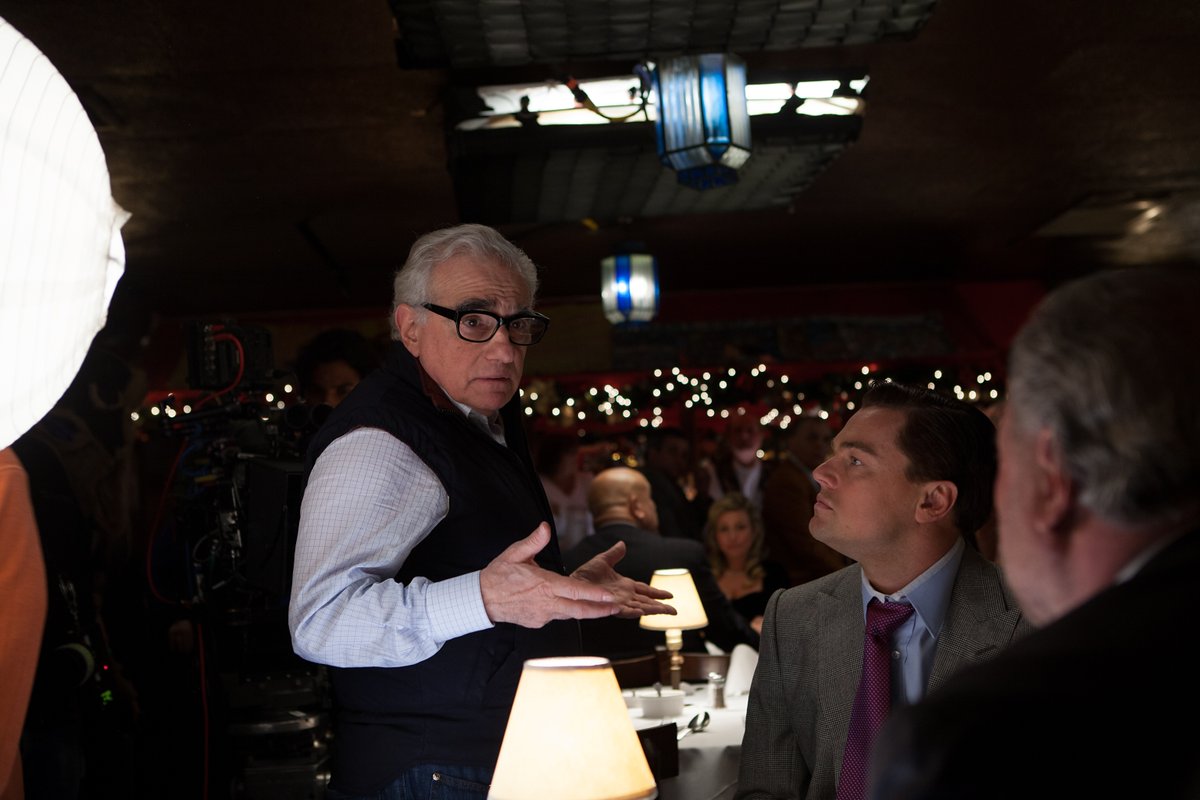

The DP was Rodrigo Prieto. In order to reflect Jordan’s state of mind from one moment to the next, Prieto would switch lens types on the cameras. Anamorphic lenses were used when Jordan was on drugs and when he’s being pursued by the FBI, longer focal lenses were used.
21/39
21/39


Filming was halted in late 2012 when Hurricane Sandy hit New York and Scorsese was denied access to the set. He and Prieto had planned so meticulously though, that they were already ahead of schedule.
22/39
22/39


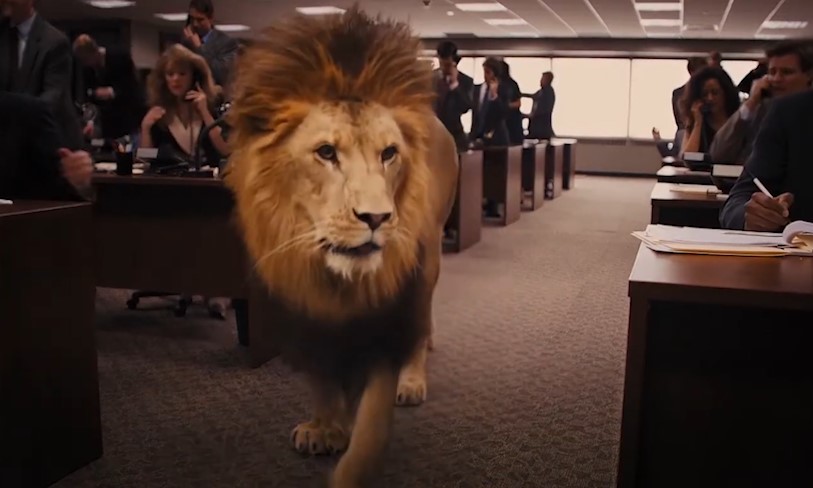
The film opens with a Stratton Oakmont TV ad. It features a lion – a direct reference to the famous 1950s Dreyfus Fund ads that featured a lion.
23/39
23/39

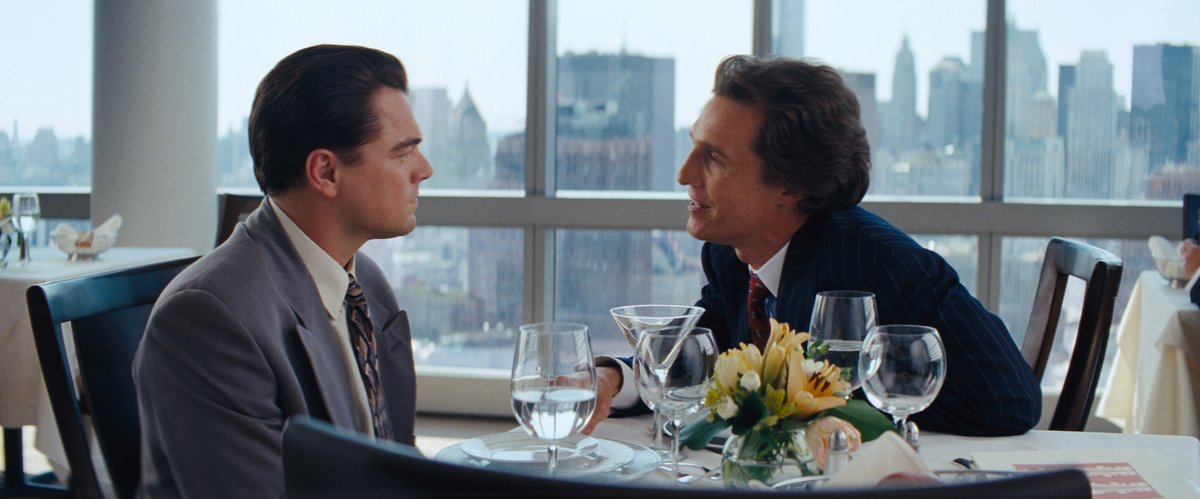
Matthew McConaughey played Mark Hanna. The chest-pounding and humming he does is McConaughey’s own ritual he carries out before shooting a scene. DiCaprio said he should use it in the scene, and later said it “set the tone” for the shoot.
24/39
24/39


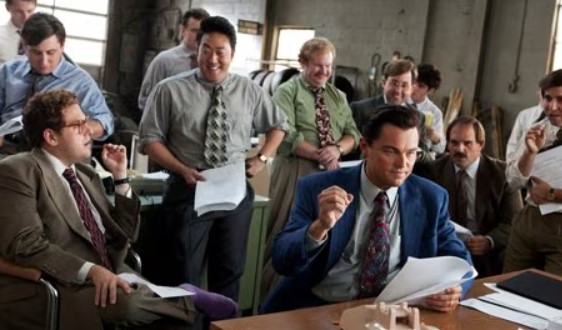
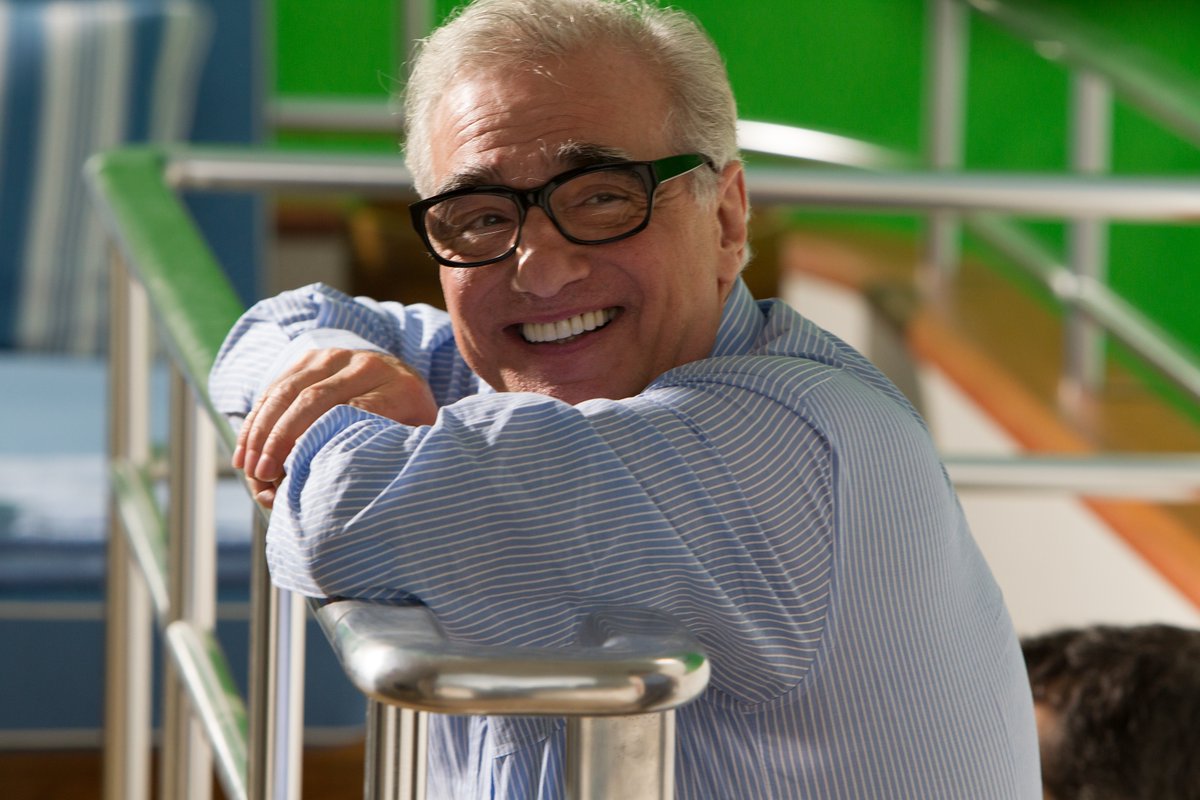
Scorsese appears in the film, too. We hear him as the voice of John, the first client Jordan talks to over the telephone, who he sells Aerotyne IND penny stocks to.
25/39
25/39


Scorsese told Robbie she could wear a bathrobe if she liked, but she said she should do the scene naked. She later said "The whole point of Naomi is her body is her only form of currency in this world...She has to be naked.” She had 3 shots of tequila before the shot.
26/39
26/39


When filming the sex scene where Naomi’s dog bites Jordan, the dog wouldn’t jump up. They put dog food on DiCaprio’s feet, and the dog was all over him. And Robbie said filming the later scene on the bed of money was painful - she got paper cuts all over her back.
27/39
27/39


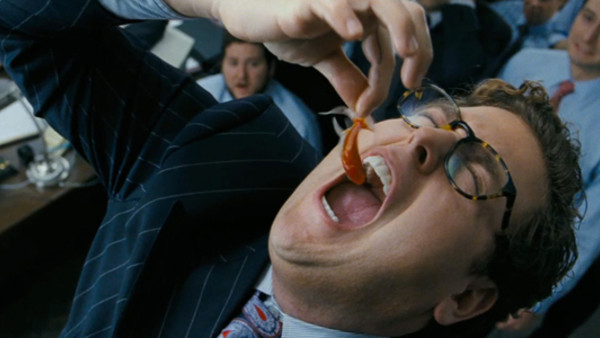
The scene where Donnie eats a goldfish was filmed with a real fish. Animal handlers were on set to oversee it and they told Hill he was allowed to keep the fish I his mouth for no longer than 3 seconds, and not swallow it.
28/39
28/39

Any scenes that involved snorting cocaine, the actors were actually snorting crushed vitamin B tablets. Hill said he later became ill with bronchitis after doing so much of it and was briefly hospitalised.
29/39
29/39


DiCaprio said that during the Quaalude scene it took around 70 takes to get the ham to stick to his face. They eventually did it by smearing DC’s face in KY Jelly and flicking the ham at him from a spoon.
30/39
30/39


The scene where Jordan tries to get into his car while out of his mind on Lemmons was improvised on the day by DiCaprio, including the part where he opens the door with his foot. DiCaprio reportedly strained his back shooting the scene so they only go to do it once.
31/39
31/39


DiCaprio also improvised the scene at the wedding where everybody dances. He was heavily into break-dancing when he was younger and seems like he may have been channelling that.
32/39
32/39
During the scene where Jordan Belfort talks to the FBI agents on his yacht, he hands over a list of wedding guests. The names on the list are the names of the film’s crew.
33/39
33/39


Filming the bachelor party scene, actress Maria Di Angelis said the actress that was paired with DiCaprio had to be replaced for being too “enthusiastic”. She said "She was all over him. They had to keep telling her: 'You can't just, like, hump him.'".
34/39
34/39


The scene where Brad punches Donnie is real. Jon Bernthal hit Jonah Hill so hard that Hill’s prosthetic teeth split and flew out of his mouth. Seeing an opportunity, Scorsese filmed Hill's face swelling up in real time.
35/39
35/39


Scorsese wanted the actors to improvise during the deposition scenes. He just told them to avoid saying anything important. Thelma Schoonmaker said some of these scenes lasted 20 minutes and were hilarious to watch back.
36/39
36/39


The real Jordan Belfort has a cameo. He appears in the final scene, introducing DiCaprio’s Belfort to the stage.
37/39
37/39


The first cut of the film was 4 hours. Scorsese trimmed it to 3 but it was still his longest ever movie at the time. Paramount considered releasing the 4 hours cut on DVD but Scorsese said "the director's cut is the film that is released.”
38/39
38/39


Due to its risky content, the film was banned in 5 countries. That didn’t stop it being a hit though and, on a $100m budget, The Wolf of Wall Street grossed $392m worldwide. Scorsese’s most commercially successful movie ever.
39/39
39/39


If you liked this thread, please RT the first tweet…
https://twitter.com/ATRightMovies/status/1689202458851950592?s=20
Our latest podcast is on FIGHT CLUB. Full of opinions and laughs so please check it out 😀
alltherightmovies.com/podcast/fight-…
alltherightmovies.com/podcast/fight-…
• • •
Missing some Tweet in this thread? You can try to
force a refresh