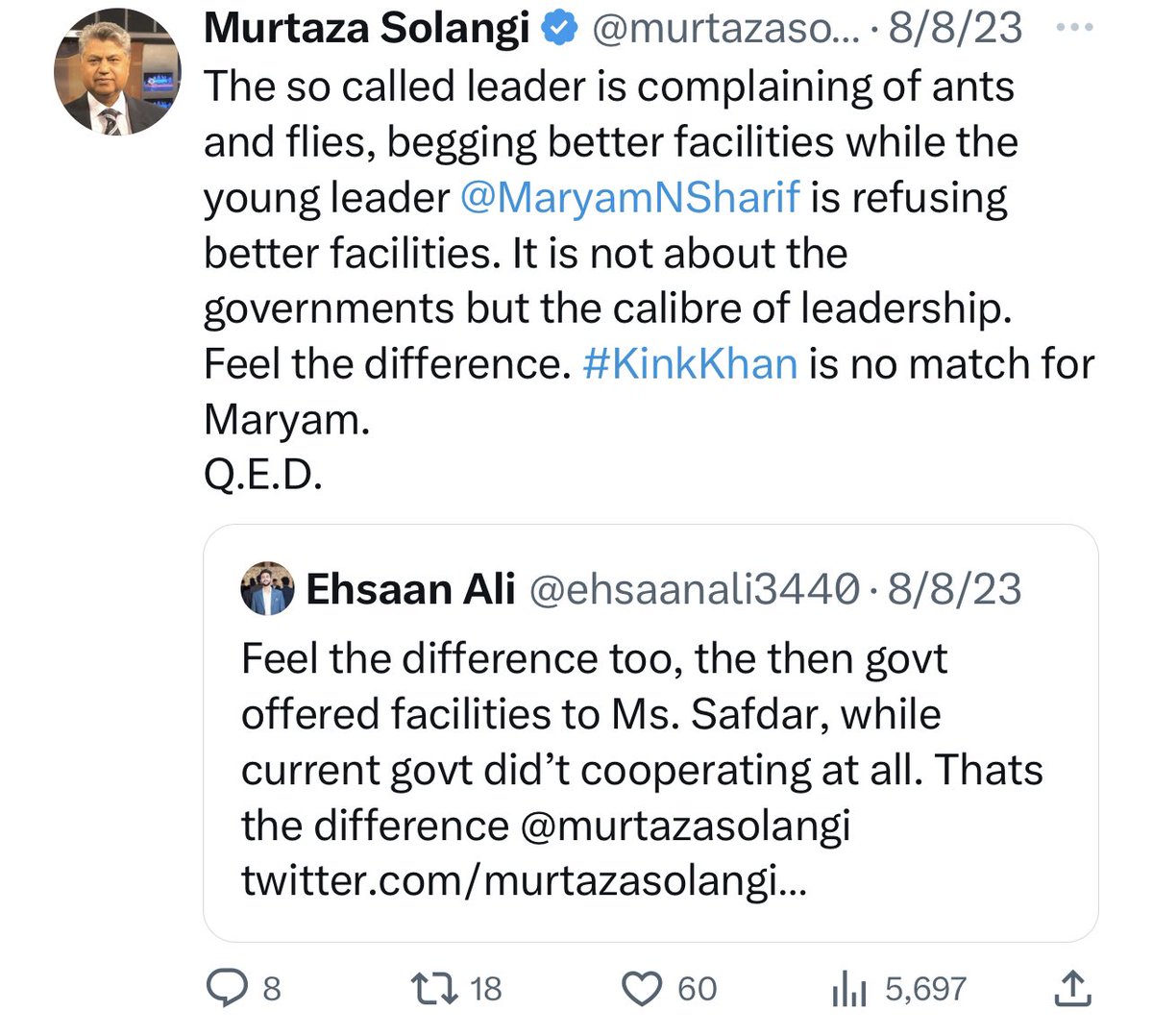
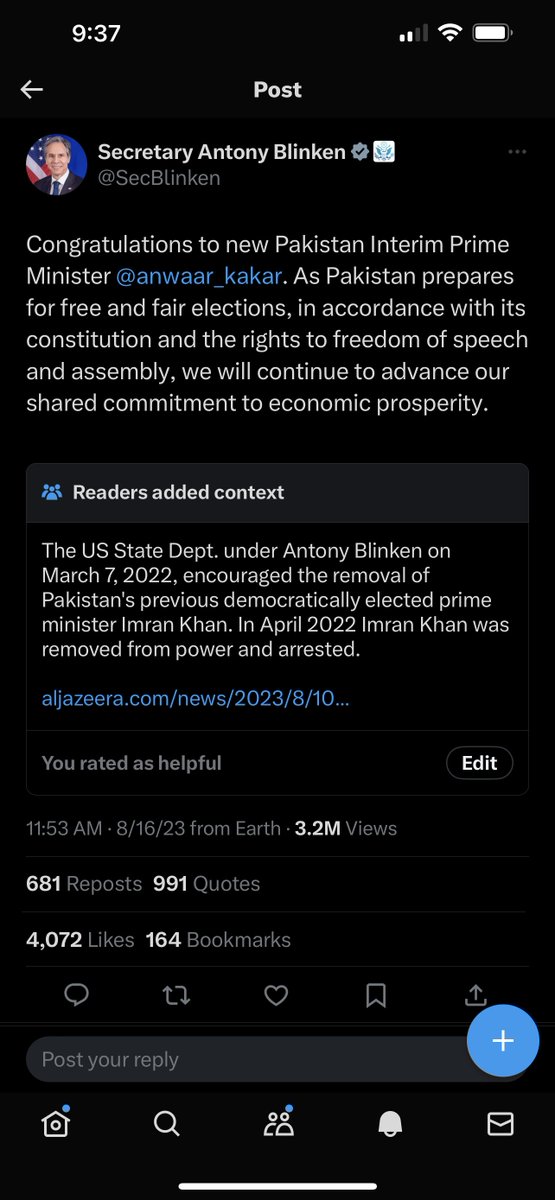
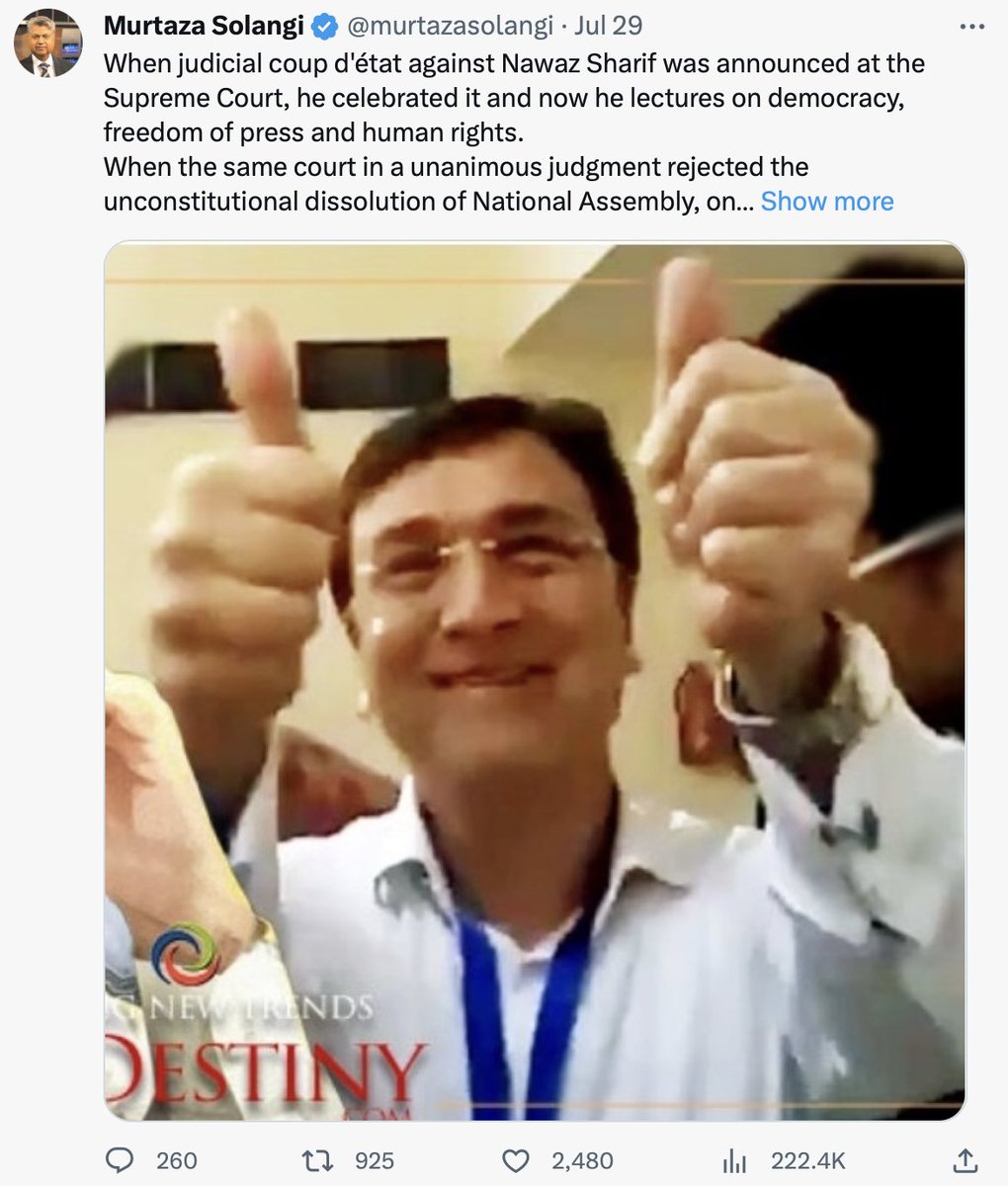
Murtaza’s entire feed is full of shameful rhetoric against IK, PTI, and their supporters. Perhaps Asim Munir should have instructed these idiots to delete their posts to portray a balanced narrative.
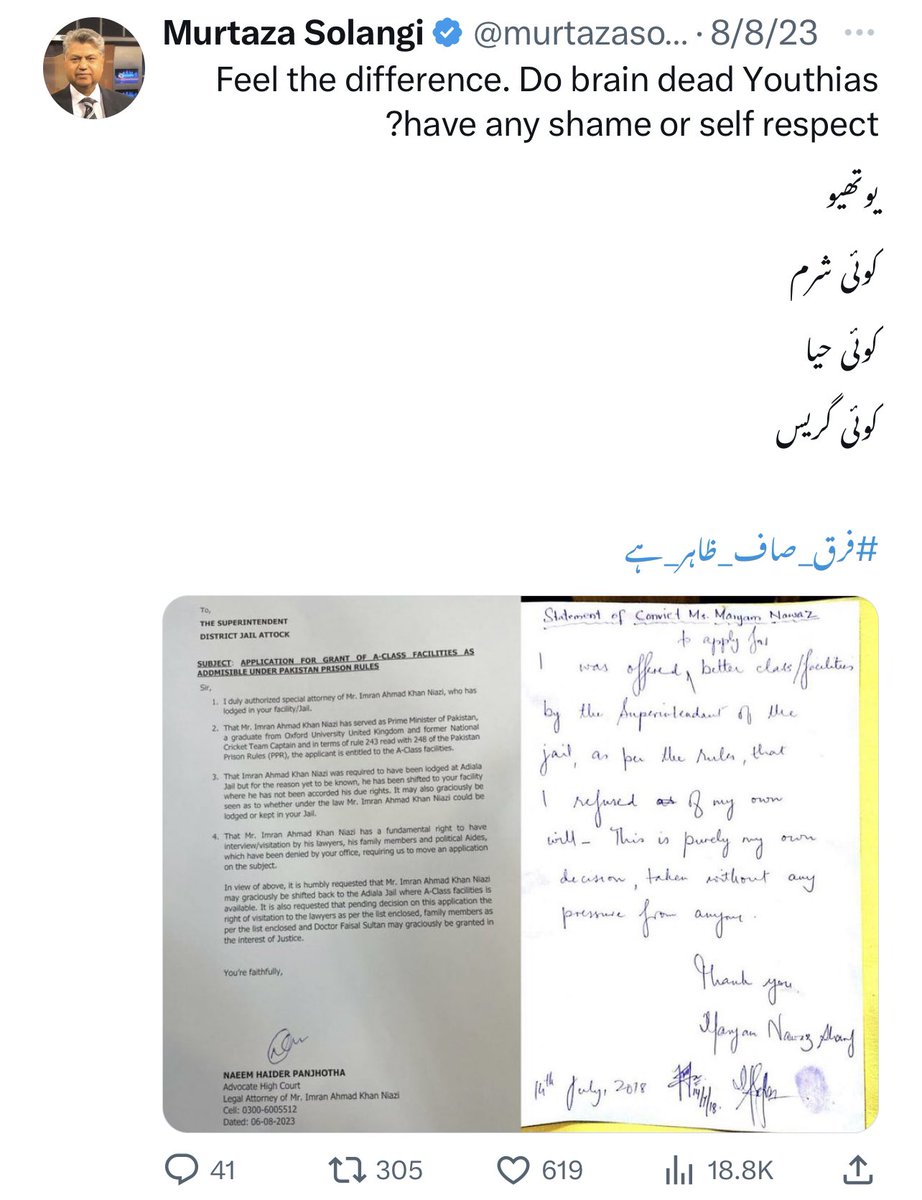
Half his feed is filled with anti-IK sentiment. So we are to expect a neutral caretaker setup that will organise free and fair elections? This nonsense is going to fall apart very quickly.
#سازشیوں_کی_کارکردگی
Vindictive much? Mr. Information Minister.
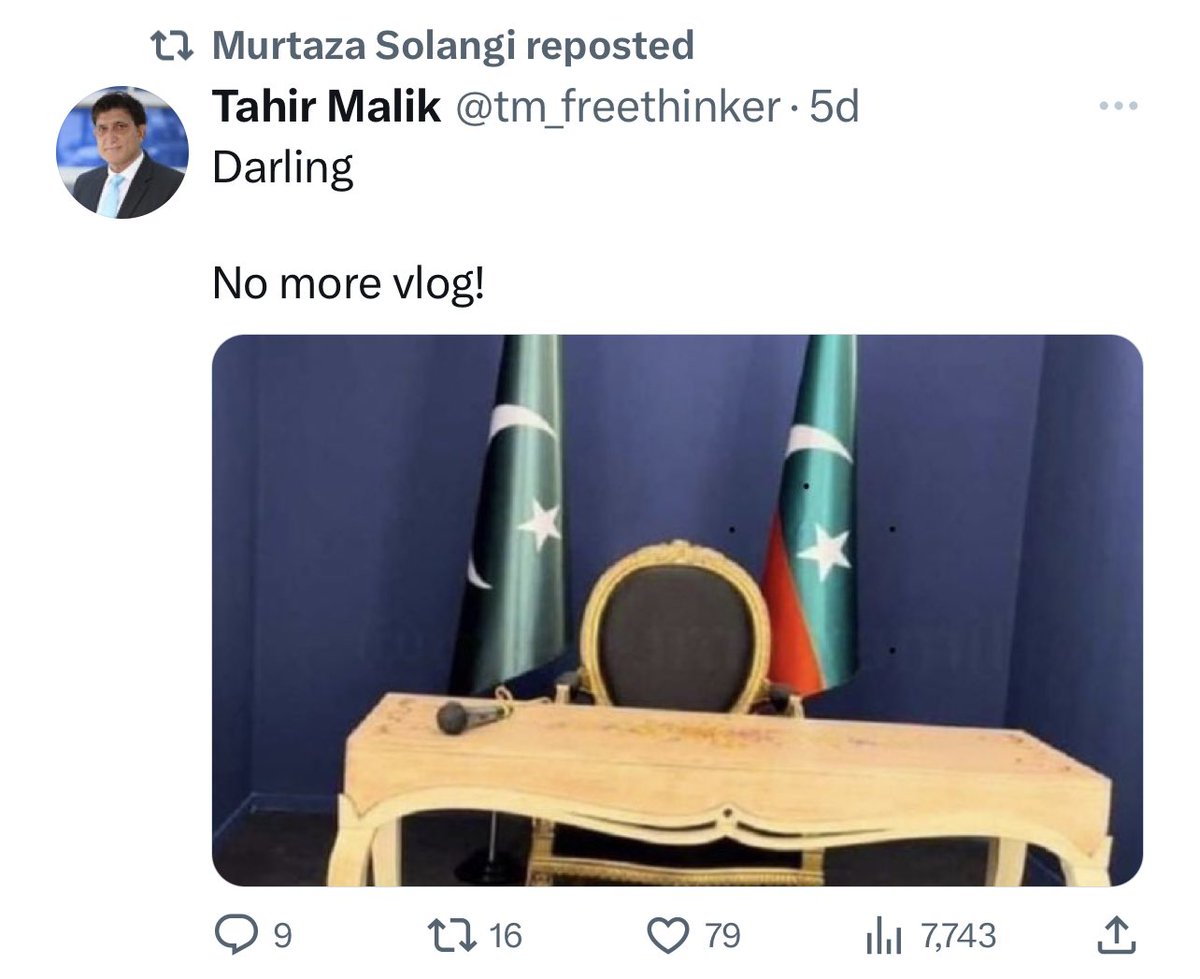
Your social media presence must include shit posting on IK and PTI.
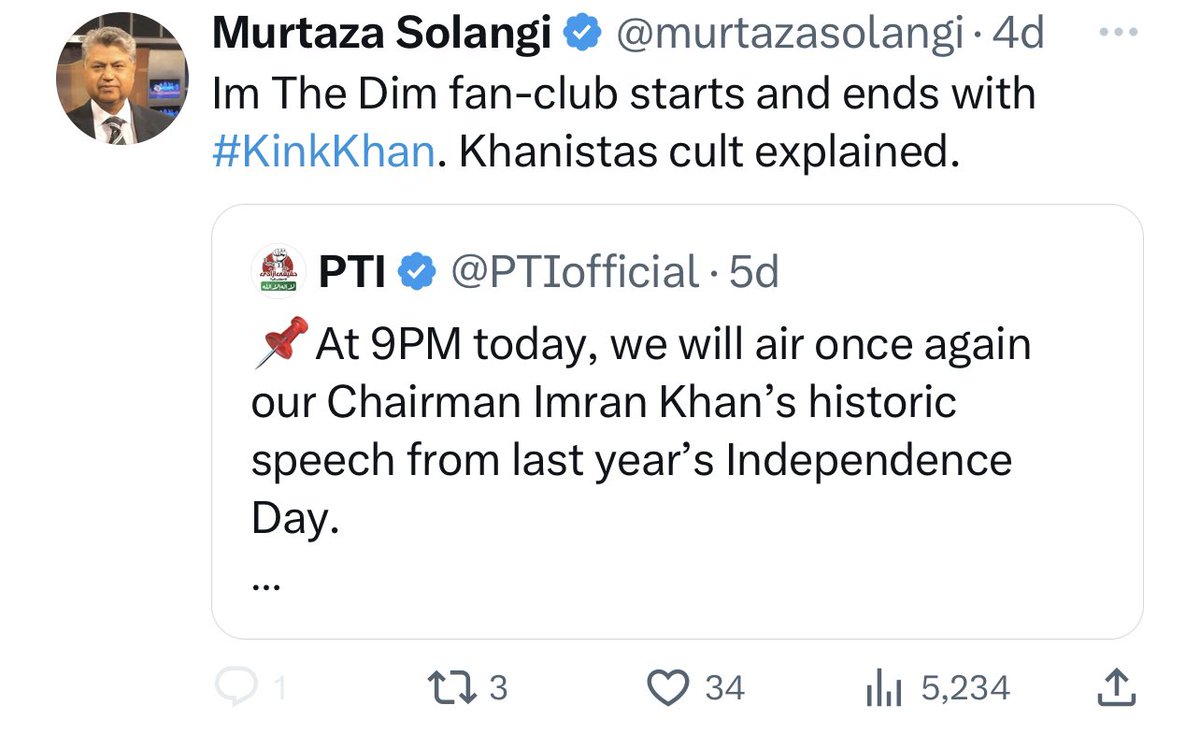
One must have a biased opinion to be part of the Asim Munir & Co caretaker cabinet. Except the cypher story is very much true and making waves across the globe.
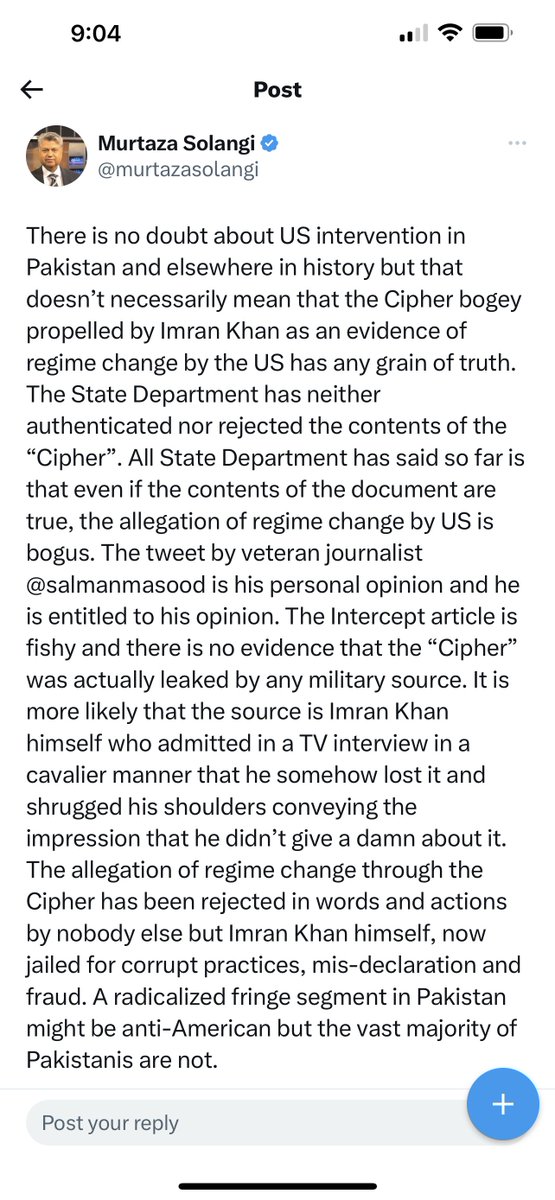
The information minister of the caretaker cabinet clearly does not have a bias. Right.

God damn. His anti-PTI rhetoric is nonstop.
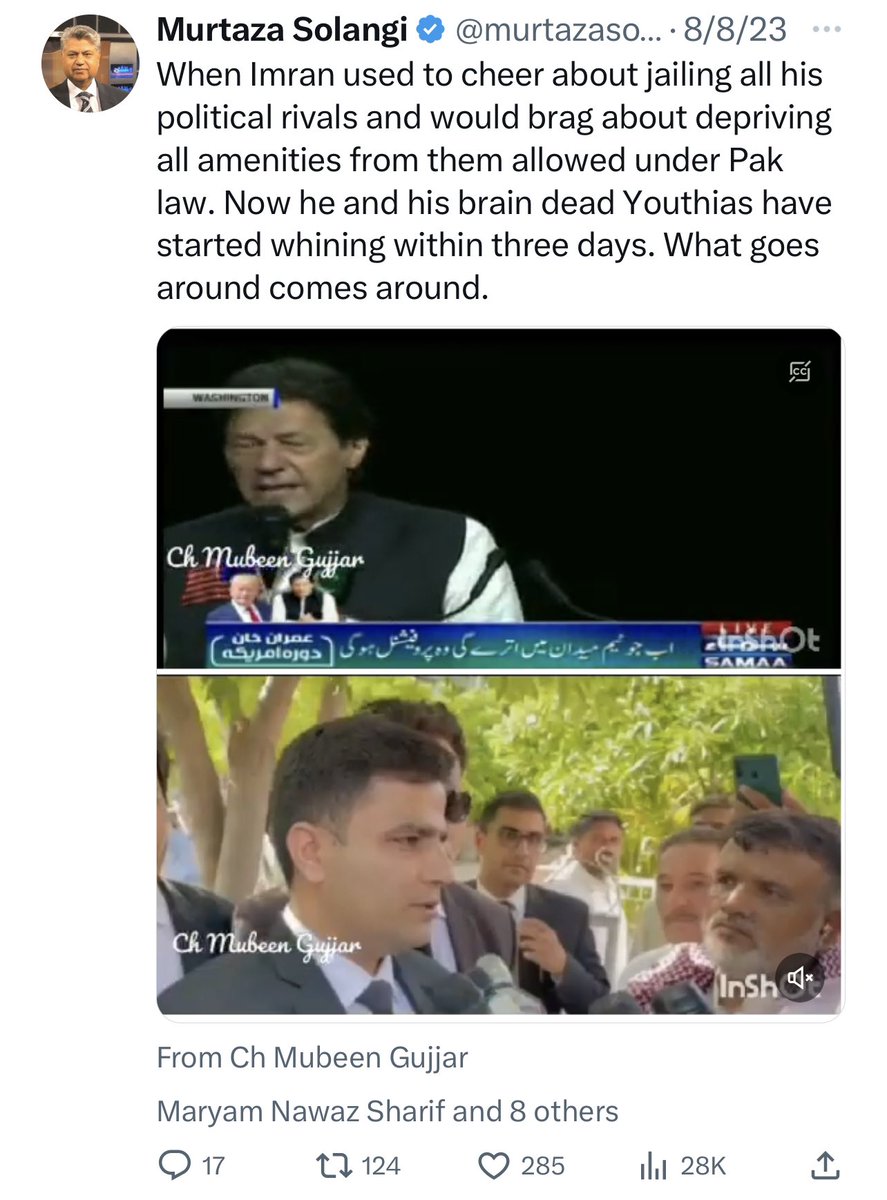
Bare in mind that he is now the information minister. He’s all official and s**t.
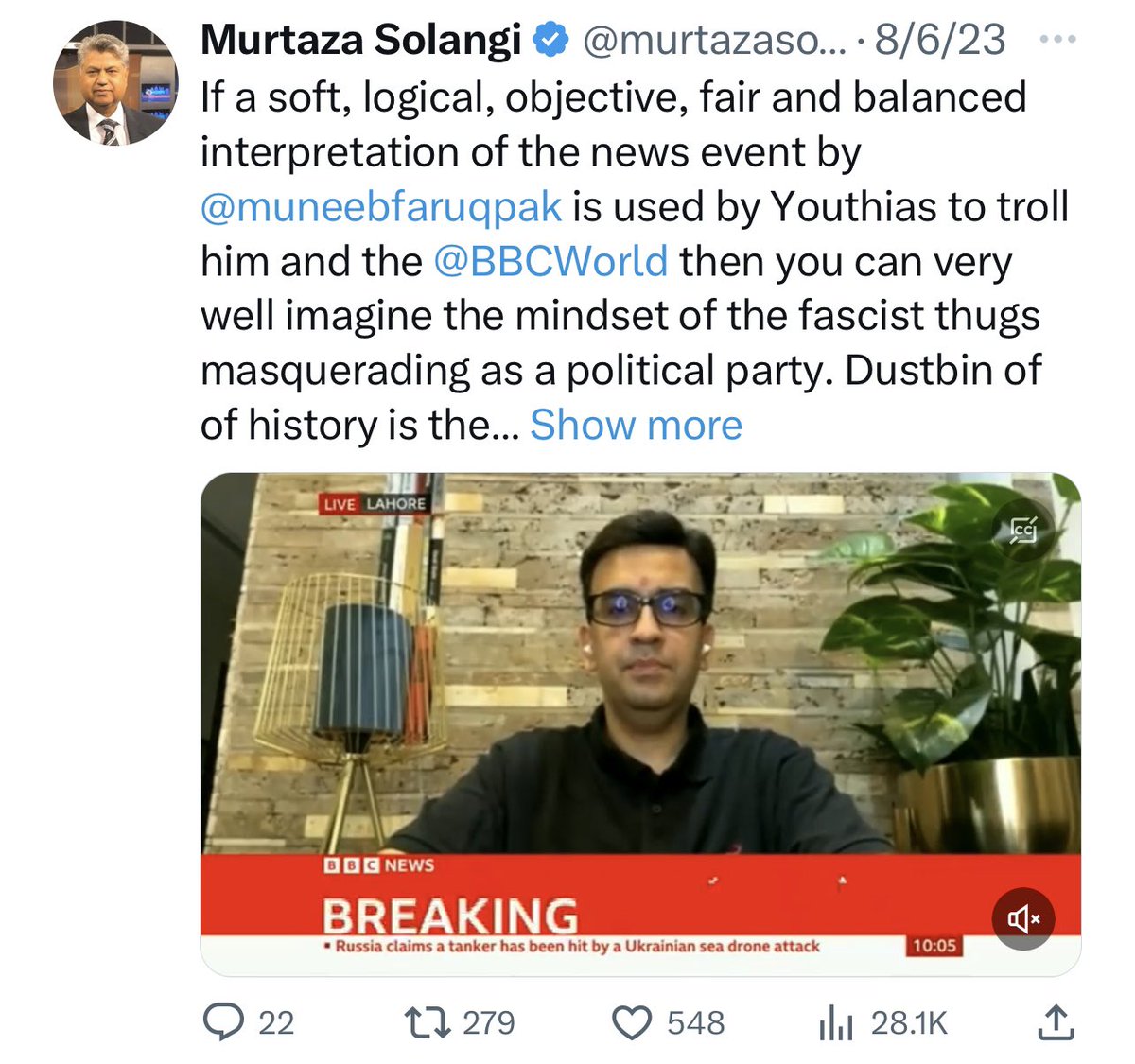
There is a love affair between the two.
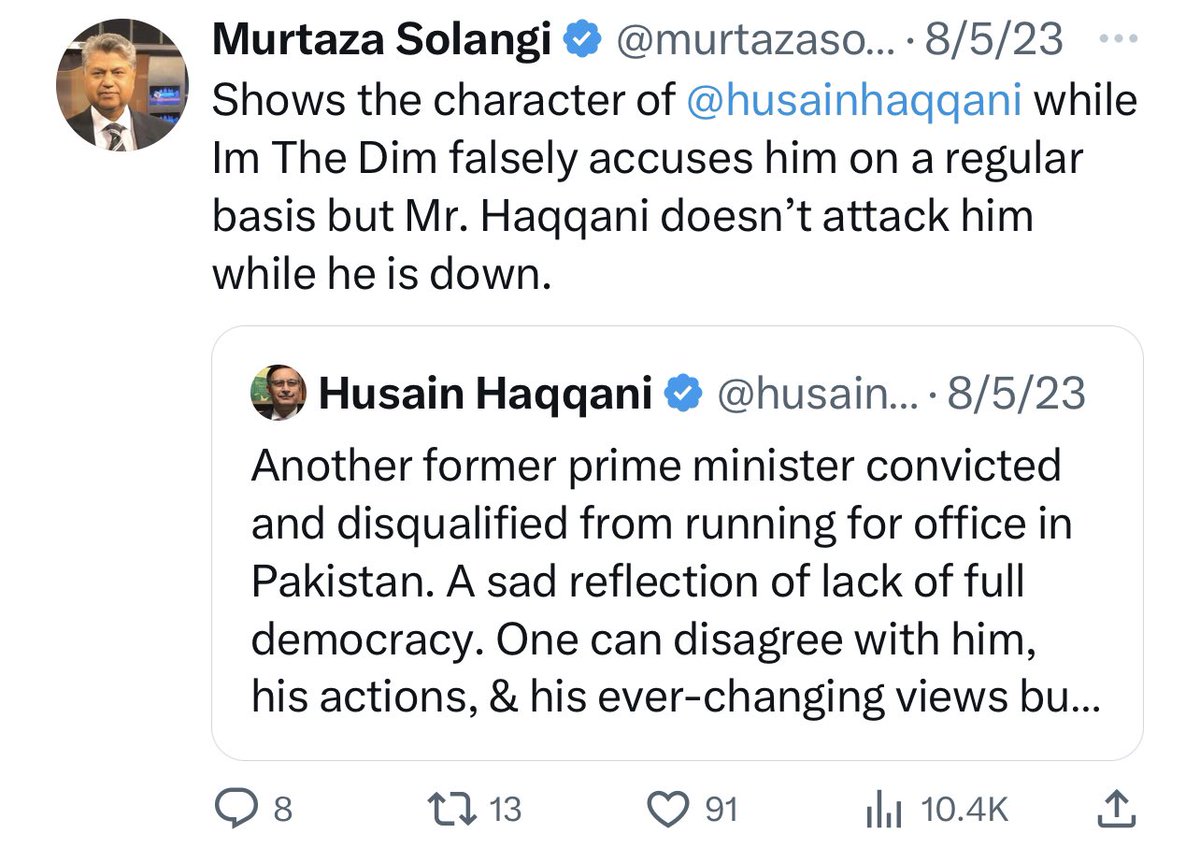
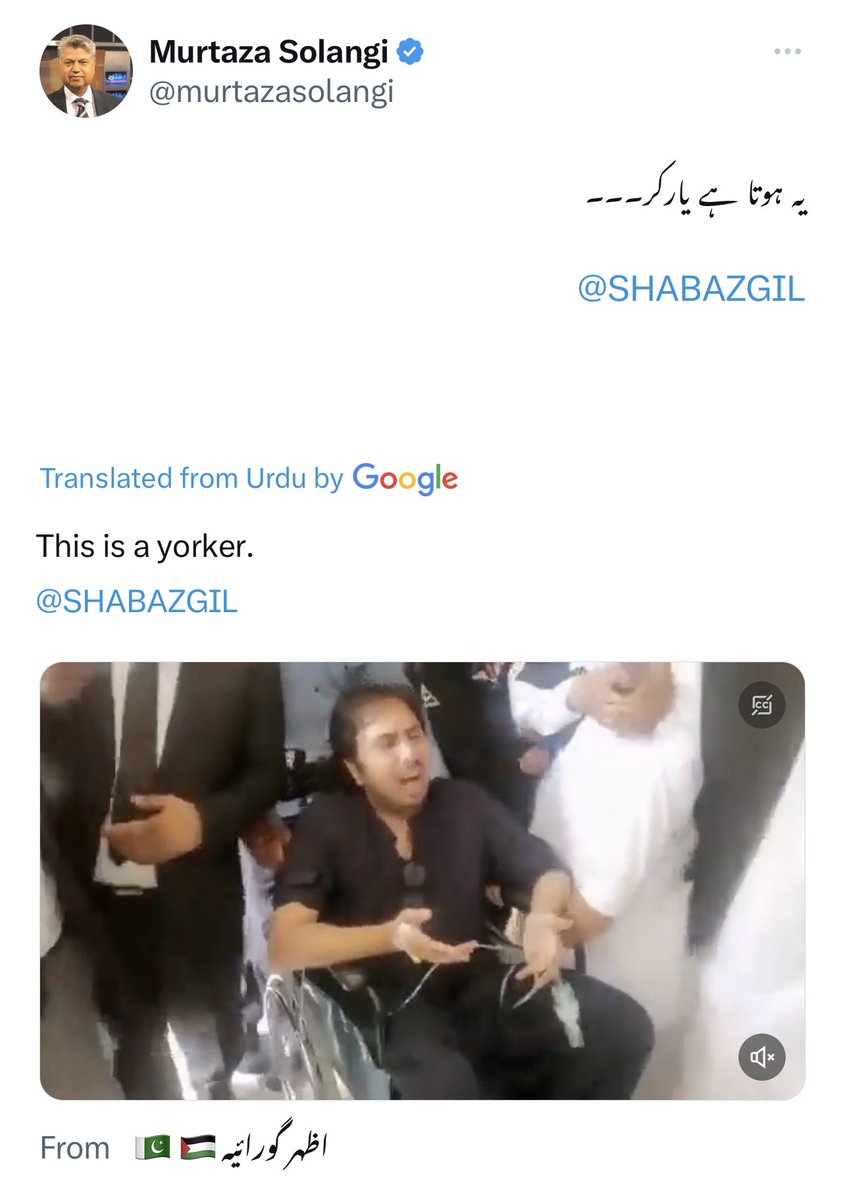
Is this appropriate Information Minister behaviour?
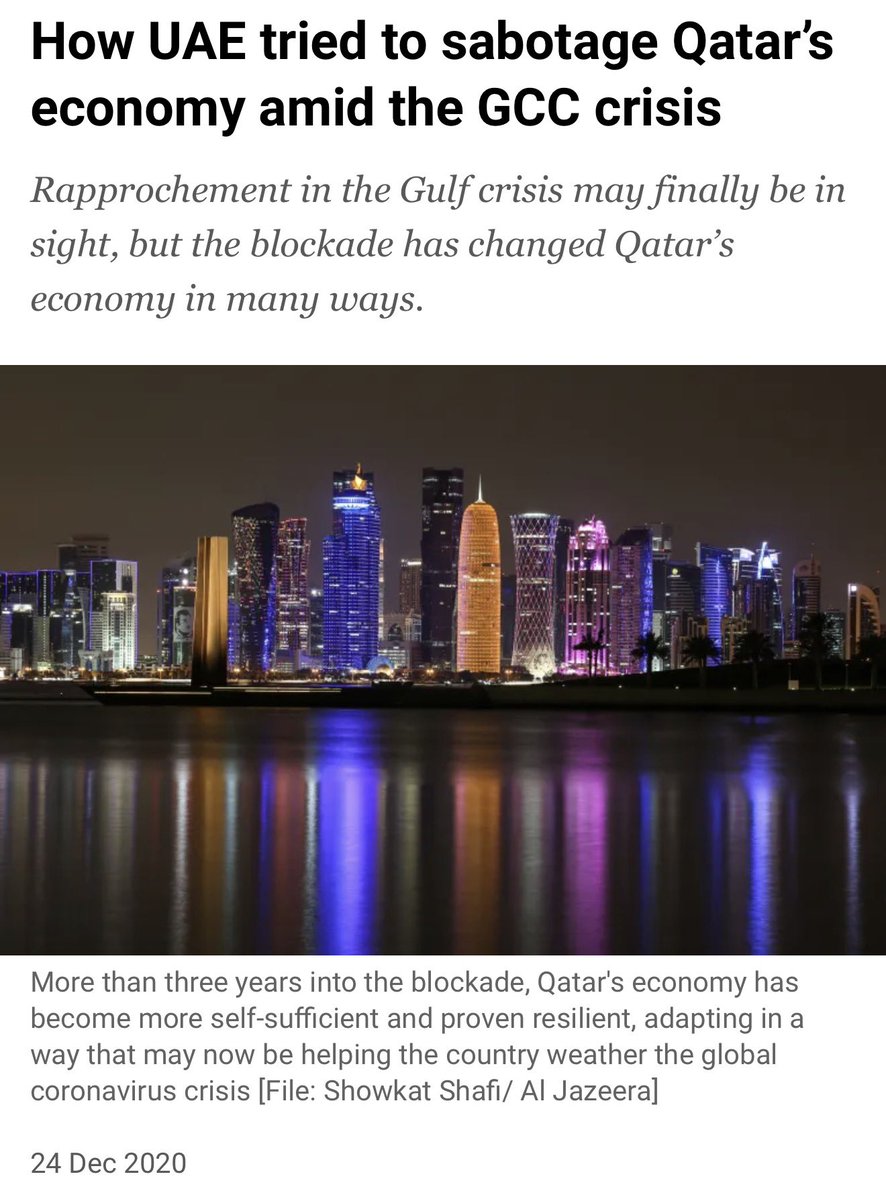
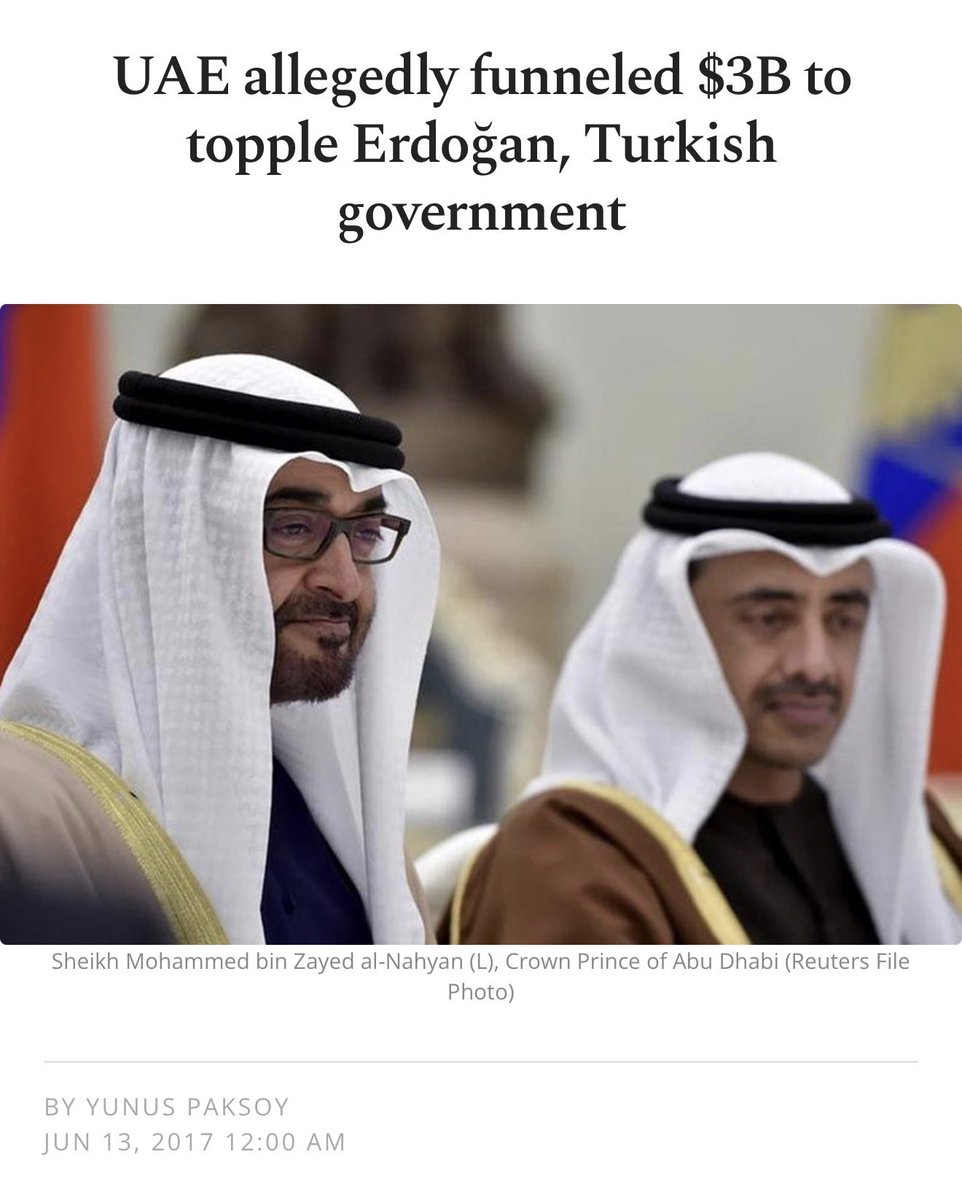
Allegations of UAE involvement in Iran’s currency crisis are circulating among regional diplomats. The speculation isn’t baseless, the Emirates has documented history targeting rivals’ economies, from Qatar’s riyal to Turkey’s lira.
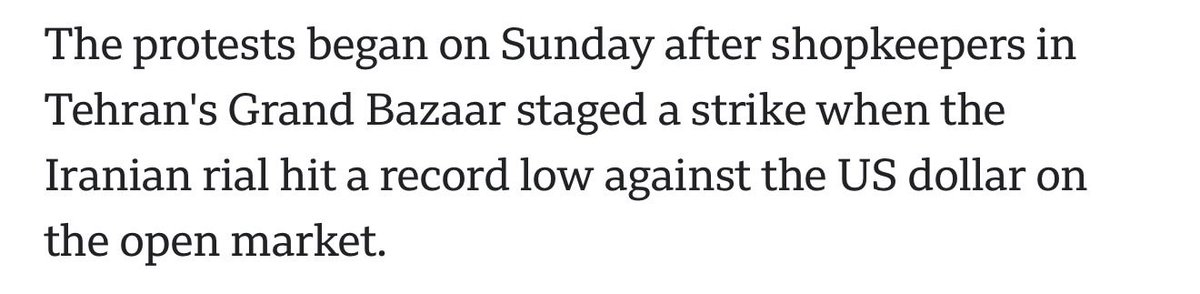
2/10 Iran’s rial crashed to record lows in December 2025, triggering bazaar strikes in Tehran that spread nationwide. The economic collapse stems from sanctions, war reconstruction costs, and failed policies, but questions about external acceleration persist.
3/10 In 2019, Doha filed lawsuits in London and New York against UAE’s First Abu Dhabi Bank and Luxembourg’s Banque Havilland, accusing them of manipulating the Qatari riyal during the 2017 GCC blockade.
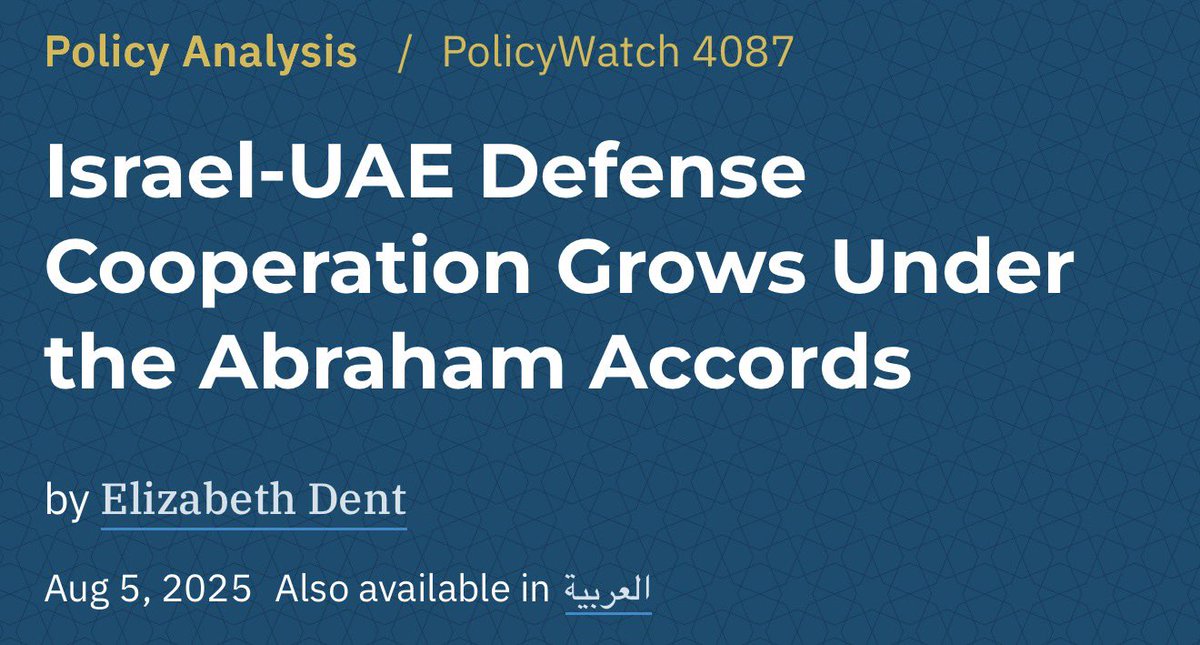
1/16 How the UAE Helped Build a Region That Worked for Israel, Not for Gaza
For years, the UAE presented its embrace of Israel as a brave leap into a modern Middle East, a story of innovation, investment and “peace” that played well in Western capitals and among global investors. Behind that presentation was a much harder reality: Abu Dhabi was steadily building a regional security environment where Israel’s military power could operate with fewer political costs from Arab capitals, and where the Palestinian question could be pushed out of the center of regional decision making.
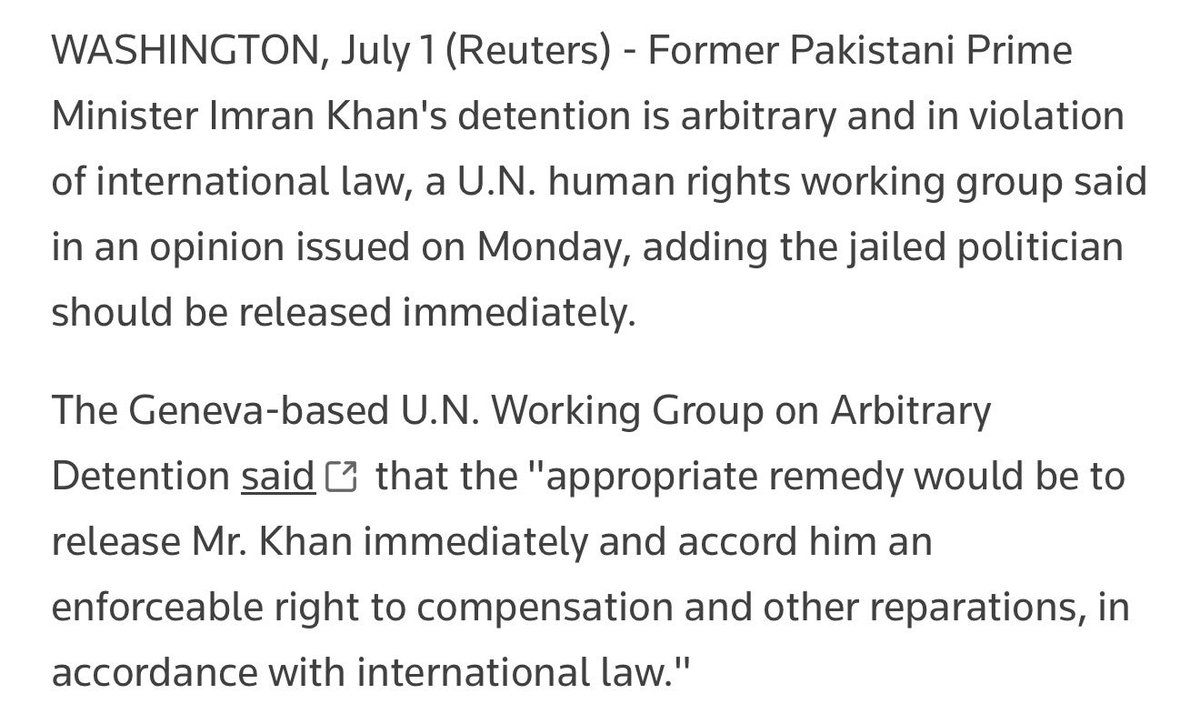
2/16 Pakistan’s internal drama eventually sat right inside this regional script. Imran Khan was removed from office in April 2022 and, over the months that followed, pushed from political leader into criminal defendant and finally into prisoner. His trials were dressed in legal language, but his detention is illegal in the eyes of international law: in mid‑2024, the UN Working Group on Arbitrary Detention formally declared that his imprisonment is arbitrary, violates Pakistan’s obligations and that he should be released immediately with a right to compensation.
3/16 By the time Gaza was set on fire, Imran Khan had already been taken off the board. He faced a barrage of cases, and a cycle of convictions that turned a former prime minister into a long term prisoner and kept him out of the February 2024 election entirely. Only a few months after Khan’s arrest, Israel’s assault on Gaza escalated into what UN experts and rights groups now openly describe as genocide, and the one leader in a nuclear armed Muslim country with both the profile and the instinct to challenge that order was already sitting in an illegally imposed detention.
1/25 The Misunderstood History of the Pakistan-Turkey-Malaysia Alliance During Imran Khan’s Era (Featuring the UAE)
The Pakistan-Turkey-Malaysia alliance under Imran Khan is one of the most deliberately misrepresented episodes in recent Pakistani foreign policy. The dominant narrative claims Khan recklessly built an anti-Saudi bloc that damaged Pakistan’s vital Gulf relationships. This narrative is not just incomplete. It is fundamentally backwards. The real story involves UAE pushing Saudi Arabia away from Pakistan on Kashmir, Khan responding by building alternative partnerships for economic survival and diplomatic solidarity, and a sophisticated propaganda campaign inverting cause and effect to destroy an independent Pakistani foreign policy. Lets walk through what actually happened.
2/25 The story begins with Kashmir in 2019, not with some ideological vision from Imran Khan. In August 2019, India revoked Article 370 of its constitution, stripping Kashmir of its special autonomous status and imposing a brutal military lockdown affecting millions of Kashmiris. This was India’s most aggressive move on Kashmir in decades. Pakistan expected its traditional Muslim allies, particularly Saudi Arabia and the UAE, to stand in solidarity on this core existential issue that had defined Pakistani foreign policy for seventy years. What happened instead was a betrayal that would reshape Pakistan’s entire regional strategy and force Khan to seek new partnerships. But that betrayal has been systematically erased from the historical record by those who benefited from it.
3/25 The betrayal actually started months before India’s August 2019 Kashmir move. In March 2019, the United Arab Emirates invited India as the guest of honor to the Organization of Islamic Cooperation foreign ministers meeting in Abu Dhabi. Think about what a stunning decision this was. The OIC had been established in 1969 partly in response to an arson attack on Al-Aqsa Mosque, with Kashmir as one of its founding agenda items. Pakistan was a founding member. For fifty years, OIC had been the primary multilateral platform where Muslim countries expressed solidarity with Pakistan on Kashmir. Now UAE was inviting India, the occupying power, as the guest of honor. Pakistan’s foreign minister protested vigorously and tried to get the invitation withdrawn or at minimum get Kashmir condemnation included in the final Abu Dhabi Declaration. UAE and Saudi Arabia refused on both counts. The declaration made zero mention of Kashmir. This was the first unmistakable signal that Gulf priorities had fundamentally shifted.
1/15 The Strategic Sabotage of the Khan-MBS Partnership by the UAE
The removal of a sitting Prime Minister is rarely just about domestic politics. In the case of Imran Khan, a sophisticated regional operation was executed to systematically destroy his personal rapport with Saudi Crown Prince Mohammad bin Salman. This was a strategic move to ensure Pakistan remained dependent on middlemen rather than a sovereign partner.
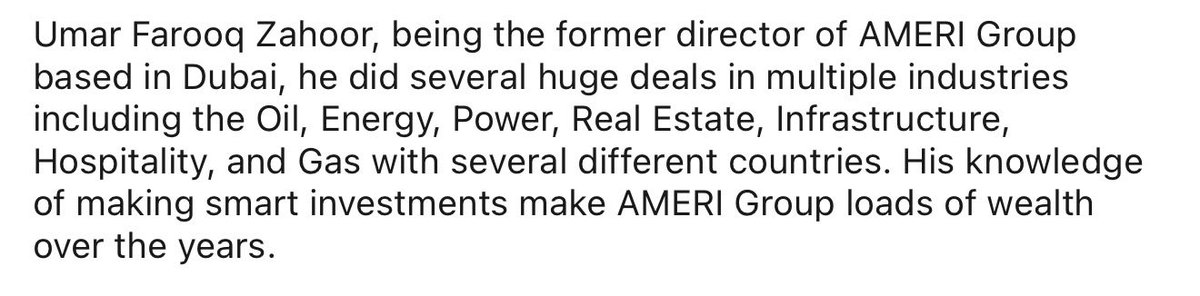
2/15 Central to this narrative is Umar Farooq Zahoor. While presented to the public as a businessman, his background suggests a role as a high level strategic asset. For years, he operated at the highest levels of UAE corporate power as the Director of AMERI Group, the private office of Sheikh Ahmed Bin Dalmook Al Maktoum, a member of the Dubai ruling family.
3/15 Zahoor is not an independent actor. Despite facing serious legal allegations and red notices in Europe for financial fraud, he has enjoyed high level protection and luxury in Dubai. His role as a fixer for regional interests made him the perfect instrument to execute a character assassination against the leadership in Islamabad.
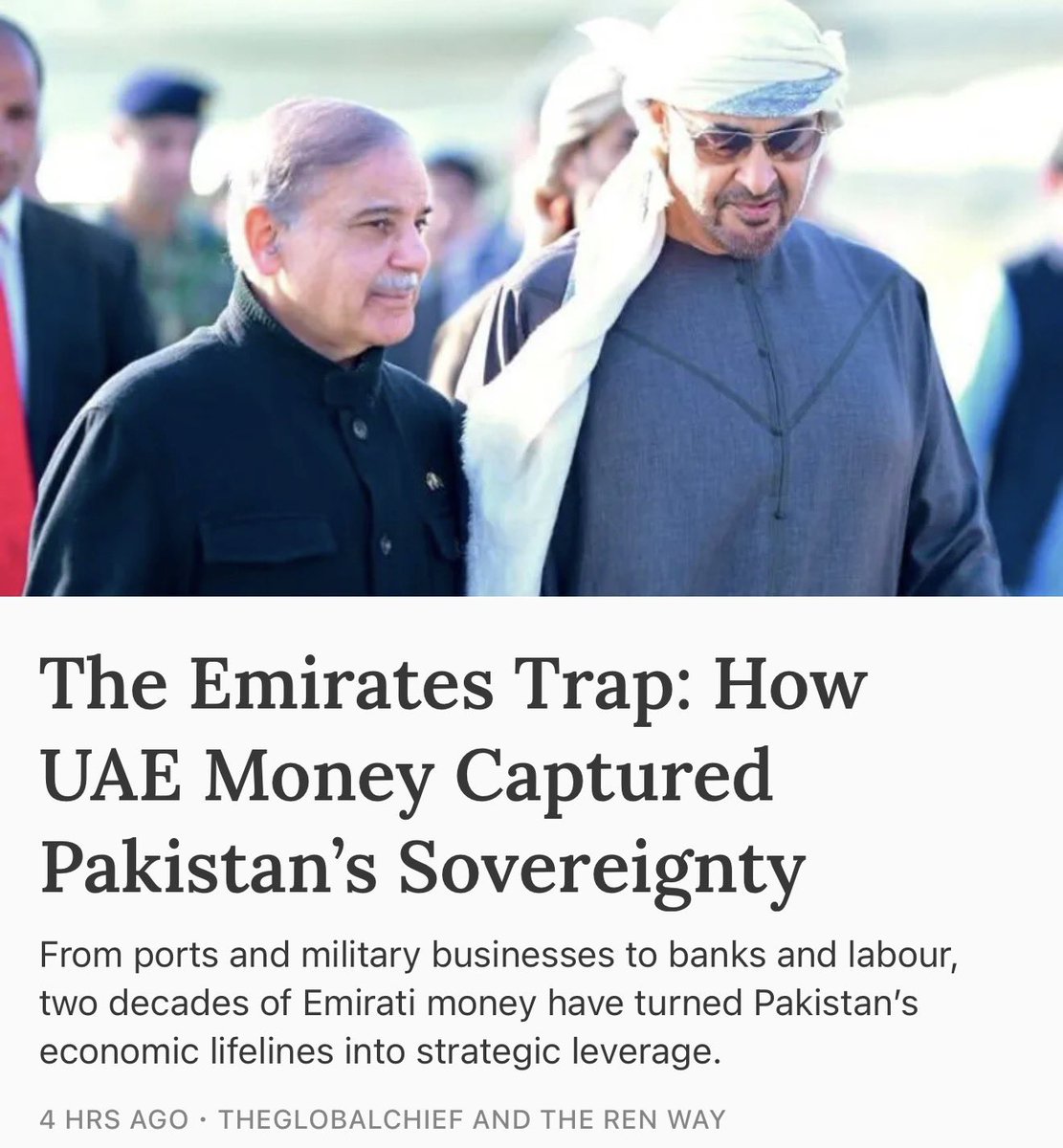
Over 20 years, UAE money has moved from “brotherly support” to deep leverage over Pakistan’s ports, military business empire, banks, land, minerals, workers and foreign policy.
2/25 Phase 1 (2005–2008) looked like normal FDI:
- 2005: Etisalat buys 26% of PTCL and takes over the telecom backbone.
- 2006: Dubai’s DP World comes in at Port Qasim.
- 2007–08: Emaar–DHA mega real estate projects and big UAE pledges roll in.
3/25 From 2008 to 2018, nothing was flashy, but the roots went deep. DP World Karachi quietly became Pakistan’s main container gate, Etisalat kept a long running 800 million dollar payment dispute alive over PTCL, and Gulf money settled into land and real estate. This was the consolidation decade.
Pakistan’s gravest national security risks today are not only on its borders or in its skies, but buried in contracts, concession agreements, and equity deals signed in Abu Dhabi boardrooms. A dense, state linked capital network connecting the UAE and Israel is now embedded inside Pakistan’s ports, banking system, energy infrastructure, and mineral wealth, creating a quiet but powerful architecture of dependency that will shape Islamabad’s strategic options for decades. What appears, on the surface, as much needed foreign investment increasingly functions as a mechanism of structural leverage over the Pakistani state itself.
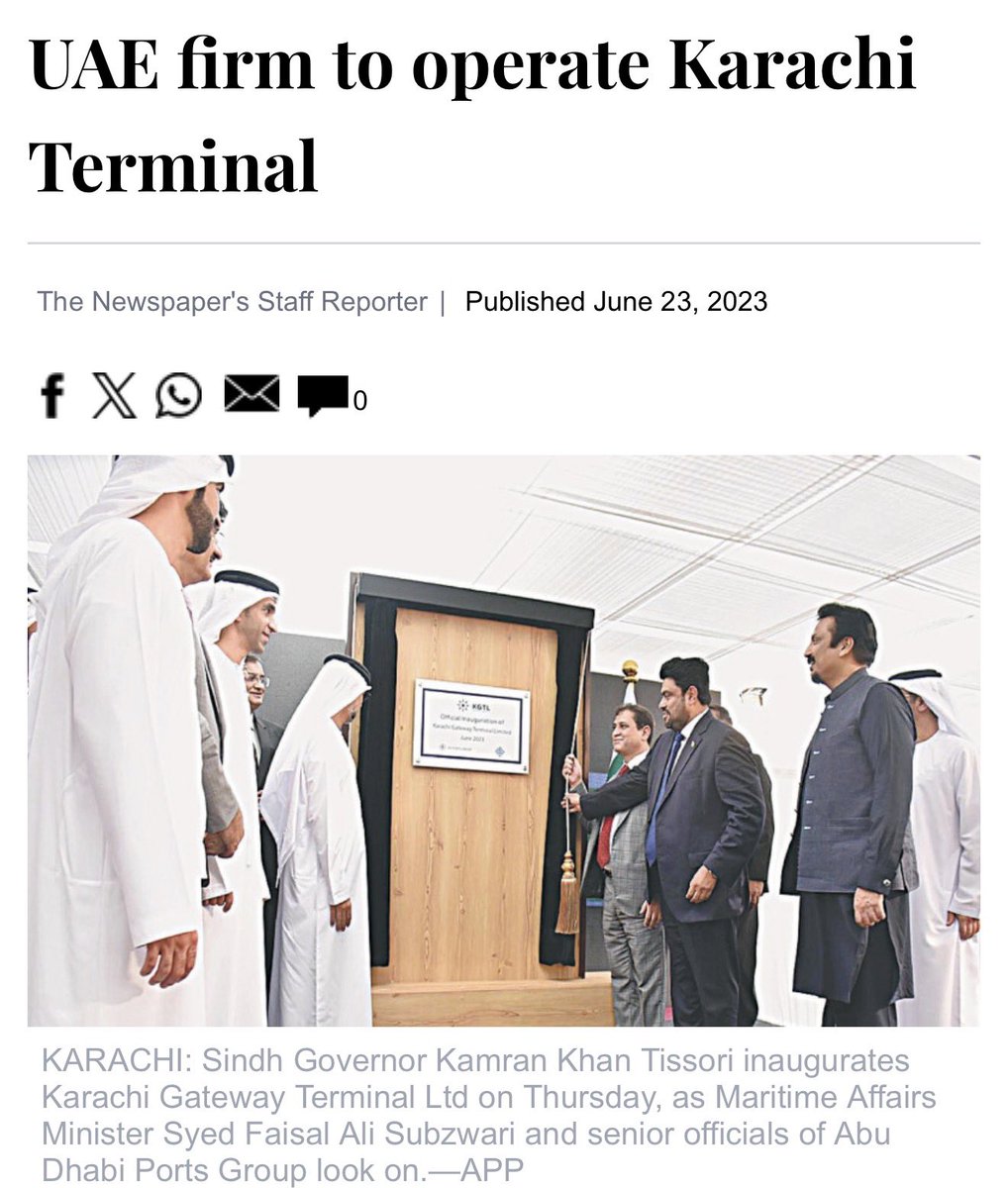
2/21 At the center of this landscape stand two Abu Dhabi giants: AD Ports Group and International Holding Company (IHC). Both are presented publicly as diversified commercial powerhouses, but their ownership, leadership, and mandates clearly situate them within the UAE’s national security ecosystem rather than a normal private marketplace. AD Ports is majority owned by ADQ, the Abu Dhabi holding company that operates as an arm of the ruling family, while IHC is chaired by Sheikh Tahnoon bin Zayed, the UAE’s National Security Advisor, who simultaneously manages sovereign capital and strategic portfolios. When such entities acquire control over Pakistani facilities and institutions, the distinction between foreign investor and foreign power becomes largely academic.
3/21 A critical piece of this puzzle is AD Ports’ 25 year concession at Karachi Port. Karachi is not just one terminal among many; it is Pakistan’s primary maritime gateway, handling the bulk of containerized trade and serving as a lifeline for imports of fuel, food, industrial inputs, and consumer goods. Ceding a quarter century of operational control over a bulk and general cargo terminal there means placing a key node of national logistics under the long term authority of a foreign state linked operator, including decisions on terminal management, technological systems, staffing, and, crucially, the data generated by every transaction that passes through.