Read on Twitter
🔍🕵️In a key report conducted by @CREWcrew 𝐓𝐫𝐮𝐦𝐩'𝐬 Middle East Earnings During his Presidency Fetched at Least A Minimum of $9.6 𝐌𝐢𝐥𝐥𝐢𝐨𝐧 𝐝𝐨𝐥𝐥𝐚𝐫𝐬.
During his presidency, Donald Trump reportedly earned around $9.6 million from Middle Eastern countries, a calculation based on extensive reporting and analysis of his tax returns by CREW. This amount is over six times his official presidential salary and highlights the intricate financial entanglements he maintained while in office. Trump's decision to retain his business interests post-election blurred the boundary between his government role and his enterprises, leading to a multitude of conflicts of interest.
This strategy proved highly profitable, resulting in tens of millions from international business activities throughout his tenure. Foreign officials, particularly from Middle Eastern nations like Saudi Arabia, Qatar, the UAE, and Turkey, actively leveraged his properties to establish connections with the president, demonstrating the sway of financial interests on diplomatic relationships.
During his presidency, Donald Trump reportedly earned around $9.6 million from Middle Eastern countries, a calculation based on extensive reporting and analysis of his tax returns by CREW. This amount is over six times his official presidential salary and highlights the intricate financial entanglements he maintained while in office. Trump's decision to retain his business interests post-election blurred the boundary between his government role and his enterprises, leading to a multitude of conflicts of interest.
This strategy proved highly profitable, resulting in tens of millions from international business activities throughout his tenure. Foreign officials, particularly from Middle Eastern nations like Saudi Arabia, Qatar, the UAE, and Turkey, actively leveraged his properties to establish connections with the president, demonstrating the sway of financial interests on diplomatic relationships.
𝐒𝐚𝐮𝐝𝐢 𝐀𝐫𝐚𝐛𝐢𝐚
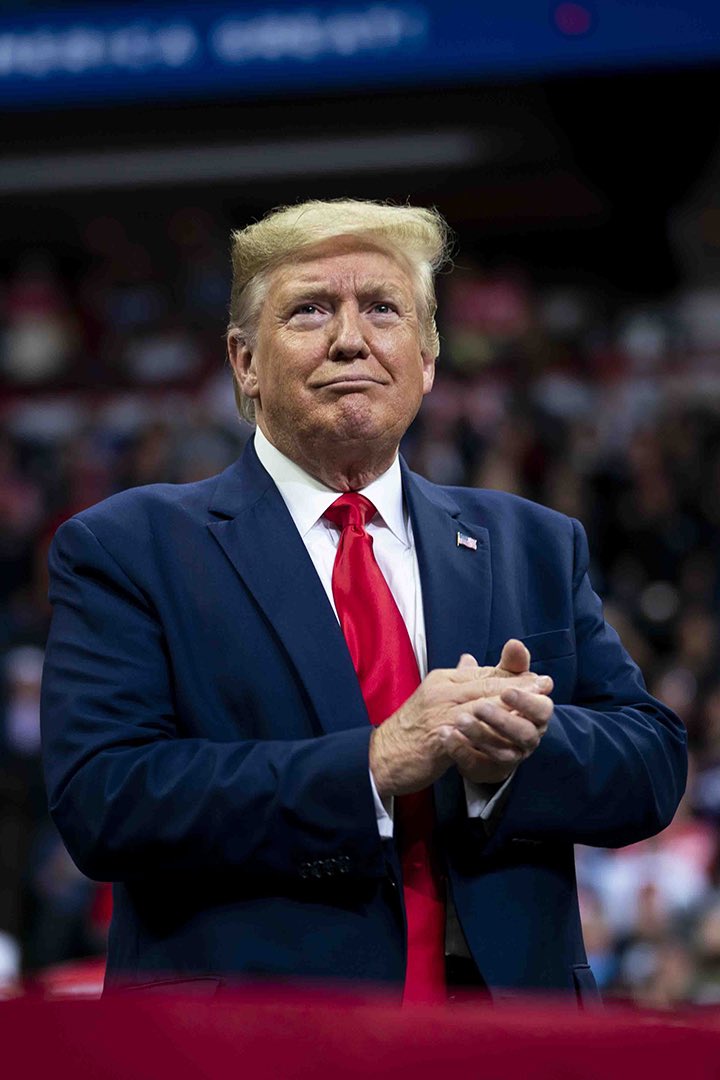
Between December 2016 and February 2017, Saudi government lobbyists took steps to secure multiple rooms at Trump's D.C. hotel, resulting in a reported 500 nights booked within three months and a spending of over $270,000 at the luxury property. This trend of Saudi patronage continued during Trump's tenure. In 2018, during the visit of the Saudi Crown Prince to New York, various members of his entourage opted to stay at the Trump International Hotel in Manhattan. These accommodations led to a significant revenue surge of 13%, reversing the hotel's two-year financial decline. Notably, prior to the tragic murder of journalist Jamal Khashoggi by Saudi agents, Trump's business partner in Indonesia forged an agreement with a Saudi-backed company to collaborate on a project featuring Trump-branded elements. This arrangement hinted at a broader connection between business interests and politics. Following Khashoggi's murder, Trump reciprocated with support for Saudi leaders, even insinuating that Khashoggi had ties to terrorist groups.
Between December 2016 and February 2017, Saudi government lobbyists took steps to secure multiple rooms at Trump's D.C. hotel, resulting in a reported 500 nights booked within three months and a spending of over $270,000 at the luxury property. This trend of Saudi patronage continued during Trump's tenure. In 2018, during the visit of the Saudi Crown Prince to New York, various members of his entourage opted to stay at the Trump International Hotel in Manhattan. These accommodations led to a significant revenue surge of 13%, reversing the hotel's two-year financial decline. Notably, prior to the tragic murder of journalist Jamal Khashoggi by Saudi agents, Trump's business partner in Indonesia forged an agreement with a Saudi-backed company to collaborate on a project featuring Trump-branded elements. This arrangement hinted at a broader connection between business interests and politics. Following Khashoggi's murder, Trump reciprocated with support for Saudi leaders, even insinuating that Khashoggi had ties to terrorist groups.
𝐐𝐚𝐭𝐚𝐫
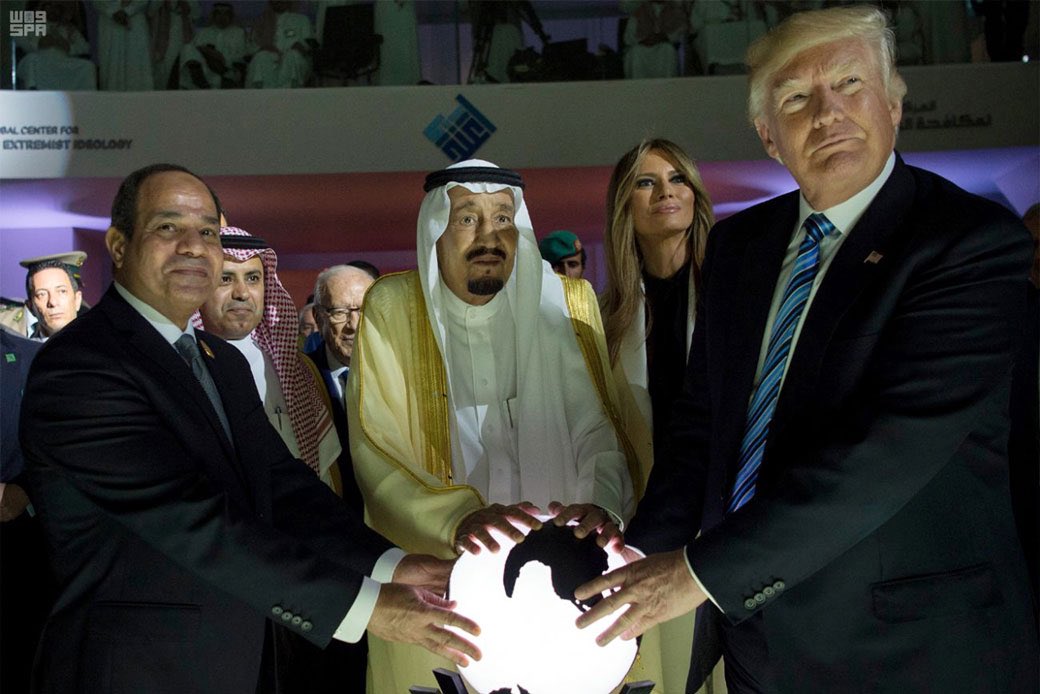
Amid diplomatic rifts in the Middle East, with several nations severing ties with Qatar over alleged support for terrorism, Qatar undertook extensive lobbying efforts to restore its rapport with the U.S. and the Trump administration. Aiming to mend relations, Qatar invested significant resources, acquiring a $6.5 million condominium in Trump World Tower. Further cementing their intentions, they leased space in a San Francisco building co-owned by Trump himself, contributing a substantial annual rent of $125,000 directly to the president. Curiously, despite finishing renovations by February 2018, the rented office space remained unoccupied. This sequence culminated in April 2018 when Trump warmly welcomed the Emir of Qatar to the Oval Office, commending the nation's counterextremism efforts. This strategic positioning raises questions about the intersection of business interests and political overtures during the Trump presidency.
Amid diplomatic rifts in the Middle East, with several nations severing ties with Qatar over alleged support for terrorism, Qatar undertook extensive lobbying efforts to restore its rapport with the U.S. and the Trump administration. Aiming to mend relations, Qatar invested significant resources, acquiring a $6.5 million condominium in Trump World Tower. Further cementing their intentions, they leased space in a San Francisco building co-owned by Trump himself, contributing a substantial annual rent of $125,000 directly to the president. Curiously, despite finishing renovations by February 2018, the rented office space remained unoccupied. This sequence culminated in April 2018 when Trump warmly welcomed the Emir of Qatar to the Oval Office, commending the nation's counterextremism efforts. This strategic positioning raises questions about the intersection of business interests and political overtures during the Trump presidency.
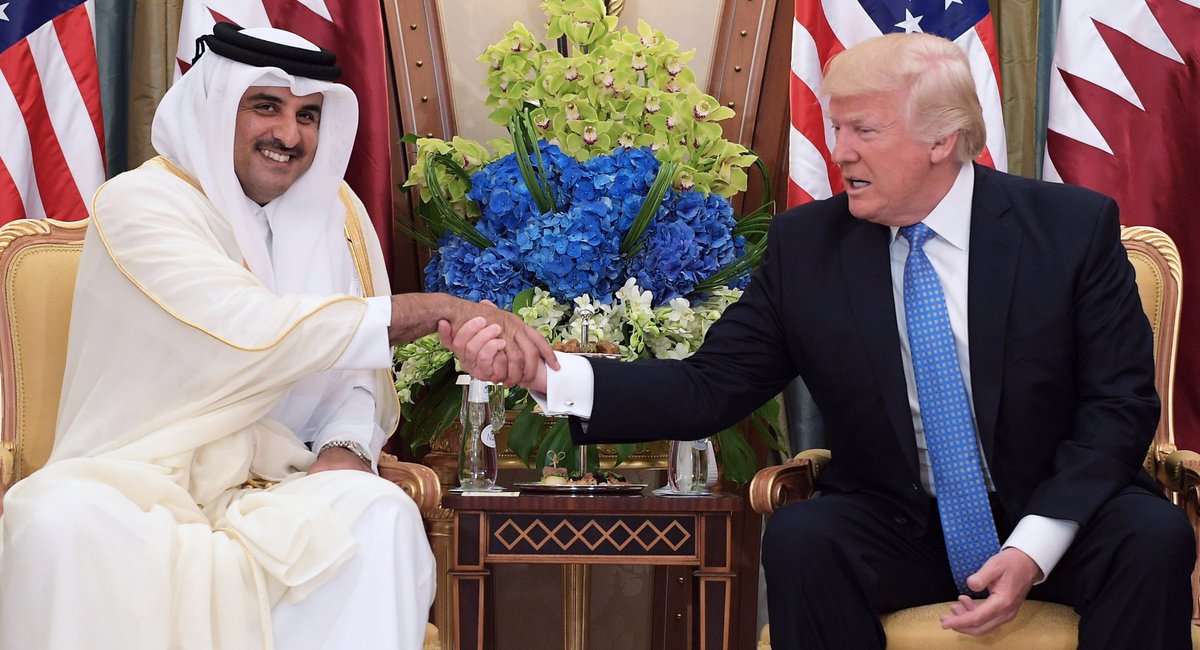
𝐔𝐧𝐢𝐭𝐞𝐝 𝐀𝐫𝐚𝐛 𝐄𝐦𝐢𝐫𝐚𝐭𝐞𝐬
Amidst growing concerns over corruption and human rights issues, Donald Trump capitalized on financial opportunities from the United Arab Emirates (U.A.E.), primarily through his Dubai golf course. Before his presidency, Trump reaped substantial royalties, potentially reaching $10 million, from the Dubai golf course and other projects. Adding to these financial interactions, the U.A.E. expended sizable sums, up to $10,000 per night, for accommodations at Trump's Washington D.C. hotel between late 2017 and mid-2018. Coinciding with these transactions, Trump displayed favorable actions toward the U.A.E., aligning his administration with the "maximum pressure" approach against Iran, a U.A.E. adversary, and endorsing a $23 billion arms deal with Abu Dhabi in 2020. These intersections of finance and diplomacy raise questions about the dynamics of Trump's business interests intertwined with his political decisions.
Amidst growing concerns over corruption and human rights issues, Donald Trump capitalized on financial opportunities from the United Arab Emirates (U.A.E.), primarily through his Dubai golf course. Before his presidency, Trump reaped substantial royalties, potentially reaching $10 million, from the Dubai golf course and other projects. Adding to these financial interactions, the U.A.E. expended sizable sums, up to $10,000 per night, for accommodations at Trump's Washington D.C. hotel between late 2017 and mid-2018. Coinciding with these transactions, Trump displayed favorable actions toward the U.A.E., aligning his administration with the "maximum pressure" approach against Iran, a U.A.E. adversary, and endorsing a $23 billion arms deal with Abu Dhabi in 2020. These intersections of finance and diplomacy raise questions about the dynamics of Trump's business interests intertwined with his political decisions.
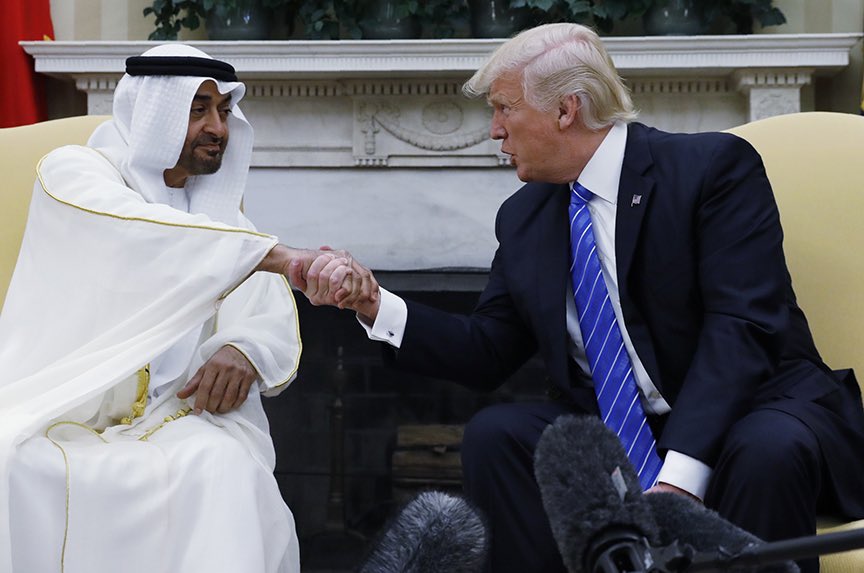
𝐓𝐮𝐫𝐤𝐞𝐲
In the years 2017 and 2019, entities linked to the Turkish government organized a total of four events at properties owned by Donald Trump. Notably, Turkish officials visited the Trump Hotel in Washington, D.C., on 15 occasions during this period, each visit incurring costs of up to $10,000 per night for rooms. In the midst of these interactions, Turkish President Recep Tayyip Erdogan pressed Trump to halt an investigation related to sanctions breaches by a state-owned Turkish bank. In response to Erdogan's urging, Department of Justice (DOJ) officials reportedly moved to suppress the investigation following directives from Trump, although the investigation ultimately progressed. This sequence of events raises concerns about the potential intertwining of financial interests and political decisions.
In the years 2017 and 2019, entities linked to the Turkish government organized a total of four events at properties owned by Donald Trump. Notably, Turkish officials visited the Trump Hotel in Washington, D.C., on 15 occasions during this period, each visit incurring costs of up to $10,000 per night for rooms. In the midst of these interactions, Turkish President Recep Tayyip Erdogan pressed Trump to halt an investigation related to sanctions breaches by a state-owned Turkish bank. In response to Erdogan's urging, Department of Justice (DOJ) officials reportedly moved to suppress the investigation following directives from Trump, although the investigation ultimately progressed. This sequence of events raises concerns about the potential intertwining of financial interests and political decisions.

𝐊𝐮𝐰𝐚𝐢𝐭
During his presidency, the Embassy of Kuwait organized three independence day events at Trump's D.C. hotel, leading to reciprocal favors as Trump bestowed a "top U.S. honor" on Kuwait's ruling emir. Trump has consistently vocalized his affinity for the substantial financial benefits these relationships bring, openly acknowledging the large sums involved and his positive sentiments toward countries like Saudi Arabia. This sentiment continued post-presidency, exemplified by the Saudi-backed LIV golf league tournament held at Trump's Doral golf club in Miami, where Trump praised the financial success and moved the championship to his property. The reported $9.6 million income from Middle Eastern nations is likely just the beginning, as other unrecorded instances involving Iraq, Oman, and Yemen indicate a deeper level of conflict of interest that isn't fully captured on his tax returns. Despite controversies, Trump's presidency turned out to be a lucrative business move, with his financial records reflecting the considerable advantage the office brought to his financial standing. As the 2024 election approaches, foreign actors, especially those in the Middle East, continue to invest in Trump's enterprises, emphasizing the ongoing financial intertwining of politics and business.
During his presidency, the Embassy of Kuwait organized three independence day events at Trump's D.C. hotel, leading to reciprocal favors as Trump bestowed a "top U.S. honor" on Kuwait's ruling emir. Trump has consistently vocalized his affinity for the substantial financial benefits these relationships bring, openly acknowledging the large sums involved and his positive sentiments toward countries like Saudi Arabia. This sentiment continued post-presidency, exemplified by the Saudi-backed LIV golf league tournament held at Trump's Doral golf club in Miami, where Trump praised the financial success and moved the championship to his property. The reported $9.6 million income from Middle Eastern nations is likely just the beginning, as other unrecorded instances involving Iraq, Oman, and Yemen indicate a deeper level of conflict of interest that isn't fully captured on his tax returns. Despite controversies, Trump's presidency turned out to be a lucrative business move, with his financial records reflecting the considerable advantage the office brought to his financial standing. As the 2024 election approaches, foreign actors, especially those in the Middle East, continue to invest in Trump's enterprises, emphasizing the ongoing financial intertwining of politics and business.
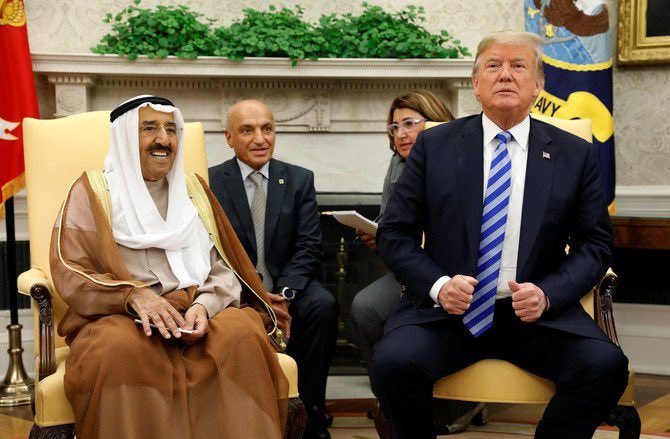
💰🌍 Trump's Middle East Money Trail 🌍💰 During his presidency, Trump earned at least $9.6 million from Middle Eastern countries through various business deals.
From Saudi lobbyists booking rooms to Kuwait's embassy hosting events, financial favors yielded reciprocal gestures, including a 'top U.S. honor.' The lucrative ties continued post-presidency, with Trump openly praising the money-making potential of Gulf countries.
This financial web is likely more extensive than known, underscoring the intersection of politics and profit. As 2024 looms, foreign interests, including those from the Middle East, keep investing, raising questions about the influence of money on politics. #TrumpMiddleEastDeals #ConflictOfInterest
From Saudi lobbyists booking rooms to Kuwait's embassy hosting events, financial favors yielded reciprocal gestures, including a 'top U.S. honor.' The lucrative ties continued post-presidency, with Trump openly praising the money-making potential of Gulf countries.
This financial web is likely more extensive than known, underscoring the intersection of politics and profit. As 2024 looms, foreign interests, including those from the Middle East, keep investing, raising questions about the influence of money on politics. #TrumpMiddleEastDeals #ConflictOfInterest
💰💼 Trump’s Middle East Business Deals: Money Talks 💼💰 Lobbyists, embassies, and golf—Trump’s presidency saw him rake in at least $9.6 million from Middle Eastern connections. From Saudi stays to Kuwaiti parties, financial favors flowed both ways.
citizensforethics.org/reports-invest…
citizensforethics.org/reports-invest…
• • •
Missing some Tweet in this thread? You can try to
force a refresh