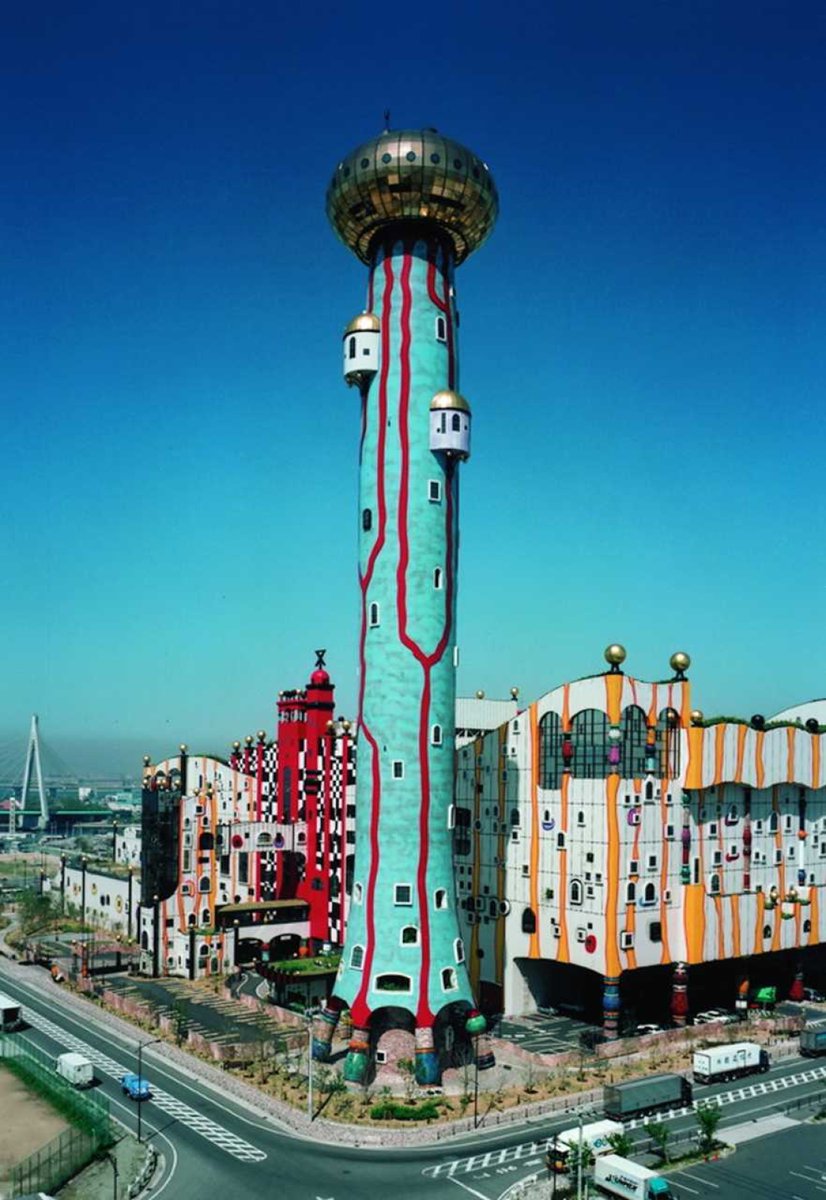
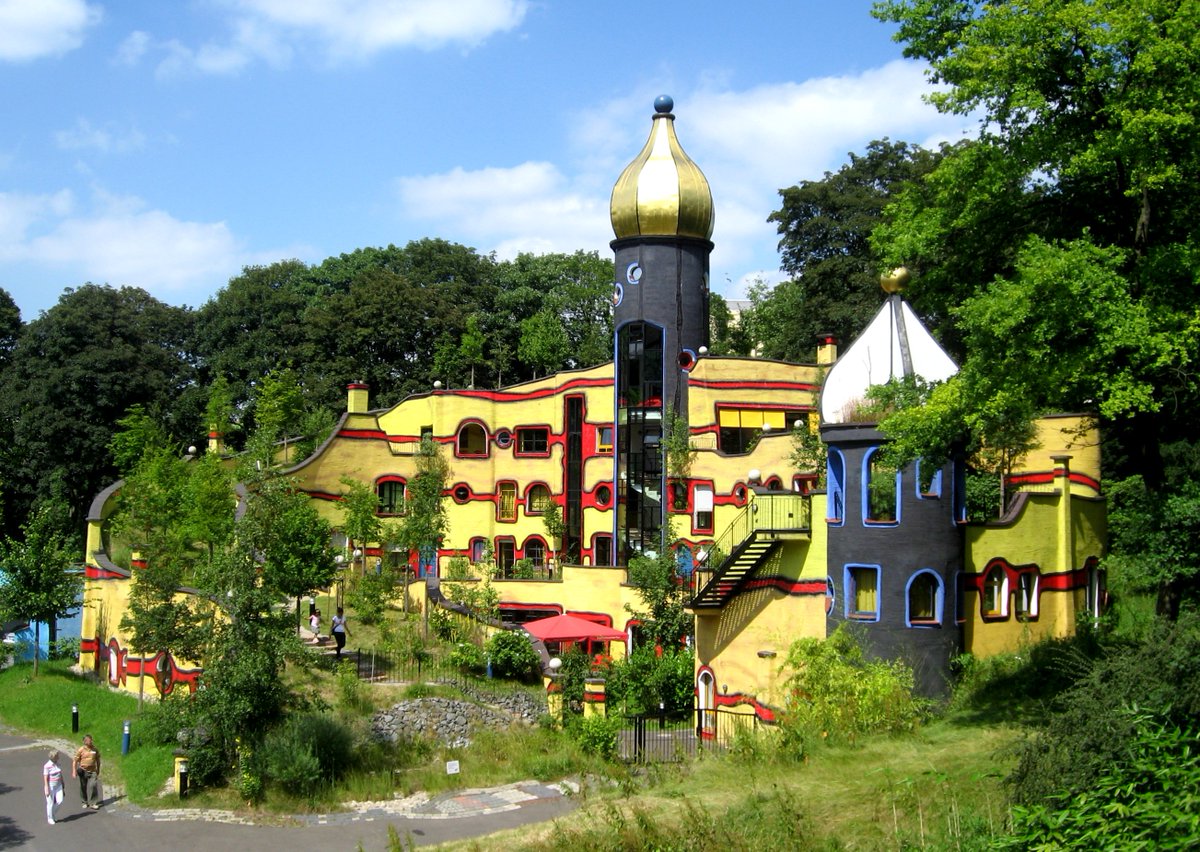
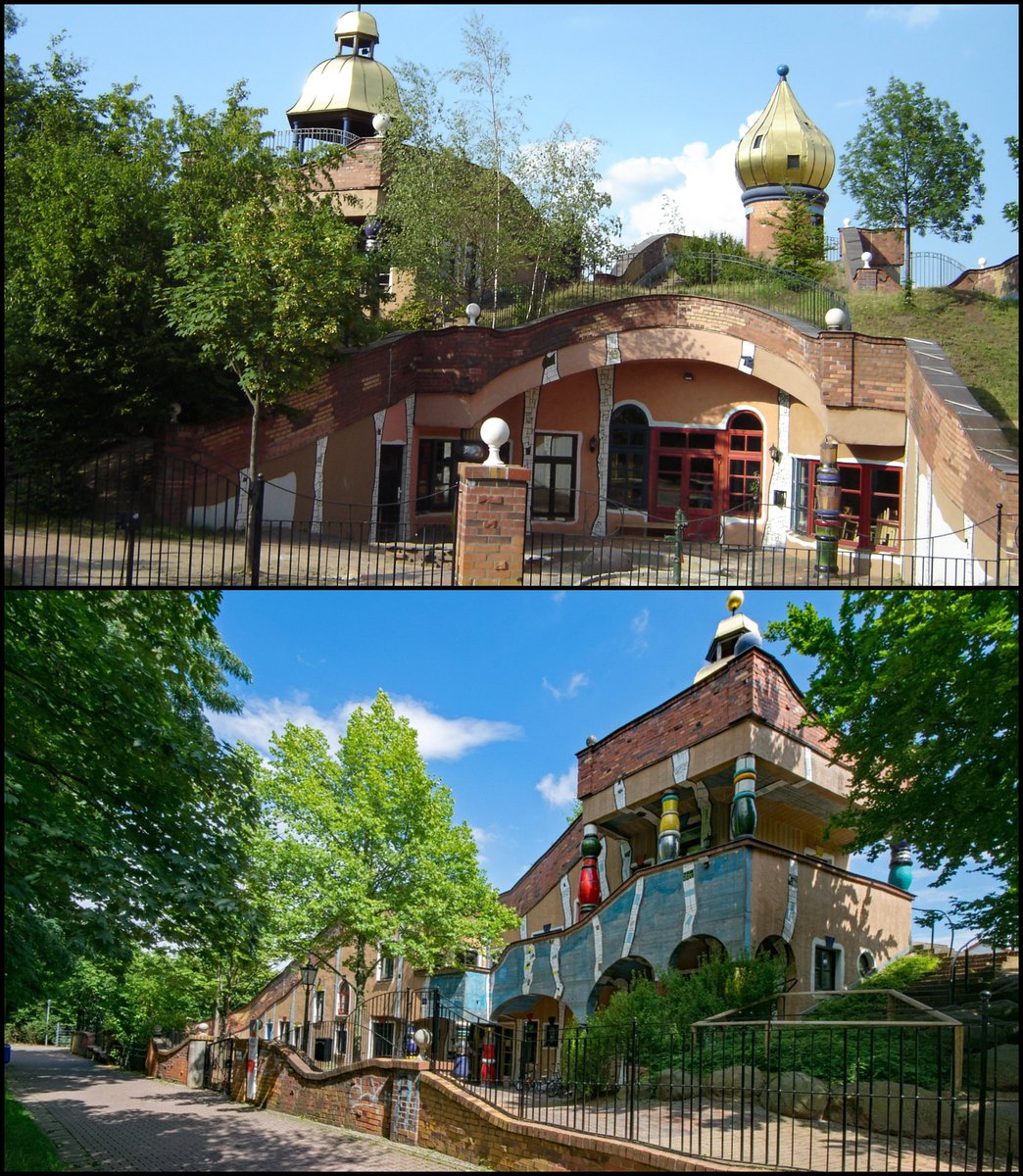
Ukraine is filled with incredible architecture, from Byzantine to Baroque to Brutalist and everything in between.
So here are 12 of the most beautiful buildings in Ukraine:
So here are 12 of the most beautiful buildings in Ukraine:
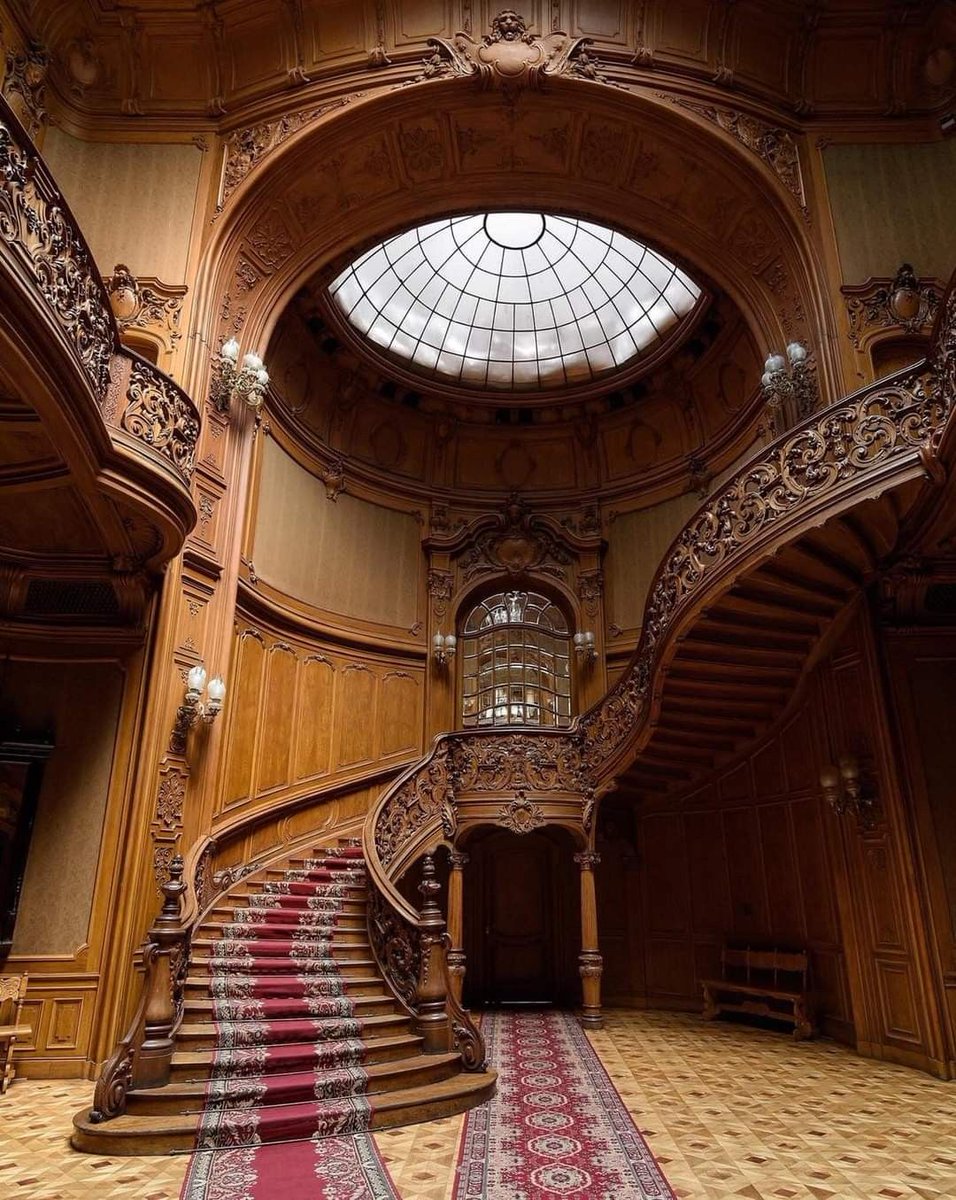
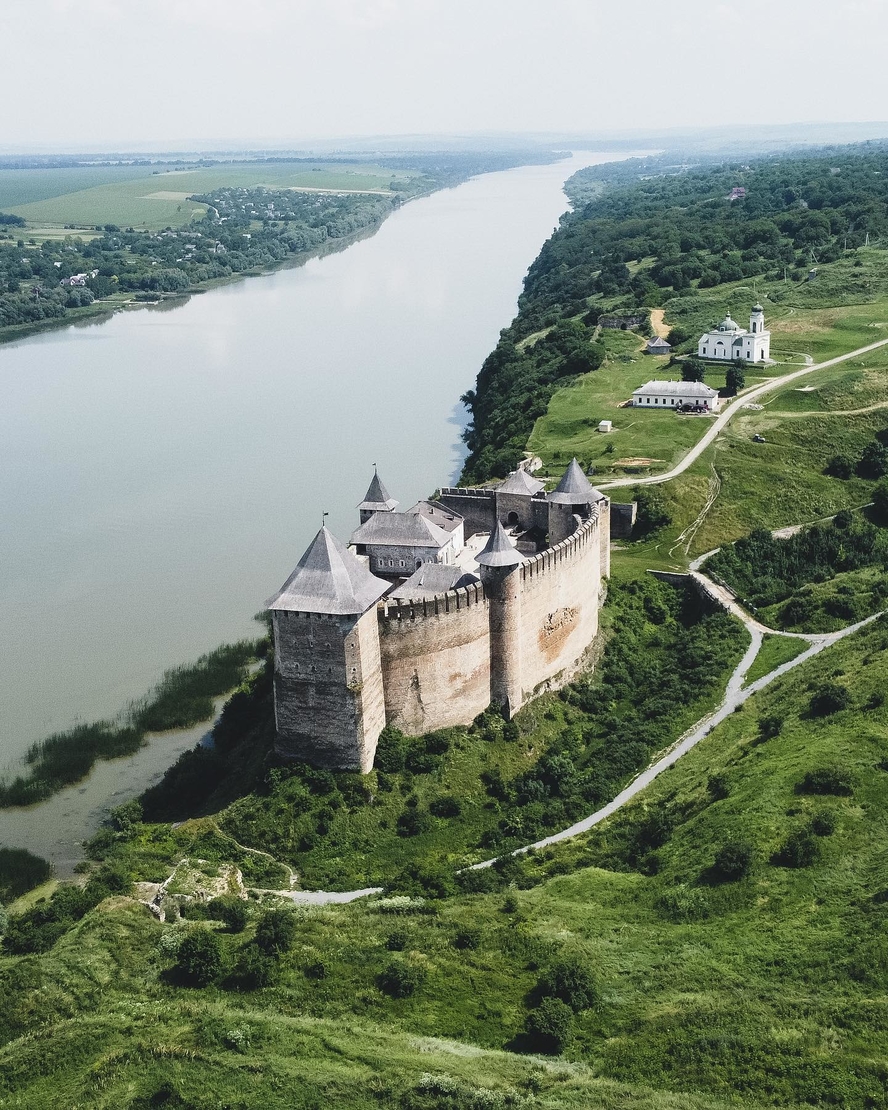
1. Khotyn Fortress
There has been a castle here for more than 1,000 years, rising above the banks of the Dniester River; this one was mainly built between the 13th-15th centuries.
A formidable, well-preserved Medieval fortress with a complex history steeped in legend.
There has been a castle here for more than 1,000 years, rising above the banks of the Dniester River; this one was mainly built between the 13th-15th centuries.
A formidable, well-preserved Medieval fortress with a complex history steeped in legend.

2. Chimaera House, Kyiv
One of the most unusual Art Nouveau buildings in the world, it was built in 1902 by the Polish architect Władysław Horodecki.
Its walls and roof are teeming with animals, from frogs to rhinos, designed by the Italian sculptor Emilio Sala.
One of the most unusual Art Nouveau buildings in the world, it was built in 1902 by the Polish architect Władysław Horodecki.
Its walls and roof are teeming with animals, from frogs to rhinos, designed by the Italian sculptor Emilio Sala.


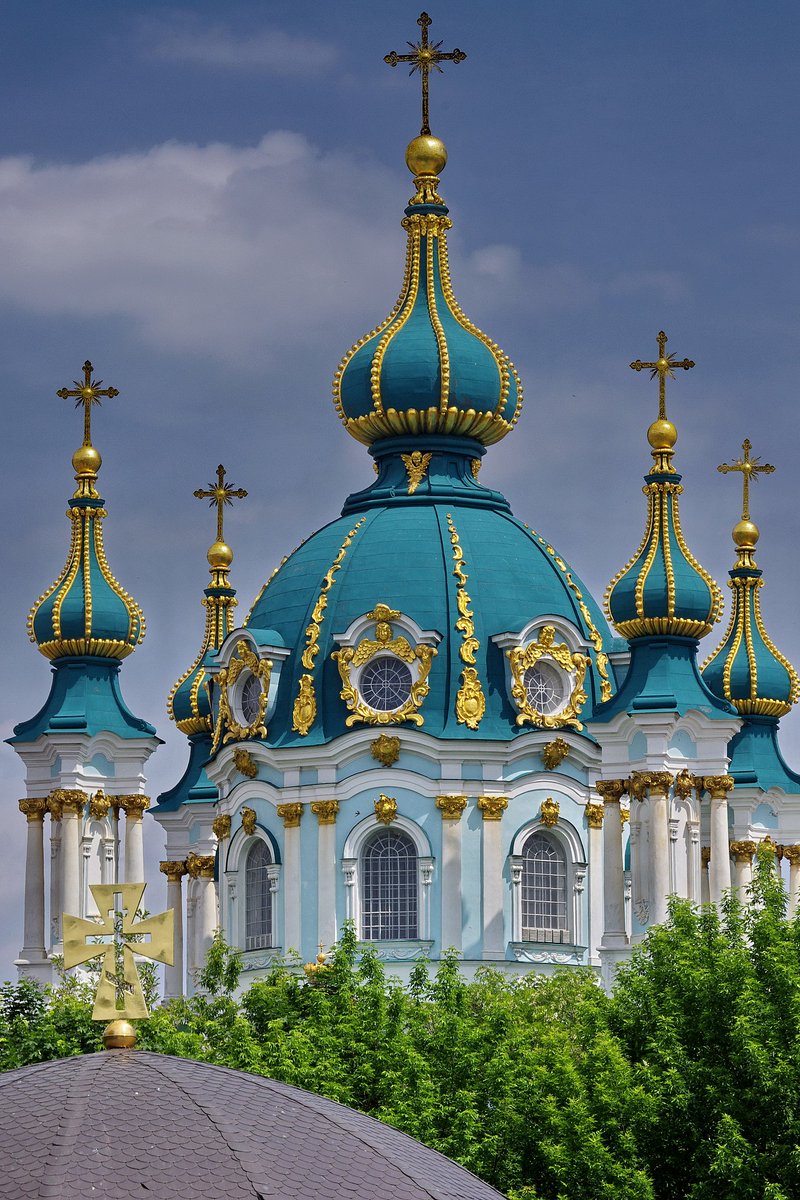
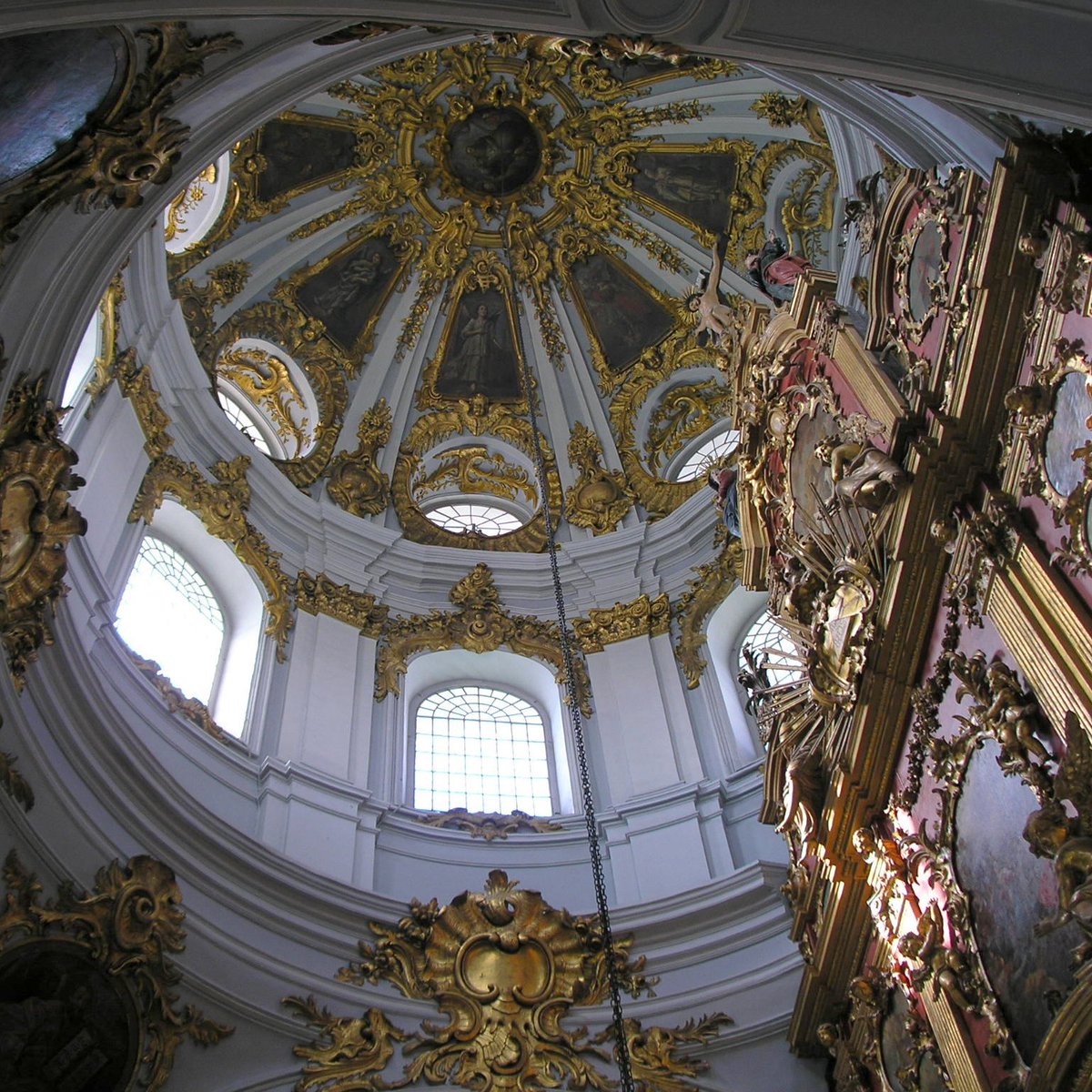
3. St Andrew's Church, Kyiv
Situated on a hill from which St Andrew himself once preached, this is perhaps the purest Baroque church in Ukraine, designed in the mid-1700s by the Italian architect Bartolomeo Rastrelli with all the gold, ornamentation, and exuberance you'd expect.
Situated on a hill from which St Andrew himself once preached, this is perhaps the purest Baroque church in Ukraine, designed in the mid-1700s by the Italian architect Bartolomeo Rastrelli with all the gold, ornamentation, and exuberance you'd expect.

4. Zoloti Vorota Metro Station
Opened in 1989 and named after the Golden Gate, a rebuilt Medieval fortification nearby, this station was inspired by the ancient temples of Kievan Rus'.
Its walls are decorated with mosaics of the Grand Princes of Kiev and St Michael Archangel.
Opened in 1989 and named after the Golden Gate, a rebuilt Medieval fortification nearby, this station was inspired by the ancient temples of Kievan Rus'.
Its walls are decorated with mosaics of the Grand Princes of Kiev and St Michael Archangel.

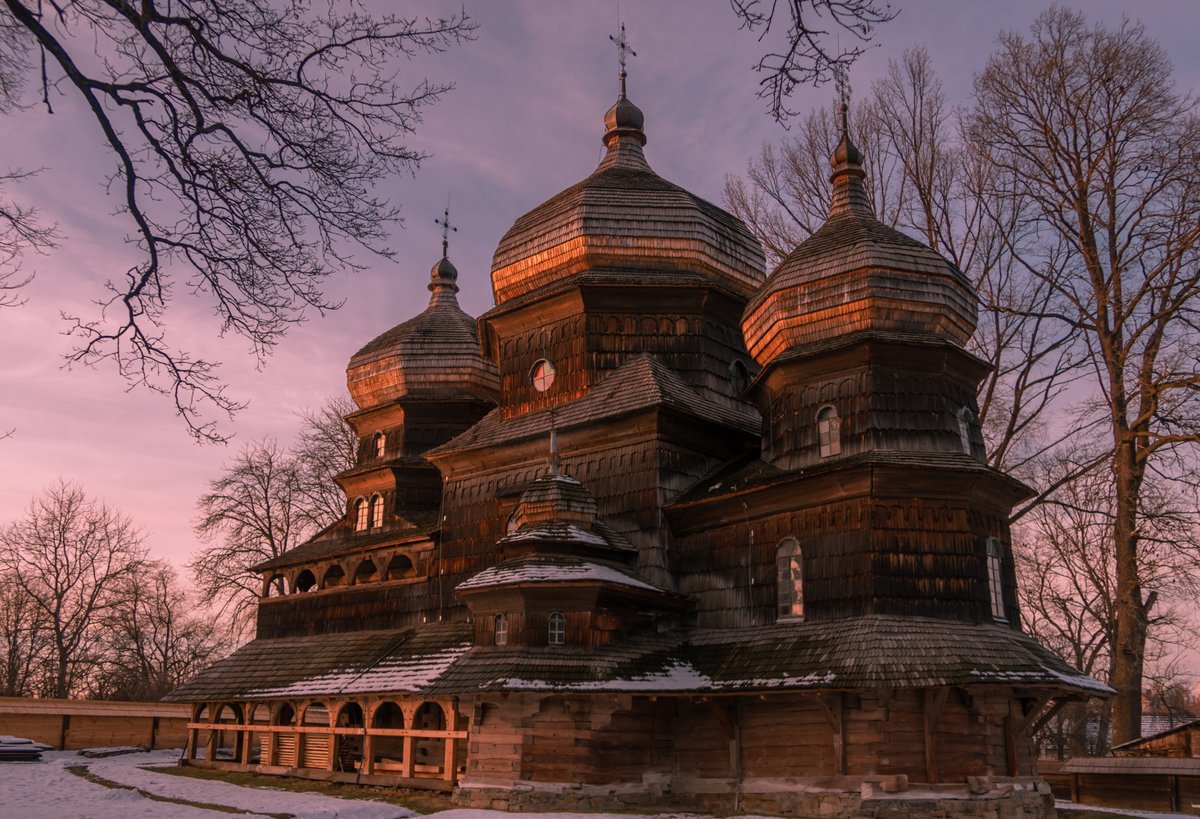
5. St. George's Church, Drohobych
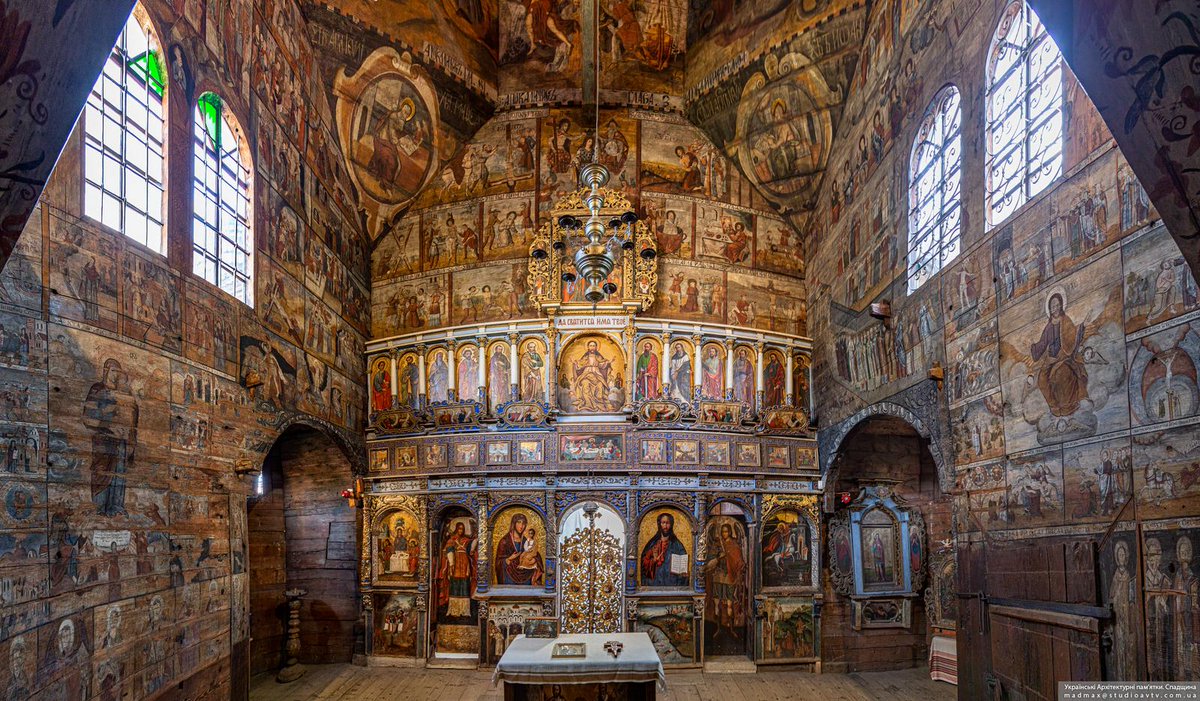
Ukraine has a rich history of wooden churches — and this one, part of a UNESCO World Heritage Site, might be the greatest.
It dates back to the 1400s, with some alterations since, and its interior is covered wall to wall with icons and frescos.
Ukraine has a rich history of wooden churches — and this one, part of a UNESCO World Heritage Site, might be the greatest.
It dates back to the 1400s, with some alterations since, and its interior is covered wall to wall with icons and frescos.
6. Residence of the Metropolitans, Chernivtsi
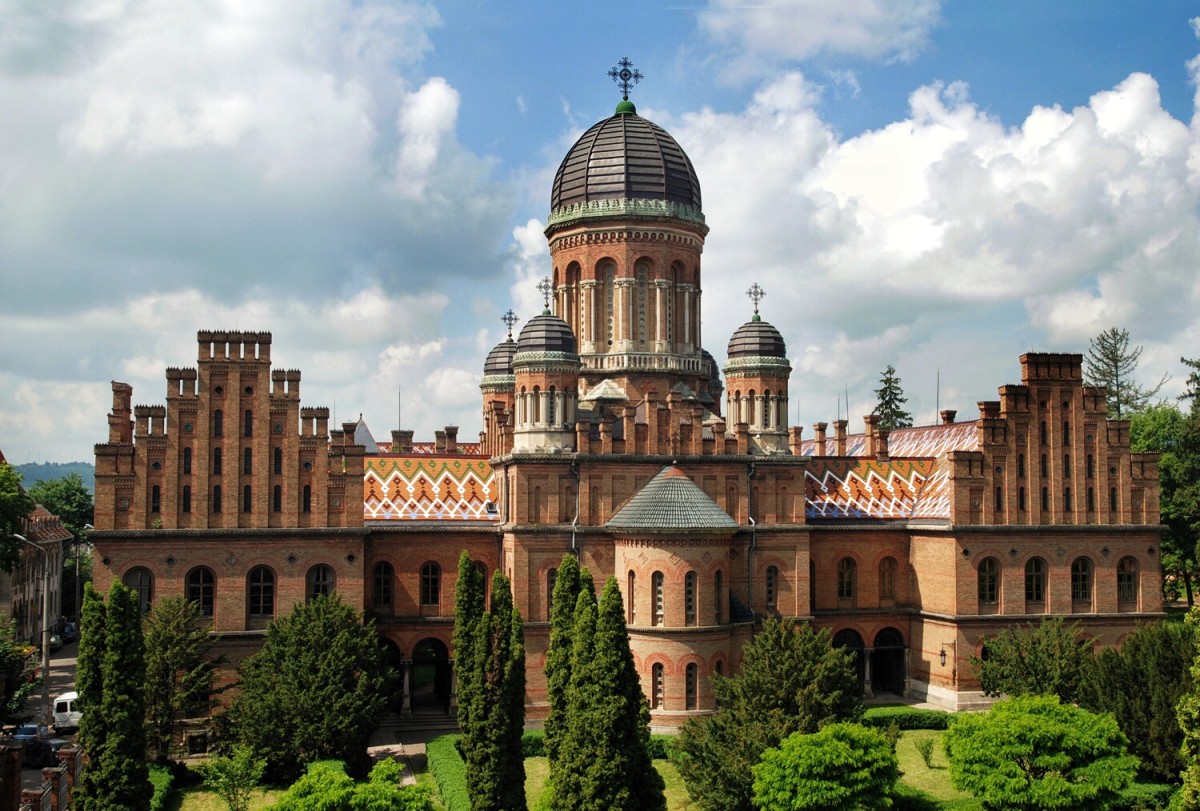
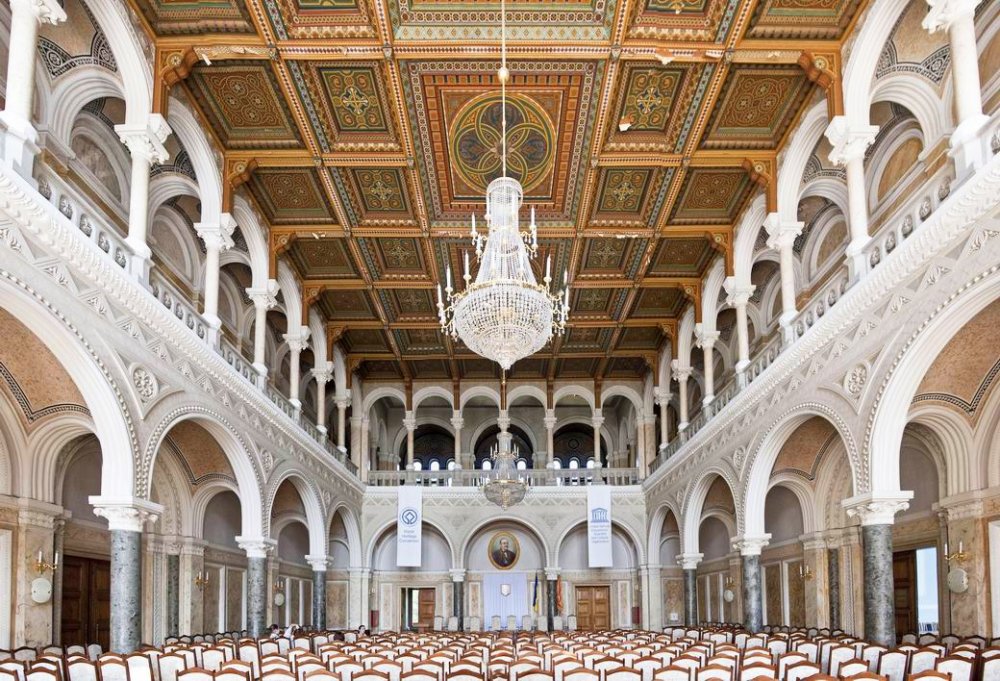
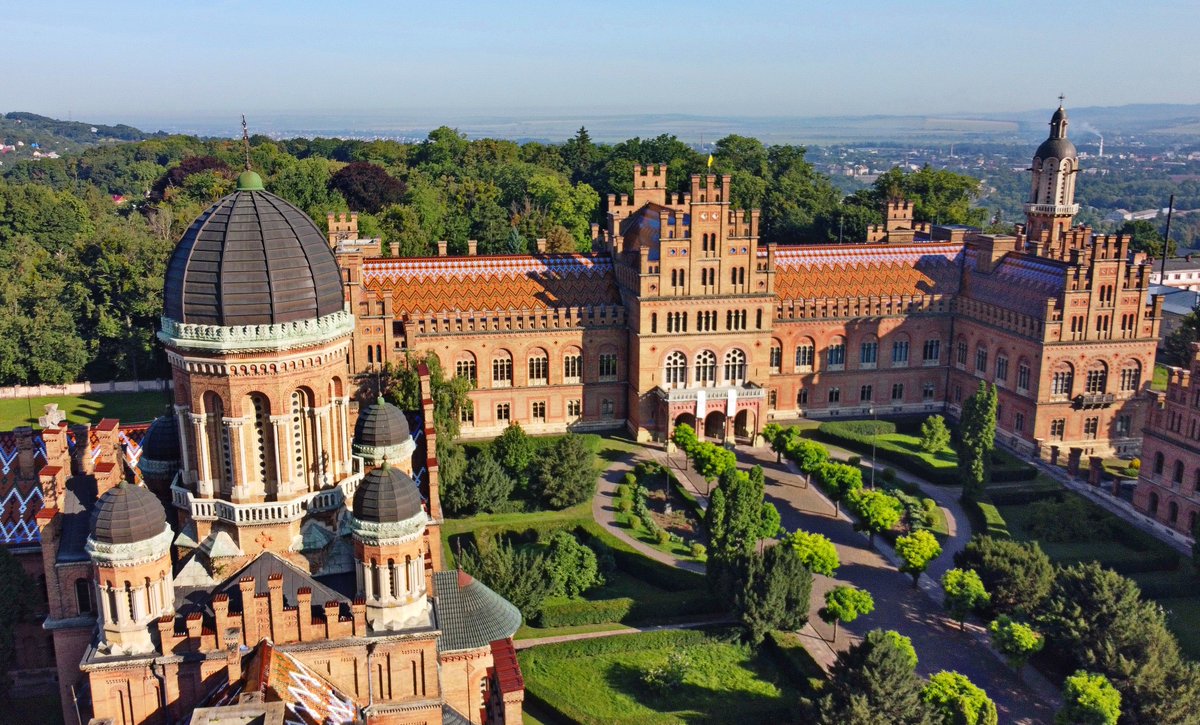
Now part of Chernivtsi University, this huge complex was built from 1864-1882 as a bishop's residence, seminary, & monastery.
The designer, Josef Hlávka, combined Byzantine and Moorish styles into a vast architectural marvel.
Now part of Chernivtsi University, this huge complex was built from 1864-1882 as a bishop's residence, seminary, & monastery.
The designer, Josef Hlávka, combined Byzantine and Moorish styles into a vast architectural marvel.

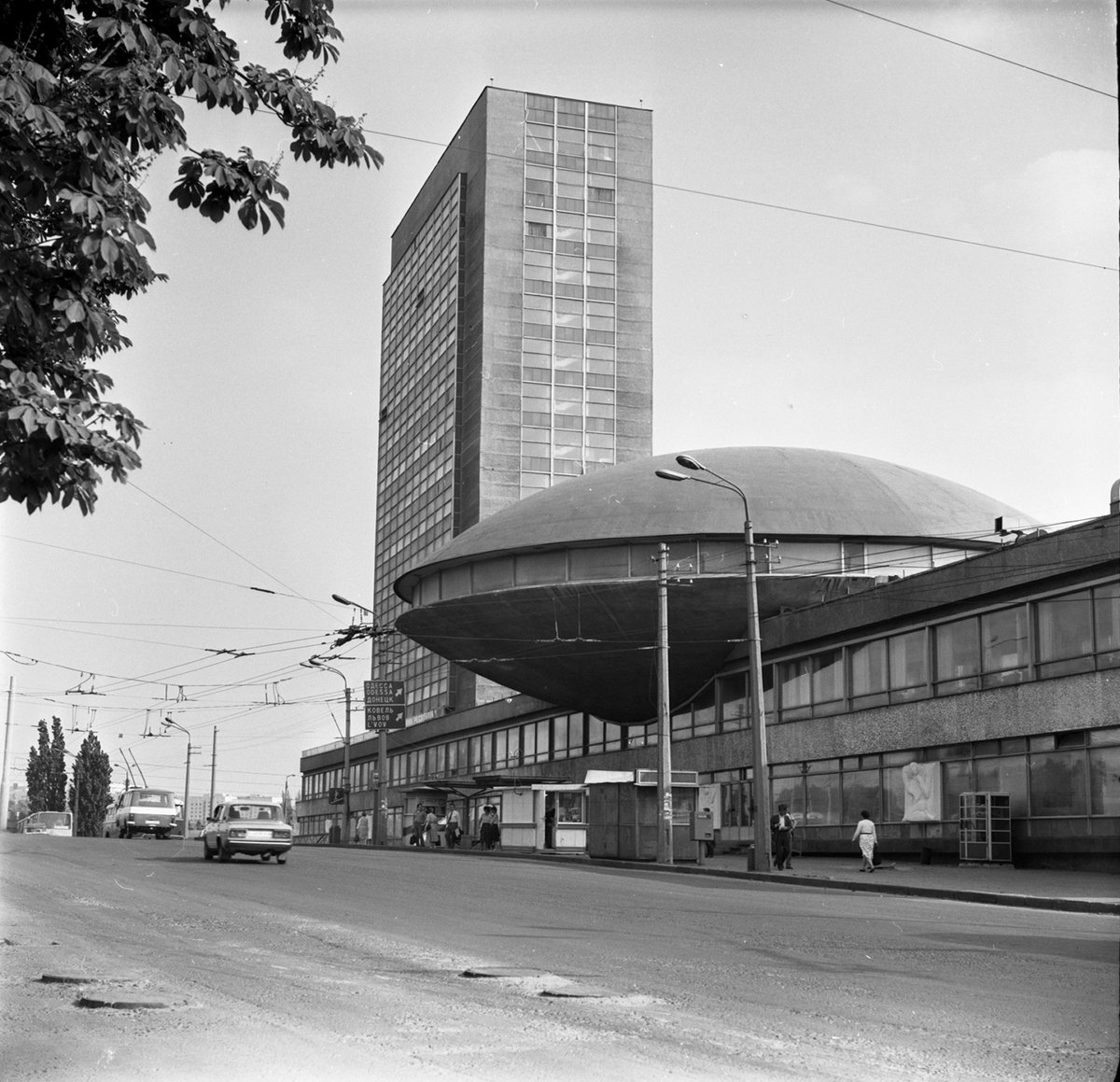
7. Institute of Information, Kyiv
There are many Brutalist buildings in Ukraine, but this is the most iconic, and certainly the most eye-catching.
Fondly known as the Flying Saucer and built in 1971, that bizarre but beautiful concrete dome actually contains a lecture theatre.
There are many Brutalist buildings in Ukraine, but this is the most iconic, and certainly the most eye-catching.
Fondly known as the Flying Saucer and built in 1971, that bizarre but beautiful concrete dome actually contains a lecture theatre.
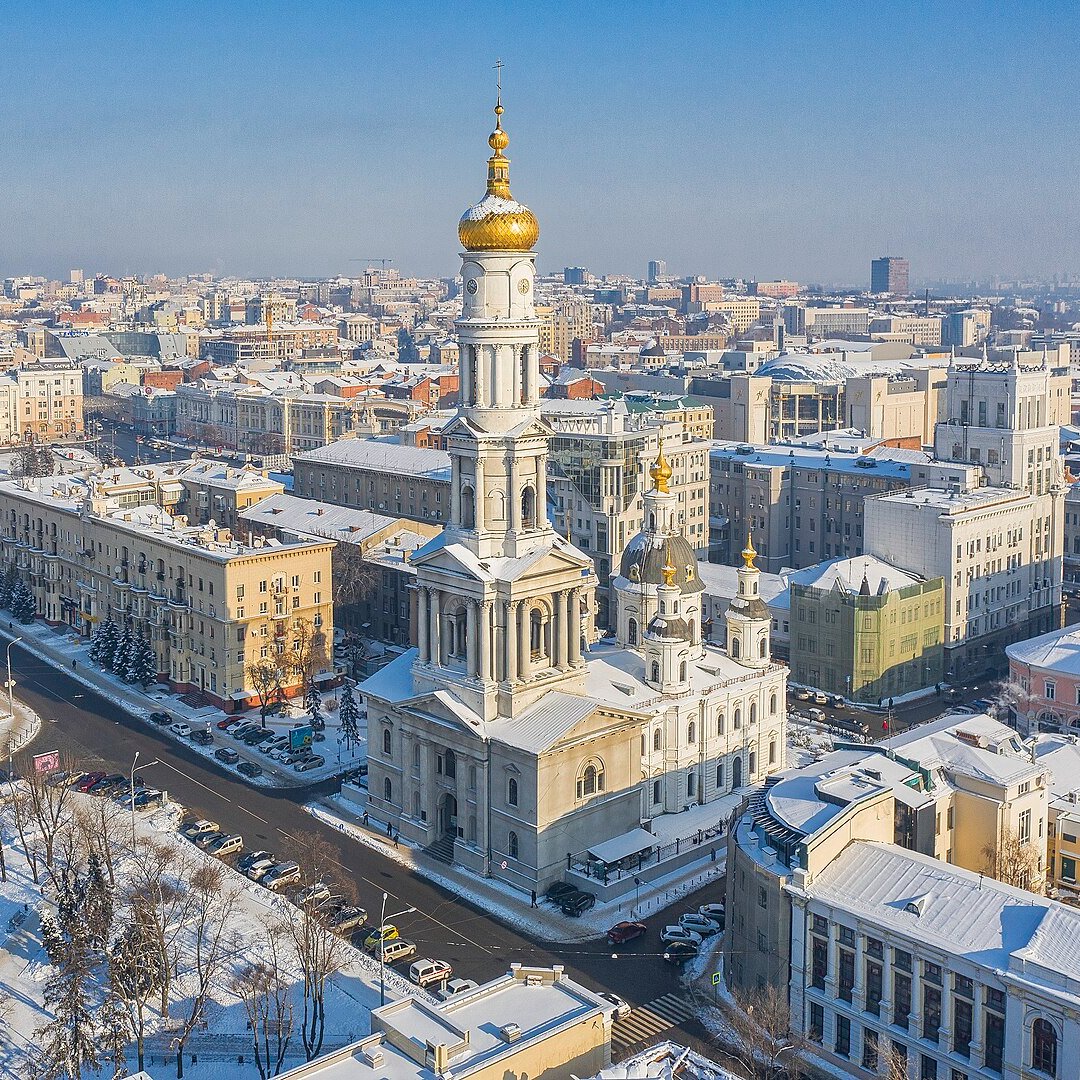
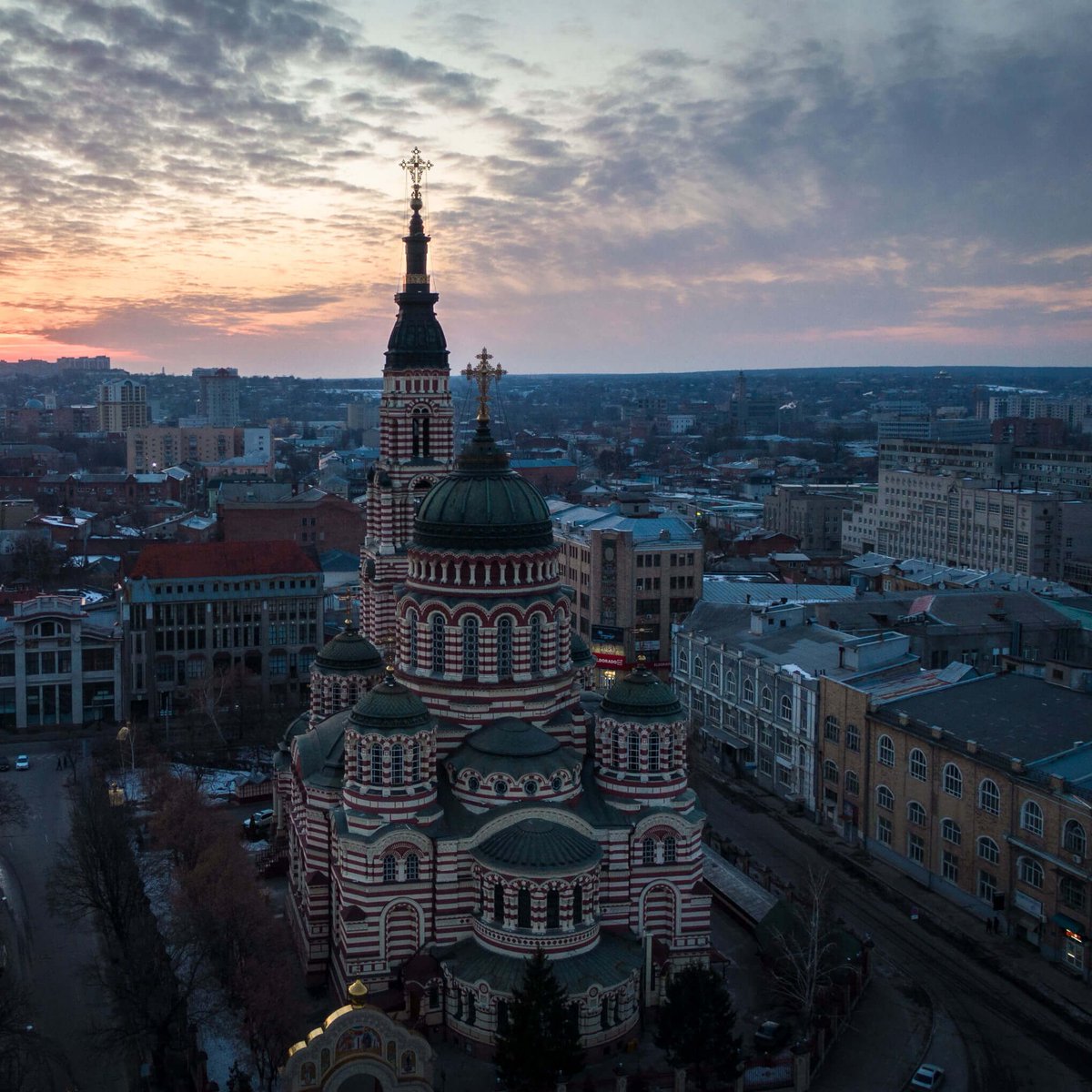
8. Dormition Cathedral (left) and Annunciation Cathedral (right), Kharkiv
These huge cathedrals were both built in the 19th century, but in different styles. The Dormition Cathedral is Neoclassical, while the Assumption Cathedral, with domes and banded masonry, is Neo-Byzantine.
These huge cathedrals were both built in the 19th century, but in different styles. The Dormition Cathedral is Neoclassical, while the Assumption Cathedral, with domes and banded masonry, is Neo-Byzantine.
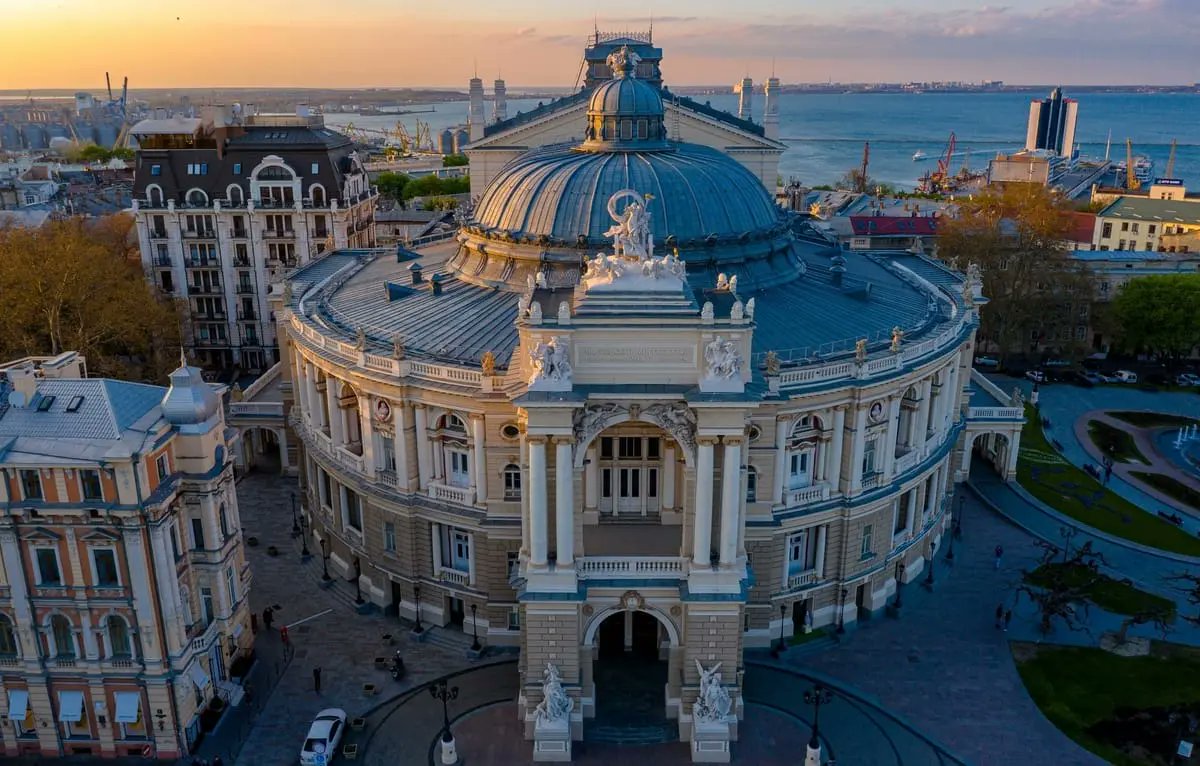
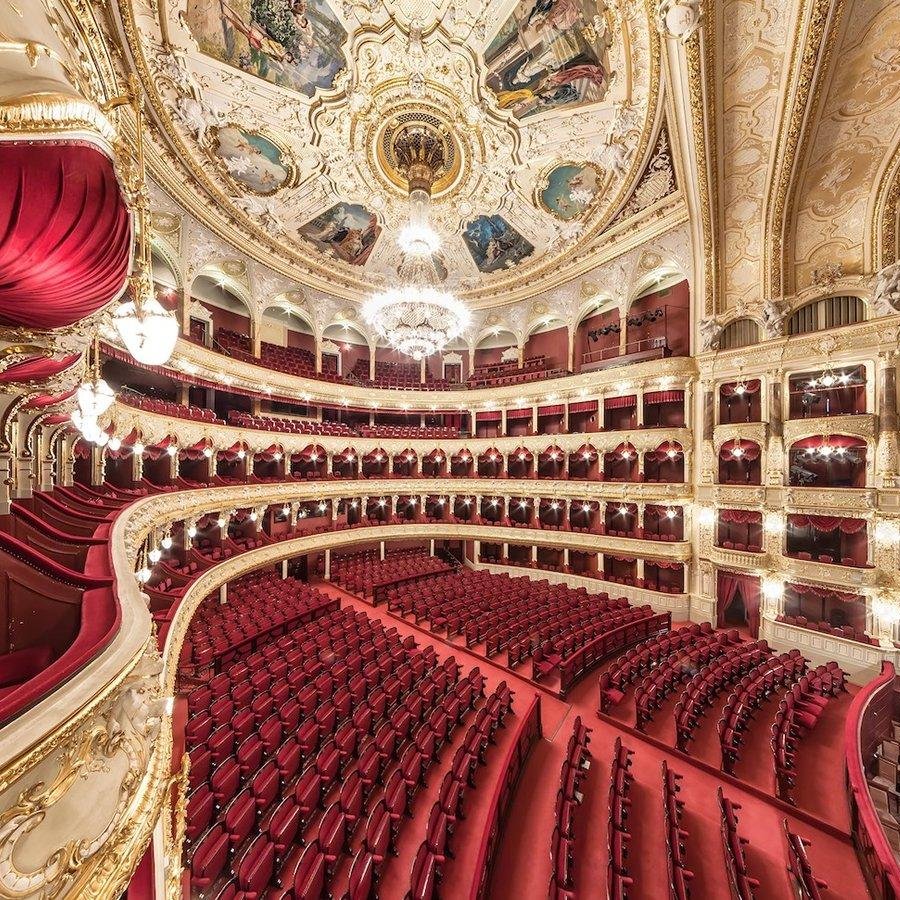
9. Odesa Opera and Ballet Theatre
One of many beautiful theatres and opera houses throughout Ukraine. Designed by Viennese architects in the 1870s, its exterior was inspired by the Italian Baroque and its luminous interior by the gilded decadence of the French Rococo.
One of many beautiful theatres and opera houses throughout Ukraine. Designed by Viennese architects in the 1870s, its exterior was inspired by the Italian Baroque and its luminous interior by the gilded decadence of the French Rococo.
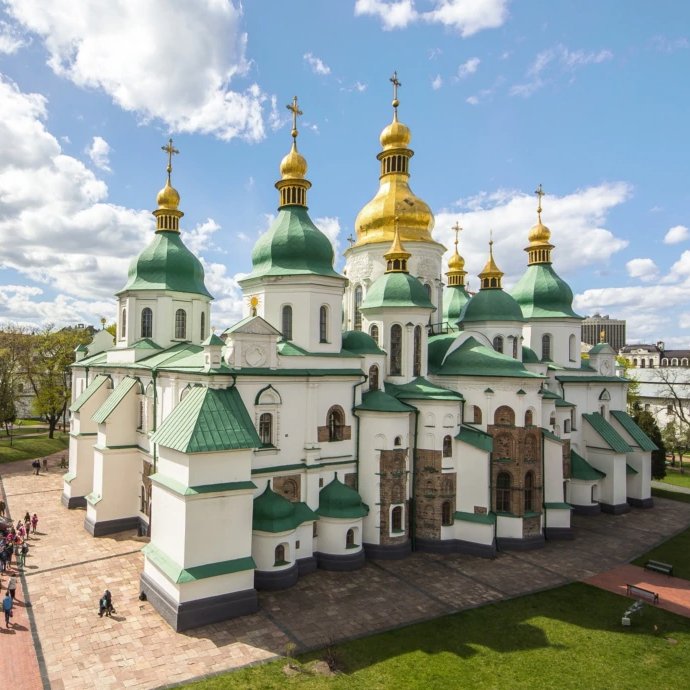
10. Ukraine developed its own style of Baroque architecture in the 17th-18th centuries, sometimes called Cossack Baroque.
Unlike the ornate St Andrew's Church in Kyiv, built in a Western Baroque style, Ukrainian Baroque was simpler and more restrained in its decoration and form.
Unlike the ornate St Andrew's Church in Kyiv, built in a Western Baroque style, Ukrainian Baroque was simpler and more restrained in its decoration and form.


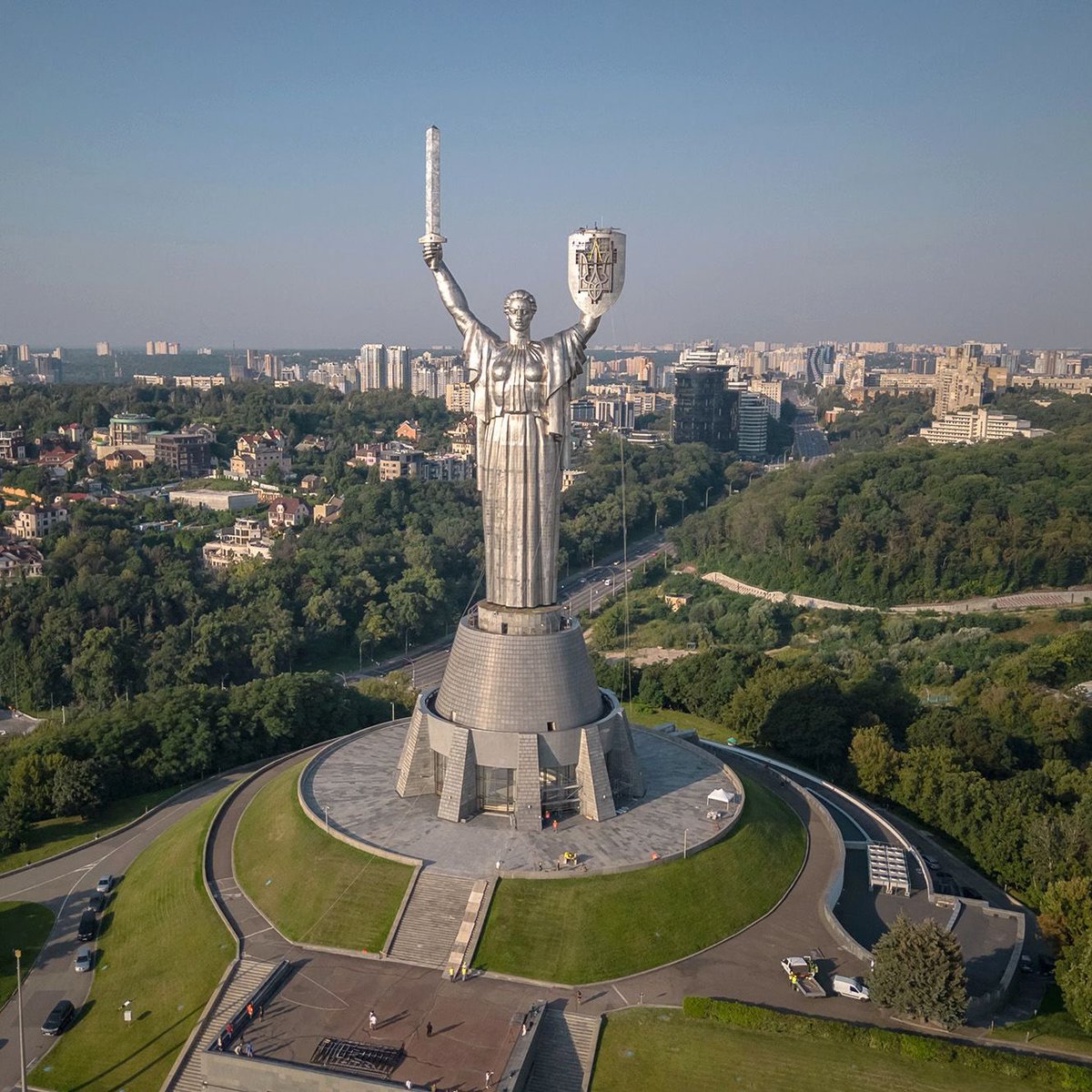
11. Mother Ukraine, Kyiv
If you include its base then Mother Ukraine is 100m tall, making it the 10th tallest statue in the world. It was built from titanium and finished in 1981.
The Soviet symbol on her shield was recently replaced with Ukraine's national emblem, the tryzub.
If you include its base then Mother Ukraine is 100m tall, making it the 10th tallest statue in the world. It was built from titanium and finished in 1981.
The Soviet symbol on her shield was recently replaced with Ukraine's national emblem, the tryzub.
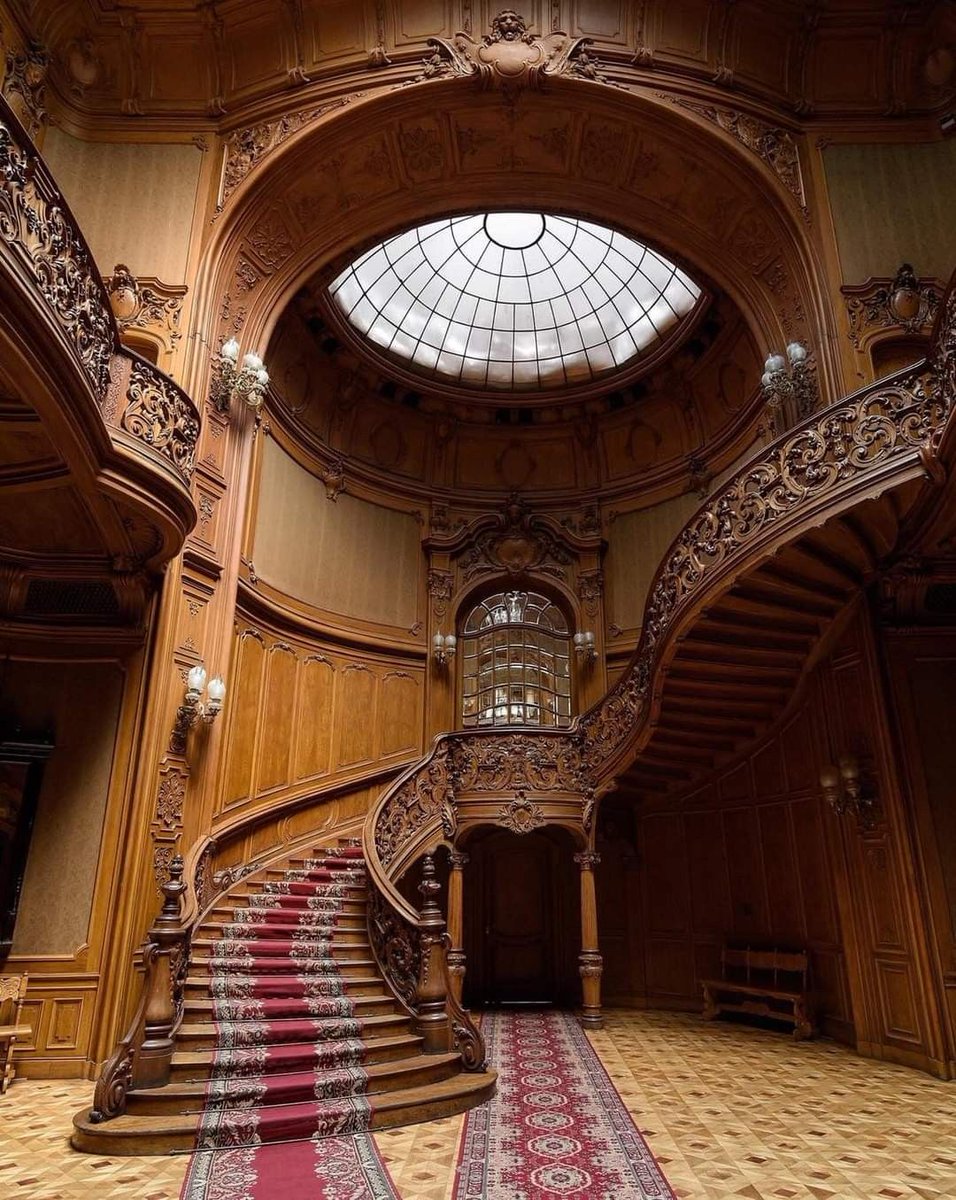
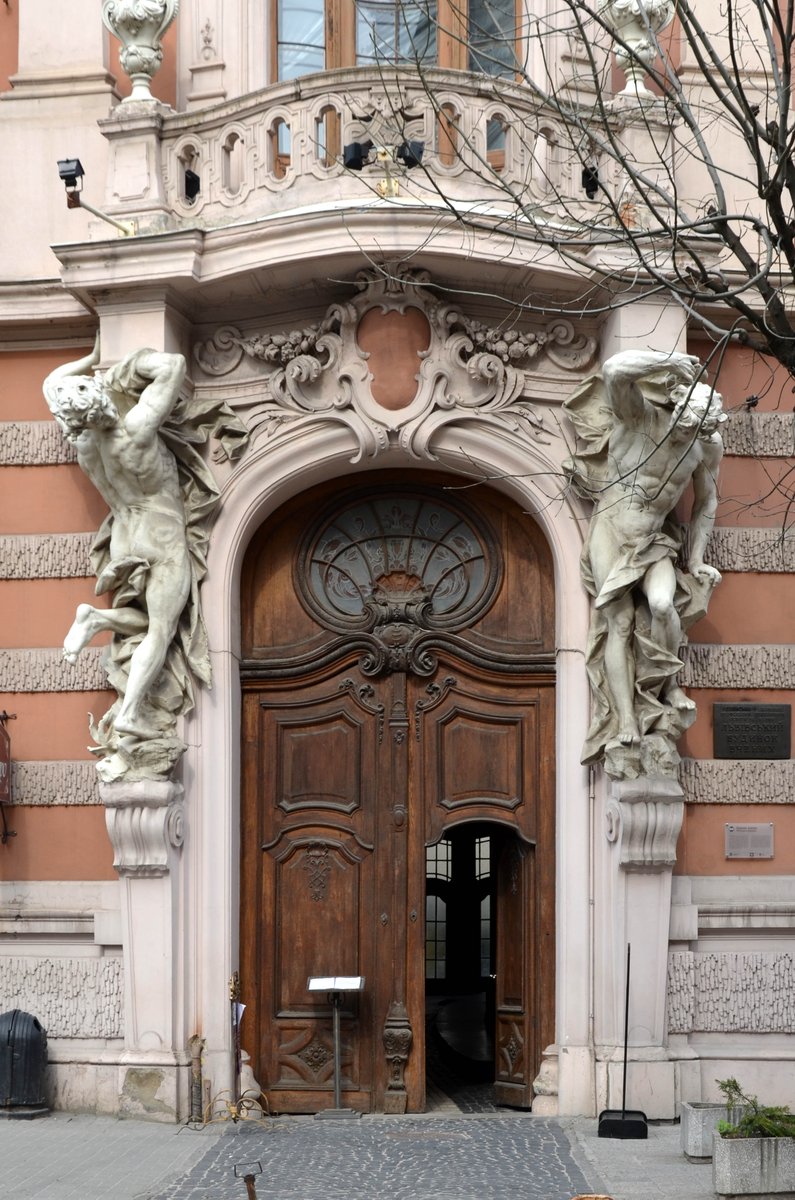
12. The House of Scientists, Lviv
Originally a casino, it was built in the late 1890s by the same Austrian firm which designed the Odesa Opera, only this time according to the principles of Art Nouveau.
One of many wonderful buildings in the historic centre of Lviv.
Originally a casino, it was built in the late 1890s by the same Austrian firm which designed the Odesa Opera, only this time according to the principles of Art Nouveau.
One of many wonderful buildings in the historic centre of Lviv.
This brief selection has barely scratched the surface of Ukraine's wealth of architectural and cultural treasures, many of which have recently been damaged or destroyed — but, as so often they have in the past, will endure and, if necessary, be rebuilt once more.

• • •
Missing some Tweet in this thread? You can try to
force a refresh