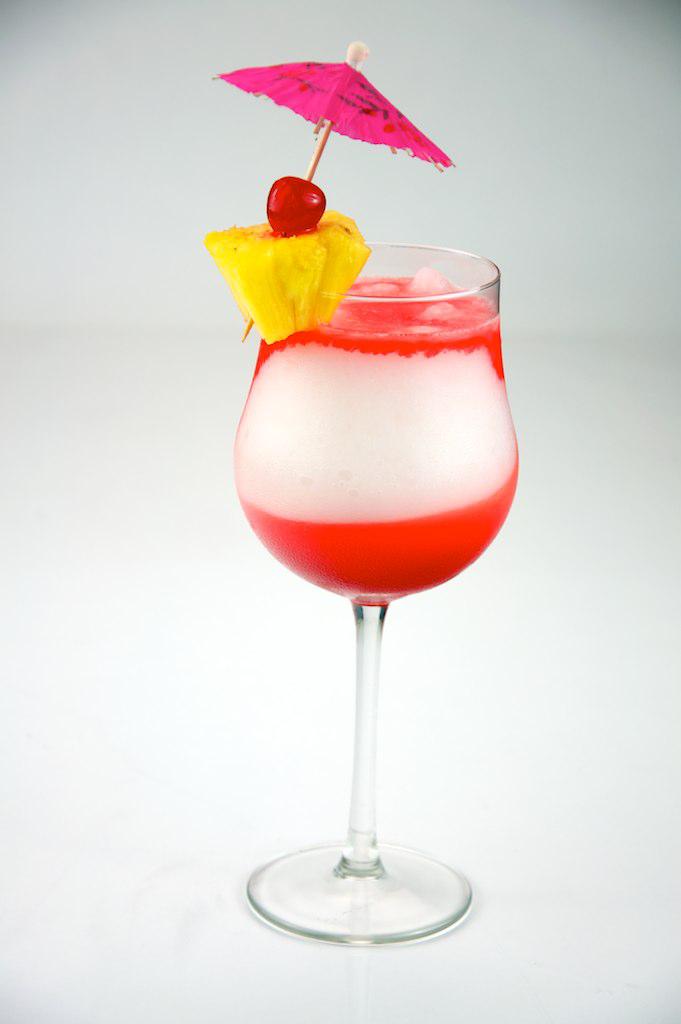
The next time you find yourself in a cocktail bar, take a moment to investigate the miniature cocktail umbrella that comes with your favourite drink. We can assure you that it's bound to astonish you. If you’re up for a little delight, this story is for you. 1/9
These little wonders have a history dating back to 1932 when they were first introduced by Hilton Waikiki bartender Harry Yee. But this is not really a history lesson. The gift is in the making. 2/9
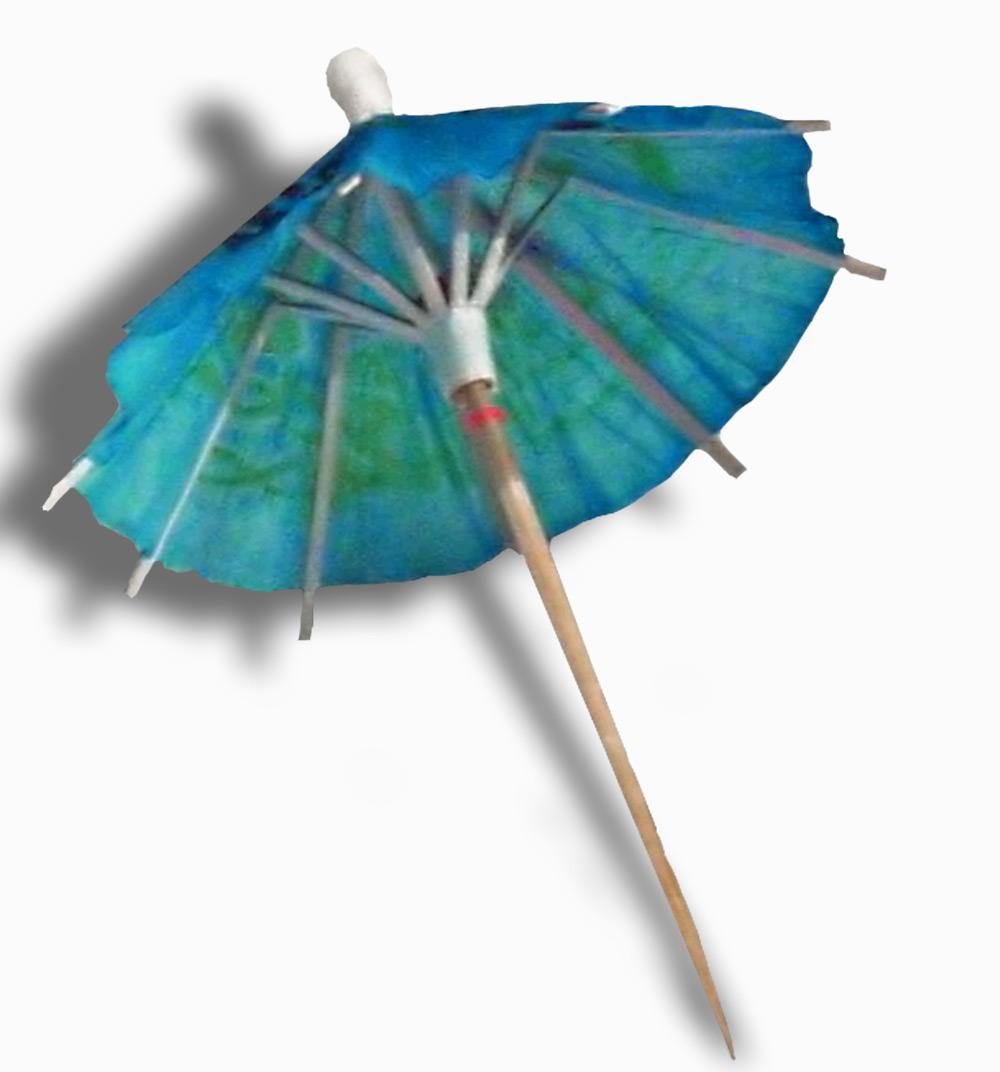
These tiny parasols are crafted from simple materials: paper, paperboard, and a toothpick. But it's that seemingly ordinary "paper" that holds a remarkable secret. 3/9
In today's world, most cocktail umbrellas are mass-produced in Asian factories, and to keep production costs down, manufacturers often utilise repurposed materials. And there lies our little gift. 4/9
Many of these factories are located in countries like China, Japan, and the Indian subcontinent. Here's where it gets truly fascinating: the workers in these factories often use local newspapers as the source material for crafting these umbrellas. 5/9
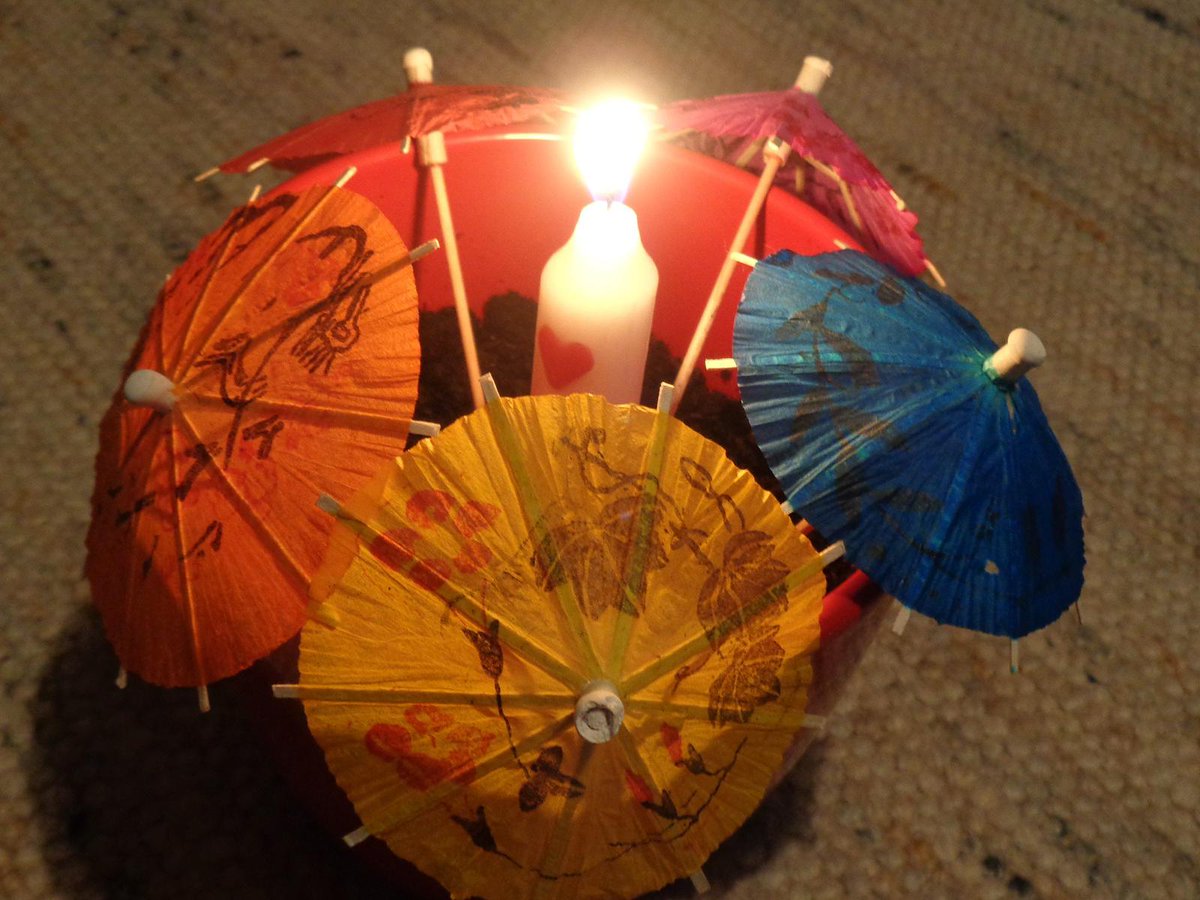
And what most people don’t know is that you actually still can read those papers. So, if you were to carefully peel away the glued paper from the base of one of these cocktail umbrellas, you might be in for a surprise. 6/9
Hidden beneath the surface, you could find yourself reading the words of an old newspaper, written in local languages from China, Japan, or closer to home, India. 7/9
It could be a snippet of a headline news story, a weather report, a missing person notice, or even a piece of sports news. Each cocktail umbrella carries with it a slice of bygone times and a unique story waiting to be discovered. 8/9
It is also a reminder that even the smallest and simplest things can hold hidden tales of the past, making your drink at that cocktail bar more than just a beverage – it's a gateway to history. Try it next time, and let us know what you find. 9/9
Image attributes: @WikiCommons
• • •
Missing some Tweet in this thread? You can try to
force a refresh

With all due respect to Tara Singh, a hand pump is not just a symbol of patriotism but also a miraculous story of human ingenuity that had an impossible journey through Indian villages. And there was a Swedish inventor who tirelessly worked at Solapur to make it happen. 🧵1/15
In the quest for safe drinking water in India, an incredible journey began after the country gained independence in 1947. However, it was during the period from 1981 to 1990 that this pursuit gained the highest momentum. 2/15
The turning point came in the 1960s when the Government of India reached out to UNICEF for assistance to save rural India from a devastating drought. In response, UNICEF flew in 11 Halco drilling rigs to the drought-stricken regions of Uttar Pradesh and Bihar. 3/15
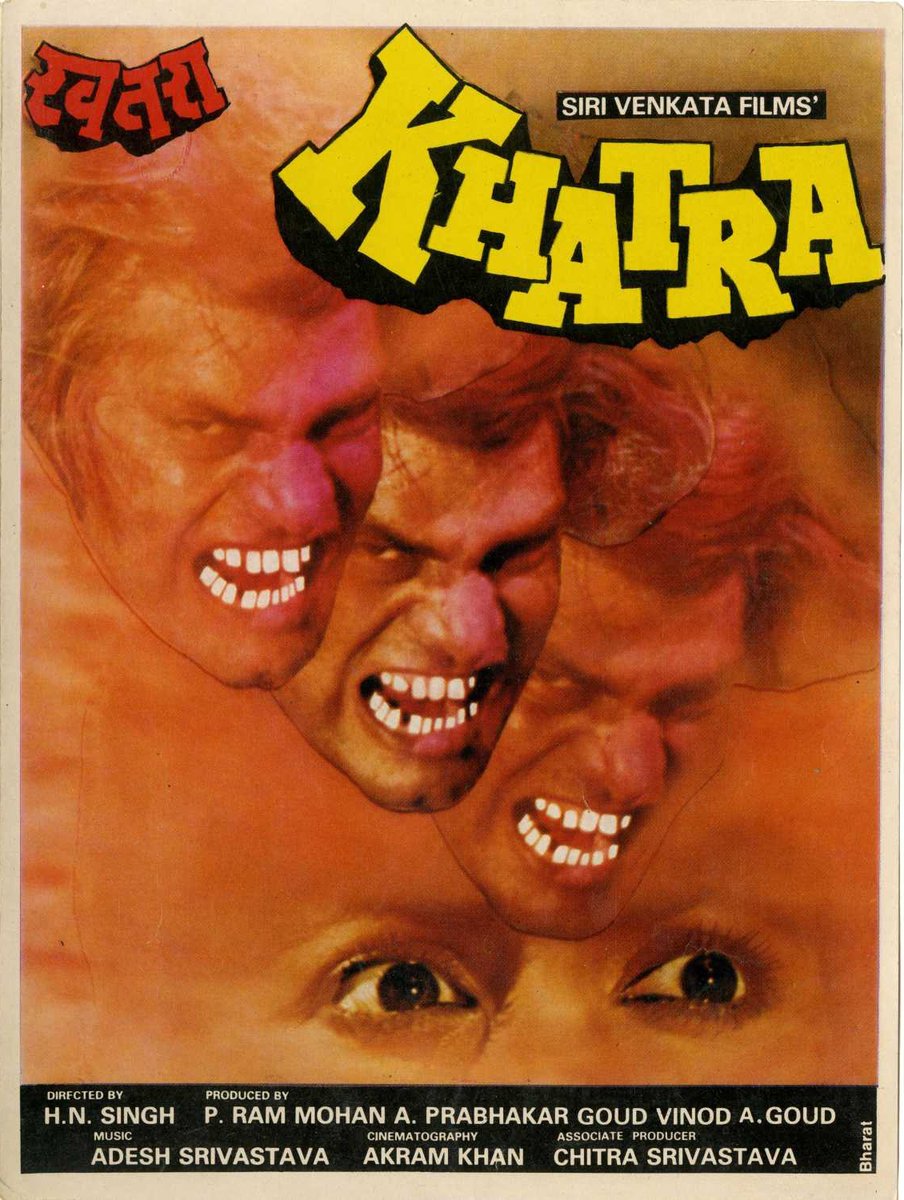
What does a B-Grade Bollywood horror movie from 1991 have in common with "Poor Things" - an upcoming, critically acclaimed Hollywood flick starring Emma Stone and Willem Dafoe? 1/16
In May 1991, a movie called "Khatra," directed by H.N. Singh and starring Raza Murad and Goga Kapoor, were released. It tells the story of a doctor who brings back a human to life with chemicals & electric shocks, but in the process, creates a monster who hunts & kills women.2/16
The movie, with a runtime of 120 minutes, marked the debut of Aadesh Shrivasatava as a composer. He had worked with veterans like R.D. Burman and Rajesh Roshan and would go on to achieve massive success composing music for films like "Kabhi Khushi Kabhi Gham," “Baghban" etc 3/16
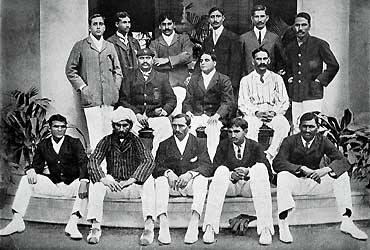
On #NationalSportsDay , we look back at the story of an unusual king - a great patron of cricket - who unlike his brethren used the most of English sports as a means to promote the sense of nationalistic pride - a thread (1/18)
In the colonial period, patronization of English sports - especially cricket - had become a favourite pastime of the Indian royalty. For Indian rulers, it was a great way to curry favour with their English masters (2/18)
However, at the eastern end of the subcontinent, in what is present day Bangladesh, lay the small principality of Natore whose ruler proved a rare exception to this phenomenon (3/18)
In small pockets of Tamil Nadu, an Irish man is celebrated, temples and small localities bear his name. Wonder why? Among his greatest contributions was the creation of one of the most sought-after tourist spots in the country– the lake on top of Kodai. Intrigued? Read on. 1/17
A small locality in Thoothukudi in Tamil Nadu is known by the name of an Irish man. The man is Sir Vere Henry Levinge from Westmeath in the Irish Midlands. The locality is called Levingipuram. 2/17
If you don’t find that strange, hear this out. Almost 250 km away from Thoothukudi in the small hamlet of Vellagavi near Kodai, lies a temple which is also dedicated to the same man, the temple of Levinge. 3/17
What if I told you there's a school, 15,000 kilometres away from Kolkata, that embodies the beautiful spirit of Rabindranath Tagore? Would you really believe it?
Let us take you to just a stone's throw away from Brazil's famous Copacabana Beach to find the answer.
If you prefer reading the story in our signature thread format, here is the link.
In the 1930s, as a Bengal island faced massive floods that left its inhabitants on the brink of starvation, an unexpected saviour ripped through the sky.
Divine intervention?
No. A rocket.
As India lands on the Moon, we remember this story of a forgotten rocket. 1/17
Life teetered on the verge of extinction on the remote island. Nature's fury had severed all connections to the mainland, leaving the islanders grappling with starvation. hopelessness, and the inevitable prospect of death. 2/17
Yet, just when their fate appeared to be sealed, they were treated to an otherworldly spectacle in the sky, piercing the smoke. A celestial gift, perhaps? The villagers stared with a mix of trepidation and wonder. 3/17