[THE STORY OF CASTE - 3: THE HARAPPANS]
For this discussion, Harappan serves as an adjective for the entire Indus Valley Civilization and not just the city of Harappa. With that out of the way, here’s a very quick lowdown on the social stratification in the Indus way of life.
1. THE HARAPPANS HAD RELIGION.
We know this because they cremated their dead (some practiced burial too, especially in Mohenjo-daro down south, but cremation was far more common elsewhere). Ritualistic disposal of the dead is universally acknowledged as a sign of belief in an afterlife, a most reasonable indicator of organized religion. Grave good and funerary urns add further support to this position. Besides, artifacts like the Pasupati seal, the Linga, the fig-leaf deity, and the Mother Goddess make it clear beyond debate that the civilization had not only an elaborate body of rituals and sacerdotal practices but a whole pantheon of diverse deities.
For this discussion, Harappan serves as an adjective for the entire Indus Valley Civilization and not just the city of Harappa. With that out of the way, here’s a very quick lowdown on the social stratification in the Indus way of life.
1. THE HARAPPANS HAD RELIGION.
We know this because they cremated their dead (some practiced burial too, especially in Mohenjo-daro down south, but cremation was far more common elsewhere). Ritualistic disposal of the dead is universally acknowledged as a sign of belief in an afterlife, a most reasonable indicator of organized religion. Grave good and funerary urns add further support to this position. Besides, artifacts like the Pasupati seal, the Linga, the fig-leaf deity, and the Mother Goddess make it clear beyond debate that the civilization had not only an elaborate body of rituals and sacerdotal practices but a whole pantheon of diverse deities.


2. THE HARAPPANS PRACTICED SEGREGATION.
Indus cities are known for their breathtaking urban planning. Besides right-angled streets and wide thoroughfares, these cities also featured a very strong sense of segregation. The typical city was always divided into two parts—a western acropolis and an eastern lower town. The acropolis would always be on higher ground, almost always raised artificially, whereas the lower town consisted of low-cost quarters meant for the non-elites. Of course, the latter also far more vulnerable to seasonal flooding.
Besides the height, there were also walls to further separate the acropolis from the lower quarters.
Further within the lower town, walls were built to further segregate different subsections from each other. This was an incredibly insular civilization as we’ll see later.
Indus cities are known for their breathtaking urban planning. Besides right-angled streets and wide thoroughfares, these cities also featured a very strong sense of segregation. The typical city was always divided into two parts—a western acropolis and an eastern lower town. The acropolis would always be on higher ground, almost always raised artificially, whereas the lower town consisted of low-cost quarters meant for the non-elites. Of course, the latter also far more vulnerable to seasonal flooding.
Besides the height, there were also walls to further separate the acropolis from the lower quarters.
Further within the lower town, walls were built to further segregate different subsections from each other. This was an incredibly insular civilization as we’ll see later.


3. HARAPPANS WERE INSULAR
Harappans engaged in a lot of trade with civilizations across the mountains and the ocean. Harappan trading stations have been found in the outskirts of the Bactria-Margiana Archeological Complex or Oxus Civilization, such as the settlement of Shortugai on the Oxus River. Harappan seals have been found in Mesopotamian sites as well, which is how we come to know of the name Meluhha.
And yet, no foreign artifact has ever been found in the entire 400,000 square miles of the Indus Civilization. Not one Mesopotamian seal, not one Oxus horde. The Harappans, despite the trade, refused to adopt the cuneiform for their writing. Why the resistance to foreign influence?
Harappans engaged in a lot of trade with civilizations across the mountains and the ocean. Harappan trading stations have been found in the outskirts of the Bactria-Margiana Archeological Complex or Oxus Civilization, such as the settlement of Shortugai on the Oxus River. Harappan seals have been found in Mesopotamian sites as well, which is how we come to know of the name Meluhha.
And yet, no foreign artifact has ever been found in the entire 400,000 square miles of the Indus Civilization. Not one Mesopotamian seal, not one Oxus horde. The Harappans, despite the trade, refused to adopt the cuneiform for their writing. Why the resistance to foreign influence?
4. HARAPPANS RESTRICTED MOVEMENT.
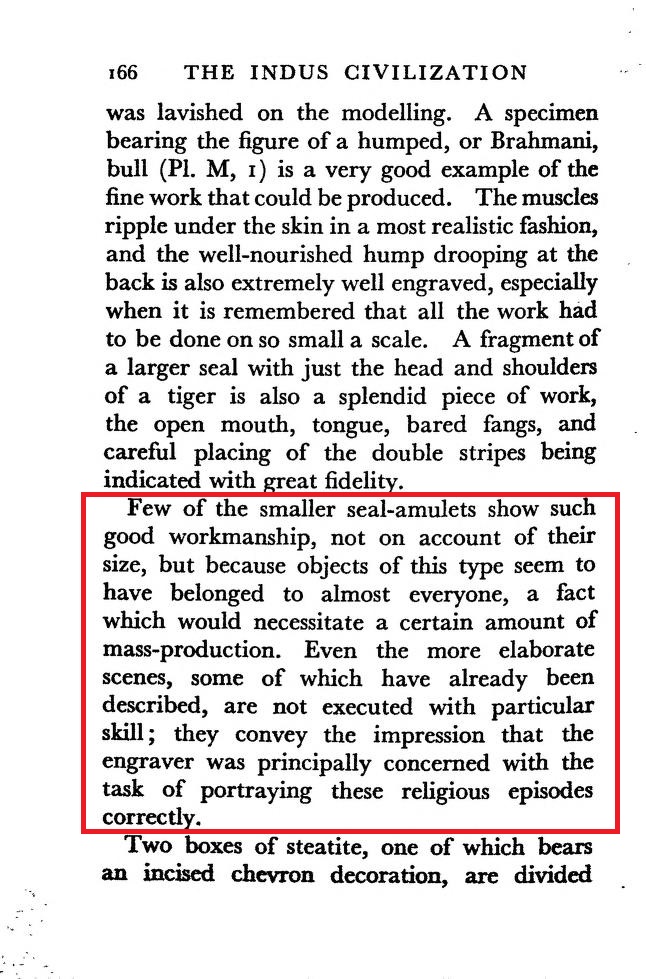
A large number of seals found in various Indus sites are tiny and feature a hole in the center. Archeologists like Mackay interpret them as amulets worn by all citizens and used as travel documents, similar to modern-day passports and visas, for venturing in and out of their respective quarters. Mackay also notes that thse seals were issued at shrines or places of worship.
A big reason Mackay reads them as travel documents is that amulets recovered from the same site also feature the same deity or motif. This is a clear indicator of them being tied to political zones or quarters, thus identifying the wearer as a native of such a quarter.
A large number of seals found in various Indus sites are tiny and feature a hole in the center. Archeologists like Mackay interpret them as amulets worn by all citizens and used as travel documents, similar to modern-day passports and visas, for venturing in and out of their respective quarters. Mackay also notes that thse seals were issued at shrines or places of worship.
A big reason Mackay reads them as travel documents is that amulets recovered from the same site also feature the same deity or motif. This is a clear indicator of them being tied to political zones or quarters, thus identifying the wearer as a native of such a quarter.
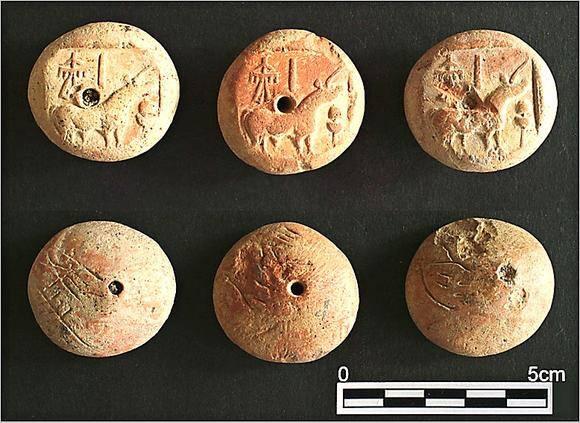


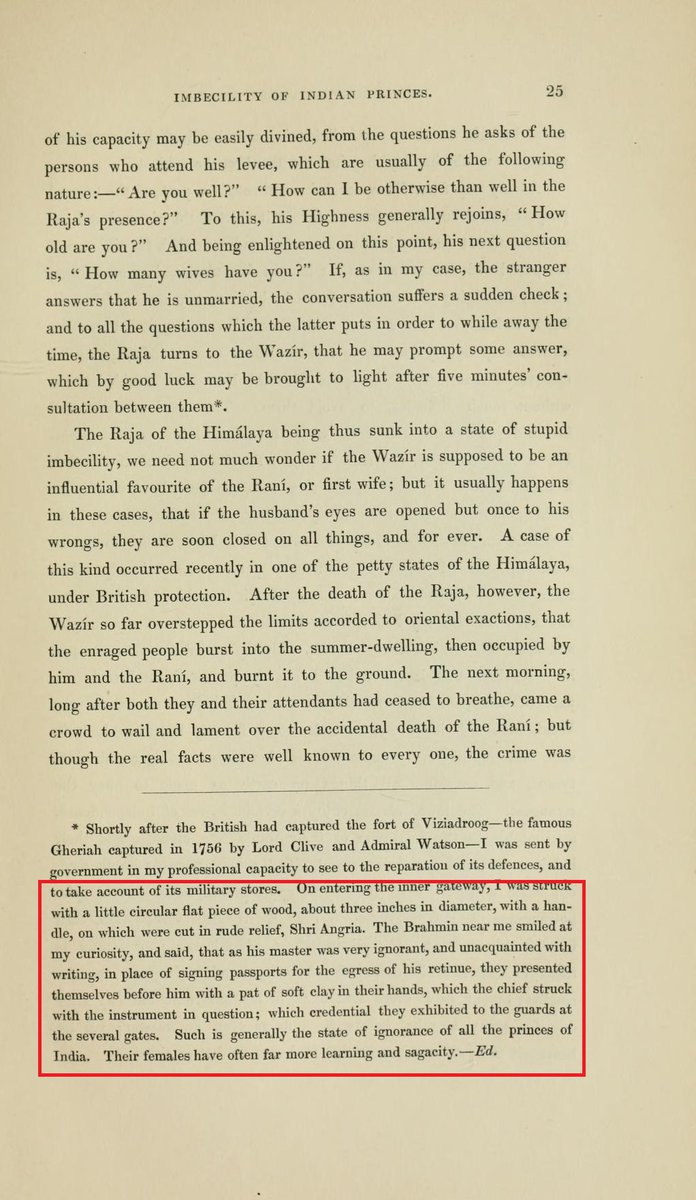
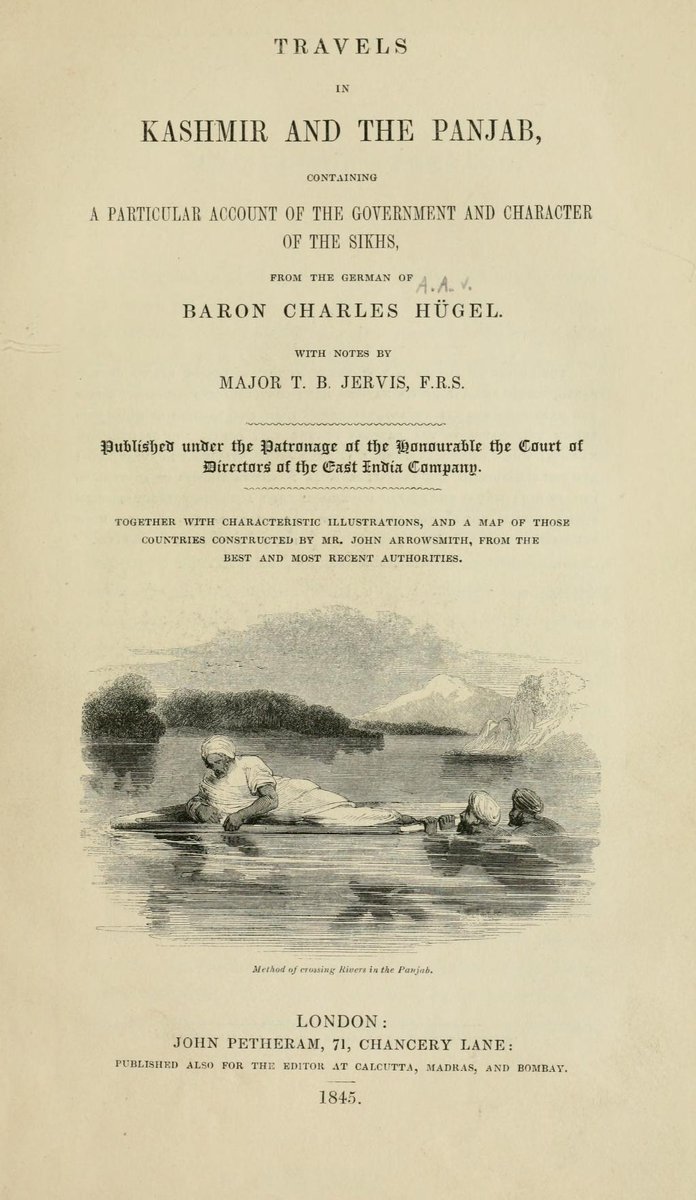
The hypothesis receives further support from the fact that a similar system of domiciliary identification was reported to be in place on a much smaller scale in late 18th-century Bombay by an Austrian traveler named Charles Hügel. He was visiting a fort near Bombay shortly after its capture in 1756 where just before the entrance, he was struck by a wooden seal of Shri Angria as a mark of approval. Without the seal, one couldn’t enter the gateway. If it was practiced this recently, it’s not improbable to have been in vogue in Bronze Age Harappa and Mohenjo-daro either.
5. HARAPPANS HAD DIVISION OF LABOR.
The fact that Harappan towns were divided into walled quarters obviates further evidencing of social stratification, but what adds to the mountain of proof is the fact that they were a highly industrialized society. The commerce was heavily export-oriented. Carnelian, lapis lazuli, tin, copper, and other raw materials were sourced from places as far as Iran and Afghanistan and finished goods such as beads, trinkets, bronze implements, boats, etc. were exported to Mesopotamia and probably also Egypt.
While agriculture remained a mainstay, livestock rearing was also a major industry. Peacocks and chickens are essentially India’s gifts to the world at large. Such level of industrial diversity clearly indicates professional specialization leading to social divisions.
Question is, do these divisions qualify as stratification?
The walls would say yes. The division between an elite upper town and a non-elite lower town would say yes. But we need more. And that brings us to the darkest aspect of the Indus Valley Civilization’s most renowned feature—its sewage system.
The fact that Harappan towns were divided into walled quarters obviates further evidencing of social stratification, but what adds to the mountain of proof is the fact that they were a highly industrialized society. The commerce was heavily export-oriented. Carnelian, lapis lazuli, tin, copper, and other raw materials were sourced from places as far as Iran and Afghanistan and finished goods such as beads, trinkets, bronze implements, boats, etc. were exported to Mesopotamia and probably also Egypt.
While agriculture remained a mainstay, livestock rearing was also a major industry. Peacocks and chickens are essentially India’s gifts to the world at large. Such level of industrial diversity clearly indicates professional specialization leading to social divisions.
Question is, do these divisions qualify as stratification?
The walls would say yes. The division between an elite upper town and a non-elite lower town would say yes. But we need more. And that brings us to the darkest aspect of the Indus Valley Civilization’s most renowned feature—its sewage system.
6. THE HARAPPANS HAD EXCELLENT SANITATION—SOMEONE MAINTAINED IT.
The Harappans were some of the first, most likely the first, to have a robust sanitation system so ahead of its time, many parts of the world could still learn from them. They had drains along every major street that received sewage from households several blocks away via terracotta pipes.
But not all houses enjoyed such distance from the ultimate site of disposal. This was a luxury reserved only by the elites. Lesser homes stood far closer to the drains and were forced to deal with the odor.
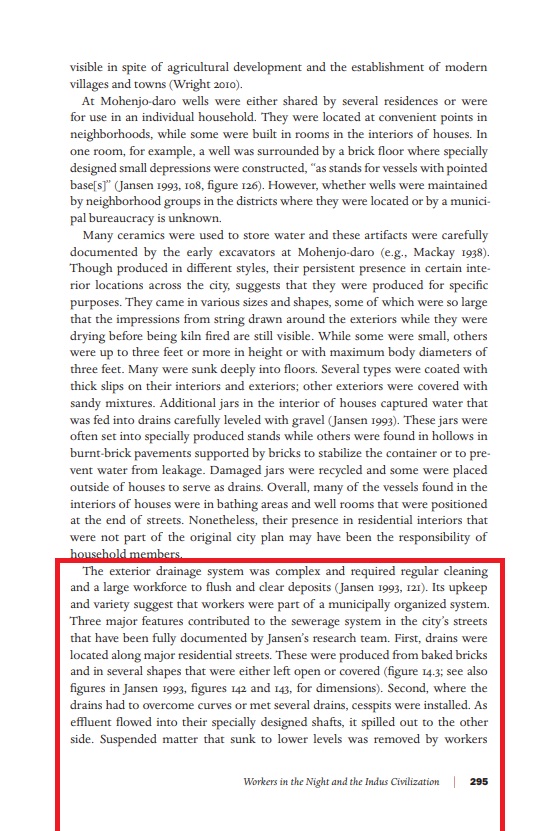
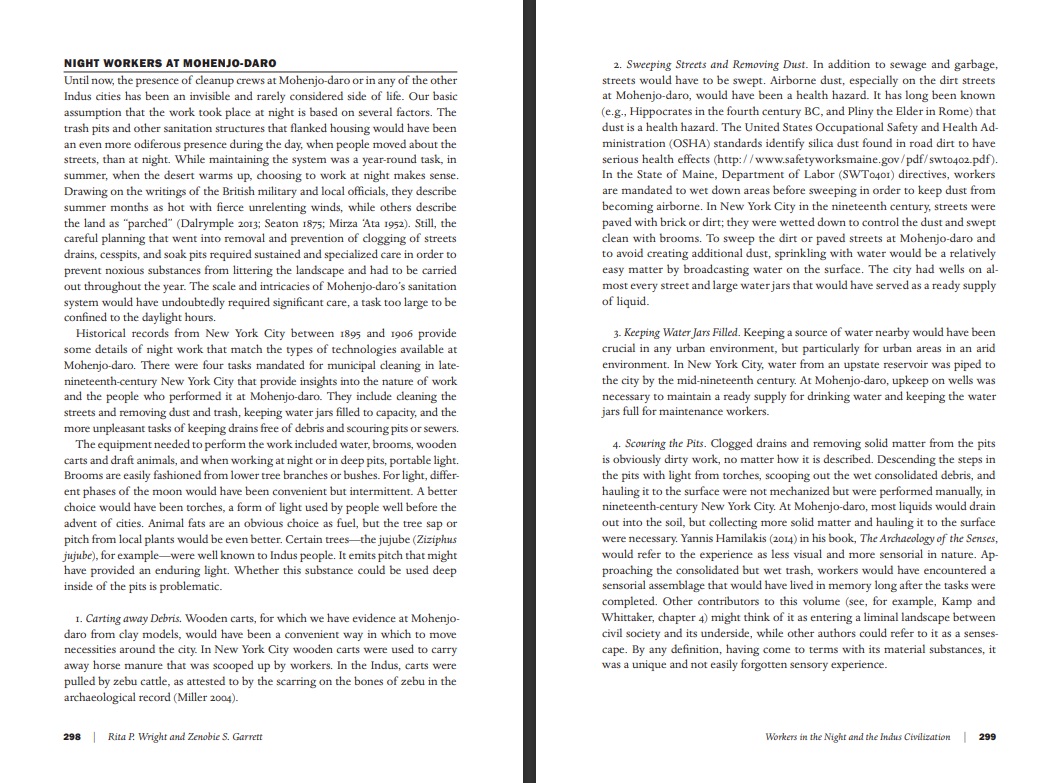
This difference in access to a most essential “luxury” of urban life already indicates a kind of class hierarchy, if not more. But there IS more. While gravity took care of much effluence, oftentimes waste had to be manually filtered to keep the drains flowing. Given the vastness of the drainage, especially in cities like Mohenjo-daro, it’s now understood that the job was assigned to a specialized manual taskforce that worked nights while the rest of the city slept.
The Harappans were some of the first, most likely the first, to have a robust sanitation system so ahead of its time, many parts of the world could still learn from them. They had drains along every major street that received sewage from households several blocks away via terracotta pipes.
But not all houses enjoyed such distance from the ultimate site of disposal. This was a luxury reserved only by the elites. Lesser homes stood far closer to the drains and were forced to deal with the odor.
This difference in access to a most essential “luxury” of urban life already indicates a kind of class hierarchy, if not more. But there IS more. While gravity took care of much effluence, oftentimes waste had to be manually filtered to keep the drains flowing. Given the vastness of the drainage, especially in cities like Mohenjo-daro, it’s now understood that the job was assigned to a specialized manual taskforce that worked nights while the rest of the city slept.


So this is what we have so far:
The Harappans were religious, avoided contact (purity?), practiced urban segregation and restricted movement between social zones (apartheid?), had division of labor (professional specialization or jatis?), and had a separate class of nighttime workers to handle their sanitation—who were forced to live closer to the cesspit than the rest of the city (untouchability?).
We are free to conclude that there was no caste system in the Harappan culture as we ae yet to conclusively decipher their writing. But it stands demonstrated that their society had every feature we currently attribute to the Hindu caste system. Whether or not they were endogamous, we don’t know. But we know beyond doubt that the totem pole of Harappan caste hierarchy had both lowly sanitation workers and citadel-dwelling priestly elites, and the twain were separated by walls, height, and amulets.
The Harappans were religious, avoided contact (purity?), practiced urban segregation and restricted movement between social zones (apartheid?), had division of labor (professional specialization or jatis?), and had a separate class of nighttime workers to handle their sanitation—who were forced to live closer to the cesspit than the rest of the city (untouchability?).
We are free to conclude that there was no caste system in the Harappan culture as we ae yet to conclusively decipher their writing. But it stands demonstrated that their society had every feature we currently attribute to the Hindu caste system. Whether or not they were endogamous, we don’t know. But we know beyond doubt that the totem pole of Harappan caste hierarchy had both lowly sanitation workers and citadel-dwelling priestly elites, and the twain were separated by walls, height, and amulets.
Next time, there’ll be a part 4 discussing how Buddhism, the posterchild of anti-caste crusade embraced not only caste in its early days, but also at one point, adopted Manusmriti as a template for a political constitution!
• • •
Missing some Tweet in this thread? You can try to
force a refresh