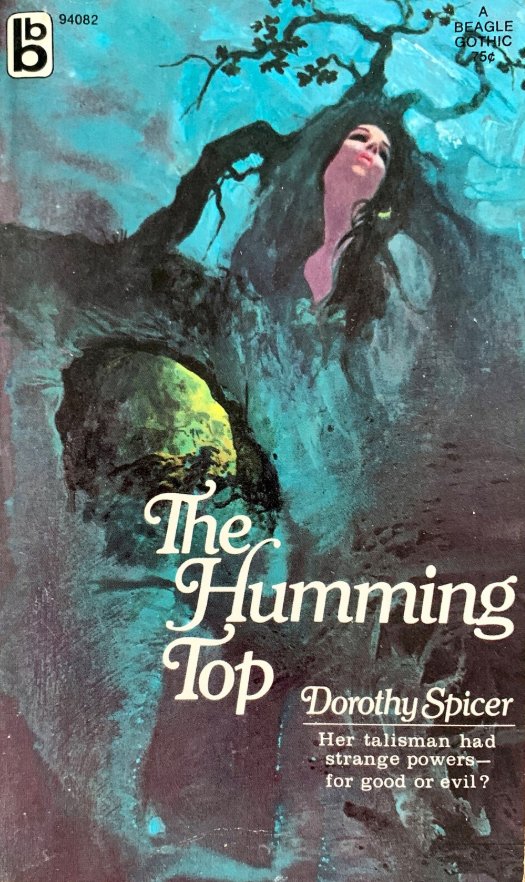
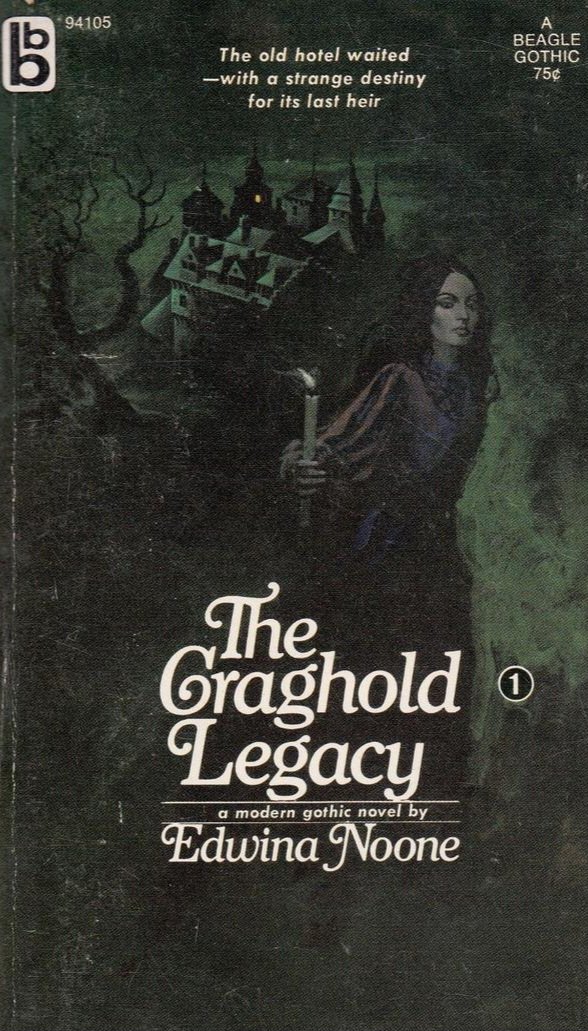
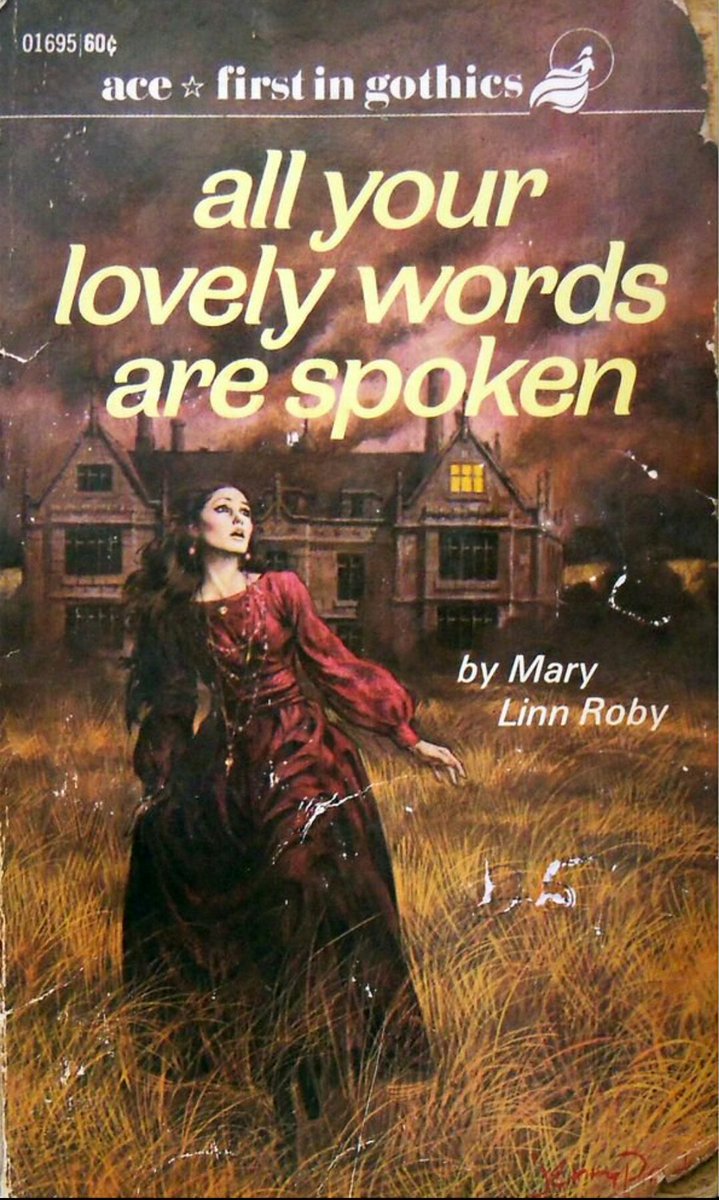
Time once again for my occasional series "Women with great hair fleeing gothic houses!"
And today I try to answer an important question: why?
And today I try to answer an important question: why?
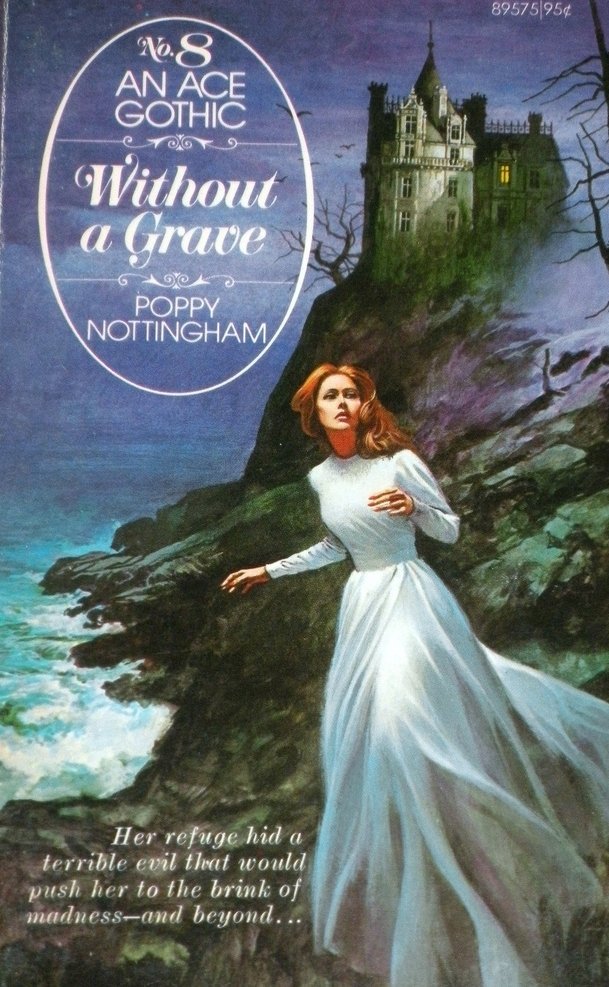
The modern gothic romance has a very familiar cover: there is a house, usually with a single lit window. It's often night or at least the gloaming time. A woman is outside with long, luxurious hair, usually in an evening dress or night attire.
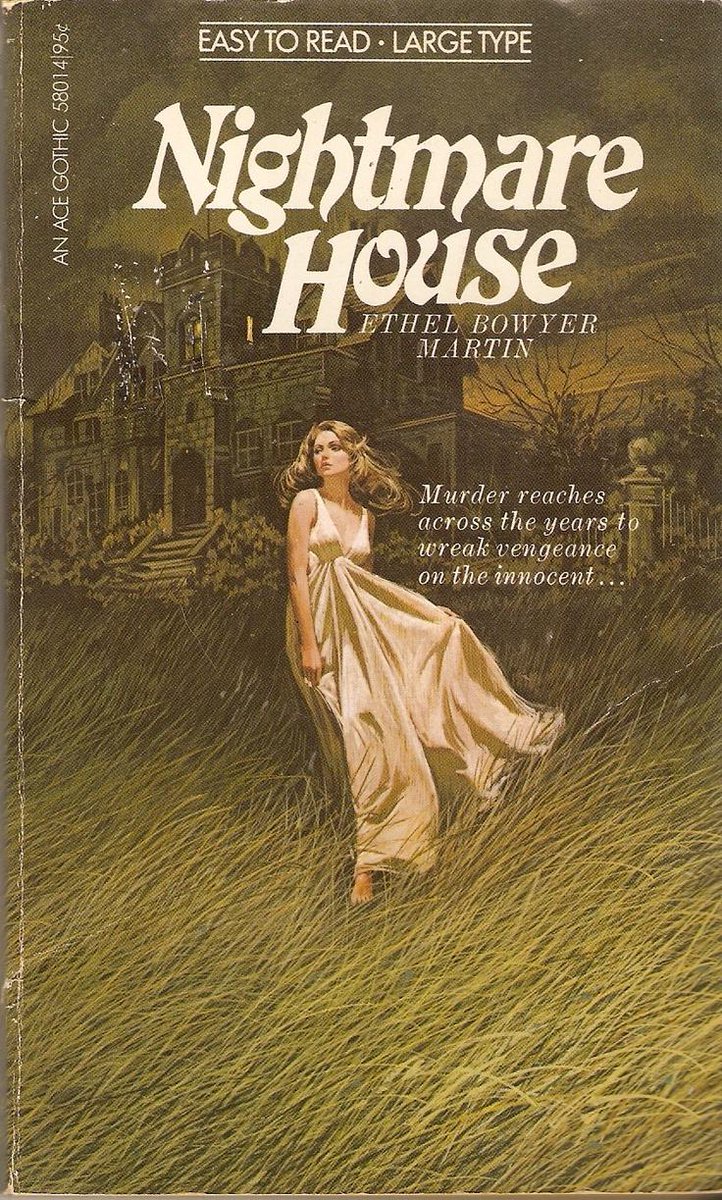
What is she doing? Fleeing.
Well, sort of. She's certainly in some distress, but it's clearly an inner psychological torment. A fugue state perhaps, or a dissociative condition. Something is happening.
Well, sort of. She's certainly in some distress, but it's clearly an inner psychological torment. A fugue state perhaps, or a dissociative condition. Something is happening.
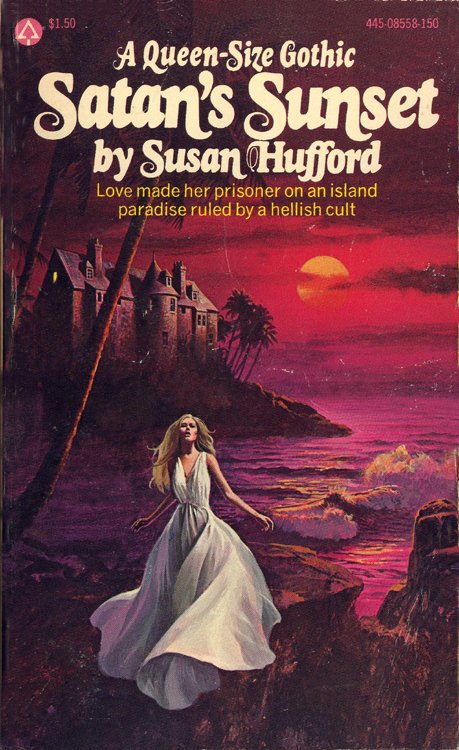
But often she also has agency. This is a deliberate act, not just a fight -or-flight response. Perhaps she is searching for something? Not a physical thing, but some form of answer.

The colours add to the effect. Shadows, mist, unusual shapes or framing. This is not a domestic scene and these are not typical domiciles she is escaping from. Something is out of joint.

And crucially she is often alone. Usually there isn't another person, just the shadow of the house and the elemental forces of nature.

And this is very unsettling. We can't see the threat or the torment she is wrestling with. Even if the copy suggests awful family secrets, cruel lovers or sinister forces we are given no real glimpses of them.
Or are we?
Or are we?
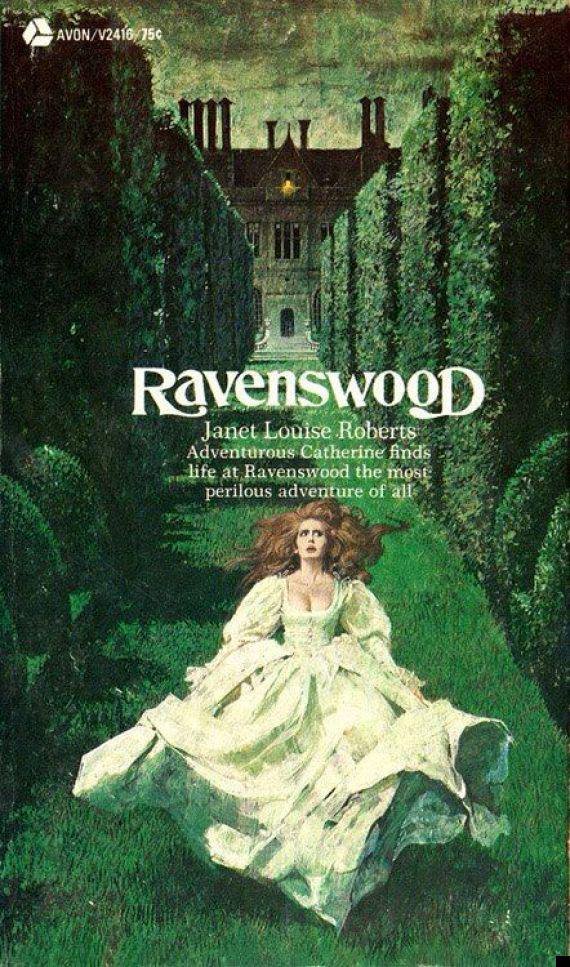
What is gothic romance? Essentially it concerns a relationship between a young woman and an old house. She may have inherited it, married into it or sought refuge in it. But slowly a sinister echo of the past is magnified by it and in horror she must try and overcome it.

Why flee a house? Why not a man, or a cruel stepmother, or a ghost? Well they can all play a part in gothic romance, but the locus of evil is usually the house itself. It's a genre based on a fear of engulfment - of being taken over, driven mad, suffocated by someone else's past.
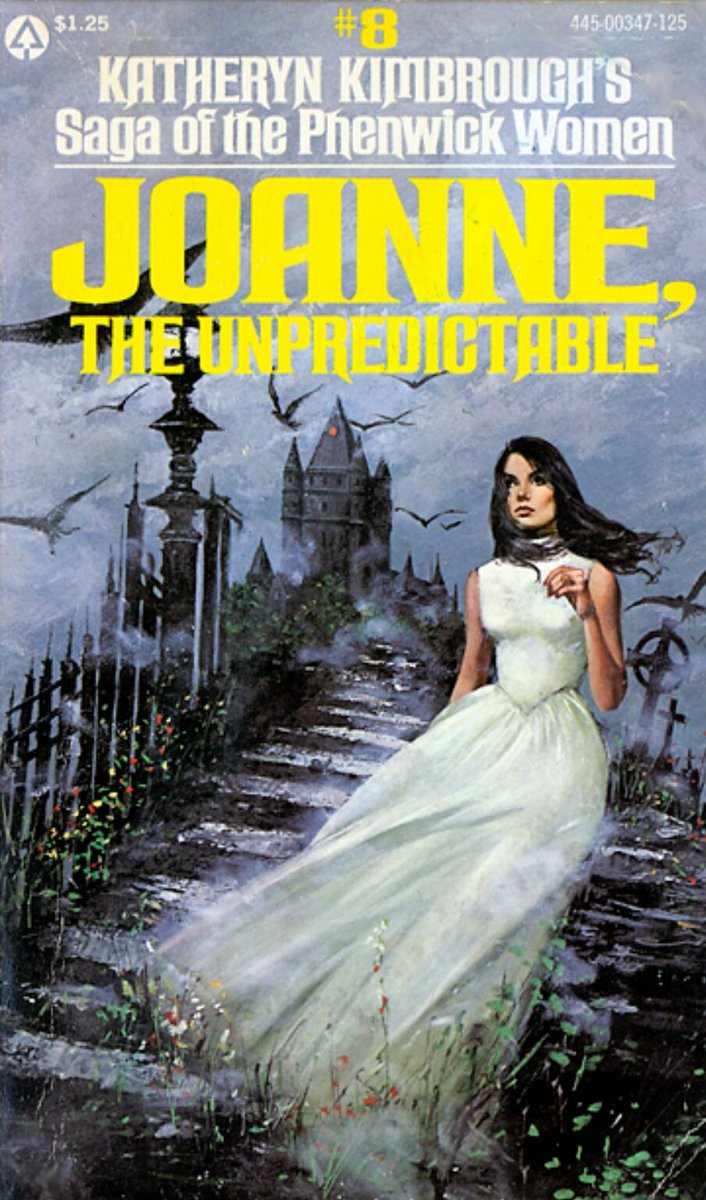
In gothic romance there has to be a love story, but as in all tragedy there are three people in the relationship; the heroine, the brooding lover and the past. The past seeps through the landscape and the architecture - it is always malevolently watching.

Why was gothic romance so popular? Well it touched on many themes an audience could relate to: extremes of passion, the sensual nature of the world, the uncanny. What the heroine wanted - be it a lover, a title, an estate - may well engulf her and threaten her mortal soul.

It's easy to overlook the fact that one of the main protagonists in modern gothic fiction is the house. It often directs and animates the other characters in ways they cannot yet fathom. In many ways the house is the narrator who tells the heroine the awful truth.
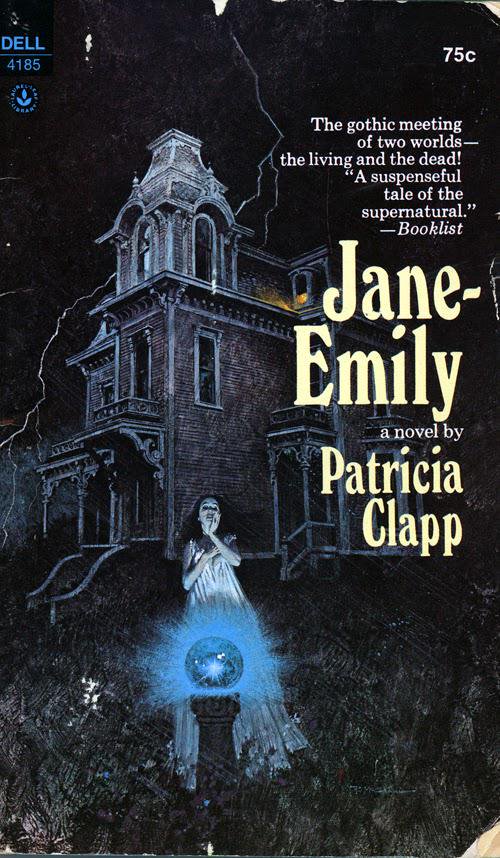
And the idea that a house can be an active character in a novel is a good one. As a locus of memories, secrets and horrors it's hard to beat. It amplifies and distorts the heightened emotions of the drama and in its turn produces new ones.
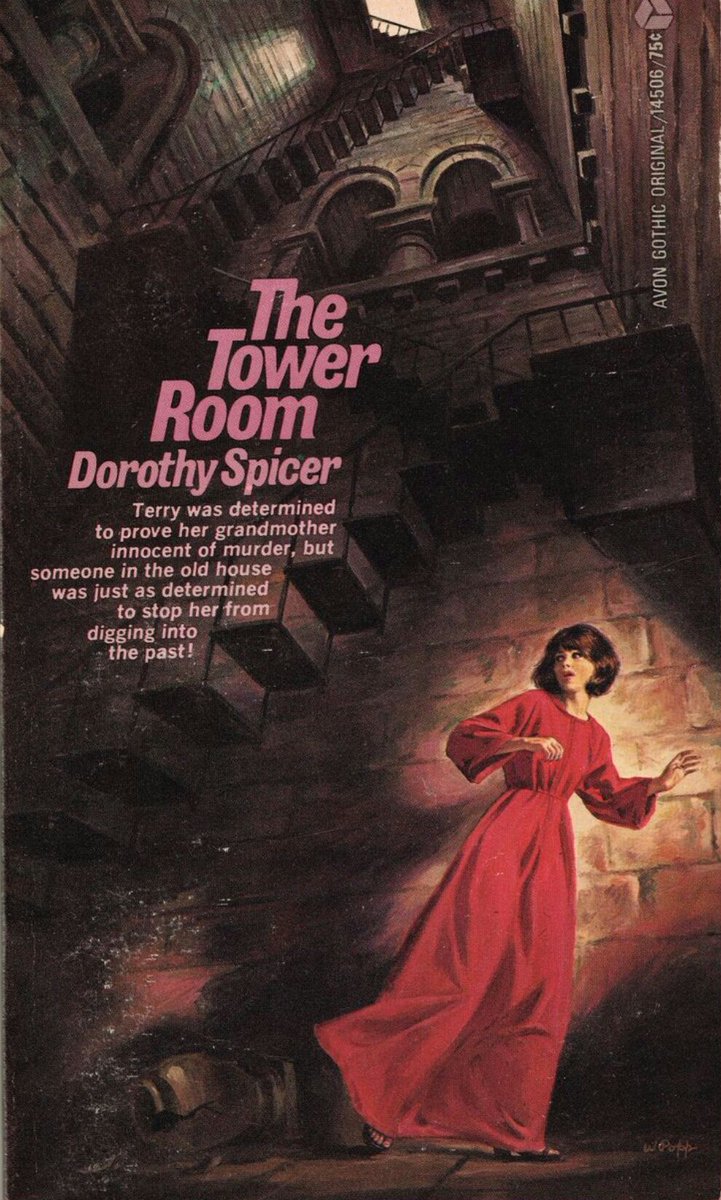
This is the uncanny in action: a psychological experience of something as unsettlingly familiar, rather than simply mysterious. It also tends to generate curiosity as much as revulsion, desire as much as dread. The German word for it is unheimlich – ‘un-homely’.
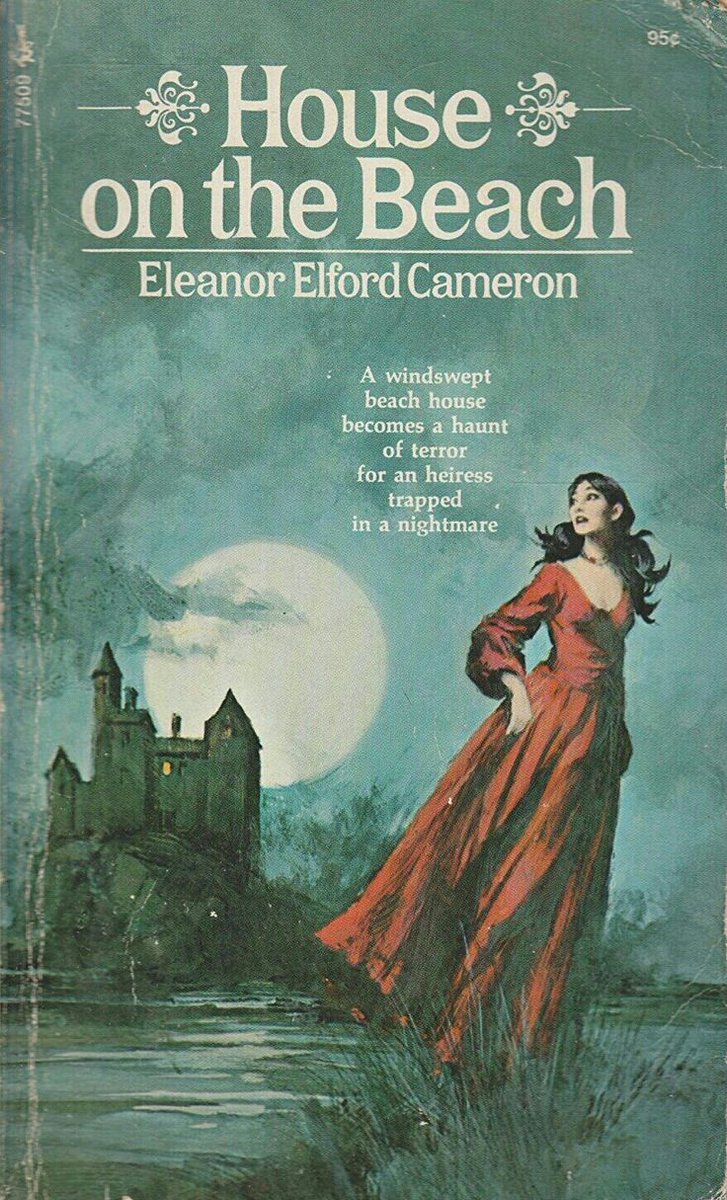
The symbols of the un-homely are eerie familiarities: doppelgängers, ghosts, déjà vu, familiar faces in ancient portraits, sounds from an empty room, uncertainty whether something is alive or dead; these are all plot devices used to elicit uncanny feelings in the reader.
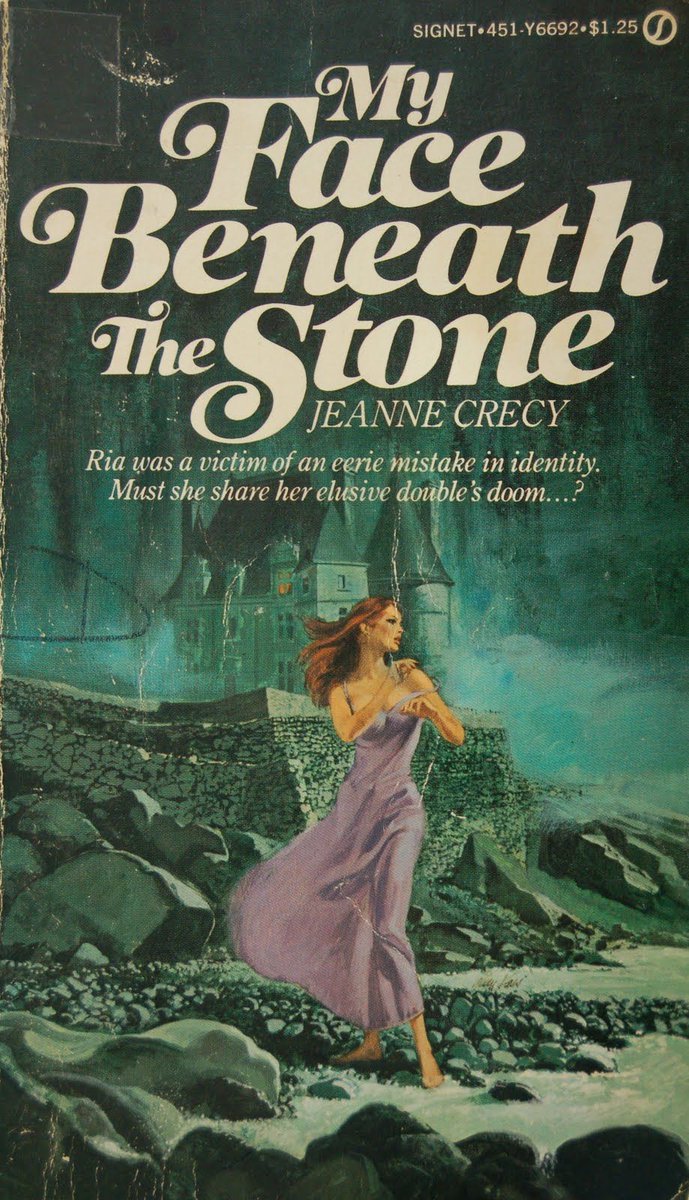
The effect is unnerving when written well: uncanny sensation rather than full-fledged horror. We are wandering uncertainly in a world we don’t quite understand anymore, unsure of ourselves and of others, sensing the presence of something that has been cast out.
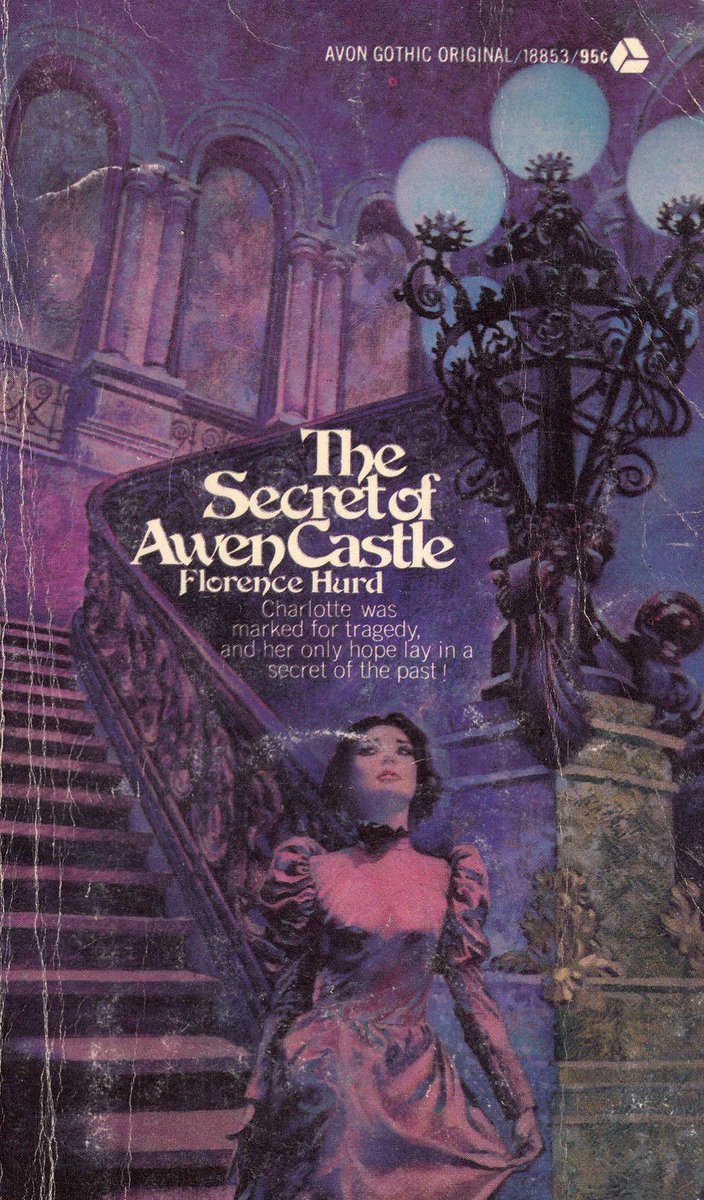
Whether she flees, endures or confronts it the gothic heroine knows that the emotional disordering of her world is both intentional and real. Dark forces draw down an irresistible track of curiosity, awe and fear. She becomes a lone explorer of the uncanny and the sublime.
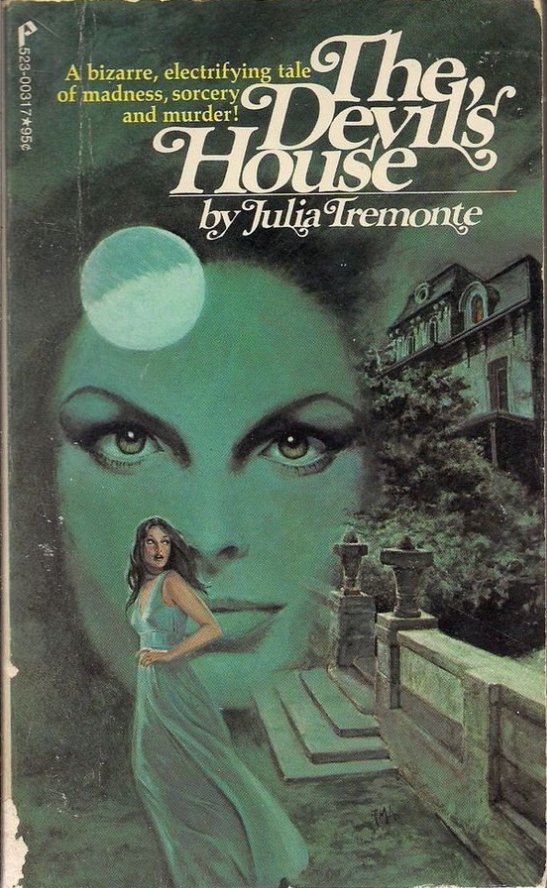
Between 1960, when Mistress of Mellyn kickstarted the modern gothic romance revival, and the mid-80's when mainstream publishing turned away from the genre, several thousand novels in this vein were published.
And they sold.
And they sold.
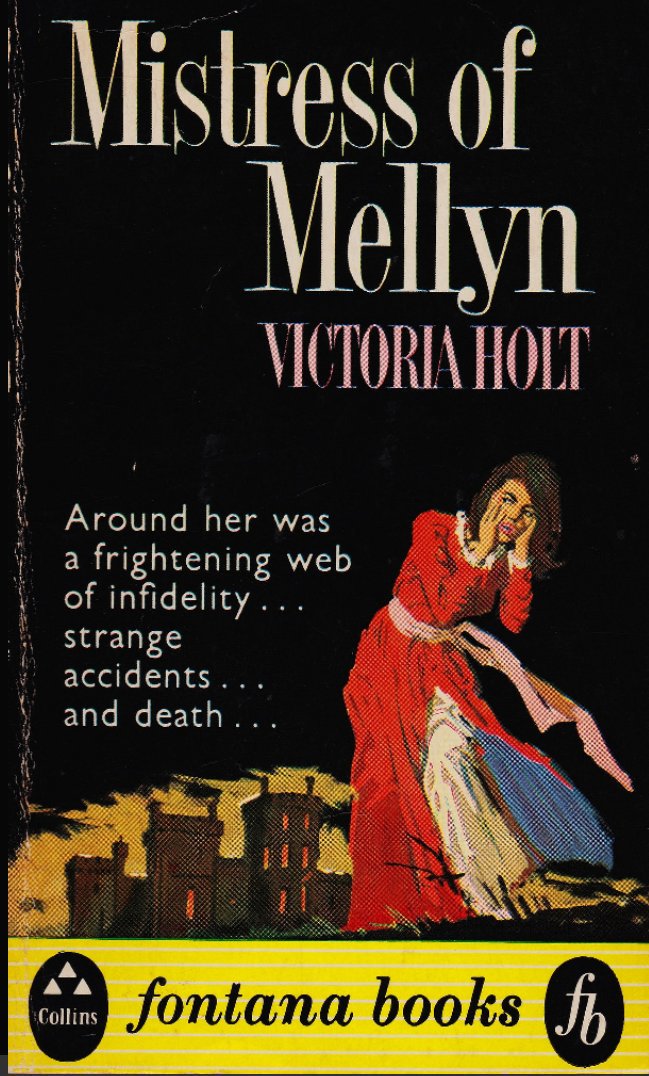
And what sold them was word of mouth. Bought at newsstands, small stores or bus stations these books succeeded not because of heavy marketing or promotion, but because of the cover art.

Once you saw the cover - the brooding house, the eerie lighting, the dramatic, distressed heroine, you knew it was one of 'those' books: not a historical drama or a horror novel or a traditional love story, but a gothic romance.
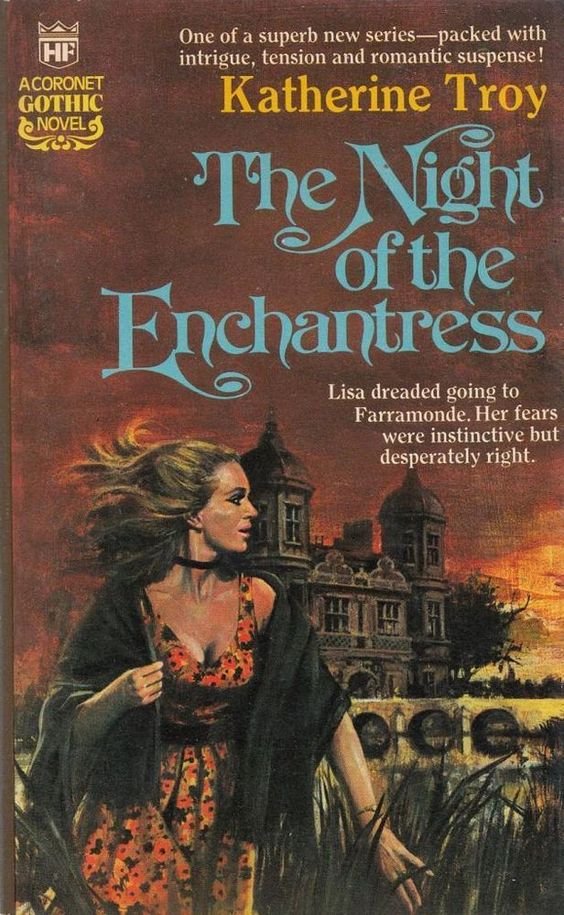
Pulp is a genre dominated business: readers want to know it's one of 'those' books, one of their favourites, before they make the decision to spend their money. These are often impulse purchases, so readers want a promise from the publisher - give me what I want.
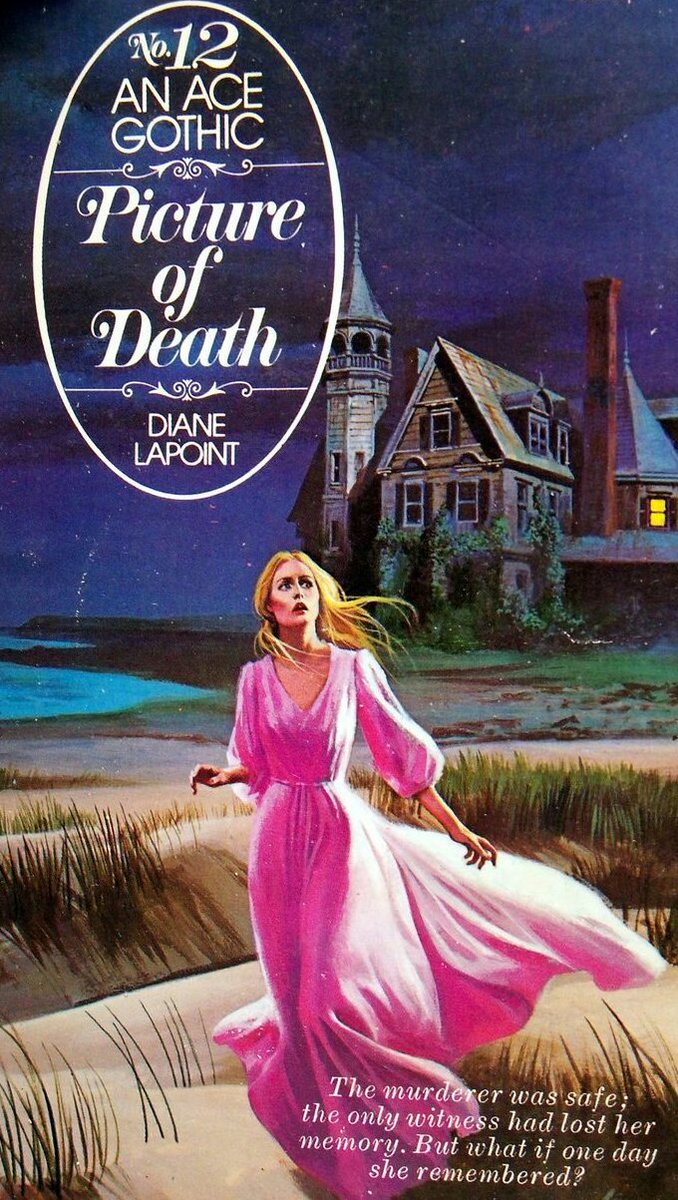
So a familiar cover, a familiar style, acts as a hallmark of quality. This IS what you want, it's all there, and you won't be disappointed. So sit back and enjoy the tale.
More gothic romance another time...
More gothic romance another time...
• • •
Missing some Tweet in this thread? You can try to
force a refresh