Revisiting this brilliant book on teacher development by @PepsMccrea. A short thread on my favourite points:
To implement strategies effectively teachers have to understand the mechanics - HOW and WHY these strategies work, and have the opportunity to tailor these strategies to their context (subject/phase/students).
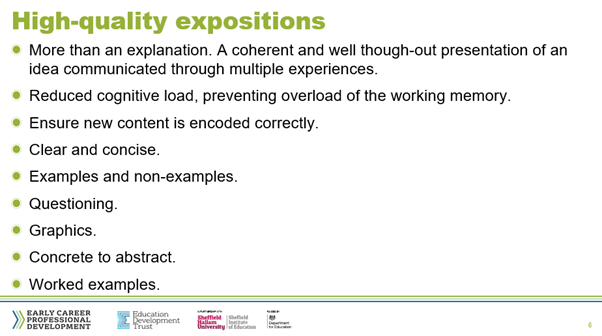
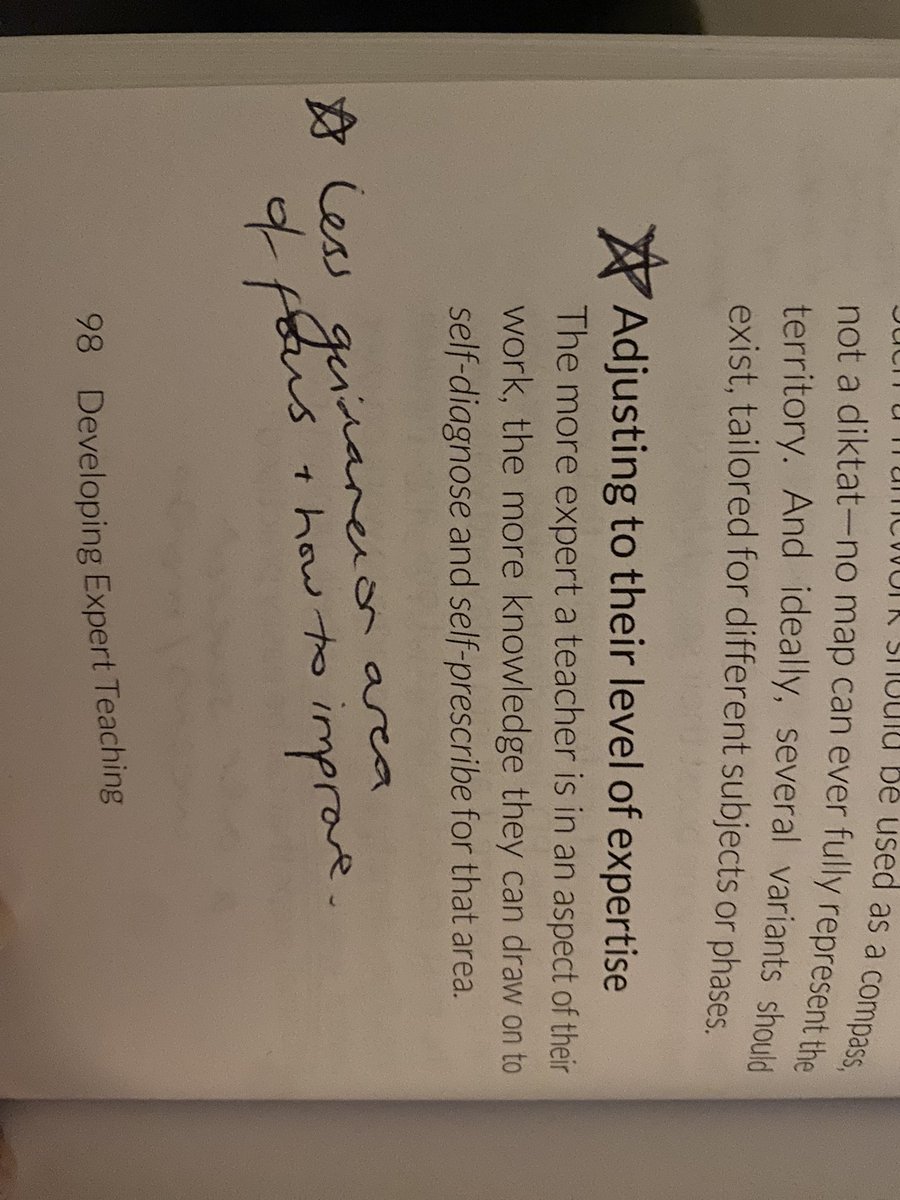
Giving examples of strategies isn’t enough - we should provide models along with highlighting the crucial features of the model and explain why these are so important. We should provide multiple examples and non-examples, and highlight why these are non-examples.
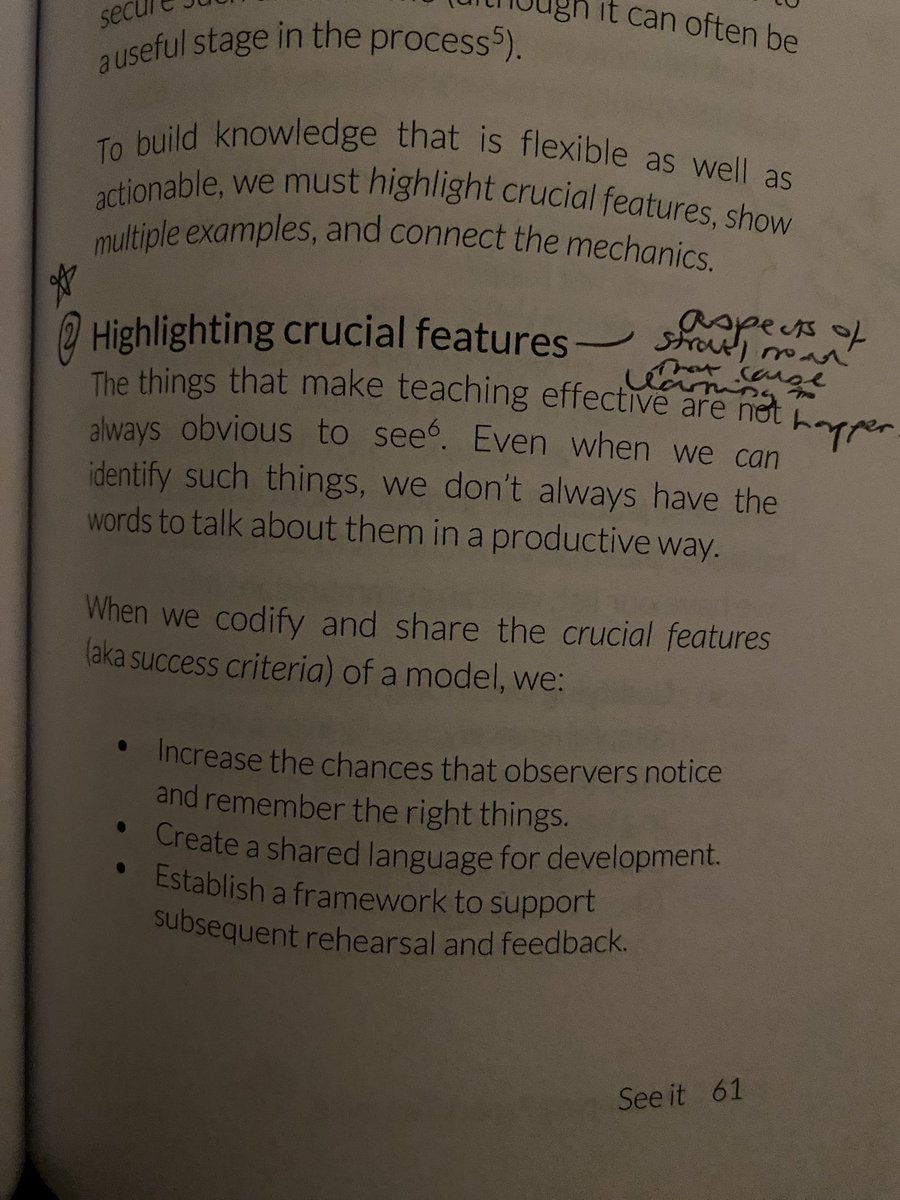
Expert teaches require much less explicit guidance. They should be given opportunities to research/trial new techniques, reflecting on their practice, with occasional feedback.
PD has to be responsive - monitor impact of previous PD and respond accordingly - do you need to revisit certain aspects? Is there examples of good practice to share? Can complexity be added?
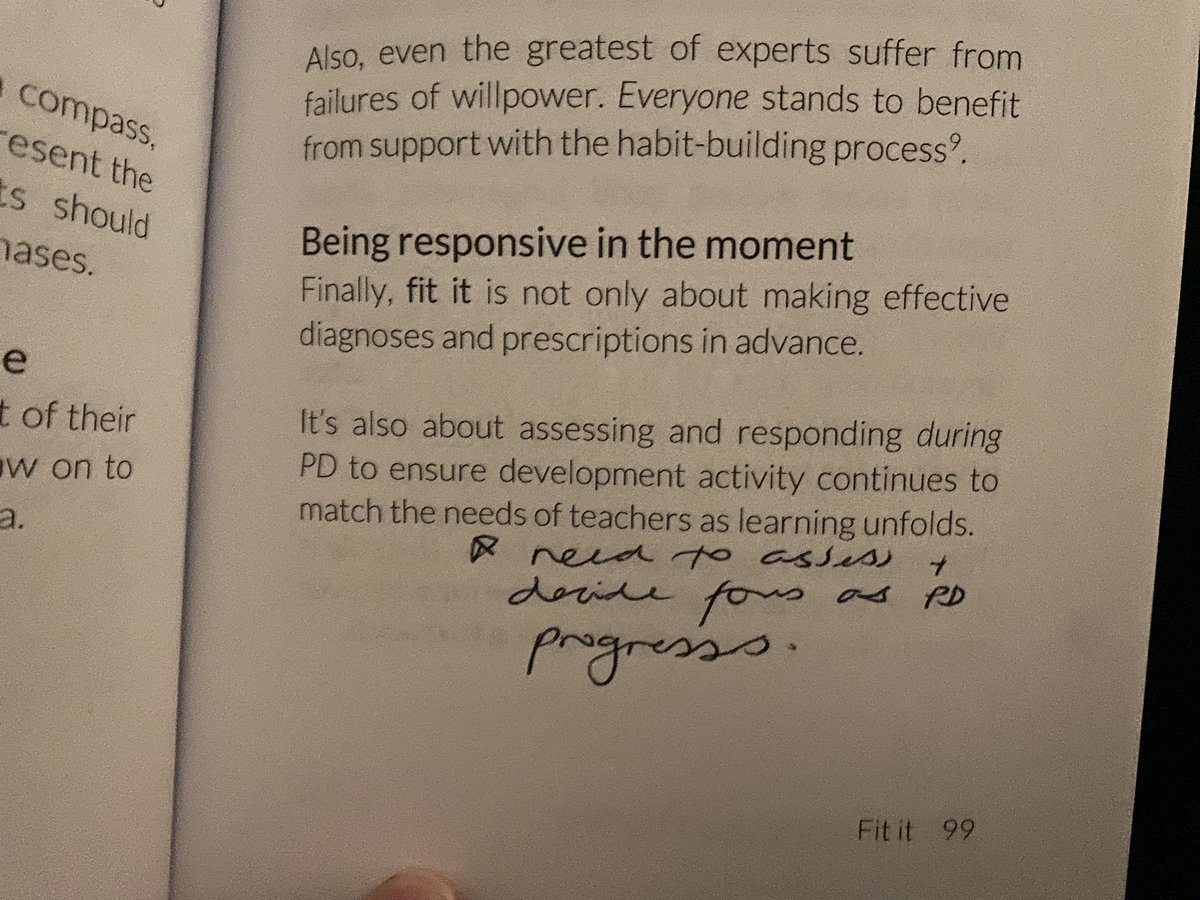
Peer accountability, for example through sharing actions plans with a colleague,can be powerful in helping to ensure follow up actions are taken.
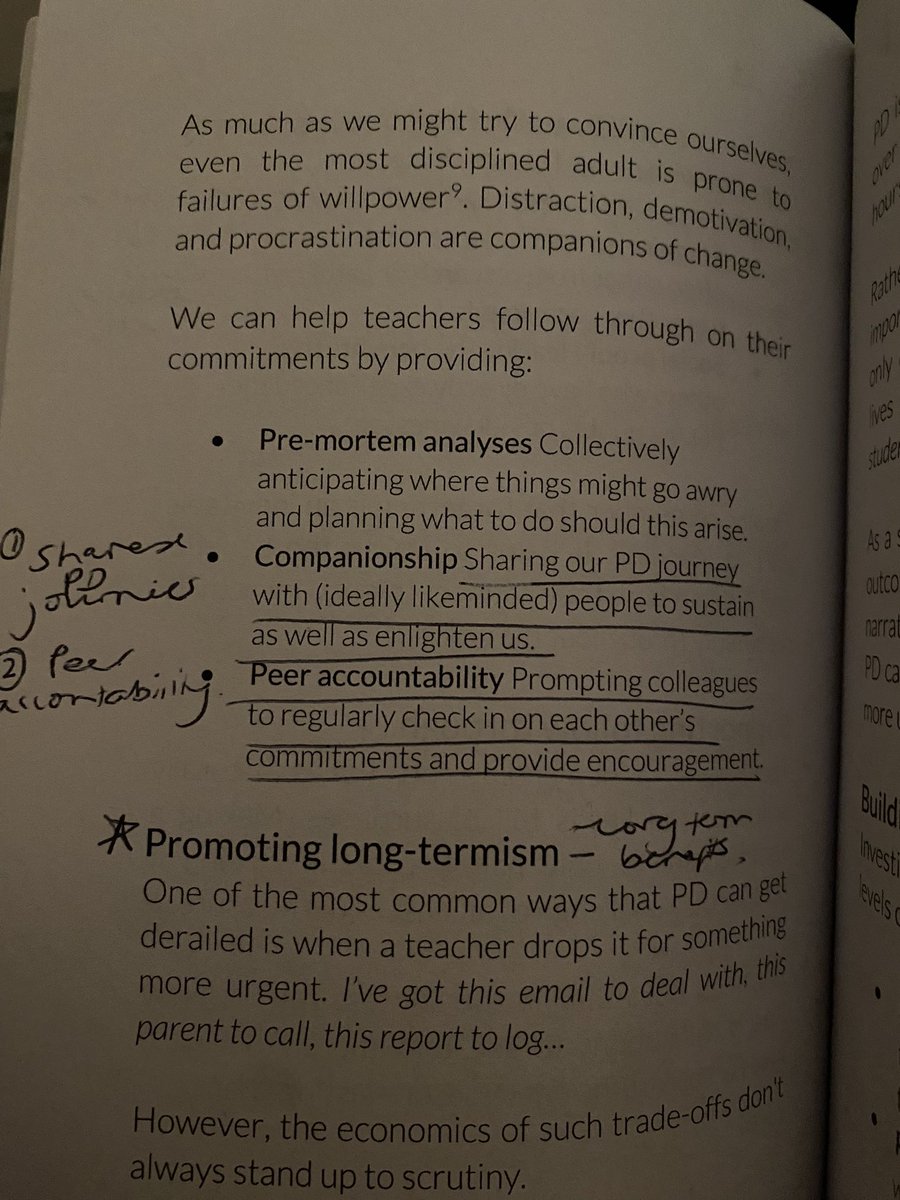
Loads of really nuanced insights alongside the brilliant ‘Get it, See it, Try it….’ model that gives a super clear outline of the ingredients of effective PD
• • •
Missing some Tweet in this thread? You can try to
force a refresh

🚨🚨CPD Thread 🚨🚨
Delivering CPD to teachers/leaders is always an honour. A thread of some of the sessions I've delivered recently: 1. A session for Samworth Academy giving teachers strategies to ensure their implementation of their T&L priorities is as effective as possible.
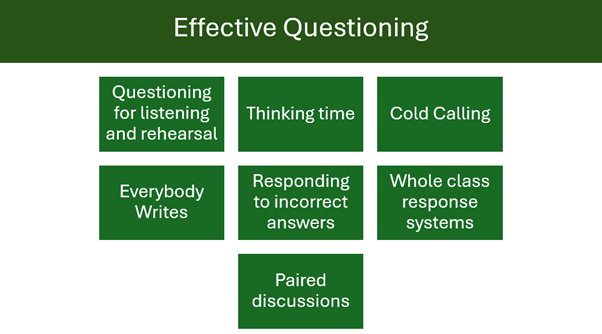
We looked at questioning inc
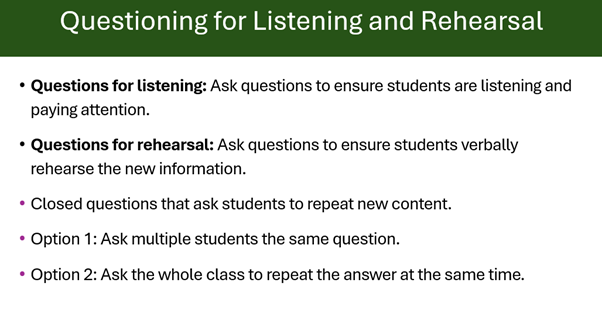
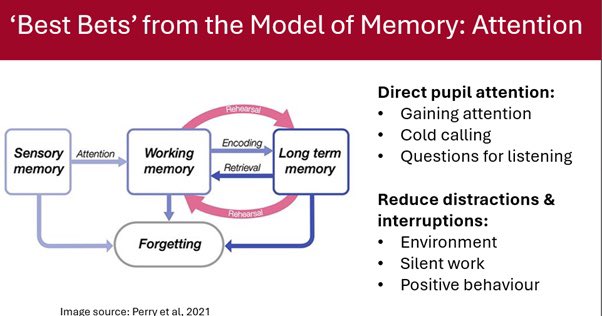
Questioning for listening and rehearsal
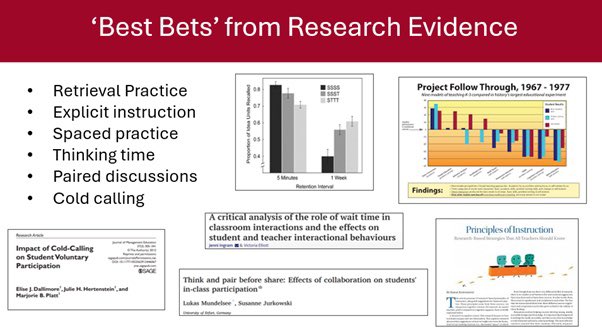
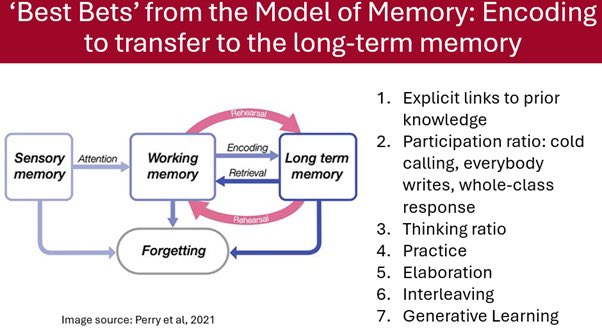
Thinking time
Cold Calling
Everybody Writes
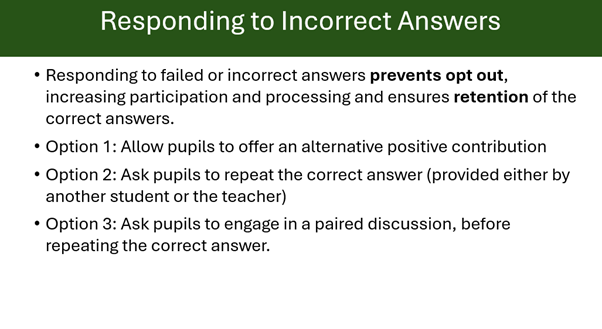
Responding to incorrect answers
Whole class response systems
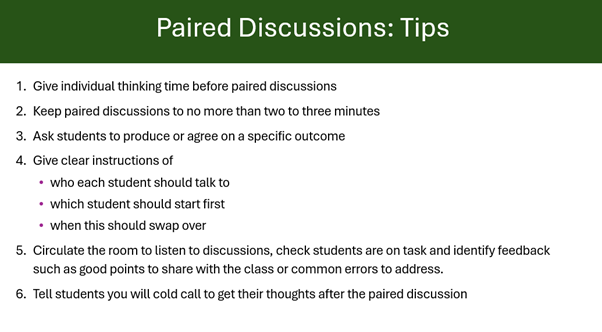
Paired discussions
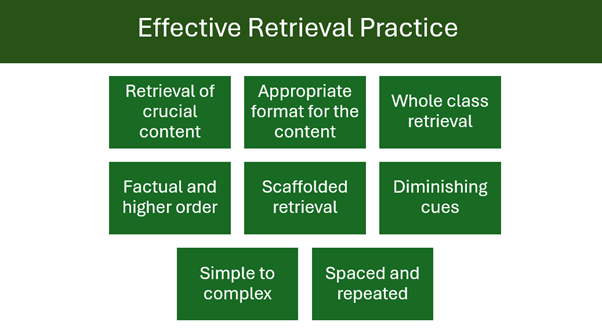
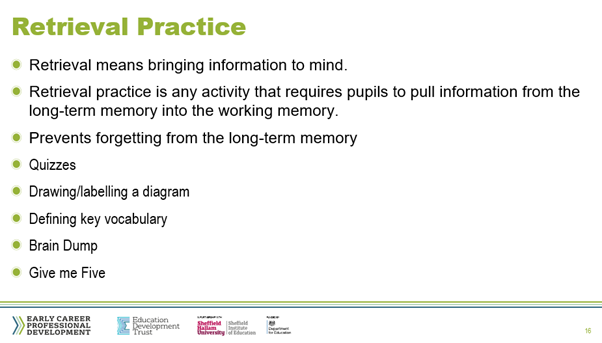
And then the ingredients of effective retrieval practice and lesson planning
🧵🧵Adaptive teaching in-action 🧵🧵
Adaptive teaching occurs when teachers adapt their instruction to meet the needs of all learners.
This involves modifying teaching, often to give more support if pupils struggle, as this occurs in the lesson.
This ‘live’, in-the moment nature of adaptive teaching can cause uncertainty about how this can be achieved. This thread will attempt to look at some examples of what adaptive explanations, modelling, practice, questioning and retrieval may look like in action.
Adaptive explanations:
- Break the content down into smaller chunks.
- Provide further examples and non-examples to make abstract concepts concrete and highlight common misconceptions.
- Provide graphical representations of the content: diagrams, T-charts, timelines, flow charts.
1. In maths, pupils completing initial independent practice on mini white boards, which they held up to the teacher when they completed each question. The teacher checked the answer, telling them to move on if it was correct…
or to try again using the (universally provided) number line if not. If pupils tried with the number line and were still unsuccessful, the teacher went thought it with the pupil step-by-step - a brilliant example of formative assessment responsive teaching in action.
Adaptive teaching is crucial to high quality, inclusive education that enables all pupils to achieve success. So, what is adaptive teaching, when does it take place and how can it be implemented? ....
What? Adaptive teaching occurs when teachers adapt their instruction to meet the needs of all learners.
I’ve had lots of messages/interest in my work with Coventry MAT over the past couple of weeks and it has been amazing to develop an ongoing partnership with school leaders/a Trust, so I wanted to give some more details….
Our first session looked at the reasons for developing a school/Trust framework for T&L inc the importance of: a shared language for T&L, a shared and consistent understanding model of excellence in T&L, equitable CPD provision and consistency in quality assurance.
We also looked at why a T&L framework should be evidence-informed inc:
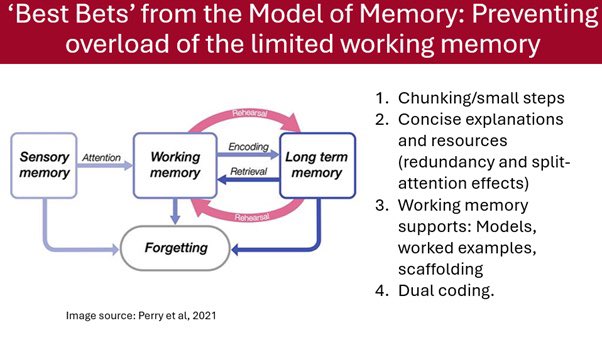
The best bets from the cog sci model of memory, the best bets from research evidence, rejection of ineffective practices and a reduction in workload.
I love a CPD session so being asked to lead CPD for a school, Trust or organisation is always a pleasure. A belated recap of the CPD sessions I delivered over the last term - and a big thank you to everyone who asked me to speak to their teachers....
First up a session on Desirable Difficulties for @MissPowersNE including why desirable difficulties are effective (the difference between learning and performance) and implementing DDs in the classroom such as challenging retrieval practice and varied practice.
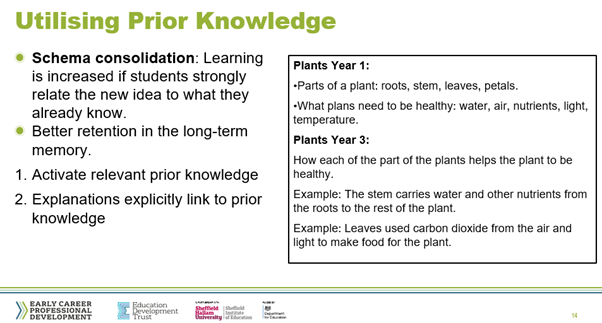
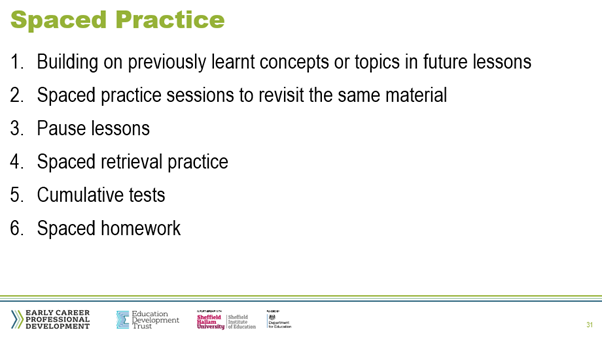
@MissPowersNE A nice session for @JTTShub ECTs on teaching for memory: expositions, linking to prior knowledge, retrieval practice and spaced practice.